
Screening for Alternative Sources of L-Asparaginase Used in Acute Lymphoblastic Leukaemia (All) Treatment: An In Silico Approach
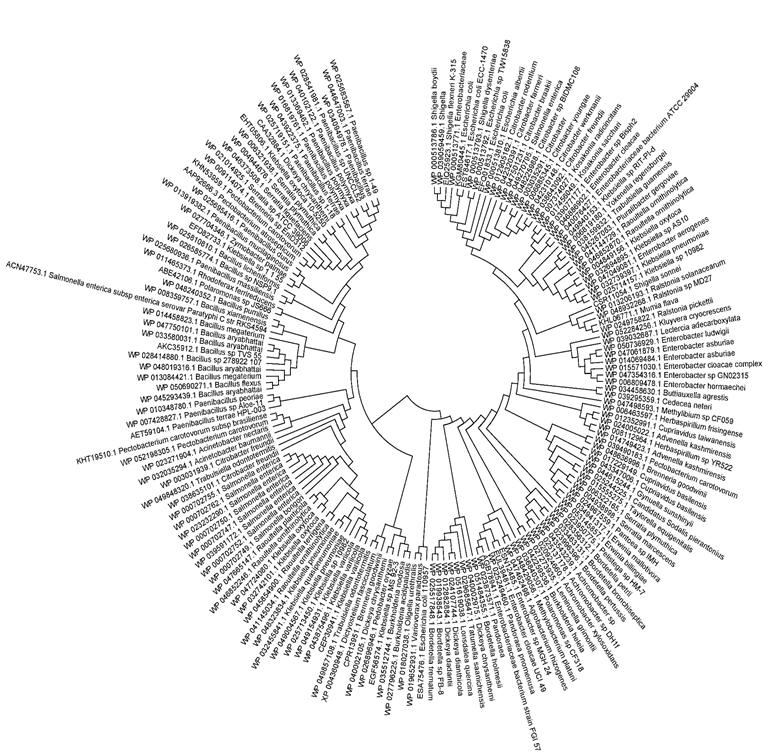
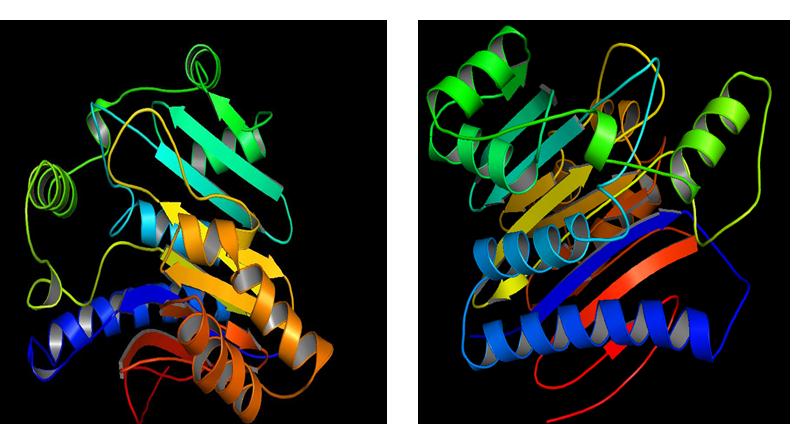
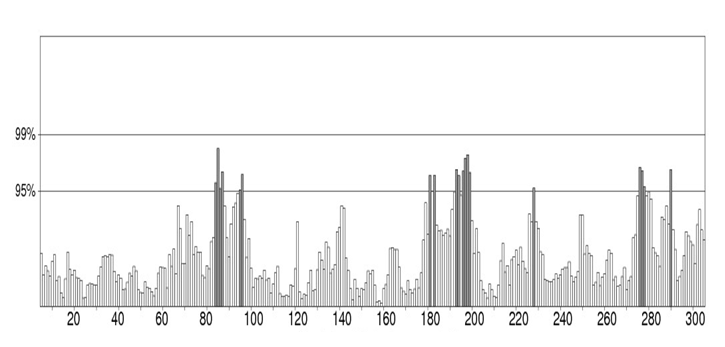
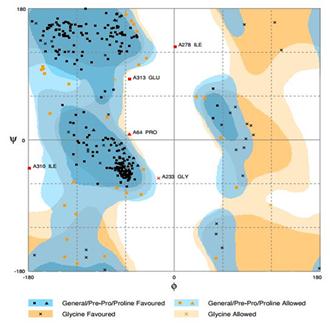
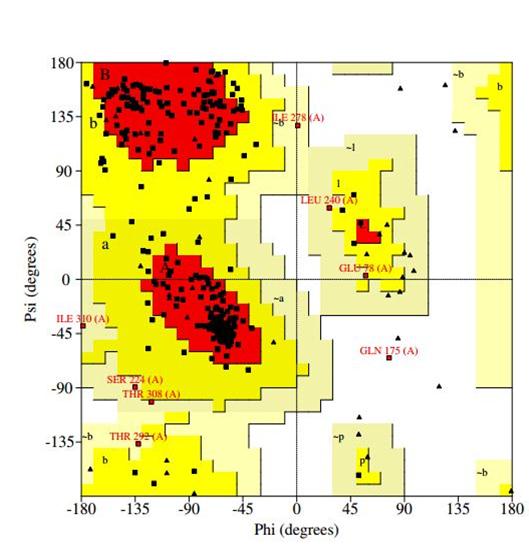
Acute Lymphoblastic Leukemia (ALL) is the most prevalent acute leukemia in children and it also represents a devastating disease when it occurs in adults. Within the United States, the incidence of ALL is estimated at 1.6 per 100 000 population and an estimated 6590 new cases were diagnosed in 2016 alone. The enzyme L-asparaginase (L-Asp) is being used for treatment of childhood acute lymphoblastic leukemia (ALL) for many years because of its unique pharmacological features and historically improved treatment outcomes. As L‑asparaginase demonstrates relative substrate specificity and at the same time affects the glutamine metabolism, these may intensify adverse effects including hepatotoxicity, hemostatic disorders and hyperglycemia. That’s why alternative L-asparaginase sources are crying needed to tackle the present drawbacks of commercially available L-asparaginase (For example, PEG-asparaginase from Erwiniachry santhemi). The present study planned to suggest an alternative source of L-asparaginase for ALL treatment by in silico analysis, mostly for child patient. The study included phylogenetic tree construction, physiochemical properties analysis, the secondary structure screening and three-dimensional structure prediction of proposed Lasparaginase. After phylogeny analysis and in slico screening of physiochemical and secondary properties, homology modeling of L-asparaginase Shigella boydii (WP_000513786.1) was uggested as the best alternative option for ALL treatment rather than commercially available L-asparaginase sources.
Figures
Tables
| Accession number | Molecular weight | Theoretical pI | GRAVY | Instability index | Aliphatic index | |||||||||||
|---|---|---|---|---|---|---|---|---|---|---|---|---|---|---|---|---|
| WP_040002975.1 | 32695.9 | 5.04 | 0.019 | 28.92 | 89.58 | |||||||||||
| WP_029685647.1 | 36859 | 4.89 | -0.178 | 36.8 | 80 | |||||||||||
| WP_051619038.1 | 41337.7 | 4.98 | -0.071 | 28.62 | 83.93 | |||||||||||
| WP_024107744.1 | 33787 | 5.32 | -0.075 | 28.62 | 85.56 | |||||||||||
| WP_012882884.1 | 38313 | 5.11 | -0.11 | 28.11 | 85.29 | |||||||||||
| WP_019938543.1 | 34005.5 | 5.45 | 0.066 | 20.44 | 88.2 | |||||||||||
| WP_025517848.1 | 39017.1 | 5.38 | -0.029 | 26.68 | 87.72 | |||||||||||
| WP_051484355.1 | 42336.7 | 5.08 | -0.052 | 29.09 | 85.36 | |||||||||||
| KGM80445.1 | 46629.9 | 4.92 | 0.041 | 29.46 | 89.75 | |||||||||||
| WP_000513786.1 | 51074.8 | 4.92 | -0.03 | 27.47 | 85.61 | |||||||||||
| WP_039059459.1 | 55521.6 | 4.91 | -0.09 | 26.3 | 81.74 | |||||||||||
| EIQ25923.1 | 33326.9 | 4.88 | 0.112 | 33.78 | 90.69 | |||||||||||
| WP_000513771.1 | 33287.9 | 4.93 | 0.125 | 32.86 | 91 | |||||||||||
| EST84617.1 | 33004.5 | 4.83 | 0.094 | 33.93 | 90.6 | |||||||||||
| NP_001077395.1 | 32054.5 | 5.84 | -0.13 | 16.68 | 84.87 |
Table 1: Prot Param analysis of selected amino acid from Phylogenetic Tree.
| Extranded | ||||||||||||||||||||||||||
|---|---|---|---|---|---|---|---|---|---|---|---|---|---|---|---|---|---|---|---|---|---|---|---|---|---|---|
| Protein | Alpha helix | 310 helix | P | i heli | x | Beta bridge | Beta turn | Bend region | Random coil | |||||||||||||||||
| strand | ||||||||||||||||||||||||||
| WP_040002975.1 | 40.58% | 0.00% | 0.00% | 0.00% | 19.49% | 10.86% | 0.00% | 29.07% | ||||||||||||||||||
| WP_029685647.1 | 35.94% | 0.00% | 0.00% | 0.00% | 20.62% | 13.12% | 0.00% | 30.31% | ||||||||||||||||||
| WP_051619038.1 | 38.24% | 0.00% | 0.00% | 0.00% | 21.94% | 14.73% | 0.00% | 25.08% | ||||||||||||||||||
| WP_024107744.1 | 37.89% | 0.00% | 0.00% | 0.00% | 19.88% | 11.80% | 0.00% | 30.43% | ||||||||||||||||||
| WP_012882884.1 | 38.94% | 0.00% | 0.00% | 0.00% | 19.31% | 11.84% | 0.00% | 29.91% | ||||||||||||||||||
| WP_019938543.1 | 37.80% | 0.00% | 0.00% | 0.00% | 16.46% | 11.28% | 0.00% | 34.45% | ||||||||||||||||||
| WP_025517848.1 | 40.00% | 0.00% | 0.00% | 0.00% | 18.46% | 12.92% | 0.00% | 28.62% | ||||||||||||||||||
| WP_051484355.1 | 39.74% | 0.00% | 0.00% | 0.00% | 15.38% | 12.50% | 0.00% | 32.37% | ||||||||||||||||||
| KGM80445.1 | 39.25% | 0.00% | 0.00% | 0.00% | 18.38% | 12.77% | 0.00% | 29.60% | ||||||||||||||||||
| WP_000513786.1 | 37.07% | 0.00% | 0.00% | 0.00% | 19.94% | 12.46% | 0.00% | 30.53% | ||||||||||||||||||
| WP_039059459.1 | 38.01% | 0.00% | 0.00% | 0.00% | 18.38% | 13.08% | 0.00% | 30.53% | ||||||||||||||||||
| EIQ25923.1 | 38.94% | 0.00% | 0.00% | 0.00% | 18.38% | 13.08% | 0.00% | 29.60% | ||||||||||||||||||
| WP_000513771.1 | 38.63% | 0.00% | 0.00% | 0.00% | 18.38% | 12.15% | 0.00% | 30.84% | ||||||||||||||||||
| EST84617.1 | 39.75% | 0.00% | 0.00% | 0.00% | 17.67% | 12.93% | 0.00% | 29.65% | ||||||||||||||||||
| NP_001077395.1 | 28.90% | 0.00% | 0.00% | 0.00% | 26.30% | 11.04% | 0.00% | 33.77% |
Table 2: Secondary Structure Analysis of Closely Related L-asparaginase.
- Carbon Code for Analysis of Protein Stability in Protein Mutation
- Number of Contiguous Amino Acids in Nanon of 16A Diameter
- Identification of Hub Genes and Pathways in Cervical Cancer by Statistical and Bioinformatics Analysis
- Effect of Dietary Inclusion Levels of Moringa Olerifera Oil on the Growth Performance and Nutrient Retention of Broiler Starter Chicks
- Proteomics Loans in Kinetoplastids during the Last Decade
- “Identification of SARS-CoV-2 in Human Genome based on Protein Dynamics Conversion and Target Genes Marking via Bioinformatics Approaches”