
Molecular Screening of Kenyan Raw Donkey Milk for the Presence of Pathogenic Microorganisms-Preliminary Risk Analysis
Donkey milk (DM) has attracted a lot of attention in the recent past probably due to its functional properties. It has been viewed as a suitable replacement to cow milk especially for children with cow milk allergies because it has properties similar to human breast milk. While its properties have been studied in most parts of the world, there seem to be no available data on the quality of donkey milk in Kenya. This is despite the fact that the milk has gained popularity amongst the locals as a therapeutic food capable of curing various ailments as per the locals’ claims. The presence of disease-causing organisms is a concern when considering the safety of drinking raw and fermented donkey milk. Hence, the aim of this study was to analyze the microbiological quality specifically focusing on pathogens of raw and fermented donkey milk sampled in Kenya using culture dependent methods and 16S rDNA sequencing. Pooled donkey milk samples were sampled from Nakuru and Naivasha towns in Kenya and transported in cooler box in dry ice to Kiel, Germany for analysis. The presence of pathogenic microorganisms was investigated by laboratory procedures according to the relevant routine protocols (MBT). The samples were analyzed for Total viable counts (TVC) and pathogens. The presence of Salmonella and Shigela spp was tested using Xylose Lysine Deoxycholate (XLD) and Salmonella-Shigela (SS) Agar. Pathogenic non-O157 ShigaToxin-producing E.coli (STEC) presence was tested using CHROMagarTM –STEC. Other Escherichia coli were tested using Tryptone Bile X-Glucuronic (TBX) Agar while Campylobacter spp presence was tested using modified cefoperazone charcoal deoxycholate agar (mCCDA) and Karmali agar. The presence of Listeria spp was tested using ALOA® Oxoid-Chromogenic Listeria agar. Salmonella shigella deoxycholate calcium (SSDC) and Oxoid Yersinia Selective Agar (Schiemann’s CIN Agar) agar was used to detect the presence of pathogenic Yersinia enterolitica. All these spp tested negative in both fresh and fermented DM samples. Our results indicate that donkey milk could be safe microbiologically for consumption and more research is needed to verify the health benefits claims. There is also need to do whole genome analysis to capture the microorganisms that cannot be cultured.
Introduction
Kenya is home to some 600,000 donkeys that are found virtually in all ecological zones where they provide transport and draught power. Donkey milk (DM) has attracted a lot of attention in the recent past probably due to its functional properties. It has been viewed as a suitable replacement to cow milk especially for children with cow milk allergies because it has properties similar to human breast milk [1, 2]. The rich combination of medium and short-chain fatty acids and ω-3 fatty acids in donkey milk makes it a strong candidate therapeutic/functional food for lowering blood cholesterol, prevention of cardiovascular diseases, and chronic inflammatory processes [3, 4, 5].
The use of donkey milk varies with communities; while to others it is an abomination to milk a donkey, others believe that donkey milk has therapeutic value. The latter is the case in Naivasha and Nakuru in Kenya. Several researches have been done on the microbiology, chemical composition, nutritive value and safety of DM [6, 7]. Research has also shown that donkey milk is similar to human breast milk in terms of composition [1, 3], and also possesses some anti-allergens and anti-inflammatory characteristics [8, 9, 10], and has antimicrobial properties [11, 12, 13, 14]. While all this information has been studied out there, there seem to be no information on the quality of DM from Kenya and most African countries. DM consumption in Kenya has risen in the recent past due to perceived health benefits claimed by those who consume. This has been propelled by media attention (https://www.standardmedia.co.ke/ business/article/2001323155/would-you-drink-donkey- milk., https://www.tuko.co.ke/213382-yummy-nutritious- meet-naivasha-man-selling-donkey-milk-kenyans-video. html#213382.) and the war between the public health offices and the donkey farmers. The former insist that donkey milk is not fit for human consumption but without any data to support, while the latter claims that it is a source of their livelihood and that their clients are people suffering from various ailments and that DM is a key component in management of these diseases. It is against this background that we designed this study to look at the microbiological quality and hygiene of DM from Kenya, specifically from the areas where it is popularly consumed.
Materials and Methods
Milk Sampling
Pooled samples were collected from healthy donkey from two sites both within Nakuru County., Site 1 was Soin Village in Nakuru and Site 2 was Kamere Village in Naivasha sub-County. A pre-site visit was done where the farmers were explained about the project and their willingness to participate sought. Farmers were then asked to ferment the milk 4 days before the sampling date. On the sampling date, the fermented milk was sampled from the traditional guard into the sampling bottles (50mL per bottle) and stored in cooler box. raw milk was also sampled immediately after milking, 50mL per sample bottle and also stored in cooler box with dry ice. Samples were then transported to Max Rubner Institute laboratory in Kiel, Germany for further analysis.
Microbiological Analysis of the Samples: 10 ml of raw donkey milk sample was taken from samples, and homogenized with 90 ml double distilled and autoclaved water in stomacher for 5 minutes (IUL, Spain). After homogenization period, double distilled water diluent 9mL was pipetted into test tubes and 1mL sample added into first tube to make 10-1 dilution. Serial dilutions were done to 10-9. From these serially diluted samples 100µL was plated on selective media. The presence of pathogenic microorganisms was investigated by laboratory procedures according to the relevant routine protocols (MBT). The Samples were analyzed for Total Viable Counts (TVC) and pathogens. The presence of Salmonella and Shigela spp was tested using Xylose Lysine Deoxycholate (XLD) and Salmonella-Shigela (SS) Agar. Pathogenic non-O157 ShigaToxin-producing E.coli (STEC) presence was tested using CHROMagarTM –STEC. Other Escherichia coli were tested using Tryptone Bile X-Glucuronic (TBX) Agar while Campylobacter spp presence was tested using modified cefoperazone charcoal deoxycholate agar (mCCDA) and Karmali agar. The presence of Listeria spp was tested using ALOA® Oxoid-Chromogenic Listeria agar. Salmonella shigella deoxycholate calcium (SSDC) and Oxoid Yersinia Selective Agar (Schiemann‘s CIN Agar) agar was used to detect the presence of pathogenic Yersinia enterolitica.
Total Viable Counts: Total viable counts was performed using the ISO 4833: 2013 standard method and following the established routine methods in MRB. After homogenization period, double distilled water diluent 9mL was pipetted into test tubes and 1mL sample added into first tube to make 10-1 dilution. Serial dilutions were done to 10-9. From these serially diluted samples 100µL was plated on Plate Count Agar (PCA) incubated at 32oC aerobically for 24hours. Plates with 30-300 colony forming units (CFU) were considered and data recorded.
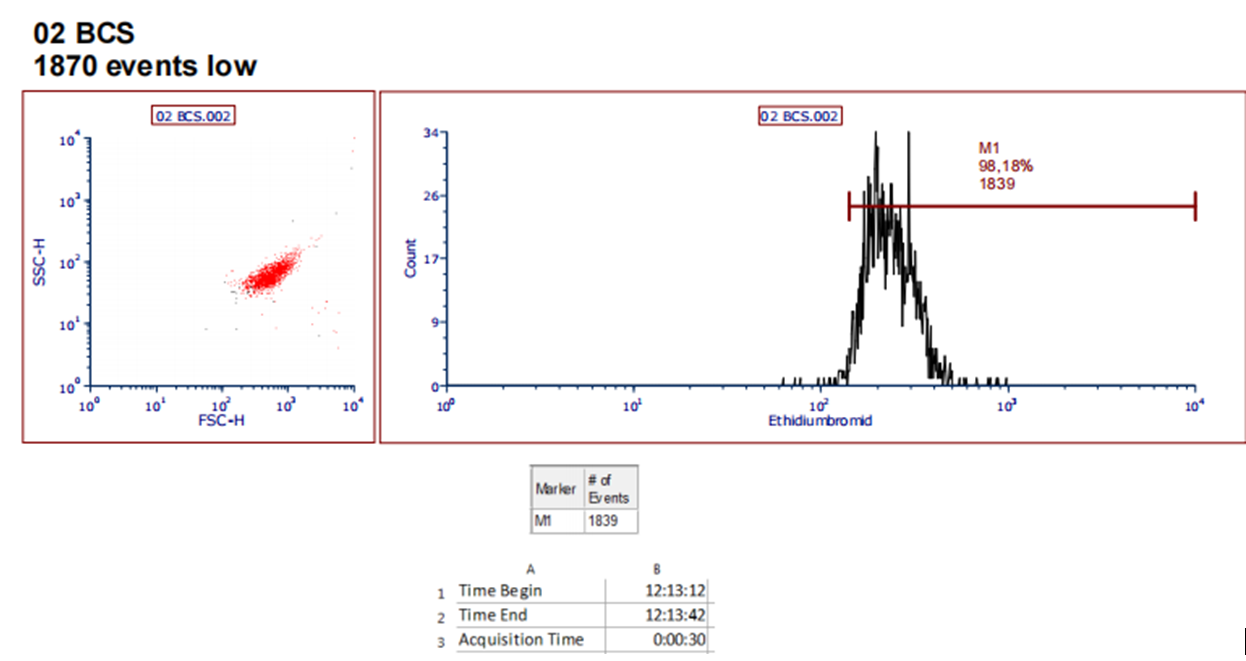
Somatic Cell Count: The number of somatic cells (SSC) and the total bacteria cells were determined by Bactoscan FC150
DNA Isolation, PCR & 16S rDNA Sequencing
Colonies were purified from respective selective media for isolation of pathogenic for further identification.
Randomly selected colonies were sub-cultured through streaking method onto respective media three times until pure colonies were achieved.
DNA was extracted using the method described by Pitcher, et al. [15] and purified using PCR cleanup kit according to manufacturer’s instructions.
Statistical Analysis: Data were analyzed using SPSS version 22.0 software (SPSS, Inc., Chicago, IL, USA) using independent samples t tests to compare within groups. P≤ 0.05 was considered statistically significant. Sequence data was analyzed using BLAST (https://blast.ncbi.nlm.nih.gov/ Blast.cgi#), Evolutionary history was determined using UPGMA method and drawn using MEGA-X [16].
Evolutionary Relationships of Taxa
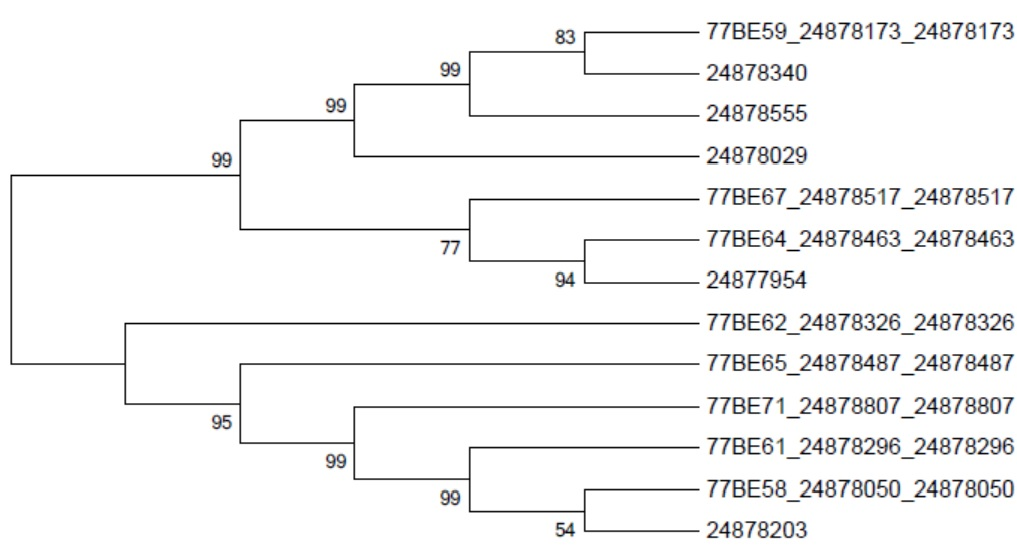
The evolutionary history of 12 nucleotide sequences derived from sequencing the 16s rRNA regions of the isolates from selective media was inferred using the UPGMA method. The evolutionary distances were computed using
| Mean±SEM | |
| TVC (log CFU/mL) | 2.03 ± 0.04 |
| Somatic cell (cell/mL) | 9x10⁴ |
| Enterobacteriaceae(log CFU/mL) | <101 |
Table 1: A phylogenetic tree also confirmed the isolates relatedness (Figure 2).
the Maximum Composite Likelihood method [16] and are in the units of the number of base substitutions per site. Codon positions included were 1st+2nd+3rd+Noncoding [16]. All ambiguous positions were removed for each sequence pair (pairwise deletion option). There were a total of 1472 positions in the final dataset. Evolutionary analyses were conducted in MEGA X [16].
Results
The average of Total Viable Count was 1.7 x 10³ CFU/mL while The SCC was 9x10⁴ as showed in Table 1 and Figures 1. BLAST results identified the isolates with over 99.9% (although there were a few isolated that could not match relatedness above 96% with any sequence in the data bank) as Atlantibacter hermannii (Escherichia), Klebsiella oxytoca, Klebsiella pneumoniae, E. coli, Pediococcus pentosaceus, Enterobacter sp. (roggenkampii), Bacillus sp. (thuringiensis), Pseudomonas sp. and Acinetobacter junii as shown in Table 2. A phylogenetic tree also confirmed the isolates relatedness (Figure 2).
| No. | Sample Name | Sample Code | 16s rRNA BLAST results |
|---|---|---|---|
| 1 | EMA 2 Blut Iso 2 | 77BE60_24878203 | Enterobacter sp. (roggenkampii) |
| 2 | EMA 2 Karmali groß | 77BE57_24878029 | E. coli |
| 3 | EMA 2 mCCDA | 77BE58 | E. coli |
| 4 | EMA 2 VRBD Iso 3 | 77BE59 | Klebsiella pneumoniae |
| 5 | EMA 2 Brila blau | 77BE54_24877954 | Atlantibacter hermannii (Escherichia) |
| 6 | Fresh 9 Bolton grau | 77BE67 | Acinetobacter junii |
| 7 | Fresh 9 Bolton Bac | 77BE71 | Pseudomonas sp. |
| 8 | EMA 2 Brila dunkelblau | 77BE68_24878555 | Klebsiella oxytoca |
| 9 | EMA 2 Blut Iso 3 | 77BE63_24878340 | Klebsiella pneumoniae |
| 10 | EMA 1 Brila | 77BE64 | E. coli |
| 11 | EMA 2 Karmali klein | 77BE62 | Pediococcus pentosaceus |
| 12 | EMA 2 Brila | 77BE61 | E. coli |
| 13 | EMA 2 Blut Iso 1 | 77BE65 | Bacillus sp. (thuringiensis) |
Table 2: Microbiological analysis and somatic cell count results in raw donkey milk samples.
Discussion & Conclusion
Drinking of donkey milk is a new phenomenon in Kenya, hence there is little or no scientific information for reference in Kenya. Being a new practice, there is conflict between the farmers, consumers and the public health department which is tasked with ensuring safe foods to the people. There is also no correct source of information regarding the safety of the milk. The farmers milk their donkeys and sell milk to clients without processing. With no data and no control, donkey milk pose a serious health as observed in other parts oft he world [17].
The proponents argue that the milk is not only safe but possess therapeutic properties, claims which could be true since the healthy benefits of DM has extensively been studied before [2, 9, 12, 14, 18, 19, 20]. On global scale, DM is seen as an alternative to cow milk and other milks in alleviation of allergies in infants hence its importance cannot be ignored [2, 20]. With claimed alleviation of allergies in infants and various health benefits, it is thus expected that the first targets are infants and people hailing from various illnesses which exposes them to danger. This therefore calls from strict monitoring of the safety of DM to avoid exposing these vulnerable target groups to microbiological hazards.
In this study, we sought to test if donkey milk has any pathogens that are of public health concerns in it. The samples were analyzed for Total viable counts, SCC and major pathogens. Isolates from pathogens selective media were analyzed further genotypically by sequencing their 16s rRNA. In this study, DM had low values of TVC (<2.03 x 10³ CFU/ml) and SCC (<30,000 cells/ml) (Table 1) and no major pathogens except for E. coli and some enterobacteria which were identified through the sequencing of the 16s rRNA (Tables 2-3). These results are consistent with earlier studies [21, 22]. In their study, Pilla, et al. [21] did not find any life threatening pathogens in DM and also TVC and SCC
were relatively low. Similar results were also reported by Ivankovic and co-workers indicating that donkey milk could be safe for human consumption.
| Morphology | Results/Notes | |
|---|---|---|
| XLD | Yellow colonies | Negative (16s) |
| SSA | Pink colonies | Negative (16s) |
| STEC | Blue colonies | Confirmation with 16s |
| CIN | Pink colonies | Confirmatory test-Yersinia PCR |
| SSDC | Pink, yellow and black colonies | Confirmatory test-Yersinia PCR |
| mCCDA | Large grey colonies | Negative (16s) |
| Karmali | Grey colonies | Negative (16s) |
| ALOA | Blue colonies | Negative (16s) |
| TBX | white colonies | Negative |
Table 3: Microbiological analysis of food-borne pathogens using selective media.
In Kenya there are no standards for donkey milk since it is not considered human food. However on a global scale, TVC as an indicator of quality has extensively been studied in the dairy industry [10, 23]. This study showed that DM is comparable to other milk [1]. The TVC was within acceptable range for fresh milk with 1.7 x 10³ CFU/ml. Bactoscan results gave SCC at 9x10⁴ which was also within the range and comparable to earlier studies [1, 21]. One would expect pathogens from human interaction or animals [24] since the sampling was done in rural homes where hygiene is low, however the samples did not contain any pathogens of public health concern.
Various studies have been done on the microbiological quality of raw donkey milk and achieved varying results. The TVC and SCC have ranged between 1.5 - 5 log CFU/mL and 3,000 – 50,000 cells/mL [1, 7, 10, 21, 23, 25, 26, 27, 28]. Our results are hence comparable and consistent with these earlier studies in regard to the SCC and TVC.
Microbial safety of milk has been a public concern globally. Hence determination of pathogens in milk is the first step towards assuring the public on the safety of milk and other food products [28, 29, 30]. In this study we focused on key pathogens of public health concerns. Studies like these have been done before although not in Kenya. Some found pathogens in donkey milk [31] while others found minor prevalence [21] and others did not find any pathogens in donkey milk [19, 28]. In this study no pathogens were isolated.
The absence of pathogens could have been due to their fastidious nature of the pathogens since the sample was transported in cooler boxes to Germany within 24 hours. Antibacterial effect of lysozyme and lactoferrin in donkey milk [8, 32, 33]. The other suggested explanation could be due to the presence of antimicrobials in donkey milk [11, 13, 14, 19, 33, 34, 35]. Absence of pathogens could indicate healthy animals or good food handling by the farmers [24]. Hence the absence of pathogens in our sample could be attributed to this activity or that they were absence from the source. This means that the samples transportation may not have had significant change in microbial population since transporting samples in cooler boxes in a generally accepted method of sample transportation, furthermore the analysis was done before 24hour after sampling which has been shown not to have significant difference in microbial populations [30]. The absence of pathogens was consistent with earlier studies [36]. This study was hence consistent with others done before and confirms that raw donkey milk might possess strong antimicrobial activities against pathogens. This not withstanding, various microbes isolated from donkey milk were also consistent with our study. The review by Conte, et al. [36] gives a list of various bacterial microflora isolated in donkey milk. This study confirmed various isolates using sequencing on the 16s rRNA as Atlantibacter hermannii (Escherichia), Klebsiella oxytoca, Klebsiella pneumoniae, E. coli, Pediococcus pentosaceus, Bacillus thuringiensis, Pseudomonas spp. and Acinetobacter junii. However, Klebsiella oxytoca, Klebsiella pneumoniae, Enterobacter roggenkampii are reported first in Donkey milk in this study. Unlike other studies that have reported staphylococcus spp, especially coagulase positive strains, donkey milk samples from Kenya did not contain life threatening pathogens. Spoilage microbes such as Pseudonomas spp have been isolated before in donkey milk [30] which were also found in our samples.
In conclusion, this is the first study in Kenya to document the microbiological quality of donkey milk. The samples had low counts of both BCC and SCC which are the first indicators of quality. Analysis for food-borne pathogens indicated that donkey milk samples from both Naivasha and Nakuru did not have pathogens of public health concern. The results suggest that donkey milk could be safe for human consumption. We however recommend further study using a microbiome approach to confirm if the pathogens are truely absent or have been suppressed by the antimicrobials in donkey milk.
The fact that the samples had low BCC and SCC indicates that the rearing conditions in additions to hygienic milking eniviroments may have contributed to the low BCC and SCC.
Financial Support
This research was supported by the Germany Academic Exchange Services (DAAD) through Re-Invitation programme and the Germany Government through Max Rubner Institute, Department of Microbiology & Biotechnology.
Ethical Statement
This study does not present any ethical concerns.
Conflict of Interest
The authors declared that there is no conflict of interest.
Acknowledgements
We would like to thank L. Niclausen, N. Timm, and N. Rösch for their technical assistance
References
-
Coscia A, Bertino E, Tonetto P, Peila C, Cresi F, et al. (2018) Nutritional adequacy of a novel human milk fortifier from donkey milk in feeding preterm infants: study protocol of a randomized controlled clinical trial. Nutrition journal 17(1).
-
Swar MO (2011) Donkey milk-based formula: a substitute for patients with cow’s milk protein allergy. Sudanese journal of paediatrics 11(2): 21.
-
Aspri M, Bozoudi D, Tsaltas D, Hill C, Papademas P (2017a) Raw donkey milk as a source of Enterococcus diversity: Assessment of their technological properties and safety characteristics. Food Contro 73: 81-90.
-
Perna A, Intaglietta I, Simonetti A, Gambacorta E (2015) Donkey milk for manufacture of novel functional fermented beverages. Journal of food science 80(6): S1352-S1359.
-
Tafaro A, Magrone T, Jirillo F, Martemucci G, Dalessandro AG, et al. (2007) Immunological properties of donkey‘s milk: its potential use in the prevention of atherosclerosis. Current pharmaceutical design 13(36): 3711-3717.
-
Aspri M, Economou N, Papademas P (2017) Donkey milk: An overview on functionality, technology, and future prospects. Food reviews international 33(3): 316-333.
-
Malissiova E, Arsenos G, Papademas P, Fletouris D, Manouras A, et al. (2016) Assessment of donkey milk chemical, microbiological and sensory attributes in Greece and Cyprus. International journal of dairy technology 69(1): 143-146.
-
Yvon S, Olier M, Leveque M, Jard G, Tormo H, Haimoud- Lekhal DA, et al. (2018) Donkey milk consumption exerts anti-inflammatory properties by normalizing antimicrobial peptides levels in Paneth’s cells in a model of ileitis in mice. European journal of nutrition 57(1): 155-166.
-
Trinchese G, Cavaliere G, Canani RB, Matamoros S, Bergamo P, et al. (2015) Human, donkey and cow milk differently affects energy efficiency and inflammatory state by modulating mitochondrial function and gut microbiota. The Journal of nutritional biochemistry 26(11): 1136-1146.
-
Salimei E, Fantuz F (2012) Equid milk for human consumption. International dairy journal 24(2): 130- 142.
-
Martini M, Salari F, Licitra R, La Motta C, Altomonte I (2019) Lysozyme activity in donkey milk. International Dairy Journal 96: 98-101.
-
Abanoz HS, Kunduhoglu B (2018) Antimicrobial Activity of a Bacteriocin Produced by Enterococcus faecalis KT11 against Some Pathogens and Antibiotic-Resistant Bacteria. Korean journal for food science of animal resources 38(5): 1064.
-
Cunsolo V, Saletti R, Muccilli V, Gallina S, Francesco A, et al. (2017) Proteins and bioactive peptides from donkey milk: The molecular basis for its reduced allergenic properties. Food research international 99(1): 41-57.
-
Zhang XY, Zhao L, Jiang L, Dong ML, Ren FZ (2008) The antimicrobial activity of donkey milk and its microflora changes during storage. Food Control 19(12): 1191- 1195.
-
Pitcher DG, Saunders NA, Owen RJ (1989) Rapid extraction of bacterial genomic DNA with guanidium thiocyanate. Letters in applied microbiology 8(4): 151- 156.
-
Kumar S, Stecher G, Li M, Knyaz C, Tamura K (2018) MEGA X: molecular evolutionary genetics analysis across computing platforms. Molecular biology and evolution 35(6): 1547-1549.
-
Mancianti F, Nardoni S, Papini R, Mugnaini L, Martini M, et al. (2014) Detection and genotyping of Toxoplasma gondii DNA in the blood and milk of naturally infected donkeys (Equus asinus). Parasites & vectors 7(1): 165.
-
Conte F, Panebianco A (2019) Potential Hazards Associated with Raw Donkey Milk Consumption: A Review. International journal of food science.
-
Pieszka M, Luszczynski J, Zamachowska M, Augustyn R, Dlugosz B, et al. (2016) Is mare milk an appropriate food for people?–a review. Annals of Animal Science 16(1): 33-51.
-
Souroullas K, Asprk M, Papademas P (2018) Donkey milk as a supplement in infant formula: Benefits and technological challenges. Food research international 109: 416-425.
-
Pilla R, Dapra V, Zecconi A, Piccinini R (2010) Hygienic and health characteristics of donkey milk during a follow-up study. Journal of Dairy Research 77(4): 392- 397.
-
Salimei E, Fantuz F, Coppola R, Chiofalo B, Polidori P, et al. (2004) Composition and characteristics of ass‘s milk. Animal research 53(1): 67-78.
-
Hegde R, Isloor S, Prabhu KN, Shome BR, Rathnamma D, et al. (2013) Incidence of subclinical mastitis and prevalence of major mastitis pathogens in organized farms and unorganized sectors. Indian journal of microbiology 53(3): 315-320.
-
Zastempowska E, Grajewski J, Twarużek M (2016) Food-borne pathogens and contaminants in raw milk–a review. Annals of Animal Science 16(3): 623-639.
-
Cavallarin L, Giribaldi M, Soto-Del DLDM, Valle E, Barbarino G (2015) A survey on the milk chemical and microbiological quality in dairy donkey farms located in NorthWestern Italy. Food Control 50: 230-235.
-
Ivankovic A, Ramljak J, Stulina I, Antunac N, Basic I, et al. (2009) Characteristics of the lactation, chemical composition and milk hygiene quality of the Littoral- Dinaric ass. Mljekarstvo/Dairy 59(2): 107-113.
-
SahInturk M, Oner Z (2017) Determination of chemical and microbiological properties of donkey‘s milk produced in Isparta. GIDA-Journal of Food 42(4): 348- 354.
-
Sarno E, Santoro AM, Di Palo R, Costanzo N (2012) Microbiological quality of raw donkey milk from Campania Region. Italian Journal of Animal Science 11(3): e49.
-
Mottola A, Alberghini L, Giaccone V, Marchetti P, Tantillo G, et al. (2018) Microbiological safety and quality of Italian donkey milk. Journal of food safety 38(3): e12444.
-
Russo P, Fiocco D, Albenzio M, Spano G, Capozzi V (2020) Microbial Populations of Fresh and Cold Stored Donkey Milk by High-Throughput Sequencing Provide Indication for A Correct Management of This High-Value Product. Applied Sciences 10(7): 2314.
-
Ragona G, Corrias F, Benedetti M, Paladini M, Salari F (2016) Amiata donkey milk chain: animal health evaluation and milk quality. Italian journal of food safety 5(3).
-
Chandrashekar KM, Sharada R, Isloor S (2018) Microbial Profile and Antimicrobial Effect of Donkey Milk against Staphylococcus aureus. Int J Curr Microbiol App Sci 7(3): 3237-3242.
-
Saric LC, Saric BM, Kravic SZ, Plavsic DV, Milovanovic IL, et al. (2014) Antibacterial activity of Domestic Balkan donkey milk toward Listeria monocytogenes and Staphylococcus aureus. Food and Feed research 41(1): 47-54.
-
Altomonte I, Simona N, Mancianti F, Perrucci S, Licitra R, et al. (2019) Preliminary results on antifungal activity of donkey milk. Large Animal Review 25(5): 179-181.
-
Oliver SP, Boor KJ, Murphy SC, Murinda SE (2009) Food safety hazards associated with consumption of raw milk. Foodborne pathogens and disease 6(7): 793-806.
-
Conte F, Passantino A (2009) Guidelines for physical, chemical and hygienic quality and safety control of donkey‘s milk. Milchwissenschaft 64(1): 85-88.
- The Role of Podocyte Apoptosis and the Involvement of SIRT1 in Diabetic Nephropathy
- Dealcoholization of Beer by Osmotic Distillation for the Beverage Industry
- Biopolymer-Based Edible Packaging- Biomaterials, Methods, and Applications in Food Industry: An Updated Review
- Influence of Bioprocessing Methods on 'China Rice' (Gawal R1), and Soyabean Supplementation on the Quality of Complementary Food
- Cassava (Manihot esculenta) Varietal Growth, Yield and Cyanide Content Performance in Three Sites in the South- Eastern Semi Arid Regions of Kenya
- Food Waste Treatment, Recycling, Management and Production of Value-Products-An Update on Methodologies and Current Trends