
Revolutionizing Drugs Administration: Techniques in Drug Delivery and Development
The safety, compliance, and therapeutic efficacy of pharmaceuticals have been greatly improved in the last few years by notable developments in the drug development and administration fields. An overview of significant advances and approaches affecting medication development and distribution is given in this abstract. The administration of pharmacological chemicals to humans and animals for therapeutic purposes is known as drug delivery, and it is a primary area of concern. The safety-to-efficacy ratio of approved drugs has been investigated using a variety of strategies, including dose titration, therapeutic drug monitoring, and personalized drug therapy. Furthermore, a lot of emphasis has been paid to innovative drug delivery techniques such controlled drug release, sustained release, and targeted delivery. Even while conventional drug administration methods are still widely used, these innovations seek to overcome some of its shortcomings. Up to forty percent of pharmaceutical items on the US market are expected to use these cutting-edge techniques by 2000. The efficient transportation of therapeutic agents or naturally derived active compounds to their intended locations for the treatment of various illnesses has been made possible by recent advancements in delivery systems. In order to precisely convey pharmaceuticals to their targeted areas, whether it be a specific location or for the regulated release of medicinal compounds, state-of-the-art technologies must be created. Although various drug delivery strategies have showed promise, obstacles still need to be overcome.
Introduction
With a constant quest of innovation to improve the efficacy, safety, and precision of therapeutic interventions, the field of drug delivery and development has experienced a spectacular metamorphosis in recent years. Technology breakthroughs, a deeper comprehension of the complexities of disease biology, and the convergence of interdisciplinary research have all contributed to this dynamic progression [1]. A vital component of contemporary medicine is drug delivery, which is the administration of pharmaceutical substances to have a therapeutic effect in either people or animals. While it is costly and time-consuming to produce new drug molecules, several strategies, including dose titration, therapeutic drug monitoring, and individualizing drug therapy, have been tried to increase the safety efficacy ratio of “old” medications. Medicinal chemical administration with the purpose of producing a therapeutic effect in people or animals is known as drug delivery [2]. Therapeutic drug monitoring, dose titration, and individualizing drug therapy are some of the approaches that have been tried to improve the safety efficacy ratio of “old” pharmaceuticals. However, developing new drug compounds is costly and time-consuming. Drug delivery strategies that are regulated, gradual, and targeted have all received a lot of attention and are very desirable. Though they are commonly used, conventional medication administration techniques have a number of drawbacks that could be resolved by innovative drug delivery systems. Depending on how they are administered, drug delivery systems can be divided into several groups. Novel drug delivery systems including targeted delivery and drug-device combinations are currently garnering more and more interest in drug development, in addition to the conventional ways like oral, injectable, transdermal, inhalation, implant, suppository, ophthalmic, and otic dosage forms [3]. Therapeutic agents or active chemicals derived from natural sources can now be delivered to their intended site for the treatment of a variety of illnesses thanks to advancements in delivery system technology. Nonetheless, a number of issues still need to be resolved, and cutting- edge technology must be created in order to successfully transport medications to their intended locations. Because of this crucial connection between medication formulation and delivery, researchers are constantly working to improve the methods and approaches that close this gap and provide patients with safer, more efficient, and effective treatment alternatives [4]. The designed drug delivery systems are made to release therapeutic compounds under regulated conditions at specific sites, or they are directed toward a certain region. In general, the field of drug delivery research focuses on creating new materials or carrier systems that can effectively deliver pharmaceuticals for medicinal purposes. In vivo instability, poor bioavailability, poor solubility, poor absorption in the body, problems with target-specific delivery, tonic effectiveness, and likely side effects of drugs could all be resolved by using new drug delivery systems to target specific body parts. We take a journey through the nuances and advancements that characterize the modern medication delivery and development scene in this in-depth review essay [5]. We examine the various dimensions of this ever-evolving area, ranging from the cutting edge of nanotechnology, which has transformed drug delivery via nanoscale carriers, to the rise of personalized medicine, in which treatment plans are customized based on individual genetic profiles. We explore the field of intelligent medication delivery systems that can make modifications in real time and talk about how gene and RNA-based treatments have developed to explore new areas [6]. This review aims to present a thorough synthesis of these new approaches to drug administration and development, giving readers a broad overview of the tactics that have the potential to completely alter the landscape of healthcare. Modern science, engineering, and clinical knowledge are coming together to change drug delivery, which is creating previously unheard-of therapeutic opportunities. We are reminded of the enormous potential these methods hold, both in terms of solving present treatment issues and opening up new directions for drug development. With promise for patients, doctors, and researchers alike, these developments have the potential to completely transform the healthcare industry. In this dynamic environment, the opportunities are as boundless as people’s pursuit of improved health, and the path to.
Drug Delivery Techniques
Oral Drug Delivery
One of the most common and patient-friendly ways to give medication is by oral delivery. Through the use of tablets, capsules, or liquids that are consumed through the mouth, medications are delivered using this manner. While there are many benefits to oral medication delivery, there are drawbacks as well, which pharmaceutical companies and researchers have been attempting to resolve [7]. Because it’s easy to use and convenient, oral drug delivery is still a common and preferred way of pharmaceutical administration. Advanced methods and medication formulations are constantly being developed to improve the efficiency and dependability of oral drug delivery, despite obstacles including first-pass metabolism and variable absorption. The field of medication delivery is continually developing, which presents new opportunities for better patient outcomes and therapies [8].
Tablets and Capsules: Two of the most common and well-respected oral medicine delivery methods are tablets and capsules. Because of their portability, convenience, and simplicity of usage, they are frequently employed to administer a variety of pharmacological substances. We will talk about the benefits and mechanisms of using tablets and capsules as oral medicine delivery methods in this section. Tablets are solid dosage forms that are formed by compressing the active ingredient and other ingredients, like disintegrates, binders, and fillers, into a predetermined shape. Depending on the manufacturer and recipe, they may be different in terms of size, shape, and colour [9]. Tablets have a number of benefits.
- Dose Accuracy: Tablets make it possible to administer drugs precisely. They make it simpler for patients to adhere to their recommended regimens because they can be produced with a precise do sage strength.
- Transporting and handling tablets is a simple task: For easy daily use, they can be kept in blister packs or pill organizers.
- Stability: Compared to some other oral doses forms, tablets are often more stable and have a longer shelf life.
- Taste Masking: The taste of bitter or disagreeable medications can be covered up by coatings or other formulation strategies.
- Customization: Depending on the specifications of the medicine, manufacturers can create tablets with various release profiles, such as immediate-release, extended- release, and delayed-release formulations [10].
The exterior shell of a capsule, which is usually composed of gelatin, houses a medicine in either liquid or solid (granule or powder) form. They provide definite benefits
- Versatility: A large variety of medication types, including those with low solubility, can be incorporated into capsules. One capsule may contain several different medication ingredients (e.g., multiparticulate capsules).
- Ease of Swallowing: Generally speaking, some patients find it simpler to take capsules than huge tablets.
- Delayed-Release: In order to prevent deterioration by stomach acid, capsules can be made to release their contents in the intestine instead of the stomach. This is especially advantageous for medications that are sensitive to acid [11].
Controlled Release Formulations: Drug delivery systems known as “controlled release formulations” allow the active pharmaceutical component to be released gradually in order to produce the intended therapeutic effect. These drug formulations are made to distribute the medication gradually, which can decrease adverse effects and increase patient compliance. Among the methods employed in controlled release formulations as a means of delivering drugs orally are discussed below.
Drug-polymer composites known as microspheres or microparticles are frequently employed in formulations with controlled release. The microspheres or microparticles, which are intended to release the medication over a predetermined amount of time, contain the active component. Various formulation parameters, such as polymer constituents, affect the drug’s release from the formulation [12]. The rate and degree of medication release may vary depending on the polymer selected. Drug release may also be impacted by the adhesive’s strength between the formulation and the mucosal surface. Drug release can occur more slowly and with a longer residence time in formulations with a stronger mucosal adhesion. In this kind of controlled release formulation, the medication is distributed over a polymer matrix. As the polymer matrix deteriorates over time, the medication is liberated. A drug is released via a tiny hole in a semipermeable membrane in this kind of controlled release formulation. The osmotic pressure of the solution within the formulation regulates the pace of medication release. Research has demonstrated that the oral administration of controlled-release systems utilizing nanoparticles made of naturally occurring biodegradable polymers is greatly improved [13].
Natural polymer chitosan has been applied to formulations with controlled release. It has been demonstrated that chitosan nanoparticles work well for oral medication administration. One kind of medication delivery system that can increase patient compliance and lessen negative effects is the controlled release formulation. The medicine is released from these formulations over an extended length of time using a variety of strategies, such as chitosan, polymer components, matrix-type, osmotic- type, mucosal adhesive strength, and microspheres or microparticles [14].
Nanoparticles for Oral Delivery: Hydrophobic, hydrophilic, and biologic pharmaceuticals can all have their oral bioavailability increased by using nanoparticles, a promising new drug delivery technology. Drugs can be delivered to the upper intestine portion of the gastrointestinal system using nanoparticles, which can protect them from destruction. One of the most widely utilized medication delivery techniques based on nanoparticles is polymeric nanoparticles. Numerous techniques, including ionic cross-linking, covalent cross-linking, the reverse micellar approach, precipitation/ coacervation, and the emulsion-droplet coalescence method, can be used to manufacture them [15]. One kind of polymeric nanoparticle that has demonstrated efficacy in oral medication administration is chitosan nanoparticles.
These nanoparticles have a lot of potential as oral medication delivery theranostics. They can be applied locally to treat a variety of illnesses. Liposomes are spherical vesicles that may hold both hydrophilic and hydrophobic medications. They are made of a phospholipid bilayer. Systems for the oral delivery of drugs have made use of them.
In order to reach their target cells, nanocarriers intended for oral drug administration must first pass through the intestinal barrier. Drugs in the systemic circulation can have their stability and bioavailability increased by using nanocarriers [16].
Parenteral Drug Delivery
Intravenous Injection: Parenteral drug administration encompasses all non-oral drug delivery methods; nevertheless, it is commonly understood to mean injecting straight into the body, hence avoiding the skin and mucous membranes. There are four different forms of parenteral medication delivery: intrathecal, subcutaneous, intramuscular, and intravenous. The process of injecting concentrated drugs straight into a vein through a needleless port using a syringe is known as intravenous (IV) injection. A quick, fast-acting therapeutic effect is achieved with this drug delivery strategy, which is crucial in emergency scenarios like cardiac arrest or narcotic overdose.
The techniques of parenteral drug administration include
- Intramuscular (IM)
- Intradermal (ID)
- Subcutaneous (SC)
- Intravenous (IV)
- Intraspinal
- Intracapsular injections Intravenous injection is a sort of parenteral drug administration that involves injecting concentrated medications directly into the vein using a syringe through a needleless port. The parenteral route of drug delivery includes four types: subcutaneous, intrathecal, intramuscular, and intravenous administration. Intravenous injection is used to achieve an immediate, fast-acting therapeutic effect, which is important in emergent situations like cardiac arrest or narcotic overdose; however, administering a medication intravenously eliminates the process of drug absorption and breakdown [17].
Subcutaneous and Intramuscular Injections: Parenteral drug delivery strategies that are commonly employed include subcutaneous and intramuscular injections, which involve the direct infusion of medications into bodily tissues. These techniques provide benefits for quick drug absorption and bioavailability, which makes them appropriate for a variety of therapeutic uses.
• Administration Site: Usually into the fatty tissue of the upper arm, thigh, or abdomen, subcutaneous (SC) injections are administered just below the skin’s surface as shown in Figure 1. The qualities of the medicine and the comfort of the user are two important considerations when choosing an injection location [18].
![Figure 1: The qualities of the medicine and the comfort of the user are two important considerations when choosing an injection location [18].](/fulltextimages/11364/fig_1.png)
![Figure 2: TB syringe [20].](/fulltextimages/11364/fig_2.png)
- Length and Gauge of Needle: Subcutaneous needles are finer and shorter than intramuscular ones. By doing this, the chance of hitting deeper tissues is reduced.
- Drug Types: SC injections are frequently used for medications that need to enter the bloodstream gradually and continuously. This is how many medications, including insulin, adrenaline, and several immunizations, is given.
- Absorption Rate: Although absorption in subcutaneous tissue occurs more slowly than in intramuscular tissue, it nonetheless results in a steady and extended release of the medication throughout time. Steady absorption like this is great for keeping medicine levels steady.
- Volume of Injection: Because subcutaneous injections have a low volume limit (usually up to 2 mL), they are appropriate for medications with moderate volume requirements [19].
Deep into the muscle mass, intramuscular (IM) injections are administered. The gluteus maximus in the buttocks, the vastus lateralis in the thigh, and the deltoid muscle in the upper arm are common injection sites. Equipment used for ID injections is a tuberculin syringe calibrated in tenths and hundredths of a millilitre as shown in figure 2, and a 1/4 to 1/2 in., 26 or 27 gauge needle. The dosage of an ID injection is usually under 0.5 ml. The angle of administration for an ID injection is 5 to 15 degrees. Once the ID injection is completed, a bleb (small blister) should appear under the skin.
![Figure 3: Different types of patches [25].](/fulltextimages/11364/fig_3.png)
Injectable medicine (IM) is used for medications that need to take effect quickly and have a rapid rate of absorption. Vaccines, antibiotics, and several analgesics are among these medications frequently. Because muscle tissue has a plentiful blood supply, absorption and activity start quickly. This makes intramuscular injections appropriate for medications that require a quick start. IM injections are perfect for medications that require bigger doses because they can hold larger amounts of medication (usually up to 5 mL). Because IM injections penetrate tissue deeper and have thicker needles than SC injections, they may cause more pain than the latter. In order to reduce discomfort, proper technique is necessary.
Comparatively, SC injections give a more slow and long- lasting impact, whilst IM injections offer a quicker start of action. Because IM injections are capable of handling bigger volumes, they are appropriate for higher-dose drugs. Smaller amounts are the only thing SC injections can do. The choice of needle is important since intravenous (IM) needles are larger and longer, which could make administration more uncomfortable. To guarantee that the medication is made correctly and given in the right place, both approaches call for specialized knowledge. It’s critical to maintain aseptic technique, use the right tools, determine how much medication to provide, and choose the right location by referring to anatomical landmarks. Along with documenting actions and observations, nurses should adapt the process to account for variances across the lifespan and identify and report any substantial deviations from the norm [21].
Liposomal Drug Delivery: Liposomes are used as drug carriers in the parenteral drug delivery method known as liposomal drug delivery. Liposomes are aqueous volumes surrounded by small vesicles made of lipid bilayers. Some salient features of liposomal medication delivery are, Liposomes exhibit great potential as medication carriers for the management and prophylaxis of multiple ailments, such as cancer, malaria, and vaccine administration. Liposomes are superior to conventional drug delivery systems in that they have site-targeting, controlled or prolonged release, protection against drug degradation and clearance, better therapeutic effects, and less harmful side effects [22]. There are several ways to prepare liposomes, one of which is the freeze-thaw process. Because the cells of the mononuclear phagocytic system (MPS), which are mostly found in the liver and spleen, rapidly absorb and remove liposomes from circulation, liposomes as a parenteral drug delivery mechanism are somewhat biologically unstable. Different vesicular drug delivery systems, including liposomes, niosomes, transfersomes, and pharmacosomes, have been created to promote the accumulation of liposomal formulations in the desired cells and tissues. It is possible to modify liposomes to improve their stability, circulation time, and target specificity, which opens up the possibility of safe and efficient treatment for difficult clinical applications [23]. Over the past few decades, liposomes have been effectively exploited in the development of various liposomal therapeutic items that have been licensed and used in clinics. A promising method that has a number of benefits over conventional medication delivery systems is liposomal drug delivery. Drug delivery to specific locations, regulated or prolonged release, and a reduction in harmful side effects are all possible with liposomes. But one issue that needs to be resolved is the biological instability of liposomes as a parenteral drug delivery mechanism [24].
Transdermal Drug Delivery
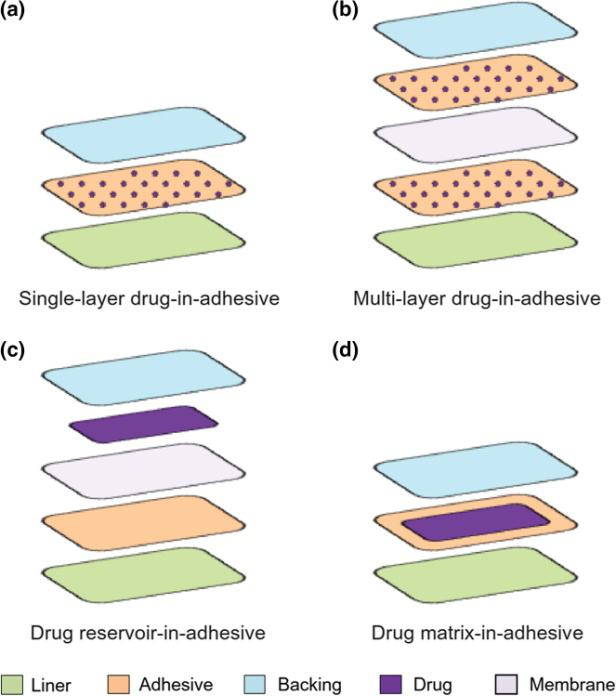
Patches and Gels: Drugs can be administered through the skin using a procedure called transdermal medication delivery. The FDA has approved the use of patches and gels as transdermal drug delivery methods for a range of medications and therapeutic combinations. Transdermal patches are one kind of drug delivery device that delivers medication via the skin gradually. Reservoir patches and matrix patches are the two categories of patches. Drug distribution is regulated by a rate-controlling membrane that sits between the drug reservoir and the skin. Reservoir patches contain the drug in a gel or solution. In matrix patches, the medication is incorporated into an adhesive polymer matrix and delivered into the skin over time as shown in Figure 3 [25].
Transdermal gels are liquid or semi-solid medication items that are administered topically and enter the bloodstream by passing through the skin. Usually, they are employed for the localized administration of medications, such hormone replacement therapy or pain alleviation. One kind of transdermal gel is called an active gel patch formulation; it is applied as a gel and dries to a discrete waterproof film. Transdermal patches and gels are designed with the medicine to be administered in mind, taking into consideration characteristics like molecular mass, solubility, and partition coefficient. Therefore, a medicine needs to have a somewhat high partition coefficient, a low molecular mass and sufficient oil solubility in order to penetrate effectively [26]. Three characteristics of all currently available pharmacological formulations in patch form allow for easy topical administration: molecular mass <500 Da, high lipophilicity, and low daily dose required (<2 mg). Compared to conventional administration methods, transdermal drug delivery systems such as patches and gels have a number of benefits, such as increased patient compliance, fewer adverse effects, and prolonged drug release. These systems are designed with consideration for partition coefficient, molecular mass, and solubility, among other parameters that vary depending on the medicine being administered [27].
![Figure 4: Humans can receive skin-impermeant drug transdermally thanks to microneedles. Numerous uses for microneedles are being investigated, such as immunological treatments, diabetes, and anticancer drugs [28].](/fulltextimages/11364/fig_4.png)
Microneedles: Due to its potential to improve patient access to medications, research on microneedles, a type of transdermal drug delivery technology, is expanding quickly. Drugs are delivered to the body by small needles called microneedles, which pierce the skin. Biocompatible materials like silicon, metal, or polymers are commonly used to create them. Here are some recent developments in the manufacturing of microneedles for transdermal medication delivery: • Modern Patterns: It has been demonstrated that solid microneedles can boost transdermal delivery through the “poke with patch,” “coat and poke,” and “dip and scrape” techniques, whereas hollow microneedles can do so by suction as shoen in figure 4. Humans can receive skin-impermeant drug transdermally thanks to microneedles. Numerous uses for microneedles are being investigated, such as immunological treatments, diabetes, and anticancer drugs [28].
Manufacturing: Numerous methods, such as photolithography, laser ablation, and micromolding, can be used to create microneedles. The “poke-and-patch” method of medicine delivery is the basis for the construction of solid microneedles. This method uses microneedles to deliver medication via the skin in the form of drug-loaded patches [29, 30]. The purpose of hollow microneedles is to suction medication through the skin. Usually composed of polymer or metal, they can be created via laser ablation or micromolding. Enhanced patient compliance, less side effects, and prolonged medication release are just a few of the benefits that microneedles provide over other transdermal drug delivery methods. Microneedles do present certain drawbacks, though, including the possibility of skin irritation or infection and the requirement for specialized equipment for their manufacture. Research into microneedles, a promising transdermal medication delivery technology, is expanding quickly [31]. While they provide a number of benefits over alternative transdermal medication delivery methods, there are drawbacks to their application. To optimize microneedle design and production for safe and efficient medication administration, more study is required [32].
Pulmonary Drug Delivery
Using an inhaler, patients can administer pharmaceuticals by pulmonary drug administration, a non-invasive technique that allows the drugs to pass past the lung mucous membrane and into the bloodstream. In addition to reducing systemic side effects and boosting bioavailability, this mode of delivery also allows some medications to act quickly. Nevertheless, there are drawbacks to pulmonary drug administration as well, including as the potential for lung irritation, restricted drug solubility, comparatively high drug clearance, and reliance on inhaler procedures and patient compliance [33].
Utilization in a clinical setting are such that Inhaled beta- agonists, corticosteroids, and anticholinergic medications are among the topical uses of pulmonary drug delivery that are commonly utilized in the treatment of asthma and chronic obstructive pulmonary disease (COPD). In addition, inhaled mucolytics, antibiotics, and prostacyclin therapy are utilized to treat respiratory virus infections and cystic fibrosis [34]. The use of the pulmonary route as a portal to the systemic circulation for the treatment of many diseases, together with the development of pulmonary drug formulation and particle engineering technology to boost efficacy, are examples of recent developments in pulmonary drug delivery [35]. As novel treatments for COPD, asthma, and other respiratory disorders are discovered, there is expected to be an increase in interest in the pulmonary route for drug administration. One possible method of administering medication for the treatment of different respiratory ailments is by pulmonary delivery. Sustained progress in both technology and drug composition will enhance the effectiveness of pulmonary medication [36, 37].
Ocular and Nasal Drug Delivery
Ocular drug delivery is a complex process involving three main routes: topical, periocular, and intraocular [38]. Topical delivery involves eye drops or ointments, but faces challenges like rapid clearance and limited drug penetration. Periocular delivery targets surrounding tissues like the conjunctiva or sclera, improving drug retention and bioavailability [39]. Intraocular delivery, like intravitreal injections, delivers drugs directly into the vitreous humor, ideal for treating posterior segment diseases but with increased risks. Nasal drug delivery is a popular method for both local and systemic effects due to its large surface area and rich blood supply [40]. It can be classified into intranasal and transnasal approaches. Intranasal delivery involves administering drugs into the nasal cavity for local or systemic effects, but faces challenges like limited volume capacity and mucociliary clearance [41]. Transnasal delivery focuses on drug delivery to the brain via olfactory or trigeminal pathways, promising for neurological disorders [42].
Eye Drops and Ointments: Eye drops, also known as ophthalmic solutions, are liquid formulations used for diagnostic and therapeutic purposes. They must maintain stability to prevent degradation and drug efficacy, with preservatives added to prevent contamination. Drug solubility is crucial, with water-soluble drugs suitable for eye drops, but poorly water-soluble compounds can be enhanced using techniques like nanosuspensions or cyclodextrin inclusion complexes [43]. Patient compliance is crucial for successful treatment, and eye drops should be easy to administer, comfortable, and not cause irritation or discomfort. Innovative packaging, like single-dose units, can improve patient compliance [44]. Ophthalmic ointments are semi-solid formulations applied to the eye’s surface or conjunctival sac, offering several advantages for therapeutic purposes. They have a longer contact time, making them ideal for conditions requiring sustained drug release, such as antibiotic ointments for bacterial infections [45]. They also enhance drug retention, although their blurred vision can be a limitation. Ointments are often preservative-free, reducing the risk of allergic reactions or irritation.
Eye drops and ointments face challenges in drug penetration and patient tolerance. Advancements in ocular drug delivery systems include nanotechnology, sustained release technologies, and patient-friendly formulations [46]. Nanoscale drug delivery systems enhance solubility and bioavailability, while sustained release technologies like punctual plugs and contact lenses extend therapeutic effects and reduce dosing frequency [47]. Efforts are also being made to make formulations more comfortable for patients, including preservative-free options and novel drug delivery devices.
Intravitreal Injections: Intravitreal injections are a technique used to deliver therapeutic agents directly into the eye’s vitreous humour, aiming to treat conditions like AMD, diabetic retinopathy, retinal vein occlusion, and macular edema [48]. Advantages of intravitreal injections include targeted delivery, sustained release, and minimized systemic exposure. By bypassing the ocular surface, the drug reaches the intended site of action in the posterior segment of the eye, reducing injection frequency and improving patient personalized compliance. Formulation strategies for intravitreal drug delivery include anti-VEGF agents like ranibizumab and aflibercept, sustained-release implants like dexamethasone or fluocinolone acetonide, and nanoparticles and liposomes. These methods optimize drug release by providing sustained release over an extended period, improving drug stability and bioavailability, and offering targeted and controlled intravitreal drug release [49].
Recent research in intravitreal injections aims to improve patient comfort, reduce injection frequency, and enhance drug delivery precision. Key developments include microneedle devices, gene therapy, and biosensors [50]. Microneedle devices simplify injections and reduce discomfort. Gene therapies address inherited retinal diseases with fewer injections, offering long-lasting benefits. Biosensors allow real-time monitoring of therapeutic drug levels, enhancing treatment approaches. Intravitreal injections have revolutionized the treatment of posterior segment eye diseases, offering hope for patients [51]. Despite challenges, on-going research and innovative formulation strategies continue to shape the future of intravitreal drug delivery.
Nasal Sprays and Gels: Nasal sprays are a widely used nasal drug delivery system with several advantages. They offer rapid absorption, making them suitable for emergency treatments. They are patient-friendly and non-invasive, making them ideal for self-administration and pediatric patients [52]. Nasal sprays deliver precise and consistent doses, ensuring reliable drug administration. They are versatile, suitable for both local treatment of conditions like allergic rhinitis and systemic drug delivery. To create an effective nasal spray, consider drug solubility, use of preservatives and stabilizers, pH and osmolarity, particle size, and device design. Ensure the drug is soluble in the chosen vehicle for uniform dosing, maintains product sterility and stability, and is close to physiological conditions to minimize irritation. Smaller particles enhance absorption, and the device should deliver a consistent and reproducible dose [53].
Nasal sprays are used in various therapeutic areas, including allergic rhinitis treatment, vaccination, and systemic drug administration. They provide rapid relief from symptoms like congestion and sneezing. Intranasal vaccines are explored as a needle-free alternative for immunization. Nasal sprays are also used for opioid overdose reversal and osteoporosis treatment. Nasal gels offer advantages for drug delivery, including prolonged drug retention, enhanced bioavailability, and reduced nasal irritation. They increase drug residence time in the nasal cavity, improve absorption for drugs with poor nasal permeability, and may have a soothing effect compared to other formulations. Nasal gel formulation involves selecting appropriate polymers like carbomers or cellulose derivatives to affect viscosity and drug release. The rheology of the gel should be customized for ease of administration and drug release. Bioadhessive agents can enhance drug retention on the nasal mucosa [54].
Nasal gels are formulated using specific strategies, including the choice of gel polymers, rheology, and bioadhesive agents. These polymers affect gel viscosity and drug release, and can be used in various therapeutic areas such as nasal allergies, vaccine delivery, and managing chronic rhino sinusitis [55]. The rheological properties of the gel should be tailored for ease of administration and drug release. Incorporating Bioadhessive polymers can enhance drug retention on the nasal membrane [56].
Gastrointestinal Drug Delivery
The gastrointestinal tract is a complex system with distinct regions, each offering unique challenges and opportunities for drug delivery. The oral cavity plays a critical role in drug dissolution and absorption, with factors like pH, salivary enzymes, and drug properties affecting bioavailability The stomach’s acidic environment can impact drug stability and dissolution, and formulation strategies must consider this when designing gastroretentive or gastric-resistant drug delivery systems. The majority of drug absorption occurs in the small intestine, where the vast surface area of the intestinal villi facilitates efficient uptake [57]. Colonic drug delivery systems are essential for treating specific diseases like inflammatory bowel disease and colon cancer, but must overcome challenges such as transit time and selective drug release. Effective gastrointestinal drug delivery relies on various formulation strategies to enhance drug bioavailability, stability, and targeted release. Some notable approaches include oral tablets and capsules, nanoparticles and nanocarriers, gastroretentive systems, and targeted delivery to the colon [58]. Gastrointestinal drug delivery has diverse clinical applications, including treating gastrointestinal disorders like peptic ulcers, gastrointestinal reflux disease, and inflammatory bowel disease, systemic drug delivery for orally administered drugs, and targeting conditions like colorectal cancer, Crohn’s disease, and ulcerative colitis, where drugs must reach the colon for optimal therapeutic outcomes.
Gastro-Retentive Systems: Gastro-retentive systems are designed to maintain drugs in the stomach for an extended period, particularly for those with absorption or degradation limitations in the upper gastrointestinal tract [59]. These systems use various mechanisms, including floating systems, bioadhesive systems, expandable systems, and mucoadhesive systems. Floating systems remain buoyant on the gastric contents, while bioadhesive polymers adhere to the gastric mucosa, preventing drug passage into the intestine. Expandable systems swell or expand after administration, increasing their size and preventing passage into the small intestine. Mucoadhesive dosage forms adhere to the gastric mucosa, enhancing drug retention by interacting with mucus [60]. Designing effective gastro-retentive systems requires careful consideration of formulation parameters, including polymer selection, floating agents, release- controlling mechanisms, and applications. These systems are beneficial for treating gastric conditions, oral protein and peptide delivery, improved bioavailability, and site- specific drug delivery. Floating systems use low-density materials or gas-generating agents to create buoyancy, while expandable systems swell or expand after administration [61]. Mucoadhesive dosage forms enhance drug retention by interacting with mucus. Overall, gastro-retentive systems offer a range of benefits, including improved drug absorption and targeted delivery to specific regions of the gastrointestinal tract.
Intestinal Patches: Intestinal patches, also known as gastrointestinal patches or intestinal drug delivery systems, are innovative formulations designed to release drugs directly into the gastrointestinal tract [62]. These thin, flat patches or films adhere to the mucosal lining of the intestine, providing controlled drug release over an extended period. The design of these patches is critical to their effectiveness, involving key principles such as patch composition, drug loading, adhesion mechanism, barrier properties, and release kinetics. Intestinal patches have a wide range of applications in drug delivery, offering advantages such as targeted delivery, improved bioavailability, sustained release, treatment of gastrointestinal disorders, oral vaccine delivery, and convenience for pediatric and geriatric populations. They can be designed to release drugs at specific sites within the intestine, allowing for targeted therapy, reduced side effects, and improved efficacy. They also improve bioavailability by bypassing first-pass metabolism in the liver, reducing the need for frequent dosing and improving patient compliance. Intestinal patches are also being investigated for their potential in oral vaccine delivery, eliminating the need for injections and improving vaccine accessibility. They are particularly useful for pediatric and geriatric populations who may have difficulty swallowing pills [63].
Colonic Drug Delivery: Colonic drug delivery is a method of selectively releasing drugs in the colon region of the gastrointestinal tract, aiming to target conditions like inflammatory bowel disease (IBD), irritable bowel syndrome (IBS), and colon cancer while minimizing systemic side effects [64]. Innovative strategies have been developed to overcome these challenges and improve colonic drug delivery. Time-dependent formulations, microbial triggers, prodrug approaches, and colon delivery devices are some of the emerging strategies. Time-dependent formulations release drugs after a specific time delay, while microbial triggers release drugs upon contact with specific colonic bacteria [65]. Prodrugs are inactive drug forms that become active after chemical conversion in the colon, enhancing drug stability and targeted release. Colonic drug delivery has shown promise in treating various diseases, such as IBD, colorectal cancer, and IBS. Targeted drug delivery in the colon can help reduce inflammation, enhance chemotherapy efficacy, and alleviate symptoms associated with IBS [66]. Colonic delivery devices have also been developed to facilitate controlled and sustained release.
Drug Development Techniques
Drug development techniques in the field of drug delivery and development represent a dynamic and multidisciplinary realm at the forefront of modern healthcare [67]. The endeavour to discover and deliver therapeutics with enhanced efficacy, reduced side effects, and improved patient compliance has never been more compelling. From novel delivery platforms and innovative formulations to cutting-edge targeting strategies, this review will traverse the intricate path of drug development, shedding light on the breakthroughs and challenges that shape the future of pharmacotherapy.
High-Throughput Screening (HTS): High-Throughput Screening (HTS) is a crucial technique in drug development that enables rapid and efficient screening of a large number of compounds to identify potential drug candidates [68]. Its core principles include assay development, miniaturization, and automation, which allow for simultaneous evaluation of a wide range of drug-like molecules. HTS plays a crucial role in drug discovery, helping pharmaceutical companies and research institutions identify lead compounds with therapeutic potential. Key applications include hit identification, lead optimization, and path and mechanism exploration [69].
Despite its advantages, HTS also presents challenges such as cost, assay complexity, and data management. Recent advances in HTS technology and data analysis, including the use of artificial intelligence and machine learning, have significantly improved its efficiency and success rate [70]. High-Content Screening (HCS) is a complementary technique to HTS, providing information on the impact of compounds at a cellular or subcellular level, making it particularly valuable in the early stages of drug discovery for phenotypic and mechanism-based screening.
Rational Drug Design: Rational drug design, also known as structure-based drug design, is an approach that focuses on understanding a drug’s molecular target [71]. It involves identifying specific molecular targets associated with a disease, obtaining structural information about the target, developing small molecules (ligands) that interact with the target and modulate its function, and using computational methods to predict and optimize drug-target interactions. Several techniques play a pivotal role in the rational drug design process, including structure-based drug design, ligand-based drug design, high-throughput screening (HTS), fragment-based drug design, and in silica ADME/tox predictions [72]. These techniques help in the early stages of drug design to eliminate less viable candidates.
Rational drug design has led to the development of numerous successful drugs across various therapeutic areas, such as cancer therapeutics, infectious diseases, neurological disorders, immunotherapy, and rare and genetic diseases. Cancer therapeutics have seen drugs targeting specific oncogenes and signaling pathways, while infectious diseases have seen antiviral and antibacterial drugs designed to inhibit enzymes or proteins essential for pathogen survival [73]. Neurological disorders have seen drugs targeting receptors and neurotransmitter systems, immunotherapy focuses on biologics and small molecules that modulate the immune system to treat autoimmune diseases and cancer, and rare and genetic diseases tailor drugs to address underlying genetic mutations responsible for rare diseases [74].
Pharmacokinetics and Pharmacodynamics: Pharmacokinetics and pharmacodynamics (PK/PD) are crucial concepts in drug delivery and development, focusing on optimizing drug efficacy and safety. PK involves studying a drug’s fate within the body, including absorption, distribution, metabolism, and excretion [75]. Advancements in PK techniques have improved the ability to design drugs with optimized PK profiles. Pharmacokinetic modelling allows for precise predictions of drug concentration-time profiles, aiding in dosage regimen design. Bioanalytical methods like LC-MS/MS and HPLC improve quantification of drug concentrations in biological samples [76]. Drug- Drug Interaction Studies assess potential interactions between drugs, leading to safer co-administration and personalized dosing. Pharmacodynamics focuses on how drugs exert their therapeutic effects and the relationship between drug concentration and response. Advances in PD techniques contribute to the development of more effective and safer drugs. Biomarker discovery helps understand drug effects at the molecular level, aiding in target validation and personalized medicine [77]. Quantitative Systems Pharmacology (QSP) models integrate PK and PD data with disease-specific information, allowing for simulation of drug responses and dose optimization [78]. PK/PD integration is crucial for rational drug development, enabling tailoring drug regimens to individual patients and optimizing treatment outcomes. Understanding PK/PD informs drug delivery design, enabling controlled-release formulations, targeted drug delivery systems, and prodrugs. Clinical trials also benefit from PK/PD studies, establishing appropriate dosing regimens and evaluating drug safety and tolerability.
Preclinical and Clinical Testing: Preclinical and clinical testing are crucial stages in the development of drug delivery systems, ensuring safety and efficacy before a product reaches the market. Preclinical testing includes in vitro studies, animal studies, toxicology assessments, pharmacokinetics and pharmacodynamics, and dose optimization [79]. In vitro studies provide initial insights into drug release, stability, and compatibility, while animal studies assess safety and effectiveness using various animal models. Toxicology assessments identify potential adverse effects and determine the drug’s impact on vital organs. Pharmacokinetics and pharmacodynamics assess how the drug is absorbed, distributed, metabolized, and excreted, while dose optimization helps identify the appropriate dosing regimen. Clinical testing involves Phase I trials, which involve a small number of healthy volunteers to assess the drug delivery system’s safety, dosage range, and potential side effects. Phase II trials evaluate safety and initial effectiveness on a larger group of patients with the target disease, while Phase III trials involve a larger patient population to confirm the drug delivery system’s efficacy and monitor side effects on a broader scale.
Regulatory review is conducted once Phase III trials are completed, and data is submitted to regulatory agencies for approval. Post-market surveillance is crucial to monitor long-term safety and effectiveness in real-world conditions, identifying any rare or unexpected adverse events. Overall, preclinical and clinical testing are essential steps in the development of drug delivery systems to ensure safety and efficacy before they reach the market.
Formulation and Drug Delivery Optimization: Formulation and Drug Delivery Optimization Development Techniques are crucial for the advancement of drug delivery systems, ensuring safe and effective administration of pharmaceutical agents. These techniques include pre-formulation studies, drug excipient selection, nanotechnology-based formulations, and solid dispersions [80]. Lipid-based drug delivery systems, controlled release systems, microneedle technology, inhalation delivery, oral drug delivery enhancement, and targeted drug delivery are some of the techniques used [50]. Pre-formulation studies involve understanding the physicochemical properties of a drug, such as solubility, stability, and crystallinity. Drug excipients, such as polymers, solvents, and surfactants, are chosen to enhance drug solubility, stability, and bioavailability. Nanotechnology-based formulations, such as nanoparticles, liposomes, and micelles, improve drug solubility and enable controlled release [81]. Microneedle technology offers a minimally invasive and painless alternative to injections, while inhalation delivery provides targeted drug delivery to the lungs for respiratory conditions. Oral drug delivery enhancement techniques, like prodrugs, cyclodextrin complexes, and efflux transporter inhibitors, improve oral drug bioavailability, especially for BCS class II and IV drugs [82]. Targeted drug delivery involves modifying nanoparticle and liposomal formulations with ligands for targeted delivery to specific cells or tissues, reducing systemic side effects. Biopharmaceutical modelling techniques, such as physiologically-based pharmacokinetic (PBPK) modelling and in silicic techniques, help predict drug behavior, drug- receptor interactions, and formulation stability [83]. Quality by Design principles are increasingly integrated into formulation and delivery system development, focusing on patient safety and efficacy.
Nanotechnology in Drug Delivery
Nanotechnology has revolutionized drug delivery by providing precise control over drug release, improving therapeutic outcomes, and minimizing side effects. Nanoparticles, such as liposomes, polymeric nanoparticles, and dendrimers, are versatile carriers for drug delivery due to their small size and tunable properties [84]. They offer enhanced drug solubility, sustained release, and passive targeting, but face challenges such as drug loading efficiency, stability, and potential toxicity. Lipid-based drug delivery systems, such as liposomes, nanoemulsions, and solid lipid nanoparticles, offer advantages such as biocompatibility, improved drug bioavailability, and versatility. However, stability issues and specialized storage conditions must be addressed [85]. Targeted drug delivery using nanoparticles has the potential to significantly enhance the therapeutic index of drugs. Key concepts to explore include active targeting, which reduces exposure of healthy tissues to the drug, and personalized medicine, which tailors nanoparticles for individual patients based on their molecular profiles [86]. However, the design and development of targeted nanoparticles can be complex and require a deep understanding of the biological pathways involved. Overall, nanotechnology has the potential to revolutionize drug delivery and improve therapeutic outcomes.
Personalized Medicine and Drug Delivery
Pharmacogenomics is a field that focuses on tailoring drug therapies to an individual’s genetic makeup, considering how genetic variations influence drug response and toxicity [87]. It has significant implications for drug development and delivery. Tailored drug delivery approaches complement pharmacogenomics by ensuring precise drug administration to maximize therapeutic benefit while minimizing side effects. These approaches include patient-centric drug delivery, smart drug delivery systems, targeted therapies, and personalized dosage forms [88]. Patient-centric drug delivery customizes dosage forms, routes, and release kinetics based on individual patient characteristics. Smart drug delivery systems use implantable devices, micro/nanoparticle-based carriers, and stimuli- responsive drug delivery systems. Targeted therapies target specific tissues or cells, using ligand-receptor interactions, antibodies, or nanoparticles for precision in cancer, gene therapy, and other applications [89]. Personalized dosage forms are explored through innovations in 3D printing and personalized medicine compounding. Regulatory and ethical considerations surrounding tailored drug delivery, including approval processes and informed consent, are addressed [90, 91, 92]. Pharmacogenomics and tailored drug delivery approaches are crucial for personalized medicine and drug delivery.
Conclusion
Drug discovery and delivery have made major strides in recent years, underscoring the multidisciplinary character of this discipline. It addresses the difficulties of effective drug delivery by bringing together specialists in chemistry, biology, engineering, and other disciplines. Some important lessons learned include that highly customized drug delivery systems with lower side effects and increased efficacy are now possible thanks to the development of pharmacogenomics, gene therapy, and nanotechnology. Novel approaches such as liposomal drug delivery and nanoparticles are substantially improving therapeutic benefits, reducing damage to healthy tissues, and revolutionizing medication specificity. Novel formulations and coatings, for example, improve drug stability, release patterns, and patient compliance in addition to improving oral drug delivery methods. Although certain medications still require subcutaneous and intramuscular injections, continuous technological advancements are being made to make these procedures less intrusive and more patient-friendly. In order to address changing healthcare demands, collaborations between professionals from different backgrounds offer more effective medications, fewer side effects, and improved patient outcomes. This puts drug delivery and development at the forefront of medical advancement.
References
-
Wen H, Jung H, Li X (2015) Drug Delivery Approaches in Addressing Clinical Pharmacology Related Issues Opportunities and Challenges. The AAPS journal 17(6): 1327-1340.
-
Amit KN, Mohammad S (2018) Hasnain in Applications of Nanocomposite Materials in Drug Delivery.
-
Tiwari G, Tiwari R, Sriwastawa B, Bhati L, Pandey S, et al. (2012) Drug delivery systems An updated review. Int J Pharm Investig 2(1): 2-11.
-
Peng Y, Chen L, Ye S, Kang Y, Liu J, et al. (2020) Research and development of drug delivery systems based on drug transporter and nano formulation. Asian J Pharm Sci 15(2): 220-236.
-
Patra JK, Das G, Fraceto LF, Solomon H, Shivesh S, et al. (2018) Nano based drug delivery systems recent developments and future prospects. J Nanobiotechnol 16(71).
-
Wen H, Jung H, Li X (2015) Drug delivery approaches in addressing clinical pharmacology related issues opportunities and challenges. AAPS Journal 17(6): 1327-1340.
-
Gao J, Karp JM, Langer R, Joshi N (2023) The future of drug delivery. Chemistry of Materials 35(2): 359-363.
-
Nicolas B, Christophe LJ (2012) The journey of a drug carrier in the body An anatomo-physiological perspective. J Control Release 161(2): 152-163.
-
Rudokas M, Najlah M, Albed AM, Abdelbary E (2016) Liposome Delivery Systems for Inhalation: A Critical Review Highlighting Formulation Issues and Anticancer Applications. Med Princ Pract 25(2): 60-72.
-
Yvonne (2012) Pharmaceutics Drug Delivery and Targeting. FAST track, pp: 1-19.
-
Peng Y, Chen L, Ye S, Kang Y, Liu J, et al. (2020) Research and development of drug delivery systems based on drug transporter and nano formulation. Asian J Pharm 15(2): 220-236.
-
Adepu S, Ramakrishna S (2021) Controlled Drug Delivery Systems Current Status and Future Directions. Molecules 26(19): 5905.
-
Lou J, Duan H, Qin Q, Teng Z, Gan F, et al. (2023) Advances in Oral Drug Delivery Systems Challenges and Opportunities. Pharmaceutics 15(2): 484.
-
Sangnim T, Dheer D, Jangra N, Huanbutta K, Puri V, et al. (2023) Chitosan in Oral Drug Delivery Formulations A Review. Pharmaceutics 15(9): 2361.
-
Pourmadadi M, Eshaghi MM, Ostovar S, Mohammadi Z, Sharma RK, et al. (2023) Innovative nanomaterials for cancer diagnosis imaging and therapy Drug delivery applications. J. Drug Deliv Sci Technol 82: 104357.
-
Shabani L, Abbasi M, Azarnew Z, Amani AM, Vaez A (2023) Neuro nanotechnology Diagnostic and therapeutic nano- based strategies in applied neuroscience. BioMed Eng Online 22: 1-41.
-
Hatae AC, Roque CA, Pavan FR (2023) Strategies for lipid based nanocomposites with potential activity against Mycobacterium tuberculosis Microbial resistance challenge and drug delivery trends. OpenNano 13: 100171.
-
Umapathy VR, Natarajan PM, Swamikannu B (2023) Review of the role of nanotechnology in overcoming the challenges faced in oral cancer diagnosis and treatment. Molecules 28(14): 5395.
-
Liu R, Luo C, Pang Z, Zhang J, Ruan S, et al. (2023) Advances of nanoparticles as drug delivery systems for disease diagnosis and treatment. Chin Chem Lett 34(2): 107518.
-
Song Y, Zheng X, Hu J, Ma S, Li K, et al. (2023) Recent advances of cell membrane-coated nanoparticles for therapy of bacterial infection. Front Microbiol 14: 1083007.
-
Bushra R, Ahmad M, Seidi F, Qurtulen J, Song J, et al. (2023) Polysaccharide based nanoassemblies From synthesis methodologies and industrial applications to future prospects. Adv Colloid Interface Sci 318: 102953.
-
Chidre P, Chavan A, Mallikarjunaiah NH, Revanasiddappa KC (2023) Nanomaterials: Potential broad spectrum antimicrobial agents. Curr Nanomater 8: 319-327.
-
Asghar BH, Hassan RKA, Barakat LAA, Alharbi A, Behery M, et al. (2023) Cross-linked quaternized chitosan nanoparticles for effective delivery and controllable release of _O. europaea_ phenolic extract targeting cancer therapy. J Drug Deliv Sci Technol 83: 104388.
-
Kaur G, Madan J, Jasleen G, Kiran J, Ramesh C, et al. (2018) Chapter 15 - Oral controlled and sustained drug delivery systems Concepts, advances, preclinical, and clinical status. Drug targeting and stimuli sensitive drug delivery systems, pp: 567-626.
-
Geraili A, Xing M, Mequanint K (2021) Design and fabrication of drug-delivery systems toward adjustable release profiles for personalized treatment. View 2(5): 20200126.
-
Date AA, Hanes J, Ensign LM (2016) Nanoparticles for oral delivery: design, evaluation and state-of-the-art. J Control Release 240: 504-526.
-
Escobar ORG, Serrano CP, Anguiano AE, Vazquez DA, Juarez MCP, et al. (2023) Chitosan Nanoparticles as Oral Drug Carriers. Int J Mol Sci 24: 4289.
-
Asad S, Jacobsen AC, Teleki A (2022) Inorganic nanoparticles for oral drug delivery: opportunities, barriers, and future perspectives. Current Opinion in Chemical Engineering 38: 100869.
-
Sangnim T, Dheer D, Jangra N, Huanbutta K, Puri V, et al. (2023) Chitosan in Oral Drug Delivery Formulations: A Review. Pharmaceutics 15(9): 2361.
-
Reinholz J, Landfester K, Mailander V (2018) Nanoparticles for oral delivery: design, evaluation and state-of-the-art. Drug Delivery 25(1): 1694-1705.
-
Pomietlo M, Hoyord D Intradermal and subcutaneous injections. In: Miller G (Edn.), Clinical procedures for safer patient care, pp: 7.3-7.5.
-
Guo L, Miao E Parenteral route: What is it, methods of administration, advantages, disadvantages and more. In: Haag A (Edn.), Clinical procedures for safer patient care, pp: 1-5.
-
Stefano A, Sozio P, Cerasa LS, Marinelli L (2012) Transdermal donepezil on the treatment of Alzheimer’s disease. Neuropsychiatric Disease and Treatment 8: 361-368.
-
Cheng YC, Li TS, Su HL, Lee PC, Wang HD (2020) Transdermal Delivery Systems of Natural Products Applied to Skin Therapy and Care. Molecules 25(21): 5051.
-
Waghule T, Gautam S, Sunil D, Murali MP, Gupta G, et al. (2018) Microneedles: A smart approach and increasing potential for transdermal drug delivery system. Biomedecine & Pharmacotherapie 109: 1249-1258.
-
Lyn M, Richard S (2007) Transdermal drug delivery: principles and opioid therapy. Continuing Education in Anaesthesia Critical Care & Pain 7(5): 171-176.
-
Mdanda S, Ubanako P, Kondiah PPD, Kumar P, Choonara YE (2021) Recent Advances in Microneedle Platforms for Transdermal Drug Delivery Technologies. Polymers 13(15): 2405.
-
Gaudana R, Ananthula HK, Parenky A, Mitra AK (2010) Ocular drug delivery. AAPS J 12(3): 348-360.
-
Gote V, Sikder S, Sicotte J, Pal D (2019) Ocular Drug Delivery: Present Innovations and Future Challenges. J Pharmacol Exp Ther 370(3): 602-624.
-
Bitter C, Zimmermann KS, Surber C (2011) Nasal drug delivery in humans. Curr Probl Dermatol 40: 20-35.
-
Fortuna A, Schindowski K, Sonvico F (2022) Editorial: Intranasal Drug Delivery: Challenges and Opportunities. Front Pharmacol 13: 868986.
-
Boyuklieva R, Pilicheva B (2022) Micro- and Nanosized Carriers for Nose-to-Brain Drug Delivery in Neurodegenerative Disorders. Biomedicines 10(7): 1706.
-
Coroi MC, Bungau S, Tit M (2015) Preservatives from the eye drops and the ocular surface. Rom J Ophthalmol 59(1): 2-5.
-
Biran A, Goldberg M, Shemesh N, Achiron A (2023) Improving Compliance with Medical Treatment Using Eye Drop Aids. Encyclopedia 3(3): 919-927.
-
Kasner O, An JA, Samek DA, Levesque V (2014) Evaluation of eyedrop administration by inexperienced patients after cataract surgery. J Cataract Refract Surg 40(11): 1857.
-
Akhter MH, Ahmad I, Alshahrani MY, Harbi AI, Khalilullah H, et al. (2022) Drug Delivery Challenges and Current Progress in Nanocarrier-Based Ocular Therapeutic System. Gels 8(2): 82.
-
Afzal O, Altamimi ASA, Nadeem MS, Alzarea SI, Almalki WH, et al. (2022) Nanoparticles in Drug Delivery: From History to Therapeutic Applications. Nanomaterials (Basel) 12(24): 4494.
-
Yorston D (2014) Intravitreal injection technique. Community Eye Health 27(87): 47.
-
Lam LA, Mehta S, Lad EM, Emerson GG, Jumper JM, et al. (2021) Task Force on Intravitreal Injection Supplemental Services. Intravitreal Injection Therapy: Current Techniques and Supplemental Services. J Vitreoretin Dis 5(5): 438-447.
-
Navarro PJ, Vallejo JCA, Franco LAA, Cortes JG, Mota S, et al. (2021) Topical Triamcinolone Acetonide- Loaded Liposome Formulation Used as an Adjuvant to Intravitreal Ranibizumab Therapy for Neovascular Age- Related Macular Degeneration. Pharmaceutics 13(9): 1491.
-
Haghjou N, Soheilian M, Abdekhodaie MJ (2011) Sustained release intraocular drug delivery devices for treatment of uveitis. J Ophthalmic Vis Res 6(4): 317-329.
-
Bolme S, Austeng D, Gjeilo KH (2021) Task shifting of intravitreal injections from physicians to nurses: a qualitative study. BMC Health Serv Res 21(1): 1185.
-
Ali FS, Jenkins TL, Boparai RS, Obeid A, Ryan ME, et al. (2021) Post-Injection Endophthalmitis Study Group. Aqueous Chlorhexidine Compared with Povidone-Iodine as Ocular Antisepsis before Intravitreal Injection: A Randomized Clinical Trial. Ophthalmol Retina 5(8): 788- 796.
-
Ehrick JD, Shah SA, Shaw C, Kulkarni VS, Coowanitwong I, et al. (2013) Considerations for the Development of Nasal Dosage Forms. Sterile Product Development 6: 99- 144.
-
Patra JK, Das G, Fraceto LF, Shivesh S, Solomon H, et al. (2018) Nano based drug delivery systems: recent developments and future prospects. J Nanobiotechnol 16: 71.
-
Jones DS, Woolfson AD, Brown AF (1997) Textural analysis and flow rheometry of novel, bioadhesive antimicrobial oral gels. Pharm Res 14(4): 450-457.
-
Chaturvedi M, Kumar M, Pathak K (2011) A review on mucoadhesive polymer used in nasal drug delivery system. J Adv Pharm Technol Res 2(4): 215-222.
-
Charlton ST, Davis SS, Illum L (2007) Evaluation of bioadhesive polymers as delivery systems for nose to brain delivery: in vitro characterisation studies. J Control Release 118(2): 225-234.
-
Azman M, Sabri AH, Anjani QK, Mustaffa MF, Hamid KA (2022) Intestinal Absorption Study: Challenges and Absorption Enhancement Strategies in Improving Oral Drug Delivery. Pharmaceuticals Basel 15(8): 975.
-
Tripathi J, Thapa P, Maharjan R, Jeong SH (2019) Current State and Future Perspectives on Gastroretentive Drug Delivery Systems. Pharmaceutics 11(4): 193.
-
Hua S (2020) Advances in Oral Drug Delivery for Regional Targeting in the Gastrointestinal Tract-Influence of Physiological, Pathophysiological and Pharmaceutical Factors. Front Pharmacol 11: 524.
-
Chu JN, Traverso G (2022) Foundations of gastrointestinal- based drug delivery and future developments. Nat Rev Gastroenterol Hepatol 19(4): 219-238.
-
Lou J, Duan H, Qin Q, Teng Z, Gan F, et al. (2023) Advances in Oral Drug Delivery Systems: Challenges and Opportunities. Pharmaceutics 15(2): 484.
-
Zhao S, Lv Y, Zhang JB, Wang B, Lv GJ, et al. (2014) Gastroretentive drug delivery systems for the treatment of Helicobacter pylori. World J Gastroenterol 20(28): 9321-9329.
-
Vrettos NN, Roberts CJ, Zhu Z (2021) Gastroretentive Technologies in Tandem with Controlled-Release Strategies: A Potent Answer to Oral Drug Bioavailability and Patient Compliance Implications. Pharmaceutics 13(10): 1591.
-
Kotreka UK, Adeyeye MC (2011) Gastroretentive floating drug-delivery systems: a critical review. Crit Rev Ther Drug Carrier Syst 28(1): 47-99.
-
Banerjee A, Mitragotri S (2017) Intestinal patch systems for oral drug delivery. Curr Opin Pharmacol 36: 58-65.
-
Shen Z, Mitragotri S (2002) Intestinal patches for oral drug delivery. Pharm Res 19(4): 391-395.
-
Kang SH, Hong SJ, Lee YK, Cho S (2018) Oral Vaccine Delivery for Intestinal Immunity-Biological Basis, Barriers, Delivery System, and M Cell Targeting. Polymers (Basel) 10(9): 948.
-
Philip AK, Philip B (2010) Colon targeted drug delivery systems: a review on primary and novel approaches. Oman Med J 25(2): 79-87.
-
Gazzaniga A, Moutaharrik S, Filippin I, Foppoli A, Palugan L, et al. (2022) Time-Based Formulation Strategies for Colon Drug Delivery. Pharmaceutics 14(12): 2762.
-
Lee SH, Bajracharya R, Min JY, Han JW, Park BJ, et al. (2020) Strategic Approaches for Colon Targeted Drug Delivery: An Overview of Recent Advancements. Pharmaceutics 12(1): 68.
-
Garofalo M, Grazioso G, Cavalli A, Sgrignani J (2020) How Computational Chemistry and Drug Delivery Techniques Can Support the Development of New Anticancer Drugs. Molecules 25(7): 1756.
-
Szymanski P, Markowicz M, Olasik E (2012) Adaptation of high-throughput screening in drug discovery- toxicological screening tests. Int J Mol Sci 13(1): 427- 452.
-
Petrova YD, Wadda K, Nathubhai A, Yevglevskis M, Mitchell PJ (2019) Bioorg Chem 92: 103264.
-
Blucher AS, Weeney SK (2014) Challenges in secondary analysis of high throughput screening data. Pac Symp Biocomput 114-124.
-
Mavromoustakos T, Durdagi S, Koukoulitsa C, Simcic M, Papadopoulos MG, et al. (2011) Strategies in the rational drug design. Curr Med Chem 18(17): 2517-2530.
-
Ramirez D (2016) Computational Methods Applied to Rational Drug Design. Open Med Chem J 10: 7-20.
-
Mahapatra MK, Karuppasamy M (2022) Fundamental considerations in drug design. Computer Aided Drug Design (CADD): From Ligand-Based Methods to Structure-Based Approaches, pp: 17-55.
-
Oh H, Prevot TD, Newton D, Sibille E (2021) From serendipity to rational drug design in brain disorders: in silico, in vitro, and in vivo approaches. Curr Opin Pharmacol 60: 177-182.
-
Meibohm B, Derendorf H (1997) Basic concepts of pharmacokinetic/pharmacodynamic (PK/PD) modelling. Int J Clin Pharmacol Ther 35(10): 401-413.
-
Williams RL (1992) Dosage regimen design: pharmacodynamic considerations. J Clin Pharmacol 32(7): 597-602.
-
Tuntland T, Ethell B, Kosaka T, Blasco F, Zang RX, et al. (2014) Implementation of pharmacokinetic and pharmacodynamic strategies in early research phases of drug discovery and development at Novartis Institute of Biomedical Research. Front Pharmacol 5: 174.
-
Helmlinger G, Sokolov V, Peskov K, Hallow KM, Kosinsky Y, et al. (2019) Quantitative Systems Pharmacology: An Exemplar Model-Building Workflow With Applications in Cardiovascular, Metabolic, and Oncology Drug Development. CPT Pharmacometrics Syst Pharmacol 8(6): 380-395.
-
Huang W, Percie N, Vollert J, Rice ASC (2020) General Principles of Preclinical Study Design. Handb Exp Pharmacol 257: 55-69.
-
Singh B, Kumar R, Ahuja N (2005) Optimizing drug delivery systems using systematic “design of experiments.” Part I: fundamental aspects. Crit Rev Ther Drug Carrier Syst 22(1): 27-105.
-
Tiwari G, Tiwari R, Sriwastawa B, Bhati L, Pandey S, et al. (2012) Drug delivery systems: An updated review. Int J Pharm Investig 2(1): 2-11.
-
Pena MA (2022) Solubilization and Controlled Release Strategy of Poorly Water-Soluble Drugs. Pharmaceuticals 15(11): 1353.
-
Maaden K, Jiskoot W, Bouwstra J (2012) Microneedle technologies for (trans)dermal drug and vaccine delivery. J Control Release 161(2): 645-55.
-
Toutain PL (2002) Pharmacokinetic/pharmacodynamic integration in drug development and dosage-regimen optimization for veterinary medicine. AAPS Pharm Sci 4(4): E38.
-
Orzetti S, Tommasi F, Bertola A, Bortolin G, Caccin E, et al. (2022) Genetic Therapy and Molecular Targeted Therapy in Oncology: Safety, Pharmacovigilance, and Perspectives for Research and Clinical Practice. Int J Mol Sci 23(6): 3012.
-
Beer N, Hegger I, Kaae S, Bruin ML, Genina N, et al. (2021) Scenarios for 3D printing of personalized medicines - A case study. Explor Res Clin Soc Pharm 4: 100073.
- Superposition of Cryo-EM and AlphaFold Predictions of Dengue Antigen-Antibody Complexes
- Jugular-Applied Coherent Low-Level Laser Therapy Enhances Systemic Mitochondrial Metabolic Function and Antioxidant Response
- Role of OMC32 Polypeptide in Acrosin-Mediated Exocytosis during the Bovine Sperm Acrosome Reaction
- Association of Galectin-3 but not Laminin in Tamoxifen-Induced Growth Suppression in Breast Cancer MCF-7 Cells
- Effect of Different Wavelengths of Light on the Rate of Photosynthesis
- Nutritional, Therapeutic, and Environmental Effect of Oyster Mushrooms: An Editorial