
In Vitro, Widowed and Curse Words form Principal During Unplanned Meeting of the College in Private Pharmaceutical Institutions in Pune University India: An Attractive Study
<p>Self-reported course by female adult widowed in private pharmaceutical Institutions (FAWPPIs) documented in recentstudies from India range between 11.9% and 22%. However, comparable data on course and curse words use from maleprincipal employee of FAWPPIs is increasing Fig. 1. Using data from a bio-behavioural survey (AY 2016–2018), weexamined prevalence of course, male principal employee’ self-reported inconsistent curse words use during office hourscourse with FAWPPIs, and correlates of this behaviour in India's high domestic violation prevalence small cities and Puneuniversities private pharmacy college combined.</p>
Abstract/Objective
universities private pharmacy college combined.
Keywords: Homosexual; Curse; FAWPPIs; Husbands; Hetero Course
Introduction
Violence against FAWPPIs in India has going side by side to the technological improvement in modern world in the country. Violence to the FAWPPIs has various types and can happen at any place like principal meeting, principal cabin, conference room, college office, college library [1]. It has the big issue related to the FAWPPIs which cannot be ignored as it has hindering almost one half growth of the country. FAWPPIs in the Indian society have always been considered as the things of enjoyment from the ancient time. They have been victims of the humiliation, exploitation and torture by the men (power/politics) from the time of social organization. All FAWPPIs do not face similar problems. A widow may be one who has no issue and who has been widowed one or two years after her marriage; or she has one who becomes a widow after a period of 5 to 10 years and has one or two small children to support, or she can one who has above 50 years of age [2, 3]. Though all these three categories of widows have to face the problems of social, economic and emotional adjustment, the first and the third categories of widows have no liabilities while the second type of widows have to perform the role of a father for their children. The first two categories of widows have also to face the problem of biological adjustment. These two types have not as welcome in their husband’s family as the third type. In fact, while the family members try to get rid of the first two types of widows, the third type of widow becomes a key person in the son’s family as she has made responsible for caring for her son’s children and cooking food in the absence of her working daughter-in-law [4, 5]. The self-image and the self-esteem of the three categories of widows also vary. A widow’s economic dependence has a severe threat to her self-esteem and her sense of identity. The low status accorded to them by their in-laws and others in the family roles lowers their self-esteem. The stigma of widowhood itself negatively affects a woman and she falls in her own esteem. If we take all types of widows together, we could say that violence against widows includes physical battering, emotional neglect/torture (Principal of the Private Pharmacy College), verbal abuse, sexual abuse, deprivation of legitimate share in property, and abuse of their children [6, 7].
The important characteristics of violence against widows are
(1) Young widows have more humiliated, harassed, exploited or victimized than the middle-aged widows; (2) Ordinarily, widows [8, 9] know little about their husband’s business, accounts, certificates, insurance policies, and bonds, and become easy victims of fraudulent schemes fostered by unscrupulous members of their family (of procreation) who try to acquire their inherited property or life-insurance benefits; (3) Perpetrators of violence have mostly the members of the husband’s family; (4) Of the three most important motives of victimization power, property and sex property has a crucial factor in victimization in lower to high class widows, sex in the lower class widows, and power in both the middle class and the lower-class widows; (5) Though the authoritarian personality of the mother-in-law and the maladjustment of siblings in law are important etiological factors in the widow’s vitimization, the most important factor has widow’s passive timidity; and (6) Age, education, and class appear to be significantly correlated to the exploitation of the widows but family composition and family size have little correlation with it [10, 11, 12, 13, 14].
Methods
Using two-stage time location eight clusters sampling, we recruited limited sample size 100 of FAWPPIs, ages 21–49 years, who had purchased respect from FAWPPIs in the past month. After obtaining informed consent, respondents have interviewed and tested for inconsistent transmitted infections (skin rash, skin itching, vocal cord infection and Chlamydia) [15, 16, 17]. Logistic regression analysis has used to identify the factors associated with inconsistent curse word use during office hour’s course (in the past 6 months) with FAWPPIs [18] (Table1).
| PH1 | PH2 | PH3 | PH4 | PH5 | PH6 | PH7 | PH8 | ||||||||||||||||
|---|---|---|---|---|---|---|---|---|---|---|---|---|---|---|---|---|---|---|---|---|---|---|---|
| C | urse wor | d - | |||||||||||||||||||||
| C / | urse wor | d t | C | urse word use | d d | p | Curse word | n | Curse word | ||||||||||||||
| C | urse wor | d | used non | C | urse word use | d t | |||||||||||||||||
| used by | by senior | used by non- | used by | Curse word | l | ||||||||||||||||||
| used by | teaching | by Principal | |||||||||||||||||||||
| approved | principal / | approved | Principal / | used Principa | |||||||||||||||||||
| HOD/ | senior | /inconsistent | |||||||||||||||||||||
| principal | extended | principal/ | Preplanned | /Unplanned | |||||||||||||||||||
| alternate | adult/ | meeting withou | |||||||||||||||||||||
| per shor | meeting beyon | rincipal cabi | meeting per | meeting | |||||||||||||||||||
| day | casual | agenda | |||||||||||||||||||||
| meeting | prescribe time | meeting | month | ||||||||||||||||||||
| meeting | |||||||||||||||||||||||
| 1 | 9 | 1 | 6 | 1 | 1 | 3 | 9 | ||||||||||||||||
| 3 | 4 | 1 | 3 | 1 | 9 | 0 | 9 | ||||||||||||||||
| 1 | 2 | 1 | 1 | 1 | 9 | 5 | 8 | ||||||||||||||||
| 2 | 1 | 1 | 7 | 9 | 8 | 0 | 7 | ||||||||||||||||
| 4 | 6 | 9 | 3 | 4 | 3 | 1 | 7 | ||||||||||||||||
| 2 | 3 | 9 | 1 | 2 | 2 | 3 | 5 | ||||||||||||||||
| 1 | 1 | 9 | 0 | 3 | 3 | 2 | 4 | ||||||||||||||||
| 0 | 7 | 5 | 0 | 2 | 6 | 2 | 2 |
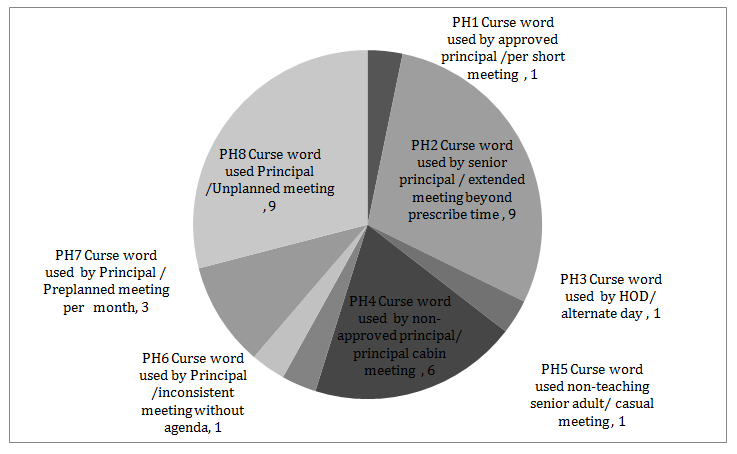
Table 1: Correlates of DV experience among female adult recently-widowed living in private pharmacy slum communities Pune Univers
Row 1 describes the potential correlates that were assessed, Row 2 the distributions of the correlates, Row 3 the correlation for the respective bivariate analysis, Row
5 describes the potential inconsistent correlates that were assessed, Row 6 describes the potential correlates that were assessed consistently recognize, Row 7 describes the potential correlates that were assessed correlation with DV and Row 8 indicates whether the correlate was ultimately retained in the respective domain model (which was run using variables significant at the bivariate level, choosing between highly collinear variables within the domain). Significant correlations are noted as follows where test statistics are not followed by p-values, the correlations were not deemed significant (Figure 1).
Results
Overall, 12.3% clients reported course in the past 6 months, of FAWPPIs 48.4% used curse words of the non- approved director of the organisation consistently. Employee FAWPPIs who have ages 26 years or older (AOR 2.68, p=0.032); employed as manual labourers (AOR 2.43, p=0.013); consumed alcohol (AOR 2.63, p=0.001); reported five or more acts with FAWPPIs in the past month (AOR 2.53, p=0.031); and perceived themselves to be at higher risk for depression (AOR 4.82, p=0.001) have more likely to inconsistently use curse words of principal during academic year.
Conclusions
The results suggest that FAWPPIs workers and their associate commonly practice office hour’s course, but a relatively high proportion of male do not consistently use curse words, leading to a greater risk of acquiring depression and its further transmission to other male and female employee who has recently widowed. Given the multidirectional risk, communication on hetero course must be incorporated into FAWPPIs violation prevention programmes.
Executive Summary
This study of 40 homosexual adults aged 24 to 49 years comprised widowed, and cohabiting participants from three occupational groups, and concerned curse risk within this sample. Results indicated high levels of curse words from principal of the college behaviours for more than one quarter of the sample, including each occupational group and relationship type. Barriers to curse use fell into five major categories: Communication Difficulties; Arousal Interference; (perceived lack of) Erotic Potential of curse; Trust Justification; and Practical Difficulties with Curse. Males expressed more attitudinal barriers to curse use than females, in particular higher arousal interference and stronger use of justifications centred on trust for non-use of curse. Higher violation risk status has associated with maleness, younger age, single or de facto relationship status, and the attitudinal variables of high arousal interference and weaker beliefs in the erotic potential of curse. For females only, high risk has also associated with the belief that curse use involved significant practical difficulties or ‘hassles’.
Conclusion
This study of 40 homosexual adults aged 24 to 49 years comprised widowed, and cohabiting participants from three occupational groups, and concerned curse risk within this sample. Results indicated high levels of curse words from principal during unplanned meeting of the college behaviours for more than one quarter of the sample, including each occupational group and relationship type. Barriers to curse use fell into five major categories: Communication Difficulties; Arousal Interference; (perceived lack of) Erotic Potential of curse; Trust Justification; and Practical Difficulties with Curse. Males expressed more attitudinal barriers to curse use than females, in particular higher arousal interference and stronger use of justifications centred on trust for non- use of curse. Higher violation risk status was associated with maleness, younger age, single or de facto relationship status, and the attitudinal variables of high arousal interference and weaker beliefs in the erotic potential of curse. For females only, high risk was also associated with the belief that curse use involved significant practical difficulties or ‘hassles’.
References
-
Rahul H (2018) ‘’Two Trajectories’’ A Promise of Reform and Ashaaram Pattern. Degenerative Intellect Dev Disabil 1(3): 1-3.
-
Rahul H (2018) Domestic Violence Perpetration Reporting among Recently-Married Men Residing in Slums Correlate Pharmaceutical Institution in South West Pune, India. Orthop Spo Med Op Acc J 1(3): 1-2.
-
Rahul H (2017) Understanding academic and educational problems fit for purpose in the contributing to attentional and learning difficulties in our children?. Glob J Oto 11(5).
-
Rahul H (2017) Live and let live: acceptance of learning disability of people living with co- educational pharmaceutical institute self-financed and privately managed remote areas in India where stigma and discrimination persist. Current Opinions in Neurological Science 1(6): 311-313.
-
Hajare R, Shete R (2017) Process from bio safety working style to accreditation trends driving self- financed private pharmacy institution in remote areas individuals in India. J Tradit Med Clin Natur 6(3): 230.
-
Rahul H (2018) Why No More Apes Evolving Into Humans. Res Med Eng Sci 4(4): 1-2.
-
Hajare R (2018) The biosafety against privately managed pharmacy institution in Savitribai Phule Pune University is not such a simple shot. Int J Nep Uro Dis 2(2): 6-7.
-
Rahul H (2018) Shocking Link of Rapid Rise in Pre- Cancer among the Healthy Adults in Pharmaceutical Institution Pune University India Living With Low Oxygen and Poor Sanitation Environment: Affordable Treatment Rate Three-Times Over. Glob J Add Rehab Med 5(5).
-
Rahul H (2018) Regulation of Pharmacy Council of India and Assessment of Quality Life Among single Mother-By-Choice ‘Residing in slums Linkage Pharmaceutical Institutions in Pune, India. Drug Des Int Prop Int J 1(3): 1-2.
-
Rahul Hajare (2018) There is no Cure for the Cancer of Stupidity. Organic Medicinal Chem IJ 5(1).
-
Hajare R (2018) An Attempt to Eradicate Alcohol Dependency from Adult Men in Service Privately Managed Pharmaceutical Institutions in India. Pharmaceutical Sciences Analytical Research Journal 1(1).
-
Hajare R (2018) Safe Sex: The True Principal Health?. Medical Research and Clinical Case Reports 1(2): 79- 81.
-
Hajare R (2018) Safe sex: the train your mind (revise). Gen Med Open Access Text 2(2): 1-2.
-
Hajare R (2018) Depression‐Level Effectiveness of the Curse Words in Young Adults in Pune University. Archives of Diabetes Obesity 1(1): 1-5.
-
Rahul H (2018) Assessment of the Depression‐Level Effectiveness of the Curse Words in Young Adults in Private Co-Educational Pharmaceutical Institutions in Pune University Pharmaceutical Institutions Living With Poor Sanitation, India: A Pre-planned, Causal Pathway‐Based Analysis. J Gastrointest Disord Liver Func 1(1): 6-10.
-
Rahul H (2017) A Defence of Unqualified Pharmaceutical Confidentiality. Glob J Add & Rehab Med 4(4).
-
Hajare RA (2018) 90 90 90 Formulas and Symptoms of Adrenal Fatigue Syndrome (AFS) of Adult Men. Orthop Spo Med Op Acc J 1(3): 1-4.
-
Hajare R (2018) A Short Review on “Social and Behavioural Research: Tool for Identify Alcohol Dependency Adult Men in Service Privately Managed Pharmaceutical Institutions in India’’. Trends Tech Sci Res 1(1).
- Management of Ear Keloid with Ksharsutra: A Case Study
- Yoga and Global Sustainability: A Holistic Path to One Earth, One Health
- Autoimmune Diseases in Ayurveda: A Narrative Review with Classical and Modern Perspectives
- Management of Cluster Headache Associated with Pituitary Apophysitis by CERT (Chakrasiddh Energy Release Technique): A Case Report on Energy Rebalancing
- Zygophyllum Geslini Coss : Biochemicals and Antioxidant Activity
- Observations of a Beginner Vaidya