
Spices and Plants as Home Remedies for COVID-19: A Survey in Rajbari District, Bangladesh
Objectives: Corona virus SARS-CoV-2, otherwise known as COVID-19 has created a pandemic and lacks any drugs or vaccines for treatment. Since its outbreak in late December in 2019, till as of August 7, 2020, the virus has infected 19,358,362 people throughout the world and caused deaths of 719,561 people. The corresponding figures for Bangladesh are 252,502 total cases and 3,333 deaths with 1,532 cases and 20 deaths per million. Since it is not always possible for infected rural people to travel to what they think as the best place for diagnosis and treatment, namely Dhaka, the capital of the country, they resort to home remedies, which may vary in different regions. The objective of the present study was to collect such home remedies from Rajbari district in Bangladesh. Methods: Since people are reticent to talk about having COVID-19, data was collected from three known persons, who were known to have tested positive for COVID-19 and agreed to give their home remedy formulations for cure. Data was collected with the help of an open-ended questionnaire after the patients were fully recovered. Results: Interestingly, although the three persons were unknown to each other, their basic formulation was to drink tea, in which tea leaves were boiled with spices, along with consumption of particularly sour and/or citrus fruits. Conclusion: Spices, particularly which are known as ‘hot spices’ or ‘garam masala’ in Bangladesh and India were the common ingredients added to tea during preparation (boiling), which was taken in the morning. These spices merit attention from scientists as to their anti-viral activities.
Introduction
COVID-19, a viral disease caused by a corona virus, SARS-CoV-2, has created a pandemic throughout the world; the virus originated in a sea food market in Wuhan China in late December of 2019. But within a short period of seven months, the virus has spread through almost all the countries of the world causing a huge number of infections and fatalities along with global economic disruption of a magnitude not seen since the Great Depression of the 1930s [1]. This virus is the third in line of major corona viruses affecting global human population; Severe Acute Respiratory Syndrome (SARS) emerged in China in 2002 and Middle East Respiratory Syndrome (MERS) emerged in Saudi Arabia in 2012 [2]. However, the infected cases from SARS and MERS
were around or lower than 8,000 world-wide. On the other hand, the third in this series SARS-CoV-2 (or COVID-19) since its outbreak in late December in 2019, till as of August 7, 2020, has infected 19,358,362 people throughout the world and caused deaths of 719,561 people. The disease shows no signs of abating; on the contrary, there are resurgences in countries who thought to have brought the virus under control and fresh upsurges in newer countries. What is most important is that there are no therapeutics like vaccines or drugs against the virus; despite the best and concentrated efforts of scientists worldwide, none has been discovered or has reached to final phases of clinical trial so far.
The figures for Bangladesh are 252,502 total cases and 3,333 deaths with 1,532 cases and 20 deaths per million people as of August 7, 2020. These numbers compare favorably with even developed world countries. For instance, United Kingdom (UK) has total cases of 309,005, total deaths of 46,511, with 4,549 cases and 685 deaths per million people. Italy has 249,756 total cases and 35,190 total deaths with 4,131 cases and 582 deaths per million people [3]. On the other hand, it is to be noted that the total population of Bangladesh is nearly 165 million, crammed within an area of only 55,000 square miles. A combination of population density, illiteracy, poverty, and lack of proper medical centers in rural areas (Bangladesh has 86,000 villages) creates a situation where the population cannot afford to buy masks every day and wear them, social distancing cannot be practiced, and people tend to hide suspected COVID-19 cases rather than report it to doctors for COVID-19 treatment can be expensive and not available rurally. Even the potable water supply in rural areas comes from ponds or rivers, which may be contaminated. Thus there is a constant fear of a COVID-19 induced sharp rise in infections and deaths.
As of August 3, 2020, according to IEDCR (Institute of Epidemiology, Disease Control and Research) and reported in the World Health Organization (WHO) Situation Report No. 23 (August 3, 2020), of the 82 laboratories conducting COVID-19 tests in Bangladesh, 46 laboratories were in Dhaka City (56.1%), and 60.4% of all COVID-19 tests were conducted in Dhaka city [4]. When combined with the reticence of the people in treatment of COVID-19 because of high costs, fear that the disease can get only aggravated in not so well-equipped medical centers outside Dhaka, possible ostracisms to be faced, cost of travelling, staying and food costs while treatment is going on at Dhaka (costs which most people cannot afford), it is no surprise that rural people, particularly have leaned at least to some extent in treating COVID-19 with home remedies. In a previous report, we have described home remedies of three patients in Kushtia, Rangpur and Dhaka district of Bangladesh [5].
Aim of the Study
The objective of the present study was to find out about home remedies against COVID-19 in Rajbari district, Bangladesh. We chose Rajbari because the first author hails from the district, which made accurate information collection easier.
Materials and Methods
COVID-19 patients were brought to the knowledge of the authors through an informal network consisting of friends, neighbors and relatives. They were informally interviewed through cell phone and particularly questioned as to (I) whether they have tested COVID positive, (II) nature of home remedies they have taken during their sickness, and finally (III) the outcome of their treatment with home remedies.
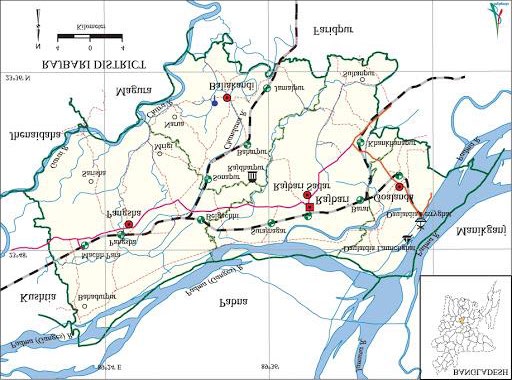
In this manuscript, any identity of the patients shall not be given, because COVID patients are more than not likely to be shunned by the general people. A map of Bangladesh is given in Figure 1 to show the location of Rajbari district. The pdb file (6LU7) of the main protease of SARS-CoV-2 3C-like protease (SARS-CoV-2 3CLpro) was used in the present study for molecular docking studies with several phytochemicals by AutoDock Vina [5].
Observation and Result
Patient 1
AA was a male patient who started feeling sick on June 8, 2020. He was COVID-19 tested and confirmed on June 13, 2020. His symptoms were sore throat, fever, severe headache, and coughs. He hailed from Kalukhali sub-district in Rajbari district. Home remedies of Patient 1: In the morning ginger tea was taken (ginger slices that is sliced rhizomes of Zingiber officinale Roscoe, Zingiberaceae family) boiled in water in which regular tea was prepared).
Also vapor from water in which Cinnamomum verum Presl (Lauraceae) bark (cinnamon), Laurus nobilis L. (Lauraceae) leaf (bay leaf), Syzygium aromaticum (L.) Merr. & L. M. Perry (Myrtaceae) dried floral bud (clove), and Citrus sinensis L. (Rutaceae) fruit skins (orange peels) were boiled was inhaled. During lunch, pigeon meat was taken. Fruits like bitter orange (Citrus aurantium L., Rutaceae family), lemon [Citrus limon (L.) Burm.f., Rutaceae family], Averrhoa carambola L. (Oxalidaceae family, star fruit in English) and sour mangoes (Mangifera indica L., Anacardiaceae family) were taken daily. It is to be noted that all the fruits were sour.
Patient 2
A (full name not given) was a male of 33 years age. He also hailed from Kalukhali sub-district in Rajbari district. He started feeling sick on June 8, 2020 and COVID-19 tested and confirmed on June 13, 2020. His symptoms were shortness of breath, fever, coughs. Home remedies of Patient 2: In the morning tea was taken. Also vapor from water in which Cinnamomum verum bark, Laurus nobilis leaf, Syzygium aromaticum dried floral bud and Citrus limon fruit peels were boiled was inhaled. Sour fruits like sour orange and lemon were taken. Also seeds of Nigella sativa L. (black cumin, Ranunculaceae family) were taken with honey.
Patient 3
S was a female of 22 years age. She hailed from Baliakandi sub-district, Rajbari district. She started feeling sick on June 8, 2020 and COVID-19 tested and confirmed on June 13, 2020. Her symptoms were fever only (102°F).
Home remedies of Patient 3: In the morning tea was taken in which ginger slices and Cinnamomum verum bark were also boiled. Nigella sativa seeds, honey, regular tea, Syzygium aromaticum dried floral bud, Laurus nobilis leaf, lemon peels and salt were boiled in water and the vapor inhaled. Fruits like orange (sour), lemon, bananas and sour mangoes were taken daily.
| Plant name | Family | English name | Local name | Part(s) used |
|---|---|---|---|---|
| Andrographis paniculata Burm.f. | Acanthaceae | Creat | Kalomegh | Leaf |
| Mangifera indica L. | Anacardiaceae | Mango | Aam | Fruit |
| Centella asiatica (L.) Urb. | Apiaceae | Asiatic pennywort | Thankuni | Leaf |
| Kalanchoe pinnata (Lam.) Pers. | Crassulaceae | Cathedral bells | Pathorkuchi | Leaf |
| Ocimum sanctum L. | Lamiaceae | Holy basil | Tulsi | Leaf |
| Cinnamomum verum Presl | Lauraceae | Cinnamon | Daruchini | Bark |
| Laurus nobilis L. | Lauraceae | Bay leaf | Tejpata | Leaf |
| Musa sapientum L. | Musaceae | Banana | Kola | Fruit |
| Syzygium aromaticum (L.) Merr. & L. M. Perry | Myrtaceae | Clove | Lobongo | Floral bud |
| Averrhoa carambola L. | Oxalidaceae | Star fruit | Kamranga | Fruit |
| Nigella sativa L. | Ranunculaceae | Black cumin | Kali jira | Seed |
| Citrus limon (L.) Burm.f. | Rutaceae | Lemon | Lebu | Fruit juice |
| Citrus aurantium L. | Rutaceae | Bitter orange | Komla | Fruit peel, fruit |
| Camellia sinensis (L.) Kuntze | Theaceae | Tea | Cha | Leaf bud |
| Zingiber officinale Roscoe | Zingiberaceae | Ginger | Ada | Rhizome |
Table 1: Plants used in Home Remedies for COVID-19 Treatment in Rajbari District, Bangladesh.
Other things taken orally were leaves of Kalanchoe pinnata (Lam.) Pers. (Crassulaceae family, cathedral bells in English), leaf juice of Centella asiatica (L.) Urb. (Apiaceae family, Asiatic pennywort in English) and Ocimum sanctum L. (Lamiaceae family, holy basil in English), and leaves of Andrographis paniculata Burm.f. (Acanthaceae family, creat in English). A summary of the plants used as home remedies by the three patients is shown in Table 1. The plants can be broadly divided into three sections. One section consisted of plants (mainly spices) which were boiled in water and the vapor mainly inhaled or boiled in the same water with tea (that is dried leaves of Camellia sinensis (L.) Kuntze (Theaceae family) followed by oral consumption of the brew. Another section consisted of fruits with an emphasis on sour fruits. A third section consisted of miscellaneous plants whose leaf juice was taken orally.
Discussion
COVID-19 is a new disease for Bangladesh and its people. SARS and MERS did not affect Bangladesh. So it is not surprising that because of the limitations of medical treatment in Bangladesh, rural patients and/or traditional practitioners have devised quick remedies for this novel viral disease. This is a desperate bid for survival. That various home remedies for COVID-19 treatment vary in different regions of Bangladesh, at least district-wise, was evidenced by the use of different remedies in our two surveys in Bangladesh [5]. Home remedies do not occur overnight but goes through a process of trial and error, where the initiation might start with symptomatic treatments, which in turn may be influenced by folk medicine and established traditional medicinal systems (Bangladesh has two established forms of traditional medicine besides homeopathy, namely Ayurveda and Unani). If the remedy proves successful, it then spreads by word of mouth. At the same time, some home remedies even though useful, can be dangerous like application of kerosene to skin for paralysis [6]. It was therefore of interest to examine the scientific literature for ethnic uses and scientific validation of the plants used.
According to the Center for Disease Control (CDC), USA, some major symptoms of COVID-19 include cough, shortness of breath, or difficulty breathing; fever or chills; muscle or body ache; vomiting or diarrhea; and new loss of taste and smell [7]. Leaf extract of Andrographis paniculata is traditionally used for infectious disease, fever causing diseases, colic pain, loss of appetite, and irregular stools and diarrhea [8]. Other traditional uses of the plant in India include use for pyrexia, intermittent fevers, influenza, and respiratory infections [9]. In Far-west Nepal, the whole plant is used to treat fever [10]. The stem and leaves of the plant are used to treat dengue and malarial fever in Ahmednagar district of Maharashtra, India [11]. Anti-viral activity of the plant and its constituent andrographolide against Epstein- Barr virus has been reported [12]. Since the major use of this plant is in the treatment of fever, it can prove to be a useful plant in controlling COVID-19 induced fever.
The consumption of sour fruits of Mangifera indica, Averrhoa carambola, Citrus limon, and Citrus aurantium has Ayurveda precedents. In Ayurveda, sour (“amlarasha” in Sanskrit) foods taken in balanced amounts stimulate digestion and appetite, improves taste, is good for heart, sharpens the mind, and strengthens the sense organ [13]. The origin of Ayurveda can be traced back to the Atharva Veda (before 6th century BC) [14], and a number of its recipes are also meant for everyday use by even healthy persons for preventive purposes. As a result some of the main principles of Ayurveda regarding food taste and their beneficial or adverse effects have entered the folklore and home remedies of people of the Indian sub-continent countries, where Ayurveda is still practiced widely (India, Nepal, and Bangladesh). Even if of no other importance, these fruits would be beneficial for COVID-19 affected people because they would increase strength and improve various body functions. But the fruits have other benefits too.
Anti-viral activity of mango extract has been noted with influenza virus H9N2 cultured in fetal calf kidney as well as chicken embryo fibroblast cells [15]. Bitter oranges (Citrus aurantium) are used in Haiti to control fever. Phytochemicals present in bitter orange fruit peels like hesperidin, neohesperidin, naringin, rutin, citral, and limonene have reportedly weak anti-viral properties [16]. Citrus limon reportedly showed anti-viral activity against Newcastle Disease virus [17]. Citrates from lemon juice can bind to norovirus capsid and inactivate norovirus [18]. Averrhoa carambola fruit contains a number of flavonoid compounds like apigenin, kaempferol, luteolin, myricetin, naringenin, and quercetin [19]. The anti-viral effects of flavonoids like quercetin and naringin against a number of RNA and DNA viruses have been reviewed [20]. Overall, it can be said that sour fruits may aid digestion, be beneficial in fever, and may be inhibitory to the SARS-CoV-2 virus; however, the last hypothesis needs to be tested and not based on current evidence of their inhibitory effects against other viruses.
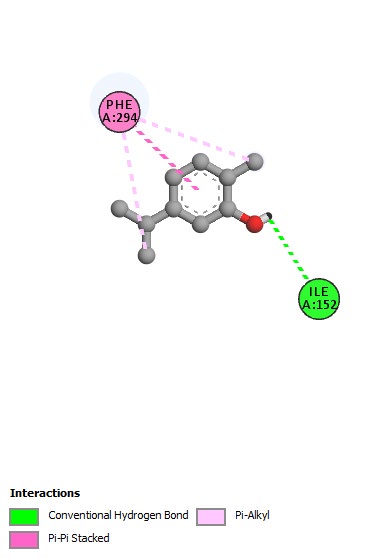
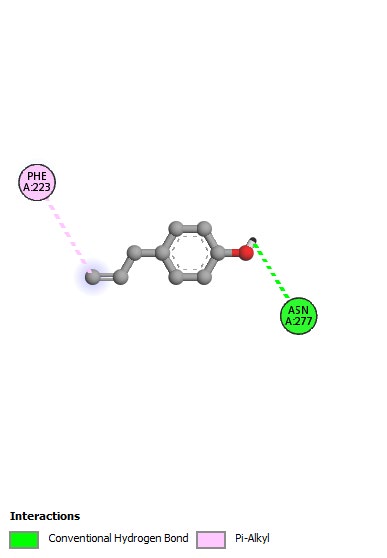
Among the various plant leaves or leaf juice taken by Patient 3, extract of Centella asiatica reportedly showed virucidal activity against alpha-herpes virus (pseudorabies virus) [21]. The plant extract also showed anti-diarrheal activity against castor oil-induced diarrhea [22]. The Apatani tribe of Arunachal Pradesh, India uses the plant for treatment of dysentery and tuberculosis [23]. Kalanchoe pinnata has been described to have anti-viral, gastroprotective, and anti- pyretic properties [24]. Bufadienolides, present in the plant has been shown responsible for Epstein-Barr inhibitory activity [25]; chloroform extract of the plant is active against human papilloma virus (HPV) [26]. Ocimum sanctum leaf extract showed anti-viral potential against Newcastle disease virus of poultry [27]. Leaf extract and a terpenoid of the plant showed anti-viral activity against H9N2 virus using embryonated chicken egg model [28]. Leaf extract of the plant also showed anti-viral activity against herpes simplex virus-2 [29]. The plant contains a number of bio- active compounds like carvacrol, methyl eugenol, estragole, orientin, and chavicol, some of which like orientin has anti- viral properties [30]. Carvacrol has reportedly shown anti- viral activity against murine norovirus [31]; methyl eugenol was observed to be active against herpes simplex virus-1 (HSV-1) [32]. On the other hand, molecular docking studies (using AutoDock Vina program) indicated only weak binding affinities of two test compounds, carvacrol and chavicol at -5.2 and -4.8 kcal/mol, respectively, to the 3C-like protease of SARS-CoV-2. (The protease is considered by scientists as one of the key targets for inhibitory drugs against the virus, for the protease plays a major role in viral replication.) The docking of these two compounds with the protease is shown in Figures 2 and 3. However, it is also possible that these compounds from Ocimum sanctum may bind strongly to other target sites of the virus, as well as the virus receptor angiotensin converting enzyme-2 (ACE-2). The therapeutic possibilities of these compounds against SARS-CoV-2, as a result, cannot be dismissed.
Patient 2 also took Nigella sativa seeds with honey as a home remedy against his COVID-19 illness. Oil obtained from seed was found effective against murine cytomegalovirus [33]. The oil has also been reported effective against avian influenza virus subtype H9N2, peste des petits ruminants (PPR) virus, broad bean mosaic virus, hepatitis C virus, zucchini yellow mosaic virus, and Newcastle disease virus (reviewed in [34]).
Inhalation of water vapor in which water cinnamon bark, bay leaf, cloves, and orange peels were boiled was done by Patient 1; Patient 2 inhaled water vapor in which water cinnamon bark, bay leaf, cloves, and lemon peels were boiled; Patient 3 inhaled water vapor in which water cinnamon bark, bay leaf, cloves, and lemon peels were boiled with salt and black cumin seeds. Essentially, all the items in common among the three patients along with black cumin are spices (even lemon and orange peels are occasionally added to culinary dishes in Bangladesh to impart flavor), and the main spices in common were cinnamon bark, bay leaf, and clove. Cinnamon bark, bay leaf and cloves belong to the group of spices commonly known as ‘garam masala’ (hot or warm spices) and besides imparting a delectable flavor, also are known for their medicinal benefits [35]. Since vapor from water in which the various spices were boiled was inhaled, it is possible that what was inhaled were the essential oils from these spices, these oils being volatile and would be vaporized in boiling water. The components of essential oils from these three spices are given in Table 2. Essential oils (and their components) may play an important role in the inhibition of SARS-CoV-2 [32].
| Plant name | English name | Reported constituents of essential oil (EO) (References) |
|---|---|---|
| Cinnamomum verum Presl | Cinnamon | α-pinene, camphene, β-pinene, 3-carene, α-phellandrene, α-terpinene, limonene, b-phellandrene, p-cymene, α-terpinolene, benzaldehyde, linalool, b-caryophyllene, humulene, α-terpineol, hydroxycinnamic aldehyde, hydroxycinnamyl acetate, caryophyllene oxide, cinnamaldehyde, cinnamyl acetate, eugenol, cinnamyl alcohol, methoxycinnamaldehyde, benzyl benzoate [36]. |
| Laurus nobilis L. | Bay leaf | 55 compounds reported, the main compounds being 1,8-cineole, sabinene, linalool, α-terpinyl acetate, α-pinene, α-terpineol, methyl-eugenol, neoiso- isopulegol, eugenol, β-pinene g-terpinene, Z-caryophyllene, β-elemene, and spathulenol [37]. |
| Syzygium aromaticum (L.) Merr. & L. M. Perry | Clove | 2-heptanone, α-pinene, limonene, 1,8-cineole, 2-heptyl acetate, E-β-ocimene, 2-nonanone, linalool, eugenol, α-copaene, β-caryophyllene, α-humulene, 𝛿-cadinene, eugenyl acetate, caryophyllene oxide [38]. |
Table 2: Essential oils (and their components) may play an important role in the inhibition of SARS-CoV-2 [32].
Tea was the other common ingredient taken in the morning by all three patients. Sixty five biomolecules of tea plant were evaluated by molecular docking for their binding affinities to the main protease (Mpro) of the SARS-CoV-2 virus, which is considered a prime target for development of anti-viral drugs. Among them, oolonghomobisflavan-A, theasinensin-D, and theaflavin-3-O-gallate demonstrated good binding affinities and oolonghomobisflavan-A was considered a potential molecule for binding to Mpro of SARS-CoV-2 [39]. Patients 1 and 3 also took their morning tea boiled with ginger slices. Interestingly, in silico studies suggest that 6-gingerol from ginger could be a promising drug for treating COVID-19 [40].
As the name implies, SARS in SARS-CoV-2 stand for severe acute respiratory syndrome. Thus the primary organs affected are the lungs. The SARS-CoV-2 virus enters the body by binding to its receptor, angiotensin converting enzyme-2 or ACE-2. ACE-2 has been found to be abundantly present in humans in the epithelia of the lung and small intestine, and these organs might provide possible routes of entry for the SARS‐CoV-2 virus [41]. In fact, among the symptoms of COVID-19 are coughs, shortness of breath, and diarrhea. About 20% of patients progress to pneumonia and respiratory failure [42].
What is surprising is that illiterate people like the patients in the present study were using home remedies that according to the scientific findings available and discussed so far indicate that their uses may be suitable against COVID-19 infected persons (notably, all three patients were cured, but to what extent by the home remedies need to be scientifically determined). At the very least, the home remedies did not cause any harm but possibly contributed to alleviating various COVID-19 associated symptoms. The major question is how did these apparently helpful home remedies appear in such a short time? Also to be noted is that these home remedies were not prepared with the help of traditional folk, Ayurveda or Unani medical practitioners. These are also not cases of the homeopathic axiom of ‘similia similibus curantur’. A homeopathic treatment named Arsenicum album is also available for COVID-19 treatment [43], but these home remedies avoid arsenic. It is possible that in the absence of a proper knowledge of COVID-19, the patients were simply treating various symptoms of COVID-19 as manifested within them and used appropriate home remedies for that purpose. This is a simple procedure and can be worked out by rural people, who traditionally possess more knowledge of plant-based home remedies because of the abundance of plant species among them. Also, rural people rely more on home remedies because of the scarcity of allopathic doctors in the villages. The so-called allopathic ‘village practitioners’ in rural Bangladesh do not have medical degrees or licenses [44], hence the reliance of rural people on particularly plant- based home remedies. Since plants possess a multitude of phytochemicals, it is possible that the use of certain plants may in a serendipitous way cover both the particular symptom manifested in COVID-19 infection and also show virucidal activity. The final choice of plants as home remedy was possibly by trial and error. However, more studies are needed to throw light on these questions.
Summary and Conclusion
Various folk remedies have already emerged in Bangladesh against COVID-19. In this study, we examine the home remedies used by three COVID-19 patients in Rajbari district, Bangladesh and conclude that use of these remedies have scientific validation.
Acknowledgements
The study was funded by the authors.
Conflicts of Interest
The authors declare that they have no conflicts of interest.
References
-
Ozili P, Arun T (2020) Spillover of COVID-19: impact on the Global Economy. SSRN Electronic Journal.
-
Peeri NC, Srhestha N, Rahman MS, Zaki R, Tan Z, et al. (2020) The SARS, MERS and novel coronavirus (COVID-19) epidemics, the newest and biggest global health threats: what lessons have we learned? Int J Epidemiol 1-10.
-
Worldometer (2020) COVID-19 coronavirus pandemic.
-
(2020) World Health Organization, Bangladesh. COVID-19 Morbidity and Mortality. Weekly Update.
-
Azam MNK, Mahamud RA, Hasan A, Jahan R, Rahmatullah M (2020) Some home remedies used for COVID-19 treatment in Bangladesh. J Med Plants Stud 8(4): 27-32.
-
Afroze CA, Rahman T, Jahan R, Rahmatullah M (2018) Evaluation of a folk medicinal cure for stroke-induced paralysis and pain. J Med Plants Stud 6(2): 17-19.
-
https://www.cdc.gov/coronavirus/2019-ncov/ downloads/COVID19-symptoms.pdf
-
Saxena S, Jain DC, Bhakuni RS, Sharma RP (1998) Chemistry and pharmacology of Andrographis species. Indian Drugs 35: 458-467.
-
Okhuarobo A, Falodun JE, Erharuyi O, Imieje V, Falodun A, et al. (2014) Harnessing the medicinal properties of Andrographis paniculata for diseases and beyond: a review of its phytochemistry and pharmacology. Asian Pac J Trop Dis 4(3): 213-222.
-
Kunwar RM, Shrestha KP, Bussmann RW (2010) Traditional herbal medicine in Far-west Nepal: a pharmacological appraisal. J Ethnobiol Ethnomed 6: 35.
-
Salve NR, Mishra DN (2019) Ethnomedicinal list of plants treating fever in Ahmednagar district of Maharashtra, India. Adv Zool Bot 7(3): 35-46.
-
Lin TP, Chen SY, Duh PD, Chang LK, Liu YN (2008) Inhibition of the Epstein-Barr virus lytic cycle by andrographolide. Biol Pharm Bull 31(11): 2018-2023.
-
Panara KB, Acharya R (2014) Consequences of excessive use of Amlarasha (sour taste): A case control study. Ayu 35(2): 124-128.
-
Narayanaswamy V (1981) Origin and development of ayurveda (a brief history). Anc Sci Life 1(1): 1-7.
-
Al Rawi AAS, Al Dulaimi HShH, Al Rawi MAA (2019) Antiviral activity of Mangifera extract on Influenza virus cultivated in different cell cultures. Pure Appl Microbiol 13(1): 455-458.
-
Suriyawanshi JAS (2011) An overview of Citrus aurantium used in treatment of various diseases. Afr J Plant Sci 5(7): 390-395.
-
Rezatofighi SE, Ebrahimian M, Lordifar P, Mehravar N, Seyednejad SM (2004) Antiviral activity of Citrus limon, Matricaria recutita L., Allium ascalonicum L., and Rosa damascene against Newcastle Disease virus. Vet Res 10(28): 1-8.
-
Koromyslova AD, White PA, Hansman GS (2015) Treatment of norovirus particles with citrate. Virology 485: 199-204.
-
Khanam Z, Sam KH, Zakaria NHBM, Ching CH, Bhat IUH (2015) Determination okf polyphenolic content, HPLC analyses and DNA cleavage activity of Malaysian Averrhoa carambola L. fruit extracts. J King Saud Uni-Sci 27: 331-337.
-
Kaul TN, Middleton E, Ogra PL (1985) Antiviral effects of flavonoids on human viruses. J Med Virol 15(1): 71-79.
-
Hanisa H, Azmi MLM, Suhaila M, Somchit MN (2014) In vitro anti-viral activity of Centella asiatica L., Curcuma longa L. and Strobilanthes crispus L. against herpes virus. Int J Pharma and Bio Sci 5(1): B42-B52.
-
George M, Joseph L, Ramaswamy (2009) Antidiarrhoeal and antioxidant effects of Centella asiatica extract. Asian J Chem 21(4): 2957-2962.
-
Khongsai M, Saikia SP, Kayang H (2011) Ethnomedicinal plants used by different tribes of Arunachal Pradesh. Ind J Tradit Knowl 10(3): 541-546.
-
Rajsekhar PB, Bharani RSA, Ramachandran M, Angel KJ, Rajsekhar SPV (2016) The “Wonder Plant” Kalanchoe pinnata (Linn.) Pers.: A review. J Appl Pharm Sci 6(3): 151-158.
-
Supratman U, Fujita T, Akiyama K, Hayashi H, Murakami A, et al. (2001) Anti-tumour promoting activity of bufadienolides from Kalanchoe pinnata and K. daigremontiana X tubiflora. Biosci Biotechnol Biochem 65(4): 947-949.
-
Maru MS, Shukla S, Pandey A, Mugesh G, Das BC, et al. (2012) Anticancer property of Bryophyllum pinnata (Lam.) Oken. leaf on human cervical cancer cells. BMC Complement Altern Med 12: 15.
-
Bhatia JAK, Kumar A, Goel A, Gupta S, Rahal A (2013) In vitro antiviral potential of Ocimum sanctum leaves extract against New Castle disease virus of poultry. Int J Microbiol Immunol Res 2(7): 51-55.
-
Ghoke SS, Sood R, Kumar N, Pateriya AK, Bhatia S, et al. (2018) Evaluation of antiviral activity of Ocimum sanctum and Acacia arabica leaves extracts against H9N2 virus using embryonated chicken egg model. BMC Complement Alternat Med 18(1): 174.
-
Yucharoen R, Anuchapreeda S, Tragoolpua Y (2011) Anti-herpes simplex virus activity of extracts from the culinary herbs Ocimum sanctum L., Ocimum basilicum L. and Ocimum americanum L. Afr J Biotechnol 10(5): 860- 866.
-
Lam KY, Ling APK, Koh RY, Wong YP, Say YH (2016) A review on medicinal properties of orientin. Adv Pharmacol Sci.
-
Gilling DH, Kitajima M, Torrey JR, Bright KR (2014) Antiviral efficacy and mechanisms of action of oregano essential oil and its primary component carvacrol against murine norovirus. J Appl Microbiol 116(5): 1149-1163.
-
da Silva JKR, Figueiredo PLB, Byler KG, Setzer WN (2020) Essential oils as antiviral agents, potential of essential oils to treat SARS-CoV-2 infection: An in silico investigation. Int J Mol Sci 21(10): 3426.
-
Smith A, Brennessel J (1994) Cytomegalovirus. Infect Dis Clin North Am 8: 427-438.
-
Molla S, Azad MAK, Hasib MAAA, Hossain MM, Ahammed MS, et al. (2019) A review on antiviral effects of Nigella sativa L. Pharmacology OnLine 2: 47-53.
-
Kochhar KP (2008) Dietary spices in health and diseases (II). Indian J Physiol Pharmacol 52(4): 327-354.
-
Choi O, Cho SK, Kim J, Park CG, Kim J (2016) In vitro antibacterial activity and major components of Cinnamomum verum essential oils against cariogenic bacteria, Streptococcus mutans and Streptococcus sobrinus. Asian Pac J Trop Biomed 6(4): 308-314.
-
Caputo L, Nazzaro F, Souza LF, Aliberti L, Martino LD, et al. (2017) Laurus nobilis: Composition of essential oil and its biological activities. Molecules 22(6): 930.
-
Alma MH, Ertas M, Nitz S, Kollmannsberger H (2007) Chemical composition and content of essential oil from the bud of cultivated Turkish clove (Syzygium aromaticum L.). BioResources 2(2): 265-269.
-
Bhardwaj VK, Singh R, Sharma J, Rajendran V, Purohit R, et al. (2020) Identification of bioactive molecules from tea plant as SARS-CoV-2 main protease inhibitors. J Biomol Struct Dyn.
-
Rathinavel T, Palanisamy M, Palanisamy S, Subramanian A, Thangaswamy S (2020) Phytochemical 6-gingerol-A promising drug of choice for COVID-19. Int J Adv Sci Eng 6(4): 1482-1489.
-
Hamming I, Timens W, Bulthuis MLC, Lely AT, Navis GJ, et al. (2004) Tissue distribution of ACE2 protein, the functional redceptor for SARS coronavirus. A first step in understanding SARS pathogenesis. J Pathol 203(2): 631-637.
-
Sheikhi K, Shirzadfar H, Sheikhi M (2020) A review on novel coronavirus (COVID-19): symptoms, transmission and diagnosis tests. Res Infect Dis Trop Med 2(1): 1-8.
-
Agarwala M (2020) Arsenicum album covers the new emerging complications of COVID-19-An analysis.
-
Siddique AK, Akram K, Islam Q (1988) Why cholera still takes lives in rural Bangladesh. Tropical Doctor 18(1): 40-42.
- Management of Ear Keloid with Ksharsutra: A Case Study
- Yoga and Global Sustainability: A Holistic Path to One Earth, One Health
- Autoimmune Diseases in Ayurveda: A Narrative Review with Classical and Modern Perspectives
- Management of Cluster Headache Associated with Pituitary Apophysitis by CERT (Chakrasiddh Energy Release Technique): A Case Report on Energy Rebalancing
- Zygophyllum Geslini Coss : Biochemicals and Antioxidant Activity
- Observations of a Beginner Vaidya