
Why Portable X Ray Machines Should be Banned
Portable X-ray is the worse idea that ever invented in radiology for many reasons; 1-the chances of X-ray machine breaks are high compared to fixed X-ray unit due to moving to different locations, 2-the image quality made by portable X-ray is bad compared to the fixed X-ray unit, 3-the radiation dose to the public since imaging happens in open spaces and sometimes patients in their beds can’t be moved out the exposure area due to being attached to too many machines and what not, 4-portable X-ray is too much work for radiographers, 5-the cost is half of the fixed X-ray unit, 6-no shielding in the area of imaging like the fixed X-ray unit, 7-not work friendly machine, 8-diffcult to save the images on the PACs, 8-hard to drive, 9-it gets difficult to work with after being used for some time, 10-some positions can’t be done on a portable X-ray, 11-you need to take other things with you.
Editorial
Portable X-ray is the worse idea that ever invented in radiology for many reasons; 1-the chances of X-ray machine breaks are high compared to fixed X-ray unit due to moving to different locations, 2-the image quality made by portable X-ray is bad compared to the fixed X-ray unit, 3-the radiation dose to the public since imaging happens in open spaces and sometimes patients in their beds can’t be moved out the exposure area due to being attached to too many machines and what not, 4-portable X-ray is too much work for radiographers, 5-the cost is half of the fixed X-ray unit, 6-no shielding in the area of imaging like the fixed X-ray unit, 7-not work friendly machine, 8-diffcult to save the images on the PACs, 8-hard to drive, 9-it gets difficult to work with after being used for some time, 10-some positions can’t be done on a portable X-ray, 11-you need to take other things with you (i.e. like: lead apron, Bags, connection wire, etc.), 12-portable X-ray does not have places for carrying things, like lead apron and bags to cover the cassette and the X-ray tube, 13- the monitor of the portable X-ray becomes less sensitive for touch with too many users, 14-the wheels can get stuck in anything, 15-portable X-ray has too many cords like; one for electricity, one for sending images to the PACs, and one to do exposure, 16-complicated machines to fix, 17-when it breaks in any area with no electricity, the machine can’t be moved without charging it, 18-when it is closed or turned off, the machine can’t be moved, 19- the machine waste the energy on moving the X-ray machine around, 20-bad battaries that run so fast then the machine ends up connected to the electrical plug then the battery life-span will shorten then the battery will need to be replaced, 21-the portable X-ray could be the source of infection, 22-portable X-ray needs an elevator and portable X-ray friendly area, 23-if the elevator broke then no portable X-ray service can be provided, 24-it leads to work injuries among radiographers in their spines and it cause them hernia due to pushing and lifting, 25-no long range or imaging from distance, but the machine needs to be very closed to the patient, 26-less dependence on wireless technology, 27-time consuiming machine to work on, 28-the X-ray cassette could not be put flat on patients’ beds due to their medical conditions (i.e. they might left the patient bed to allow the patient head and chest be lefted to breath due to fluid collection in the lung for example), 29-the portable X-ray digital cassette is not design in a way to allow the cassette to be clean by disinfectant in case of a contamination (electrical parts exposed and any use of spray on them could damage the cassette), 30-the X-ray cassette is designed in delicate manner which is easy to be broke. For example, the digital X-ray cassette battery has a small part to open the battery which is easy to be broken, therefore, portable X-ray is not practical, 31-manouvaring the portable X-ray is extremely difficult, 32-it needs someone to keep checking on the X-ray to make sure it is charging, 33-files deleting to empty some space on the memory requires to restart the machine, 34-the X-ray table could hit any machine near the patient, 35-spaces near patients’ beds are not enough for patients’ machine, the portable X-ray, the radiographer, and the nurse; therefore; portable X-ray machines are too huge, 36-the machines makes some of the patients scared that it will fall on them especially the young children, 37-the X-ray tube requires to hold two buttons in order to move the X-ray tube, 38- the portable X-ray cassette makes the patient’s uncomfortable since it will be placed under them and their beds are not equipped to hold the cassettes and their beds are not made of radiolucent material to allow imaging, 39-moving heavy patients can cause them, the radiographer, and the nurse pain, to move huge weights, 40-centrilizaing heavy weights patients is extremely a hard task on portable X-ray cassette.
The solution is to depend on the fixed unit in the radiology department and having a new designed fixed unit especially for ICU and NICU that has a movable long arm with X-ray tube or a rail see (Figures 1 and 2).
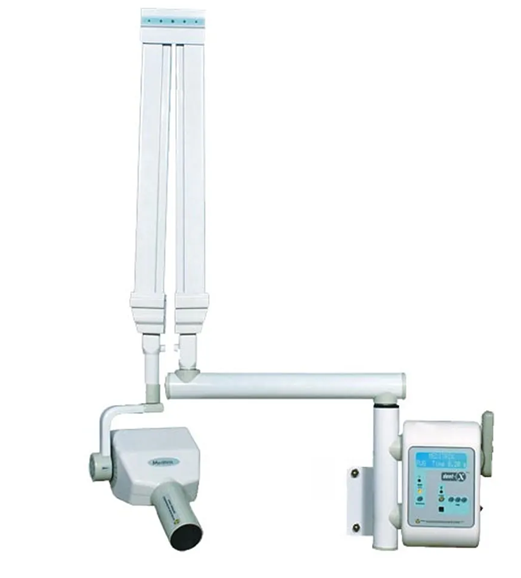
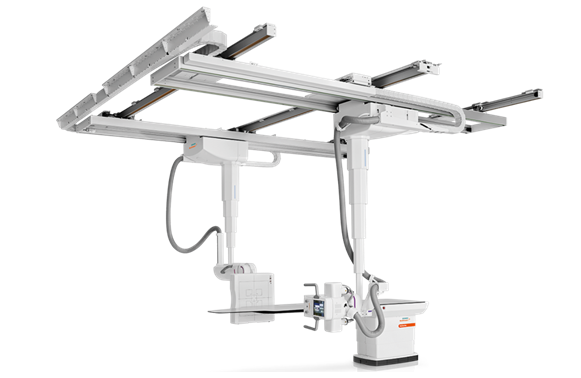
This fixed unit is attached to the wall or the roof to allow the tube able to reach all patients’ beds. The patient’s beds have a phosphor layer and detectors to receive the X-ray. The patients’ bed must be radiolucent and X-ray friendly beds. Then no need for portable X-ray. As well the shielding will be improved in ICU and NICU since it will become a radiation area. A control panel with exposure switch only radiographers have access to will provide better protection for the patients.
- Psychogenic Erectile Dysfunction in Late Adulthood: A Case Report on Clinical Intervention and Intimacy Restoration
- Clinical Trials on COVID-19 in 2025: A New Chapter in Global Health Research
- Innovations and Challenges in Contemporary Medical Clinical Trials: An Editorial Perspective
- Innovations and Challenges in Contemporary Medical Clinical Trials: A Critical Perspective
- Reimagining Clinical Trials: The Power of Continuous Feedback from Medical Reports
- Factors Influencing Brain Drain: Perspectives from a Medical School in Turkey