
Silver and Zinc Oxide Nanoparticle Impregnated Jean Cloth Using Morinda Citrifolia (Noni) Fruits – Comparison of Antibacterial Activity
Morinda citrifolia commonly called as Noni belongs to Rubiaceae family was used for synthesis of Ag and ZnO nanoparticles using Green synthesis method. Noni has unique medicinal properties which help in normalization of abnormally functioning cells by delivering the bio-chemical nutrients. Synthesized Ag and ZnO nanoparticles have been applied on to jean fabric by dip and cure method. Nanoparticles were characterized by different methods such as UVVISIBLE, FTIR, SEM, EDS, TEM and a comparative study of antimicrobial activity were done. Application of Ag and ZnO nanoparticles to jean fabric may reduce bacterial infections and blocks UV rays. Zone of inhibition of silver was almost similar to zinc oxide nanoparticles but comparative to silver, zinc oxide was cost effective and less toxic.
Introduction
Morinda citrifolia (Noni) is also known as Indian Mulberry which is green small tree bearing flowers and fruits throughout the year. Noni plant contains several vitamins, minerals, and micro and macro nutrients and also provides with chemicals like proxeronine, xeronine, scopolitin, anthraquinones, damnacanthal which helps the body in various ways from cellular to organ level [1].
Morinda citrifolia (Noni) fruit juice is an alternative medicine for several diseases such as arthritis, diabetics, high blood pressure, muscle aches and pains, menstrual problems, headaches, heart diseases, AIDS, cancer, gastric ulcers, sprains, mental depression, senility, poor digestion, atherosclerosis, blood vessel problems and drug addiction [2, 3]. Several pharmacological functions have been reported from fresh fruit extracts of noni such as analgesic [4], anti – inflammatory [5], antioxidant [6, 7], immunomodulatory [8], anti – tumour [9], hepatoprotective [10], lowering of blood pressure and vasodilatory [11, 12], cardio protective [13], antifungal [14], phyto estrogenic [15], wound healing [16], insulinotrophic [17] and anti – osteoporotic activity [18]. Few reports have been reported on the use of noni for CNS disorders such as anxiolytic and sedative [19], nontropic [20], antiepileptic [21], neuroprotective effect against stress – induced cognitive impairment [22] and some neuropharmacological effects [23].
Nanotechnology is a branch concerned with synthesis of nanoparticles of various sizes, shapes and compositions which involves in several applications. Green synthesis of nanoparticles is one of the ways of production of various metal and metal oxide nanoparticles such as cost effective and eco-friendly.
Now a day’s most of the men and women are using jean pants and trousers and it is quite difficult to wash these clothes every day or after every use. If they are coated with silver and zinc oxide nanoparticles, they may be free of bacteria because both Ag and ZnO nanoparticles have tremendous antibacterial activity and also used for medical applications like wound dressing etc. Hence in the present study the production of Ag and ZnO nanoparticles using noni extract and comparison of their antibacterial study of nanoparticle coated jean fabric using dip, dry and cure method was observed.
Materials and Methods
Materials
Noni fresh fruits obtained from the trees present in the campus of GITAM (Deemed to be University), Visakhapatnam, Silver nitrate (AgNO3) was purchased from Hi Media laboratories Pvt Limited, Mumbai, India. Zinc sulphate (ZnSO4) was purchased from Thermo Fisher Scientific India Pvt Limited, Delhi, India. Jean fabric.
Methods
Preparation of Plant Extract
Fresh fruits were washed, chopped with in to small pieces, known amount of fruit pulp (100 gm) was taken and ground with 100 ml of distilled water and the filtrate was stored for further purpose [24].
Preparation of 1M Silver nitrate 1M AgNO3 solution
1M concentration of AgNO3 solution was prepared by dissolving 169 gms of AgNO3 in 1000 ml of distilled water and stored in amber coloured bottle to avoid oxidation of silver.
Synthesis of Silver Nanoparticles (Procedure I)
Synthesis of silver nanoparticles was done using 10ml of noni fruit extract was added with 90ml of 1M silver nitrate (AgNO3) aqueous solution.
Synthesis of Zinc Oxide Nanoparticles (Procedure II)
Synthesis of Zinc oxide nanoparticles was done using 30 ml of noni fruit extract was added with 70 ml of 1M Zinc sulphate (ZnSo4) aqueous solution.
Characterization of Nanoparticles
Silver nanoparticles and Zinc oxide nanoparticles were characterized by the following methods. a) Visual observation: Aqueous fruit extract of Noni was mixed with 1M silver nitrate and zinc oxide solution and kept aside (in dark for silver for 4 hours and exposed to sunlight for 6 hours or heating at 60°c for 30 minutes) for observing colour change. b) UV-Visible Spectroscopy (UV-VIS): The formation of Ag and ZnO nanoparticles were confirmed by spectral analysis using UV-Visible spectrophotometer SHIMADJU – 1800. c) Fourier Transform Infrared Spectroscopy (FTIR): FTIR was used to know the biological components present in the nanoparticles and components involved in the nanoparticle formation. FTIR spectroscopy used for analysis was FTIR BRUKER by KBr pelleting method. d) Scanning Electron Microscopy (SEM): To know morphology of the formed nanoparticles JSM-6610 SEM instrument equipped with a Thermo EDS attachment was done. A small amount of Ag and ZnO nanoparticles fine powder sample was coated on SEM grid and examined [24].
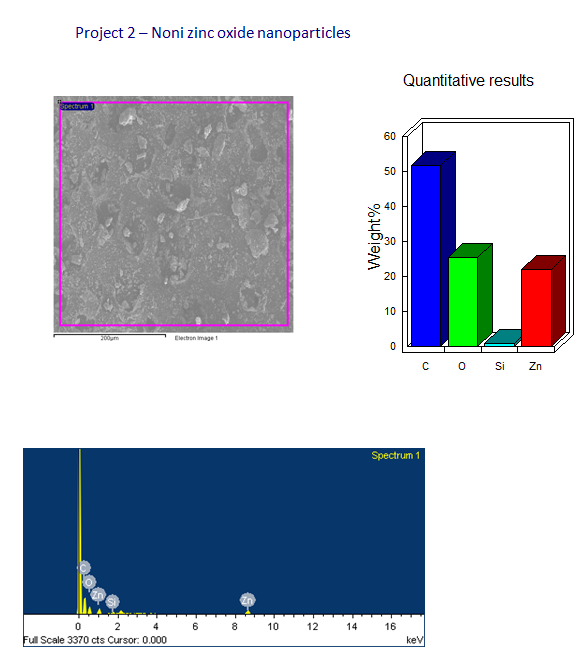
e) Energy Dispersive Spectroscopy (EDS): To know the presence of elemental composition such as Ag and Zn were tested using EDS analysis. f) Transmission Electron Microscopy (TEM): TEM analysis was done using TEM instrument JEOL 1200 EX operating at 120kv voltage. Thin film of the sample were prepared on a carbon coated grid by dropping a very small amount of the sample on the grid, extra solution was removed using a blotting paper. Later on, film on the TEM grid was allowed to dry by placing it under a mercury lamp for 5 minutes for the characterization of size and shape of synthesized silver nanoparticles [25]. g) Antibacterial activity: Antibacterial activity of the The results and interpretations of the characterization of synthesized Ag and ZnO nanoparticles have been discussed here such as UV, FTIR, FESEM, and EDAX. Visual Observation: A colour change from pale yellow to reddish brown was observed in silver nanoparticles and light brown colour in zinc oxide nanoparticles. Colour change in silver nanoparticles is based on Surface Plasmon Resonance (SPR) [27]. UV-VISIBLE Spectroscopy: UV-VISIBLE absorption spectra shows that the maximum peak at 426 nm for silver nanoparticles and 360 nm for zinc oxide nanoparticles. FTIR Analysis: (Figures 1 & 2) shows various peaks of conformation different bonds at their frequency range as follows. FTIR of Ag nanoparticles have shown a peak at 3421.47 which may represent O-H group stretching and deformation, where peaks at 1631.41 and 690.75 correspond to Ag-O stretching and deformation [28]. FTIR of ZnO nanoparticles have shown a peak at 3447.95 may be O-H stretching mode of hydroxyl group and peaks at 1557.51 and 1332.93 were due to asymmetrical and symmetrical stretching of the zinc carboxylate [29, 30, 31].
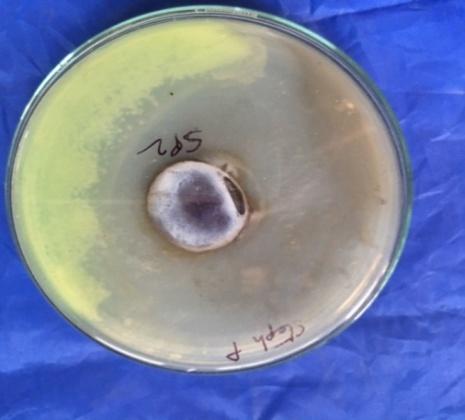
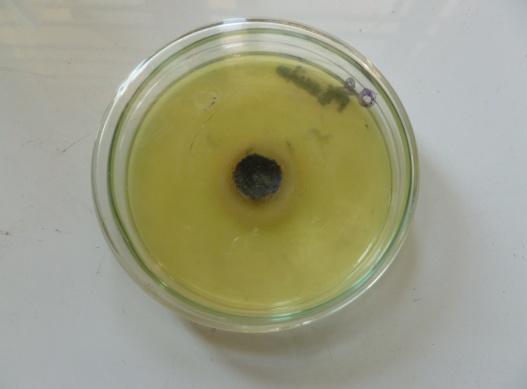
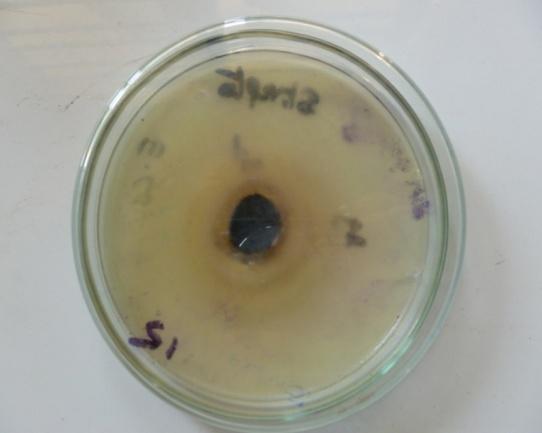
synthesized silver and zinc oxide nanoparticles was checked, using the agar well diffusion assay method [25]. Muller Hinton agar was poured in to sterilized Petri plates and bacterial test organisms were grown. 6 mm diameter of agar wells (well size equal to size of the fabric) was prepared. Then coated fabrics were inserted in to wells along with control and incubated at 37°C for 24-48 hours. A clear zone of inhibition was observed and measurements were recorded later [26].
Coating of Nanoparticles on to Jean Fabric
The fabric was sterilized and dried in the hot air oven at 60°C for 5 min. Dried jean fabric was immersed in 0.5% acrylic binder for 2 min. and dried again for 1 minute. Measured and seizure piece of jean fabrics were dipped in to 0.5 ml of 1M Ag and ZnO nanoparticles for 20 minutes and air dried for 15 minutes and then cured at 100°C for 5 minutes. Such coated fabrics were subjected for antibacterial activity.
Results and Discussion
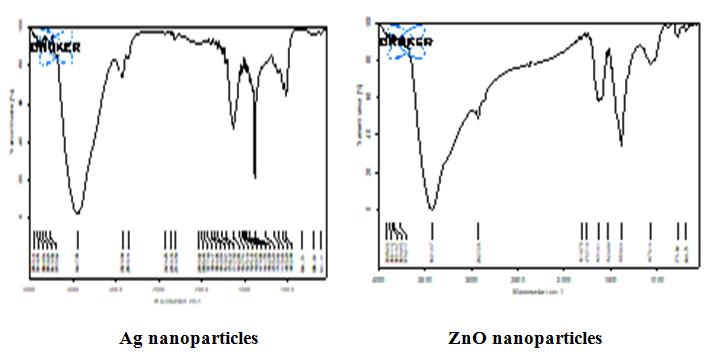
Figures 1 & 2: FTIR Analysis. SEM Analysis and EDAX: In Figures 3 & 4 SEM photo shows the morphology of nanoparticles as spherical and
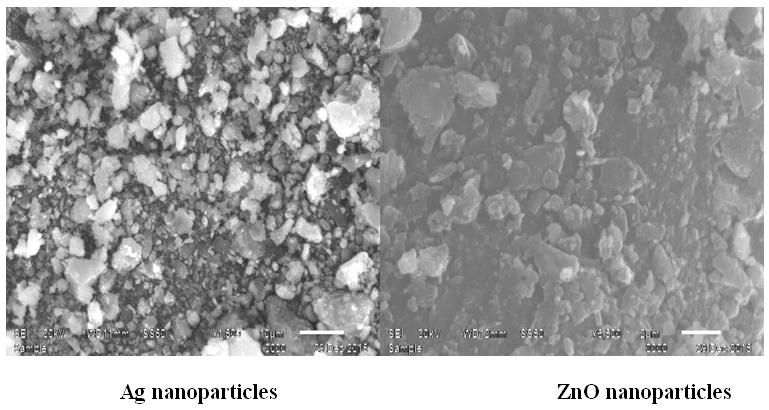
Figure 3 & 4: SEM Analysis.
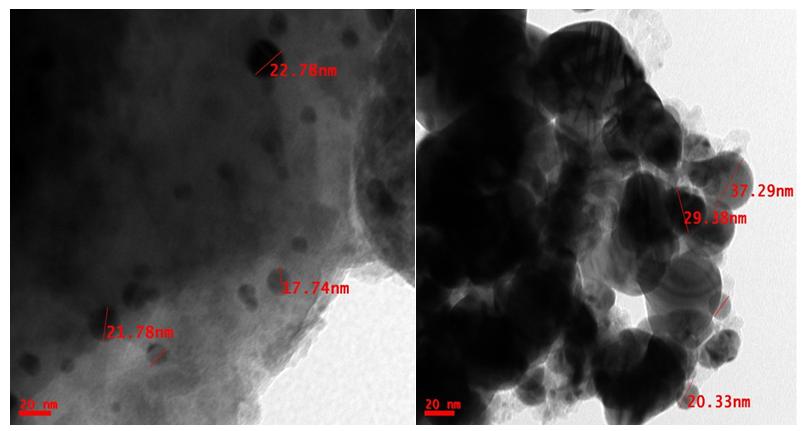
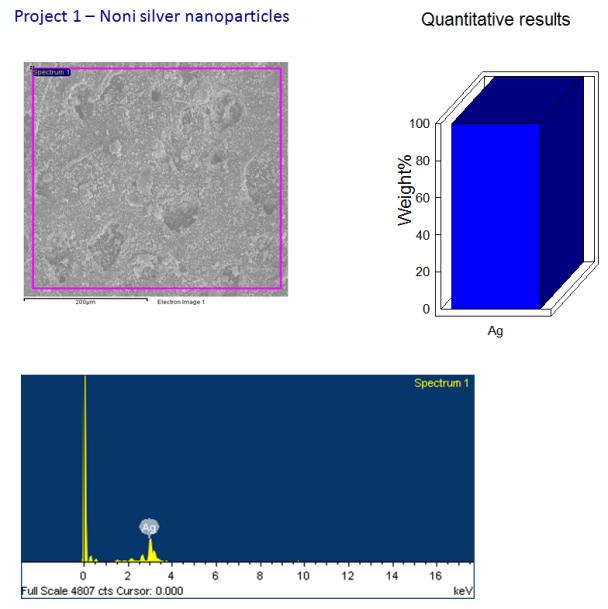
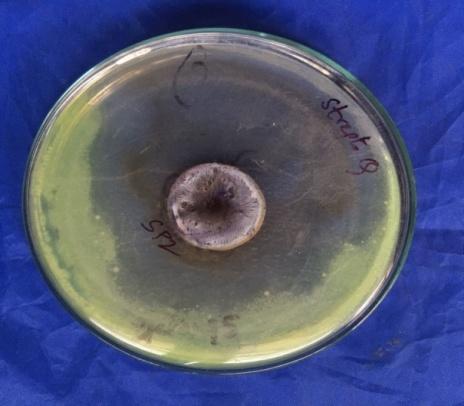
Figure 6: TEM Analysis. Antibacterial Activity: Silver and Zinc Oxide nanoparticles exhibited good antibacterial properties against bacterial pathogens such as Staphylococcus aureus with 34 and 30 mm zone of inhibition, Streptococcus aeruginosa with 31 and 28 mm zone of inhibition and Pseudomonas aeruginosa with 28 and 26 mm zone of inhibition (Figures 7-10).
Conclusion
Green, eco-friendly and rapid formation of Ag and ZnO nanoparticles were synthesized by Morinda citrifolia (Noni) fruit extract and characterization have been performed. The development of colour change in the nanoparticles was confirmed by UV – Spectroscopy. Identification of functional groups in fruit which was responsible for reduction of nanoparticles was observed by FTIR analysis. Size and morphology of the nanoparticles were observed by SEM & TEM. Presence of elemental silver and zinc were confirmed by EDS. The silver and zinc oxide nanoparticles synthesized using Noni fruit extract exhibited great inhibition against bacterial pathogens. It is observed that zinc oxide nanoparticles possess good antibacterial activity almost similar to silver nanoparticles and ZnO nanoparticles was cost effective and more environmental friendly when comparative to Ag nanoparticles. Present trend of men and women was usage of jeans for their convenience. Maintenance (washing and cleaning) of jean pants and trousers were very difficult and so the possible benefits and advantages of this application:
- About nanoparticle preparation – easy to handle, fast reaction, less time consuming, simple conversion, less toxic and low cost.
- Application – coating of nanoparticles on to jean fabric may reduce bacterial and fungal infections such as rash, irritation, reddishness of skin and allergic conditions etc.
- Blocks UV rays and so it may act as anti UV. Avoids sun burns and also possess self-cleaning activity.
References
-
Rudra MP, Jahnavi A, Manisha DR, Vasanth KM, Sreedhar B, al. (2014) Interpretative in vitro phytochemical, TLC, synthesis of silver nanoparticles and their antibacterial screening of aqueous and ethanoic extracts of _Morinda citrifolia_ L. (NONI) fruit and their comparative study. World journal of pharmaceutical research 3(6): 989-1007.
-
Wang MY, West BJ, Jensen CJ, Nowicki D, Su C, et al. (2002) _Morinda citrifolia_ (Noni): a literature review and recent advances in Noni research. Acta Pharmacol Sin 23(12): 1127-1141.
-
Smita N, Rajani S (2010) _Morinda citrifolia_: a review. J Pharm Res 3(8): 1872-1874.
-
Younos C, Rolland A, Fleurentin J, Lanhers MC, Misslin R, et al. (1990) Analgesic and behavioural effects of _Morinda citrifolia_. Planta Med 56(5): 430-434.
-
Pandy V, Narasingam M, Mohamed Z (2012) Antipsychotic-like activity of Noni (_Morinda citrifolia_ Linn.) in mice. BMC Complementary and Alternative Medicine 12: 186.
-
Basar S, Uhlenhut K, Hogger P, Schone F, Westendorf J (2010) Analgesic and anti-inflammatory activity of _Morinda citrifolia_ L. (Noni) fruit. Phytother Res 24(1): 38-42.
-
Su BN, Pawlus AD, Jung HA, Keller WJ, McLaughlin JL, et al. (2005) Chemical constituents of the fruits of _Morinda citrifolia_ (Noni) and their antioxidant activity. J Nat Prod 68(4): 592-595.
-
Chanda S, Dave R, Kaneria M (2011) In vitro antioxidant property of some Indian medicinal plants. Res J Med Plant 5(2): 169-179.
-
Palu AK, Kim AH, West BJ, Deng S, Jensen J, et al. (2008) The effects of _Morinda citrifolia_ L (noni) on the immune system: its molecular mechanisms of action. J Ethnopharmacol 115(3): 502-506.
-
Hirazumi A, Furusawa E (1999) An immunomodulatory polysaccharide-rich substance from the fruit juice of _Morinda citrifolia_ (noni) with antitumor activity. Phytother Res 13(5): 380-387.
-
Wang MY, Anderson G, Nowicki D, Jensen J (2008) Hepatic protection by noni fruit juice against CCl (4)- induced chronic liver damage in female SD rats. Plant Foods Hum Nutr 63(3): 141-145.
-
Runnie I, Salleh MN, Mohamed S, Head RJ, Abeywardena MY (2004) Vasorelaxation induced by common edible tropical plant extracts in isolated rat aorta and mesenteric vascular bed. J Ethnopharmacol 92(2-3): 311-316.
-
Gilani AH, Mandukhail SR, Iqbal J, Yasinzai M, Aziz N, et al. (2010) Antispasmodic and vasodilator activities of _Morinda citrifolia_ root extract are mediated through blockade of voltage dependent calcium channels. BMC Compl Altern Med 10: 2.
-
Salleh MN, Runnie I, Roach PD, Mohamed S, Abeywardena MY (2002) Inhibition of low-density lipoprotein oxidation and up-regulation of low- density lipoprotein receptor in HepG2 cells by tropical plant extracts. J Agric Food Chem 50(13): 3693-3697.
-
Banerjee S, Johnson AD, Csiszar K, Wansley DL, McGeady P (2006) An extract of _Morinda citrifolia_ interferes with the serum-induced formation of filamentous structures in Candida albicans and inhibits germination of Aspergillus nidulans. Am J Chin Med 34(3): 503-509.
-
Chearskul S, Kooptiwut S, Chatchawalvanit S, Onreabroi S, Churintrapun M, et al. (2004) _Morinda_ _citrifolia_ has very weak estrogenic activity in vivo. Thai J Physiol Sci 17(1): 22-29.
-
Palu A, Su C, Zhou BN, West B, Jensen J (2010) Wound healing effects of noni (_Morinda citrifolia_ L.) leaves: a mechanism involving its PDGF/A2A receptor ligand binding and promotion of wound closure. Phytother Res 24(10): 1437-1441.
-
Hamid M, Bohari SPM, Bastami MS, Ali AM, Mustapha NM, et al. (2008) Evaluation of the insulinotrophic activity of Malaysian traditional plants extract. J Biol Sci 8: 201-204.
-
Shirwaikar A, Kamariya Y, Patel B, Nanda S, Parmar V, et al. (2011) Methanol extract of the fruits of _Morinda_ _citrifolia_ Linn. Restores bone loss in ovariectomized rats. Int J Pharmacol 7(4): 446-454.
-
Deng S, West BJ, Palu AK, Zhou BN, Jensen CJ (2007) Noni as an anxiolytic and sedative: a mechanism involving its gamma-aminobutyric acidergic effects. Phytomed 14(7-8): 517-522.
-
Muralidharan P, Kumar VR, Balamurugan G (2010) Protective effect of _Morinda citrifolia_ fruits on beta- amyloid (25–35) induced cognitive dysfunction in mice: an experimental and biochemical study. Phytother Res 24(2): 252-258.
-
Muralidharan P, Srikanth J (2010) Anti-Epileptic activity of _Morinda citrifolia_ Linn fruit extract. E- J Chem 7(2): 612-616.
-
Muto J, Hosung L, Uwaya K, Isami F, Ohno M, et al. (2010) _Morinda citrifolia_ fruit reduces stress-induced impairment of cognitive function accompanied by vasculature improvement in mice. Physiol Behav 101(2): 211-217.
-
Margarita BU, Sanchez N, Perez-Saad H, Gloria L, Isidoro S (2011) Perfil neuropharmacological del zumo de _Morinda citrifolia_. Bol Latinoam Caribe Plant. Med Aromat 10(2): 159-166.
-
Sarvamangala D, Kantipriya K, Geetha S, Manga S (2017) Nanoparticle coated bandage cloth - Antimicrobial activity. European Journal of Biomedicaland Pharmaceutical Sciences 4(11): 510- 513.
-
Sarvamangala D, Kantipriya K, Murthy USN, Narasinga RB, Sivakumar N (2014) Green Synthesis of AgNP’S Using Alternanthera Sessilis Leaf Extract [A Natural Source for Ocular Therapy]. International Journal of Innovative Research in Science, Engineering and Technology 3(7): 15000-15010.
-
Huang HL, Ko CH, Yeong-Yu Y, Chin Kun W (2014) Antiadhesion and Anti-inflammation Effects of Noni (_Morinda citrifolia_) Fruit Extracts on AGS Cells during Helicobacter pylori Infection. J Agric Food Chem 62(11): 2374-2383.
-
Perez C, Paul M, Bazerque P (1990) Anti- inflammation Effects of Noni (_Morinda citrifolia_). Acta Biol Med Exp 15: 113.
-
Prathna TC, Ashok MR, Chandrasekaran N, Amitava M (2014) Sunlight Irradiation Induced Green Synthesis of Stable Silver Nanoparticles Using Citrus Limon Extract. Proceedings of the National Academy of Sciences, India Section B: Biological Sciences 84(1): 65-70.
-
Harish K, Renurani (2013) Structural characterization of silver nanoparticles synthesized by micro emulsion route. International journal of engineering and innovative technology 3(3): 344-348.
-
Xiong G, Pal U, Serrano JG, Ucer KB, Williams RT (2006) Photoluminescence and FTIR study of ZnO nanoparticles: the impurity and defect perspective. Physical Status Solidi C 3(10): 3577-3581.
- Solution-Processed Chiral Perovskites for Biomedical Applications
- Nanotechnology in Health Chemistry and Medicine: Current Challenges and Future Directions
- Human Exposure to Micro- and Nanoplastics: Pathways, Toxicity, and Intervention Strategies
- Exosome Nanomedicine for Cancer Therapy
- Micro and Nanoplastics–Plastisphere, Biotoxicity, Impact on Human Health, and Mitigation Strategies
- Process Validation of Cefixime Powder for Suspension Dosage Form, 50 mL