
Impacts of Nanotechnology on Nanomedicine
Nanotechnology, the science of manipulating matter at the nanoscale, has revolutionized various fields, with nanomedicine being one of the most promising and rapidly evolving areas. Nanomedicine leverages the unique properties of nanoscale materials to create innovative solutions for diagnosis, treatment, and prevention of diseases.
Introduction
This review paper explores the significant impacts of nanotechnology on nanomedicine, highlighting key applications, advancements, and future directions. Nanotechnology has the potential to significantly affect nanomedicine through diagnostics, imaging, and targeted drug delivery, but toxicity concerns need to be addressed. Nanotechnology has emerging applications in healthcare and medicine, including diagnostics, disease treatment, and drug delivery. The Key aspect of nanotechnology on nanomedicines are shown in Figure 1.
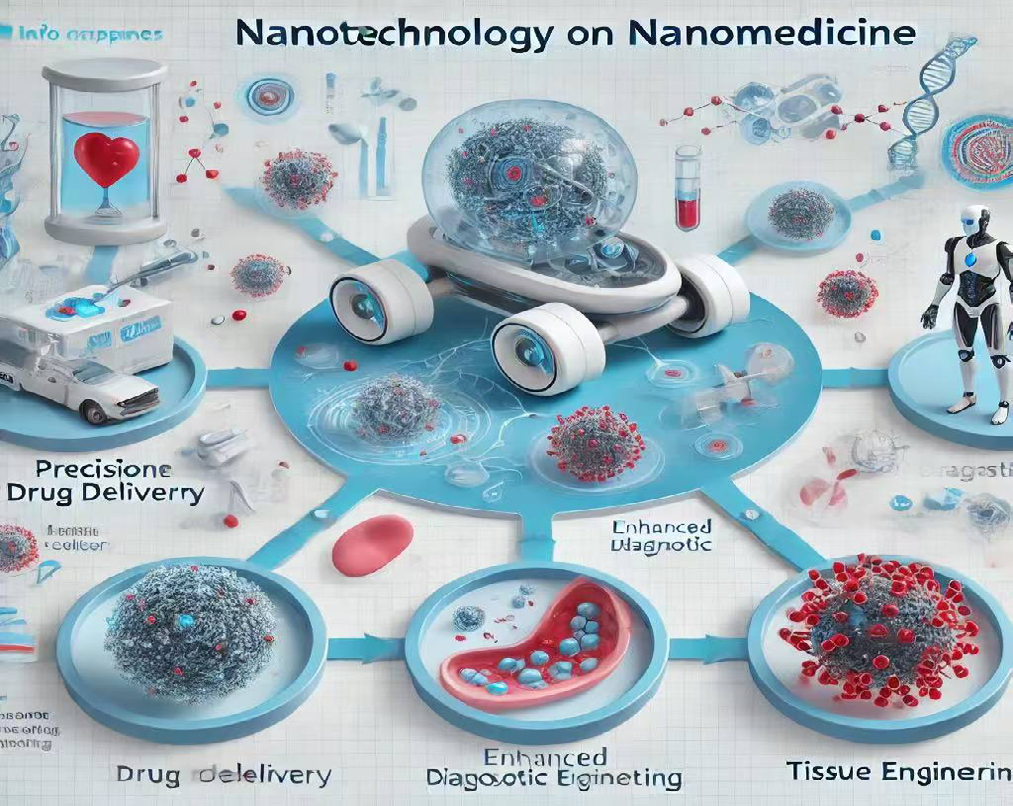
Key Applications of Nanotechnology in Nanomedicine
Targeted Drug Delivery
One of the most significant contributions of nanotechnology to nanomedicine is the development of targeted drug delivery systems. Nanoparticles, often functionalized with ligands or antibodies, can be engineered to deliver drugs directly to specific cells or tissues within the body. This precision minimizes collateral damage to healthy cells, reduces side effects, and enhances the therapeutic efficacy of treatments. For example, in cancer therapy, nanocarriers can selectively deliver chemotherapy drugs to tumor sites while sparing healthy tissue.
Diagnostic Nanosensors
Nanotechnology has enabled the creation of highly sensitive and specific diagnostic tools known as nanosensors. These nanosensors can detect biomarkers or pathogens at exceptionally low concentrations, allowing for early disease detection and monitoring. Nanoscale sensors can be integrated into lab-on-a-chip devices or wearable technologies, providing real-time health information and enabling personalized medicine approaches.
Imaging Enhancements
Medical imaging has been transformed by nanomedicine. Nanoparticles, such as quantum dots, superparamagnetic iron oxide nanoparticles, and gold nanoparticles, have unique optical and magnetic properties that enhance imaging modalities like magnetic resonance imaging (MRI), computed tomography (CT), and fluorescence imaging. These nanoparticles enable higher-resolution imaging and the tracking of cellular and molecular processes in real time
Regenerative Medicine
Nanotechnology plays a pivotal role in regenerative medicine by providing platforms for tissue engineering and drug delivery to support tissue repair and regeneration. Scaffold nanomaterials, often composed of biocompatible polymers or hydrogels, can mimic the extracellular matrix and facilitate tissue growth. Additionally, growth factors and stem cells can be delivered precisely to damaged tissues to promote healing
Personalized Medicine
Nanomedicine is driving the shift towards personalized medicine, where treatments are tailored to an individual’s genetic makeup and specific disease characteristics. Nanoparticles can carry gene therapies or RNA-based therapies to correct genetic mutations or modulate gene expression, offering hope for previously untreatable genetic disorders.
Advancements in Nanomedicine
Nanocarriers and Targeted Drug Delivery
Recent advancements in nanocarriers have significantly improved targeted drug delivery. For instance, researchers at Northwestern University have developed a new platform that mimics natural processes used by viruses. This system uses extracellular vesicles (EVs), virus-sized nanoparticles engineered through synthetic biology to create DNA programs that direct cells to produce and load EVs with drugs, such as CRISPR gene-editing agents. These particles successfully targeted T cells, which are notoriously challenging to manipulate, opening up vast possibilities for drug delivery in various medical conditions [1, 2, 3, 4, 5]. Aflow-chart representation of the impacts of nanotechnology on nanomedicines is given in scheme 1.
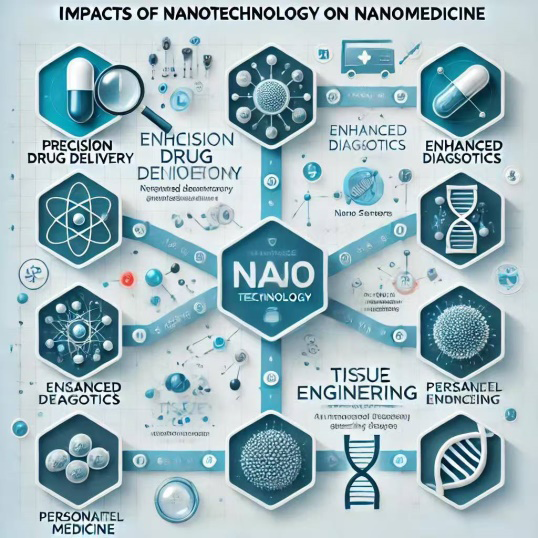
Scheme 1: Flow-Chart Representation of Factors Affecting Nanomedicines by Nanotechnology View.
Gene and Cell Therapies
The integration of gene and cell therapies with nanocarriers marks another significant stride. These therapies involve transferring genetic material or modified cells into the body to treat or prevent disease. While viral vectors have been used as delivery mechanisms, they come with limitations, such as immune system recognition. EVs, by contrast, offer a more versatile and adaptable approach.
Smart Drug Delivery Systems
Smart drug delivery systems that navigate the body with precision are another breakthrough. These systems can respond to specific biological cues, such as pH levels or enzyme activity, to release drugs at the optimal time and location. This level of control enhances the effectiveness of treatments and reduces side effects
Challenges and Future Directions
Safety and Regulatory Hurdles
Despite the promising advancements, several challenges must be addressed to fully realize the potential of nanomedicine. Ensuring the long-term safety of nanomaterials and navigating regulatory hurdles are critical steps. Researchers are working to develop comprehensive safety profiles for various nanomaterials and to establish clear regulatory guidelines to facilitate the commercialization of nanomedicine-based treatments.
Cost and Accessibility
Another significant challenge is the cost of nanomedicine- based treatments. Reducing the cost of production and making these treatments accessible to a broader population is essential. This includes developing scalable manufacturing processes and exploring cost-effective materials and technologies.
Future Directions
The future of nanomedicine holds immense promise. Continued research and development in nanotechnology are expected to yield more efficient, effective, and sustainable solutions for healthcare. Key areas of focus include: Personalized Medicine: Tailoring treatments to individual genetic profiles and disease characteristics. Emerging Technologies: Integrating artificial intelligence, 3D printing, and big data analytics to enhance nanomedicine applications. Biocompatibility and Toxicity: Developing safer nanomaterials with improved biocompatibility and reduced toxicity. Clinical Translation: Accelerating the translation of nanomedicine research into clinical applications through robust clinical trials and regulatory approvals [2, 4, 5].
Conclusion
Nanotechnology has had a profound impact on nanomedicine, transforming the way we approach disease diagnosis, treatment, and prevention. The unique properties of nanoscale materials have enabled the development of targeted drug delivery systems, diagnostic nanosensors, imaging enhancements, regenerative medicine platforms, and personalized medicine approaches. Despite the challenges, the future of nanomedicine is bright, with ongoing advancements promising to revolutionize healthcare and improve patient outcomes.
References
-
Cain D (2003) Nanotech in Healthcare: Small Particles, Big Impact.
-
Kuiken T (2011) Nanomedicine and ethics: is there anything new or unique?. Wiley Interdiscip Rev Nanomed Nanobiotechnol 3(2): 111-118.
-
(2021) Advancements in Nanotechnology Research: Current Trends. Falcon Scientific Editing.
-
Etheridge ML, Campbell SA, Erdman AG, Haynes CL, Wolf SM, et al. (2013) The big picture on nanomedicine: the state of investigational and approved nanomedicine products. Nanomedicine 9(1): 1-14.
-
(2023) Nanotechnology Market Size, Outlook & Revenue Analysis By 2031, Data Bridge Market Research.
- Solution-Processed Chiral Perovskites for Biomedical Applications
- Nanotechnology in Health Chemistry and Medicine: Current Challenges and Future Directions
- Human Exposure to Micro- and Nanoplastics: Pathways, Toxicity, and Intervention Strategies
- Exosome Nanomedicine for Cancer Therapy
- Micro and Nanoplastics–Plastisphere, Biotoxicity, Impact on Human Health, and Mitigation Strategies
- Process Validation of Cefixime Powder for Suspension Dosage Form, 50 mL