
Interdental Aids-A Literature Review
The bacterial plaque that forms on all hard and soft oral tissues is considered to be the principal etiological agent of dental caries and periodontal disease. The accumulation of plaque facilitated by poor oral health maintenance predisposes to gingivitis, leading to the onset of periodontal inflammation. The use of interdental aids is important to sufficiently clean the interdental areas of the biofilm that forms from time to time. Aim: This review presents data regarding the efficacy of different types of interdental aids and its recent advancements. Methodology: Review of some original research studies which aims to discuss the points mentioned in the study problem. Conclusion: Interdental cleaning devices are useful aids in controlling the formation of interproximal plaque. The interdental brushes have shown to be more efficacious and convenient for the patient. These aids in addition to tooth brushing should be encouraged for the general population for effective maintenance of oral health.
Introduction
Oral hygiene is important for the preservation of oral health, whereby microbial plaque is removed and prevented from accumulating on teeth and gingival tissues. Interdental aids are important as they can remove food trapped in between the teeth which can turn into plaque and then calculus in around 48 hours. This review focuses on the various interdental cleaning aids as an adjunct to tooth brushing habits in maintaining interdental hygiene which promotes healthy tissues and offers protection against bacterial and other oral infections [1].
Interdental Anatomy
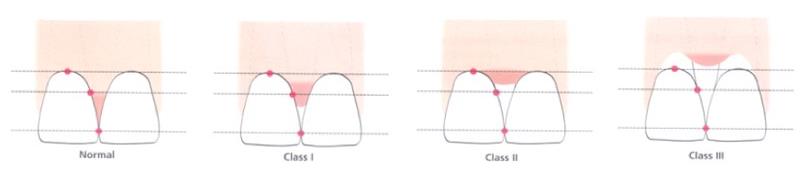
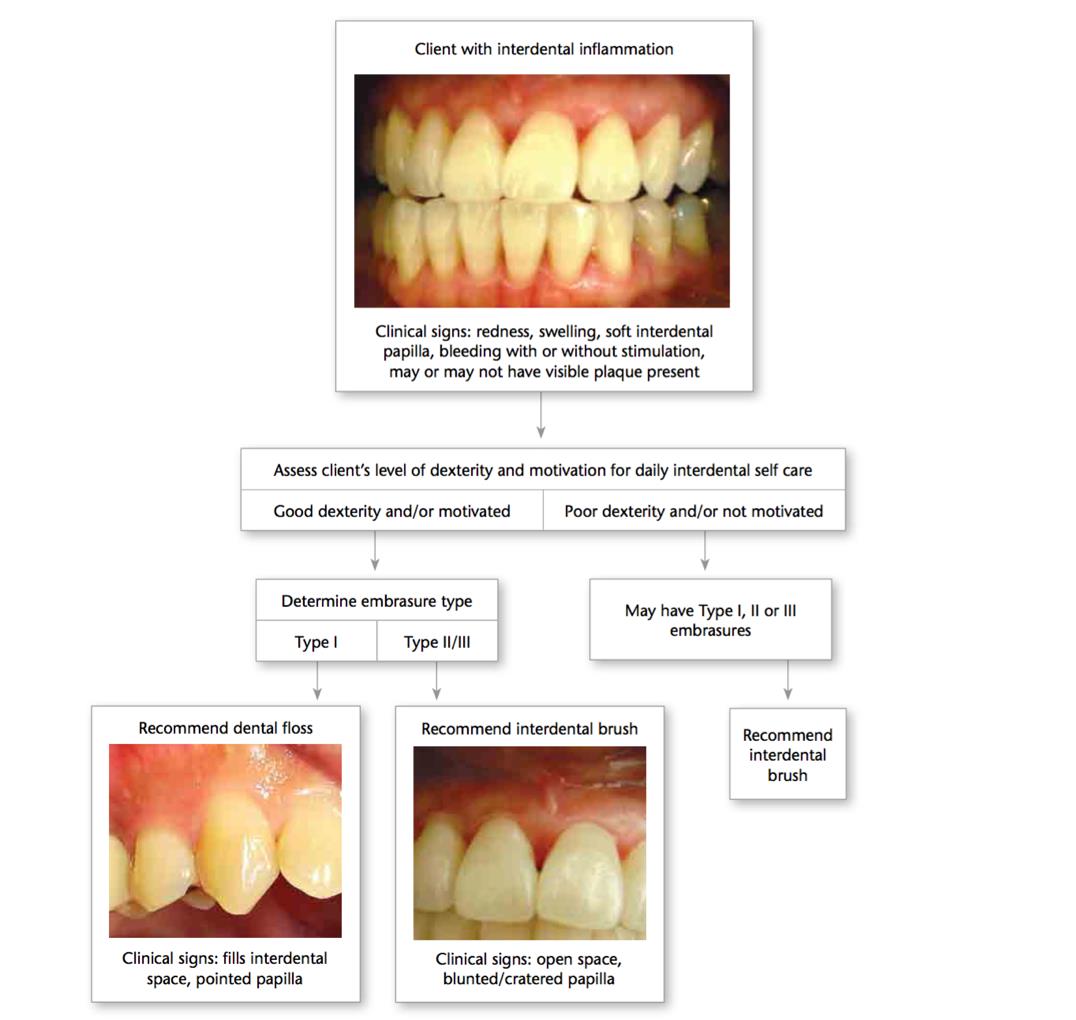
The interdental space is the physical space present between two adjacent teeth, and its shape and volume are determined by the morphology of the teeth. The interdental papilla represents the gingival tissue that fills this space and is formed by dense connective tissue covered by oral epithelium and may be influenced by the height of the alveolar bone, distance between the teeth and interdental contact point [2]. In the area of the incisors, the interdental papilla is narrow and has a pyramidal shape with its tip just below the point of contact. In the posterior region, it is wider and with a ridge- shaped concave area so-called the col. This crest, which determines the position and extent of the contact point of the adjacent teeth, is non- keratinized or parakeratinized and covered with stratified squamous epithelium [3]. Three types of gingival embrasure are seen: a) Type I: Embrasures are completely occupied by healthy interdental papilla. b) Type II: About 75% of embrasure is occupied by the gingiva. c) Type III: About 50% of the embrasure is occupied by gingival [4].
Significance of Interdental Aids
The interdental gingiva fills the embrasure between two teeth apical to their contact point. This is a ‘sheltered’ area that is difficult to access when teeth are in their normal positions. In populations that use toothbrushes, the interproximal surfaces of the molars and premolars are the predominant sites of residual plaque. The removal of plaque from these surfaces remains a valid objective because in patients susceptible to periodontal disease, gingivitis and periodontitis are usually more pronounced in this interdental area than on other aspects. Dental caries also occurs more frequently in the interdental region than on lingual and buccal smooth surfaces [5]. Interdental devices
Wood Sticks
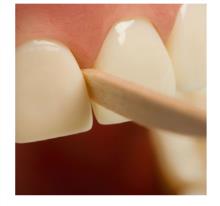
Wood sticks are one of the earliest and most persistent “tools” used to “pick teeth.” It dates back to the days of the cave people, who probably used sticks to pick food from between their teeth. Originally, dental wood sticks were advocated by dental professionals as ‘gum massagers’ used to massage inflamed gingival tissue in the interdental areas to reduce inflammation and encourage keratinization of the gingival tissue. They are fabricated from soft wood to improve adaptation into the interdental space and to prevent injury to the gingiva. A triangular wood stick seems to have the correct shape to fit the interdental space. Wood sticks are inserted interdentally with the base of the triangle resting on the gingival side. The tip should point occlusally or incisally and the sides against the adjacent tooth surfaces. The tapered form makes it possible for the patient to angle the wood stick interdentally and even clean the lingually localized interdental surfaces [6].
Dental floss
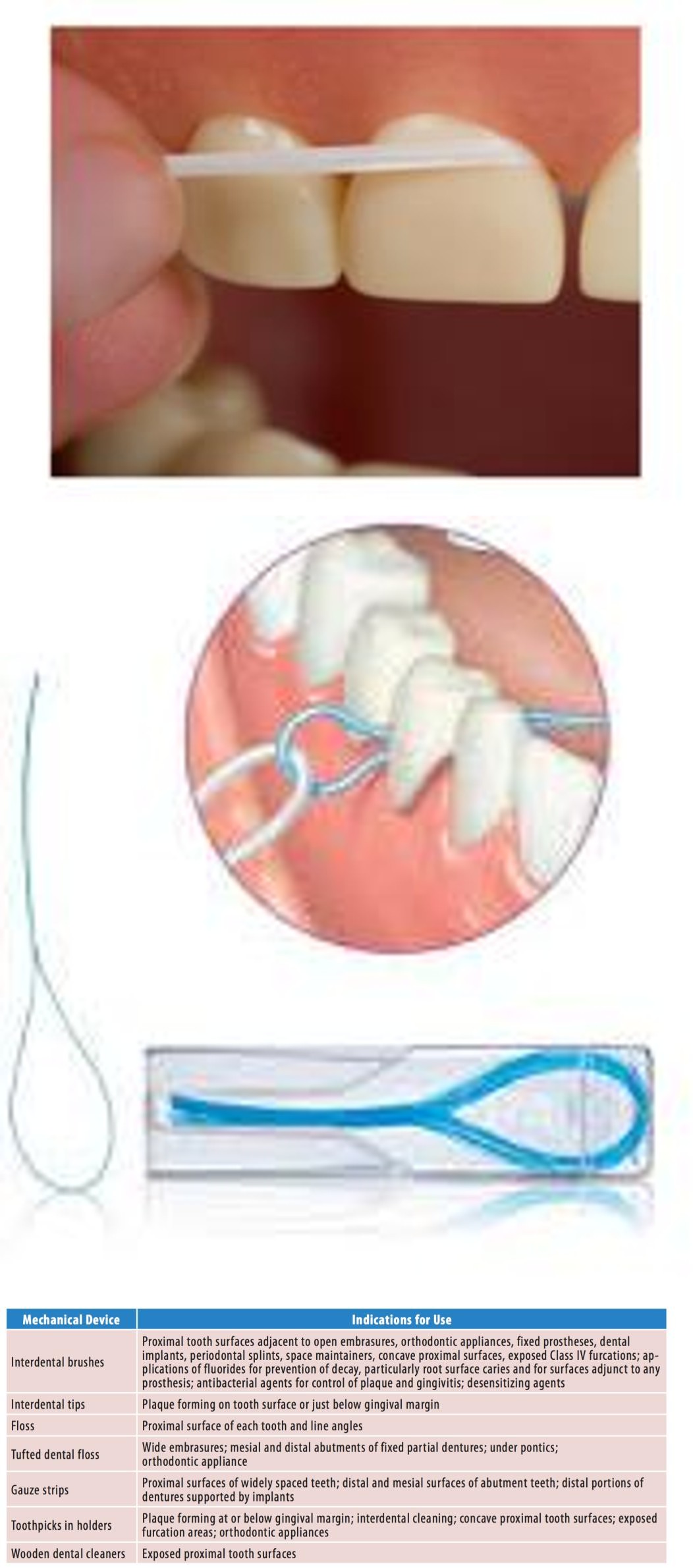
Reports of the benefits of flossing date back to the early 19thcentury, when it was believed that irritating matter between teeth was the source of dental disease .Over the years, it has been generally accepted that dental floss has a positive effect on removing plaque. Even subgingival American Dental Association reports that up to 80% of plaque may be removed by this method [7].
Interdental Brushes
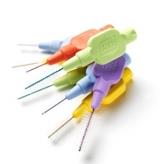
Interdental brushes were introduced in the 1960s as an alternative to wood sticks. The interdental brush consists of soft nylon filaments twisted into a fine stainless steel wire. The support wire is continuous or inserted into a metal/plastic handle. Interdental brushes are manufactured in different sizes and forms. The most common forms are cylindrical or conical/ tapered (like a Christmas tree). The length of the bristles in cross - section should be tailored to the interdental space.
| Mechanical Device | Indications for Use |
|---|---|
| Interdental brushes | Proximal tooth surfaces adjacent to open embrasures, orthodontic appliances, fixed prostheses, dental implants, periodontal splints, space maintainers, concave proximal surfaces, exposed Class IV furcations; applications of fluorides for prevention of decay, particularly root surface caries and for surfaces adjunct to any prosthesis; antibacterial agents for control of plaque and gingivitis; desensitizing agents |
| Interdental tips | Plaque forming on tooth surface or just below gingival margin |
| Floss | Proximal surface of each tooth and line angles |
| Tufted dental floss | Wide embrasures; mesial and distal abutments of fixed partial dentures; under pontics; orthodontic appliance |
| Gauze strips | Proximal surfaces of widely spaced teeth; distal and mesial surfaces of abutment teeth; distal portions of dentures supported by implants |
| Toothpicks in holders | Plaque forming at or below gingival margin; interdental cleaning; concave proximal tooth surfaces; exposed furcation areas; orthodontic appliances |
| Wooden dental cleaners | Exposed proximal tooth surfaces |
Table 1: This table summarizes the conventional inter dental aids and their applications [10].
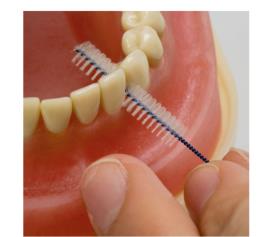
Conical or pyramidal flexible rubber tip attached to handle. Uses: a) For cleaning debris from interdental areas b) Biofilm removal at and just below gingival margin [11]
(Figure 5).
Oral Irrigators
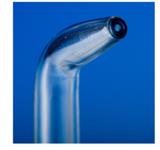
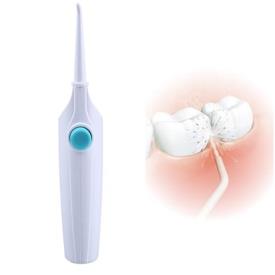
Additional oral hygiene aids have been developed in an attempt to augment the effect of tooth brushing on reducing interdental plaque. The adjunctive aid of the oral irrigator is designed to remove plaque and soft debris through the mechanical action of a jet stream of water. Oral irrigator devices can also be used with antimicrobial agents. The oral irrigator facilitates the removal of food debris in posterior areas, especially in cases of fixed bridges or orthodontic appliances, when the proper use of interdental cleaning devices is difficult [12].
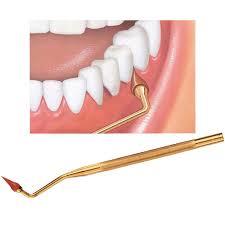
The More Recent Advances of The Oral Irrigator Tip Are
Perio - Aid
This instrument consists of a plastic handle that will receive round polished toothpicks and that permits the patient to cleanse the teeth at gingival margins where accessible and in areas of difficult access [13].
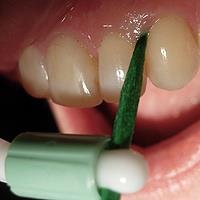
Proxa Brush
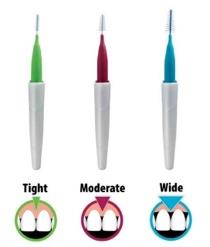
Go-Betweens Proxa brush cleaners are designed in three individual sizes that fit into tight, moderate or wide embrasure spaces. With many root structures being concave interproximally, the proper size brush is necessary to reach into the curvature of the surface, and with a bulk holder [14] (Figure 9).
Research Studies
The efficacy of interdental brushes on plaque and parameters of periodontal inflammation: a systematic review
The aim of the study was to assess the effect of the use of interdental brushes in patients as an adjunct to tooth brushing compared with tooth brushing alone or other interdental oral hygiene devices on plaque and the clinical parameters of periodontal inflammation. Clinical parameters of periodontal inflammation such as plaque, gingivitis, bleeding and pockets were selected as outcome variables. Descriptive comparisons are presented for brushing alone or brushing and woods ticks; meta- analyses were also performed for the floss comparison. As an adjunct to brushing, the interdental brush removes more dental plaque than brushing alone. Studies showed a significant improvement using interdental brushes with respect to the plaque levels, bleeding scores and probing pocket depth. The majority of the studies presented a positive significant difference in the plaque index when using interdental brushes compared with dental floss [15].
Interdental Brushing For the Prevention and Control of Periodontal Diseases and Dental Caries in Adults
Excellent oral hygiene is important to have healthy oral tissues and which also determines the quality of life. This study aimed to evaluate the effects of interdental brushing in addition to tooth brushing, as compared with tooth brushing alone or tooth brushing and flossing for the prevention and control of periodontal diseases, dental plaque and dental caries. There was insufficient evidence to claim a benefit for either interdental brushing or flossing for plaque. None of the studies were reported on tooth decay as none were long enough for the changes brought about by early tooth decay between teeth to be detected [16].
Comparison of Interdental Brush to Dental Floss for Reduction of Clinical Parameters of Periodontal Disease: A Systematic Review
This study aimed to evaluate the effectiveness of interdental brushing as an adjunct to tooth brushing for the primary outcome of interproximal gingival bleeding and a secondary outcome of interproximal plaque. Overall outcome observed was that the interdental brush was more effective than flossing for dealing with interproximally bleeding and plaque for both patients (open and close embrasures) [17].
Efficacy of a New Interdental Cleaning Aid
The newly introduced BrushPick showed better results in controlling plaque and gingival inflammation compared to the control sites, suggesting that it plays a significant role in the maintenance of oral hygiene. As only open embrasures without gingival recession were included in the study, the results of this study could be cautiously applied only to specific type of embrasures. The results of a split mouth, randomized, controlled clinical trial suggest that in open interdental embrasures, the Brush Pick significantly reduces plaque accumulation and gingival inflammation, as measured by Rustogi, et al. modified Navy plaque index (RMNPI) and interdental bleeding index (IBI), respectively [18].
Summary
Conclusion
As seen in the review above, interdental aids are an important adjunct to daily tooth brushing procedures. They effectively disrupt the microbial biofilm which is the main causative factor of dental caries and periodontal disease. Although there is a plethora of devices available for interdental use, the interdental brushes have been shown to be more accepted practically in combination with tooth brushing compared to the others. Patient motivation and education in selection of the most suitable aid by dentists will go a long way in improving the oral health habits of individuals.
References
-
Choo A, Delac DM, Messer LB (2001) Oral hygiene measures and promotion: review and considerations. Aust Dent J 46(3): 166-173.
-
Bader HI (1998) Floss or die: implications for dental professionals. Dent Today 17(7): 76-78,80- 82.
-
Sharma AA, Park JH (2010) Esthetic considerations in interdental papilla: remediation and regeneration. J Esthet Restor Dent 22(1): 18-28.
-
Holmes CH (1965) Morphology of the interdental papillae. J Periodontol 36(6): 455-460.
-
Cohen B (1959) Pathology of the interdental tissues. Dent Pract (9): 167-173.
-
Christou V, Timmerman MF, Van der Velden U, Van der Weijden GA (1998) Comparison of different approaches of interdental oral hygiene: interdental brushes versus dental floss. J Periodontol 69(7): 759- 764.
-
Hill HC, Levi PA, Glickman I (1973) The effects of waxed and unwaxed dental floss on interdental plaque accumulation and interdental gingival health. J Periodontol 44(7): 411-413.
-
Hoenderdos NL, Slot DE, Paraskevas S, Van der Weijden GA (2008) The efficacy of wood sticks on plaque and gingival inflammation: a systematic review. Int J Dent Hyg 6(4): 280-289.
-
Galgut PN (1991) The need for interdental cleaning. Dent Health (London) 30(5): 8-11.
-
Esther M Wilkins (2009) Clinical practice of the dental hygienist. 8th (Edn.), Philadelphia: Wolters Kluwer Health/Lippincott Williams & Wilkins; Chapter 24, Interdental Care pp: 784.
-
Carrouel F, Llodra JC, Viennot S, Santamaria J, Bravo M, et al. (2016) Access to Interdental Brushing in Periodontal Healthy Young Adults: A Cross-Sectional Study. PLoS ONE 11(5): e0155467.
-
Gluch JI (2012) As an adjunct to tooth brushing, interdental brushes (IDBs) are more effective in removing plaque as compared with brushing alone or the combination use of tooth brushing anddental floss. J Evid Based Dent Pract 12(2): 81-83.
-
Halappa M, Chandu G (2015) Evaluation of usage of interdental aids among dentists as a preventive measure. J Indian Soc Periodontol 19(1): 4.
-
Slot DE, Dörfer CE, Van der Weijden GA (2008) The efficacy of interdental brushes on plaque and parameters of periodontal inflammation: A systematic review. Int J Dent Hyg 6(4): 253-264.
-
Tarannum F, Faizuddin M, Swamy S, Hemalata M (2012)Efficacy of A New Interdental Cleaning Aid. J Indian Soc Periodontol 16(3): 375-380.
-
Loe H, Theilade E, Jensn SB (1965) Experimental gingivitis in man. J Periodontol 36: 177-187.
-
Socransky SS (1970) Relationship of bacteria to the etiology of periodontal disease. J Dent Res 49(2): 203- 222.
-
Briner WW (1971) Plaque in relation to dental caries and periodontal disease. Int Dent J 21: 293-301.
-
Becker W, Berg L, Becker BE (1979) Untreated periodontal disease: A longitudinal study. J Periodontal 50(5): 234-244.
-
Pauline H Imai, Xiaoli Yu, David MacDonald (2012) Comparison of interdental brush to dental floss for reduction of clinical parameters of periodontal disease: A systematic review. Can J Dent Hygiene 46(1): 63-78.
- Diagnosis and Management of Mental Nerve Paresthesia Secondary to Apical Periodontitis of Mandibular Second Premolar: A CBCT Based Case Report
- A Randomized, Double Blinded Clinical Trial to Compare the Effect of Oral Premedication (Diclofenac Potassium or Dexamethasone) on Post-Operative Pain Following Pulpectomy
- Modified Lip Repositioning Technique for the Management of Excessive Gingival Display
- Integral Role of Non-Dental Providers and Fluoride Dissemination
- Root Canal Treatment Rate in Deciduous Teeth Among 6-Year- Olds in the Era of Discontinuing Water Fluoridation - Historical Cohort Study
- The Impact of the Notch1 on the Migratory Capacity and the Expression of E-Cadherin and CyclinD1 in Ameloblastoma Cells