
The Role of the Novosibirsk Scientific School of Renal Physiology in the Development of Ideas About Osmotic and Ion Regulation
The article presents an overview of materials on the formation and development of ideas about the osmotic and ion-regulating functions of the kidneys, obtained by researchers from three scientific schools of renal physiology in Novosibirsk (Russia). It is shown that the formation of these views, which have received worldwide recognition, was started by Prof. A.G.Ginetsinsky in the 50s of the 20th century on the basis of the Novosibirsk Medical Institute and continued by his direct students Prof. L.K.Velikanova, Prof. J.D.Finkinshtein, academician L.N.Ivanova in Novosibirsk and academician Yu.V.Natochin in Leningrad (St. Petersburg). In turn, these scientists created their own scientific schools, which fruitfully developed and complemented the scientific ideas of their teachers. The paper describes and discusses the specific results of most representatives of this scientific dynasty, who have made a significant contribution to the modern understanding of the mechanisms of regulation of osmotic and ionic homeostasis.
Editorial
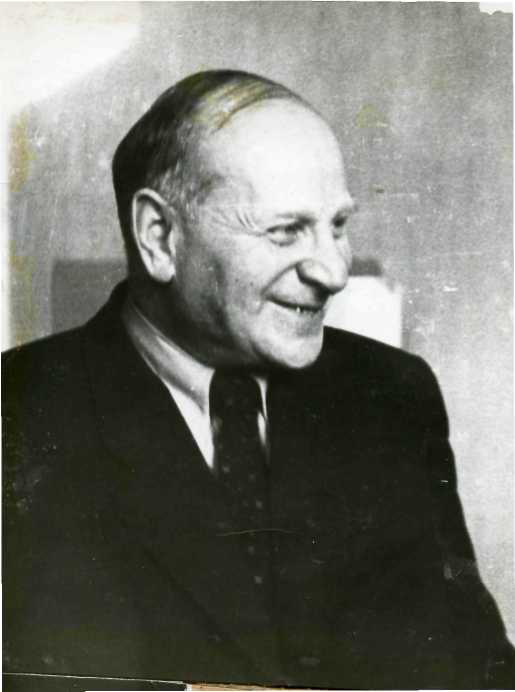
Modern ideas about the osmotic and ion-regulating function of the kidneys are based on the research of Western scientists, as well as on the remarkable works of Russian physiologists who developed methodological approaches to the study of kidney function on an integral organism in vivo [1, 2, 3, 4, 5, 6]. Without dwelling on the contribution of these scientists to the development of ideas for the regulation of kidney functions, this article will be devoted only to the analysis of the work of the Novosibirsk school of renal physiologists in the construction of the theory of osmotic and ion regulation. This scientific school was formed due to the arrival in Novosibirsk in 1951 of L.A.Orbeli’s student, corresponding member of the Academy of Medical Sciences, Ginetsinsky AG (Figure 1). Upon arrival, he became the head of the Department of Normal Physiology at the Medical Institute. Here he began to develop a new scientific direction for the country - to study the role of kidneys in the regulation of osmotic homeostasis. The relevance of this work was due to the fact that by the end of the 40s of the 20th century it had already been shown that intake a large amount of liquid caused a decrease in plasma osmolality with a parallel pronounced increase in urination, whereas isotonic sodium chloride solution did not lead to a change in the rate of urination. At the same time, the infusion of a hypertonic sodium chloride solution into the hypothalamus region led to antidiuresis [5]. The Canadian pharmacologist Verney EB suggested that in the area of the supraoptic and paraventricular nuclei of the hypothalamus there are central osmoreceptors that respond to an increase in blood osmolality by releasing ADH, which caused an increase in water reabsorption in the kidneys [5]. Ginetsinsky AG suggested that it is unlikely to have only central osmoreceptors that control osmotic homeostasis of the whole organism. Probably, there are also peripheral osmoreceptors in the bloodstream and (or) organs that respond to changes in blood osmolality. He instructed one of his first Novosibirsk students, Velikanova LK [1] to test this hypothesis. She conducted a study on the topic “Interoception of the osmoregulatory reflex”, showing that with a decrease in the osmolality of peripheral blood due to excessive administration of water to a dog through a gastric fistula, injection of a hypertonic sodium chloride solution into the so-called “Verney zone” did not cause the antidiuretic reaction observed by Verney E. This allowed them to conclude that in the conditions of such an experiment, there was a competition of information from the supposed peripheral and central osmoreceptors. Further experimental analysis of this fact allowed to confirm the hypothesis put forward by Ginetsinsky AG about the presence of peripheral osmoreceptors, in particular, in the muscles of the lower limb in dogs [5, 7].
At the same time, research on the osmoregulatory function of the kidneys in postnatal ontogenesis was initiated at the department under the leadership of Ginetsinsky AG. Thus, V.I. Inchina performed work on the study of the renal reaction to water stress and water starvation in puppies at an early age, L.I.Kurduban studied the effect of the cerebral cortex on renal fluid excretion, Ivanova LN investigated the role of hyaluronidase on the process of urination, Yu.V.Natochin began work on the evolution of the water- salt regulation system, etc. The results of these studies were summarized in the monograph “Physiological mechanisms of water-salt equilibrium” [5].
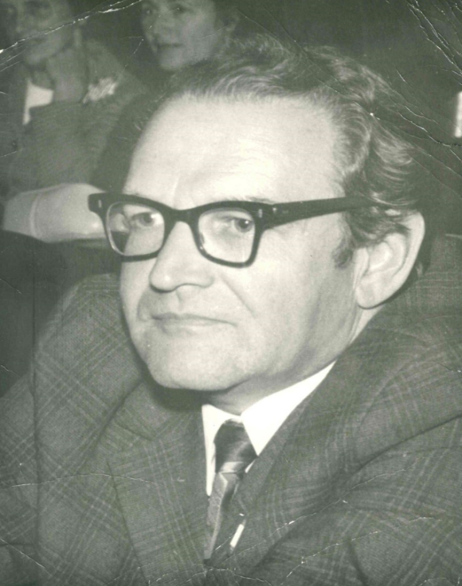
After the departure of Ginetsinsky AG from Novosibirsk, the Department of Normal Physiology of the Novosibirsk Medical Institute was headed by Yakov Davidovich Finkinshtein (Figure 2). Under his leadership, thanks to the developed technique of cannulation of arterial vessels of different organs, the staff of the department established the existence of peripheral osmoreceptors in various organs and tissues, including in the kidneys; discovered not only the presence of antidiuretic, but also natriuretic components of osmoregulation, showed the role of corticosteroids and oxytocin in the regulation of excretion of water and sodium by the kidneys; described the processes of integration of osmotic- and volumetric mechanisms in ensuring homeostasis, etc. [8, 9].
A peculiar result of research on the mechanisms of osmoregulation at the Department of Normal Physiology was the completion of L.K.Velikanova’s doctoral dissertation on the mechanism of excitation of tissue osmoreceptors [7], after which she moved to work at Novosibirsk State Pedagogical University, leading research on the mechanisms of formation of the biological reliability of the system of regulation of water-salt homeostasis in ontogenesis [9, 10].
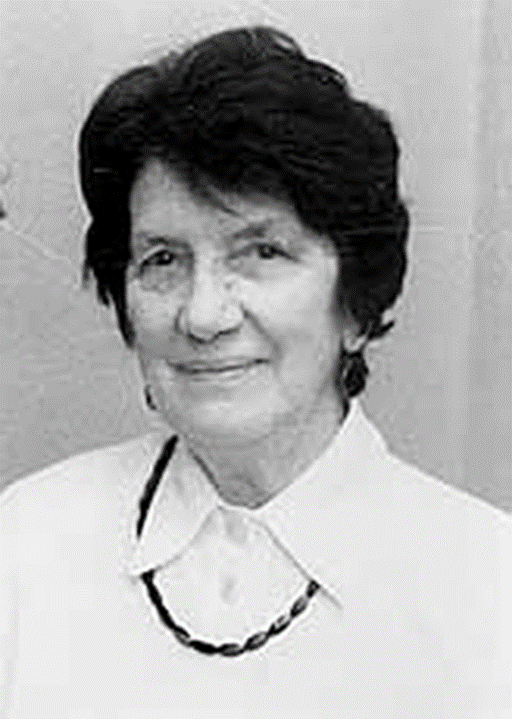
From the school of A.G. Ginetsinsky in Novosibirsk, another direction stood out, which was headed by Ivanova Lyudmila Nikolaevna (Figure 3) on the basis of the Institute of Cytology and Genetics of the Siberian Branch of the Russian Academy of Sciences. The staff of her laboratory has made a significant contribution to the study of the molecular genetic mechanisms of hormonal regulation of kidney function in ontogenesis, as well as depending on environmental specialization. In particular, the stages of the action of antidiuretic hormone on the mammalian kidney at the molecular level were studied in detail, the transport of water and sodium in the renal tubules and collecting tube, enzyme renal systems, the integration of hormones with them, the analysis of the role of glycosaminoglycans, etc. were described [11].
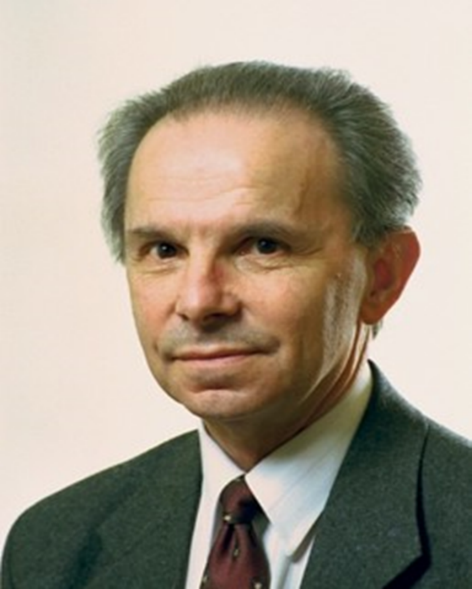
Together with A.G.Ginetsinsky, his student Natochin Yuri Viktorovich born on 1932 (Figure 4) left for Leningrad, who took up the baton of his teacher and developed ideas about the kidney physiology and water-salt homeostasis. He continued to study the evolution of the kidneys and excretory organs, their role in the regulation of aqueous and ionic homeostasis. In particular, he and his colleagues managed to present the functional organization of the ion transport process in nephron cells, individual renal tubules and kidneys as a whole, which became the first studies of osmotic and ion regulation at the cellular and molecular level in the Soviet Union. Natochin Yu.V. proved the possibility of independent regulation of the transport of individual ions in the renal tubules [6, 12].
Around the same time, two Novosibirsk scientific schools began to conduct research on the role of kidneys in ion regulation at the organism level. The prerequisites for these works were the earlier observations of the staff of the Department of Normal Physiology of the Medical Institute.
Thus, B.L.Kuzmin, studying the osmoregulatory reflex from the lungs, showed that infusion of a hypertonic NaCl solution into the small circulation caused a decrease in renal excretion of urine and an increase in sodium output. The hypertonic mannitol solution caused only an antidiuretic response without increasing natriuresis, which suggested the presence of osmo- and possibly sodium chemoreceptors in this zone, which are the initial link of osmo- and sodium- regulating reflexes.
Continuing this idea, Turner A Ya (Figure 5) proved the presence of sodium-sensitive formations in the gastrointestinal tract of dogs: oral intake of various osmotically active substances always caused an antidiuretic reaction by the type of osmoregulation and increased sodium excretion, but only on a hypertonic solution of NaCl [9].
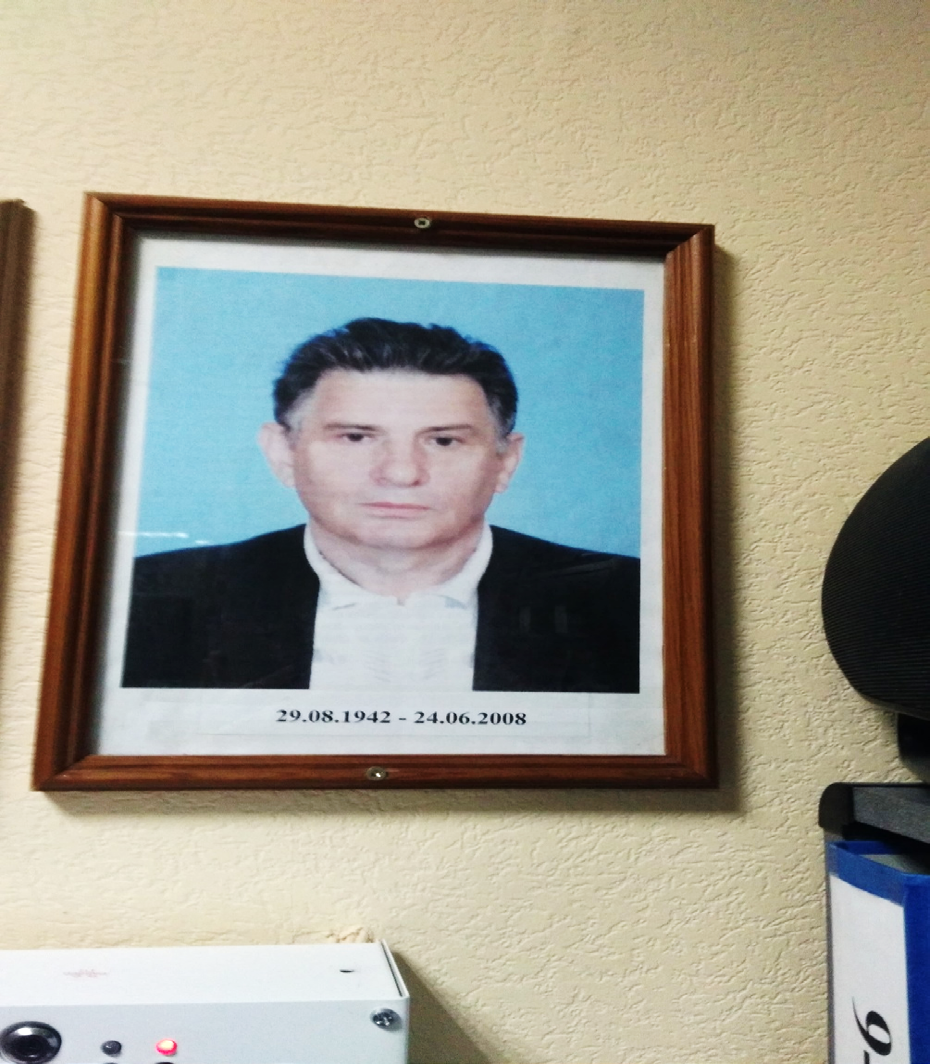
These studies became the basis for the beginning of the research of the kidneys ion-regulating function. J.D. Finkinshtein instructed R.I. Aizman, a graduate of the Medical Institute, to test the hypothesis about the possibility of reflex regulation of potassium excretion. At that time, the generally accepted was the idea of regulation potassium homeostasis by secreting cation by the kidneys as a result of the direct action of its excess in the blood [13].
The young researcher was able to experimentally prove for the first time the hypothesis of the presence of a reflex system for regulating potassium homeostasis and described all its links: specific potassium-sensitive receptors localized in the liver, which react to an increase in potassium concentration in the portal system during absorption of cation from the digestive tract; afferent pathways in the vagus nerves; the central link in the hypothalamus, most likely in supraoptic and paraventricular nuclei; and efferent pathways represented by the hormone aldosterone, which stimulated cation excretion by the kidneys [8, 9, 10], and later proven neural pathways. Later, in the 1990s, at the invitation of L. Rabinowitz, a professor at the University of California at Davis, for the first time in Western scientific literature, a joint review article was published on the reflex system of regulation of potassium homeostasis, the daily rhythms of cation excretion in normal, with changes in biorhythms and unilateral nephrectomy, as well as on the role of nervous and humoral factors in the regulation of potassium metabolism [14]. This established in the literature a new view on the mechanisms of maintaining potassium homeostasis.
According to a similar scenario, the presence of a magnesium-regulating reflex with an afferent link in the liver, pathways in the vagus nerves and a central link in the hypothalamus was proved later (Pantyukhin I.V.).
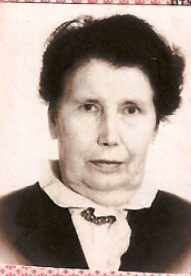
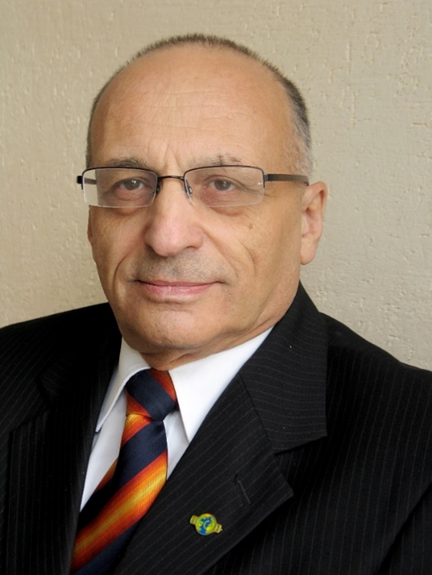
At the same time, at the Department of Human and Animal Anatomy and Physiology of the Novosibirsk Pedagogical Institute, under the leadership of prof. L.K. Velikanova (Figure 6) studies of the mechanisms of formation of the biological reliability of the osmotic and ion homeostasis regulation system in ontogenesis were initiated. Aizman RI (Figure 7) and the staff of the Department established the formation in ontogenesis the reserve capabilities of excretory kidney function after water and salt loads, as well as the involvment of ion-deposing function of tissue depots following an excess of salts in the body of adult animals, whereas in early rats, water-salt loads caused homeostatic shifts in the blood. To assess the reserve capabilities of the water-salt metabolism regulation system in humans and animals, oral water- salt stress tests were developed, which became possible to use in the clinic for diagnostics of various pathologies and in scientific research. The doctoral dissertation of the successor of Velikanova LK Aizman RI “Age-related features of water-salt metabolism and kidney functions” became a generalization of a number of experimental and clinical works on the regulation of osmotic, volume- and ion- regulating renal functions in ontogenesis [10].
Thus, the Novosibirsk school of renal physiology, created by A.G.Ginetsinsky, received development in the works of his students, who have already formed their own scientific schools, which have taken a worthy place not only in domestic but also in world science, which have discovered new mechanisms for regulating osmotic and ionic homeostasis.
References
-
Aizman RI, Iashvili MV, Subotyalov MA (2016) Velikanova Larisa Konstantinovna (on the 95th anniversary of her birth). Bulletin of the N.A. Semashko National Research Institute of Public Health 2: 16-17.
-
Aizman RI, Panova AS, Subotyalov MA (2017) Professor J. D. Finkinstein (on the 95th anniversary of his birth). Bulletin of the N.A. Semashko National Research Institute of Public Health 5: 10-12.
-
Aizman RI, Subotyalov MA (2015) Stages of formation and development of renal physiology in Novosibirsk. Bulletin of the N.A. Semashko National Research Institute of Public Health 3: 12-13.
-
Ginetsinsky AG (1963) Physiological mechanisms of water-salt equilibrium. Publishing House of the USSR Academy of Sciences, Leningrad Branch, Moscow, Leningrad, Russia, pp: 427.
-
Ivanova LN (2012) On the anniversary of Yuri Viktorovich Natochin. Journal of Evolutionary Biochemistry and Physiology 48(6): 533-535.
-
Natochin YV (2017) 100 years of studying kidney physiology in Russia. Bulletin of the Russian Foundation for Basic Research S1: 39-51.
-
Panova AS, Subotyalov MA (2017) Development of the scientific physiological school at Novosibirsk State Pedagogical University. Novosibirsk State Pedagogical University Bulletin 7(2): 50-69.
-
Panova AS, Aizman RI, Subotyalov MA (1995) Formation and development of the scientific school of kidney physiology and water-salt metabolism under the leadership of academician L.N. Ivanova. Historical and biological research 12(2): 67-78.
-
Baldwin D, Neugarten J (1995) Homer Smith: His contribution to the practice of nephrology. J Am Soc Nephrol 5: 1993-1999.
-
Berliner RW, Giebisch G (1990) The development of renal physiology since 1950. Am J Kidney Dis 16(6): 530-535.
-
Giebisch G, Berliner RW (1999) Origins of renal physiology in the USA. Am J Nephrol 19(2): 266-273.
-
Hierholzer K, Ullrich KJ (1999) History of renal physiology in Germany during the 19th century. Am J Nephrol 19(2): 243-256.
-
Rabinowitz L, Aizman RI (1993) The Central Nervous System in Potassium Homeostasis. Front Neuroendocrinology 14(1): 1-26.
-
Stanton BA (2010) Renal potassium transport: the pioneering studies of Gerhard Giebisch. Am J Physiol Renal Physiol 298(2): 233-234.
- Results of 6-Month Follow-Up of Patients After B-Turp and Thulep
- The Effect of Drinking Water with a High Content of Antimony and Arsenic on the Dynamics of their Distribution in the Kidneys and the Renal Excretory Function in Rats
- Effectiveness and Safety of Tansurethral Thulium Laser Enucleation of the Prostate in the Treatment of BPH: Review
- A Systematic Review on Molecular Pathophysiology Involved in Chronic Kidney Disease and the Role of Animal Models in Drug Discovery to Manage in Chronic Kidney Disease - An Update
- Functional Development of Kidneys in Human Ontogenesis
- Testicular Metastasis: Uncommon Prostate Cancer Case Report