
Sero-Prevalence and Assessment of Presumed Risk Factors for Bovine Respiratory Syncytial Virus in and Around Sebeta Town, Ethiopia
Bovine respiratory syncytial virus (BRSV) is one of the main causes of severe pneumonia, interstitial edema and emphysema in cattle. A cross sectional study was conducted and 384 serum samples were collected from cattle of different age, sex and breeds including various risk factors for the assessment the disease in and around Sebeta town, Ethiopia, from December 2021 to June 2022. Presence of antibodies against BRSV was analyzed using a commercial indirect ELISA test. Accordingly, at farm level 33 herds were addressed for sampling and 31(93.9% 95% CI: 77.4%-98.6%) were positive with a minimum of one animal. Similarly, of the total 384 samples tested for individual animals 140(36.4% (95%CI: 31.8- 41.4%)) were showed positive. The association of various risk factors with response variable was also analyzed using logistic regression model. Indeed, the result revealed herd size, age and hygienic status were statistically significant (p<0.05). The likelihood of BRSV infection was relatively higher in large herd size (AOR= 3.79; 95% CI=1.35-11.47; p=0. 018) than small herd sizes. The odds of cattle’s exposed for BRSV was also increase with age where 2-5 years (AOR=45.18; 95% CI=19.11-106.78; p<0.001) and above 5 year animals (AOR =55.17; 95% CI 18.76-162.22; p<0.001) were more prone to infection as compared to less than 2 years old calves. Similarly, animals under poor hygienic management were more likely affected with the disease as compared to good hygienic status (AOR=0.35; 95% CI: 0.15-0.84; P=0.0018). All other presumed risk factors (i.e. Sex, BCS, Origin, respiratory problems and access for visitors) for the disease were found statistically insignificant (p>0.05); although there is a remarkable variation between each categories under the variables. In general, the current result finding showed that a wide spread of the disease in the study area and likely in Ethiopia. The risk factors particularly those having significant association with the dependent variables will help to design effective control strategies. Further studies to isolate and characterize the circulating virus and studying its degree of pathogenesis in the study area was highly recommended which enables on the reduction of exposure to the infection through developing effective control and prevention strategies like vaccination.
Introduction
Globally, BRSV infection is widely spread around the world, most likely as a direct result of the movement of cattle [1]. Regardless of the geographical location, infectivity rates are usually rather high, suggesting that viral transmission is a common event among herds. Cattle are the principal reservoir of infection; however, sheep can also become infected [2]. Intra-herd transmission usually occurs by aerosols, allowing the virus to enter susceptible cattle via the respiratory tract. However, local spread and airborne transmission between herds are not of great importance for inter-herd transmission despite the circulation of BRSV in a given geographical region [3]. On the other hand, direct transmission between herds is frequently a consequence of the introduction of new infected animals, while indirect transmission occurs by individuals visiting farms. Some of the main risk factors for BRSV transmission include large herd size and common farm practices such as not providing boots to visitors and dual-purpose farms [3, 4]. Additionally, it has also been proposed that good management and better hygienic routines have a direct impact on overall health status [3].
BRSV outbreaks commonly occur during winter [5]. Thus, clinical disease is commonly diagnosed during autumn and winter in temperate regions. Nevertheless, infection can also be observed during summer [6]. The sero-prevalence of BRSV infection varies greatly across different geographical regions [4, 7]. The morbidity of the disease is quite high, and in some instances, it has been responsible for up to 60% of the clinical respiratory diseases among dairy herds. In general, the frequency of BRSV is strongly associated with cattle population density in the region and with the age of the host. Interestingly, BRSV infection is also associated with a high morbidity of up to 80% and with mortality that can reach up to 20% in some outbreaks [8].
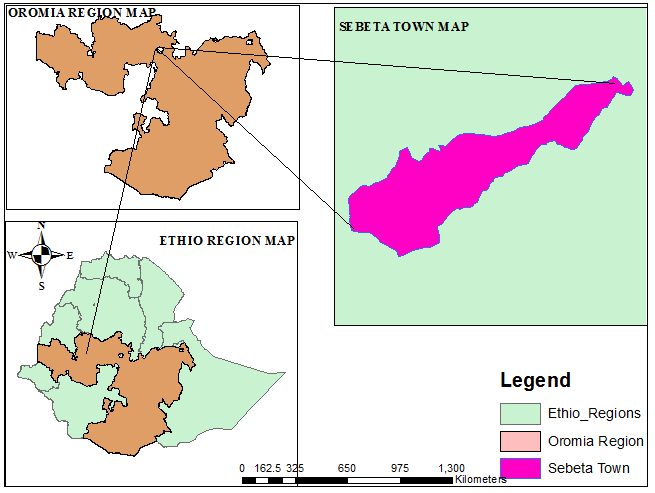
The study was conducted in Sebeta Town, a special zone around Addis Ababa of Oromia regional state, Ethiopia (Figure 1). The town is located 25 km South West of Addis Ababa at an altitude of 2160 meter above sea level, and latitude and longitude of 8°55- 8.9°N and 38°37- 38°E respectively. It receives an average annual rainfall of 1073 ml and temperature that ranges from 11.3 - 28°C. It has a total area of 102,758 km2 [13]. Both Livestock rearing and crop production are the main economic activities of the majority of communities. Teff, Wheat and Sorghum are the major crops grown in the district. The major livestock reared in the district include cattle, sheep, goats and poultry [14].
BRSV outbreaks can become epidemics affecting animals in all age groups. However, the age distribution of BRSV infection seems to be a function of exposure. In other words, herds that have been previously exposed to the virus tend to experience infections that are limited to younger, more susceptible animals. In consequence, morbidity is commonly high during the occurrence of outbreaks. Importantly, natural infection affects both beef and dairy cattle, although management practices can significantly impact the infectivity rates. Climate also favors the dissemination of the virus during winter, after the sudden drop in temperature, although infection can occur throughout the year [1, 9].
In Africa, Ethiopia and South Africa have also been shown to have high incidences of BRSV infection. Other countries, in different regions, such as Turkey, have also been shown to have high sero-prevalence, which can reach up to 43% [10]. Unsurprisingly, high sero-prevalence has also been associated with large-capacity facilities, rather than with small farms. Interestingly, organic farms have been shown to exhibit lower antibody prevalence when compared to conventional farms [9]. The disease affects cattle of all ages, with younger animals being at the greatest risk of severe BRSV disease [11, 12]. The disease also has economic impact (80% morbidity and 20% mortality in some outbreaks) on the cattle [7, 8]. Therefore, this study high lights the distribution of the disease among cattle with assessment of an associated risk factors in Ethiopia particularly in the study area.
Materials and Methods
Description of study area
Study Population
The study animals were local and exotic breeds of cattle in different dairy farms and herd sizes located in this district proportionally depending on their numbers. The study animals were also grouped into sex, breeds, ages and production system for the assessment of risk factors of the disease.
Study Design and Sampling Method
Across sectional study was conducted from December 2021 to June 2022 to address the main objectives of the study. A two stage sampling technique was applied where both herd and animal level sampling was conducted with simple random sampling method to determine sero prevalence and associated risk factors of BRSV in the study area. Accordingly, the presumed risk factors were categorized as: Age (6mounth-2years, 2-5years and >5years) [15], sex (female and male), breeds (local, cross and exotic), management (extensive, intensive or semi-intensive), origin (homebred or introduced), access to visitors (yes or no), hygiene (poor, good or very good), respiratory problem (present or not), production system (dairy, beef) and herd size (large, medium or small) [16] of the farm in the area were recorded during sample collection.
Sample size Determinations
The sample size was determined using the formula given by Thrusfield M [17]. There was no articles related to sero prevalence study of BRSV yet in the study area and therefore, 50% expected prevalence was used to calculate the sample size with 5% absolute precision and 95% confidence intervals.
2 $$ n = \frac {1 . 9 6 ^ {2} \mathrm {P e x p} (1 - \mathrm {P e x p})}{\mathrm {d} ^ {2}} $$ Where: n = Required Sample Size Pexp = Expected Prevalence d = Desired Level of Precision at 95% confidence interval Accordingly, 384 animals were sampled randomly for blood Collection.
Sampling Procedures and Sample Analysis
Serum Sample Collection
For serological study of BRSV, a total of 384 blood samples were collected from the jugular vein of each animal using plain vacutainer tubes. After restraining and disinfecting the area with alcohol, approximately 7ml blood specimen was drawn from each animal and immediately transported to Animal Health Institute (national veterinary laboratory where the serum was separated by centrifugation at 3000 rpm for 3 minutes. The separated serum samples would be transferred into 2ml sterile cryovial serum tubes labeled appropriately and stored at −200C until the actual laboratory test conducted Corresponding to each sample, appropriate epidemiological data’s have been collected and recorded on a separate predesigned recording sheet.
Serological Test
Serum samples collected from cattle’s was tested using an Indirect ELISA for the presence of any IgG antibody detection. Briefly, all reagents was allowed to come to the temperature 18-26oC before use. The reagents were thoroughly mixed by gentle inverting or swirling. Then, the coated plates were recorded using plate layout for the sample position. 190µl of dilution buffer was dispensed into each well. Immediately, 10 µl of negative control (NC) was dispensed into two –Ag wells (Odd numbered column and into two +Ag wells (even numbered column). Similarly, 10 µl of positive control (PC) was dispensed into –Ag wells (Odd numbered column) and into two +Ag wells (even numbered column). The contents of the micro wells were gently tapped or shake using a micro plate shaker. The plates were covered and incubated for 1hour (+5min.) at 18-26°C. The solution has removed and washed for each well using 300 µl of wash solution 3 times. Plate drying between plate washings and prior to the addition of the next reagent was avoided. Each plate was tapped onto absorbent material after the final wash to remove any residual wash fluid. 100 µl of diluted conjugate was dispensed into each well. Then, the plate was covered and incubated for 30 minutes (+3min.) at 18-26°C. Then, each well was washed as stated above using 300 µl of wash solution 3 times. 100 µl of Tetra methyl benzoic acid (TMB) substrate was dispensed into each well. The plate was incubated for 20 minutes (+3min.) at 18-26°C away from the direct light. Then, 100 µl of stop solution N.3 was dispensed into each well. Finally the optical density values of samples and controls were measured and recorded at 450nm.
Interpretation: The Net Extinction value for each sample was calculated by subtracting the corresponding OD450 value obtained in the control well (S-AgA450) from the OD450 value obtained in the coated well (S+AgA450) that is; NE=S+AgA(450)-S-AgA(450), S/P=100X(NE/NE mean pc), So that the interpretation would be; S/P%<20- Negative and S/P%>20- Positive.
Data Management and Analysis
Data collected in the field would be entered and stored in separate spread sheets in Microsoft Excel version 2007. Data would be screened for proper coding and errors prior to statistical analysis. Stored data would be analyzed using Stata SE/13 (Stata Corp., College Station, Texas, USA). Descriptive statistics including frequencies and cross-tabulations (Chi- square test) would be carried out to identify missing values as well as likely associations. Univariate logistic regression analysis would be employed to assess the association between factors and the outcomes variable. On the final, multivariate logistic regression model using stepwise approach (forward selection and back ward elimination) would be employed to analyze putative risk factors (independent variables) identified in the univariate analysis. For all analysis significance level P< 0.05 at 95% confidence interval was considered as statistically significant.
Results
Overall Sero-Prevalence of BRSV at the Study Area
Out of the total 384 serum samples examined for individual animals antibody detection, the test finding revealed that sero-prevalence of Bovine respiratory syncytial virus was 140 (36.4%; 95%, CI: 31.8- 41.4%). Out of the total 33 farms covered as a sampling unit for the current study, 31 (93.9% (95% CI: 77.4%-98.6%)) were positive for the antibody detection test of the disease at herd level (Table 1).
Association of Various Risk Factors with the Response Variable
The risk factors associated with the likelihood of BRSV infection was relatively higher for large sized herds (AOR=3.79; 95% CI=1.35-11.47; p=0.018) and medium sized herds (AOR=1.18; 95% CI=0.59-2.36; p=0.639) as compared to small sized herds. Likewise, the odds BRSV infection for animals aged 2-5 years and > 5years were relatively higher (AOR=45.18; 95% CI=19.11-106.78; p<0.001) and (55.17; 95% CI 18.76-162.22; p<0.001) respectively as compared to < 2 years old calves. Based on sex, female were relatively more exposed (AOR=0.92; 95% CI: 0.17-4.80; with insignificant difference (P=0.918) as compared to male animals.
| Categories | TP (%) | COR(95%CI) | P-value | AOR(95%CI) | P-value | |
|---|---|---|---|---|---|---|
| Herd size | Small<10 | 26(29.5) | $\cdot$ | - | $\cdot$ | - |
| Herd size | Medium 11-20 | 62(31) | 1.07(0.62-1.85) | 0.805 | 1.18(0.59-2.36) | 0.639 |
| Herd size | Large>20 | 52(54.2) | 2.82(1.53-5.18) | 0.001 | 3.79(1.25-11.47) | 0.018 |
| Age | <2 years | 10(5.6) | $\cdot$ | - | $\cdot$ | - |
| Age | 2-5 years | 102(61.8) | 27.2(13.36-55.38) | 0 | 45.18(19.11-106.78) | 0 |
| Age | >5 years | 28(68.3) | 36.18(14.47-90.47) | 0 | 55.17(18.76-162.22) | 0 |
| Sex | Male | 4(13.8) | $\cdot$ | - | $\cdot$ | - |
| Sex | Female | 136(38.3) | 3.88(1.32-11.39) | 0.014 | 0.92(0.17-4.80) | 0.918 |
| Breed | Local | 2(18.2) | $\cdot$ | - | $\cdot$ | - |
| Breed | Jersey | 6(66.7) | 9(1.14-71.04) | 0.037 | 9.80(0.57-167.55) | 0.115 |
| Breed | HF | 132(36.3) | 2.56(0.54-12.03) | 0.234 | 1.21(0.11-12.80) | 0.871 |
| Origin | Introduced | 18(48.6%) | $\cdot$ | - | $\cdot$ | - |
| Origin | Home bred | 122(35.2%) | 0.57(0.29-1.13) | 0.108 | 0.54(0.22-1.32) | 0.177 |
| BCS | Lean | 25(26) | $\cdot$ | - | $\cdot$ | - |
| BCS | Fat | 115(39.9) | 1.89(1.13-3.15) | 0.015 | 1.97(0.92-4.22) | 0.082 |
| Hygiene | Poor | 63(47.4%) | $\cdot$ | - | $\cdot$ | - |
| Hygiene | Good | 63(29.3%) | 0.46(0.29-0.72) | 0.001 | 0.35(0.15-0.84) | 0.018 |
| Hygiene | Very good | 14(38.9%) | 0.71(0.33-1.50) | 0.366 | 1.08(0.34-3.45) | 0.892 |
| RP | Absent | 131(35.9) | $\cdot$ | - | - | - |
| RP | Present | 9(47.4) | 1.6(0.64-4.06) | 0.315 | - | - |
| Access to visitors | Absent | 128(35.8%) | $\cdot$ | - | - | - |
| Access to visitors | Present | 12(42.9%) | 1.34(0.61-2.91) | 0.466 | - | - |
Table 3: Association of risk factor with BRSV antibody detection outcome using logistic regression analysis According to breed ty
Key: *Reference categories, TP= Total positive, HF= Holstein Frisian, RP= Respiratory Problem, COR=Crude odd ratio, AOR= Attributed odd ratio, BCS= Body condition scour. Table 3: Association of risk factor with BRSV antibody detection outcome using logistic regression analysis According to breed type of cattle’s Jersey breeds were more vulnerable to BRSV (AOR=9.80; 95% CI: 0.57-167.55; p =0.115) followed by Holstein Frisian (AOR=1.21; 95% CI: 0.11-12.80; p=0.871) when compared to local breeds. Statistical Significance for hygienic status of animals were also observed where poorly managed animals were more likely affected with the disease as compared to good (AOR=0.35; 95% CI: 0.15-0.84; P=0.0018) and very good (AOR=1.08; 95% CI: 0.34-3.45; p=0.892) hygienic status. All other explanatory factors for this study (i.e. BCS, Origin, respiratory problem and access for visitors) had no significant association with the dependent variable (p>0.05) (Table 3).
Discussion
Bovine respiratory syncytial virus is one of the main respiratory disease causing agents which has a serious economic losses to the cattle industry [18]. In this study, the herd level prevalence of 93.9% was found consistent with published article of Luis RS, et al., [19] in Ecuador 91.3%, Carbonero A, et al., [20] in Argentina, who reported a herd prevalence of 95.8%. Lower herd prevalence 69% was found in Colombia [21]. Animal level prevalence of Bovine respiratory syncytial virus in the study area was 36.4% which is relatively lower when compared to the findings by Hussain KJ, et al. [22] 83.11% in Iran 54% in Denmark [23], 40% in Belgium [24], 49% in Estonia [1], 57.2% in Czech Republic [25]. The variation in the prevalence might be due to several factors such as differences in the disease management (disease control programs), geographical region, and sensitivity in laboratory test methods used. However, comparable sero-prevalences (30.0–46.1%) to the current study have been obtained by using different breeds and production systems in Argentina and Europe [8, 26, 27, 28].
In this study the highest BRSV prevalence was recorded in older aged animals (greater than five years) (68.3%), compared to other age groups (61.8% and 5.6% for two to five and less than two years respectively), which is consistent with the findings of the previous studies also reported sero- prevalence of individual animals older than one year in dairy cattle was 100% [1, 6, 29, 30, 31]. Although BRSV re-infection can occur through life, it is less severe with increase in age which is due to the capacity to produce pro-inflammatory tumor necrosis factor alpha appeared to increase with age, and may explain the age-dependent differences in respiratory syncytial virus pathogenesis [32]. Valarcher JF, et al. [33] clearly mentioned age as important risk factors associated with BRSV. Thus, this study signifies that the prevalence of BRSV antibodies was higher in adult animals which might be associated with high sero-prevalence of BRSV as consequence of a repeated exposure to the virus infection throughout their life and possibility of re-infections [32]. Similarly, the highest antibody titers were associated with non-vaccinated adult cattle, probably due to the exposure to successive viral re-infections, which results in a booster effect on antibody titers [4].
The higher prevalence rate in large herds (54.2%) compared to medium (31%) and small (29.5%) ones in this study was in agreement with those of previous studies [34, 35, 36]. Stock density is an important risk factors associated with BRSV as stated by Valarcher JF, et al. [33]. This significant variation among herd sizes might be attributed to the fact that large numbers of animals in one farm can lead to overcrowding and close contact between animals facilitates disease spread.
It is known that where poor hygienic condition exists, the rate of virus dissemination and spreads to uninfected animals were high. In the current study the prevalence of antibody detection for BRSV was also significantly higher (p<0.05) in poorly managed animals than those with good hygienic states. This result was in line with the reports of Bidokhti MR, et al. [6], where poorly ventilated and unhygienic premises predispose animals for various respiratory and digestive diseases.
Regarding sex of animals, although there was some variation on the percentage of positivity among the categories it can be emanated from lack of proportional sampling for males versus females. The lack of a significant difference for multivariate regression (p>0.05) between BRSV prevalence in male and female animals was also observed in previous studies [12, 37]. However, female animals were more prone to BRSV than males with significant variation using univariate logistic regression (p=0.014). This difference could be attributed to productivity of female animals than males so that easily faced to stressors.
Based on origin, although no considerable statistical variation occur (p>0.05), a relatively higher sero-prevalence were recorded in introduced animals (48.6%) compared to homebred (35.2) which was in agreement with the findings of Hussain KJ, et al. [38]. This result may be attributed to the stress of transportation and different environmental conditions for the animals while in movement [39].
Even though, the percentages of animals having the respiratory signs were more prone for the infection than healthier, BRSV antibodies detection were not significantly differ (p>0.05) in between both categories which was an indicative for subclinical nature of BRSV infection and is consistent with previous reports [40]. Herds can remain free of clinical BRSV infection for many years even in areas of high prevalence of the virus [41]. The presence of other pathogens is also associated with the prevalence of BRSV [10, 30, 42, 43].
Conclusion
A relatively high serological prevalence of BRSV found in the current study indicates the importance of the disease to know more about the infection since it is not considered as essential ailments in the country, mainly due to the lack of comprehensive studies. The understanding of risk factors involved in the BRSV dissemination can help to recognize its mechanisms and preference for disease establishment. Thereby, further studies as a complement to the current one should be performed until concrete information has been generated.
Competing Interests
The authors declare that they have no competing interests.
Authors’ Contributions
| Authors’ contributions | DZ | GG | GAM | CG | LA |
|---|---|---|---|---|---|
| Research concept and design | √ | √ | -- | -- | -- |
| Collection and/or assembly of data | √ | √ | -- | -- | -- |
| Laboratory test | √ | √ | -- | √ | -- |
| Data analysis and interpretation | √ | -- | -- | -- | -- |
| Writing the article | √ | √ | -- | -- | -- |
| Critical revision of the article | √ | √ | √ | √ | |
| Final approval of article | √ | -- | √ | -- | √ |
Acknowledgement
This work was supported by Animal Health Institute and gratefully acknowledged.
References
-
Raaperi K, Bougeard S, Aleksejev A, Orro T, Viltrop A (2012) Association of herd BRSV and BHV-1 seroprevalence with respiratory disease and reproductive performance in adult dairy cattle. Acta Vet Scand 54 (4): 2-10.
-
Masot AJ, Kelling CL, Lopez O, Sur JH, Redondo E (2000) In situ hybridization detection of bovine respiratory syncytial virus in the lung of experimentally infected lambs. Vet Pathol 37(6): 618-625.
-
Ohlson A, Emanuelson U, Traven M, Alenius S (2010) The relationship between antibody status to bovine corona virus and bovine respiratory syncytial virus and disease incidence, reproduction and herd characteristics in dairy herds. Acta Vet Scand 52(1): 37.
-
Saa LR, Perea A, Jara DV, Arenas AJ, Bocanegra IG, et al. (2012) Prevalence and risk factors for bovine respiratory syncytial virus (BRSV) infection in non-vaccinated dairy and dual-purpose cattle herds in Ecuador. Trop Anim Health Prod 44(7): 1423-1427.
-
Valarcher JF, Furze JM, Wyld SG, Cook R, Zinkernagel RM, et al. (2007) Bovine respiratory syncytial virus lacking the virokinin or with a mutation in furin cleavage site RA(R/K)R109 induces less pulmonary inflammation without impeding the induction of protective immunity in calves. J Gen Virol 87(Pt 6): 1659-1667.
-
Bidokhti MR, Traven M, Ohlson A, Zarnegar B, Baule C, et al. (2012) Phylogenetic analysis of bovine respiratory syncytial viruses from recent outbreaks in feedlot and dairy cattle herds. Arch Virol 157(4): 601-607.
-
Woldemeskel M, Kebede E, Yigezu L, Potgieter LN (2000) Prevalence of bovine respiratory syncytial virus (BRSV) and bovine herpesvirus-4 (BHV-4) in cattle from Ethiopia. Dtsch Tierarztl Wochenschr 107(11): 464-466.
-
Hagglund S, Svensson C, Emanuelson U, Valarcher JF, Alenius S (2006) Dynamics of virus infections involved in the bovine respiratory disease complex in Swedish dairy herds. Vet J 172(2): 320-328.
-
Bidokhti MR, Traven M, Fall N, Emanuelson U, Alenius S (2009) Reduced likelihood of bovine coronavirus and bovine respiratory syncytial virus infection on organic compared to conventional dairy farms. Vet J 182(3): 436-440.
-
Yesilbag K, Gungor B (2008) Seroprevalence of bovine respiratory viruses in North-Western Turkey. Trop Anim Health Prod 40(1): 55-60.
-
Kimman TG, Zimmer GM, Westenbrink F, Mars J, Leeuwen EV (1988) Epidemiological study of bovine respiratory syncytial virus infections in calves: Influence of maternal antibodies on the outcome of disease. Vet Rec 123(4): 104-109.
-
Hagglund S, Hu KF, Larsen LE, Hakhverdyan M, Valarcher JF (2004) Bovine respiratory syncytial virus ISCOMs- protection in the presence of maternal antibodies. Vaccine 23(5): 646-655.
-
Sebeta Hawas Agricultural Office (2011) Annual Socio Economic profile R.T.N debele, 1999. And Statistical Abstract Report.
-
Sebeta Hawas Finance and Economic Development Office (2019) Annual Socio Economic profile and Statistical Abstract Report.
-
Getty R, Sisson and Grossman’s (1975) The Anatomy of the Domestic Animals. 5th edition (Edn.), WB Saunders, Philadelphia.
-
Vries M, Bokkers EAM, Schaik GV, Engel B, Dijkstra T, et al. (2016) Improving the time efficiency of identifying dairy herds with poorer welfare in a population. J Dairy Sci 99(10): 8282-8289.
-
Thrusfield M (2007) Veterinary Epidemiology. Blackwell science limited, USA, pp: 180-181.
-
Valarcher JF, Hagglund S (2006) Viral Respiratory Infections in Cattle. In: Proceedings of the 24th World Buiatrics Congress. Nice, France.
-
Luis RS, Anselmo P, Diego VJ, Antonio JA, Ignacio GB, et al. (2012) Prevalence of and risk factors for bovine respiratory syncytial virus (BRSV) infection in non- vaccinated dairy and dual-purpose cattle herds in Ecuador. Trop Anim Health Prod 44(7): 1423-1427.
-
Carbonero A, Maldonado A, Perea A, Bocanegra IG, Borge C, et al. (2011) Risk Factors against Bovine Respiratory Disease in Suckling Calves from Argentina. Archivos de Zootecnia 60: 41-51.
-
Contreras A, Parra J (2000) Indirect detection of BRSV Bovine Respiratory Syncytial Virus in sera from the Bogota savannah and surrounding areas. LaSalle University. Faculty of agricultural sciences. Veterinary Medicine.
-
Hussain KhJ, Farwachi MIA, Hassan SD (2019) Seroprevalence and risk factors of bovine respiratory syncytial virus in cattle in the Nineveh Governorate, Iraq. Veterinary World 12(11): 1862-1865.
-
Uttenthal A, Larsen LE, Philipsen JS, Tjornehoj K, Viuff B, et al. (2000) Antibody dynamics in BRSV-infected Danish dairy herds as determined by isotype-specific immunoglobulins. Vet Microbiol 76(4): 329-341.
-
Pardon B, Bleecker KD, Dewulf J, Callens J, Boyen F, et al. (2011) Prevalence of respiratory pathogens in diseased, non-vaccinated, routinely medicated veal calves. Vet Rec 169(11): 278-283.
-
Kovarcik K (2001) The development and application of an indirect ELISA test for the detection of antibodies to the bovine respiratory syncytial virus in blood serum. Vet Med Czech 46(2): 29-34.
-
Odeon A, Spath E, Paloma E, Leunda M, Sainz F, et al. (2001) Seroprevalence of Bovine Viral Diarrhea, Bovine Herpesvirus and Respiratory Syncytial Virus in Argentina. ournal of Veterinary Medicine 82: 216-220.
-
Yavru S, Simsek A, YapkJc O, Kale M (2005) Serological evaluation of viral infections in bovine respiratory tract. Acta Vet 55(2): 219-226.
-
Gulliksen SM, Jor E, Lie KI, Loken T, Akerstedt J, et al. (2009) Respiratory infections in Norwegian dairy calves. J Dairy Sci 92(10): 5139-5146.
-
Chavez DF, Correa JCS, Marquez LJG, Rubio AP, Flores AGV (2012) Detection on antibodies and risk factors for infection with bovine respiratory syncytial virus and parainfluenza virus 3 in dual purpose farms in Colima, Mexico. Trop Anim Health Prod 44(7): 1417-1421.
-
Calderon JJS, Correa JCS, Romero FA, Correa VMS (2007) Detection of antibodies and risk factors for infections with bovine respiratory syncytial virus and parainfluenza virus-3 in beef cattle of Yucatan, Mexico. Prev Vet Med 82(1-2): 102-110.
-
Bugarski D, Petrovii T, Milanov D, Lazic S (2011) Seroprevalence of bovine respiratory syncytial virus (BRSV) in Vojvodina. Archive Vterinarske Med 4(2): 23- 29.
-
Antonis AFG, Jong MCD, Poel HMVD, Most RGVD, Zurwieden NS, et al. (2010) Age-dependent differences in the pathogenesis of bovine respiratory syncytial virus infections related to the development of natural immune-competence. J Gen Virol 91(Pt 10): 2497-2506.
-
Valarcher JF, Taylor G (2007) Bovine respiratory syncytial virus infection. Vet Res 38(2): 153-180.
-
Beaudeau F, Bjorkman C, Alenius S, Frossling J (2010) Spatial patterns of bovine coronavirus and bovine respiratory syncytial virus in the Swedish beef cattle population. Acta Vet Scand 52(1): 33.
-
Goswami P, Banga HS, Mahajan V, Singh ND, Deshmukh S, et al. (2017) Detection of multiple antibodies and risk factor association of common respi¬ratory viruses in the state of Punjab, India. Int J Curr Microbiol Appl Sci 6(3): 567-577.
-
Ferella A, Aguirreburualde M, Marginedac C, Aznarb N, Sammarrucoa A, et al. (2018) Bovine respiratory syncytial virus seroprevalence and risk factors in feedlot cattle from Cordoba and Santa Fe, Argentina. Rev Argent Microbiol 50(3): 275-279.
-
Assie S, Seegers H, Makoschey B, Bousquie LD, Bareille N (2009) Exposure to pathogens and incidence of respiratory disease in young bulls on their arrival at fattening operations in France. Vet Rec 165(7): 195-199.
-
Hussain KJ, Farwachi MIA, Hassan SD (2019) Access Seroprevalence and risk factors of bovine respiratory syncytial virus in cattle in the Nineveh Governorate, Iraq. Veterinary World 12(11): 1862-1865.
-
Timurkan MO, Aydin H, Sait A (2019) Identification and molecular characterization of bovine parainfluenza virus-3 and bovine respiratory syncytial virus: First report from Turkey. J Vet Res 63(2): 167-173.
-
Larsen LE (2000) Bovine respiratory syncytial virus (BRSV): a review. Acta Vet Scand 41(1):1-24.
-
Ohlson A, Alenius S, Traven M, Emanuelson U (2013) A longitudinal study of the dynamics of bovine corona virus and respiratory syncytial virus infections in dairy herds. Vet J 197(2): 395-400.
-
Luzzago C, Bronzo V, Salvetti S, Frigerio M, Ferrari N (2010) Bovine respiratory syncytial virus seroprevalence and risk factors in endemic dairy cattle herds. Vet Res Commun 34(1): 19-24.
-
Obando RC, Hidalgo M, Merza M, Montoya A, Klingeborn B, et al. (1999) Seroprevalence to bovine virus diarrhoea virus and other viruses of the bovine respiratory complex in Venezuela (Apure state). Prev Vet Med 41(4): 271-278.
- The Digital Stethoscope: Harnessing AI in Veterinary Medicine Without Losing Our Healing Touch
- Meningoencephalomyelitis of Unknown Etiology: Short-Term Effect of Two Treatment Protocols on Cerebrospinal Fluid
- Safety and Efficacy of the HomeoPet Cough in Domestic Pets –A Clinical and Correction Analysis Based Upon User Response Survey
- Non Human Animals Responses to Social Loss
- Owner Reported Clinical Outcomes of a Homeopathic Proprietary Preparation for the Treatment of Upper Respiratory and Nasal Disorders in Companion Animals
- Effects and Diagnostic Approach of Ultrasound in Veterinary Practice: A Systematic Review