
Nutraceutical Benefits, Public Health and Dietary Implications of Drinking Raw Camel Milk - A Review
Camel milk has been used for many years by pastoralists in Africa, Mild East and Asia as a source of food and as a remedy for common ailments. There is increased demand for its use in Europe, the USA, Africa and Asia, as more people become aware of its nutritional and medicinal values. The nutritional medicinal properties of camel milk seem to be due to its rich composition of unique bio-active therapeutic molecules such as lysozymes, lactoferrin, lactoperoxidase enzyme, peptidoglycan recognition protein (PGRP) and N-acetyl-β-D-Glucosaminidase (NAGase). Camel milk contains sugars, microelements, and vitamins especially, vitamin B complex and C, iron and Zinc. Lactoferrin in camel milk has considerable antibacterial, antiviral, anti-inflammatory and anti-tumor properties. Camel IgG2 and IgG3 immunoglobulin subclasses have unique diseasefighting properties as nano-antibodies because of their small size due to the absence of light chains, which allows their easy penetration of tissues and antigens, thus enhancing their effectiveness in immune defense. Camel milk is a rich source of insulin (approximately 52 units of insulin in each liter of milk, which is 3 times that found in bovine milk). The insulin in camel milk is encapsulated in nano-particles (lipid vesicles) that make it possible to bypass the acidic gastric environment without being damaged by the enzymes and the acid therein. It is thus, a promising option for the treatment of Type 1 or Type 2 diabetes in humans, as well as gestational diabetes. Camel milk is a natural source of Alpha-Hydroxide acids which are known to chubby and smoothen the skin. It can also be used as a precautionary for gastric ulcers and its regular intake can help to control blood sugar levels, coronary heart disease, viral, bacterial and some protozoal infections, gastroenteritis, some cancers, dropsy, jaundice, asthma, food allergies and the rehabilitation of the immune system in children. It has also been reported to have aphrodisiac properties. The nutritional and medicinal properties of camel milk and the public health challenges of taking it in raw form are reviewed in the respective sections below.
Abbreviations
PGRP: Peptidoglycan Recognition Protein; GCC: Gulf Corporate Council; GGT: Gamma-Glutamyl Transferase;
LDH: Lactate Dehydrogenase; MAP: Mycobacterium avium – subspecies paratuberculosis; CARS: Childhood Autism Rating Scale; ASD: Autism Spectrum Disorder.
Introduction
Camels play an important role in the livelihoods of many communities of Arid and Semi-Arid Lands (ASALs) of Africa and Asia, due to their excellent adaptation to the harsh climates and the provision of milk, meat, and transportation [1]. Compared to bovine milk, camel milk has more iron and vitamin C. Furthermore, camel milk has more proteins and less fat and cholesterol as compared to bovine milk. Medical studies have also indicated that children with autism may live healthier lives by consuming camel milk. Raw camel milk has been used for many years by pastoralists in Africa, Mild East, and Asia as a source of food and as a remedy for common ailments and there is increased demand for it in Europe, the USA, Africa, and Asia, as more people become aware of its nutritional and medicinal value [2]. Additionally, it was discovered that people who are lactose intolerant, tolerate camel milk far better than bovine milk. Thus, the camel dairy products have been steadily gaining popularity across the world owing to their nutrient-rich and nutraceutical qualities (Figure 1). The varieties of products that can be manufactured from camel milk are also on the increase. Fresh milk, flavor-infused milk, laban, cheese, ice cream, yoghurt, milk powder, newborn formular, etc., are some of the popular end-products of camel milk. The world annual camel milk production has risen from 0.63 million tonnes in 1961 to 3.15 million tonnes in 2020, which is a 5-fold increase over a 60-year period, ranking camels fifth amongst dairy animals [3]. For example, in 2020, the Gulf Corporate Council (GCC) reported that the camel dairy market reached a value of 502⋅3 million US dollars and is expected to grow to 7⋅1 % by 2026 [4]. Thus, extensive or semi-intensive systems coupled with well-planned intensification and animal husbandry practices, could improve the productivity of this animal species and make it more relevant to food and nutritional security and the livelihoods of the people living in ASALs [5]. Latest reports suggest that the global camel dairy market reached 2.3 billion US$ in 2020. A total of 2.9 million tons of camel milk has been recorded annually worldwide [6]. Camel dairy market is expected to reach USD 10.07 billion by 2027 growing at a growth rate of 8.0% in the forecast period 2020 to 2027.
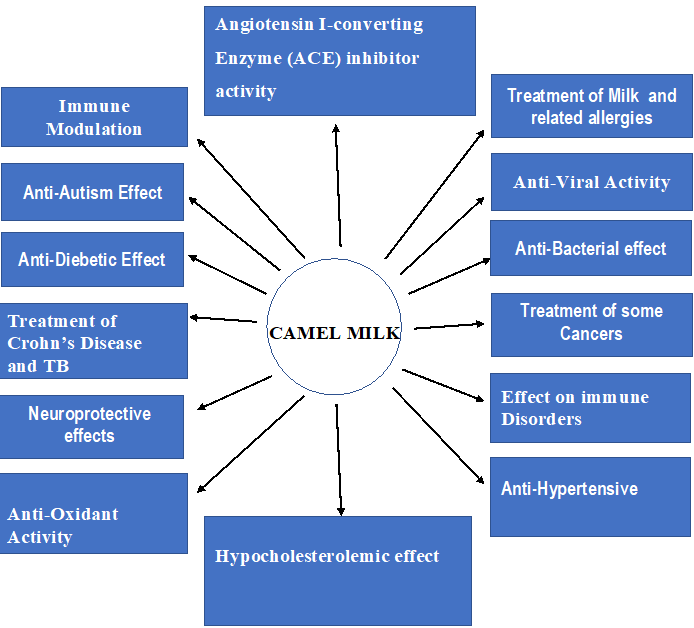
Figure1: Nutraceutical Qualities Camel Milk.
Nutritional Composition of Camel Milk
Physically, camel milk appears as a white liquid due to its homogenised fats and has an aroma and salts-like flavor depending largely on the kind of water it drinks and plants it feeds on [7, 8, 9]. Furthermore, the pH of the camel milk ranges from 6.2 to 6.5. However, there are other factors that may influence the quality of camel milk such as the physiological state of the animal, seasonal variations, inherent makeup and its health conditions [10]. In general, normal camel milk comprises 0.79% of ash, 87% of water, 4.4% lactose, 3.5%, fat and protein 3.4% [11]. A large portion of camel milk protein content comprises casein and this may range from 1.63 to 2.76% of the milk, which makes up 52 to 87 parts of entire milk proteins and there are 4 casein variants in camel milk, namely: αs1, αs2, β, and γ [12, 13]. Camel milk has a greater β-casein levels and lower γ and α casein amounts than bovine milk. Casein is easy to digest in the intestine and it is an essential source of amino acids for the development and growth of children. The amino acid composition of camel milk is comparable to bovine milk, but the quantity of essential and non-essential amino acids is greater in camel milk than in the bovine [14]. Besides serum albumin, camel milk also contains peptidoglycan proteins, lactalbumin, lactoferrin, lysozymes, lactoperoxidase immunoglobulins and whey proteins which make up 20-25 percent of all proteins. Thus, whey proteins are more abundant in camel milk than in bovine milk [12, 15].
Previous findings show that the normal proportion of lactose in the milk of camel ranges from 3.8-5.5% [16, 17, 18]. The differences in lactose content could be because of the different seasonal and nutrional differences in the feeding of the camels used in the study [10, 12, 19, 20]. The milk fat from dromedary camels has lower carotene levels and lower levels of short-chain fatty acids than that of the other domestic ruminants [21]. A significant proportion of long-chain fatty acids differentiate the lipid fraction of camel which contributes up to 96.4 percent of the lipid content as compared to 85.3 percent in the milk of bovine [9].
Mansson N, et al. [22] stated that the size and the average diameter of fat globules in camel milk (of camel 2.99 μm) was lower than in milk of buffalo ( 8.7 μm) and that of goat (3.19 μm). A higher milk fat distribution is more accessible to lipolytic enzymes. Hence, the milk of goats and of camels is more digestible by human beings than that of other ruminants [23]. The fatty acid profile of the milk of dromedary camels is exceptional in that it contains 6 to 8 times fewer short-chain fatty acids than that of the bovine, horse, buffalo and sheep [24]. Camel milk contains numerous fatty acids (short-chain fatty acids: C-4 to C-14; and long-chain fatty acids, (C-14 to C-18), namely: caproic, arachidic acids, palmitic, butyric, caprylic, lauric, myristoleic, capric, myristic, palmitoleic, linoleic, stearic and oleic [25, 26]. These fatty acids in camel milk are extremely important for human nutrition.
The mineral profile of camel milk is comparable to other ruminants. The total mineral content as total ash ranges from 0.60 to 0.90% in dromedary camel milk [10, 27].
Camel milk is a rich source of chloride due to the forage it eats, such as Atriplex spp and Acacia spp, which usually have a high salt content and may be one of the reasons for the salty taste of milk [28, 29]. The macromineral content of camel milk was reported to vary between breeds, such as Majaheim, Najdi, Wadah and Hamra. The concentration of other macrominerals, namely Ca, Mg, P, Na and K, in camel milk is comparable to that of cow milk [30, 31, 32, 33]. The main reasons for variations in mineral content could be due to breed differences, feeding, procedures used for its analysis and water intake [20]. Camel milk is richer in Zn, Fe, Cu and Mn than cow milk [33]. The values of trace minerals, viz: Fe, Zn and Cu, reported in camel and bovine milk are 1.37, 2.19 and 0.44 mg/dl and 0.05, 0.35 and 0.02 mg/dl, respectively [34]. The ratio of Ca to P is 1.5 for camel milk versus 1.29 and 2.1 for cow and human milk, respectively. This ratio is of significant nutritional importance since cow milk-based formular used for feeding infants contains high phosphate, which may lead to hyperphosphatemia and low serum calcium [35].
Camel milk contains numerous fat and water-soluble vitamins such as retinol, tocopherol, calciferol and thiamine and ascorbic acid and is well-recognized as a good source of ascorbic acid 34.16 mg/ L 35-fold higher than the milk of a cow [9, 21, 36]. The existence in camel milk of fairly good amounts of vitamin C, 23.7 mg/kg is of significant importance to the human diet in areas where green vegetables and fruits are difficult to access. In addition, there is more folic acid, niacin (B3), vitamin B12, and pantothenic acid, though has a lesser amount of retinol and riboflavin and Vit A [21]. However, the content of vitamin B6 and thiamine was found to be similar to that of bovine milk, while that of pantothenic acid, folacin, and B12 was lower in bovine milk [37, 38].
Camel milk is low in lactose levels compared to human and bovine milk, but levels of potassium, magnesium, iron, copper, manganese, sodium, and zinc are higher in camel milk than in bovine milk. Cholesterol levels in camel milk are lower than in cow or goat milk. Camel milk is 3 times higher in vitamin C than bovine milk and 10 times higher in iron. It is also high in unsaturated fatty acids and B vitamins but less in vitamins A and B2. For a long time, milk was considered to only provide nutritional components such as essential amino acids [39]. Studies have shown that camel milk has important nutraceutical properties and could provide particular health benefits due to its rich nutritional and bioactive substances. Camel milk contains a number of protective proteins lysozyme, lactoferrin, lactoperoxidase, peptidoglycan recognition protein (PGRP) enzyme, etc. Camel and cow milk contain 65% and 39% β-casein and 5% and 14% κ-casein, respectively. The concentration of β-lactalbumin in camel and bovine milk is estimated to 3.5mg/ml and 1.2mg/ml, respectively [40].
| Therapeutically Molecules in Camel Milk | References | |
|---|---|---|
| Diabetes | Insulin-like molecules | [41] |
| Allergy and inflammation | Low levels of β-Casein & lack of β-lactoglobulin, Lactoferrin, | [42,43] |
| Liver and kidney function | Alanine aminotransferase and aspartate aminotransferase | [41] |
| Slimming properties | Low protein content and reasonable cholesterol content | [44] |
| Anti-tumour activity | Lactoferrin, Lysozyme, Lactoperoxidase | [45] |
| Nutritional supplements | Unsaturated fatty acids | [10] |
| Easy assimilation in Lactase deficient patients | L-lactate | - |
| Bone formation | High level of calcium | - |
| Diarrhoea | High levels of sodium and potassium | [27] |
| Immuno-Enhancer and Anti-Microbial activity | Peptidoglycan recognition protein (PRP), Lactoferrin, Lysozyme, Lactoperoxidase | [43] |
| Immuno enhancer and antimicrobial activity | Peptidoglycan recognition protein (PRP), Lactoferrin, Lysozyme, Lactoperoxidase | [43] |
| Antibacterial and antiviral activity | N-acetyl-glucosaminidase (NAGase), Lactoferrin, Lysozyme, Lactoperoxidase | [43,46] |
| Passive Immunity | Heavy chain antibodies (HCAb) or variable heavy antibodies (VHH) or nanobodies | [47] |
Table 1: Clinical properties of Key Therapeutic Bio-Molecules in camel milk improved after Mahala DJ, et al. [43].
Milk Enzymes, Protective Proteins and Hormones
Camel milk contains a number of nutraceutical biomolecules (Table 1). Enzyme activity levels of 241 ± 13.55 IU/L, 140 ± 15.08 IU/L, 2.2 ± 0.30 unit/ml and 0.128±0.025 mol/ min/gm of protein for Gamma-Glutamyl Transferase (GGT), Lactate Dehydrogenase (LDH), Lactoperoxidase and Catalase in camel milk, respectively, have been reported [48]. Camel milk contains a number of other protective proteins, mainly enzymes that exert antibacterial and immunological properties, viz., Lysozyme, immunoglobulins, complement components, Lactoferrin, Lactoperoxidase and Peptidoglycan Recognition Protein (PGRP), have been reported in camel milk [30, 33, 49, 50, 51, 52, 53]. PGRP has broad antimicrobial activity and has also the ability to control cancer metastasis.
Lysozyme is a protective protein higher in camel milk than the cows and human milk. It has antibacterial activity against gram-positive bacteria like N-acetyl-beta-D-glucosamidase (NAGase) found in similar quantities in human milk [54]. The immunological research on camel milk lysozyme has revealed that there is limited antigenic resemblance between bovine and camel milk lysozyme [30]. The lysozyme activity of camel milk ranged from 0.03 to 0.65 mg/dl [30]. According to different research undertakings, camel milk contains 228 and 500 lg 100 mL-1 of lysozyme compared to 13 and 37 lg 100 mL-1 in cow milk [50]. The variations in the observed values were mainly due to the effect of the lactation period. Camel milk/colostrum contains a higher concentration of lactoferrin and lysozyme than cow milk [55].
Lactoperoxidase present in camel milk is a monomeric protein, which shows about 79.2% sequence likeness to human eosinophil peroxidase and 79.3% sequence likeness to human myeloperoxidase. Both eosinophil peroxidases and myeloperoxidase are dimeric proteins [56]. The molecular weight of lactoperoxidase extracted and purified from bovine and camel milk was estimated at 88 and 78 kD a, respectively and the activity of lactoperoxidase in the camel milk was found to be 2.23 ± 0.01 units/ml of milk. Lactoperoxidase is resistant to acidic and proteolytic digestion and contributes to the innate host defense system, exerting bactericidal activity, growth promotion activity, anti-tumor activity and has a close relation (71%) to human thyroid peroxidase, which is involved in iodination and coupling in the formation of the thyroid hormones [57]. Lactoperoxidase has bactericidal activity mainluy on gram- negative bacteria like Escherichia coli, Salmonella spp and Pseudomonas spp. Immunoproteins IgG, IgA, IgM, C3 and C4 in camel milk were determined to study antibacterial factors. The values of these proteins in camel milk were estimated at 2799 ± 71.2, 210 ± 21.0, 84 ± 15.9, 3.3 ± 0.25 and 0.5 ± 0.14 mg/dl, respectively [33]. The IgG immunoglobulins in camel milk contribute to the unique camel milk’s ability to fight infection. Camel IgG2 and IgG3 are one-tenth the size of human antibodies, because they lack light chains, and thus, are able to penetrate tissues and cells that human IgGs or other ruminant IgGs cannot do. They are able to easily and readily pass to the milk of the lactating camel, can pass the blood-brain barrier (BBB) and are readily absorbed from the gut into the general circulation [58]. Moreover, according to the study of the level of immunoglobulin G in camel milk is 1.64 mg.mL-1 is higher compared to 0.70, 0.67, 0.55, 0.63 and 0.86 mg.mL-1 for goat, cow, sheep, buffalo and human milk, respectively [59].
Lactoferrin is a glycoprotein which has an ability to bind two metal cations (preferably Fe3+) to the binding sites that are structurally closely related. The majority of lactoferrin is needed for transportation or storage of iron and possesses antioxidant properties. . Lactoferrin contents of camel milk (0.22 mg.mL-1) were significantly higher than goat, sheep, buffalo and cow milk [9]. The research of revealed that highest level of lactoferrin (2.3 g.L-1) was noticed after 2 days of parturition. Lactoferrin is among the protective proteins in camel milk with higher concentration than other domestic ruminates. This protein has been reported to prevent microbial overgrowth and invading pathogens [42, 60].
Analysis of progesterone, prolactin, TSH, cortisol and insulin in camel milk samples from different stages of lactation using the radioimmunoassay method, were estimated to range from: 8 to 11 ng/ml, 45 to 128 uIU/ml, 0.12 to 0.15 uIU/ml, 0.35 to 0.1.40 ng/ml and 25 to 34 ng/ ml, respectively [33].
![Figure 2: Bio medicinal activity of lactoferrin (Modified after Mahala DJ, et al. [43]](/fulltextimages/13471/fig_2.png)
Anti-Microbial Properties
The high content of antimicrobial agents in camel milk may explain its reported antiviral and antibacterial properties, especially against diarrhea-causing agents. The nutraceutical benefits of camel milk were first mentioned in the Moslem Holy Scriptures as being a gift for hungry people and a remedy for sicknesses for the communities of ASALs in Africa and Asia [61]. Scientists today theorize this to be due to the unique immune system of this animal and the bioactive molecules contained in its milk. Camel milk contains various protective and bioactive proteins, mainly enzymes that exert antibacterial and immunological properties [62]. Camel milk was reported to have an anti- microbial effect against Gram-positive and Gram-negative bacteria, notably: Escherichia coli, Listeria monocytogenes, Staphylococcus aureus and Salmonella typhimurium [45, 62]. This inhibitory activity was attributed to the presence of antimicrobial substances in its raw milk, including lysozyme, hydrogen peroxide, lactoferrin, lactoperoxidase and its unique immunoglobulins [45]. The inhibitory action of camel milk against L. monocytogenes, S. aureus, and E. coli might be attributed to the presence of lactoperoxidase, hydrogen peroxide, and lysozyme, respectively [62, 63]. The growth of Sal. Typhimurium was inhibited by lactoferrin in camel milk by binding iron and making it unavailable for its growth [45]. The amounts of lysozyme, lactoferrin and immunoglobulins found in the dromedary camel milk were greater than those in bovine or buffalo milk, though this property has been shown to be a disadvantage in yoghurt production from camel milk. The growth of yoghurt culture in camel milk is delayed due to the presence of lysozyme, which prolongs the gelation process [2, 10, 63, 64, 65, 66]. These antimicrobial agents were reported to completely lose their activity in camel milk if heat-treated at 100 OC for 30 min [67]. Compared with bovine milk, the molecular masses of lactoferrin (79.5 kDa) and lactoperoxidase (78kDa) were found to be higher in dromedary camel milk, whereas lysozyme (14.4 kDa) was found to be similar [68]. The differences in composition and structure of these antimicrobial substances in the milk of both animals might partially explain the differences in their inhibitory activity against various Gram positive and Gram negative bacteria [68]. Prof. Hamers and his team were the first to describe the amazing structure of camel IgGs and showed that some camel IgG subclasses were different from other mammalian IgGs in that IgG2 and IgG3 subclasses of the camels and llama do not have light chains but consist of only two heavy chains with a single V domain (VHH) which has a long complementary determining region (CDR3) loop, probably compensating for absence of the VL [69]. Furthermore, whereas conventional antibodies rarely show a complete neutralizing activity against antigens, camel IgG (IgG2 and IgG3) antibodies have a full neutralizing activity against antigens as they are able to penetrate their antigenic structure. The hypervariable regions of these camel IgGs have increased repertoire of antigen binding sites and the VHH domains and are better suited as enzyme inhibitors than human or bovine antibody fragments, thus offering a potential for viral or bacterial enzymatic neutralization [47, 69]. A major drawback in the development of mammalian humeral immune system is the larger size of antibodies which cannot reach some target sites due to steric and conformational properties. By comparison, the simplicity, small size, high affinity and specificity of camel Igs (IgG2 and IgG3) and their potential to reach and interact with active antigen sites, allows their penetration of dense tissues to reach the antigens in question. The camel humeral immune system thus appears to be more efficient than that of humans and other mammals. As the immunoglobulin concentration is quite high in camel milk throughout lactation, drinking camel milk has been reported to provide a tool for combating autoimmune diseases by rehabilitating the immune system, especially in children. The most pertinent observation is that conventional treatments of autoimmune diseases in man are based on immune suppression, whereas camel milk immunoglobulins are able to enhance the immune system and revitalize its integrity. The other known protective proteins, with immunological properties in camel milk, include lysozymes, lactoperoxidase, peptidoglycan recognition protein (PGRP), and N-acetyl-b -D-Glucosaminidase (NAGase). Lysozymes participate in the primary immune system, based on targeting of structures common to invading pathogens. Lactoferrin is Iron-saturated and from the second week of lactation, it prevents microbial growth in the gut and participates in the primary immune system, based on targeting structures common to invading pathogens. Camel milk apparently contains much more lactoferrin than ruminants (bovine, sheep, and goat) milk [70].
Lactoperoxidase found in camel milk, tears, and saliva, contributes to the innate host defense system, exerting bactericidal activity, mainly on Gram-negative bacteria. It is also believed to promote growth activity and to have anti- tumour activity [71]. This has a close relationship (71%) with human thyroid peroxidase, which is involved in iodination and coupling in the formation of thyroid hormones. The high concentrations of PGRP in camel milk, first discovered in the same animal, have effect on breast cancer by controlling metastasis and stimulating the host’s immune response. Generally, PGRP has a broad antimicrobial activity. N-acetyl- β-D-Glucosaminidase (NAGase) is the milk enzyme NAGase used as a marker for mastitis in cows [72]. When it was first documented that camel milk was rich in NAGase, it was assumed that those camels suffered from subclinical mastitis. However, after checking the milk of hundreds of camels and llamas all with high NAGase levels, it was concluded that NAGase has antibacterial activity and so strengthened the antibacterial and antiviral activity of the milk of these species. It is noteworthy that the NAGase activity is similar to that in human milk, confirming the nutritional advantages of camel milk over cow milk [39].
| Number of cases | |||
|---|---|---|---|
| Bacteria | Clinical Mastitis | Sub-Clinical mastitis | Total Number (%) |
| Staphylococus aurius | 2 | 171 | 173(21.1) |
| Staphylococcus hyicus. | 1 | 206 | 207(25.3) |
| Streptococcus dysgalactiae | - | 28 | 28(3.4) |
| Streptococcus agalactiae. | 2 | 24 | 24(3.2) |
| Enterococcus faecalis. | - | 18 | 18(2.2) |
| Sirept uberis | - | 7 | 7(0.9) |
| Streptococcus uberis. | - | 86 | 86(10.5) |
| Staphylococcus intermedius | - | 67 | 67(8.2) |
| Staphylococcus epidermidis | - | 81 | 81(9.9) |
| Corynebacterium ulcerans | - | 15 | 15(1.8) |
| Corynebacterium bovis. | - | 13 | 13(1.6) |
| Actinomyces pyogenes | - | 5 | 5(0.6) |
| Escherichia coli | - | 3 | 3(0.4) |
| Pasteurella haemolytica | - | 1 | 1(0.1) |
| Bacillus spp. | - | 88 | 88(10.8) |
| Total | 5 | 813 | 818 |
Table 2: Bacteria isolated from camels suffering from clinical and subclinical mastitis.
Source: Woubit K, et al. Table 2: Bacteria isolated from camels suffering from clinical and subclinical mastitis.
Camel Milk and Treatment of Crohn’s Disease and Tuberculosis (TB)
Crohn’s is a condition due to inflammation of the digestive system or the guts associated with autoimmune disease. It has been observed that infection by Mycobacterium avium – subspecies, paratuberculosis (MAP) may lead to a secondary autoimmune response, paving the way for Crohn’s disease [73]. Camel milk has been identified as assisting in the recovery processes of autoimmune diseases. It becomes apparent, that the powerful bactericide properties of camel milk, combined with PGRP have a quick and positive effect on the gut healing process. Camel milk has powerful bactericidal properties and can rehabilitate the immune system. It was observed that drinking non-pasteurised camel milk is beneficial to people with a variety of symptoms associated with an infection of the alimentary canal and Crohn’s disease in man [74]. As this bacterium belongs to the family of tuberculosis and as camel milk has been used to treat tuberculosis, it becomes apparent that the powerful bactericide properties of camel milk combined with PGRP and its unique immunoglobulins may have a quick and positive effect on the healing process and the restoration of the immune system in these disease conditions [75].
Crohn’s disease is a condition that causes inflammation of the digestive system or gut and may elist autoimmune disease condition. It has been proved that infection by Mycobacterium avium – subspecies, paratuberculosis (MAP) may lead to a secondary autoimmune response, paving the way for Crohn’s disease [73]. Crohn‘s disease is becoming an epidemic in many milk-consuming countries. There is increasing evidence lately which points to primary bacterial infection by Mycobacterium avium – subspecies paratuberculosis (MAP) in children suffering from Crohn’s disease. It is highly probable that Mycobacterium avium may be spread to humans via bovine milk as it is unaffected by pasteurization. Our studies in Uganda have shown considerable prevalence of paratuberculosis in in cattle in some pastoral areas of the country [76]. Apparently, MAP enters the mucosa as a saprophyte and only becomes active when the victim is in severe stress, leading to a secondary autoimmune response. As MAP belongs to the family of tuberculosis and camel milk has been used to treat tuberculosis, it becomes apparent that the powerful bactericidal properties of camel milk combined with PGRP have a quick and positive effect on the healing process in patients suffering from Crohn’s disease. In addition, camel immunoglobulins are able to attack the anti- DNA factors in the affected patients and restore their immune system [77]. Multi-Drug Resistant (MDR) tuberculosis is increasing in developing and industrialised countries, seen as cases of endemic infection and has become an increasingly important public health problem that needs new and innovative approaches for the diagnosis and treatment [78]. An estimated 10.6 million people fall ill with tuberculosis (TB) worldwide. Six million men, 3.4 million women and 1.2 million children [79]. Global estimates of MDR/RR-TB in 2021- 2022 put the number of TB cases at 450,000 [80]. The inhibition of pathogenic bacteria by camel milk was also observed by [81, 82]. In USSR, camel milk has been used in the past in sanitoria for treating tuberculosis [77]. Patients suffering from MDR tuberculosis showed marked improvement when their nutrition was supplemented with camel milk. Therefore, camel milk could be an important nutritional supplement in the treatment of MDR TB patients [83]. However, the exact cause of improvement in patients taking camel milk has not been investigated in detail [40].
Camel Milk and the Treatment of Autism
Autism disease is general terms for a group of complex disorders of brain development. The etiology of many autistic cases is based on primary autoimmune disease, affecting an intestinal enzyme responsible for the formation of amino acids from the milk protein casein. Sometimes casein in cow milk breaks down to the powerful opioid known as casomorphine instead of primarily beta-casein and betalactoglobulin. Casomorphine leads to typical cognitive and behavior symptoms due to brain damage [84]. The most prominent cerebral symptoms are caused by a malfunction in the formation of amino acids from two caseins in cow milk, beta-casein and beta-lactoglobulin instead, a powerful opioid, casomorphine, is formed [85]. This opioid elicits the cerebral symptoms of the autism syndrome.
Camel milk does not contain the two caseins that form casomorphine from cow milk, so symptoms do not develop [86]. In addition, camel milk contains protective proteins, including Igs necessary for initiating the immune system and nutritional advantages for brain development [84]. Furthermore, camel milk has emerged to have potential therapeutic effects in autism [87]. The consumption of camel milk in children suffering from autism has been reported to reduce autism symptoms and improved motor skills, language, cognition, joint coordination and skin health [88]. In one study children drinking camel milk had amazing improvements in their behavior and learning ability [89]. The study evaluated the effect of camel milk consumption on oxidative stress biomarkers in autistic children, by measuring the plasma levels of glutathione, superoxide dismutase, and myeloperoxidase before and 2 weeks after camel milk consumption, using the ELISA technique. All measured parameters exhibited significant increase after camel milk consumption. Other studies have shown that oxidative stress plays a vital role in the pathogenesis of several neurological disorders including ASD. These studies have shown that oxidative enzymes and Glutathione (GSH) have a pathophysiological role in ASD. Studies that have evaluated the effect of ASD-affected children consuming raw camel milk show a significant decrease (P < 0.5) in the levels of oxidative stress biomarkers (ie GHS, superoxide dismutase, and myeloperoxidase enzymes). These findings suggest that camel milk could play an important role in decreasing oxidative stress by enhancing the activity of antioxidant enzymes and the levels of non-enzymatic antioxidant molecules, as well as the improvement of autistic behaviour as demonstrated by the improved Childhood Autism Rating (CARS) [90, 91, 92, 93].
Anti-Diabetic Properties
Traditionally people of the Middle East, India and Pakistan believe that regular consumption of raw camel milk helps in the prevention and control of diabetes. Despite the fact that human, bovine and goat milk contain insulin, it is degraded by the acid and enzymes in the gastric environment when ingested. This does not occur with camel milk which appears not to be affected by gastric acid and no coagulum is formed [94]. The insulin in camel milk possesses special properties that make its absorption into circulation easier than insulin from other sources. Furthermore, camel insulin is encapsulated in nanoparticles (lipid vesicles) or contains insulin-like small molecular weight substances that mimic insulin that make it possible to pass through the stomach and into the circulation without being damaged [95]. It is also probable that some other bio-molecules in camel milk make it anti-diabetic, but this could be a subject of further research. The sequence of camel insulin and its predicted digestion pattern do not suggest differentiability to overcome the mucosal barriers before it is degraded and reaches the bloodstream. It is also probable that nanoparticles in camel milk are capable of transporting this hormone into the bloodstream [96]. Possible molecular targets of camel milk in the context of diabetes has been postulated by in (Figure 3) and (Table 1). At the molecular and cellular levels, recent work has shown that Camel Milk proteins and derived peptides pharmacologically target insulin receptor leading to its activation and the potentiation of the insulin-mediated responses. This leads to glucose uptake via the glucose transporter GLUT4; or the activation of GLP-1 receptor in the pancreatic beta cells leading to increase in insulin synthesis and secretion, or by inhibiting the enzyme DPP-4 which results in the increase of GLP-1 levels controlling insulin synthesis and secretion via binding and activation of its receptor (GLP-1 receptor).
![Figure 3: Possible molecular and cellular targets of Camel Milk (CM) in the control of diabetes, mediated through targeting and/or activating (+) the insulin receptors in the insulin-sensitive cells. This leads to increased glucose uptake via the glucose transporter GLUT4; or activates GLP-1 receptor (+) in the pancreatic-b cells and increases insulin synthesis and secretion, leading to increased levels of insulin and enhanced glucose uptake; or by inhibiting the enzyme DPP-4 which results in the increase of GLP-1 levels controlling insulin synthesis and secretion via binding and activation of its receptor (GLP-1 receptor) and leading to increased glucose uptake. Adopted from Anwar B, et al. [97].](/fulltextimages/13471/fig_3.png)
Figure 3: Possible molecular and cellular targets of Camel Milk (CM) in the control of diabetes, mediated through targeting and/or activating (+) the insulin receptors in the insulin-sensitive cells. This leads to increased glucose uptake via the glucose transporter GLUT4; or activates GLP-1 receptor (+) in the pancreatic-b cells and increases insulin synthesis and secretion, leading to increased levels of insulin and enhanced glucose uptake; or by inhibiting the enzyme DPP-4 which results in the increase of GLP-1 levels controlling insulin synthesis and secretion via binding and activation of its receptor (GLP-1 receptor) and leading to increased glucose uptake. Adopted from Anwar B, et al. [97].
A long-term study by to assess the efficacy, safety and acceptability of camel milk as an adjunct to insulin therapy in type 1 diabetes, showed that in the group that took camel milk, there was a decrease in mean blood glucose (118.58±19 to 93.16±17.06 mg/dl), haemoglobin A1c levels (7.81±1.39 to 5.44±0.81%) and insulin doses (32.50±9.99 to17.50±12.09 U/day, P<0.05). Out of 12 subjects receiving camel milk, the insulin requirement in 3 subjects was reduced to zero. There was a non-significant change in plasma insulin and anti- insulin antibodies in both groups. Camel milk is therefore safe and efficacious in improving long-term glycaemic control, with a significant reduction in the doses of insulin in type 1 diabetic patients. In India, a comparison between conventionally treated juvenile diabetes with those who drank camel milk showed that the group that drank camel milk had significantly reduced blood sugar and reduced HbA1C levels [97]. The amounts of injected insulin were also significantly reduced. In Israel, diabetics drinking camel milk showed similar results as in the clinical trials. A case in particular was a young girl who started drinking camel milk within 2 weeks of the diagnosis and after 8 weeks she was getting a minimal dose of insulin while her blood sugar declined to 80mg% and HbA1C to 7. These and many other clinical cases show that regular consumption of raw camel milk helps in the prevention and/ or control of diabetes.
Hypoallergenic Effect and Treatment for Milk Allergies
The milk protein called β-lactoglobulin present in cow and mare milk is responsible for allergies in humans. However, camel milk lacks this protein and thus does not cause problem of allergies in sensitive individuals. β - Casein present in cow milk also causes hypersensitivity into humans. Beside, camel milk contains β - casein, but its structure is very different from the cow milk protein. Phylogenetic differences could be responsible for the failed recognition of camel’s proteins by circulating IgEs and monoclonal antibodies. Children with severe food allergies improved rapidly with camel milk. It appears that camel milk has a positive effect in children with severe food allergies [24]. According to the absence of immunological similarity between camel and cow milk proteins may be taken an important criterion from clinical point of view. Therefore, camel milk may be suggested as a new protein source for nutrition for children allergic to cow’s milk. A person allergic to cow milk will develop an allergic reaction after ingesting buffalo, goat, sheep and horse milk proteins due to the presence of positive immunological cross-reaction in these species. Camel milk does not contain the allergens which are present in ruminant milk. So, camel milk is recognized as a good substitute for human milk as it does not contain β- lactoglobulin, a typical milk protein characteristic of ruminant milk [98]. Another fact is that the components of camel milk include immunoglobulins similar to those in a children mothers’ milk, which reduce children’s allergic reactions and strengthen their future response to foods. It appears that camel milk has a positive effect in children with severe food allergies. The reactions are rapid and long lasting [98]. Camel’s milk therefore could be used as an option for the individuals’ intolerant to lactose of cow’s milk [99]. Camel milk contained low lactose of small molecules and easily digests and metabolizsed by the human body [100]. Individuals intolerant to lactose are able to accept camel milk without adverse symptoms [101].
Human milk provides the ideal nutrition for newborn infants during the early stage of life because of hypoallergenecity to infants. Hypoallergenicity of mother’s milk was reported to be due to the high percentage of b-Cacein, low percentage of a-s-Cacein, deficiency of beta- lactoglobulin and similarity of the immunoglobulins [98]. Bovine milk shows a high incidence of allergenicity in infants because of the high percentage of a-s-Cacein and beta- lactoglobulin in milk proteins. However, some infants are only partly breast-fed, or not at all [102]. Hence, different alternatives to human milk could be employed, such as soy milk and extensively hydrolysed milk protein formulae [102]. However, researchers report that 10-20% of children allergic to bovine milk are also allergic to soy derivatives Camel milk has been reported to lack b-lactoglobulin and ² cacein [103, 104, 105]. These are two powerful allegens found in bovine milk and responsible milk allergy in some of the children who drink bovine milk. Phylogenetic differences between the camel and human immune systems could be responsible for the failed recognition of camel proteins by the human immune system [106, 107]. Studies have also shown that children with severe bovine milk allergies improve rapidly when they switch to camel milk and (Table 1). This makes camel milk attractive for children suffering from bovine milk allergies [108].
Anti-Cancer Potential of Camel Milk
Camel milk has a number of biomolecules with promising capacity to modulate, slow and/ or inhibit cancer cell growth. Camel milk regulates the apoptotic pathways, thereby stopping the cancer cells’ proliferation [46, 109]. The influence of camel milk to inhibit human cancer cells’ proliferation, utilizing an in vitro model of the human hepatoma (HepG2) and human breast (MCF7) cancer cells was reported by [109]. Interestingly, both camel urine and milk have anti-cancer effects by inhibiting angiogenesis [110]. Based on the above studies and observations, it was concluded that camel milk proteins can inhibit cancer cell growth via different mechanistic approaches, including apoptosis, antiangiogenesis, and cytotoxicity and antioxidant effects. The in vitro and in vivo studies showed that camel milk could be used to treat breast cancer, liver cancer, leukaemia, nasopharyngeal carcinoma and colorectal cancer. However, further in vivo clinical trials for cancer treatment with camel milk should be carried out to substantiate these claims. They observed that camel milk inhibited the proliferation of HepG2 and MCF7 cancer cells by activating the caspase-3 mRNA and inducing the death receptors in HepG2 and MCF7 cell lines. Consequently, the expression of oxidative stress markers, heme oxygenase-1 and ROS production was enhanced by camel milk in HepG2 and MCF7 cell lines [111]. Apparently, camel milk induced the cell surface death receptor-4 (DR4) mRNA, which is involved in the activation of caspase-3, in mice HepG2 and MCF7 cells and also associated with apoptotic induction, which in addition activates the caspases [109, 112, 113]. The levels of ROS production and oxidative stress biomarkers were also enhanced in the HepG2 and MCF7 cell lines treated with camel milk [111]. Camel Peptidoglycan Recognition Protein (PGRP) which has a broad antimicrobial activity and has also the ability to control cancer metastasis. Camel milk lactoferrin prevents the proliferation of colorectal cancer cells and exerts antioxidant and DNA damage-inhibitory properties in cancerous cells [114]. The camel milk caseins and whey proteins have been shown to have cytotoxic and antioxidant activities against the MCF7 cells [115]. Camel milk regulates antioxidants and apoptosis and inhibits the survival and proliferation of HepG2 and MCF7 cells through intrinsic and extrinsic pathways.
Some of the anti-cancer properties of camel milk are associated with its strong antimicrobial and anti-oxidative activities that help in reducing liver inflammation. Camel milk also has many nutrients that are required for healthy liver function. Examination and investigation of the molecular mechanisms that govern the effect of camel milk on human cancer cells and the functional properties of camel milk lactoferrin (Figure 2) (Table 1) showed that the main iron-binding protein of the milk is lactoferrin and the latter had a 56% reduction of cancer growth. These studies clearly demonstrated that camel milk induces apoptosis in human hepatoma (HepG2) and human breast (MCF7) cancer cells through apoptotic and oxidative-stress-mediated mechanisms [116]. In addition demonstrated that camel milk also has antigenotoxic and anticytotoxic effects through the inhibition of micronucleated polychromatic erythrocytes (MnPCEs) and that this may improve the mitotic index of bone marrow cells [117]. Furthermore examined the proliferation viability and migration of human colorectal HCT 116 and breast MCF-7 cancer cells in response to camel milk. They observed that camel milk also significantly regulates the cytotoxicity in HCT 116 and MCF-7 cells. A decrease in viability, migration and proliferation of HCT 116 and MCF-7 cells was especially observed in response to higher concentrations (100 and 250 μL/mL after 48 h) of camel milk. It was further observed that camel milk can induce autophagy in HCT 116 and MCF-7 cells, similar to many other anti-cancer agents that facilitate autophagic fluxes in cancerous cells [118].
The whey protein in camel milk influences acute myeloid leukaemia cells. The whey protein interrupts the connection between PI3 Kinase (PI3K) and B-cell lymphoma 2 (BCL-2) signals and down-regulates their expression to initiate the process of apoptosis in primary acute myeloid leukaemia (AML) cells [119]. The higher expression of PI3K and BCL-2 (anti-apoptotic genes) was noticed in AML patients, which increased the survival of AML cells. In addition, the higher expression of PI3K and BCL-2 was associated with chemo- resistance and tumorigenesis [120]. Previous reports have shown that camel whey protein significantly enhances antioxidative stress and helps in the recovery of damaged immune organs by lowering the expression of the anti- apoptotic BCL-2 [121, 122]. In the same studies, the whey proteins mediated the migration of B and T cells towards the site of antigen recognition in lymphoid organs.
The alpha-lactalbumin (α-LA) protein isolated from camel milk has also been explored for its important role as an anti-cancer agent, which is due to its ability to bind oleic acid (OA) [123]. Recently, the antitumor effect of OA in tongue squamous cell carcinoma (TSCC) was examined. It was revealed that OA increased apoptotic cells, suppressed cyclinD1 and BCL-2, enhanced the expression of p53 and cleaved caspase-3 [124]. The anti-cancer activity of the OA– α-cLA complex has been studied in four human cancer cell lines (Caco-2 colon cancer cells, PC-3 prostate cancer cells, HepG-2 hepatoma cells and Michigan Cancer Foundation-7 (MCF7)). The OA–α-cLA complex caused cancer cell death through the induction of apoptosis and cell-cycle arresting, which inhibited the tyrosine kinase (TK) activity of human cancer cells [123, 125]. After binding with α-lactalbumin and lactoferrin, OA forms complexes and selectively targets the malignant cells without causing toxicity in normal cells [125].
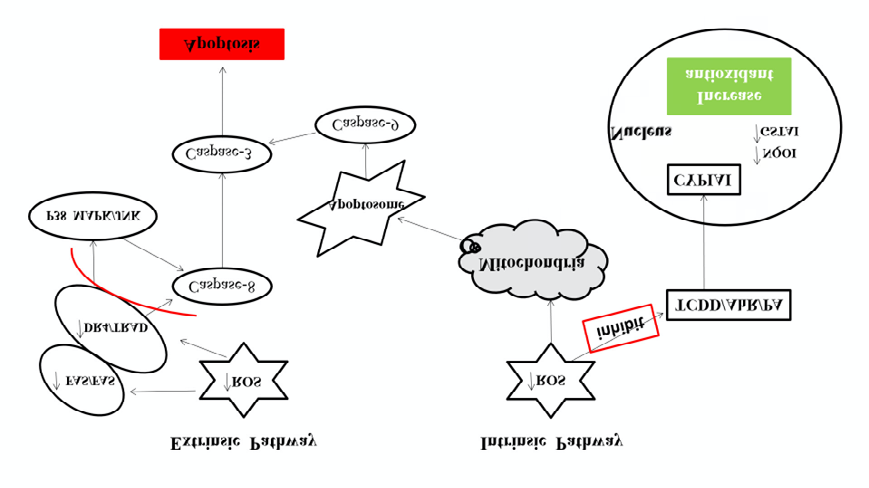
Figure 4: Possible pathways and targets of anti-cancer properties of camel milk. Camel milk regulates the apoptosis in cancer cells by using Extrinsic signalling to mediate Reactive Oxygen Species (ROS) production and mRNA expression of DR4. Further, the ROS and DR4 JNK activate and caspases to regulate the process of apoptosis. Camel milk also inhibits carcinogenesis via intrinsic pathways by down regulation of cytochrome P4501A1 and upregulation of NQQ1 and Glutathion S-Transferase (GSTA1), which provides protection against cancer. Modified after Khan, et al.
Consistently documented the anti-cancer effect of camel milk and its ex- osome on in vitro and in vivo MCF7 cells [126]. In brief, the supplementation of camel milk and its exosomes (per os and by injection) significantly decreased the progression of breast cancer cells, thereby enhancing apoptosis by increasing the expression of caspase-3 activity and BCL2-associated X protein (Bax) and lowering the expression of the BCL-2 gene. Besides, camel milk and its exosomes inhibited the oxidative stress- (MDA, inducible nitric oxide synthase (iNOS), inflammation- (interleukin 1B (IL1B), NF-κB), angiogenesis- (VEGF) and metastasis (intercellular adhesion molecule 1 (ICAM-1) and matrix metalloproteinase 9 (MMP-9)-associated genes [126]. The camel milk and its exosomes significantly improved the activities of antioxidant enzymes (SOD, CA, and GPx) in MCF7 cells. Altogether, the inhibitory effect of camel milk and its exosome on cancerous cells is due to the induction of apoptosis and antioxidative effects. It was experimentally proved that cisplatin in combination with camel milk inhibited hepatocarcinogenesis in rats after initiating cancer- inducing diethylnitrosamine, which is due to the antioxidant effect of camel milk [127].
Improvement of Arthritis
The high content of lactoferrin in camel milk acts as an anti-inflammatory agent by inhibiting the formation of hydroxyl free radicals and as a chelating protein by removing free iron from the joints of the affected arthritic patients. This has been reported to improve the arthritic condition of human patients making camel milk a promising adjunct to the magagement of arthritis in humans [128, 129].
Angiotensin I-Converting Enzyme (ACE) Inhibitor Activity
Angiotensin I-Converting Enzyme (ACE) (Peptidyl Dipeptide Hydrolase, EC 3.4.15.1) is one of the major regulators of blood pressure in humans and was characterised by Quan S, et al. [130] as “an exopeptidase that cleaves dipeptides from the C-terminal ends of various peptide substrates and regulates the activity of several endogenous bioactive peptides”. ACE-inhibitory peptides present in the primary structure of various food protein sources including milk proteins have also been found in fermented camel milk [131, 132, 133, 134]. These bioactive peptides have been reported to have health benefits in humans [135]. Lactobacillus helveticus 130B4 was used to release the ACE- inhibitory peptides from camel milk proteins; the amino acid sequence of which was identified as Ala-Ile-Pro- Pro-Lys- Lys-Asn-Gln-Asp [130]. The mechanism of ACE-inhibitory activity was reported to depend on the structure-activity of the ACE-inhibitory peptide by binding to the active site of the ACE. The C-terminal sequence of these ACE-inhibitory peptides was found to play a predominant role in the binding to the ACE [136].
Hypocholesterolemic Effect
Different hypotheses have been proposed as regards the hypocholesterolemic effect of camel milk, including the interaction between bioactive peptides derived from camel milk proteins and cholesterol which result in cholesterol reduction and the presence of orotic acid in camel milk which is thought to be responsible for lowering cholesterol levels in human subjects and in rats [137, 138, 139, 140]. This propensity of camel milk to lower cholesterol levels has a beneficial effect on coronary heart disease which is one of the major causes of death in industrialized countries [141]. Elevated levels of blood and dietary cholesterol are considered to be one of the major risk factors for coronary heart disease [142]. The administration of fermented camel milk containing Bifidobacterium lactis (BB-12) has been reported to possess a hypocholesterolemic effect in vivo in rats [143]. This strain was previously shown to reduce cholesterol in bovine milk and MRS broth as well as in trypticase-peptone yeast extract medium [144].
Therapuetic Effect Camel Milk on Hepatitis
Scientific publications have shown that camel milk cures both hepatitis B and hepatitis C. The special fat in camel milk soothes the liver and has beneficial action on chronic liver patients [145]. There is also a possibility that the relatively high concentrations of ascorbic acid in camel milk helps in improving liver function. But Subsequent studies have shown that camel lactoferrin markedly inhibits hepatitis C virus genotype 4 infection through preventing the entry of the virus into the cells. Additionally, camel lactoferrin is more potent anti-viral agent than bovine and human lactoferrins, even its anti-parasitic action can clear Schistosoma Mansoni [146, 147].
Camel Milk Effect as Anti-Aging
Researchers that the ingredient’s vitamin B, C carotin and iron content have crucial for skin. The milk contains lanolin and other moisturizing properties providing a calming and soothing effect on the skin. In addition to keeping the skin beautiful used to treat skin disorders such as dermatitis, Acne, Psoriasis and Eczema. Moreover, camel milk is natural source of alpha-hydroxy acids well known for softening the skin, keeping it supple, smooth and preventing wrinkles.
The effect of camel milk as anti-aging has been studied and shown that when camel milk is consumed and digested, the produced peptides start to act as natural antioxidants and ACE-inhibitors. Camel milk is good for anti-ageing as the high levels of vitamin C protect collagen [148]. Vitamin C in camel milk has antioxidant and tissue repair protection activities. Vitamin C is an essential water soluble vitamin that helps protect the immune system. According to Natural Standard Research, Vitamin C is necessary in the body for the production of collagen, a protein that aids in the growth of cells and blood vessels and gives skin its firmness and strength. Collagen is found in the skin, joints and cartilage; by increasing the production of collagen. Vitamin C strengthens the structural support and resiliency of skin so helps repair. Vitamin C is an antioxidant that slows the rate of free-radical damage which causes skin dryness, and wrinkles Vitamin C can literally reverse skin aging [149].
Camel milk has anti-aging effect due to presence of α-hydroxyl acids which are known to plump the skin and smoothies fine lines. Alpha- hydroxyl acids help to shed the outer horny layer of dead cells on the skin (epidermis) by helping to break down sugars, which are used to hold skin cells together. This helps in revealing new cells, which are more elastic and clear. Alpha-hydroxyl acids helps to eliminate wrinkles and age spots and relieve dryness as they make the outer layer of the skin thinner and support the lower layer of the dermis by making it thick. In addition, liposome occurring in camel milk is applicable for a potential cosmetic ingredient to improve anti-aging effect [150].
Public Health and Dietary Implications of Drinking Raw Camel Milk
Though there is evidence that camel milk has promising nutraceutical qualities that could be harnessed to improve human health and dietary requirements, drinking it in the raw form may present some challenges as it has been reported to contain micro-organisms that are pathogenic to man. Pathogenic bacteria present in raw milk could be due to contamination from four main sources, namely: within the udder, outside the udder, from the milk man and from the surface of equipment used for milk handling and storage. The detection of the presence of harmful pathogenic microorganisms is evidence of unhygienic milk production conditions [151]. Moreover, there are no specific standards for camel milk and much national milk regulatory bodies in all developed and developing countries have requirements for camel milk based on those for bovine and other ruminant milk, notwithstanding that, every aspect of camel milk is different from that of these animals [27]. Its use in the raw form has therefore received stiff public health resistance as laws usually demand pasteurization before it is consumed. Pasteurization may destroy most of the nutraceutical benefits inherent in raw milk. As camel milk has powerful antimicrobial properties it has been suggested that if checked for pathogens and found to be “pathogen and drug residue-free” it could be declared fit for human use. However, in order to make the milk pathogen and residue-free, a high level of hygiene and the controlled use of veterinary drugs under the supervision of qualified veterinarians and regular monitoring is required [152]. The notable disease-causing bacteria which have been detected in camel milk include: E. coli (STEC), Campylobacter spp, Salmonella, Brucella spp, Staphylococcus spp, Listeria spp, and coliforms. However, in camels suffering from subclinical mastitis, the types of disease-causing bacteria may be more as shown in Table 2, which increases the risk of contaminating the milk and contracting infection if such milk is drunk in raw form. Coliforms are normal inhabitants of the large intestine and their presence in milk could indicate fecal contamination [153]. In one study in Ethiopia, 108 (85.7 %) of raw camel milk samples analysed demonstrated bacterial contamination [154]. The overall mean Total Bacterial Count (TBC) and Coliform Count (CC) of contaminated raw camel milk samples was 4.75 ± 0.17 and 4.03 ± 0.26 log CFU/ml, respectively. TBC increased from udder to market level and was higher in Gursum compared to Babile districts of Ethiopia (P < 0.05). Around 38.9 % of TBCs and 88.2 % CCs in contaminated raw camel milk samples were in the range considered unsafe for human consumption. Staphylococcus spp. (89.8 %), Streptococcus spp. (53.7 %), E. coli (31.5 %), Salmonella spp. (17.6 %), Klebsiella spp. (5.6 %) and Enterobacter spp. (5.6 %) were the major bacterial microorganisms isolated. These findings point to the risk of drinking raw camel milk if not hygienically handled.
Viruses, like Middle Eastern Respiratory Syndrome virus (MERS-CoV) and mycotoxins (eg. aflatoxin), have been reported in camel milk [155, 156]. The World Health Organisation (WHO) recommends, as part of their management of MERS-CoV, that milk be pasteurized as there is still nutritional benefit after heat treatment. Therefore more research is needed into the health benefits and risks of drinking raw camel milk. Standards for microbial and drug residue limits specific to camel milk need to be developed and studies should identify the main points of contamination in the camel milk value chain to inform the implementation of hazard reduction and control measures [151].
Conclusions
The camel is endowed with huge milk productive, nutritional and nutraceutical potential; and has been utilised by humans for transport, medicine, food and skin care for many years by the people living in the ASALs of Africa and Asia. The milk production of the camel has gradually increased due to an increased demand by consumers in recent years. This has been due to its valuable nutritional and therapeutic properties contained in its bioactive molecules with antimicrobial, antioxidant and other substances and biomolecules properties like vitamins, immunoglobulins, insulin, microelements, and enzymes in comparison to the milk of other ruminants. Regular intake of camel milk has been reported to improve human health and to ameliorate conditions like blood pressure, diabetes, allergy, etc. In vitro and in vivo studies have proved a few of the medicinal claims of camel milk. However, detailed in-vivo and in-vitro studies will still be warranted to substantiate most of the medicinal claims attributed to the milk of this valuable animal. Since most of the nutraceutical qualities are in raw camel milk, the public health challenges of drinking raw camel milk will have to be addressed to safeguard the health of the consumers. Alternatively, the bioactive factors associated with the nutraceutical properties of camel milk should be isolated, characterised and standardised and genes encoding their synthesis identified for in vitro expression and mass production for safe medical application.
The increasing global demand for camel milk will be a boon to the camel dairy industry and will fetch a premium price for its products. This calls for countries with potential for camel production especially in Africa, to seriously invest in camel milk production, and value addition for its nutritional and nutraceutical use, while taking care of sanitary requirements to ensure safety of human lives.
References
-
Mugerwa EM (1981) the camel (Camelus dromedarius): A bibliographical review. In: International Livestock Centre for Africa. pp: 147.
-
Asresie A, Adunga M (2014) A Review on Composition, Derived Dairy Product and Therapeutic Value of Dromedary Camel Milk. World J Biol Med Science 1(3): 24-42.
-
FAO (2020) FAOSTAT: Crops and livestock products.
-
IMARC (2022) Camel Dairy Market: Global Industry Trends, Share, Size, Growth, Opportunity and Forecast 2022-2027.
-
Faye B (2020) How many large camelids in the world? A synthetic analysis of the world camel demographic changes. Pastoralism 10(1): 25.
-
Hailu Y, Hansen EB, Seifu E, Eshetu M, Ipsen R, et al. (2016) Functional and technological properties of camelmilk proteins: A review. J Dairy Res 83(4): 422- 429.
-
Khalesi M, Salami M, Moslehishad M, Winterburn J, Movahedi AAM (2017) Biomolecular content of camel milk: A traditional superfood towards future healthcare industry. Trends Food Sci Technol 62: 49-58.
-
Yadav AK, Rakesh K, Lakshmi P, Jitendra S (2015) Composition and medicinal properties of camel milk: A review. Asian J Dairy Fd Res 34(2): 83-91.
-
Abbas S, Ashraf H, Nazir A, Sarfraz L ( 2013) Chemical analysis and composition of camel milk. Int Res 2: 85-98.
-
Konuspayeva G, Faye B, Loiseau G (2009) The composition of camel milk: A meta-analysis of the literature data. Journal of Food Composition and Analysis 22(2): 95-101.
-
Salmen SH, Abu-Tarboush HM, Al-Saleh AA, Metwalli AA (2012) Amino acids content and electrophoretic profile of camel milk casein from different camel breeds in Saudi Arabia. Saudi J Biol Sci 19(2): 177-183.
-
Laleye LC, Jobe B, Wasesa AAH (2008) Comparative study on heat stability and functionality of camel and bovine whey proteins. J Dairy Sci 91(12): 4527-4534.
-
Raghvendar S, Shukla KS, Sahani SM, Bhakat C (2004) Chemical and physico-chemical properties of camel milk at different stages of lactation. International Conference on Camel Milk, Sadri, Rajasthan, India.
-
Sankhla AK, Gupta MP, Aarti, Dashora PK (2000) Proximate composition and physico-chemical characteristics of camel milk produced in South Rajasthan. Indian J Dairy Sci 53: 61-63.
-
Schwartz HJ (I992) Productive performance and productivity of dromedaries (Camelus dromedarius). Anim Res Dev 35: 85-98.
-
Yagil R, Etzion Z (1980) the effect of drought conditions on the quality of camel’s milk. J Dairy Res 47(2): 159- 166.
-
Haddadin MSY, Gammoh SI, Robinson RK (2008) Seasonal variations in the chemical composition of camel milk in Jordan. J Dairy Res 75(1): 8-12.
-
Stahl T, Sallmann HP, Duehlmeier R Wernery U (2006) Selected vitamins and fatty acid patterns in dromedary milk and colostrums. Journal of Camel Practice and Research 13(1): 53-57.
-
Mansson HL (2008) Fatty acids in bovine milk fat. Fd Nutr Res 52.
-
D’Urso S, Cutrignelli M, Calabr S, Bovera F, Tudisco R, et al. (2008) Influence of pasture on fatty acid profile of goat milk. J Anim Physiol Anim Nutr 92(3): 405-410.
-
Gizachew A, Teha J, Birhanu T (2014) Ethiopia Nekemte. Review on Medicinal and Nutritional Values of Camel Milk. Nature & Science 12(12): 35-40.
-
Narmuratova M, Konuspayeva G, Loiseau G, Serikbaeva A, Natalie B, et al. (2006) Fatty acids composition of dromedary and Bactrian camel milk in Kazakhstan. J Camel Pract Res 13(1): 45-50.
-
Panwar R, Grover CR, Kumar V, Ranga S, Kumar N (2015) Camel milk: Natural medicine-Boon to Dairy Industry. Dairy foods magazine, pp: 1-10.
-
Farah Z (1996) Camel milk properties and products. In: SKAT, Swiss Centre for Developments Cooperation in Technology and Management, pp: 91.
-
Yagil R (2013) Camel milk and its unique anti-diarrheal Properties. Isr Med Assoc 15(1): 35-36.
-
Zhang BY, Xu S, Villalobos-Santeli JA, Huang JY (2020) Fouling characterization of camel milk with comparison to bovine milk. J Fd Eng pp: 110085.
-
Mehaia MA, Hablas MA, Abdel-Rahman KM, El-Mougy SA (1995) Milk composition of Majaheim, Wadah and Hamra camels in Saudi Arabia. Food Chemistry 52(2): 115-122.
-
Mal G, Suchitra SD, Sahani M (2007) Changes in chemical and macro-minerals content of drmedary milk during lactation. J Camel Pract Res 14: 195-197.
-
Mal G, Sena DS, Kishore N, Patil NV (2012) Comparative account of whey proteins in camel and cow milk. Indian Vet J 89(6): 116-117.
-
Raghvendar S, Ghorui SK, Sahani MS (2006) Camel milk: properties and processing potential. In: Sahani MS (Ed.), The Indian camel. Publisher National Research Center on Camel, Bikaner, pp: 59-73.
-
Flynn A, Power P (1985) Nutritional aspects of minerals in bovine and human milk. In: Fox PF (Ed.), Developments in dairy chemistry, Vol 3: lactose and minor constituents. Elsevier, London, pp: 183-215.
-
Wang SY, Liang JP, Shao WJ, Wen H (2011) Mineral, vitamin and fatty acid contents in the camel milk of dromedaries in the anxigansu china. J Camel Pract Res 18(2): 273-276.
-
Shamsia SM (2009) Nutritional and therapeutic properties of camel and human milks. Int J Gen Mol Biol 1: 52-58.
-
Knoess KH (1977) The camel as a meat and milk animal. World Anim Rev 22: 39.
-
Hambreaus L (1992) Nutritional aspects of milk proteins. In: PF Fox (Ed.), advanced dairy chemistry. Proteins, 2nd Edition (Edn.), Volume 1, UK: Elsevier Applied Science, pp: 57-490.
-
Wernery U, Lau SK, Woo PC (2017) Middle East respiratory syndrome (MERS) coronavirus and dromedaries. Vet J 220: 75-79.
-
Raghvendar S, Tandon SN, Arora S, Sahani MS (2001) Milk enzymes in different breeds of Indian camel. Int J Anim Sci 16(1): 85-87.
-
Jauregui-Adell J (1975) Heat stability and reactivation of mare milk lysozyme. J Dairy Sci 58(6): 835-838.
-
Korhonen H (1977) Antimicrobial factors in bovine colostrum. J Sci Agric Soc Finl 49: 434-447.
-
Ali SD (1988) Purification of camel milk lysozyme and its lytic effect on Escherichia coli and Micrococcus ysodeikticus. Comp Biochem Physiol B 91(4): 793-796.
-
Woubit S, Bayleyegn M, Bonnet P, Jean-Baptiste S (2001) Camel (Camelus dromedarius) Mastitis in Borena Lowlands Pastoral Area, Wouth-Western Ethiopia. Revue Elev Med Vet pays trop 54(3–4): 207-212.
-
Woubit S, Bayleyegn M, Bonnet P, Jean-Baptiste S (2001) Camel (Camelus dromedarius) Mastitis in Borena Lowlands Pastoral Area, Wouth-Western Ethiopia. Revue Elev Med Vet pays trop 54(3–4): 207-212.
-
Davicco MJ, Barlet JP (1994) Influence of 1α-hydroxycholecalciferol on calcium and phosphorus concentration in camel milk. Journal of Dairy Research 61: 567-571.
-
Khan MZ, Xiao J, Ma Y, Ma J, Liu S, et al. (2021) Research Development on Anti-Microbial and Antioxidant Properties of Camel Milk and Its Role as an Anti-Cancer and Anti-Hepatitis Agent. Antioxidants (Basel). 10(5): 788.
-
Jumah RY, Shaker RR, Abu-Jadayil B (2001) Effect of milk source on the rheological properties of yoghurt during the gelation process. International Journal of Dairy Technology 54(3): 89-93.
-
Ozören N, El-Deiry WS (2003) Cell surface Death Receptor signaling in normal and cancer cells. Semin Cancer Biol 13(2): 135-147.
-
Ahmed M (2007) The etiology of mycobacterium aviumsubspeciesparatuberculosis in Crohn‟s disease. Saudi Med J 28(10): 1479-1484.
-
Yoshida S, Ye-Xiuyun (1991) Isolation of lactoperoxidase and lactoferrins from bovine milkacid whey by carboxymethyl cation exchange chromatography. J Dairy Sci 74(5): 1439-1444.
-
Agamy EI, Abou SI, Abdel KYI (1998) Gel electrophoresis of proteins, physicochemical characterization and vitamin C content of milk of different species. Alex J Agric Res 43: 57-70.
-
Gul W, Farooq N, Anees D, Khan U, Rehan F (2015) Camel Milk: A Boon to Mankind. IJRSB 3: 1123-1129.
-
Kappeler S, Farah Z, Puhan Z (1998) Compositional and structural analysis of camel milk proteins with emphasis on protective proteins, TH Zürich, Switzerland, pp: 149.
-
Kappeler S, Farah Z, Puhan Z (1998) Sequence analysis of Camelus dromedarius milk caseins. Journal of Dairy Research 65(2): 209-222.
-
Mullaicharam AR (2014) A review on medicinal properties of camel milk. World J Pharm Sci 2(3): 237- 242.
-
Gader AG, Alhaider AA (2016) the Unique Medicinal Properties of Camel Products: A Review of the Scientific Evidence. Journal of Taibah University Medical Sciences 11: 98-103.
-
El-Agamy EI M, Nawar SM, Shamsia S Awad GF, Haenlein (2009) Are camel milk proteins convenient to the nutrition of cow milk allergic children. Small Rum Re 82: 1-6.
-
El-Hatmi H, Girardet JM , Gaillard JL, Yahyaoui MH, Attia H (2007) Characterisation of whey proteins of camel (Camelus dromedarius) milk and colostrum Small Rumin Res 70 (2007): 267-271.
-
Hosam HM, Wissam, IH, Schneider SR, Hassan HM (2013) Camel milk lactoferrin reduces the proliferation of colorectal cancer cells and exerts antioxidant and DNA damage inhibitory activities. Food Chemistry 141(1): 148-152.
-
Hoelzer W, Muyldermans S, Wernery U (1998) A note on camel IgG antibodies. J Camel Pract Res 5: 187-188.
-
El-Agamy L, Ruppanner R, Ismail A, Champagne CP, Assaf R (1992) Antibacterial and antiviral activity of camel milk protective proteins. J Dairy Res 59(2): 169-175.
-
Habib HM, Ibrahim WH, Schneider-Stock R, Hassan HM (2013) Camel milk lactoferrin reduces the proliferation of colorectal cancer cells and exerts antioxidant and DNA damage inhibitory activities. Fd Chem 141: 148-152.
-
El-Agamy EI, Nawar M (2000) Nutritive and immunological values of camel milk: A comparative study with milk of other species. In: 2nd International Camelid Conference: Agroecons. Camelid Farm, Almaty, Kazakhstan, Asia.
-
Kappeler S, Farah Z, Puhan Z (1999) Alternative splicing of lactophorin mRNA from actating mammary gland of the camel (Camelus dromedarius). Journal of Dairy Science 82: 2084-2093.
-
El-Agamy EI, Ruppanner R, Ismail A, Champagne C P, Assaf R (1996) Purification and characterization of lactoferrin, lactoperoxidase, lysozyme and immunoglobulins from camel’s milk. International Dairy Journal 6(2): 129-145.
-
Hamers-Casterman C, Atarhouch T, Muyldermans S, Robinson G, Ham- mers C, et al. (1993) Naturally occurring antibodies devoid of light chains. Nature 363(6428): 446-448.
-
Muyldermans S, Cambillau C, Wyns L (2001) Recognition of antigens by single-domain antibody fragments: the superfluous luxury of paired domains. TIBS 26(4): 230- 235.
-
Riechmann L, Muyldermans S (1999) Single domain antibodies: comparison of camel VH and camelised human VH domains. J Immunol Methods 231(1-2): 25- 38.
-
Yagil R (2004) Camel milk and autoimmune diseases: historical medicine pp: 13.
-
Ueda T, Sakamaki K, Kuroki T, Yano I, Nagata S (1997) Molecular cloning and characterization of the chromosomal gene for human lactoperoxidase. Eur J Biochem 243(1-2): 32-41.
-
Kiselev S (1998) Molecular cloning and characterization of the mouse tag-7 gene encoding a novel cytokine. J Biol Chem 273(29): 1863318639.
-
Shabo Y, Barzel R, Yagil R (2008) Etiology of Crohn’s disease and camel milk treatment. J Camel Pract Res 15(1): 55-59.
-
Yadav AK, Kumar R, Priyadarshini L, Singh J (2015) Composition and medicinal properties of camel milk: Review. Asian Journal of Dairy and Food Research 34(2): 83-91.
-
Okuni BJ, Oyo T, Kisekka M, Ochwo S, Atuhaire AD, et al. (2013) Detection of Antibodies and Confirmation of Mycobacterium avium Subspecies paratuberculosis Using Nested PCR in Bulk Milk Samples from Nakasongola and Sembabule Districts, Uganda. ISRN Vet Sci 2013: 369730.
-
Urazakov NU, Bainazarov S (1974) Tushchibek – the 1st Clinic in history for the treatment of pulmonary tuberculosis with camel’s sour milk. Problem Tuberkuleza 2: 89-90.
-
Nightingale SD, Byrd LT, Southern PM, Jockusch JD, Cal SX, et al. (1992) Incidence of Mycobacterium avium-intracellulare complex bacteremia in human immunodeficiency virus-positive patients. Journal of Infectious Diseases 165(6): 1082-1085.
-
WHO (2021) Global Tuberclosis Report. World Health Organization.
-
WHO (2023) Global Tuberculosis Report. World Health Organization.
-
Barbour EK, Nabbut NH, Frerichs WM, Al Nakhli HM (1984) Inhibition of pathogenic bacteria by camel’s milk: Relation to whey lysozyme and stage of lactation. J Food Prot 47(11): 838-840.
-
Rao MB, Gupta RC, Dastur NN (1970) Camel’s milk and milk products. Indian J Dairy Sci 23: 71-78.
-
Mal GD, Sena S, Jain VK, Sahani MS (2006) Therapeutic value of camel milk as a nutritional supplement for multiple drug resistant (MDR) tuberculosis patients. Israel J Vet Med 61(3-4): 88-94.
-
Juboori AT, Mohammed M, Rashid J, Kurian J, Refaey S (2013) Nutritional and medicinal value of camel (Camelusdromedarius) milk. In: 2nd International Conference on Food and Environment: The Quest for a Sustainable Future, Budapest, Hungary, Europe, pp: 221- 232.
-
Yagil R (2013) camel milk and its unique anti-diarrheal Properties. IMAJ 15(1): 35-36.
-
Reichelt KI, Knivsberg AM (2003) Canpatho physiology of autism be explained by the nature of the discovered urine peptides. Nutrition and Neuroscience 6(1): 19-28.
-
Sharma C, Singh C (2014) Therapeutic Value of Camel Milk. A Journal of Pharmacie and Life science Research 2: 7-13.
-
Grover RL, Nangle DW, Buffie M, Andrews LA (2020) Defining social skills in Social Skills Across the Life Span: Theory, Assessment, and Intervention. In: Nangle D, et al. (Eds.), Academic Press Elsevier, London, pp: 3-24.
-
Al-Ayadhi LY, Halepoto DM, Dress AM, Mitwali Y, Zainah R (2015) Behavioral Benefits of Camel Milk in Subjects with Autism Spectrum Disorder. J Coll Physicians Surg Pak 25(11): 819-823.
-
Shabo Y, Yagil R (2005) Etiology of autism and camel milk as therapy. Int J Disabil Hum Dev 4(2): 67-70.
-
Adams CM (2013) Patient report: autism spectrum disorder treated with camel milk. Glob Adv Health Med 2(6): 78-80.
-
Kandeel M, El-Deeb W (2022) The Application of Natural Camel Milk Products to Treat Autism-Spectrum Disorders: Risk Assessment and Meta-Analysis of Randomized Clinical Trials. Bioinorg Chem Appl 2022: 6422208.
-
Ayadhi L, Alhowikan AM, Bhat RS, Ansary A (2022) Comparative study on the ameliorating effects of camel milk as a dairy product on inflammatory response in autism spectrum disorders. Neurochemical Journal 16(1): 99-108.
-
Aqib AI, Kulyar MFAK, Ashfaq K, Bhutta ZA, Shoaib M, et al. (2019) Camel milk insuline: Pathophysi- ological and molecular repository. Trends Food Sci Technol 88: 497- 504.
-
Zagorski O, Yaffe A, Ariel A, Meisles A, Creveld CV, et al. (1998) Insulin in milk - a comparative study. International Journal of Animal Sciences 13(2): 241-244.
-
Anwar I, Khan FB, Maqsood S, Ayoub MA (2022) Camel Milk Targeting Insulin Receptor—Toward Understanding the Antidiabetic Effects of Camel Milk. Front Nutr 8: 819278.
-
Agrawal RP, Swami SC, Beniwal R, Kochar DK, Kothari RP (2002) Effect of camel milk on glycemic control, risk factors and diabetes quality of life in type-1 diabetes: A randomized prospective controlled study. Int J Diabetes 22.
-
Agrawal RP, Swami SC, Beniwal R, Kochar, DK, Sahani MS, et al. (2003) Effect of camel milk on glycemic control, lipid profile and diabetes quality of life in type-1 diabetes: a randomized prospective controlled cross over study. Indian Journal of Animal Science 73: 1105-1110.
-
Shabo Y, Barzel R, Margoulis M, Yagil R (2005) Camel milk for food allergies in children. Isr Med Assoc J 7(12): 796-798.
-
Almeida D, Roberto R (2011) Camel milk: Characteristics and perspectives for use in clinical practice. Rev Chil Nutr 38(2): 211-218.
-
Ehlayel MS, Hazeima KA, Al-Mesaifri F, Bener A (2011) Camel milk: an alternative for cow‟s milk allergy in children. Allergy Asthma Proc 32(3): 255-258.
-
El-Agamy EI (2007) The challenge of cow milk protein allergy. Small Ruminant Research 68(1-2): 64-72.
-
Maldonado J, Gil A, Narbona E, Molina JA (1998) Special formulas in infant nutrition: a review. Early Hum Dev 53(Suppl): S23-S32.
-
Zeiger RS, Sampson HA, Bock SA, Burks AWJr, Harden K, et al. (1999) Soy allergy in infants and children with IgE-associated cow’s milk allergy. J Pediatr 134(5): 614- 622.
-
Ahamad SR, Raish M, Ahmad A, Shakeel F (2017) Potential health benefits and metabolomics of camel’s milk by GC-MS and ICP-MS. Biol Trace Elem Res 175(2): 322-330.
-
Farah Z, Atkins D (1992) Heat coagulation of camel’s milk. J Dairy Res 59: 229-231.
-
Merin U, Bernstein S, Bloch-Damti A, Yagil R, Creveld CV, et al. (2001) A comparative study of milk serum proteins in camel (Camelus dromedarius) and bovine colostrum. Livest Prod Sci 67(3): 297-301.
-
Devendra K, Verma KA, Chatli MK, Singh R, Kumar P, et al. (2016) Camel’s milk: alternative milk for human consumption and its health benefits. Nutr Food Sci 46(2): 217-227.
-
Galali Y, Dmoor HM (2019) Miraculous properties of camel Milk and perspective of modern science. Journal of Family Medicine and Disease Prevention 5(1): 95.
-
Korashy HM, Gendy MAM, Alhaider AA, KadiA O (2012) Camel milk modulates the expression of aryl hydrocarbon receptor-regulated genes, Cyp1a1, Nqo1, and Gsta1, in murine hepatoma Hepa 1c1c7 cells. J Biomed Biotechnol 2012: 782642.
-
Alhaider AA, Gader AGMA, Almeshaal N, Saraswati S (2014) Camel milk inhibits inflammatory angiogenesis via down regulation of proangiogenic and proinflammatory cytokines in mice. APMIS 122(7): 599- 607.
-
Maswadeh HM, Aljarbou AN, Alorainy MS, Alsharidah MS, Khan MA (2015) Topside incorporated into camel milk phospholipids liposomes shows increased activity against fibro sarcoma in a mouse model. BioMed Res Int 2015: 743051.
-
Timmer T, de Vries EG, de Jong SJ (2002) Fas receptor-mediated apoptosis: A clinical application. J Pathol 196(2): 125-134.
-
Habib HM, Ibrahim WH, Schneider-Stock R, Hassan HM (2013) Camel milk lactoferrin reduces the proliferation of colorectal cancer cells and exerts antioxidant and DNA damage inhibitory activities. Food Chem 141(1): 148-152.
-
Shariatikia M, Behbahani M, Mohabatkar H (2017) Anticancer activity of cow, sheep, goat, mare, donkey and camel milks and their caseins and whey proteins and in silico comparison of the caseins. Mol Biol Res Commun 6(2): 57-64.
-
Salwa MQ, Lina AFK (2010) Antigenotoxic and anticytotoxic effect of camel milk in mice treated with cisplatin. Saudi J Biol Sci 17(2): 159-166.
-
Krishnankutty R, Iskandarani A, Therachiyil L, Uddin S, Azizi F, et al. (2018) Anticancer Activity of Camel Milk via Induction of Autophagic Death in Human Colorectal and Breast Cancer Cells. Asian Pac J Cancer Prev 19(12): 3501-3509.
-
Mathew R, Karantza-Wadsworth V, White E (2007) Role of autophagy in cancer. Nat Rev Cancer 7(12): 961- 967.
-
Badr G, Zahran AM, Omar HM, Barsoum MA, Mahmoud MH (2019) Camel Whey Protein Disrupts the Cross-Talk Between PI3K and BCL-2 Signals and Mediates Apoptosis in Primary Acute Myeloid Leukemia Cells. Nutr Cancer 71(6): 1040-1054.
-
Park S, Chapuis N, Tamburini J, Bardet V, Cornillet- Lefebvre P, et al. (2010) Role of the PI3K/AKT and mTOR signaling pathways in acute myeloid leukemia. Haematologica 95(5): 819-828.
-
Badr G, Mohany M, Metwalli A (2011) Effects of undenatured whey proteins supplementation on CXCL12-andCCL21-mediated B and T cell chemotaxis in diabetic mice. Lipids Health Dis 10: 203.
-
Sayed LH, Badr G, Omar HM, Abdel-Rahim AM, Mahmoud MH (2017) Camel whey protein improves oxidative stress and histopathological alterations in lymphoid organs through Bcl-XL/Bax expression in a streptozotocin-induced type 1 diabetic mouse model. Biomed. Biomed Pharmacother 88: 542-552.
-
Uversky VN, El-Fakharany EM, Almehdar HA, Abu- Serie MM, Redwan EM, et al. (2017) Divergent Anti- cancer Activity of Free and Formulated Camel Milk α-Lactalbumin. Cancer Investig 35(9): 610-623.
-
Jiang L, Wang W, He Q, Wu Y, Lu Z, et al. (2017) Oleic acid induces apoptosis and autophagy in the treatment of Tongue Squamous cell carcinomas. Sci Rep 7: 11277.
-
El-Fakharany EM, Serie MMA, Litus EA, Permyako SE, Permyakov EA, et al. (2018) The use of human, bovine, and camel milk albumins in anti-cancer complexes with oleic acid. Protein J 37(3): 203-215.
-
Badawy AA, El-Magd MAA, AlSadrah SA (2018) Therapeutic effect of camel milk and its Exosomes on MCF7 cells in vitro and in vivo. Integr Cancer Ther 17(4): 1235-1246.
-
El Miniawy HM, Ahmed KA, Mansour SA, Khattab MMS (2017) In vivo anti-tumour potential of camel’s milk against hepatocellular carcinoma in rats and its improvement of cisplatin renal side effects. Pharm Biol 55(1): 1513-1520.
-
Kell DB, Heyden EL, Pretorius E (2022) The Biology of Lactoferrin, an Iron-Binding Protein That Can Help Defend Against Viruses and Bacteria. Front Immunol (28)11: 1221-1237.
-
Smith CG, Vane JR (2003) The discovery of Captopril. FASEB J 17(8): 788-789.
-
Pan D, Luo Y, Tanokura M (2005) Antihypertensive peptides from skimmed milk hydrolysate digested by cell-free extract of Lactobacillus helveticus JCM1004. Food Chemistry 91(1): 123-129.
-
Jang A, Lee M (2005) Purification and identification of angiotensin convertingenzyme inhibitory peptides from beef hydrolyze sates. Meat Sci 69(4): 653-661.
-
Li GH, Le GW, Shi YH, Shrestha S (2004) Angiotensin I-converting enzyme inhibitory peptides derived from food proteins and their physiological and pharmacological effects. Nutrition Research 24(7): 469- 486.
-
Minervini F, Algaron F, Rizzello CG, Fox P F, Monnet V, et al. (2003) Angiotensin I-converting-enzyme inhibitory and antibacterial peptides from Lactobacillus helveticus PR4 proteinase hydrolyzed caseins of milk from six species. Appl Environ Microbiol 69(9): 5297-5305.
-
Quan S, Tsuda H, Miyamoto T (2008) Angiotensin I-converting enzyme inhibitory peptides in skim milk fermented with Lactobacillus helveticus 130B4 from camel milk in Inner Mongolia, China. Journal of the Science of Food and Agriculture 88(15): 2688-2692.
-
Alhaj OA, Kanekanian A and Peters A (2006) the effect of Bifidbacterium lactis and trypsin on cholesterol International food and health innovation conference. Malmö, Sweden: Skåne Food Innovation Network.
-
López-Fandiño R, Otte J, Van Camp J (2006) Review: physiological, chemical and technological aspects of milk-proteinderived peptides with antihypertensive and ACE-inhibitory activity. International Dairy Journal 16(11): 1277-1293.
-
Li H, Papadopoulos V (1998) Peripheral-type benzodiazepine receptors function in cholesterol transport. Identification of a putative cholesterol recognition/ interaction amino acid sequence and consensus pattern. Endocrinology 139(12): 4991-4997.
-
Seelig A, Seelig J (1996) Interaction of drugs and peptides with the lipid membrane. In: Schwartz T, et al. (Eds.), Alfred Benzon Symposium 39: Structure and function of 7Tm receptors pp: 184-193.
-
Buonopane GJ, Kilara A, Smith JS, McCarthy RD (1992) Effect of skim milk supplementation on blood cholesterol concentration, blood pressure, and triglycerides in a free-living human population. J Am Coll Nutr 11(1): 56-67.
-
Rao DR, Chawan CB, Pulusani SR (1981) Influence of milk and thermophilus milk on plasma cholesterol levels and hepatic cholesterogenesis in rates. Journal of Food Science 46: 1339-1341.
-
Pereira DIA, Gibson GR (2002) Effects of consumption of probiotics and prebiotics on serum lipid levels in humans. Crit Rev Biochem Mol Biol 37(4): 259- 281.
-
Reddy BS, Mastromarini A, Wynder E (1977) Diet and metabolism: large bowel cancer. Cancer 39(4): 1815-1819.
-
Elayan AA, Sulieman AE, Saleh FA (2008) The hypocholesterolemic effect of Gariss and Gariss containing Bifidobacteria in rats fed on a cholesterol enriched diet. Asian Journal of Biochemistry 3: 43-47.
-
Tahri K, Crociani J, Ballongue J, Schneider F (1995) Effects of three strains of bifidobacteria on cholesterol. Lett Appl Microbiol 21: 149-151.
-
Saltanat H, Li H, Xu Y, Wang J, Liu F, Geng XH (2009) The influences of camel milk on the immune response of chronic hepatitis B. Chinese Journal of Cellular and Molecular Immunology 25(5): 431-433.
-
Redwan ERM, Tabll A (2007) Camel lactoferrin markedly inhibits hepatitis C virus genotype 4 infection of human peripheral blood leukocytes. J Immunoassay Immunochem 28(3): 267-277.
-
Maghraby AS, Mahmoud MA, Abdel-Salam AA (2005) Anti-schistosomal activity of colostral and mature camel milk on Schistosoma mansoni infected mice. Asia Pac J Clin Nutr 14(4): 432.
-
Salami M, Moosavi-Movahedi AA, Moosavi- Movahedi F, Ehsani MR, Yousefi R, et al. (2011) Biological activity of camel milk casein following enzymatic digestion. J Dairy Res 78(4): 471-478.
-
Scott-Stump SE (2000) Nutrition and Diagnosis- Related Care 6th (Edn.), Philadelphia, Pa: Lippincott Williams Wilkins pp: 134.
-
Choi SK, Park KD, Kim DA, Lee DW, Kim YJ (2013) Preparation of camel milk liposome and its anti-aging effects. Journal of the Society of Cosmetic Scientists of Korea 40(2): 155-162.
-
Kamal ZL, Kamal ZA, Heydar NA (2010) Total bacterial, coliforms and the Staphy- lococcus aureus bacteria count of raw milk (from farms to the processing factory), and pasteurized milk in khozestan province. The 4th Congress on Animal Science, Iran.
-
Nagy PP, Skidmore JA, Juhasz J (2022) Intensification of camel farming and milk production with special emphasis on animal health, welfare, and the biotechnology of reproduction. Animal Frontiers 12(4): 35-45.
-
Vahedi M, Nasrolahei M, Sharif M, Mirabi AM (2013) Bacteriological study of raw and unexpired pasteurized cow’s milk collected at the dairy farms and super markets in Sari city in 2011. J Prev Med Hyg 54(2): 120-123.
-
AberaT, Legesse Y, Mummed B, Urga B (2016) Bacterialogical quality of raw camel milk along the market value chain in Fafen zone, Ethiopian Somali regional state. BMC Res Notes 9: 285-290.
-
Bardenstein S, Gibbs RE, Yagel Y, Motro Y, Moran- Gilad J (2021) Brucellosis Outbreak Traced to Commercially Sold Camel Milk through Whole-Genome Sequencing, Israel. Emerg Infect Dis 27(6): 1728-1731.
-
Alsulami T, Shehata MG, Ali HS, Alzahrani AA, Fadol MA, et al. (2023) Prevalence of Aflatoxins in Camel Milk from the Arabian Peninsula and North Africa: A Reduction Approach Using Probiotic Strains. Foods 12(8): 1666.
-
Mahala N, Mittal A, Dubey US (2022) Medicinal Potential of Camel Milk Lactoferrin. Dairy Processing: From Basics to Advances pp: 1-16.
-
Hamad EM, Abdel-Rahi EA, Romeih EA (2011) Beneficial effect of camel Milk on liver and kidneys function in diabetic Sprague-Dawley rats. International Journal of Dairy Science 6(3): 190-197.
-
Faye B, Bengoumi M, Al-Masaud A, Konuspayeva G (2015) Comparative milk and serum cholesterol content in dairy cow and camel. Journal of King Saudi University Science 27: 168-175.
-
Kaskous S (2016) Importance of camel milk for human health. Emirates Journal of Food culture 28: 158- 163.
- The Digital Stethoscope: Harnessing AI in Veterinary Medicine Without Losing Our Healing Touch
- Meningoencephalomyelitis of Unknown Etiology: Short-Term Effect of Two Treatment Protocols on Cerebrospinal Fluid
- Safety and Efficacy of the HomeoPet Cough in Domestic Pets –A Clinical and Correction Analysis Based Upon User Response Survey
- Non Human Animals Responses to Social Loss
- Owner Reported Clinical Outcomes of a Homeopathic Proprietary Preparation for the Treatment of Upper Respiratory and Nasal Disorders in Companion Animals
- Effects and Diagnostic Approach of Ultrasound in Veterinary Practice: A Systematic Review