
Health Impacts of Ambient Air and Water Pollution
We know that pollution can have a negative impact on the overall health of an economy in terms of an increase in healthcare costs due to an increase in health diseases, reduced productivity: employees may be less productive if they are suffering from health problems caused by pollution. Additionally, pollution can damage crops and other natural resources, leading to reduced agricultural yields and other economic losses. Hence there is a relation between the two. But on which basis should we analyze this relation? The paper tries to answer the question that whether important criteria such as population, Human development, and global innovation affect the pollution of an economy which in turn causes severe health impacts. To answer the question, the paper studies the correlation among the countries across the world for the year 2019 ranked according to Human Development Index, Global Innovation Index, and population, and tries to understand how the ranking of the countries has an impact on pollution and how does that in return affect the health of the country. We conclude the paper with the reasons behind such relations and how to reduce the pollution effects on health
Introduction
We have seen and can understand the Relationship between economic growth and environmental pollution. An inverted U-shaped relation between pollution and income may exist as income increases for countries, initially the pollution level increases, but after a threshold of income is crossed, pollution starts to decline, this relation is given by the EKC. EKC (believers) argues that economic growth is important for environmental quality improvement but leads to environmental degradation. However, the environment could improve due to: Possible changes in technology in the future, people’s preferences, etc. However, EKC may not exist all the time. Local pollutants (sulfur dioxide) exhibit an EKC, and global pollutants (carbon) do not. We have two kinds of effects, the Time Effect: which says over time, pollution levels will decline, and Scale Effect which says that if economic growth is higher, pollution will increase. Scale effect dominates time effect in developing countries and in Developed countries: Growth rate is low, time effect dominates scale effect. In the paper we try to analyze such relations of pollution with countries that are highly populated and less populated and try to answer the question: does the level of pollution have an impact on health? If yes, then does it further impact the health of the country? And what are the reasons behind it? To answer the questions, we have used the correlation approach or the Dose-Response approach that correlates mortality outcomes with ambient air pollution resulting from a high or low population, human development activities and innovation activities.
Literature Review
The authors in their paper “Human health effects of air pollution” have briefly discussed. The effects and mechanisms of air pollution on human health. They have mentioned that hazardous chemicals are released into the environment through activities which can cause harm to human health and the environment. The increased use of fossil fuels over the past century is responsible for the gradual changes in the composition of the atmosphere. Pollutants such as carbon monoxide (CO), sulfur dioxide (SO2), nitrogen oxides (NOx), volatile organic compounds (VOCs), ozone (O3), heavy metals and respirable particulate matter (PM2.5 and PM10), and others differ in the way they spread across the atmosphere and impact the composition. Air pollution has serious and chronic effects on human health by affecting many organs and systems, such as: It can affect everything from mild pneumonia to chronic respiratory disease and heart disease, lung cancer, asthma in children and chronic bronchitis leading to heart disease in adults and existing lung disease or asthma. Additionally, short-term and long-term outcomes have also been associated with premature death and reduced life expectancy. Similarly authors in their paper “Ambient air pollution: health hazards to children” have mentioned additionally that above the association between air pollution and respiratory symptoms, asthma exacerbations, and asthma hospitalizations, recent research has also found a link between air pollution and preterm births, infant mortality, poor lung function, and the development of asthma. Moreover the writers of the paper “Drinking Water Quality and Public Health” have justified with evidence that Drinking water is one of the most important factors for human health. However, the quality of drinking water is not good in many countries, especially in developing countries, and insufficient drinking water has caused many diseases in water. This special issue of Prevention and Health has been compiled to better understand the public health impact of drinking water quality and to improve drinking water quality in many countries.
The Study
In the paper, we have narrowed the study by focusing on two types of pollution ambient air and water pollution. Study in the 1st part the health impacts of air pollution mainly: death rate due to: lower respiratory infections, Trachea, bronchus, lung cancers, ischemic heart disease, stroke and Chronic obstructive pulmonary disease, and diarrhea deaths due to the inadequacy of clean drinking water on countries ranked in Order of population, that is we try to answer the effects of population on air and water pollution and the consequent health impacts. More specifically we have used the Dose-Response Relationships: Correlate mortality outcomes with ambient levels of pollution. In the 2nd and 3rd parts, we conduct the same analysis for HDI and GII countries respectively.
Part-1
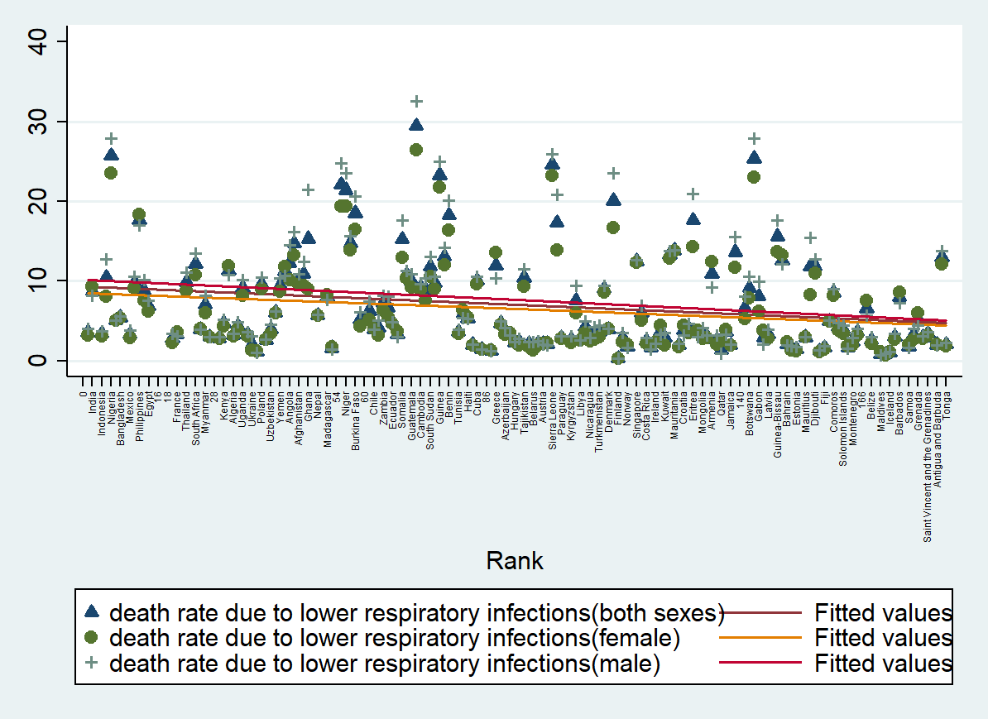
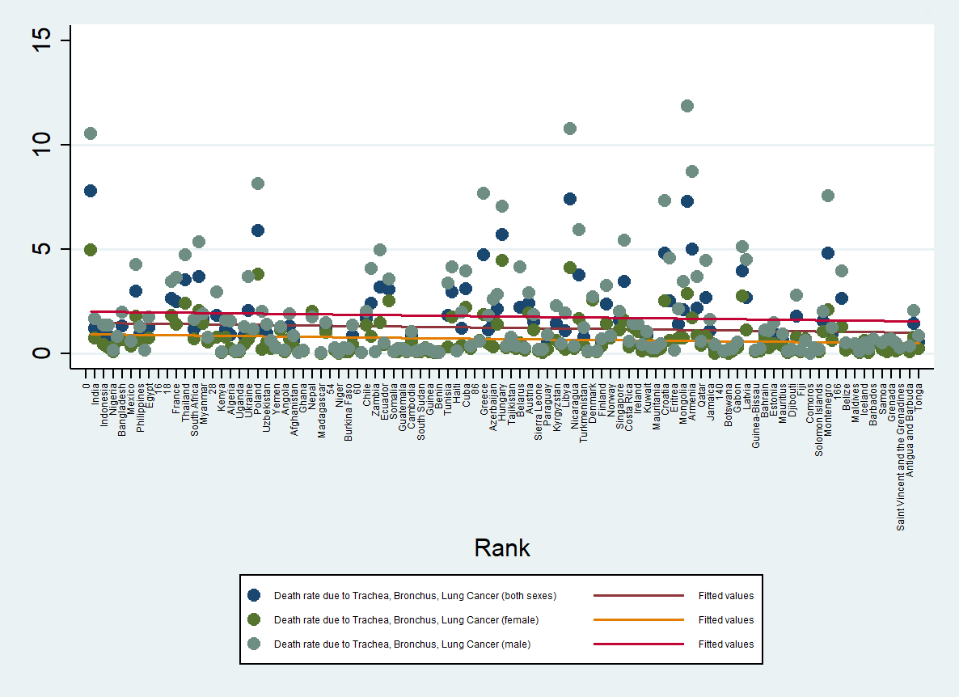
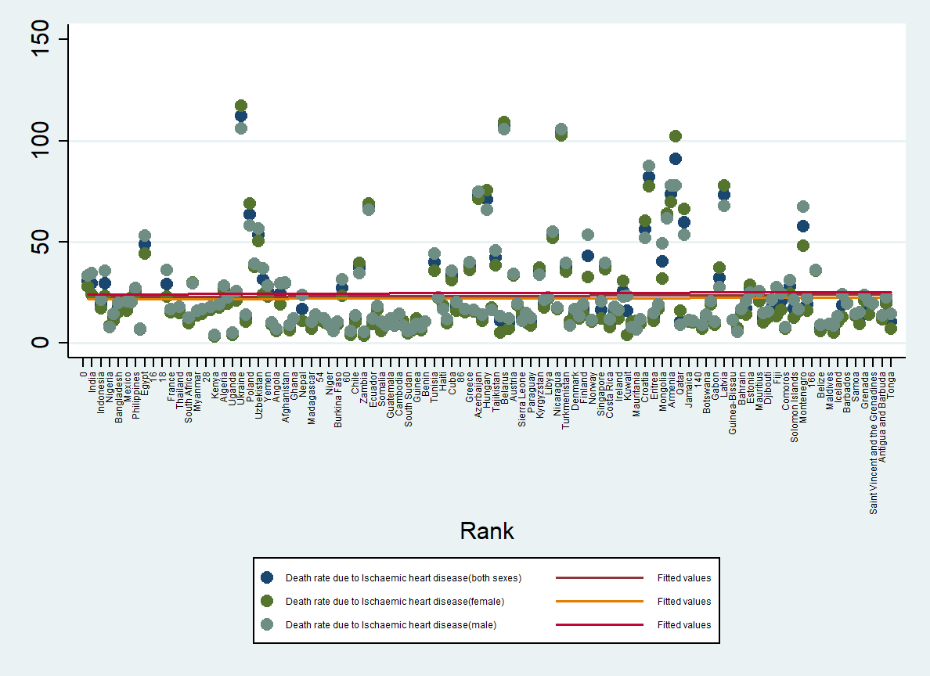
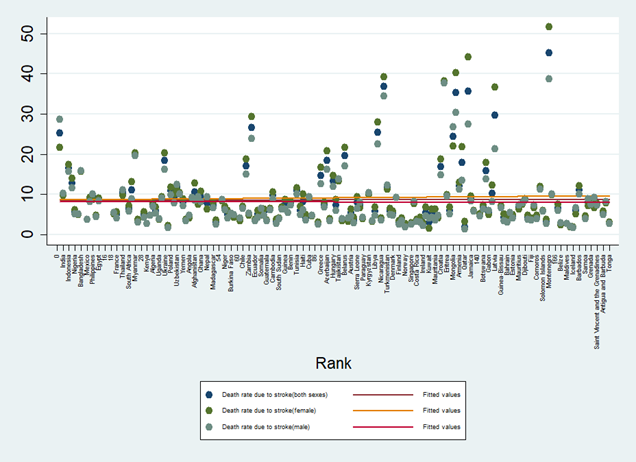
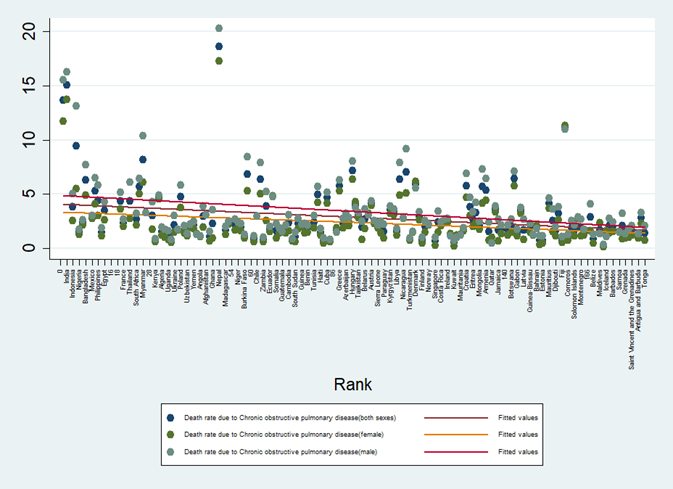
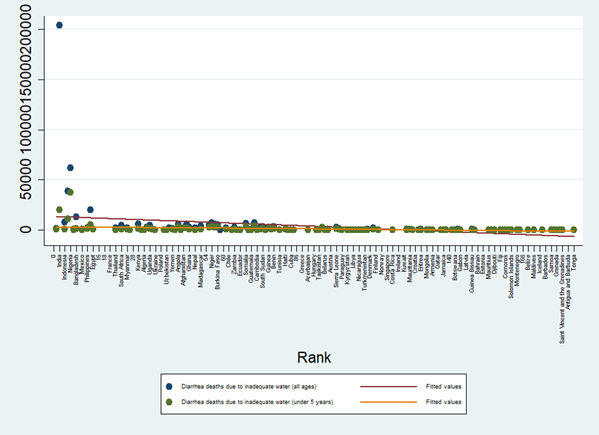
In this part we have ranked all the countries of the world according to the descending order of population, and studied the effect of air pollution on Human health, we see that air pollution causes death due to: lower respiratory infections, Trachea, bronchus, lung cancers, ischemic heart disease, stroke, and Chronic obstructive pulmonary disease. Also, water pollution causes death rate due to diarrhea, which is again a consequence of inadequate safe and clean drinking water. We study the effect on both sexes, females and males separately. In the case of water pollution, we have analyzed it across the ages and children below the age of 5 years separately. Here the death rate is Ambient air pollution- attributable death rate (per 100 000 population). We have taken the WHO data for the year 2019, and 2022 population data of the countries (Figures 1-6).
Main Findings
- From the graph, we can see there is a positive impact of population on the death rate due to lower respiratory infections. That is as population increases, the air pollution increases which cause serious lower respiratory infections that lead to higher death rates. Here we can see countries like India, China, Indonesia, and Nigeria that are highly populated have high rates of death rate due to lower respiratory infections resulting from air pollution as compared to countries like Tonga, Samoa, Saint Vincent, and others with lower population hence lower death rate (Figures 2 & 3).
- Similar relations can be found for death rate due to higher population resulting in death rate due to severity of stroke, trachea, bronchus and lung cancer, Chronic obstructive pulmonary disease and ischemic heart disease.
- Death rate due to ischemic heart disease, stroke, trachea, bronchus and lung cancer and lower respiratory disease is higher in female whereas the death rate due to Chronic obstructive pulmonary is higher in male (Figures 4 & 5).
Possible Reasons Behind the Findings
Why is there a positive relation between population and death rate due to diseases caused by air pollution? High population can result in high air pollution due to several factors. Firstly, the increase in population leads to an increase in the demand for transportation, industry, and energy consumption, which in turn leads to an increase in the emission of air pollutants. More people require more vehicles on the roads, more factories to produce goods, and more energy to power homes and businesses, all of which release pollutants into the air [1]. Thirdly, the high population can also result in increased use of biomass fuels for cooking and heating, particularly in developing countries, which can release high levels of pollutants such as carbon monoxide, nitrogen oxides, and particulate matter into the air [1]. Finally, the high population can result in increased waste generation, which can lead to air pollution through the release of methane and other gases from landfills and incinerators. Why is the death rate due to stroke and ischemic heart disease caused by air pollution higher in females compared to males? There is evidence to suggest that the death rate due to stroke and ischemic heart disease caused by air pollution is higher in females compared to males. There are several factors that may contribute to this difference [2]. Biological differences: Females may be more susceptible to the health effects of air pollution due to biological differences, such as differences in lung physiology, hormonal factors, and genetics. Exposure patterns: Females may be more likely to be exposed to indoor air pollution, which can be caused by cooking and heating with solid fuels. Lifestyle factors: Females may have different lifestyle factors that can increase their risk of stroke and heart disease, such as lower physical activity levels. Access to healthcare: Females may have lower access to healthcare, which can lead to delayed diagnosis and treatment of stroke and heart disease and poorer outcomes. why is the death rate due to Chronic obstructive pulmonary disease caused by air pollution higher in males compared to females?. Males may have greater occupational exposure to air pollution, particularly in certain industries such as construction and transportation, which can increase their risk of COPD. Males may be more likely to engage in outdoor activities that increase their exposure to air pollution, such as outdoor labor or transportation. They may also be more likely to engage in smoking and other risk-taking behaviors that can exacerbate the effects of air pollution [3].
Part-2
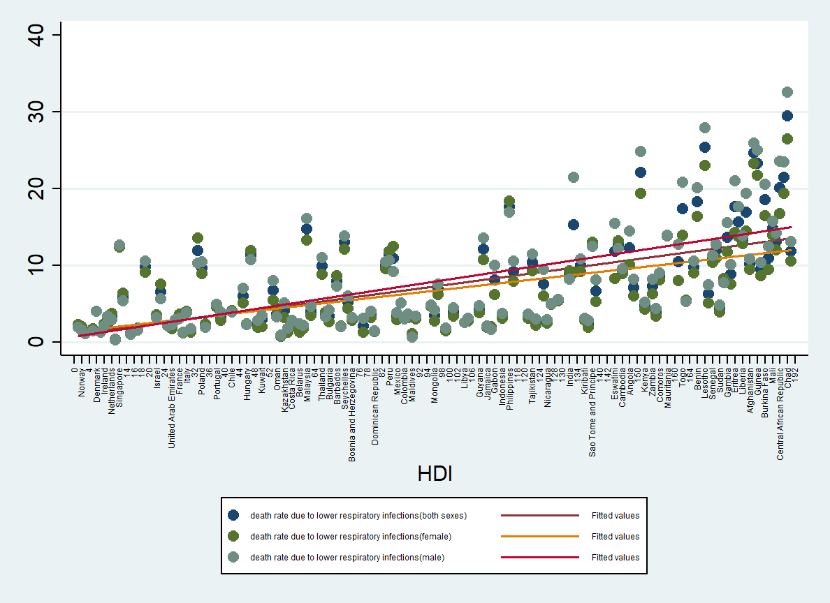
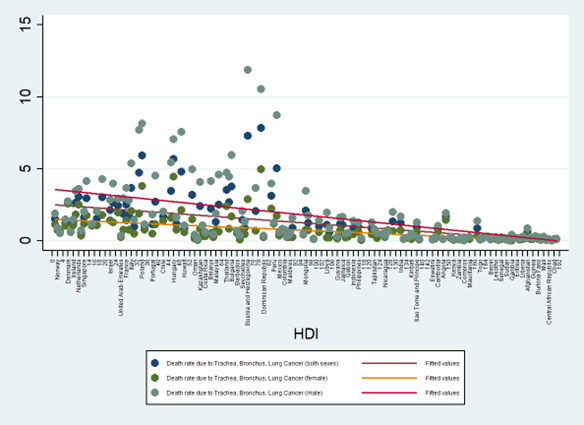
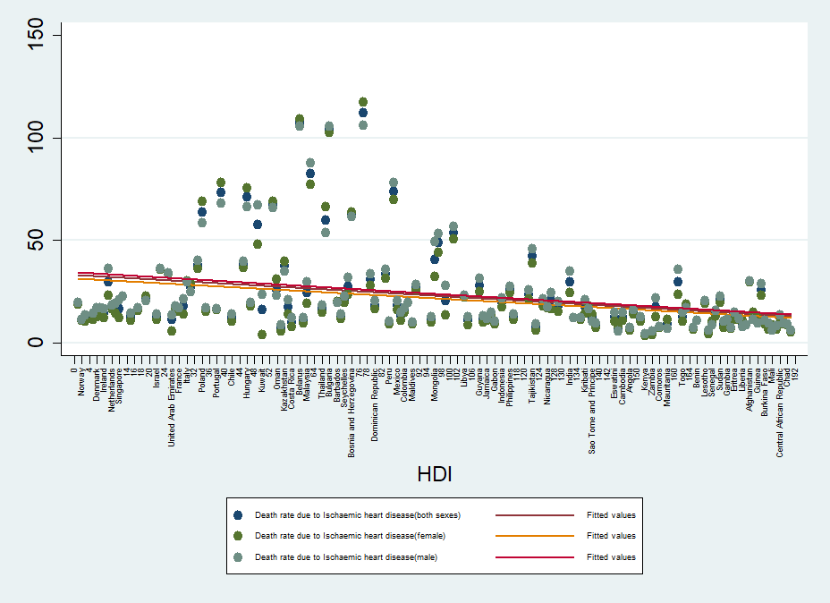
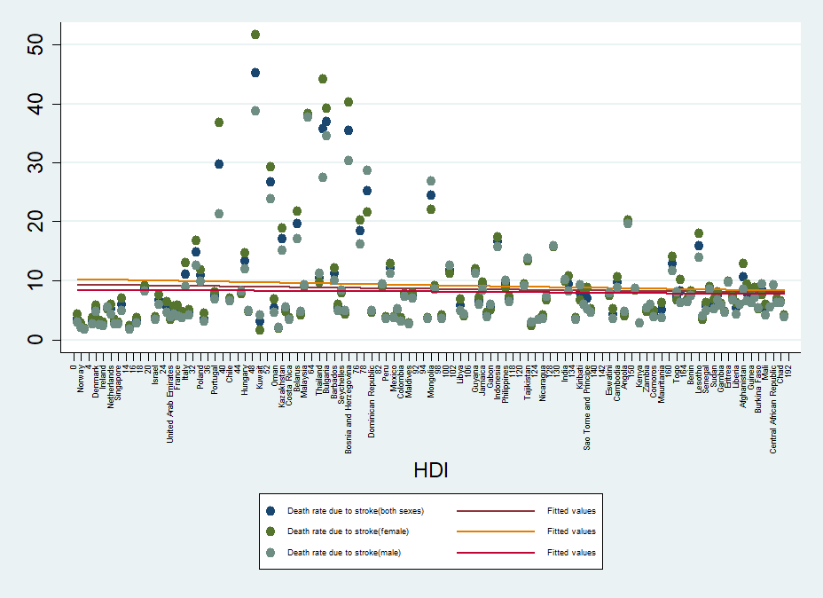
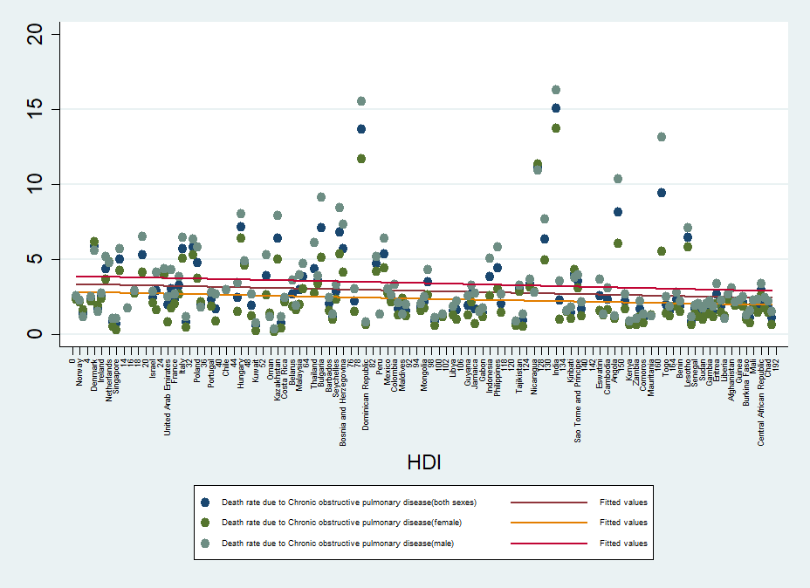
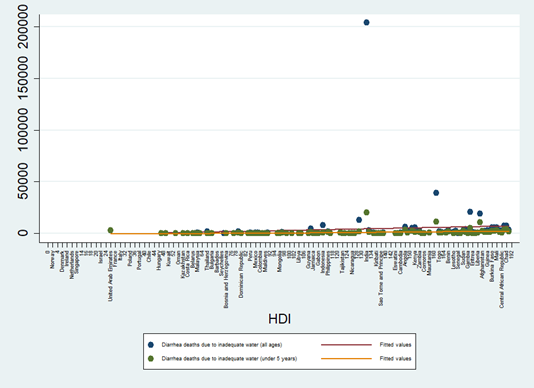
In this part we have ranked all the countries of the world according to the descending order of Human Development Index, and studied the effect of air pollution on Human health, we see that air pollution causes death due to: lower respiratory infections, Trachea, bronchus, lung cancers, ischemic heart disease, stroke, and Chronic obstructive pulmonary disease. We study the effect on both sexes, females and males separately. In the case of water pollution, we have analyzed it across the ages and children below the age of 5 years separately. Here the death rate is Ambient air pollution-attributable death rate (per 100 000 population). We have taken the WHO data for the year 2019, and 2022 population data of the countries. Again, we have similar graphs and findings of which can be looked at together [4, 5] (Figures 7-12).
Main Findings
- The figures interpret how in countries that are ranked high in HDI like Sweden and Norway air pollution affect the death rate due to diseases compared to countries that are ranked low in HDI
- We can see that only in Figure 12 there is a positive relationship. That is countries that are ranked high in HDI have lower death rates due to the health impacts mentioned caused by air and water pollution compared to countries that are ranked low in HDI where the death rates are high (Figures 8 & 9).
- In all the other figures the death rate due to diseases caused by air pollution is higher in countries with high HDI rank like Sweden, Switzerland, Denmark, and Netherlands, etc., and low in countries ranked low like Sudan, and Benin, etc. which is a very contradictory relationship
- Also, among all the health impacts, the death rate due to stroke is high in females compared to males.
- Death rate due to inadequate water is higher for all ages compared to the death rate due to inadequate water under the age of 5 (Figures 10 & 11).
Possible Reasons Behind the Findings
Is ranking the countries according to HDI a good indicator to analyze the effects of air and water pollution?
- Yes, human development has a significant impact on air and water pollution. Economic growth and industrialization have led to an increase in pollution levels, as industries and transportation emit pollutants into the air and water. However, with improved technology and increased awareness, there have been efforts to reduce pollution levels and mitigate their effects.
- Human activities such as burning fossil fuels for energy, transportation, and industrial processes have led to an increase in carbon dioxide emissions. Other pollutants such as particulate matter, nitrogen oxides, and sulfur dioxide are also released into the air from industrial processes, transportation, and burning of biomass.
- Water pollution is also a result of human development. Industrial waste, agricultural runoff, sewage, and improper disposal of hazardous waste all contribute to the pollution of water bodies. This pollution can harm aquatic ecosystems and affect the availability of clean water for human consumption and agricultural purposes.
- However, human development can also contribute to the reduction of air and water pollution. For example, the use of cleaner fuels and energy sources, such as renewable energy, can reduce air pollution. Additionally, regulations and policies can help to limit pollution levels and hold polluters accountable for their actions.
- Why is that in almost cases studied above the death rate due to health impacts cause by air pollution higher in countries ranked high in HDI is more compared to countries ranked low?
- One main reason is the pollution particles emitted by the high ranked countries are not treated accurately. As human development progresses, people move from rural to urban sectors, industries thrive, transportation services increases, goods and services are produced to cater to the increasing population, use of gases increase, which leads to higher air and water pollution causing higher death rates due to diseases caused by pollution.
- Why is that only in Figure 7 death rates due to respiratory infections higher in countries ranked low in HDI compared to countries ranked high?
- Health infrastructure: Countries with lower HDI rankings may have weaker health infrastructure, which can lead to inadequate prevention and treatment of respiratory infections [6, 7].
- Lower Access to healthcare in countries with lower HDI can lead to delayed diagnosis and treatment of respiratory infections.
- Poverty is often associated with poor living conditions, which can increase the risk of respiratory infections.
- Environmental factors, such as air pollution, can increase the risk of respiratory infections. Countries with lower HDI rankings may have higher levels of air pollution, leading to a higher incidence of respiratory infections [8, 9].
- But these are very generic reasons, and cannot be pinpointed to the specific case. Hence further study has to be undertaken to answer this question
Part-3
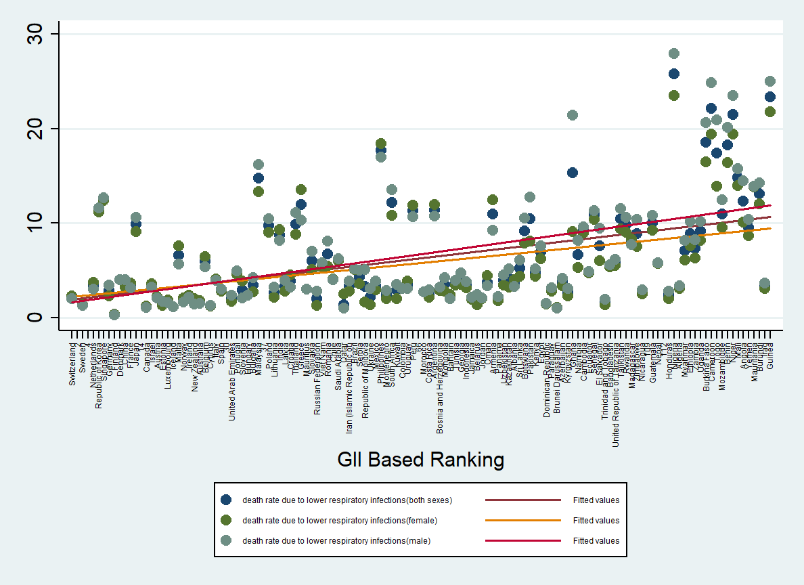
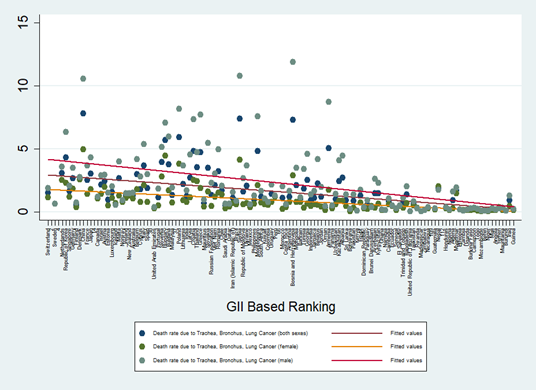
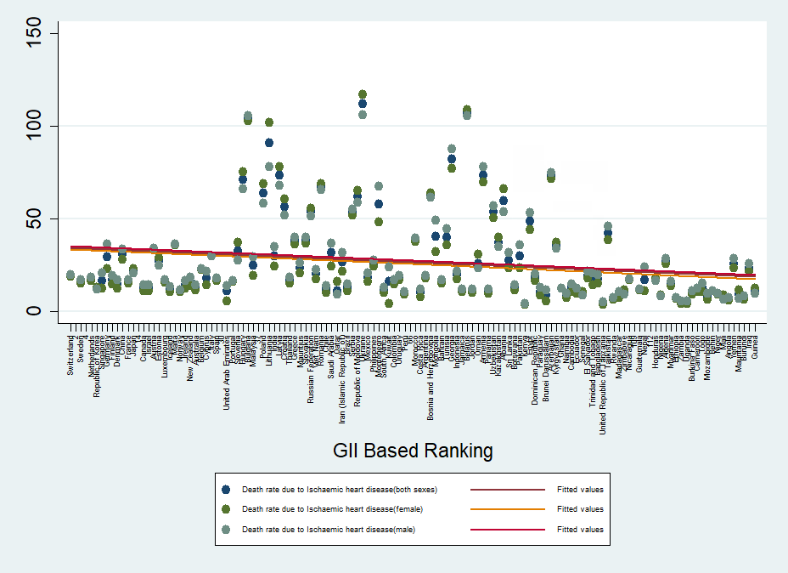
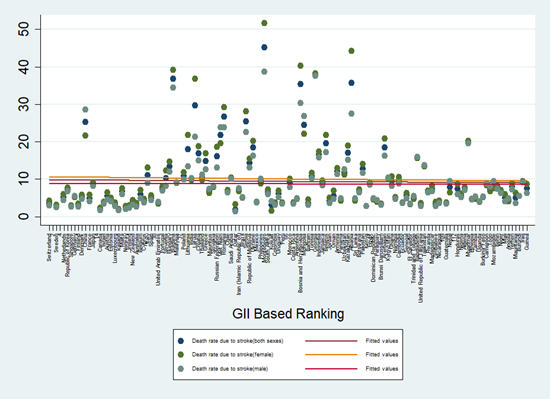
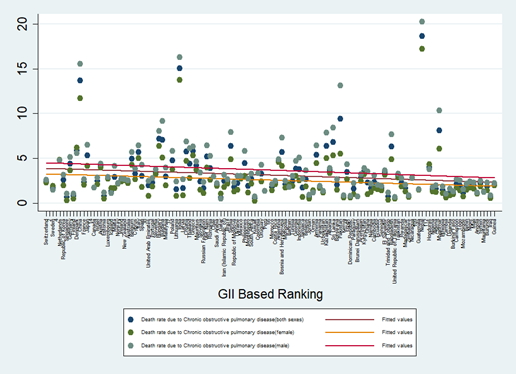
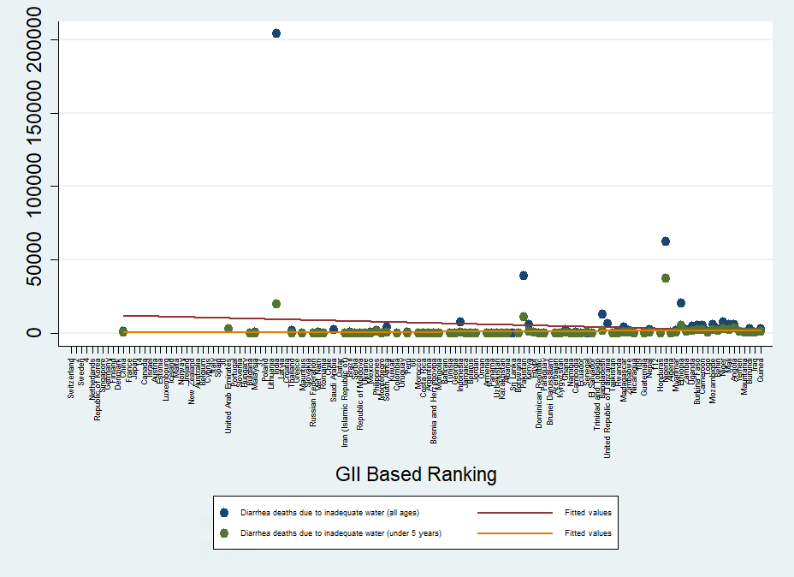
In this part we have ranked all the countries of the world according to the descending order of the Global Innovation Index, and studied the effect of air pollution on Human health, we see that air pollution causes death due to: lower respiratory infections, Trachea, bronchus, lung cancers, ischemic heart disease, stroke, and Chronic obstructive pulmonary disease. We study the effect on both sexes, females, and males separately. In the case of water pollution, we have analyzed it across the ages and children below the age of 5 years separately. Here the death rate is Ambient air pollution-attributable death rate (per 100 000 population). We have taken the WHO data for the year 2019, and World Bank rankings. Again, we have similar graphs, the findings of which can be looked at together [10] (Figures 13-18).
Main Findings
- The figures interpret how in countries that are ranked high in GII like Sweden and Norway air pollution affects the death rate due to diseases compared to countries that are ranked low in GI
- All the other findings are similar to that mentioned in the HDI part following the figures.
Possible Reasons Behind the Findings
Figures 13 & 14 not directly, ranking countries according to the Global Innovation Index (GII) is not a good indicator to analyze the effects of air and water pollution. The GII is an index that measures a country’s innovation capacity and performance, and it considers factors such as research and development, human capital, and creative outputs (Figures 15 & 16). While innovation is important for economic growth and development, it may not necessarily be linked to a country’s level of pollution or its impact on the environment [11, 12]. Figures 17 & 18 Indirectly the country’s innovation capacity and performance include R&D, creative production, and others, for which labor or human capital is required, which in return creates demand and results in a higher population and then, therefore, effects pollution through that channel, i.e., it generates from activities undertaken to produce that creative output, cater to the population, etc.
What are Some Ways through which we can reduce the Carbon Emissions Resulting in Pollution?
Point Sources: Electric power plants
- Emissions taxes
- Emissions quotas Mobile Sources: Cars
- Fuel taxes
- Subsidies on hybrid cars Non-Point Source: Agricultural runoffs into rivers
- Taxes on inputs—fertilizers, pesticides
Conclusion
Pollution can have a significant impact on human health, both in the short term and long term, such as respiratory problems, cardiovascular problems, cancer, diarrhea, etc. The above paper tries to understand the impact of air and water pollution on human health using the Dose-Relationship. Though it is a known fact that economic growth affects pollution, the paper tries to derive a similar relationship between pollution with population, human development activities, and global innovation. The paper goes one step deeper to understand the effect of pollution and health impacts resulting from it in the case of males and females separately and theoretically tries to find the reason behind the same. The paper also separately analyses the impact of diarrhea deaths resulting from inadequate water among children below the age of 5. We find that some indicators have direct relation like HDI and Population whereas the other GII has indirect effects on pollution. Furthermore methods like levying emission taxes and quotas on point sources, taxing inputs like fertilizers and other raw materials, providing subsidies on hybrid cars, providing incentive to firms to use greener ways of production, improving technology to reduce pollution etc. can be some of the ways through which pollution can be reduced. In addition to that cheaper access to health care, health and awareness campaigns to provide information related to pollution related health impacts, better facilities for female (domestic conditions) especially in rural areas, will further reduce the burden of disease. Finally we summarize the paper trying to understand the limitations of the research done and how further can this be extended in future. When talking about limitations one main limitation is that we have just used one indirect indicator which is the GII, whereas there might be various other indirect sources which might result in higher pollution. Similarly, when it comes to water pollution, we have only addressed the case of inadequacy of clean drinking water, but not answered questions related to methods related to spillage of waste, waste water treatments, accessibility cost of water and others. We can extend the study further by pondering over these issues also studying the particulate matter and other polluting agents separately to understand their composition in the atmosphere and there separate impact on health ceteris paribus.
Concluding Note: I would like to extend my sincere gratitude towards Professor Ram Ranjan for constantly supporting me through the idea, and taking out time to give his constant feedback and insights related to the topic.
References
-
Scarborough P, Allender S, Rayner M, Goldacre M (2012) Contribution of Climate and Air Pollution to Variation in Coronary Heart Disease Mortality Rates in England. PLoS ONE 7(3): e32787
-
Chen HL, Knutsen SF, Shavlik D, Beeson LW, Petersen F, et al. (2005) The Association between Fatal Coronary Heart Disease and Ambient Particulate Air Pollution: Are Females at Greater Risk?. Environmental Health Perspectives 113(12): 1723-1729.
-
Koken PJM, Piver WT, Ye F, Elixhauser A, Olsen LM, et al. (2003) Temperature, Air Pollution, and Hospitalization for Cardiovascular Diseases among Elderly People in Denver. Environmental Health Perspectives 111(10): 1312-1317.
-
Air pollution effects (2020) OECD Data.
-
WHO (2023) Indicator 3.9.1: Mortality rate attributed to household and ambient air pollution (per 100 000 population). The Global Health Observatory.
-
(2023) World Development Indicators. DataBank.
-
Li P, Wu J (2019) Drinking Water Quality and Public Health. Exposure and Health 11(2): 73-79.
-
Kampa M, Castanas E (2008) Human Health Effects of Air Pollution. Environmental Pollution 151(2): 362-367.
-
Brumberg HL, Karr CJ (2021) Ambient Air Pollution: Health Hazards to Children. Pediatrics 114(6): 1699- 1707.
-
Borck R, Schrauth P (2020) Population density and urban air quality. Regional Science and Urban Economics 86: 103596.
-
Annesi-Maesano I, Agabiti N, Pistelli R, Couilliot MF, Forastiere F (2003) Subpopulations at Increased Risk of Adverse Health Outcomes from Air Pollution. European Respiratory Journal 21(40): 57s-63s.
-
Hoek G, Krishnan RM, Beelen R, Peters A, Ostro B, et al. (2013) Long-Term Air Pollution Exposure and Cardio- Respiratory Mortality: A Review. Environmental Health 12(1): 43.
- Intersecting Epidemics and Climate Vulnerabilities in Conflict- Driven Displacement: Epidemiology, Systemic Challenges, and One Health Gaps in South Sudan
- Advancing Domestic Health Financing for Community Health System Sustainability in South Sudan: The Boma Health Initiative Model (2025–2035)
- Prevalence and Correlates of Post-Exposure Prophylaxis Uptake among Men Who Have Sex with Men in Kisumu County, Kenya
- Medical, Ethical, and Legal Conflicts Surrounding Euthanasia in Argentina. Its Global Implications
- Knowledge and Attitude on Menstrual Hygiene among Adolescent Girls Studying in Secondary Level in Public Schools of Chitwan District, Nepal
- Biological Efficacy of an Adulticide Mixture (clothianidin + deltamethrin) as an Indoor Residual Spray against Adult Anopheles flavirostris in Palawan, the Philippines