
Macrophages Mediate the Clearance of Hyperosmotic Fragile Erythrocytes in High Altitude Polycythemia
To investigate the changes in erythrocyte osmotic fragility leading to hemolysis and the enhanced phagocytosis of erythrocytes by macrophages in high-altitude polycythemia. Patients with high-altitude polycythemia and healthy volunteers were prospectively enrolled in the Affiliated Hospital of Qinghai University from 2020 to 2022. The number of red blood cells, hemoglobin concentration, bilirubin, unsaturated iron binding capacity, and free hemoglobin were detected to confirm the existence of hemolysis in high-altitude polycythemia. A rodent model of high-altitude polycythemia was constructed, and osmotic fragility tests were performed to detect the osmotic fragility of red blood cells. Flow cytometry, immunohistochemistry, and hematoxylin-eosin staining (HE staining) were used to identify the phagocytic ability of macrophages in the liver and spleen of the animal model to further clarify the mechanism of hemolysis. Patients and animal models of high-altitude polycythemia show increased osmotic fragility of erythrocytes in peripheral blood, leading to hemolysis, and increased compensatory macrophages in the liver and spleen.
Background
High Altitude Polycythemia (HAPC) is defined as hemoglobin (Hb) higher than 210mg/dL in men and 190mg/ dL in women who have lived permanently at an altitude of more than 2500m, according to the criteria of the 6th International Conference on Plateau Medicine in 2004 [1]. It is mainly manifested as the excessive increase of red blood cells, which seriously affects the health of plateau residents [2, 3, 4]. This study found that hypoxia can increase the osmotic fragility of erythrocytes. However, it has not been reported what pathological changes will be caused by the change in the osmotic fragility of erythrocytes. Therefore, this study aimed to further clarify the pathological changes caused by the change of erythrocyte osmotic fragility in HAPC.
Results
Hemolysis Exists in the Peripheral Blood of Patients with HAPC
Compared with the control group, Gansu Tianshui and Qinghai Xining controls, and permanent high altitude (altitude above 4500m) of the HAPC group peripheral blood in the blood samples of red cell count, hematocrit and hemoglobin concentration found HAPC group red blood cells and hemoglobin is significantly increased (Figure 1).
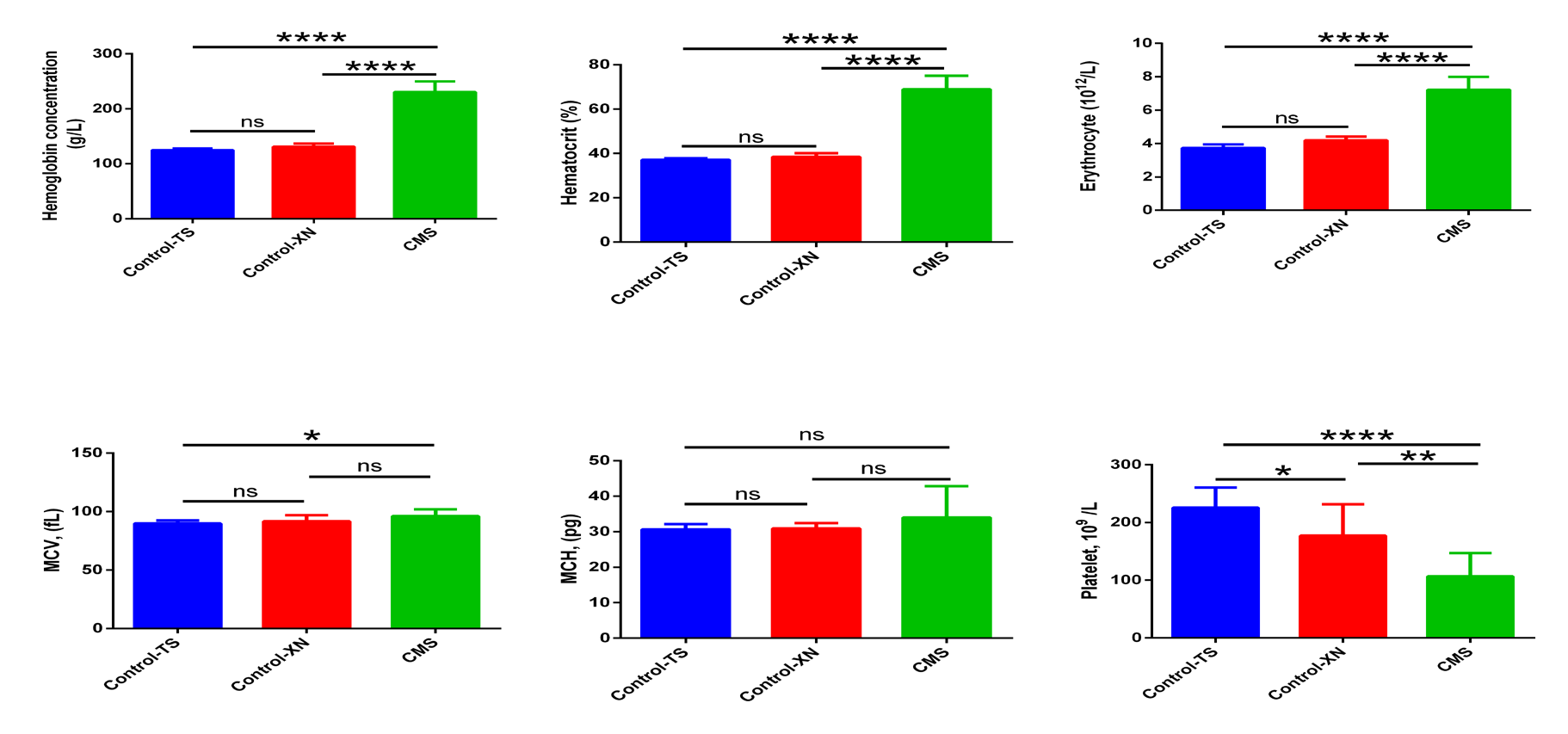
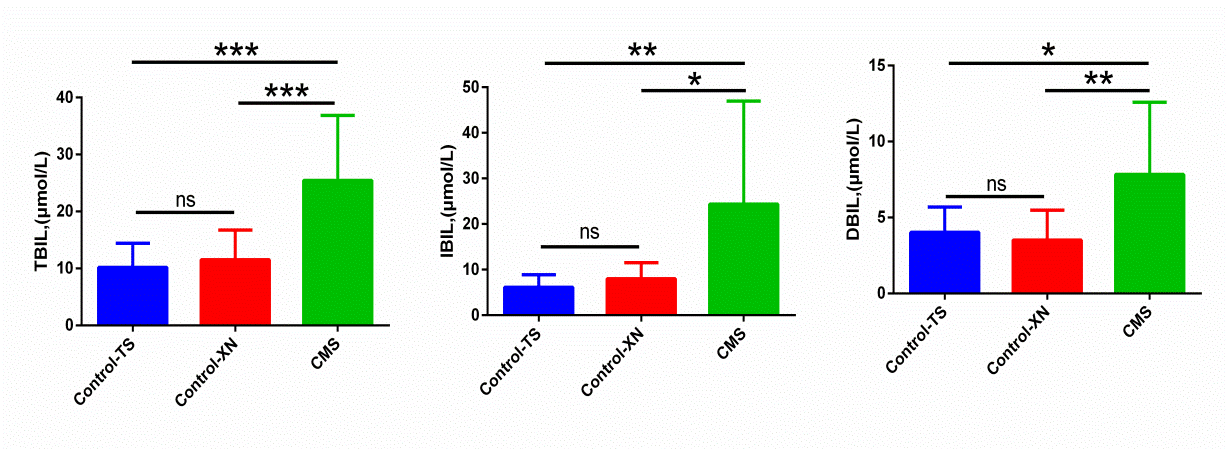
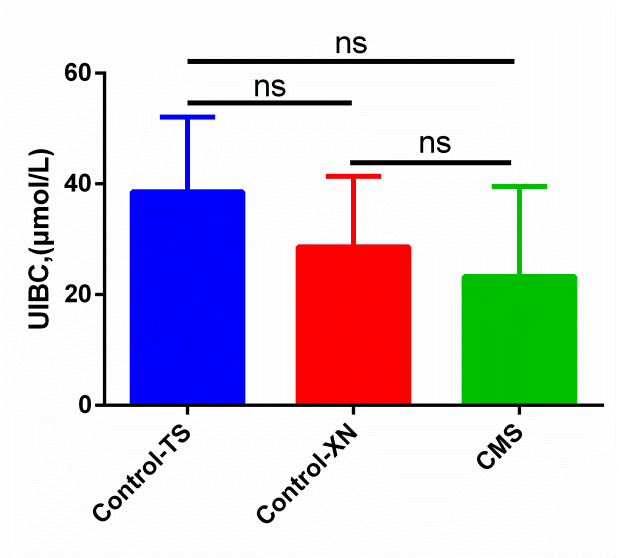
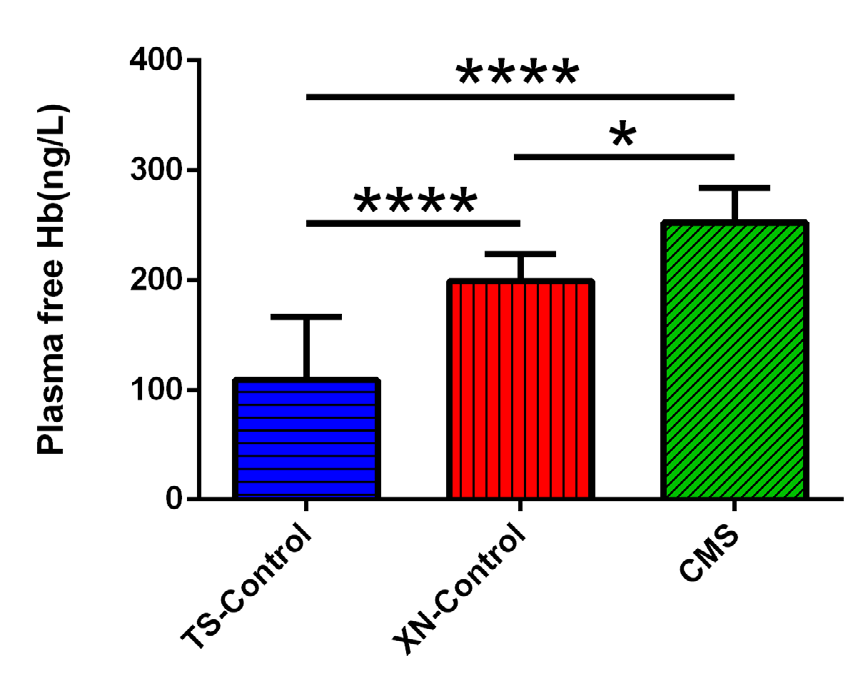
Erythrocytosis may cause red blood cell rupture and hemolysis, so this study determines whether hemolysis by testing whether bilirubin is elevated in the blood. The results showed that the total bilirubin and direct and indirect bilirubin were higher in the HAPC group than that in the control group, indicating the presence of red blood cells in the HAPC group (Figure 2). There was no statistical difference in the unsaturated iron binding force, but the unsaturated iron binding force decreased in the HAPC group, which indirectly indicates that there may be hemolysis, and the hemolysis may be due to the decrease of the unsaturated iron binding force (Figure 3). In addition, the increase in free hemoglobin represented the presence of intravascular hemolysis, and the free hemoglobin in the HAPC group was significantly higher than that in the control group, indicating that the hemolysis was related to the increase in free hemoglobin due to the decrease of unsaturated iron binding force (Figure 4).
Enhanced Phagocytosis by Macrophages Induces Highly Penetrant Brittle Red Blood Cell Hemolysis
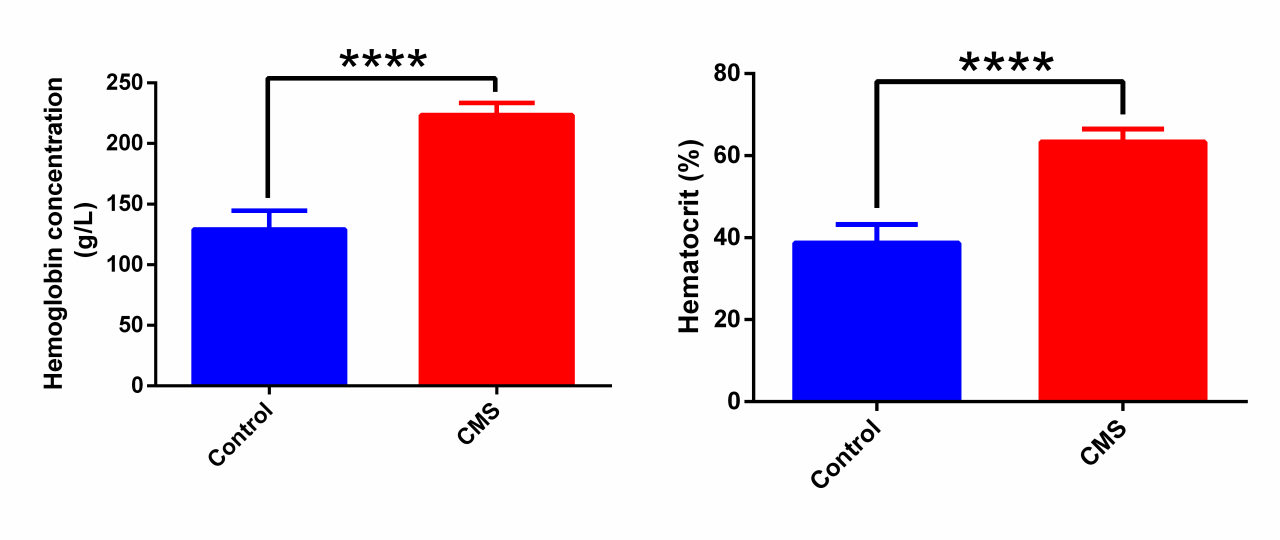
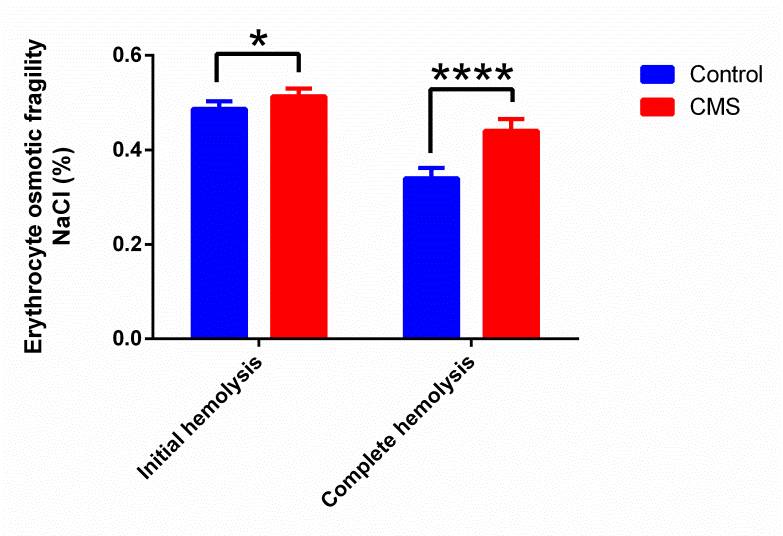
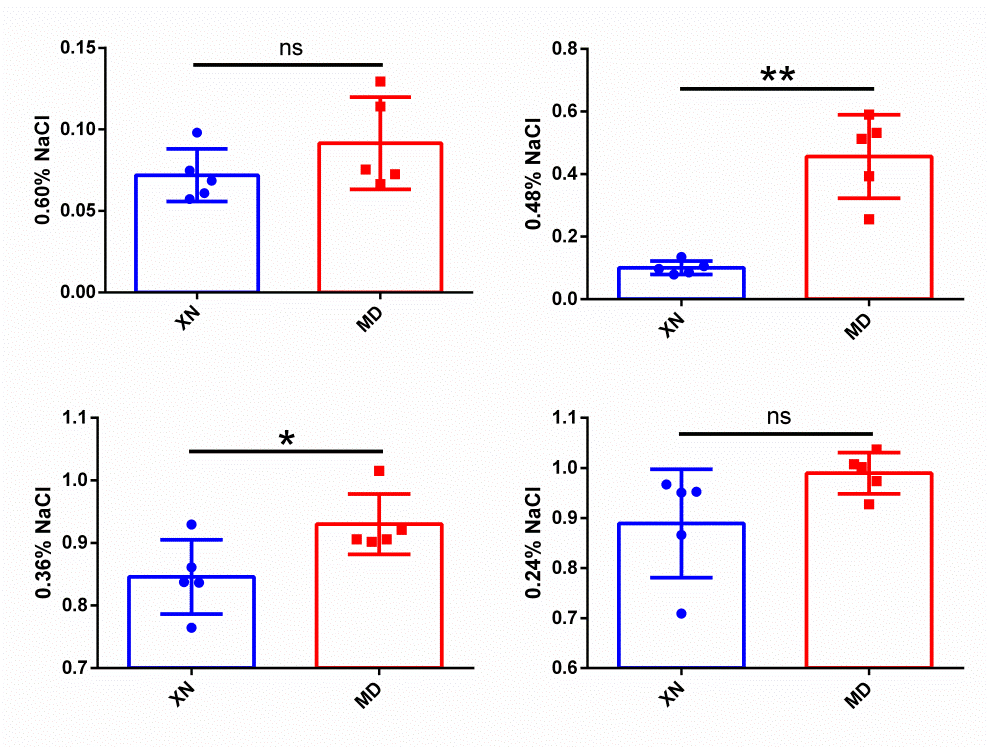
HAPC model rats of the chronic hypoxia group (Maduo County, Qinghai Province, China. altitude of about 4300m) compared with the control rats (Xining, Qinghai Province, China. altitude of about 2261m), the hemoglobin concentration and red blood cell-specific volume of the experimental group were higher than that of the control group (Figure 5). Due to the phenomenon of hemolysis in the HAPC group of clinical samples, the rat blood samples can also be deduced to see whether the permeability fragility of red blood cells is changed. Red blood cells, the phenomenon of swelling rupture in a hypotonic salt solution, is red blood cell permeation fragility. However, red blood cells have a certain resistance to a hypotonic salt solution, and this resistance size can be used as an indicator to measure the permeability and fragility of red blood cells. The experimental results showed that along with the decreasing concentration (%) of sodium chloride (NaCl), the concentration of the complete hemolytic salt solution in the HAPC group was higher than that in the control group. The rate of red blood cells in different low-concentration NaCl solutions was significantly higher than that in the control group, and the fragility of red blood cells was significantly increased, indicating the high osmotic fragility of red blood cells in HAPC patients’ and easy to hemolysis.
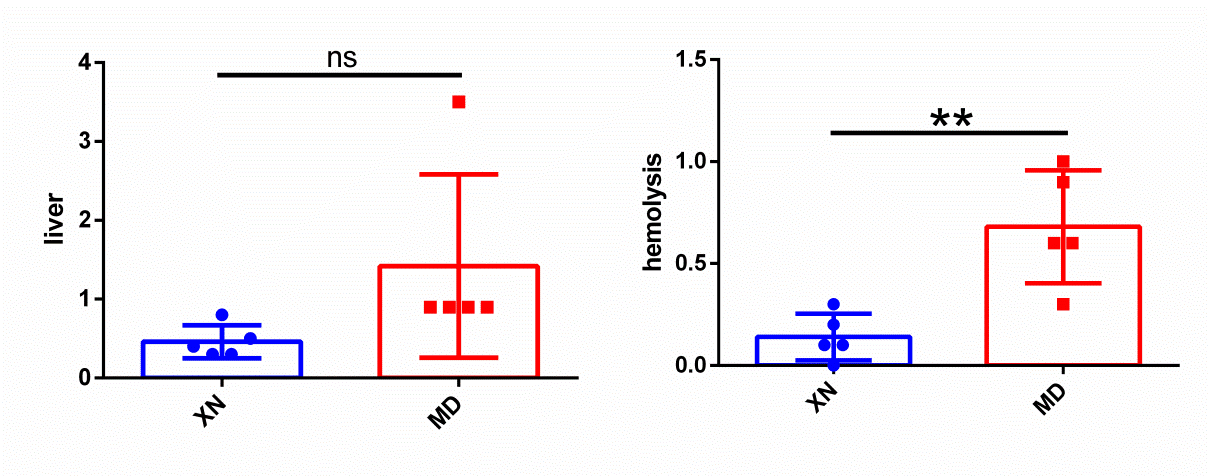
Liver HE staining showed that liver erythrophages in the HAPC group were significantly higher than those in control rats, indicating that the liver increased the ability to destroy red blood cells and the rate of red blood cell clearance increased.
The immunohistochemistry results of the spleen showed that the erythrophages in the HAPC group were significantly higher than those in the control rats, indicating that the ability of red blood cells in the HAPC group was enhanced, and the erythroid clearance rate was also increased.
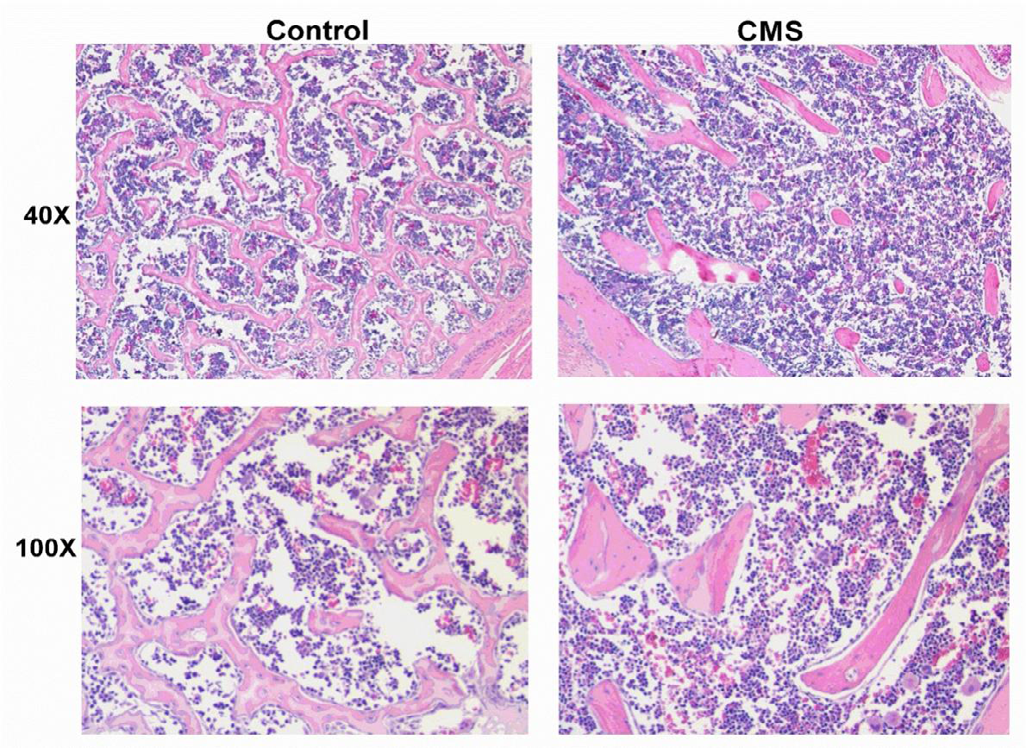
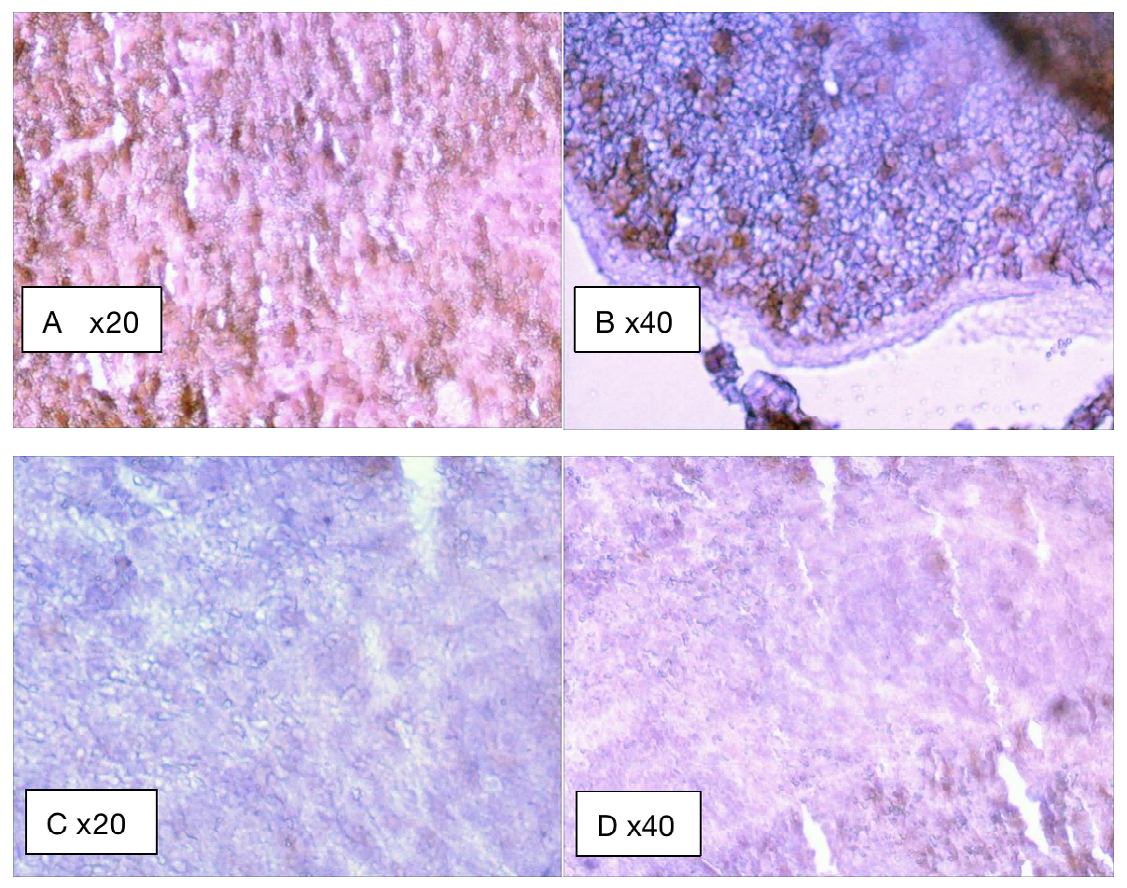
Identification of Erythrophagcells in Mice: Enhanced Secondary Phagocytosis in the Liver and Spleen
In chronic hypoxia HAPC model mice (mice raised for 30 days at 4300m in Maduo County, Qinghai Province), they increased in different concentrations of NaCl salt solution compared with control mice (Xining, at 2261m).
The flow cytometry results showed that the macrophages of the liver and spleen in the experimental group increased significantly, indicating that the secondary phagocytic function of the liver and spleen was enhanced in a chronic low-oxygen environment.
| Concentration % NaCl | XN | MD |
|---|---|---|
| 0.24 | 0.8890+0.4842 - | 0.9893+0.01845 |
| 0.36 | 0.8458+0.2648 - | 0.9300+0.02157** |
| 0.48 | 0.1005+0.009739 - | 0.4566+0.5962* |
| 0.6 | 0.7192+0.007219 - | 0.09160+0.01264 |
Table 1: The penetrant vulnerability of mice in each group was calculated as a percentage of hemolysis.
Data represent the mean + SEM ( n=5 mice per group. *p < 0.05, and ** p < 0.01 vs. Table 1: The penetrant vulnerability of mice in each group was calculated as a percentage of hemolysis.
| XN | MD | |
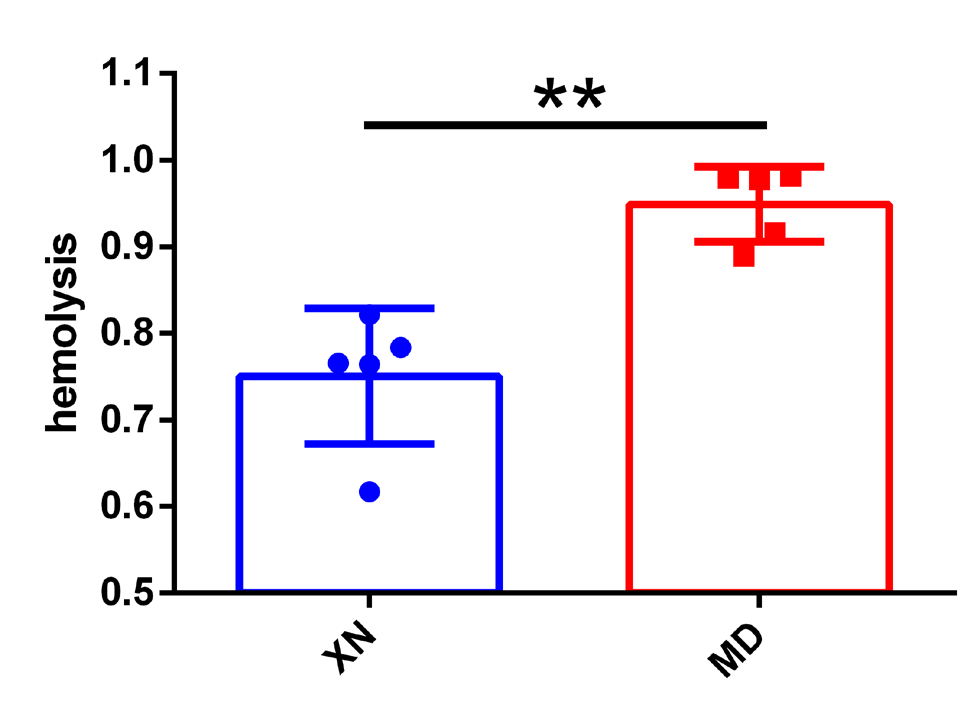
| Vitro hemolysis | 0.07192 + 0.007219 | 0.09160 + 0.01264 ** |
| - | - |
Table 2: In vitro hemolysis values.
Hemolysis is expressed as %. Data Represent the mean + SEM (n = 5 mice per group. ** P < 0.01 vs. XN group. Table 2: In vitro hemolysis values.
Materials and Methods
Materials
Human Participants: This study was approved by the Human Subjects Protection Committee of Qinghai University Hospital and informed consent was obtained from each subject. All the participants lived in Qinghai province at an altitude of 3000-4500m for a long time, and test routine blood examinations to calculate the Qinghai CMS score. 11 male patients with HAPC were included according to the criteria of the 6th International Conference of Plateau Medicine in 2004, with a CMS score of 5 points, and Hb 21g/L was the enrollment criteria. 22 healthy adult normal men (11 from Xining, Qinghai, and 11 from Tianshui, Gansu) were included in the control group, and the control group was healthy patients without any chronic diseases. There was no history of chronic obstructive pulmonary disease, pulmonary infection, asthma, valvular heart disease, congenital heart disease, or hypertensive heart disease. The above specimens are all from the outpatient department, inpatient department, and physical examination center of the Affiliated Hospital of Qinghai University.
In all these cases, patients secondary to polycycytosis, chronic lung disease, pulmonary infection, paroxysmal sleep apnea syndrome, cardiovascular disease, chronic kidney disease, immune-related disease, and neoplastic disease were excluded.
Peripheral Blood Sample Preparation: 5ml of peripheral blood was drawn from the brachial vein of each case and then centrifuged at 3000rpm/min for 15 minutes. then the upper plasma was aspirated and separated into a new centrifuge tube. The isolated plasma samples were quickly put into liquid nitrogen for freezing and then stored in a -
80℃ refrigerator for ELISA experiments.
Animal Model: Male SD rats (10 week-old; weighing 200±20g; n=10 per group) and Male C57BL/6 wild-type mice (10 week-old; n=10 per group) were purchased from Beijing HuFukang Biotechnology Co., Ltd. (Beijing, China; approved No. SCXK (Beijing) 2019-0008).
Rats were randomly divided into two groups (n=10), as were the mice (n=10), experimental and normoxic groups, and standard tap water were provided with laboratory feed for all animals. According to the study of Jin Guoen, et al. [5], After 30 days of hypoxic treatment, a rat animal model of CMS pleocytosis was successfully simulated by the standard of peripheral hemoglobin concentration >210g/L. The high-altitude laboratory is located in Maduo County, Qinghai Province, China, with an average altitude of 4300m, an average pressure of 60.7kPa, and FiO2 in the air, the O2 concentration was 14%. The normoxic group is located in Xining city, Qinghai Province, China with an average altitude of 2261m, an average pressure of 76.2kPa, and FiO2 in the air, The O2 concentration was 17%.
Sample Collection and Processing: SD rats and C57BL/6 mice were anesthetized by inhalation of isoflurane gas. The abdominal cavity was opened and blood was taken from the abdominal aorta and placed into a 5ml centrifuge tube. Routine blood testing was performed using BC-5000 Vet blood cytzer (Mindray Biomedical Electronics, Shenzhen, China) to record the hemoglobin (Hb), hematocrit (Hct), and red blood cell count. Blood samples were subjected to ELISA, permeabilization fragility experiments. Liver and spleen samples were fixed in 4% paraformaldehyde for immunohistochemistry (IHC) and hematoxylin-eosin (HE) staining.
Methods
Experimental Grouping Method: The clinical trial groups were: healthy volunteers in Tianshui, Gansu Province of China (altitude of about 1100m) and Xining, Qinghai Province of China (altitude of about 2261m), and HAPC patients collected strictly according to the inclusion and exclusion criteria.
The SD rats were divided into control and hypoxic groups according to the random number method with 10 animals in each group. The control group was reared in the Xining area (altitude of about 2261m) for 30d, and the HAPC group was reared in Maduo County, Qinghai Province (simulated altitude of 4300m) for the same days.
The mice were divided into a control group and an HAPC group with 10 mice in each group. The control group was reared in the Xining area (altitude at 2261m) for 30d, and the HAPC group was reared in Maduo County, Qinghai Province (simulated altitude at 4300m) for the same days.
Erythrocyte Permeation and Fragility Detection Method: Take 3ml blood samples, centrifuge for 10min with 3000rpm/ min, discard serum and white blood cells, extract 25μl of red blood cell sedimentation, add to the different gradient sodium chloride solution, mix well, centrifuge for 10 min, observe the color changes of each tube, take the supernatant to measure the absorbance value of colorimetric wavelength λ = 540nm. 0.9% sodium chloride solution was used as the blank control, with distilled water as the whole solution control. The transmittance of each tube was measured twice, and each tube was analyzed and compared according to different red cell hemolysis rates.
From the appearance, the upper solution began to appear transparent red and red blood cells at the bottom of the tube, which are the starting blood vessels; the solution is transparent red and the tube bottom is completely free of red blood cells, which are complete blood vessels.
Flow Cytometry: Hepatic macrophages were stained with a LIVE/DEAD Fixable NIR cell staining kit (Invitrogen, L34976) and murine BD Fc Block™ (100μl 1μg/million cells, BD Biosciences 553141) After being precultured at 4℃, Then treated with Pacific Blue anti-cd 45 (5µg/ml, BioLegend 109820), anti-f4/80 APC (5µg /ml, BioLegend 123116) Antibody staining. After cells were fixed with 2% formaldehyde and permeabilized with osmosis buffer (eBioscience, 00-8333-56), the ingested RBCs were intracellular stained with PE anti-ter119 (2µg/ml, Stemcell 60033) antibody. Stained cells were analyzed by LSRFortessa (BD). Data were analyzed using FlowJo and FCS Express 6 (De Novo) software.
Immunohistochemical: 5μm thick spleen was paraffin- embedded, routinely paraffin, ethylenediaminetetraacetic acid (ph9.0) was boiled for 20 min, and endogenous biotin was blocked with 3% hydrogen peroxide for 15 min. As normal goat serum was blocked, all sections were incubated with primary antibody at 4℃ overnight, washed with PBS, and then incubated with the appropriate secondary antibody for 37℃ at 30 min. Sections were incubated with streptavidin- biotin-peroxidase at 37℃ for 30 min and visualized with diamino biphenyl chromo for 5 min using Zeiss Apotome. 2 Color development was observed by a microscope. It was rinsed with tap water, dehydrated with gradient alcohol, decolorized with xylene, sealed with a neutral resin glue, and photographed under a microscope.
Hematoxylin-Eosin Staining Method (HE Staining): 5μm thick liver paraffin-embedded sections, dewaxed xylene, graded alcohol rehydration, stained with hematoxylin and eosin dye, then dehydrated and transparent, and sealed, photographed under using Zeiss Apotome.2 microscope. ELISA: Standards were diluted at concentrations of 900nmol/L, 600nmol/L, 300nmol/L, 150nmol/L, and 75nmol/L, respectively. After addition, 37℃ oven for 30 minutes. Wash 5 times and beat dry. After color development, the absorbance (OD) was measured at 450nm in the microplate reader.
Statistical Analysis
The results were analyzed by SPSS 17.0 statistical software with the mean ± standard deviation (SD; normal distribution). Student’s t-test and Mann-Whitney U test for non-normally distributed data. All tests were two-sided, and P <0.05 was considered to be statistically significant.
Discussion
The high altitude low oxygen environment, such as the Qinghai-Tibet Plateau is a typical low-oxygen environment, and there are many hypoxias in the body caused by diseases, such as chronic kidney disease, and sickle anemia, which will affect the physiological changes of red blood cells [6, 7, 8]. To increase the oxygen supply to the body. To transport more oxygen to the body to ensure sufficient oxygen supply to important organs, the number of red blood cells increases, the life extension, and oxyhemoglobin decrease, and the oxygen dissociation curve moves to the right to release more oxygen [9, 10, 11]. Therefore, polycythemia caused by hypoxia is a compensatory mechanism for the body to resist hypoxia, and the mechanism of this change has been confirmed [12, 13].
In the Tibetan Plateau, the incidence of HAPC ranged from 5% to 18%. HAPC is caused by prolonged altitude hypoxia, characterized by excess production of red blood cells, and patients may also exhibit other symptoms such as headache, dizziness, and thromboembolism [1]. Patients with chronic hypoxia experience multiple circulatory system adaptations, including changes in blood rheology and adaptations to vascular structure and function, to maintain normal blood pressure and vascular shear stress despite high blood viscosity [14, 15].
Erythrocytes can maintain their normal morphology and size in an isotonic 0.9% NaCl salt solution. If the red blood cells are suspended in a series of hypotonic NaCl solutions with decreasing concentrations, water will penetrate the cells under the action of osmotic pressure difference, so the red blood cells gradually expand from the normal double concave disc and become spherical. When the NaCl concentration drops to 0.42%~0.46%, part of the red blood cells begin to rupture and hemolysis, when the NaCl concentration is low to 0.28%~0.32%, all red blood cells have hemolysis. This shows that RBCs are somewhat resistant to hypotonic salt solutions and that those in the same individual are not equally resistant to hypotonic salt solutions. In physiological conditions, senescent red blood cells have a low resistance to low permeability salt solution, that is, high fragility; while early mature red blood cells have high resistance, that is low fragility. Some diseases can affect the fragility of red blood cells.
For example, our research group shows that chronic hypoxia HAPC can cause an increase in red blood cell permeability fragility, which makes the resistance to low permeability salt solution low and more prone to hemolysis. Furthermore, it induced the large removal of highly penetrant brittle erythrocytes by the liver and spleen, triggering hemolysis in the body, indicating that the phenomenon of the increased red blood cells in response to low oxygen is prone to hemolysis, and the mechanism lies in the increased secondary clearance of damaged red blood cells by macrophages. Therefore, the effect of chronic hypoxia on the number and function of red blood cells is particularly important. Understanding the quantitative and qualitative changes of red blood cells in the plateau area is contribute to the diagnosis and treatment of HAPC.
HAPC-related studies show that [14, 15], in the long- term chronic hypoxia state of the body the excessive increase of red blood cells increases the amount of oxygen in the blood state. However, this study found that in HAPC, chronic hypoxia caused increased osmotic fragility of erythrocytes, and then induced the massive removal of highly osmotic brittle erythrocytes in the liver and spleen, and triggered an increase in hemolysis, indicating that the number of erythrocytes would decrease. How these two mechanisms operate to reach or disrupt the dynamic balance of red blood cell numbers is worth our further study. Therefore, clarifying the mechanism of erythrocyte destruction in HAPC and understanding the interaction between various mechanisms are expected to become new targets and new therapeutic means for HAPC therapy in the future.
Conclusion
In high-altitude polycythemia, chronic hypoxia increases the osmotic fragility of red blood cells and then induces the liver and spleen to clear a large number of highly osmotic fragile red blood cells, leading to hemolysis. Therefore, clarifying the mechanism of red blood cell destruction in plateau polycythemia is expected to become a new target for the treatment of plateau polycythemia in the future.
Acknowledgments
I would like to thank the High-Altitude Center of Qinghai University for access to all the required laboratory and experimental devices.
Conflict of Interest
The authors declare no conflicts of interest.
Funding
This work was supported by the Kunlun talent and high- level innovative projects in Qinghai and the Qinghai Science and Technology Department (grant no. 2021-ZJ-961Q).
References
-
(2005) International Association of High Altitude Medicine Expert Panel on Chronic Mountain Sickness. Diagnostic criteria for chronic mountain sickness in Qinghai issued by the Sixth International Congress on High Altitude Medicine and Hypoxia Physiology (in Chinese). Journal of Chinese High Altitude Medicine and Biology 26(1): 3.
-
León-Velarde F, Maggiorini M, Reeves JT, Aldashev A, Asmus I, et al. (2005) Consensus statement on chronic and subacute high altitude diseases. High Alt Med Biol 6(2): 147-157.
-
Leon-Velarde F, Rivera-Ch (2020) Chronic Mountain Sickness. In: Swenson, E, Bartsch P. (eds) High Altitude. Springer New York NY.
-
Gao X, Zhang Z, Li X, Li C, Hao J (2020) Macitentan Attenuates Chronic Mountain Sickness in Rats by Regulating Arginine and Purine Metabolism. J Proteome Res 19(8): 3302-3314.
-
Guo-en J, Hai-xia Y, Lan M (2009) Establishment of an animal model of high altitude polycythemia and analyses of its physiological functional responses to hypoxia (in Chinese). Journal of Clinical Rehabilitative Tissue Engineering Research 13(24): 4713-4716.
-
D’Alessandro A, Xia Y (2020) Erythrocyte adaptive metabolic reprogramming under physiological and pathological hypoxia. Curr Opin Hematol 27(3): 155- 162.
-
Sun K, Zhang Y, D’Alessandro A, Nemkov T, Song A, et al. (2016) Sphingosine-1-phosphate promotes erythrocyte glycolysis and oxygen release for adaptation to high- altitude hypoxia. Nat Commun 15(7): 12086.
-
Sun K, Xia Y (2013) New insights into sickle cell disease: a disease of hypoxia. Curr Opin Hematol 20(3): 215-221.
-
Jensen FB (2009) The dual roles of red blood cells in tissue oxygen delivery: oxygen carriers and regulators of local blood flow. J Exp Biol 212(21): 3387-3393.
-
MacDonald R (1977) Red cell 2,3-diphosphoglycerate and oxygen affinity. Anaesthesia 32(6): 544-553.
-
Balcerek B, Steinach M, Lichti J, Maggioni MA, Becker PN, et al. (2020) A broad diversity in oxygen affinity to hemoglobin. Sci Rep 10(1): 16920.
-
Tang F, Feng L, Li R, Wang W, Liu H, et al. (2019) Inhibition of Suicidal Erythrocyte Death by Chronic Hypoxia. High Alt Med Biol 20(2): 112-119.
-
Mukai N, Nakayama Y, Murakami S, Tanahashi T, Sessler DI, et al. (2018) The potential contribution of erythrocyte microRNA to secondary erythrocytosis and thrombocytopenia in congenital heart disease. Pediatr Res 83(4): 866-873.
-
Tremblay JC, Hoiland RL, Carter HH, Howe CA, Stembridge M, et al. (2018) UBC-Nepal expedition: upper and lower limb conduit artery shear stress and flow-mediated dilation on the ascent to 5,050 m in lowlanders and Sherpa. Am J Physiol Heart Circ Physiol 315(6): H1532-H1543.
-
Tremblay JC, Howe CA, Ainslie, Ainslie PN, Pyke KE (2018) PN UBC-Nepal Expedition: imposed oscillatory shear stress does not further attenuate flow-mediated dilation during acute and sustained hypoxia. Am J Physiol Heart Circ Physiol 315(1): H122-H131.
- Occupational Stress and Mental Health Outcomes Among Police Officers: A Mini Review
- The Experience of Counterproductive Leadership on Mental Health and Impact on Retention in U.S. Marines: A Phenomenological Study
- Nomophobia in the Digital Age: A Study on College and University Students
- Emotional Regulation in Children with Autism and Learning Disabilities
- Antisemitism on American College Campuses and Its Impact on Jewish Students
- Exploring the Role of Empathy in the Associations of Family Functioning and Purpose in Life with Attitude towards Abortion among Undergraduates: A Moderation Analysis