
Phytotherapy of Obesity: A Review of Approaches Related to the use of Traditional Medicine for Obesity
Now, a day’s obesity is a common health issue; it is a grave and persistent disease that can have a depressing effect on our body. Flabby and fatness might be raising the danger of many physical conditions, like heart disease, diabetes osteoarthritis and cancers. In the present days it is approximate more than 300 million overweight people international. Obesity is related to the disorder of lipid metabolism and the enzymes involved in the process of lipid metabolism. So, the lipid metabolism is the main target for the development of anti-obesity drugs. On the other hand, most of the anti-obesity drugs now introvert due to severe adverse effects. That’s why; the naturopathic management for obesity has been extensively recommended from primordial times and attains impact in the current circumstances also. Conventional therapeutic foliage and their dynamicphyto constituents have been used for the handling of fatness and problems derived from obesity. This review mainly emphasis on natural phytoextracts with their mechanism of action and their preclinical investigational replica for advance scientific investigate.
Introduction
Obesity is the most important crisis which is urbanized in planet. Obesity is barely affecting the adults as well as children. Common feature of the obesity is the fat accumulation, which create the negative consequence on health. If the body spending a smaller amount of energy that will be stored in the body in the form of triglyceride in adipose tissue. The BMI >30 is characterize obesity. Obesity is the main causative agent of the various health problems like diabetes, cardiovascular, hypertension, cancer, etc. [1]. The most important reasons of obesity in children and adults are unevenness diet, less physical movement, and sitting behavior [2]. In kids orthopedic inconvenience is also caused due to obesity. Obesity is not a particular disorder but a diverse cluster of situation with numerous causes every one of which is eventually articulated as overweight phenotype. In the last ten years, obesity has greater than before, 12– 20% in men and 16–25% in women [3].
Rationale Connected with the Obesity
In general, obesity is caused by over eating and less bodily movement.
Calories Associated with Obesity
• The power cost of foodstuff is calculated in units recognized like calories. The standard physically dynamic man desires on the subject of 2,500 calories a day to preserve a good physical shape and weight, on the hand standard physically active woman wants about 2,000 calories a day [3].
Be Deficient in of Physical Activity
• Lack of physical activity is the chief factor to origin of obesity. Peoples have profession that grip sitting at a desk foron the whole day, also exercise cars, rather than walking or cycling. For rest, many people have a tendency to watch T.V., browse the internet, always play the game on computer, and infrequently take regular exercise [3].
Genetics
• Some people say that there's no point trying to lose weight because "it runs in my family" or "it's in my genes". There are some rare genetic conditions that can cause obesity, such as Prader-Willi syndrome, there's no reason why most people can't lose weight. It may be true that some genetic traits inherited from your parents – such as having a large appetite – may make losing weight more difficult, but it doesn't make it impossible. In many cases, obesity is more to do with environmental factors, such as poor diet habits learned during childhood [1].
Poor Diet
- Obesity doesn't happen overnight. It develops progressively over time, as a result of poor diet and lifestyle choices, such as:
- Eating large amounts of fast food-that does contain high amount of fat and sugar.
- Drinking alcohol too much-alcohol contains a lot of calories, and people who drink densely are often overweight.
- Eating out a lot-people may be tempted to also have a starter or dessert in a restaurant and the food can be higher in sugar and fat.
- Eating larger amount than we need-people may be encouraged to eat too much if our friends or relatives are also eating large amount.
- Drink large amount of sugary drinks – including soft drinks and fruit juice.
• Comfort eating-if people have low self-esteem or feel depressed; they may eat to make ourself feel better [4, 5].
Risk Factors
Obesity usually reaction from a combination of causes and contributing factors, including:
• Genetics: Our genes may affect the amount of body fat we store, and where that fat is distributed. Genetics may also play an important role in how efficiently our body converts food into energy and how our body burns calories during exercise or physical activities [4].
• Family Lifestyle: Obesity tends to run in their genes. If one or both of our parents are obese, our risk of being obese is increased. That's not just because of genetics. Family members tend to share similar eating and activity habit [6].
• Inactivity: If we are not very active, we don't burn as many calories. With a sedentary lifestyle, we can easily take in more calories every day than we burn through exercise and routine daily activities. Having medical issues, such as arthritis, can lead to decreased activity, which contributes to weight gain [6].
• Detrimental Diet: A diet that have high in calories, lacking in fruits and vegetables, full of fatty food, and laden with high-calorie beverages and oversized portions contributes to weight gain.
• Medical Problems: In some people, obesity can be caused by medical issue, such as Prader-Willi syndrome, Cushing's syndrome and other conditions. Medical issues, such as arthritis, also can lead to decreased activity, which may result in weight gain.
• Certain Medications: Some medications can lead to weight gain if we don't compensate through diet or activity. Some antidepressants, anti-seizure medication, diabetes medication, antipsychotic medications, steroid and beta blockers, these are some drugs which cause obesity.
• Age: Obesity can appear at any age, even in young children. But at some age, hormonal changes and a less active lifestyle increase our risk of obesity. In addition, the amount of muscle in our body tends to decrease with age. This lower muscle mass leads to a decrease in metabolism. These changes also reduce calories needs, and can make it harder to keep off excess weight. If we don't consciously control what we eat and become more physically active as our age, we will likely gain weight.
- Pregnancy: A woman's weight necessarily increases during pregnancy. Some women faced difficulties to lose weight after the baby is born. This weight gain may devote to the development of obesity in women.
- Quitting Smoking: Quitting smoking is often correlate with weight gain. For some people, it can lead to enough weight gain that the person becomes obese. In the long term, however, quitting smoking is still a greater benefit to your health than continuing to smoke [7].
- Lack of Sleep: If people not getting enough sleep or getting too much sleep can cause changes in hormones that increase your appetite. We may also crave foods high in calories and carbohydrates, which can contribute to weight gain.
- Even if we have one or more of these risk factors, it doesn't mean that we are destined to become obese. We can counteract most risk factors through diet, physical activity and exercise, and behavior changes [6].
Complications
If we are obese, more likely to develop a number of potentially serious health problems, including:
- Increased the level of high triglycerides and low high- density lipoprotein (HDL) cholesterol
- Type 2 diabetes
- High blood pressure
- Metabolic syndrome- A combination of high blood sugar, high blood pressure, high triglycerides and low HDL cholesterol
- Heart disease
- Stroke
- Cancer, like; cancer of uterus, cervix, endometrium, ovaries, breast, colon, rectum, esophagus, liver, gallbladder, pancreas, kidney and prostate
- Gallbladder disease
- Gynaecological problems- such as infertility and irregular periods
- Erectile dysfunction and sexual health issues
- Non-alcoholic fatty liver disease, is a condition in which fat builds up in the liver that can cause inflammation or scarring
- Osteoarthritis
- Other weight-related problems that may affect your quality of life include:
- Depression
- Disability
- Sexual problems
- Shame and guilt
- Social isolation
- Lower work achievement [8, 9].
Reasons of Obesity
There are different ways by which we induced obesity like:-
- Diet induced obesity
- Over eating
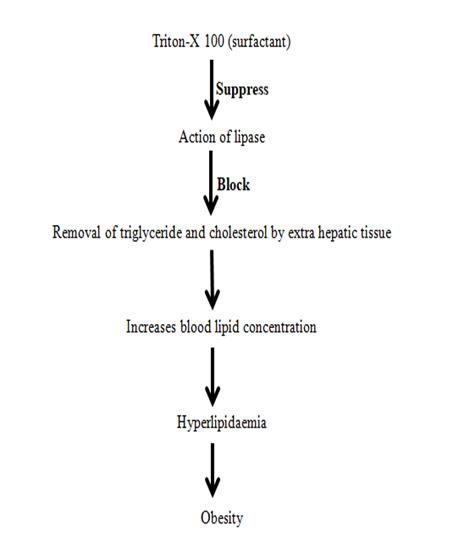
- Drug induced obesity Diet Induced Obesity: Carbohydrates increase blood glucose levels, which in turn stimulate insulin release by the pancreas, and insulin promotes the growth of fat tissue and can cause weight gain. The simple carbohydrates (sugars, fructose, desserts, soft drinks, beer, wine, etc.) contribute to weight gain because they are more rapidly absorbed into the bloodstream than complex carbohydrates like pasta, brown rice, grains, vegetables, raw fruits, etc. and thus cause a more pronounced insulin release after meals than complex carbohydrates. This higher insulin release, some scientists believe, contributes to weight gain [10]. Over Eating: Overeating leads to weight gain, especially if the diet is high in fat. Foods high in fat or sugar (for example, fast food, fried food, and sweets) have high energy density (foods that have a lot of calories in a small amount of food). Epidemiologic studies have shown that diets high in fat contribute to weight gain [1]. Drugs Induced Obesity: Medications associated with weight gain include certain antidepressants, anticonvulsant such as carbamazepine and valproate, some diabetes medications, certain hormones such as oral contraceptives, and most corticosteroids such as prednisone. Some high blood pressure medications and antihistamines medications cause weight gain [6]. Triton-X: Triton X-100 is a non-ionic surfactant which has a hydrophobic polyethylene oxide group and a hydrophobic lipophilic or hydrophobic group covalently bonded to a centered benzene ring [11]. The IUPAC name of Triton-X 100 is Octoxynol-10.
Nitin Kumar, et al. Phytotherapy of Obesity: A Review of Approaches Related to the use of Traditional Medicine for Obesity. Diabetes Obes Int J 2019, 4(3): 000206.
Mechanism of Triton-X 100
Management
Currently overweight or a healthy weight, you can take steps to prevent unhealthy weight gain and related health problems. Some steps to prevent weight gain are the same as the steps to lose weight: daily exercise, a healthy diet, and a long-term commitment to watch what we eat and drink.
Dietary and Lifestyle Interventions
Dietary and lifestyle interventions calculated at decreasing energy intake and increasing energy expenditure through a balanced dietary and exercise program are an essential component of all weight management programs. Diets are based on the metabolism and work by reducing the intake of calories (energy) to create a negative energy balance (i.e., more energy is used than is consumed). Diet programs may produce weight loss over the short term but maintaining this weight loss is frequently difficult and often requires making exercise and a lower-energy diet a permanent part of a person’s lifestyle. Physical exercise is an essential part of a weight management program, especially for weight maintenance. Due to the large size of leg muscles, walking, running, and cycling are the most useful means of exercise for reducing body fat.
Anti- Hyperlipidaemic Drugs
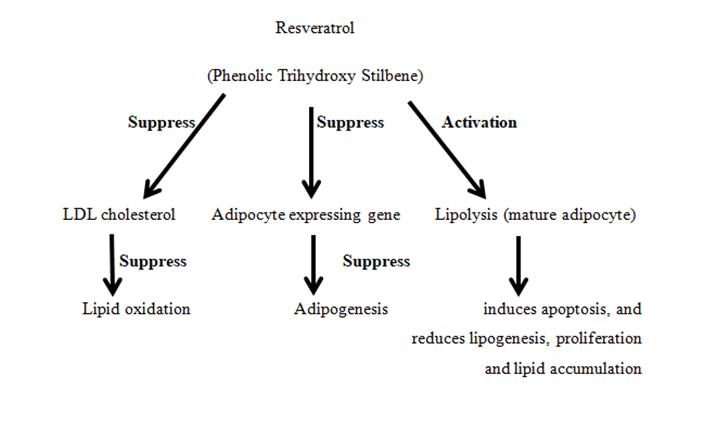
Many of drugs are used for weight loss. The drugs used for appetite suppression were amphetamine, metamphetamine and phenmetrazine (Preludin) and are no longer used in treatment of obesity because of their high potential for abuse. The recent drugs which are available in market are sibutramine (Meredia) and orlistat (Xenical). Sibutramine: It is the serotonin and norepinephrine reuptake inhibitor, which induces decreased food intake and increased thermogenesis. In clinical trials, sibutramine shows a statistical improvement in amount of weight lost. Orlistat: It is a potent and irreversible inhibitor of gastric, pancreatic lipases. It blocks the digestion of approximately 30% of the ingested dietary triglycerides and cholesterol. The most commonly reported side effects include oily stools, soft stool, and increased defecation and decreased absorption of fat-soluble vitamins (A, D, E and K). Liraglutide: It binds to the GLP-1 receptor in areas of the brain involved in appetite regulation, such as the hypothalamus. The use of liraglutide in patients with obesity helps to control appetite, leading to weight loss through decreased caloric intake. Metformin: Metformin is a drug which is mostly prescribed to manage blood sugar levels in people with type 2 diabetes. Metformin can also help in lose weight by reducing our appetite. The weight loss from metformin tends to occur slowly over one to two years. The amount of weight lost also varies from one person to another person [12]. Some herbal drugs are also used to treat or prevent the obesity, Quercetin, Ephedrine, Caffeine, Nicotine, Resveratrol etc. Quercetin: It is a plant pigment (flavonoid). It is found in many plants and foods such as red wine, onions, green tea, apples, berries etc. It also has an antioxidant property. It is used as anti-inflammatory, anti-aging, anti-viral, anti- microbial agents [13]. Ephedrine: Ephedrine is a medication and stimulant. It is often used to prevent low blood pressure during spinal anesthesia. It is also used for asthma, narcolepsy and obesity. It reduces the weight and suppressed appetite [14]. Resveratrol: Resveratrol (trans-3,4',5- trihydroxystilbene) is a non-flavonoid polyphenol, belonging to the stilbenes group and produced naturally in several plants. It exists in two different forms, cis- resveratrol and trans-resveratrol. The trans- resveratrol is relatively stable form. Resveratrol is well known for its health benefits. Resveratrol is obtained from natural Nitin Kumar, et al. Phytotherapy of Obesity: A Review of Approaches Related to the use of Traditional Medicine for Obesity. Diabetes Obes Int J 2019, 4(3): 000206.
sources such as grapes, berries and nuts. Red wine is an excellent source of resveratrol. It can prevent or reduce a wide range of diseases like cardiovascular diseases, cancer and ischemic damage. It also decreases inflammation and oxidative stress, and prolongs the
Mechanism of Resveratrol
lifespan of various organisms. More recently, resveratrol has been reported to improve glycaemic control in animals and subjects showing insulin resistance or diabetes and to prevent obesity [15].
Cardiovascular diseases: Cardiovascular disease includes disorders of the heart and blood vessels, including hypertension (high blood pressure), coronary heart disease (heart attack), cerebrovascular disease (stroke), peripheral vascular disease, heart failure, rheumatic heart disease, congenital heart, and cardiomyopathies.
Aging: Resveratrol treatment can be beneficial for extending lifespan, reduce the aging process by inhibiting skin photoaging caused by UV-B exposure, increase insulin sensitivity. Topical application of resveratrol reduced hyperpigmentation (or suppressed melanin) in UV-B-stimulated guinea pig skin, with a reduction in skin tyrosinase-related protein 2which is necessary formelanogenesis, supporting resveratrol as a potential depigmentation agent for treating hyperpigmentation and skin photoaging [16]. Diabetes: Resveratrol is also used as anti-diabetic medication. Resveratrol decreased oxidative stress in type 2 diabetic patients, streptozotocin induced diabetes, streptozotocin and nicotinamide-induced diabetes, and fructose-fed rat. Resveratrol works by reducing the oxidative stress, resveratrol may have reduced blood glucose and treat diabetes [17].
Nitin Kumar, et al. Phytotherapy of Obesity: A Review of Approaches Related to the use of Traditional Medicine for Obesity. Diabetes Obes Int J 2019, 4(3): 000206.
References
-
Karine Clement, Pascal Ferre (2003) Genetics and the Pathophysiology of Obesity. Pediatric Research 53: 721-725.
-
Sahoo K, Sahoo B, Choudhury AK, Sofi NY, Kumar R, et al. (2015) Childhood obesity: causes and consequences. J Family Med Prim Care 4(2): 187-192.
-
Nammi S, Koka S, Chinnala KM, Boini KM (2004) Obesity: An overview on its current perspectives and treatment options. Nutrition Journal 3: 3.
-
Ali AT, Crowther NJ (2009) Factors predisposing to obesity: a review of the literature. Journal of Endocrinology, Metabolism and Diabetes of South Africa 14(2): 81-84.
-
Gamal AM, Sabrin RM Ibrahim, Ehab S Elkhayat, Riham Salah El Dine (2014) Natural anti-obesity agents. Bulletin of Faculty of Pharmacy, Cairo University 52(2): 269-284.
-
Beyerlein A, Toschke AM, Schaffrath Rosario A, von Kries R (2011) Risk Factors for Obesity: Further Evidence for Stronger Effects on Overweight Children and Adolescents Compared to Normal-Weight Subjects. PLoS ONE 6(1): 1-6.
-
Keith SW, Redden DT, Katzmarzyk PT, Boggiano MM, Hanlon EC, et al. (2006) Putative contributors to the secular increase in obesity: exporing the roads less travelled. Int J Obes 30(11): 1585-1594.
-
Segula D (2014) Complications of obesity in adults: A short review of the literature. Malawi Medical Journal 26(1): 20-24.
-
Kinlen D, Cody D, O’Shea D (2017) Complications of obesity. An International Journal of Medicine 111(7): 437-443.
-
Lakshmi T, Nallanayagam M (2013) Nature’s contribution in the management of Obesity. Int J Drug Dev & Res 5(2): 74-83.
-
Supekar Aarati Ramesh, Kale Aniket Jaysingrao (2015) Anti-Atherosclerosis Activity of Seed oil of Punica Granatum Linn in Triton X-100 induced hyperlipidemic rats. International Journal of Advanced Research 3(10): 1276-1280.
-
Seifarth C, Schehler B, Schneider HJ (2012) Effectiveness of Metformin on Weight Loss in Non- Diabetic Individuals with Obesity. Exp Clin Endocrinol Diabetes 121(1): 27-31.
-
Shuang Chen, Hongmei Jiang, Xiaosong Wu, Jun Fang (2016) Therapeutic Effects of Quercetin on Inflammation, Obesity, and Type 2 Diabetes. Hindawi Mediators of Inflammation 2016: 1-5.
-
Bruno Halpern, Eduardo SL Oliveira, André M Faria, Alfredo Halpern, Maria Edna de Melo, et al. (2010) Drugs Combinations in the Treatment of Obesity. Pharmaceuticals 3(8): 2398-2415.
-
Aguirre L, Fernández-Quintela A, Arias N, Portillo MP (2014) Resveratrol: Anti-Obesity Mechanisms of Action. Molecules 19(11): 18632-18655.
-
Park EJ, Pezzuto JM (2015) The pharmacology of resveratrol in animals and humans. Molecular basis of disease 1852(6): 1071-113.
-
Mozafari M, Nekooeian AA, Panjeshahin MR, Zare HR (2015) The Effects of Resveratrol in Rats with Simultaneous Type 2 Diabetes and Renal Hypertension: a Study of Antihypertensive Mechanisms. Iranian Journal of Medical Sciences 40(2): 152-160. Nitin Kumar, et al. Phytotherapy of Obesity: A Review of Approaches Related to the use of Traditional Medicine for Obesity. Diabetes Obes Int J 2019, 4(3): 000206.
- Investigation of Polymorphisms in PPAR-Ɣ and TRHR Genes and their Impact on Turkish Diabetic and Obese Individuals
- The Impact of Aircraft Noise Exposure on the Efficacy of Empagliflozin Therapy in an Animal Model of Obesity
- Rooibos Mitigates Metabolic and Inflammatory Dysfunctions in Mice Fed a High-Carbohydrate Diet
- Synergistic Effect of Combined Leaf Extract of Vernonia amygdalina, Ocimum gratissimum, and Zingiber officinale Tuber on Phytochemical Profile, Antioxidant Activity, Serum Insulin, and Biochemical Parameters in Streptozotocin-Induced Diabetic Rats
- Investigation of Cardiovascular Responses to Aerobic Exercise in Obese University Students
- A Look at the Phase Angle Obtained by Electrical Bioimpedance