
Functional and Nutraceutical Based Applications of Phytochemicals from Major Cereal Grains
Cereals are the staple food item of Indian dietary and are good sources of calories, protein, micronutrients, dietary fiber and resistant starch, coupled with low glycemic index. Due to all these properties they play a vital role in managing all the metabolic diseases. Whole grain cereals are associated with several health benefits than their processed or refined fractions. Cereals are rich sources of bioactive compounds, polyunsaturated fats like omega-3, linolenic acid, soluble and insoluble fibre, and resistant starches. The presence of phytochemicals in cereals such as phenolic acids, flavones, anthocyanins, lignans, and phytosterols makes them ideal for the formulation of functional foods and nutraceuticals due to their antioxidative, antimutagenic and anticarcinogenic activities. Millets are three to five times nutritionally superior in comparison to widely promoted rice and wheat in terms of macro as well micro nutrients and are considered to be the least allergenic crops and are rich sources of proteins, calcium, phosphorus, iron. A cereal based formulation forms an important part of folk medicine since prehistoric times in China and India due to their nutritive and pharmalogical value and are used in Ayurvedic and Unani system of medicines for treatment of various ailments. Barley acts as a functional food due to its content of so many health promoting components that have shown positive health effect such as β- glucan. The beta-glucans have been approved in many countries as health benefitting soluble fiber due to its role in lowering postprandial blood glucose and the risk of cardiovascular diseases by reducing LDL cholesterol content. The bioactive compounds with widely variations in their chemical structures, properties and functions are often produced in small quantities either as primary metabolites or secondary metabolites such as terpenoids, polyphenols, vitamins, and alkaloid. These compounds are used for the formulation and fortification of functional foods and pharmaceuticals.
Farhan Mohiuddin Bhat*, Mamta Chandel, Nilakshi Chauhan and Yadwinder Singh Dhaliwal
CSK Himachal Pradesh Agricultural University, India *Corresponding author: Farhan Mohiuddin Bhat, CSK Himachal Pradesh Agricultural University, Palampur, HP, India, Tel: 6005570446; Email: farhanbhat999@gmail.com
Introduction
Cereal grains are staple foods sources of the world population and are important sources of nutrients and energy worldwide than any other crops [1]. Cereals are usually consumed as a whole or as an ingredient in food stuffs as a valuable source of proteins, carbohydrates, dietary fiber, carotenoids, B vitamins, and minerals along with phytochemicals including phenolic acids, flavones, organic acids, polyphenols, anthocyanins, sterols, tocopherols, tocotrienols, and phytosterols. The cereal grains provides high energy mainly due to the presence of starch in them but the fat and protein contents also contributed in energy generation. The starch composition in cereals varies from
65 to 75% of their total weight, proteins varied from 6 to 12% and fat from 1 to 5% along with moisture content, cellulose, traces of minerals and vitamins. Cereals are also rich sources of bioactive compounds, polyunsaturated fats like omega-3, linolenic acid, soluble and insoluble fibre, and resistant starches. The presence of phytochemicals in cereals makes them ideal for the formulation of functional foods and nutraceuticals due to their antioxidative, antimutagenic and anticarcinogenic activities [2]. The production of cereals is much greater than other types of crops throughout the world and thus is considered as the staple food crop [1]. Cereals are consumed by as a whole or as an ingredient in different formulation of food choices. Cereals are also fed to livestock and poultry that are usually consumed by human population in the form of meat, dairy and poultry products. Besides these, cereals are widely used in the industrial production of glucose, oils, adhesives, thickeners and alcohols. The nutritional elements in addition of chemical components that are present in small quantities usually in bran and germ part of cereal grains are called as bioactive compounds. These are having beneficial effect on health like antioxidant properties, anti-carcinogenic, antiinflammatory, anti-allergenic, anti- atherogenic and anti-proliferative activity, but are not regarded as essential for the human body [3], wheat, corn, rice, oats, rye, barley, buckwheat, sorghum, and millet as minor grains are the major cereals consumed globally, out of which wheat, corn, and rice are cultivated and produced much larger than other types of cereals [4].
Major Categories of Bioactive Compounds Present in Cereals
The bioactive compounds with widely variations in their chemical structures, properties and functions are often produced in small quantities either as primary metabolites or secondary metabolites such as terpenoids, polyphenols, vitamins, alkaloids [5]. These compounds are used for the formulation and fortification of functional foods and pharmaceuticals. The bioactive compounds are produced in specialized cell types during a particular growth stage and specific conditions that make extraction and purification of these compounds very difficult [6]. Phenolic compounds with one or more aromatic rings and contain one or more hydroxyl groups have been found to possess excellent antioxidant properties and thus protect the body from various degenerative diseases like cancer and coronary diseases [7]. Phenolic acids represent the hydroxylated derivatives of benzoic and cinnamic acid that includes both free and bound forms like p-hydroxybenzoic, protocatechuic, vanillic, capsaicin, ellagic, salicylic, tannic, vanillin, gallic, syringic, p-coumaric, o-coumaric, m-coumaric, caffeic, ferulic, sinapic, chlorogenic acids [8]. Flavonoids belonging to subclasses anthocyanins, flavonols, flavanones, flavones and flavonols are compounds having two aromatic rings joined together by three-carbon linkage. Carotenoids are pigments with more than 600 naturally occurring forms and gives yellow, orange, and red colors to different cereals. The carotenoids are focussing attention nowadays in the formulation of nutraceuticals and functional food due to their pro-vitamin and antioxidant properties. The carotenoids are mainly classified into two classes like carotene (β-carotene, γ-carotene, α-carotene and β-cryptoxanthin) and xanthophylls (lutein, astaxanthin and zeaxanthin). Β-Carotene, α-carotene and lycopene are mainly composed of carbon and hydrogen atoms whereas xanthophylls contain oxygen atoms. Xanthophylls consisting of Lutein, zeaxanthin and astaxanthin contain hydroxyl and keto groups in their structural conformations [9]. Among the carotenoids only β-carotene, γ-carotene, α-carotene and β-cryptoxanthin are converted to vitamin A (retinol). Carotenoids are considered best for their ability to scavenge free radicals by quenching of reactive oxygen species singlet oxygen, hydroxyl radical and superoxide anion. Among carotenoids lycopene has been found to retain higher antioxidant capability than β-carotene and lutein. The in-vivo antioxidant capability of carotenoids is mainly attributed for their ability to inhibit lipid peroxidation by extinguishing singlet oxygen. The antioxidant activity of β-Carotene has been found to be higher than vitamin E and vitamin C against the singlet oxygen radicals [10]. Β-carotene is regarded as a potent antioxidant for their role in preventing liver damage from toxic effects of drugs, photoprotective effects and anticarcinogenic activity whereas α-carotene has been found to be best for reducing the risk of cardiovascular disease and cancer. Β-Cryptoxanthin is more bioefficacious than α-carotene due to its bipolar nature along with its ability in reducing the risk of lung cancer. The carotenoids Lutein and zeaxanthin are stored in the retina and eyes of human body. Higher intake of these carotenoids leads to more than 20% reduction of cataract and 40% of age related macular degeneration [11]. Astaxanthin possess 10 times higher antioxidant activity than β-carotene and 500 times greater than vitamin E [12]. It also prevents the body from various toxic radicals, Ultra violet effects, LDL-cholesterol damage and tumours.
| Compound | Compound Class | Sources |
|---|---|---|
| Luteolin-7-O-rutinoside | Flavonoid glycoside | Wheat, Rice |
| Ferulic acid hexose derivative | Hydroxycinammic acid derivative | Rice, Whaet, oats |
| Proanthocyanidin trimer | Flavonoid | Rice, Maize |
| Epigallocatechin- 3-O-gallate | Flavonoid | Rice, oats, Maize |
| 2’’-O-pentosyl-8-C-hexosyl-apigenin | Flavonoid | Rice, Maize |
| p-Coumaroyl glucose | Hydroxycinammic acid derivatives | Wheat |
| p-hydroxybenzoic acid | hydroxybenzoic acid derivatives | Rice, Wheat |
| Quercetin-3-O-(6-acetyl) glucoside. | Flavonoid | Rice |
| (epi)-catechin | Flavonoid | Rice, Wheat, Oats |
| Ellagic acid | Phenol | Rice, Wheat |
| Luteolin-7-O-glucoside | Flavonoid glycoside | Rice, Wheat, Maize |
| Caffeic acid | Hydroxycinammic acid | Rice, Wheat |
| Cyanidin-3-O-galactoside | Anthocyanin | Rice, Wheat, Maize |
| Myrecitin | Flavonoid | Rice, Wheat |
| dicaffeoyl-protocatechuic acid diglucoside | hydroxybenzoic acid derivatives | Rice, Maize |
| Cyanidin-3-O-rutinoside | Anthocyanin | Rice, Wheat, Maize |
| ProcyanidinB1 | Flavonoid | Rice, Wheat |
| Phloretic acid | Phenol | Rice, Wheat, Oats |
| Pelargonidin-3-O-diglucoside | Anthocyanin | Rice, Wheat, |
| Luteolin | Flavonoid | Rice, Wheat, Oats, Maize |
| Thymol | Phenol | Rice, Wheat, Maize |
| Quercetin-3-O-rhamnoside | Flavonoid | Rice, Wheat, Oats |
| Apigenin | Flavonoid | Rice, Wheat, Oats, Maize |
| apigenin-6,8-di-C-glucoside | Flavonoid | Rice, Wheat, Oats |
| (E)- Coniferaldehyde | Phenol | Rice, Wheat, Maize |
| Chlorogenic acid | Phenol | Rice, Wheat, Oats |
| Quercetin-3-O-rutinoside | Flavonoid | Rice, Wheat, Oats |
| p-Coumaric acid | Hydroxycinammic acid | Rice, Oats, Maize |
| Dicaffeoylquinic acid | Hydroxycinammic acid | Rice, Wheat, Oats |
| Luteolin-7-O-glucoside | Flavonoid | Rice, Oats |
| Quercetin hexoside | Flavonoid | Rice, Wheat, Oats |
| Apigenin-7-O-glucoside | Flavonoid | Rice, Maize |
| Quercetin-3-O-galactoside | Flavonoid | Rice, Oats |
| Pelargonidin-malonylrhamnoside | Anthocyanin | Rice, Wheat, Maize |
| Tricaffeoyl-hydroxyferulic acid | Hydroxycinammic acid derivative | Rice, Oats, Wheat |
| Dihydrogallic acid derivative | hydroxybenzoic acid | Rice, Wheat, Oats |
| Ellagic acid deoxyhexoside | Phenol | Rice |
Table 1: Major Categories of Bioactive Compounds Present in Cereals.
Functional and Bioactive Potential of Majorly Grown Global Cereals
Maize contains antioxidant rich carotene, xanthophylls, vanillic acid, ferulic acid, anthocyanins, phytoesterols, pantothenic acid and vitamins E, C and K [13]. These antioxidant rich compounds in maize have been to possess notable nutraceutical properties and health benefits including anti-obesity, anti-hypertensive, anti- prostatic, anti-fatigue, anti-inflammatory, and prevention of neurodegenerative disorders, anti diabetic and anti- carcinogenic activities [14]. The carotenoids prevalent in most of the yellow maize kernels have been found to be lutein, zeaxanthin, α and β cryptoxanthin while as lavorr- 3-glucoside, lavorr-3, 5-diglucoside, pelargonidin, and peonidin-3-glucoside are the major anthocyanins found in pigmented blue, red, and purple colored maize kernels [15]. Flavonoids being an important class of polyphenols comprise more than 4000 compounds in different types of corn varieties. The major class of flavonoids in corn have been found to be kaempferol, morin, rutin and quercetin. Corn has been found to contain thiamine that has been found to boost memory and neuronal health. The flavonoids in corn possess antibacterial, antiviral, antimicrobial, diuretic and hypertensive properties [16]. Xanthophylls in maize play an essential role in enhancing eye health by reducing the risk of age-related macular degeneration in optical muscles [17]. The presence of provitamin A carotenoids and xanthophylls in maize varieties have been found to be beneficial for the alleviation of vitamin A deficiency and oxidative stress.
Wheat is a rich source of bioactive phytochemicals including phenolic acids, tocopherols, carotenoids, phytosterols, alkylresorcinols, benzoxazinoids, and lignans. That has been associated with reduction of chronic health complications like type 2 diabetes, neurological disorders, cataracts, cardiovascular diseases, atherosclerosis and cancer. The highest concentration of bioactive phytochemicals are mostly concentrated in germ and bran fractions of the grain. Alkylresorcinols in wheat bran has been shown to inhibit platelet binding to fibrinogen, thereby stimulate thromboxane production and prevent triglyceride formation [18]. The most abundant phenolic acid in wheat grains has been found to be ferulic acid along with smaller concentrations of p-hydroxybenzoic, vanillic, syringic, p-coumaric, salicylic, and sinapic acids [19]. About 80% of the phenolic acids in wheat grains are found in insoluble bound form in the bran fraction. The carotenoids Lutein and zeaxanthin are mostly predominant in whole wheat, with concentrations ranging from 0.5–1.44 and 0.2–0.39 µg/g of grain along with lower concentrations of β-cryptoxanthin. All of these components are having potential health benefits by inhibiting cholesterol biosynthesis thereby lowering LDL cholesterol levels along with increasing iron absorption in the human body [20]. The carotenoids are present in highest amount in the germ of the grain followed by the bran and endosperm fractions. The bran of wheat grain is an essential source of bioactive Ferulic acid that contributes antioxidant activity by the electron donation and hydrogen transfer to free radicals. In addition to ferulic acid, wheat grains also contains hydroxycinnamic acids coumaric, syringic, sinapic, salicylic and caffeic acid that are also having antioxidant activity [21]. The bran and germ of wheat grains exhibit beneficial positive effects to gut microbiota by providing indigestible fibers, resistant starch and nonstarch polysaccharides (β-glucan, inulin and arabinoxylans) and phenols that are metabolized by the residing microbiota and thus are having positive health benefits especially on gastrointestinal tract including diverticular disease, constipation and irritable bowel syndrome [22]. The significant bioactive compounds in wheat grains are phenolic compounds, beta-glucan, lignans, phytic acid, inositols and betaine that promotes its formulation for the development of functional foods. All of these components are associated with prevention of several diet and age- related diseases like increase in blood cholesterol, glycemic index, digestive and cardiovascular health, colon and breast cancers [23]. Majority of the bioactive compounds having antioxidant properties remain in bound form in the wheat grains that survive gastrointestinal digestion. Only 0.5% - 5% of the ferulic acid has been observed to be absorbed in the small intestine and this typical phenolic acid in wheat played an important role in the protection of the colon cancer [24]. The bran and germ fractions of the wheat grain were found to retain phytosterols, whileas steryl ferulates are mainly found to be present in the bran [25]. The higher concentration of pelargonidin and peonidin derivatives in pigmented wheat genotypes coupled with their excellent antioxidant properties makes them suitable for the development of functional foods. The phenolic compounds feruloyl oligosaccharides in wheat bran has been reported to protect human erythrocytes from free radical-induced oxidative damage [26].
Traditional cereal based formulations forms an important part of folk medicine since prehistoric times in China and India. These Traditional landraces possess nutritive and pharmalogical value and could be used in Ayurvedic and Unani system of medicines for treatment of various ailments. The traditional cereals have become a part of China’s cultural heritage and have received widespread popularity throughout the world [27].
An increased interest and attention are being paid to by both government and scientific bodies to reveal the various health-promoting benefits of these traditional cereals that could prove beneficial in relieving a number of chronic diseases. The cereals have been found to be rich source of phenolic and flavonoids [28]. These polyphenols act as reducing agents due to their ability to donate hydrogen atoms, also act as singlet oxygen quenchers and free radical hydrogen donors and because of these properties, they have protected the cell constituents against oxidative damage. The antioxidant properties of phenolics have been reported in epidemiological studies as anti-carcinogenic and prevent cardiovascular and nerve diseases [29].
Rice is the second largest cereal grain grown after maize that is consumed by majority of world population as their staple food [30]. Rice is mainly consumed in milled form as white rice. However, rice available in the form of pigmented rice have reddish, purple or even blackish colour. The main component of the rice is the starch present in the endosperm of the rice kernels. Starch consists of two main polymers amylose (AM) and amylopectin (AP), which determines the functional role of starch in the various food and non-food industrial application such as a thickening and binding agent, gelling and filling agent, emulsifier, clouding agent, photographic paper powder, in confectionary as sugar coating, in cosmetics as a dusting powder and expedient for pharmaceutical tablets [31]. The basic attributes associated with rice starch which preferred it over other cereal and non-cereal starches are non-allergenic , easy digestibility, bland lavor, small granule (3-10 μm), white colour, more acid resistance, greater freeze –thaw stability of pastes and a wide range of amylose/amylopectin ratios [32]. Pigmented rice consumption is rapidly increasing among the consumers due to their healthy prospective and considered as functional food ingredients. There are red and black paddy varieties which have about 38% more protein, about 18% more crude fiber and are richer in lysine, vitamin B1 and other minerals as compared to conventional rice varieties. In addition to good quality protein, high fiber content, and vitamin content, pigmented rice varieties are having functional properties due to the antioxidant compounds they contain and have the ability to inhibit the formation of reactive cell-damaging free radicals. Anthocyanin located in the bran layers of the rice kernel have been reported as a health promoting functional food ingredients, which possess anticancerous, antioxidant activity and anti-inflammatory property [33]. Keeping in view the several health benefits associated with anthocyanins, such as anti-inflammatory, anti-oxidative, and anticancer effects, pigmented rice is considered as a functional food and food ingredient in many Asian countries. Greater interest has been shown in these rice cultivars recently due to the polyphenols in this rice that are having multiple biological activities. These phenolic compounds have been found to consist of anthocyanidins, ferulic acid and diferulates, anthocyanins, and polymeric proanthocyanidins (condensed tannins). Phenolic acids are mainly present in the bran layers of riceexisting as free, conjugated, and bound forms. The bound phenolics present in rice bran amounted to more than 70% of the total phenolic and are having a higher antioxidant capacity than free phenolics. Pigmented rice varieties contain antioxidative compounds that are having the ability to inhibit the formation or to reduce the concentrations of reactive cell-damaging free radicals and thus have the potential to promote human health. These observations suggest that pigmented non polished rice varieties may have beneficial effects in the human diet. The application and incorporation of bran into food products for the preparation of functional foods is increasing due to presence of bioactive compounds. The superior antioxidant activities in pigmented bran and non-pigmented Gull zag could be attributed to their greater amount polar phenolic compounds such as thymol, quinicquinic-cafeic acid ester, tricafeoyl-hydroxyferulic acid, and Chlorogenic acid [34].
Barley (Hordeum vulgare L.) is the world’s fourth-largest cereal grain produced after wheat, rice, and corn, which could be classified into hulled barley and hull-less barley according to the presence or absence of the husk on the grain [35]. Approximately three-quarters of the worldwide barley production is used for animal feed, while 20% is malted for use in alcoholic and non-alcoholic beverages and 5% is used as a component in the production of so many food products [36]. It is available in different varieties such as hulled, hull- less, normal, waxy barley as well as low and high β-glucan barley. In India, its utilization as a food crop is restricted to the tribal areas of hills. The barley products have been used in ayurvedic medicinal form for treatment of various ailments, like “Sattu” that is consumed in summers because of its cooling effects on the human body [37].
Generally, Barley acts as a functional food due to its content of so many health-promoting components that have shown positive health effect such as β- glucan. These special characteristics of barley enable its use in the formulation of various kinds of functional foods. With the changing lifestyles and increasing urbanization, diseases like coronary heart disease, diabetes etc., are on the rise all over the world. Changes in dietary habits are one of the effective manners suggested preventing these diseases. Besides this, in the past few years, it has been shown that inclusion of nutraceuticals such as soluble dietary fibers can help in controlling the blood cholesterol and glucose levels besides providing benefits to gut health. Barley grains possess higher amounts (3-7%) of dietary fiber called beta-glucan. The beta-glucans have been approved in many countries as health benefitting soluble fiber due to its role in lowering postprandial blood glucose and the risk of cardiovascular diseases by reducing LDL cholesterol content [38].
The low incidence of hyperlipidemia and diabetes in the Tibetan population has been associated with the consumption of hull-less barley. The complex carbohydrates present in barley ensures slow release of glucose upon digestion into the bloodstreams thereby resulting in lowering glycemic index and thus is essential for patients suffering from diabetes [39].
The used of cereals in traditional health care systems has been in practices from centuries ago and numerous cultures throughout the globe still rely on these traditional cereal based formulations for their primary health care. Owing to recent advances done in plant sciences, there has been a tremendous increase in the use of these cereals and products derived from such cereals in both developing as well as developed countries for treatment of various ailments [40].
| Bioactive compounds | Chemical Structures | Mode of Actions |
|---|---|---|
| Cyanidin | An anthocyanin sub component having anti- diabetic, anti-inflammatory, anti-oxidant properties, anticarcinogenic activity, vasoprotective and anti- diabetes effects | |
| Anthocyanins | Anthocyanins being member of the flavonoid group of phytochemicals are having ability to protect against a number of human diseases. Anthocyanins provide protection from DNA cleavage, estrogenic activity, enzyme inhibition, boosting production of cytokines, anti-inflammatory activity, lipid peroxidation, decreasing capillary permeability and fragility, and membrane strengthening | |
| Gallic acid | Gallic acid is classified as a phenolic acid and is the most popular of trihydroxybenzoic acids. Gallic acid has been found to possess biological activitites like anti-inflimatory, anti microbial, anti-obesity and anticarcinogenic properties. | |
| Terpenes | The terpenoids presented in essential oils are able to modulate significantly immune response of phagocytes and monocytes. Besides, terpenes have the ability to counter neuro-inflammationby inhibiting nuclear factor kappa-light-chain-enhancer of activated B cells. | |
| Quercetin | Quercetin is a flavonoid that possesses antioxidant and anti-inflammatory properties and reduces swelling, kill cancer cells, control blood sugar, and help prevent heart disease. | |
| Flavonoids | Flavonoids such as apigenin-6-C-β-l-fucopyranoside and apigenin-6-C-(2′′-O-α-l-rhamnopyranosyl)-β-l- fucopyranoside possess anti-inflammatory activity with positive inhibitory potential againstedema formation and myeloperoxidase activity. | |
| Phenolics | Phenolics can interfere with the oxidative cycle thus inhibiting or slowing the degradation of bio polymers. In Podicarpusspp., totarol is effective as a topical anti-inflammatory agent and is commercially need at present. | |
| Alkaloids | Alkaloids showed positive inhibitory effect with inflammatory cytokines and inflammatory mediator. | |
| Saponins | Saponins have been shown to exhibit antivirus properties that are the major causes of fever. | |
| Amino acids | The ordered amino acids are then linked by enzymatic action to form a protein and regulate the expression of anti-inflammatorycytokines. | |
| Hydroxycinnamic acids | Hydroxycinnamic acid derivatives are important class of polyphenolic compounds such as cinnamic acid, p-coumaric acid, ferulic acid, caffeic acid, chlorgenic acid, These phenolic compounds possess potent antioxidant and anti-inflammatory properties and are having potential therapeutic benefit in diabetic and hyperlipidemia patients | |
| Hydroxybenzoic Acid | Hydroxybenzoic acids are capable of inhibiting α-amylase and α-glucosidase, enzymes responsible for breaking down complex carbohydrates, thus preventing from increase in glycemic index. | |
| B-Carotene | B-Carotene converts Beta Carotene into vitamin A that is a vital nutrient for vision. It also plays an important role in cell growth and in maintaining healthy organs like the heart, lungs, and kidneys |
Table 2: Bioactive compounds and their functional attributes in treatment of ailments.
Extraction of Bioactive Compounds from Cereal Grains
Bioactive compounds are gaining more popularity due to their antioxidant and medicinal properties. Due to which there is tremendous exploitation of bioactive compounds in formulation of different functional foods, chemical, nutraceuticals and pharmaceutical industries. The phenolics compound in cereals are mainly categorised into benzoic acid or cinnamic acid derivatives, while as ferulic acid has been found to be the major phenolic acid concentrated mostly in the outer layers of cereals [41]. The presence of these bioactive compounds like phenolics compound, tannins, and carotenoids in cereals contributed in antioxidant activities of cereals by different mechanisms [42]. Keeping into consideration the presence of phytochemicals and their antioxidant activities, different solvent like distilled water, ethanol, methanol and, acetone have been used for the extraction of these bioactive compounds. The extractions done by these solvents are evaluated in terms of total phenolic compounds, total flavonoids content, total anthocyanin/carotenoid contents and antioxidant properties. Free phenolic lavorr are present mainly in the outer layers of the pericarp while as bound phenolic acids are ester-linked to cell walls that requires an acid, base or enzymatic hydrolysis for extraction with solvent [43]. The application of different solvent mixtures such as methanol/water, ethanol/water and acetone/water have been found to enhanced the extraction rate and results in higher extraction yields of free phenols than pressurized liquid extraction methods as validated by Bonoli, et al. [44]. The extraction efficiency of any organic solvent used in extraction of bioactive compounds depends on the polarity of certain phenolic compounds. Thus the dilution of solvents generates a medium polarity facilitating extraction of other components that are not soluble in organic solvents [45]. The variations in the total phenolic contents of as extracted by using different solvent concentrations could be attributed to polarities of different compounds present in the selected cereals. The aqueous solvents had been found to be suitable for extracting some bioactive compounds with strong polarity. Acetone plus water solvent was found the best solvent for extraction of polyphenols with a broad range of polarity. The alcohols ethanol or methanol leads to development of hydrogen bonds between hydroxyl groups and oxygen atoms of the compounds, thereby contributing to more extraction efficiency than acetone [46]. The addition of water to organic solvent increases its polarity and thus enhancing the ability of extracting low, medium and high polarity compounds that represents a higher concentration of total flavonoids. Due to varied polarities of acetone (0.355), ethanol (0.654) and methanol (0.762), the extraction of different components varied depending on the polarity degree of the compounds. Thus no single solvent is capable of extracting simultaneously all classes of phenolic compounds from any cereal or by products. The tendency of solubility have been found to be associated with the stereochemistry of the phenols (polar and the nonpolar fractions) and the intermolecular hydrogen bonding forces between the phenolic compounds and the solvents. A number of sensitive and selective analytical techniques have been developed for the determination and characterization of the bioactive compounds. Among which spectrophotometric, chromatographic, fluorometric, enzymatic, and electrophoretic methods are considered best ones.
Ultrasound Assisted Extraction
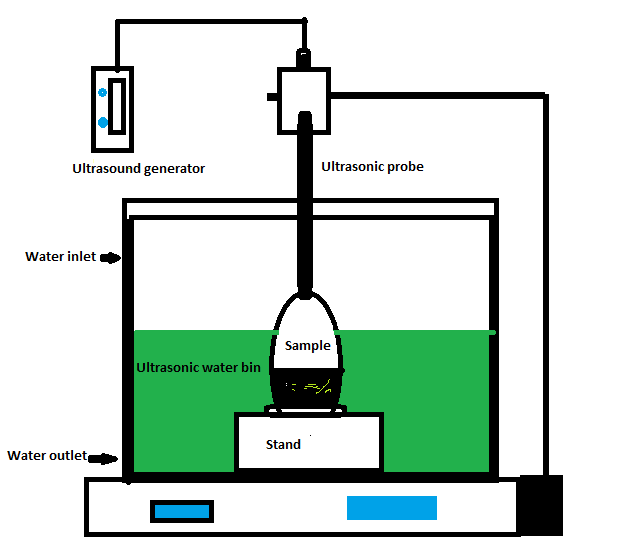
Ultrasound-assisted extraction is an advanced, inexpensive and highly efficient extraction technique for the extraction of bioactive phenolic compounds from cereal grains. This technique is utilises the application of high- frequency sound waves in a limited amount of solvent for an effective extraction of the compounds from the solid matrix. In ultrasound-assisted extraction, sound waves are applied for generation of mechanical energy in the form of cavitations through the sample. The cavitations generated from sonications resulted in formation and collapse of small vacuum bubbles or voids in the liquid, that implode the plant cells, tissues creating high temperatures of 4500°C and pressures of about 50 Mpa creating disruption effect within the matrix. The application of sonic waves through the sample aids in better solvent-solute interactions, penetration of the solvent into the interior of cells, resulting in sonolysis, destruction of biological membranes thereby accelerates the extraction of intracellular material. The application of high-power, low-frequency ultrasound waves into slurry consisting of cereals in organic solvent creating alternating high-pressure, low-pressure cycles that causes acoustic cavitation. This phenomenon results in generation of high temperatures, pressures, pressure gradients and high shear forces that leads to decreased extraction time and accelerates extraction and release of phenolic compounds due to the compression and rarefaction waves induced in the molecules that causes perforation of cell walls and cell membranes (sonoporation) and disruption of cell wall. The cavitation of bubbles in the sonication process also creates macro-turbulences and micro-mixing that further accelerates the extraction and isolation of bioactive compounds. The extraction of phenolic compounds from any solid matrix depends on the extraction time, extraction temperature, solvent composition, and the sample.
Pressurized Liquid Extraction
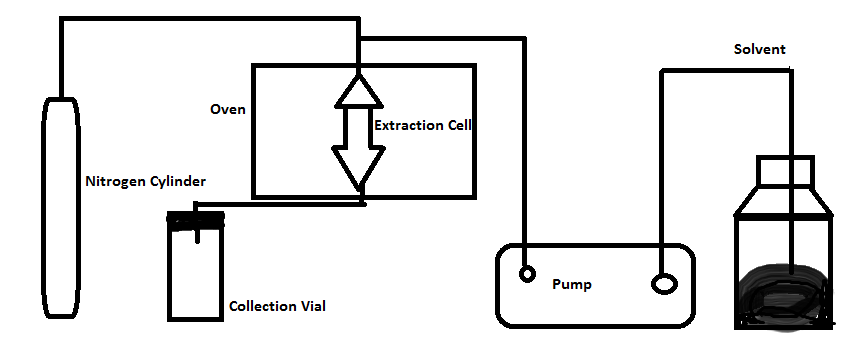
Pressurized liquid extraction is an advanced extraction technique that is also called as accelerated solvent extraction or pressurized fluid extraction involves the use of organic solvents under high temperature and pressure for extracting phenolic compounds from a sample. The application of high temperature (40-200oC) enhances mass transfer rate due to its reduction in viscosity and surface tension, due to which the solvent interact more easily with sample increasing solvation power thereby accelerating the extraction rate. While as lower boiling point is maintained for solvent under high pressure (3.3-20.3Mpa) that ensures higher penetration of the solvent in the solute matrix resulting in higher diffusion rate and solubility.
Solid Phase Extraction
Solid-phase extraction is a chromatographic isolation technique using a solid adsorbent that absorbs the compounds dissolved in a liquid mixture according to their physical and chemical properties. SPE is used to isolate desired analytes from a liquid matrix by utilising the differences in affinity between an analyte and interferents for a sorbent. This technique enables the separation of desired solutes from the liquid or mobile phase by passing it through the active sites of stationary (solid) phase that retains either the desired or undesired components. The desired analytes from the stationary phase can be isolated by rinsing it with a suitable eluent. Solid-phase extraction uses a solid adsorbent (sorbent) packed most commonly in a cartridge device that has a space for entrance of liquid mixture and is connected to vacuum to elute the applied solvents. The two principal mechanisms for interaction of solute with sorbent in most of the solid phase extraction processes are polarity and ion exchange. The polarity mode that can be used for separation of analytes in solid phase extraction process is either normal or reversed. A pairing of relatively polar solid phase extracting sorbent (e.g., bare silica, alumina) with a normal mode containing nonpolar mobile phase is considered best for retaining polar constituents of a sample while eluting nonpolar components. Similarly a reversed-mode involving coupling of nonpolar solid phase extracting sorbent (e.g., silica with a C18 or C8 bonded phase) with a relatively polar mobile phase will retain nonpolar constituents and elutes polar constituents. Some sorbents (e.g., CarboPrep Plus, Diol) can operate in either normal or reversed modes depending on the choice of solvent used and the sample. Ion exchange interaction follows the rule of electrostatic attraction. Unlike like-dissolves-like model of interactions in polarity based solid phase extraction, ion exchange operates on the rule of opposites attract. If a solid phase has positive charge on the surface, it is balanced by an anion bounded to it. Upon introducing a negatively charged analyte into the system, it will displace the initially bound anion and couple with the positively charged surface of solid phase extracting medium resulting in retention of the analyte.
Microwave Assisted Extraction
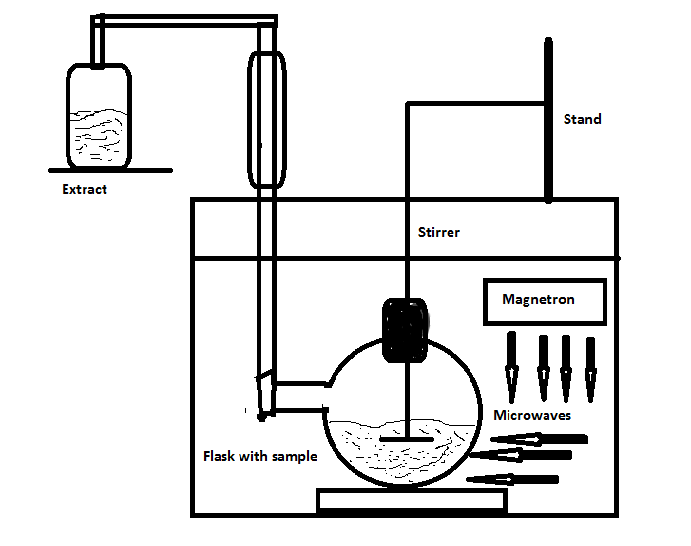
Microwave Assisted Extraction is an advanced technique that combines the use of microwaves in the conventional solvent extraction system. The microwaves induce dipole rotations and ionic polarisation in samples resulting in generation of heat and destruction of hydrogen bonding that increases the diffusion rate of solvent in the cell matrices. The heating of free water molecules in the cells of the samples due to microwaves leads to rupture of cell membranes/cell walls resulting in increasing extraction of phytochemicals in the solvent. The extraction in Microwave Assisted Extraction occurs as a result of changes in the cell structure due to application of electromagnetic waves.
Enzyme Assisted Extraction
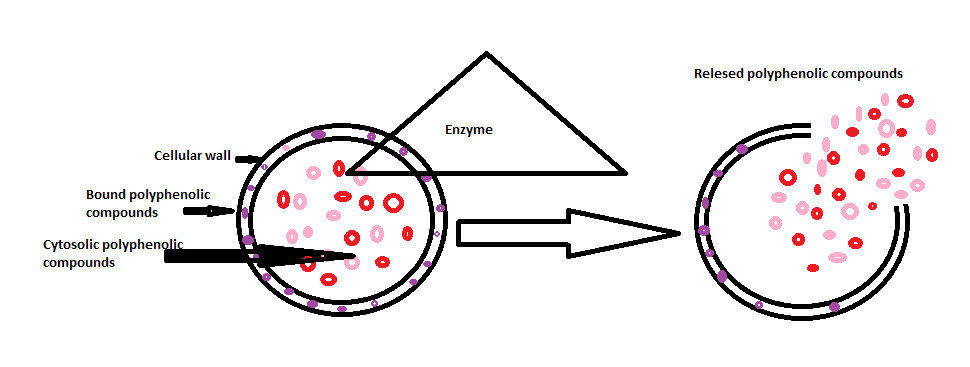
Enzyme-assisted extraction is an environmentally friendly ‘green’ extraction technique having more efficiency than conventional extraction technology. This technique uses specific enzymes that are having the ability to hydrolyse the cell wall for efficient extraction of bioactive compounds from cells. The bioactive compounds are mixed with proteins, pectin, lipid, starch, and cellulose in cells due to which there extraction becomes difficult with conventional extraction techniques. The addition of enzymes hydrolyses the complex bonding between chemical compositional molecules resulting in releasing of the bioactive polyphenolic compounds. Enzyme-assisted extraction technique can be used in combination with various other techniques for increasing the extraction rate of bioactive compounds from source materials.
Analytical Techniques
Determination of Total Phenolic Content (TPC)
The total phenolic contents of bran extracts were determined, using the Folin–Ciocalteu reagent. 1 ml of the rice bran extract was mixed with 9 ml of distilled water and 1 ml of the Folin–Ciocalteu reagent, followed by addition of 10 ml 7% (w/v) Na2CO3 solution and then diluted to 25 ml with distilled water with vigorous mixing. After an incubation period of 90 minutes at 30oC, the absorbance was measured against the reagent blank at 750nm by spectrophotometer. Total phenolic content was expressed as mg gallic acid equivalent (GAE)/g wt.
Determination of Total Flavonoid Content (TFC)
Total flavonoid contents (TFC) were determined using colorimetric method of Abu Bakar, et al. [47] with slight modification. To 0.5 mL of the bran extract 2.25 mL of distilled water was added in a test tube followed by addition of 0.15 mL of NaNO2 solution (5% w/v). After 6 min, 0.3 mL of a 10% (w/v, AlCl3.6H2O) solution was added and given a rest period of 5 min, before 1.0 mL of 1 M NaOH was added and then mixed by using vortex mixer. The absorbance was measured immediately at 510 nm by using. Results were expressed as mg rutin equivalents in 1 g of dried sample (mg RE/g).
Scavenging Effect on DPPH Radical
Free radical scavenging activities of rice bran extracts were determined with the aid of DPPH radical as described by Sasidharan, et al. [48] with slight modifications. To 0.1 ml of the prepared bran extracted sample, 3.9 ml of DPPH solution (2.3 mg in 100 ml methanol) was added and mixed.
The resulting solution was held at room temperature for an incubation period of 30 min in dark followed by measurement of the absorbance at 515 nm. The scavenging effect was derived by the following equation: DPPH radical scavenging %= Here, A515nm, sample is the absorbance of the DPPH solution with extract. A515nm, control is the absorbance of the DPPH solution without extract.
Determination of Reducing Power
The determination of reducing power was determined by the modified method of Yen & Duh [49]. A 2.5 ml of the prepared rice bran extracted sample was mixed with 2.5 ml of phosphate buffer (2.0 M, pH 6.6) and 2.5 ml of 1% potassium ferricyanide, and the mixture was incubated at for 20 min. A 10% solution of trichloroacetate (2.5ml) was then added and the mixture was centrifuged at 700g for 10 min. The upper layer of the solution (2.5 ml) was mixed with distilled water (2.5 ml) and 0.1% ferric chloride (0.5ml) and absorbance was measured at 700 nm by UV-vis spectrophotometer. The experiment was conducted in triplicate and results were averaged.
Determination of Total Anthocyanin Pigment Content
The amount of total anthocyanin content was determined by the pH differential method used by Hosseinian, et al. [50] with slight modification. The prepared bran extracted sample of pigmented rice cultivars (0.5ml) was added into 3.5 mL of 0.025 M potassium chloride buffer (pH 1.0) the mixture was vortexed and allowed to stand for 15 minutes before the measurement of absorbance at 515 and 700nm
against distilled water as blank in a spectrophotometer. The extract was also mixed with sodium acetate buffer (0.025M, pH 4.5) in the similar manner as with KCl buffer and the absorbance was measured at the same wavelengths after an incubation period of 15 minutes. Results were expressed as mg Cyanidin-3-glucoside equivalents/g of sample.
1000 1 A MW DF Total anthocyanin content × × × = ∈× Where; A (absorbance) = [(A515-A700) pH1 – (A515-A700) pH4.5]. MW is molecular weight of lavorr 3-glucoside (449.2g/mol). DF is the dilution factor of the sample (8). ϵ is molecular absorptive (L×cm-1×mol-1) of cyaniding 3-glucoside, equal to 26900. Here, L is the path length in cm.
Total Antioxidant Capacity by Phosphomolybdinum Reduction Assay
Phosphomolybdate assay system was used to determine the total antioxidant activity of the rice bran according to method described by Khan, et al. [51] with slight modification. A 0.3 ml of the prepared bran extracted sample was mixed with 3 ml of reagent solution prepared by using sulphuric acid (0.6 M), sodium phosphate (28 mM) and ammonium molybdate (4 mM). The mixture was incubated at 95°C in a water bath for 90 min. After cooling to room temperature; absorbance was recorded at 695 nm against reagent blank containing methanol (0.3ml) in place of extract. Total antioxidant capacity was calculated as Ascorbic acid equivalents. Total antioxidant capacity in terms of phosphomolybdinum reduction assay was calculated from the mathematical relationship established between ascorbic acid concentration and their corresponding absorbance
Inhibition of Lipid Peroxidation in Egg Yolk Homogenate
Inhibitions of lipid peroxidation in the egg yolk was determined using a modified thiobarbituric acid- reactive species (TBARS) assay method as described by Badmus, et al. [52]. A 0.5 ml of egg yolk homogenate (10% in distilled water, v/v) was mixed thoroughly with 0.1 ml of the prepared bran sample in a test tube and the volume was made up to 1 ml by adding distilled water. Finally, 0.05 ml FeSO4 (0.07 M) was added to the above mixture and incubated for 30 min, to induce lipid peroxidation. Thereafter, 1.5 ml of 20% acetic acid and 1.5 ml of 0.8% TBA (w/v) in 1.1% sodium dodecyl sulfate (SDS) and 0.05 ml 20% TCA were added, vortexed and heated in a boiling water bath for 60 min. Than 5.0 ml of butanol was added to each test tube after cooling, centrifuged at 3000 rpm for 10 min. The absorbance of the organic upper layer was measured at 532 nm as percent inhibition which was calculated as:
532, 1 100 532, A Sample % Inhibition A control = − × Here, control is tested sample without extract.
High Performance-Liquid chromatography (HP- LC)
High-performance liquid chromatography is a separation technique, used to separate, identify and quantities different types of polyphenolic compounds depending on their nature, chemical structure, and molecular weight. HPLC utilises high-pressure pump for transporting the mobile phase from a reservoir a specified flow rate (ml/minute) through an injector. The injector (auto sampler) injects the sample into a reverse-phase C18-packed HPLC column that travels as continuously flowing mobile phase stream for component separation. The column contains the chromatographic packing material or adsorbent typically silica granular particles (3-µm particle size) or polymer that is inert to mobile phase and has the ability to analyse compounds of different chemical natures. The column is called stationary phase and is generally having the 3 mm internal lavorr and 100 mm length functionalized with C18 octadecylsilane . The components of a mixture travel at different rates through the stationary column as per their molecular weights and thus are having different retention times (s or min). The component is separated from each other in the stationary column due to their varying degrees of interaction with the absorbent particles that causes different elution rates for the different components resulting in their separations. Finally, the mobile phase passes through the detector cell, where the absorbance is measured at 220 nm, and can be wasted or collected, as desired. The time taken for a component to travel from the injection valve to the detector cell is called the retention time.
The detector can be refractive index, ultraviolet and fluorescence depending on compound characteristics. Each one of these detectors detects different properties of the molecules coming out of the column and displays a chromatogram. For example a UV-absorbance detector is used for compound that can absorb ultraviolet light. Likewise if a compound fluoresces, a fluorescence detector can be used. An evaporative-light-scattering detector (ELSD) can be used for compound that does not have either of these characteristics. The detector has the ability to detect the compound and send its corresponding electrical signal to a computer data station. Multiple detectors are used in series to effectively analyse the compounds. For example, a UV and/or ELSD detector are used in combination with a mass spectrometer for analysing the results of the chromatographic separation. This provides, from a single injection, more comprehensive information about an analyte. The practice of coupling a mass spectrometer to an HPLC system is called LC/MS. In reverse- phase liquid chromatography, a polar mobile phase is used and nonpolar molecules are adsorbed on the stationary phase. A chromatogram represents the separation of the compound that has been done chromatically (chemically) in the HPLC system. A series of peaks drawn on a time axis represents the detector response for a different compound is rising from a baseline. The chromatograms are plotted by the computer data station.
All the extracts were filtered through a 0.45-µm pore size syringe-driven filter before injection. A 20--µmL of the extract solution of the samples were separated using a Shimadzu HPLC system equipped with a diode array detector on a 150 mm×4.6 mm i.d., 5-µm, Cosmosil 5C18-MS- II, C18-ODS analytical column (Waters). The mobile phase included acetonitrile and double distilled water having 0.1% trifluoroacetic acid (TFA) maintained at a flow rate of 0.8 mL/ min. The gradient elution was done in the following manner that is from 0 to 5 min, linear gradient from 5 to 9% solvent acetonitrile; from 5 to 15 min, 9% solvent acetonitrile; from 15 to 22 min, linear gradient from 9 to 11% solvent acetonitrile; and from 22 to 35 min, linear gradient from 11 to 18% solvent acetonitrile. Column temperature was set at 40 °C. Hydroxybenzoic acid compounds were detected at a wavelength of 280 nm and hydroxycinnamic acid compounds at 325 nm. Phenolic compounds in the samples were identified by comparing their m/z values and UV spectra with authentic compounds and were detected using an external standard method.
Gel Permeation Chromatography
Gel permeation chromatography is a type of size exclusion chromatography in which molecules are separated on the basis of their molecular weight (size) rather than chemical properties. It involves passage of a solution over a stationary phase that contains a column of semi-permeable, porous polymer gel beads having a range of pore sizes (Dextran, Agarose gel, Acrylamide gel). The components in the mobile phase travel at different velocities depending on their molecular sizes through the gel beads. Molecules with lower molecular weight pass easily through the pores of the bead and thus possess higher elution time. Whereas components with higher molecular mass excludes from the column beads and elute first. An ultraviolet or refractive index detector detects the components eluted during each time interval. The elution time of the components are compared with that of monodisperse samples, whose molecular weight is known for analysing the entire molecular weight distribution. Gel permeation chromatography does the sequential elution of components in the sample starting from highest molecular weight component.
Conclusion
Cereals are consumed as a whole or as an ingredient in different formulation of food choices. The nutritional elements in addition of chemical components that are present in small quantities usually in bran and germ part of cereal grains are called as bioactive compounds. The proteins of millets are gluten free and are non-allergenic, hence their consumption decreases triglycerides and C- reactive proteins that may prove beneficial in preventing cardiovascular disease. Sorghum is beneficial for diabetic patients than other cereals as its starches and sugars are released more slowly in human body and thus are having lower glycemic index. The extraction efficiency of any organic solvent used in extraction of bioactive compounds depends on the polarity of certain phenolic compounds. Thus the dilution of solvents generates a medium polarity facilitating extraction of other components that are not soluble in organic solvents.
References
-
Sarwar MH, Sarwar MF, Sarwar M, Qadri NA, Moghal S (2013) The importance of cereals (Poaceae: Gramineae) nutrition in human health: A review. Journal of Cereals and oil seeds 4(3): 32-35.
-
Serafini M, Bellocco R, Wolk A, Ekström AM (2002) Total antioxidant potential of fruit and vegetables and risk of gastric cancer. Gastroenterology 123(4): 985-991.
-
Kris-Etherton PM, Hecker KD, Bonanome A, Coval SM, Binkoski AE, et al. (2002) Bioactive compounds in foods: their role in the prevention of cardiovascular disease and cancer. American Journal of Medicine 113(9): 71-88.
-
Koehler P, Wieser H (2013) Chemistry of Cereal Grains. In: Gobetti M, et al. (Eds.), Handbook of Sourdough Biotechnology. 1st(Edn.), Springer, New York, pp: 11-45.
-
Yang B, Jiang Y, Shi J, Ashraf M (2011) Extraction and pharmacological properties of bioactive compounds from longan (Dimocarpus longan Lour.) fruit-A review. Food Research International 44(7): 1837-1842.
-
Verpoorte R, Memelink J (2002) Engineering secondary metabolite production in plants. Current Opinion in Biotechnology 13(2): 181-187.
-
Harborne JB, Williams CA (2000) Advances in flavonoid research since 1992. Phytochemistry 55(6): 481-504.
-
Gani A, Wani SM, Masoodi FA, Hameed GH (2012) Whole-grain cereals bioactive compounds and their health benefits: A Review. Journal of Food Processing & Technology 3(3): 146-156.
-
Stahl W, Sies H (2005) Bioactivity and protective effects of natural carotenoids. Biochim Biophys Acta 1740(2): 101-107.
-
Sies H, Stahl W (1995) Vitamins E and C, Beta-Carotene, and Other Carotenoids as Antioxidants. American Journal of Clinical Nutrition 62(6): 1315-1321.
-
Moeller SM, Jacques PF, Blumberg JB (2000) The potential role of dietary xanthophylls in cataract and age-related macular degeneration. Journal of the American College of Nutrition 19(5): 522-527.
-
Lopez M, Arce L, Garrido J, Ríos A, Valcarcel M (2004) Selective extraction of astaxanthin from crustaceans by use of supercritical carbon dioxide. Talanta 64(3): 726- 731.
-
Adom KK, Liu RH (2002) Antioxidant Activity of Grains. Journal of Agricultural and Food Chemistry 50(21): 6182-6187.
-
Irondi AE, Adegoke BM, Effion ES, Oyewo SO, Alamu EO, et al. (2019) Enzymes inhibitory property, antioxidant activity and phenolics profile of raw and roasted red sorghum grains in vitro. Food Sci Hum Wellness 8(2):142-148.
-
Herrera-Sotero MY, Cruz-Hernández CD, Trujillo- Carretero C, Rodríguez-Dorantes M, GarcíaGalindo HS, et al. (2017) Antioxidant and antiproliferative activity of blue corn and tortilla from native maize. Chem. Central J 11: 110.
-
Cowan MM (1999) Plant products as antimicrobial agents. Clinical Microbiology Review 12(4): 564-582.
-
Mugode L, Ha B, Kaunda A, Sikombe T, Phiri S, et al. (2014) Carotenoid retention of biofortified Provitamin A maize (Zea mays L.) after Zambian traditional methods of milling, cooking and storage. Journal of Agricultural and Food Chemistry 62(27): 6317-6325.
-
Ross SM, King J, O’Donovan JT, Spaner D (2004) Forage potential on intercropping berseem clover with barley, oat, or triticale. Agronomy J 96(4): 1013-1021.
-
Moore J, Hao Z, Zhou K, Luther M, Costa J (2005) Carotenoid, tocopherol, phenolic acid, and antioxidant properties of Maryland-grown soft wheat. Journal of Agricultural and Food Chemistry 53(17): 6649-6657.
-
Tiwari U, Cummins E (2009) Nutritional importance and effect of processing on tocols in cereals. Trends in Food Science & Technology 20(11-12): 511-520.
-
Graf E (1992) Antioxidant potential of ferulic acid. Free Radical Bio Med 13(4): 435-448.
-
Gong L, Cao W, Chi H, Wang J, Zhang H, et al. (2018) Whole cereal grains and potential health effects: Involvement of the gut microbiota. Food Research International 103: 84-102.
-
Catoi AF, Parvu A, Muresan A, Galea RF, Catoi C (2006) Evaluation of nitric oxide synthesis in morbid obesity. Free Radical Research 40: S140.
-
Anson NM, Van den Berg R, Havenaar R, Bast A, Haenen GRMM (2009) Bioavalibility of ferulic acid is determined by its bioaccesibility. Journal of Cereal Science 49(2): 296-300.
-
Nurmi T, Lampi AM, Nyström L, Hemery Y, Rouau X, et al. (2012) Distribution and composition of phytosterols and steryl ferulates in wheat grain and bran fractions. Journal of Cereal Science 56(2): 379-388.
-
Wang J, Sun B, Cao Y, Tian Y (2009) Protection of wheat bran feruloyl oligosaccharides against free radical induced oxidative damage in normal human erythrocytes. Food Chemical Technology 47(7): 1591- 1599.
-
Sen S, Chakraborty R (2016) Revival, modernization and integration of Indian traditional herbal medicine in clinical practice: Importance, challenges and future. Journal of Traditonal and Complementary Medicine 7(2): 234-244.
-
Mao Pan Hu Yi, Huan ZhiLi, Huang Yun, Yu JianBo, Xiao TiaoYi (2014) Effects of feeding broad bean and dehulling broad bean diets on growth performance, muscle quality and blood physiological-biochemical indices of grass carp ( Ctenopharyngodon idellus). Chinese Journal of Animal Nutrition 26(3): 803-811.
-
Kehrer JP (1993) Free Radicals as Mediators of Tissue Injury and Disease. Critical Reviews in Toxicology 23(1): 21-48.
-
Tyagi AK, Khuran JP, Khurana AP, Raghubanshi S, Gour A, et al. (2004) Structural and functional analysis of rice genome. Journal of Genetics 83(1): 79-99.
-
Singh N, Kaur L, Sandhu KS, Kaur J, Nishinari K (2006) Relationships between physicochemical, morphological, thermal, rheological properties of rice starches. Food Hydrocolloid 20(4): 532-542.
-
Noda T, Nishiba Y, Sato T, Suda I (2003) Properties of starches from several low-amylose rice cultivars. Cereal Chemistry 80(2): 193-197.
-
Min SW, Ryu SN, Kim DH (2010) Anti-inflammatory effects of black rice, yaniding- 3-O-β-D-glycoside, and its metabolites, yaniding and protocatechuic acid. International Immunology 10(8): 959-966.
-
Bhat FM, Riar CS (2016) Effect of amylose, particle size & morphology on the functionality of starches of traditional rice cultivars. International Journal of Biological Macromolecules 92: 637-644.
-
Mayer KFX, Waugh R, Brown JWS, Schulman A, Langridge Peter, et al. (2012) A physical, genetic and functional sequence assembly of the barley genome. Nature 491(7426): 711-716.
-
Blake T, Blake V, Bowman J, Abdel-Haleem H (2011) Barley: Production, improvement and uses. Wiley- Blackwell, UK, pp: 522-531.
-
Verma RPS, Kharub AS, Kumar D, Sarkar B, Selvakumar R, et al. (2011) Fifty years of coordinated barley research in India. Directorate of Wheat Research, Karnal-132001. Research Bulletin No. 27: 46.
-
Behall KM, Scholfield DJ, Hallfrisch J (2004) Diets containing barley significantly reduce lipids in mildly hypercholesterolemic men and women. American Journal of Clinical Nutrition 80(5): 1185-1193.
-
Foster-Powell K, Holt SHA, Brand-Miller JC (2002) International Table of Glycemic Index and Glycemic Load Values. The American Journal of Clinical Nutrition 76: 5-56.
-
Singh J, Mccarthy OJ, Singh H, Moughan PJ (2008) Low temperature post temperature changes of New Zealand Tewa (Maori potato): effect on starch physic-chemical and functional characteristics. Food Chemistry 106(2): 583-596.
-
Abdel-Aal ESM, Hucl P, Sosulski FW, Graf R, Gillott C (2001) Screening spring wheat formidge resistance in relation to ferulic acid content. Journal of Agriculture and Food Chemistry 49(8): 3559-3566.
-
Heinio RL, Liukkonen KH, Myllymäki O, Pihlava JM, Adlercreutz H (2008) Quantities of phenolic compounds and their impacts on the perceived lavor attributes of rye grain. Journal of Cereal Science 47(3): 566-575.
-
Sosulski F, Krygier K, Hogge L (1982) Free, esterified, and insoluble-bound phenolic acids. 3. Composition of phenolic acids in cereal and potato flours. Journal of Agriculture and Food Chemistry 30(2): 337-340.
-
Bonoli M, Marconi E, Caboni MF (2004) Free and bound phenolic compounds in barley (Hordeum vulgare L.) flours: Evaluation of the extraction capability of different solvent mixtures and pressurized liquid methods by micellar electrokinetic chromatography and spectrophotometry. Journal of Chromatography A 1057(1-2): 1-12.
-
Do QD, Angkawijaya AE, Tra-Nguyen PL, Huynh LH, Soetaredjo FE, et al. (2014) Effect of Extraction Solvent on Total Phenol Content, Total Flavonoid Content, and Antioxidant Activity of Limnophila Aromatica. Journal of Food and Drug Analysis 22(3): 296-302.
-
Galanakis CM, Goulas V, Tsakona S, Manganaris GA, Gekas VA (2013) Knowledge Base for the Recovery of Natural Phenols with Different Solvents. International Journal of Food Properties 16: 382-396.
-
Abu-Bakar MF, Mohamed M, Rahmat A, Fry JR (2009) Phytochemicals and antioxidant activity of different parts of bambangan (Mangifera pajang) and tarap (Artocarpus odoratissimus). Food Chemistry 113(2): 479-483.
-
Sasidharan S, Chen Y, Saravanan D, Sundram KM, Latha LY (2011) Extraction, isolation and characterization of bioactive compounds from plants extracts. African Journal of Traditional, Complementary and Alternative Medicines 8(1): 1-10.
-
Yen GC, Duh PD (1993) Antioxidative properties of methanolic extracts from peanut hulls. Journal of the American Oil Chemists Society 70(4): 383-386.
-
Hosseinian FS, Li W, Beta T (2008) Measurement of anthocyanins and other phytochemicals in purple wheat. Food Chemistry 109 (4): 916-924.
-
Khan RA, Khan MR, Sahreen S, Ahmed M (2012) Assessment of flavonoids contents and in vitro antioxidant activity of Launaea procumbens. Chemistry Central Journal 6:1-11.
-
Badmus JA, Adedosu TO, Fatoki JO, Adegbite VA, Adaramoye OA, et al. (2011) Lipid peroxidation inhibition and antiradical activities of some leaf fractions of Mangifera indica, Acta Poloniae Pharmaceutica 68(1): 23-29.
- The Role of Podocyte Apoptosis and the Involvement of SIRT1 in Diabetic Nephropathy
- Dealcoholization of Beer by Osmotic Distillation for the Beverage Industry
- Biopolymer-Based Edible Packaging- Biomaterials, Methods, and Applications in Food Industry: An Updated Review
- Influence of Bioprocessing Methods on 'China Rice' (Gawal R1), and Soyabean Supplementation on the Quality of Complementary Food
- Cassava (Manihot esculenta) Varietal Growth, Yield and Cyanide Content Performance in Three Sites in the South- Eastern Semi Arid Regions of Kenya
- Food Waste Treatment, Recycling, Management and Production of Value-Products-An Update on Methodologies and Current Trends