
The Nutritious Food Mushroom: Cultivation, Benefits and its Diversity and Utilization in Prospective of Ethiopia
Nowadays, mushroom is popular valuable food worldwide because it contain many essential amino acids and are thus good sources of protein, some unsaturated fatty acids; provide several vitamins (B vitamins, and vitamin D) as well as the minerals potassium, phosphorus, calcium, and magnesium. Mushrooms can be used as medicine for compromised health and its crude extract products mainly can be used as dietary supplements (nutriceuticals). As they use agricultural waste as substrate for their growth and biosynthesize, they reduce crop residue that cause environmental pollution and heath problem. The fungal/mushroom mycelia involved in bioremediation process and this is referred as mycoremediation. Thus, in general this review defines mushroom, give its historic background, and shows the different types of mushrooms, application in different disciplines like medical, environmental and bioremediation. And also this review describes different medium of mushroom, spawn running and types of fermentation used. Specifically, it also discusses the mushroom diversity in Ethiopia, utilization of wild edible mushroom as well as it discusses the attempts made to cultivate mushroom and the challenges have been faced the business In Ethiopia.
Introduction
A mushroom is the fleshy, spore-bearing fruiting body of a fungus, characteristically produced above the ground on soil or on its food source, mostly in forests. It is perhaps the most well-known and documented edible forest product [1]. Mushrooms are mysterious, cultural, traditional and very famous in contemporary society [2]. Edible mushrooms were only traditionally harvested wild and were difficult to domesticate and cultivate. Collection from wild woodlands is still important in the world and particularly in southern Asia [3, 4] and other developing countries [5]. The main cultivated mushroom species worldwide are Agaricus bisporus (Button), Pleurotus sp ( Ostery) and Lentinula edodes (Shiitake) [6]. In the natural environment, mushrooms grow on variety of substrates, especially those containing lignin and cellulose, often abundant during the rainy season [7]. Their fleshy, spore-bearing fruiting bodies grow on soil or wood substrates whereas some exist in mycorrhizal relationship with trees [8]. Mushroom production has now become popular all over the world. It has been described as the most versatile and prolific agricultural venture all over the world [9]. World production of mushroom is about 40 million tons while production of mushroom in China in 2017 was 31.7 million tons which is roughly 47% of the world supply of mushroom [10]. China is the world’s leader in production, consumption and export of mushroom while USA (11%), The Netherlands (7%), Poland, Spain, France, Italy, Ireland, Canada and UK are the other leading mushroom producers. The recent update shows that the market had a value of $35 billion in 2015. Mushroom market in the world is expected to reach US$ 69.3 bn by 2024 [11].
Edible mushrooms possess high nutritional value, including protein (35%), crude fibre (19%), and carbohydrates [10]. Mushrooms are highly recognized for their medicinal values and said to have antitumor, antiviral properties like anti-HIV and anti-hepatitis B and remove serum cholesterol from the blood stream [12]. They also contains natural ingredients which are very effective in normalizing blood pressure, lowering blood cholesterol and blood sugar level, protecting the liver, controlling some types of cancers, boosting the body’s immune systems and hence in promoting general fitness [13].
Mushrooms play an important ecological role in the management of ecosystems [13]. Mushroom cultivation is used in bioconversion and recycling of organic matter, reduces pollution and applied as organic manures to the land after harvesting of mushrooms Taking these in Consideration, this paper presents the whole cultivation processes, type of substrate used and benefits of mushroom in different aspects and it also discusses utilization of mushroom and its diversity in prospective of Ethiopia
Types of Mushroom
The major mushroom varieties of commercial importance are Button (Agaricus bisporus), Oyster (Pleurotus sppecies), Paddy Straw (Volvariella sppecies), Shiitake (Lentinula edodes), Milky Mushroom (Calocybe indica), winter mushroom (Flammulina velutipes), Reishi (Ganoderma lucidum), Black Ear (Auricularia sppecies) and others [14].
Agaricus Bisporus (Button Mushroom)
Commonly known as white button mushroom is an edible basidiomycete mushroom and mostly cultivated mushroom. Historical evidence indicates that this mushroom was first cultivated in France and that cultivar strains originated in Western Europe [15, 16]. This groups of edible mushrooms is nowadays widely used and studied for its medicinal and therapeutic properties [17, 18]. Its fruit bodies exhibit antimutagenic, anticarcinogenic, and immunostimulative activities [19, 20]. Agaricus bisporus mushroom is a useful bio- factor for agrowaste recycling and can be grown on various Agricultural residues. A. bisporus has many dietary usages due to its content of proteins, carbohydrates, low calories, trace elements, and vitamins and it used for synthesis of nanoparticles with antimicrobial and anticancer activities [21]. Extract from A. bisporus has been prevented breast cancer cell proliferation [22].
Lentinula Edodes (Shiitake Mushroom)
Lentinula edode is one of the most important edible mushrooms that cultivated globally second to the button mushroom Agaricus bisporus and it is the most popular fungus cultivated in China, Japan, and in some other Asian countries [23]. For a long time, this mushroom has been valued for its unique taste and flavor and as a medicinal tonic. It can be cultivated either on wood log or on synthetic substrate logs [24, 25]. Lentinula edodes is a white-rot fungus belonging to the Basidiomycetes, growing in dead wood of broad-leaved trees in nature [26]. Lentinula edodes is widely cultivated and consumed in the Orient for its nutritional values and pharmacological effects. Variety of bioactive compounds isolated from L. edodes (e.g. laccase, lectin, lentinan and phytase) has shown different functions, especially the effect of antioxidant, antitumor, antiviral and antimicrobial [27, 28, 29, 30]. As one of the famous edible fungi, L. edodes is a good source of functional food or drugs due to its biological activities and no toxicity nor serious side effects [31].
Oyster Mushroom (Pleurotus Ostreatus)
Is comparable to the high temperature species in the group of Pleurotus (oyster) mushrooms, with high temperatures required for fructification. This mushroom has a promising prospect in tropical and subtropical areas. Its cultivation is easy with relatively less complicated procedures [24, 32]. This mushroom can cultivated in both tropical and temperate environments [33] and it attained great attention throughout the world due to varied temperature propagation as well as utilization of lignocellulosic wastes as a substrate [34, 35]. The mycelium and fruiting body of oyster mushroom could grow under a wide range of temperatures, from 10 to 3°C [36].
Medicinal Mushroom
In most Asian countries including China, it was believed that medicinal mushrooms had the power to enhance long life and liveliness [37]. In present time, medicinal mushrooms are regarded as functional foods and exist as over-the- counter health supplements used in complementary and alternative medicines [38, 39]. There are many medicinal mushrooms known for their use as a source of therapeutic bioactive compounds. Among these, this review focused on some of these medicinal mushrooms such as Ganoderma, Auricus brasiliensis, and Chaga mushrooms.
Agaricus Brasiliensis
Almond mushroom – Agaricus brasiliensis is an edible mushroom originated from southern Brazilian rain forest [40]. The A. blazei is a type of mushroom that habitat organic litter and capable of digesting of complex plant cell wall components [41]. Recently, it was discovered that both mycelium and fruiting bodies of almond mushroom unusually have high concentrations of beta glucans, immune-potentiating polysaccharides, which also inhibit the growth of malignant tumors [42]. This mushroom commonly cultivated at the industrial level in Japan, China and Korea [43]. It has been proved to be not only a good tasting and highly nutritious mushroom, but also an effective medicinal mushroom, particularly for anti-tumor active polysaccharides. There are research findings indicating that, the bioactive substances extract from fruiting bodies of A. brasiliensis exhibit antibacterial [44], antiviral [45] and antiallergenic properties [46, 47]. Moreover, it reduces blood cholesterol level, stimulates the immune system and it is effective in AIDS treatment [18].
Ganoderma Lucidum
Ganoderma lucidum (Fr.), species of wood degrading basidiomycete which is one of the most popular medicinal mushrooms in China, Japan, Korea, and other Asian countries [48]. Among cultivated mushrooms, G. lucidum is unique in that its pharmaceutical rather than nutritional value is paramount [49]. A variety of commercial G. lucidum products such as powders, dietary supplements, and tea are produced from different parts of the mushroom, including mycelia, spores, and fruit body. These products attributed health benefits like control of blood glucose levels, modulation of the immune system, hepatoprotection, bacteriostasis, and more [49]. In addition to numerous pharmacological effects this mushroom has key role in the environment as decomposer in nutrient cycle [50]. G. lucidum grows on the decaying and dead logs of deciduous trees (willow, oak, sweet gum, maple, elm and coniferous trees [51].
Chaga Mushroom
Chaga mushroom is another promising candidate in the field of medicinal mushrooms, which is mainly distributed in temperate to coldest regions [30], as well as low-latitude areas. Chaga mushroom, Inonotus obliquus, was used as food and nutrient food and traditional herbs in Russia, China and Japan, with anti-inflammatory and anticancer activities [52]. This mushroom has gained attention worldwide, due to its medicinal values such as antioxidant, anti-inflammatory, antidiabetic, antiviral and many others [53, 54, 55].
Substrates for Mushroom Cultivation
Mushroom substrate has been defined as a ligno cellulose material which supports the growth, development and fruiting of mushroom [56]. Vast quantities of renewable lignocellulose wastes such as rice and wheat straw, banana leaves, cottonseed hulls, corncob, sugarcane baggase, sawdust etc can be used as a substrate for mushroom cultivation. The amount of nutrition requirement differs according to mushroom species and types of substrate used [57]. They have immense abilities to utilize various lignocellulose substrates with the aid of extracellular enzymes capable of degrading complex organic material. Mushrooms play an important role in managing organic wastes whose disposal have become a problem and are causing massive pollution to the environment as a result of dumping of agricultural. The wide range of plant waste that have been reported include sawdust, paddy straw, sugarcane baggage, cornstalk, corn cobs, waste cotton, leaves and pseudo stem of banana, water hyacinth, duck weed, rice straw used as a substrate for mushroom production. Utilization of agricultural wastes for mushroom cultivation not only increases nutrient cycling in the environment but the by-product of mushroom cultivation is also a good source of manure, animal feeds and soil conditioner.
Substrates for Spawn Preparation
Mushroom spawn is the mushroom mycelium growing on a given substrate and serves as the planting material (seed) in mushroom production [58]. The spawn production involves three basic steps: pure culture preparation, mother spawn preparation and spawn multiplication/commercial spawn preparation [59]. For the spawn preparation cereal grains including: sorghum, Millet, and wheat can be used as a substrates [58, 60].
Determinant Factors of Mushroom Production
Cultivation Conditions
Mushroom survival and multiplication are related to a number of factors, which may act individually or have interactive effects among them. Chemical composition, water activity, ratio of carbon to nitrogen, minerals, surfactant, pH, moisture, sources of nitrogen, particle size, and amount of inoculum, antimicrobial agents and the presence of interactions between microorganisms are considered as chemical, physical and biological factors that are linked to mushroom production [61]. The main environmental factors includes temperature, humidity, luminosity and air composition of the surrounding substrate, such as concentration of oxygen and carbon dioxide [62].
Composition of Substrates
Substrates used in mushrooms cultivation have effect on chemical, functional and sensorial characteristics of mushrooms [63]. Agro-industrial waste is produced in huge amounts, and it becomes an interesting substrate, due its commercial exploitation as well as associated environmental problems [64].
Temperature of the Culture House
The major ecological factors that affect stalk height, stalk diameter and cap size in mushroom are air temperature, humidity, fresh air, and compact material [62]. Oyster mushroom can grow at moderate temperatures, ranging from 18 to 30 _C [65]. According to Ahmed, et al. for the cultivation of P. high-king, P. ostreatus and P. geesteranus, temperature of culture house was maintained at between 22 and 25°C. Similarly, Kim, et al. [66] also cultivated P eryngii, where incubation room temperature was maintained at 22–24°C. According to Hoa and Wang [67], the optimal temperature for both P. ostreatus and P. cystidiosus was found to be 28 _C. Neelam, et al. [68] indicated that the optimal temperature for mycelium growth in oyster mushroom P. florida was 25–30°C. The optimal environmental situation for mycelial growth and the subsequent fruiting is usually very distinct. Fruiting body development is often induced after drastically altering environmental circumstances [69]. In the solid-state fermentation systems, during the fermentation process, the temperature of fermenting mass increases due its respiration [70]. High temperatures in growing environment can reduce mushroom development in different ideal growth tracks, allowing the development of competitive microorganisms better adapted to high temperatures [71]. As result of these situations it needs to operate and control the temperature of mushroom cultivation environment as much as possible.
Humidity
For most fungi, the wide humidity range is 20–70% [72]. As reported by Li, et al. [73], the appropriate humidity during the darkened spawn-running and mycelia stimulation should encompass a range between 60–75% and 85–97%, respectively, in the environment, enabling a satisfactory growth of Pleurotus spp. High humidity is favorable for pining and fruiting [69]. During the P. high-king, P. ostreatus and P. geesteranus growth on wheat bran-supplemented sawdust, the relative humidity of the culture room was maintained at 80–85% by spraying water three times per day. Similarly, Ryu, et al. [74] also cultivated P. eryngii where the humidity of the incubation room was maintained at 85–95%.
Air Composition
Gaseous environment control in aerobic solid-state fermentation is an important factor in the development of microorganisms, dependent on oxygen flow speed through the substrate and the speed of O2 consumption by microorganisms. Aeration has different functions, being O2 provision for aerobic growth and metabolism; moisture regulation; temperature adjustment; water vapor, CO2 and some volatile metabolite elimination. Aerobic mushrooms require oxygen for their survival and development. During the darkened spawn-running, it is important to keep CO2 concentration at 2000–2500 mg L_1. After the completion of spawn-running and mycelia stimulation, fruit bodies were allowed to develop at CO2 concentration 1500–2000 mg L_1 [73]. Since air contains high CO2 levels, it will produce mushrooms with thick and short stipe pileus [71]. Therefore, during the fruiting stage is a reduction in CO2 concentration is required, as well as an increase in O2. This is possible by opening packages of cultivation and ambient air change through ventilation (rational room cubic capacity/cultivation area in cubic meter ration should not be lower than 1.85:1). The maximum number and size of holes (air entrance) can be made, provided that there is no contamination by being careful not to damage the mycelium [75].
Types of Fermentation Suitable for Mushroom Cultivation
The solid-state fermentation (SSF) is a process in which microorganisms grow on solid materials or inside solid porous particles in the absence of free water; the final result is a nutritionally enriched product, with a higher content of proteins and vitamins than the original substrate [76]. Now a days there has been a growing interest in SSF technology to obtain a wide variety of products, such as enzymes, pigments, aromatic compounds, flavoring, hormones, acids, alcohols, proteins, antibiotics, spores, among others [77, 78]. There are research results on new applications of SSF for the control of the environment, treatment and biodegradation of hazardous or undesirable compounds, and detoxification of agro-industrial waste [79, 80]. An interesting industrial application of SSF, known as “Phase 2”, is the preparation of a selective substrate employed in A. bisporus mushroom cultivation [81, 24]. Edible mushrooms are widely cultivated for use in gastronomy. In SSF Cultivation takes a 150-hour
lapse and is divided into 3 isothermal stages: preconditioning (40°C, 40h), pasteurization (55°C, 10h) and conditioning (40°C, 40h) [82]. The air and temperature conditions are experimentally determined and validated in industry, based on restricted knowledge of the SSF phenomena. The objective is to produce microbial populations, which encourages growth of the A.bisporus during the cultivation stage, such as the Scytalidium thermophilum and some Actinobacteria whilst eliminating competitors and inhibitors [83]. These approaches provide a good technical and economic starting point for large-scale experimental work. The major challenge in the SSF process scale-up is the heat removal from the bed of solids with inter- particle air [84, 85]. For large-scale SSF bioreactor design, evaporation is one of the most effective heat removal mechanisms. However, continued evaporation can dry the bed out to water activities enough to restrict growth rates and product formation [85]. Therefore, the maintenance of the water activity of the bed becomes a consideration, which guides design and operation.
Benefits of Mushroom
In addition to being used as source for nutritious protein-rich food, mushrooms can also contribute to the production of effective medicinal products [86, 87], reduction of environmental pollution through bioconversion of lignocellulosic wastes [88]. Another influential role of mushroom is bioremediation in which mushroom used to remove and break down as well as absorb the pollutants (biosorption process) [25, 89, 90]. With no adverse legal, ethical, or safety effects, this form of bioconversion technology has not only favorable socio-economic, nutritional, and health benefits, but also raises employment possibilities (increases job opportunity) and has a positive environmental impact [91].
Medicinal Benefits
Medicinal mushrooms (MM) can be defined as macroscopic fungi, which are used in the form of extracts or powder for prevention, alleviation or healing multiple diseases, and in balancing a healthy diet. There is a total more than 130 medicinal functions produced by MMs and fungi [92]. The medicinal properties of mushrooms have been confirmed through an intensive research conducted worldwide [14]. Mushrooms possess immense nutritional and medicinal bio- components that substantiate their usage in maintaining global public health. The mushroom composed compounds like polysaccharides, complexes (polysaccharide–protein and polysaccharide–peptide), ribonucleases, proteases and lectins. Other mushroom compounds includes some low molecular weight secondary metabolites, such as lactones, terpenoids, and alkaloids, antibiotics with different chemical groups, and metal chelating agents [93, 94]. Mushrooms possess antioxidant activity, anti-hypertensive activity, hypocholesterolemic activity, liver protection, as well as anti-inflammatory activity, anti-diabetic activity, anti-viral activity, and anti-microbial activity [95]. For example, G. lucidum polysaccharides protect fibroblasts against UVB- induced photoaging [96]. G. lucidum also showed strong anti- inflammatory activity and it acted as an immunomodulator in inflammation induced by a high-cholesterol diet [97]. The Coriolus versicolor (Trametes versicolor) shows in vivo and in vitro anti-tumor and anti-metastasis effects on mouse mammary 4T1 carcinoma [98]. Apart from those mentioned above, mushrooms are also considered a potential source of prebiotics as they contain different polysaccharides, such as chitin, hemicellulose, mannans, and glucans, galactans, and xylans [99].
Environmental Benefits
Degradation of Organopollutants
Bioremediation is a very important technique that involves the use of mushroom mycelia to remove or neutralize a wide variety of pollutants [100, 101]. In order to clean contaminated land, various examples include: spent oyster mushroom substrate performing better than many mushrooms for denaturing of biocide pentachlorophenol [102] removal of biocide pentachlorophenol in water systems using the spent mushroom compost of Pleurotus pulmonarius [103]; use of spent mushroom compost to bioremediate; mycoremediation (bioremediation with fungi)—growing mushrooms to clean the earth [104]; removal of Escherichia coli from synthetic storm water using mycofiltration [105].
Bioconversion of Agricultural Wastes
Organic solid wastes are a kind of biomass, which are generated annually through the activities of the agricultural, forest and food processing industries. They consist mainly of three components: cellulose, hemicellulose, and lignin. The general term of these three main building blocks of plant fiber is known as lignocellulose [106]. These are organic compounds composed of long chains of carbon and hydrogen, structurally similar to many organic pollutants. Mushrooms, with other fungi, are presently only organisms that can synthesize and excrete the relevant hydrolytic and oxidative enzymes that enable them to degrade complex organic substrates into soluble substances, which can then be absorbed by the mushrooms for their nutrients [24]. Different species of mushrooms have different abilities to utilize the substrates. This depends on the particular enzymes secreted by the individual mushroom. Examining the lignocellulolytic enzyme profiles of three important commercially cultivated mushrooms exhibit varying abilities to utilize different lignocellulolytic as growth substrate [107].
Mushroom in Ethiopia
Diversity Study of Ethiopian Mushroom
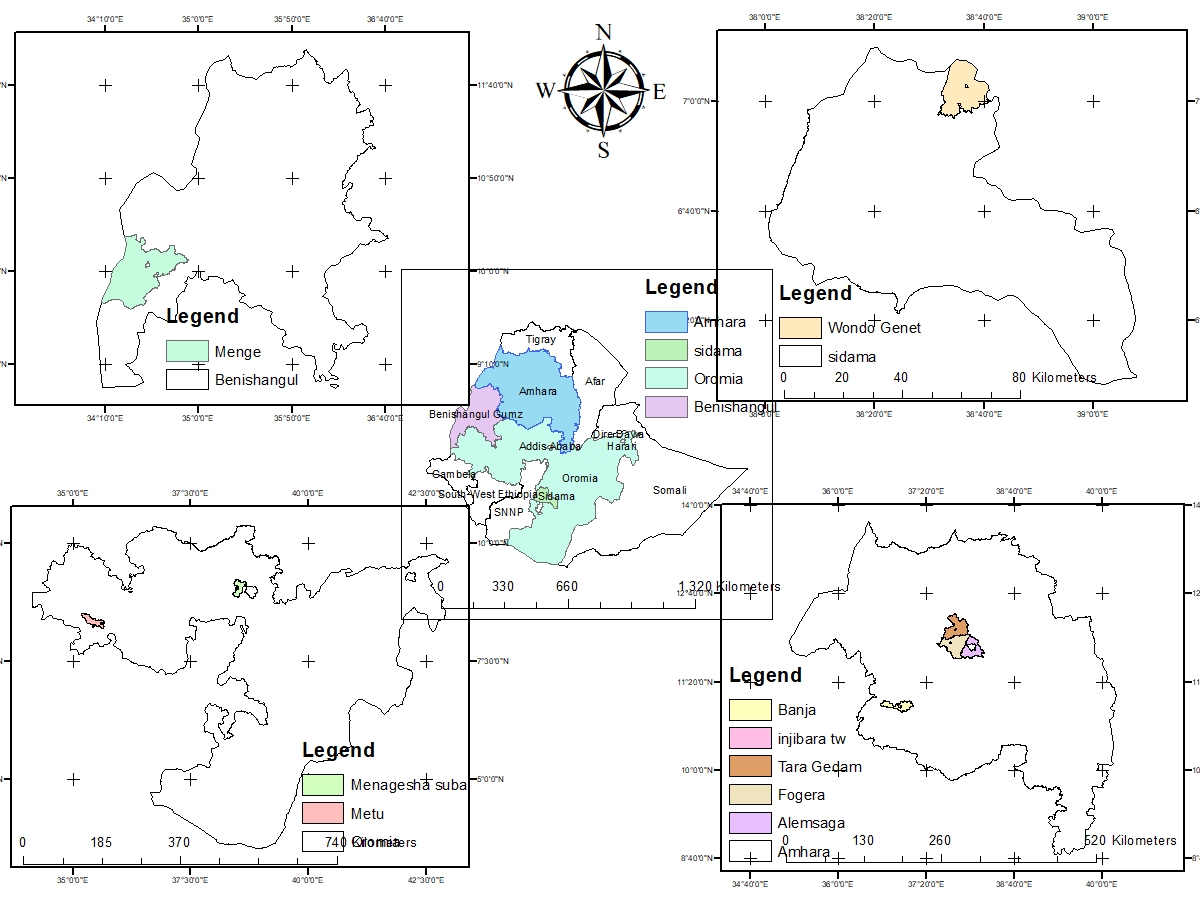
Several studies have been conducted to determine taxonomy and ecological diversity of wild mushroom in Ethiopia. Some of the edible mushroom in Ethiopia includes: Agaricus arvensis, A. campestroides, Laetiporus sulphureus, Termitomyces microcarpus, T.clypeatus, Lentinus sp., Schizophyllum commune and Dictyophora indusiata. Among these species, L. sulphureus and S. commune are well exploited for their ethnomycological use in Ethiopia as it was documented by Tuno [108]. Habitat information for commonly used species was mainly in natural forests, grazing areas and termite mounds [109]. A total of 20 ethnomycologically important wild mushroom species belonging to ten genera and six families were identified, of which 15 were reported to be edible in the Menge District, Asossa Zone, Benshangul Gumuz Region [110]. Megersa S, et al. [111] has been reported that more than 116 macrofungal species were recorded in the Dagaga-Gambo plantation and natural forests. Zeleke and coworkers have conducted a research on the traditional knowledge and uses of wild mushroom species of three ethnic groups (Amhara, Agew and Sidama) in Ethiopia [112]. The geographical location of wild edible mushroom growing areas is indicated on the following map.
Mushrooms Utilization in Ethiopia
Mushroom has been used as food in Ethiopia particularly in southwestern part of the country. Mushroom locally called by different names in different regions of the country and the habit of mushroom consumption differs from region to region. Some studies indicated that wild edible mushrooms gathered from the natural forests and utilized as a food source in southern Ethiopia. For example, hunting wild mushrooms is traditional and cultural practice in Kaff ethnic groups [109]. Similarly have been reported collecting wild edible mushroom from natural forest and utilization of it as sources of food supplement in the Bonga area is common practice. in Benihsnagul Gumz region, Gumz and Berta tribes Collect wild edible mushroom and utilize it as valuable food sources during food shortage periods (rainy season).
Current Status of Mushroom Business and Its Challenges in Ethiopia
Mushroom Business
Mushroom farming has become attractive business in agricultural sector due to its simplicity and flexibility of cultivation and quite profitable [113, 114, 115, 116, 117, 118, 119, 120, 121, 122, 123, 124, 125, 126, 127].
Cultivation and exploration of mushrooms in Ethiopia has been started a decade ago with the trial made with Oyster mushroom (Pleurotus ostreatus) followed by button mushroom, Agaricus sp. and Shitakke mushroom, Lentinus sp. It is considered quite promising business which mushroom producers turn into potential Small and Medium Enterprises (SMEs). However, lack of appropriate training, awareness and yield performance are the reason to the reduction of production. Hence, creation of new products through research or qualitative improvement in existing products, the use of new industrial processes or creation of new market openings, or the development of new raw- material sources and other new inputs or forms of industrial organizations helps to increases the business.
Mushroom Market
World production of mushroom is about 40 million tons while production of mushroom in China in 2017 was 31.7 million tons which is roughly 47% of the world supply of mushroom [10]. China is the world’s leader in production, consumption and export of mushroom while USA (11%), The Netherlands (7%), Poland, Spain, France, Italy, Ireland, Canada and UK are the other leading mushroom producers. The recent update shows that the market had a value of $35 billion in 2015. Mushroom market in the world is expected to reach US$ 69.3 bn by 2024 [11]. In Ethiopia there is no such huge commercial mushroom farm that can reach the demand of large cities and towns. According to the market survey conducted in 2006/07 in Addis Ababa, supply of fresh mushrooms is close to zero. Currently, some small scale producers sell their products to large scale producers. Large scale producers, produce, buy process and export mushrooms. These show that Cultivation and business of mushrooms is an untouched and wholly vacant business sector in Ethiopia. Therefore, research and training support is critically needed at all stages.
Challenges
Although mushroom cultivation getting consideration among the small and large scale farmers, there are some problems which stagnate the mushroom cultivation in Ethiopia. Among these, lack of institutionalized sector for mushroom cultivation and utilization, lack of the availability of quality spawn , limitation of skills and experience among mushroom cultivators, lack of marketing system and there is no national quality control mechanisms and safety assurance.
Conclusion
The importance of mushroom cultivation for food security is high. The great benefits of mushroom-derived dietary supplements, medicines and new foods are already available in the global markets, but in Ethiopia due to the negative tendency of their use as this food in the absence of skills. Different ethnic groups in Ethiopia have a good traditional knowledge and practices in the utilization of wild edible mushrooms. However, the involvement of organizations, institutes and civil societies in the disseminating of indigenous knowledge and the attempt to document, utilize, and conserve these nutritious food is very poor. The Ethiopian population is increasing in alarming rate which can be directly influence livelihood of the communities as whole by increasing the demands for food. Thus, domestication and cultivation of indigenous varieties of mushroom by using cheap agricultural wastes can be taken as solution for food insecurity, environmental pollution and unemployments.
Conclusively, more research should be done in the food and agriculture industry to increase the availability and mushroom production in the Ethiopian market and make them dominate as vegan protein sources, meat analogs, food supplements, and aroma or taste preservatives. Therefore, the present article is an attempt to review the available information regarding the mushroom cultivation and benefits, current status and utilization of mushroom in Ethiopia.
References
-
Chamberlain J, Bush R, Hammett A (1998) Non-Timber Forest Products: The Other Forest Products. For Prod J 48: 10-19.
-
Arora D, Shepard GH (2008) Mushrooms and Economic Botany. Econ Bot 62(3): 207-212.
-
Arora D (2008) Notes on Economic Mushrooms. Econ Bot 62: 540-544.
-
Yang X, He J, Li C, Ma J, Yang Y, et al. (2008) Matsutake trade in Yunnan Province, China: An overview. Econ Bot 62: 269-277.
-
Fanzo J, Cogill B, Mattei F (2012) Metrics of sustainable diets and food systems. Bioversity International, pp: 8.
-
Martin R, Fischer C, Kües U (2008) Ligninolytic enzyme activities alternate with mushroom production during industrial cultivation of Pleurotus ostreatus on wheat straw-based substrate. Curr Trends Biotechnol Pharm 2(4): 478-492.
-
Gbolagade J, Sobowale A, Adejoye D (2006) Optimization of sub-merged culture conditions for biomass production in Pleurotus florida (mont.) Singer, a Nigerian edible fungus. African Journal of Biotechnology 5(16): 1464- 1469.
-
Onuoha CI, Obi-Adumanya GA ( 2010) Proximate analysis of Pleurotus tuber-regium (Sing) grown on the different substrates. Researcher 210: 7-11.
-
Ikeji I (2010) Exploring Potentials in Mushroom Farming.
-
Thakur MP (2020) Advances in Mushroom Production: Key to Food, Nutritional and Employment Security: A Review. Indian Phytopathology 73: 377-395.
-
Raman J, Lee S, Im J, Oh M, Oh Y, et al. (2018) Current Prospects of Mushroom Production and Industrial Growth in India. Journal of the Korean Mushroom Society 16(4): 239-249.
-
Keogh J, Noakes M, Roupas P, Keogh J, Noakes M, et al. (2012) The Role of Edible Mushrooms in Health : Evaluation of the Evidence. Journal of Functional Foods 4(4): 687-709.
-
Ferdousi J, Al Riyadh Z, Hossain MI, Saha SR, Zakaria M (2019) Mushroom Production Benefits, Status, Challenges and Opportunities in Bangladesh: A review. Annual Research & Review in Biology 36(6): 1-13.
-
Valverde M, Perez TH, Lopez OP (2014) Edible Mushrooms: Improving Human Health and Promoting Quality Life. International Journal of Microbiology 2015: 376387.
-
Kerrigan RW (1995) Global genetic Resources for Agaricus Breeding and Cultivation. Canadian Journal of Botany 73: 973-979.
-
Jeong SC, Koyyalamudi SR, Jeong YT, Song CH, Pang G (2012) Macrophage Immunomodulating And Antitumor Activities of Polysaccharides Isolated From Agaricus Bisporus White Button Mushrooms. J Med Food 15(1): 58-65.
-
Firenzuoli F, Gori L, Lombardo G ( 2008) The Medicinal Mushroom Agaricus Blazei Murrill: Review of Literature and Pharmaco-Toxicological Problems. Evidence-Based Complementary and Alternative Medicine 5(1): 315.
-
Lima CUJO, Cordova COA, Nobrega OT, Funghetto SS, Karnikowski MGO (2011) Does the Agaricus blazei Murill Mushroom Have Properties that Affect the Immune System? An Integrative Review. J Med Food 14(1-2): 2-8.
-
Silva RAH, Vellosa JCR, Khalil NMK, Khalil OA, Brunetti IL, et al. (2013) Chemical, Enzymatic and Cellular Antioxidant Activity Studies of Agaricus Blazei Murrill. Anais Da Academia Brasileira De Ciencias 85(3): 1073- 1081.
-
Kaneno R, Fontanari LM, Santos SA, Di SLC, Filho ER, et al. ( 2004) Effects Of Extracts Frombrazilian Sun- Mushroom (Agaricus Blazei) on the NK Activity and Lymphoproliferative Responsiveness of Ehrlich Tumor- Bearing Mice. Food and Chemical Toxicology 42(6): 909-
-
Owaid MN, Barish A, Shariati MA (2017) Cultivation of Agaricus bisporus (button mushroom) and its Usages in the Biosynthesis of Nanoparticles. Open Agriculture 2(1): 537-543.
-
Adams LS, Phung S, Wu X, Ki L, Chen S (2008) White Button Mushroom (Agaricus Bisporus) Exhibits Antiproliferative and Proapoptotic Properties and Inhibits Prostate Tumor Growth in Athymic Mice. Nutrition And Cancer 60(6): 744-756.
-
Wasser SP (2005) Encyclopedia of Dietary Supplements. 1st (Edn.), CRC Press, pp: 653-654.
-
Miles PG, Chang ST (2004) Mushrooms: Cultivation, Nutritional Value, Medicinal Effect, and Environmental Impact. CRC press, New York, pp: 221-235.
-
Stamets P (2005) Mycelium running: How Mushrooms can Help Save the World. Ten Speed Press, pp: 1-356.
-
Kobayashi T, Oguro M, Akiba M, Taki H, Kitajima H, et al. (2020) Mushroom Yield of Cultivated Shiitake (Lentinula Edodes) and Fungal Communities in Logs. Journal of Forest Research 25(4): 269-275.
-
Rincao VP, Yamamoto KA, Ricardo NMPS, Soares SA, Meirelles LDP, et al. (2012) Polysaccharide and Extracts from Lentinula Edodes: Structural Features and Antiviral Activity. Virol J 15(9): 1-6.
-
Kim SP, Park SO, Lee SJ, Nam SH, Friedman M (2014) A Polysaccharide Isolated From the Liquid Culture of Lentinus Edodes (Shiitake) Mushroom Mycelia Containing Black Rice Bran Protects Mice Against Salmonellosis Through Upregulation of the Th1 Immune Reaction. J Agric Food Chem 19: 62(11): 2384-2391.
-
Tsivileva OM, Nikitina VE, Loshchinina EA (2008) Isolation and Characterization of Lentinus Edodes (Berk.) Singer Extracellular Lectins. Biochem Mosc 73(10): 1154-1161.
-
Zhang GQ, Wu YY, Ng TB, Chen QJ, Wang HX (2013) A Phytase Characterized by Relatively High Ph Tolerance and Thermostability from the Shiitake Mushroom Lentinus Edodes, Biomed Res Int 2013: 540239.
-
Xu L, Chen B, Geng X, Feng C, Meng J, et al. (2019) A Protease-Resistant Α-Galactosidase Characterized by Relatively Acid Ph Tolerance from the Shitake Mushroom Lentinula Edodes. International Journal of Biological Macromolecules 128: 324-330.
-
Kaul TN, Dhar BL (2007) Biology and Cultivation of Edible Mushrooms. Westville Publishing House, New Delhi.
-
Amin SMR, Mrod CS, Moonmoon M, Khandaker J, Rehman M (2007) The Officer’s Training Manual. National Center, Savar, Dhaka, Bangladesh, pp: 7-17.
-
Lee S, Bae H, Kim N, Hwang S (2008) Optimization of Growth Conditions of Lentinus edodes Mycelium on Corn Processing Waste Using Response Surface Analysis. J Biosci Bioengen 105: 161-163.
-
Rodriguez A, Rivasb CS, Polonia J, Wichers HJ (2010) Effect of Olive Mill Waste Supplementation to Oyster Mushrooms Substrates on the Cultivation Parameters and Fruiting Bodies Quality. Int Bioteterior Biodegrad 64(7): 638-645.
-
Yingyue S, Min G, Jin Q, Fan L, Feng W, et al. (2014) Effects of Cold Stimulation on Primordial Initiation and Yield of Pleurotus Pulmonarius. Scientific Horticulture 167: 100- 106.
-
Wu Q, Tan Z, Liu H, Gao L, Wu S, et al. (2010) Chemical Characterization of Auricularia Auricula Polysaccharides and its Pharmacological Effect on Heart Antioxidant Enzyme Activities and Left Ventricular Function in Aged Mice. International Journal of Biological Macromolecules 46: 284-288.
-
Rathee S, Rathee D, Rathee D, Kumar V, Rathee P (2012) Mushrooms as Therapeutic Agents. Braz J Pharmacog 22: 459-474.
-
Ayeka PA (2018) Potential of Mushroom Compounds as Immunomodulators in Cancer Immunotherapy: a Review. Evid Based Complement Altern Med 2018: 7271509.
-
Wasser SP, Didukh MY, Amazonas MA, Nevo E, Stamets P, et al. (2002) Is a Widely Cultivated Culinary-Medicinal Royal Sun Agaricus (The Himematsutake Mushroom) Indeed Agaricus Blazei Murrill?. International Journal of Medicinal Mushrooms 4: 267-290.
-
Gregori A, Pahor B, Glaser R, Pohleven F (2008) Influence of Carbon Dioxide, Inoculum Rate, Amount and Mixing of Casing Soil on Agaricus Blazei Fruiting Bodies Yield. Acta Agriculturae Slovenica 91: 371-378.
-
Stijve BT, Angela M, Amazonas LDA, Florestas E (2004) The Royal Sun Agaricus or Himematsutake-An Update. Mushroom Science 22: 47-50.
-
Hernandez CRL, Largeteau ML, Ferrer N, Roger CR, Savoie JM (2014) Optimization of the Cultivation Conditions for Mushroom Production with European Wild Strains of Agaricus subrufescens and Brazilian Cultivars. Journal of the Science of Food and Agriculture 94: 77-84.
-
Bernardshaw S, Johnson E, Hetland G (2005) An Extract of the Mushroom Agaricus Blazei Murill Administrated Orally Protects Against Systemic Streptococcus Pneumoniae Infection in Mice. Scand J Immunol 62(4): 393-398.
-
Sorimachi K, Ikehara Y, Maezato G, Okubo A, Yamazaki S, et al. (2001) Inhibition by Agaricus Blazei Murill Fractions of Cytopathic Effect Induced by Western Equine Encephalitis (WEE) Virus on VERO Cells in Vitro. Biosci Biotechnol Biochem 65(7): 1645-1657.
-
Ellertsen LK, Hetland G (2009) An Extract of the Medicinal Mushroom Agaricus Blazei Murill can Protect Against Allergy. Clin Mol Allergy 7: 6.
-
Mizuno T (2010) In Vitro and In Vivo Immunomodulatory and Anti-allergic Effects of Agaricus blazei Murill. In: Watson RR, et al. (Eds.), Dietary Components and Immune Function. Springer Science, Business Media, pp: 387-394.
-
Zhou XW, Su KQ, Zhang YM (2012) Applied Modern Biotechnology for Cultivation of Ganoderma and Development of their Products. Appl Microbiol Biotechnol 93(3): 941-963.
-
Galor SW, Yuen J, Buswell JA, Benzie IFF (2011) Ganoderma Lucidum (Lingzhi or Reishi). In: Benzie IFF, et al. (Eds.), A Medicinal Mushroom in Herbal Medicine: Biomolecular and Clinical Aspects 2nd(Edn.), CRC Press, Florida.
-
Bulam S, Ustun NS, Peksen A (2019) Health benefits of Ganoderma lucidum as a medicinal mushroom. Turkish Journal of Agriculture-Food Science and Technology 7: 84-93.
-
Sudheer S, Alzorqi I, Manickam S, Ali A (2018) Bioactive Compounds of the Wonder Medicinal Mushroom “Ganoderma Lucidum”. In: Merillon R, et al. (Eds.), Bioactive Molecules in Food, Reference Series in Phytochemistry. Springer International Publishing, Switzerland.
-
Kou RW, Han R, Gao YQ, Li D, Yin X, et al. (2021) Anti-Neuroinflammatory Polyoxygenated Lanostanoids From Chaga Mushroom Inonotus Obliquus. Phytochemistry 184: 112647.
-
Li Z, Mei J, Jiang L, Geng C, Li Q, et al. (2019) Chaga Medicinal Mushroom, Inonotus Obliquus (Agaricomycetes) Polysaccharides Suppress Tacrine-Induced Apoptosis by ROS-Scavenging and Mitochondrial Pathway in Hepg2 Cells. International Journal of Medicinal Mushrooms 21(6): 583-593.
-
Eid JI, Das B (2020) Molecular insights and cell cycle assessment upon exposure to Chaga (Inonotus obliquus) mushroom polysaccharides in zebrafish (Danio rerio). Scientific reports 10(1): 1-9.
-
Eid JI, Al Tuwaijri MM (2018) Chaga Mushroom (Inonotus Obliquus) Inhibits Growth of Lung Adenocarcinoma (A549) Cells but not Aspergillus Fumigatus, Curr. Topics Nutraceutical Res 16(4): 289-296.
-
Chang ST, Miles PG (1988) Edible Mushroom and their Cultivation. Inc. Boca Raton, CRC Press 27: 83-88.
-
Dubey D, Dhakal B, Dhami K, Sapkota P, Rana MC, et al. (2019) Comparative Study on Effect of Different Substrates on Yield Performance of Oyster Mushroom. Global Journal of Biology Agriculture Health Sciences 7: 7.
-
Stanley HO, Waadu GDA ( 2010) Effect of substrates of spawn production on mycelial growth of Oyster mushroom species. Research Journal of Applied Sciences 5: 161-164.
-
Tasvina R, Ratankumar A, Talang H, Kuamr B, Hazarika S (2019) Spawn Production and Mushroom Cultivation Technology. ICAR Research Complex For NEH Region, Meghalaya, India, pp: 46.
-
Chang ST (2009) Training Manual on Mushroom Cultivation Technology. United Nations-Asian and Pacific Centre for Agricultural Engineering and Machinery (UN- APCAEM) Beijing, China.
-
Eira AF (2003) Cultivation of Medicinal Mushroom. In: Facil A (Ed.), Aprendi Fácil, pp: 398.
-
(2004) The Australian Mushroom Growers Association (AMGA).
-
Oyetayo VO, Ariyo OO (2013) Micro and Macronutrient Properties of Pleurotus Ostreatus (Jacq:Fries) Cultivated on Different Wood Substrates. Jordan J Biol Sci 6(3): 223- 226.
-
Silva S, Martins S, Karmali A, Rosa E (2012) Production, Purification and Characterisation of Polysaccharides from Pleurotus Ostreatus with Antitumour Activity. J Sci Food Agric 92(9): 1826-1832.
-
Mejia SJ, Alberto E (2013) Heat Treatment of wheat Straw by immersion in Hot Water Decreases Mushroom yield in Pleurotus Ostreatus. Ver Iberoam Micol 30: 125-
-
Kim M, Ryu J, Lee Y, Kim H (2013) Breeding of a Long Shelflife Strain for Commercial Cultivation by Mono- Mono Crossing in Pleurotus Eryngii. Sci Hortic 162: 265- 270.
-
Hoa HT, Wang C (2015) The Effects of Temperature and Nutritional Conditions on Mycelium Growth of Two Oyster Mushrooms (Pleurotus Ostreatus and Pleurotus Cystidiosus). Mycobiology 43(1): 14-23.
-
Neelam S, Chennupati S, Singh S (2013) Comparative Studies on Growth Parameters and Physio-Chemical Analysis of Pleurotus Ostreatus and Pleurotus Florida. Asian J Plant Sci Res 3: 163-169.
-
Pandey A, Soccol CR, Larroche C (2008) Current Developments in Solid-State Fermentation. Asiatech Publishers.
-
Niladevi KN, Sukumaran RK, Prema P (2007) Utilization of rice straw for laccase production by Sreptomyces psammoticus in solid state fermentation. J Ind Microbiol Biotechnol 34(10): 665-674.
-
Urben AF (2004) Mushroom production using modified Chinese technology: biotechnology and applications in agriculture and health. 3rd (Edn.), Embrapa Genetic Resources and Biotechnology, Brazil, pp: 274.
-
Pandey A, Soccol CR, Rodrigrez-Leon JA, Nigam P (2001) Solid-state Fermentation in Biotechnology: Fundamentals and Applications. Asiatech Publishers, New Delhi, India, pp: 1.
-
Li W, Li X, Yang Y, Zhou F, Liu L, et al. (2015) Effects of different carbon sources and C/N values on nonvolatile taste components of Pleurotus eryngii. Int J Food Sci Technol 50(11): 2360-2366.
-
Ryu J, Kim MK, Im CH, Shin P (2015) Development of cultivation media for extending the shelf-life and improving yield of king oyster mushrooms (Pleurotus eryngii). Sci Hortic 193: 121-126.
-
Oei P, Nieuwenhuijzen BV (2005) Small-scale Mushroom Cultivation: Oyster, Shiitake and Wood Ear Mushrooms. Agromisa Foundation and CTA, Wageningen, Netherlands, pp: 87.
-
Bhargav S, Panda BP, Ali M, Javed S (2008) Solid-state fermentation: An overview. Chem Biochem Eng Q 22(1): 49.
-
Thomas L, Larroche C, Pandey A (2013) Current developments in solid-state fermentation. Biochem Eng J 81: 146-161.
-
Arce-Cervantes O, Saucedo-García M, Lara HL, Ramírez- Carrillo R, Cruz-Sosa F, et al. (2015) Alternative supplements for Agaricus bisporus production and the response on lignocellulolytic enzymes. Sci Hortic 192: 375-380.
-
Savoie JM, Mata G (2016) Growing Agaricus bisporus as a Contribution to Sustainable Agricultural Development. In: Savoie JM, et al. (Eds.), Mushroom Biotechnology. Academic Press, San Diego, USA, pp: 69-91.
-
Lin Y, Ge X, Li Y (2014) Solid-state anaerobic co-digestion of spent mushroom substrate with yard trimmings and wheat straw for biogas production. Bioresour Technol 169: 468-474.
-
Reis FS, Barros L, Martins A, Ferreira IC (2012) Chemical composition and nutritional value of the most widely appreciated cultivated mushrooms: an inter-species comparative study. Food Chem Toxicol 50(2): 191-207.
-
Straatsma G, Gerrits JP, Thissen JT, Amsing JG, Loeffen H, et al. (2000) Adjustment of the composting process for mushroom cultivation based on initial substrate composition. Bioresource Technol 72(1): 67-74.
-
Coello-Castillo MM, Sánchez JE, Royse DJ (2009) Production of Agaricus bisporus on substrates pre-colonized by Scytalidium thermophilum and supplemented at casing with protein-rich supplements. Bioresource Technol 100(19): 4488-4492.
-
Mitchell DA, Berovič M, Krieger N (2006) Solid-State Fermentation Bioreactors: Fundamentals of Design and Operation. 1st (Edn.), Springer Berlin, Heidelberg, Germany, pp: 295-362.
-
Raghavarao KSMS, Ranganathan TV, Karanth NG (2003) Some engineering aspects of solid-state fermentation. Biochemical Engineering Journal 13(2-3): 127-135.
-
Chang ST, Wasser SP (2012) The role of culinary- medicinal mushrooms on human welfare with a pyramid model for human health. Int J Med Mushrooms 14(2): 93-134.
-
Wasser SP (2014) Medicinal mushroom science: Current perspectives, advances, evidences, and challenges. Biomedical Journal 37(6): 345-356.
-
Koutrotsios G, Mountzouris KC, Chatzipavlidis L, Zervakis G (2014) Bioconversion of lignocellulosic residues by Agrocybe cylindracea and Pleurotus ostreatus mushroom fungi: Assessment of their effect on the final product and spent substrate properties. Food Chemistry 161: 127-135.
-
Dai E (2016) Mushroom as pollution mask. China Daily. Damage and age in mushrooms (Agaricus bisporus) grown in Ireland. J Agric Food Chem 58: 7770-7776.
-
Miller K, Magazine D (2013) How mushrooms can save the world. Discover.
-
Mshigeni KE, Chang ST (2013) Mushrooms, environment and human health. Dar-Es-Salaam, Tanzania: Mkuki Na Nyota.mushroom (Agaricus bisporus). Proc ISMS 19: 309-312.
-
Gargano ML, Griensven VLJLD, Isikhuemhen OS, Lindequist U, Venturella G, et al. (2017) Medicinal mushrooms: Valuable biological resources of high exploitation potential, Plant Biosystems. An International Journal Dealing with all Aspects of Plant Biology 151(3): 548-565.
-
Cheung PCK (2010) The nutritional and health benefits of mushrooms: Nutritional and health benefits of mushrooms. Nutrition Bulletin 35(4): 292-299.
-
Wasser SP (2011) Current findings, future trends, and unsolved problems in studies of medicinal mushrooms. Appl Microbiol Biotechnol 89(5): 1323-1332.
-
Rai M, Tidke G, Wasser SP (2005) Therapeutic potential of mushrooms. Nat Prod Radiance 4: 246-257.
-
Zeng Q, Zhou F, Lei L, Chen J, Lu J, et al. (2016) Ganoderma lucidum polysaccharides protect fibroblasts against UVB-induced photoaging. Mol Med Rep 15(1): 111-116.
-
Wu X, Guan W, Yan R, Lei J, Xu L, et al. (2016) Effects of UV-C on antioxidant activity, total phenolics and main phenolic compounds of the melanin biosynthesis pathway in different tissues of button mushroom. Biol Technol 118: 51-58.
-
Luo KW, Yue GGL, Ko CH, Ming Lee JK, Gao S, et al. (2014) In vivo and in vitro anti-tumor and anti-metastasis effects of Coriolus versicolor aqueous extract on mouse mammary 4T1 carcinoma. Phytomedicine 21(8-9): 1078-1087.
-
Singdevsachan SK, Auroshree P, Mishra J, Baliyarsingh B, Tayung K, et al. (2015) Mushroom polysaccharides as potential prebiotics with their antitumor and immunomodulating properties: A review. Bioactive Carbohydrates and Dietary Fibre 7(1): 1-14.
-
Kulshreshtha S, Mathur N, Bhatnagar P (2013) Mycoremediation of paper, pulp, and cardboard industrial wastes and pollutants. In: Goltapeh EM, et al. (Eds.), Fungi as bioremediators. Soil biology. Springer, Berlin, pp: 77-116.
-
Purnomo AS, Mori T, Putra SR, Kondo R (2013) Biotransformation of heptachlor and heptachlor epoxide by white-rot fungus Pleurotus ostreatus. International Biodegradation 4: 40-44.
-
Chiu SW, Ching MJ, Fong KL, Moore D (1998) Spent oyster mushroom substrate performs better than many mushrooms mycelia in removing the biocide pentachlorophenol. Mycological Research 102(12): 1553-1562.
-
Law WM, Wai LM, Lau WN, Lo KL, Chiu SW (2003) Removal of biocide pentachlorophenol in water system by the spent mushroom compost of Pleurotus pulmonarius. Chemosphere 52(9): 1531-1537.
-
Rhodes CJ (2014) Mycoremediation (bioremediation with fungi)- Growing mushrooms to clean the earth. Chemical Speciation and Bioavailability 26(4): 196-198.
-
Taylor A, Flatt A, Beutel M, Wolff M, Brownson K, et al. (2015) Removal of Escherichia coli from synthetic stormwater using mycofiltration. Ecological Engineering 78: 79-86.
-
Chang ST (1989) Recycling of Solid Wastes with Emphasis on Organic Wastes. Green Productivity, pp: 23- 26.
-
Buswell JA, Cai YJ, Chang ST, Peberdy JF, Fu ST, et al. (1996) Lignocellulytic enzyme profiles of edible mushroom fung i. World J Microbiol Biotechnol 12(5): 537-542.
-
Tuno N (2001) Mushroom utilization by the Majangir, an Ethiopian tribe. Mycologist 15(2): 78-79.
-
Abate D (2014) Wild mushrooms and mushroom cultivation efforts in Ethiopia. WSMBMP Bull 11: 1-3
-
Sitotaw R, Lulekal E, Abate D (2020) Ethnomycological study of edible and medicinal mushrooms in Menge District, Asossa Zone, Benshangul Gumuz Region, Ethiopia. Journal of Ethnobiology and Ethnomedicine 16(11).
-
Megersa S, Gure A, Feleke S, Alemu M (2017) Macrofungi Species Richness and Diversity in Dagaga and Gambo Plantation and Natural Forests of Arsi Forest Enterprise, Oromia, Ethiopia. Imperial Journal of Interdisciplinary Research (IJIR) 3: 1681-1686.
-
Zeleke G, Dejene T, Tadesse W, Agúndez D, Martín- Pinto P (2020) Ethnomycological Knowledge of Three Ethnic Groups in Ethiopia. Forests 11(8): 875.
-
Febrianda R, Tokuda H (2017) Strategy and Innovation of Mushroom Business in Rural Area Indonesia: Case Study of a Developed Mushroom Enterprise from Cianjur district, West Java, Indonesia. International Journal of Social Science Studies 5(6): 21- 29.
-
Bechara MA, Walker P, Heinemann P (2008) Cultivation of Agaricus bisporus and Agaricus blazei on substrates composed of cereal Grains and Oilseeds. American Society of Agricultural and Biological Engineers 1(1):65-78.
-
Chang ST, Chiu SW (1992) Mushroom production: An economic measure in maintenance of food security. In: DaSilva EJ, et al. (Eds.), Biotechnology: Economic and social aspects. Cambridge University Press, Cambridge, UK.
-
Guan W, Fan X, Yan R (2012) Effects of UV-C treatment on inactivation of Eschericia coli O157:H7, microbial loads and quality of button mushrooms. Postharvest Biol Technol 64: 119-125.
-
Ishii K, Fukui M, Takii S ( 2000) Microbial succession during a composting process as evaluated by denaturing gradient gel electrophoresis analysis. J Appl Microbiol 89(5): 768-777.
-
Jurak E, Punt AM, Arts W, Kabel MA, Gruppen H (2015) Fate of carbohydrates and lignin during composting and mycelium growth of Agaricus bisporus on wheat straw based compost. PLoS ONE 10(10): e0138909.
-
Loftus M (2016) Next generation sequencing and Agaricus bisporus breeding. Proc ISMS 19: 305-308.
-
O’Gorman A, Downey G, Gowen AA, Barry-Ryan C, Frias JM (2010) Use of Fourier transform infrared spectroscopy and chemometric data analysis to evaluate damage and age in mushrooms (Agaricus bisporus) grown in Ireland. Journal of agricultural and food chemistry 58(13): 7770-7776.
-
Raghavarao KSMS, Ranganathan TV, Karanth NG, (2003) Some engineering aspects of solid-state fermentation. Biochemical Engineering Journal 13(2-3): 127-135.
-
Ross RC, Harris PJ (1982) Some factors involved in Phase II of mushroom compost preparation. Scientia Hort 17(3): 223-229.
-
Sapers GM, Miller RL, Miller FC, Cooke PH, Choi SW (1994) Enzymic browning control in minimally processed mushrooms. J Food Sci 59(5): 1042-1047.
-
Simon RR, Borzelle JF, Deluca HF, Weaver CM (2013) Safety assessment of the post-harvest treatment of button mushrooms (Agaricus bisporus) using ultraviolet light. Food Chem Toxicol 56: 278-289.
-
Tuno N (2001) Mushroom utilization by the Majangir, an Ethiopian tribe. The Mycologist 15: 78-79.
-
Wu YS, Ho SY, Nan FH (2016) Ganoderma lucidum _ 1,3/1,6 glucan as an immunomodulator in inflammation.
-
Esquerre C, Gowen AA, Downey G, Donnell OP (2012) Wavelength selection for development of a near infrared imaging system for early detection of bruise damage in mushrooms (Agaricus bisporus). Journal of Near Infrared Spectroscopy 20(5): 537-546.
- The Role of Podocyte Apoptosis and the Involvement of SIRT1 in Diabetic Nephropathy
- Dealcoholization of Beer by Osmotic Distillation for the Beverage Industry
- Biopolymer-Based Edible Packaging- Biomaterials, Methods, and Applications in Food Industry: An Updated Review
- Influence of Bioprocessing Methods on 'China Rice' (Gawal R1), and Soyabean Supplementation on the Quality of Complementary Food
- Cassava (Manihot esculenta) Varietal Growth, Yield and Cyanide Content Performance in Three Sites in the South- Eastern Semi Arid Regions of Kenya
- Food Waste Treatment, Recycling, Management and Production of Value-Products-An Update on Methodologies and Current Trends