
Floods and Freshwater Fish Strangulation in Sea: A Case Study in Karaikal Region of Tamil Nadu, India
The coalescence of freshwater and marine ecosystems during flood events introduces a distinctive ecological phenomenon wherein freshwater fish become entrapped in saline waters, an occurrence commonly referred to as “fish strangulation’’. This article presents a focused exploration of this phenomenon, in the Karaikal region in Tamil Nadu, India as a case study. This research aims to uncover the causes, assess the ecological impacts and delineate adaptive strategies employed by fish populations amidst the unprecedented convergence. The coastal region of Karaikal in Tamil Nadu, India, has long been characterized by its susceptibility to extreme weather events, particularly flooding resulting from monsoons and cyclonic activities. In recent years, a peculiar ecological phenomenon has emerged, drawing attention to the interactions between freshwater and marine ecosystems during flood events. This phenomenon involves the strangulation of freshwater fish within the saline waters of the sea, presenting a unique and poorly understood ecological challenge.
Introduction
The convergence of freshwater and marine ecosystems during flood events introduces a fascinating interplay of ecological dynamics, often accompanied by unforeseen phenomena that challenge our understanding of aquatic biodiversity. Among these phenomena, the strangulation of freshwater fish within marine waters has emerged as a distinctive and intriguing feature, warranting in-depth investigation. Karaikal, situated along the southeastern coast of India, is part of the larger Cauvery Delta and is known for its rich biodiversity in both terrestrial and aquatic ecosystems Narayanan M, et al. [1] and 13,000 ha lies in the coastal region of Karaikal [2].
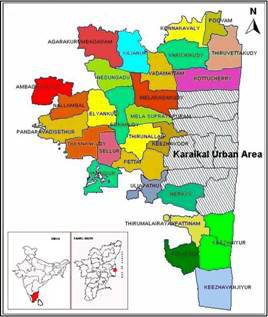
The region’s complex hydrology, influenced by the Cauvery River, combines with the annual monsoons and cyclonic disturbances, resulting in periodic flooding that extends beyond traditional freshwater habitats and spills into adjacent marine environments. Karaikal region has a unique blend of riverine and marine influences serves as a microcosm Rao PS, et al. [3] for understanding how climate-induces extremes impact aquatic eco systems, making it an ideal case study for unravelling the complexities associated with flood induced fish strangulation.
Karaikal region is the deltaic region of the Union Territory which is at the terminus of the river Cauveri. The main branches of Kaveri below Grand Anicut are the Kodamurutti, Arasalar, Virasolanar and the Vikramanar. Although Arasalar and its branches spread through Karaikal, the waters of Kodamurutti and Virasolanar also meet the irrigation needs of the region.
The surface water in Karaikal region maintains a pH range around 8.44 - 8.77. The Total Dissolved Solids (TDS) is high in coastal areas mainly because of salt water ingression. Most of the areas in Karaikal district have high TDS (in some places ranging from 800 to 2000 mg/litre) and alkalinity ranges from 210-270mg/litre [4]. The Brackish water aquaculture in Karaikal region considerably lowers the ground water quality. The ground water resource is of rather poor quality in Karaikal [5].
As the TDS in water level is high, some of the fish varieties Canciyal JL, et al. [6] adjust to both freshwater and brackish found in the ponds, tanks and rivers of Karaikal region. The details of fish varieties and their adaptability is given below.
| Sl.No. | Family Name | Zoological Name | Common Name | Habitat |
|---|---|---|---|---|
| 1 | Anguillidae | Anguilla bengalensis | Indian mottled eel | F, B, M |
| 2 | Cyprinidae | Catla catla | Catla | F, B |
| 3 | Cirrhinus cirrhosus | Mrigal carp | F, B | |
| 4 | Cyprinus carpio | Common carp | F, B | |
| 5 | Dawkinsia filamentosa | Blackspot barb | F, B | |
| 6 | Labeo calbasu | Orangefin labeo | F, B | |
| 7 | Labeo rohita | Rohu | F, B | |
| 8 | Laubuka laubuca | Indian grass barb | F, B | |
| 9 | Puntius amphibius | Scarlet-banded barb | F, B | |
| 10 | Rasbora daniconius | Slender rasbora | F, B | |
| 11 | Rasbora rasbora | Gangetic rasbora | F, B | |
| 12 | Systomus sarana | Olive barb | F, B | |
| 13 | Siluridae | Ompok bimaculatus | Butter Catfish | F, B |
| 14 | Wallago attu | Wallago | F, B | |
| 15 | Heteropneustidae | Heteropneustes fossilis | Stinging catfish | F, B |
| 16 | Bagridae | Mystus armatus | Kerala mystus | F, B |
| 17 | Mystus cavasius | Gangetic mystus | F, B | |
| 18 | Mystus gulio | Long whiskers catfish | F, B | |
| 19 | Mystus vittatus | Striped dwarf catfish | F, B | |
| 20 | Loricariidae | Rhinomugil corsula | Corsula | F, B |
| 21 | Planiliza melinopterus | Otomebora mullet | F, B, M | |
| 22 | Planiliza tade | Tade gray mullet | F, B, M | |
| 23 | Belonidae | Xenentodon cancila | Freshwater garfish | F, B, M |
| 24 | Hemiramphidae | Hyporhamphus xanthopterus | Red-tipped halfbeak | F, B, M |
| 25 | Aplocheilidae | Aplocheilus lineatus | Malabar killie | F, B |
| 26 | Aplocheilus panchax | Blue panchax | F, B | |
| 27 | Poeciliidae | Gambusia affinis | Mosquitofish | F, B |
| 28 | Poecilia reticulata | Guppy | F, B | |
| 29 | Poecilia sphenops | Molly | F, B | |
| 30 | Mastacembelidae | Macrognathus aral | One-stripe spinyeel | F, B |
| 31 | Mastacembelus armatus | Zig-zag eel | F, B | |
| 32 | Ambassidae | Ambassis ambassis | Commerson’s glassy | F, B |
| 33 | Ambassis gymnocephalus | Bald glassy | F, B, M | |
| 34 | Chanda nama | Elongate glass perchlet | F, B | |
| 35 | Cichlidae | Pseudetroplus maculatus | Orange chromide | F, B |
| 36 | Etroplus suratensis | Pearlspot | F, B | |
| 37 | Oreochromis mossambicus | Mozambique tilapia | F, B | |
| 38 | Oreochromis niloticus | Nile tilapia | F, B | |
| 39 | Gobiidae | Glossogobius giuris | Tank goby | F, B, M |
| 40 | Channida | Channa punctata | Spotted snakehead | F, B |
| 41 | Channa striata | Striped snakehead | F, B | |
| 42 | Carangidae | Caranx ignobilis | Giant trevally | B, M |
| 43 | Caranx sexfasciatus | Bigeye trevally | F, B, M | |
| 44 | Selar crumenophthalmus | Bigeye scad | B, M | |
| 45 | Haemulidae | Pomadasys furcatus | Banded grunter | B, M |
| 46 | Siganidae | Siganus javus | Streaked spinefoot | B, M |
| 47 | Siganus canaliculatus | White-spotted spinefoot | B, M |
While instances of fish stranding during floods are well documented globally Matthews WJ, et al. [7, 8], the specific phenomenon of freshwater fish strangulation in the sea waters of the Karaikal region remains poorly explored. This
Objective
This study endeavours to uncover the underlying causes, assess the ecological impacts and delineate adaptive strategies exhibited by fish populations facing the novel challenge of navigating saline waters during flood events in Karaikal region. This study has multifaceted set of objectives, aiming to contribute not only to the localized understanding of Karaikal’s ecological dynamics but also to the broader scientific discourse surrounding the global repercussions of floods on freshwater and marine ecosystems.
Literature Review
Studies worldwide have documented instances of flood- induced fish stranding, emphasizing the global nature of this ecological phenomenon [7, 8]. These occurrences highlight the vulnerability of freshwater ecosystems to extreme weather events.
study is motivated by the need to bridge this knowledge gap and contribute to a deeper understanding of the ecological consequences associated with the intersection of freshwater and marine ecosystems during extreme weather events.
The convergence of freshwater and marine ecosystems during floods introduces challenges and opportunities for aquatic biodiversity. Research indicates that the influx of freshwater into marine habitats can disrupt established ecological balances, leading to unique interactions and consequences [9]. Coastal areas globally, including regions in Southeast Asia and North America, have reported instances of fish strangulation during flood events. These studies emphasize the need for region specific investigations to understand the nuances of this phenomenon [10, 11]. The increasing frequency and intensity of floods are attributed to climate change, impacting aquatic ecosystems worldwide [12]. Understanding the relationship between climate patterns and flood-induced fish strangulation is crucial for predicting future occurrences [13].
In the Indian context, flood-induced fish strangulation gains significance due to the country’s diverse aquatic ecosystems. Studies have shown that regions like Kerala and Tamil Nadu are particularly vulnerable, emphasizing the need for adaptation strategies in the face of changing climate patterns [1, 3]. The ecological consequences of flood-induced fish strangulation extend beyond immediate impacts to pose challenges for biodiversity conservation. Research underscores the need for holistic approaches that consider both freshwater and marine ecosystems in conservation strategies [7, 8]. Apart from ecological consequences, studies have highlighted the socioeconomic impacts of flood-induced fish strangulation, particularly in regions where fishing communities depend on these resources [14]. Understanding these impacts is crucial for developing resilient and sustainable resource management practices. Despite advancements, there are significant gaps in understanding the ecological intricacies of flood-induced fish strangulation, particularly in the Indian context. Addressing these gaps requires interdisciplinary research approaches that consider hydrology, ecology, and climate science [15].
Methodology
This study employs a comprehensive methodology, including field surveys, water quality analysis and community engagement. Field study and surveys were implemented from March 2023 to February 2024 and documented data on fish species, abundance and habitat conditions, while water quality analysis monitored salinity, temperature, and nutrient levels to understand their influence on fish health and ecosystem dynamics. Community engagement initiatives involved knowledge dissemination, awareness programs, and collaborative data gathering, ensuring a holistic approach to the research.
Results and Discussions
In the Karaikal region, our observations have highlighted a significant phenomenon: floods bring forth a substantial influx of freshwater, causing the water levels of rivers and canals to merge with seawater due to the region’s low-lying terrain. This convergence poses challenges for various fish species, such as Tilapia (Oreochromis niloticus), Catla (Catla catla), Rohu (Labeo rohita), and Murrel (Channa striata), which are adapted to freshwater environments. These species experience stress or mortality when exposed to rapid fluctuations in salinity levels during flood events.
Table 1 provides insights into the typical parameters of both pond water and brackish water, alongside the alterations observed during floods. Floods not only trigger an influx of sedimentation and organic matter into marine ecosystems but also disrupt dissolved oxygen levels, thereby impacting species like the common carp (Cyprinus carpio). Freshwater fish, in particular, exhibit high sensitivity to fluctuations in oxygen concentrations, often succumbing to conditions of low oxygen (hypoxia). Furthermore, the entry of floodwaters into marine zones introduces temperature differentials compared to the surrounding seawater, leading to abrupt temperature fluctuations. These variations further compound the challenges faced by aquatic ecosystems and their resident species.
| pH | COD | BOD | Temperature | |
|---|---|---|---|---|
| Fresh Water | 8 to 8.44 | 0.8 to 7.6 mg/l | 0.3 to 7.2 mg/l | 25°C – 31.8°C |
| Brackish Water | 7.4 to 8.4 | 5.8 to 6.0 mg/l | 10 to 22 mg/l | 26.7°C – 33.4°C |
| Flood Waters in Brackish Canal | 6.5 to 7.5 | 5.4 to 5.8 mg/l | 3 to 3.2 mg/l | 23°C – 24°C |
Table 2: Water Quality Data Monitored under NWMP 2021.
The influx of floodwaters presented significant challenges for freshwater fish species with specific temperature requirements, as they struggled to adapt to the abrupt environmental changes. These floods wrought alterations upon coastal ecosystems, including mangroves, seagrasses and marshlands, which play vital roles as nurseries and feeding grounds for numerous fish species. The disruption of these habitats has far-reaching consequences for fish populations, affecting their reproductive success and overall abundance. Moreover, the floods led to increased water turbidity, primarily due to heightened sedimentation levels, which in turn diminished light penetration. This reduction in light availability further compounded the challenges faced by aquatic organisms, affecting their ability to forage, navigate, and thrive within their habitats.
The disruption caused by floods affected a variety of fish species, including the Asian Seabass, known locally as Koduva (Lates calcarifer), Mahseer (Tor putitora), Pearlspot (Etroplus suratensis), and Green Chromide (Etroplus suratensis), all of which rely heavily on visual cues for feeding and navigation. The inundation of floodwaters brought along pollutants from upstream areas, introducing a range of chemical contaminants into both freshwater and marine ecosystems. Among these contaminants were harmful substances such as mercury, lead, cadmium, and pesticides like endosulfan and DDT. The rapid changes in water flow and currents during flood events had profound impacts on fish behaviour, disrupting migration patterns, spawning activities, and feeding behaviours. These disruptions posed significant challenges for the survival and reproductive success of various fish populations, further exacerbating the ecological repercussions of the flood events.
The sudden fluctuations in salinity, temperature, and dissolved oxygen levels triggered by floods in the Karaikal region have resulted in significant stress and mortality among fish species ill-equipped to cope with such rapid environmental changes. These challenges extend to the reproductive activities of various fish varieties, hindering their ability to carry out essential functions like spawning due to habitat disturbance and unfavourable environmental conditions. However, certain fish species, such as the Walking Catfish (Clarias batrachus) and Giant Gourami (Osphronemus goramy), have exhibited greater resilience to these changing conditions. Consequently, there have been observable shifts in the composition of the fish community across both freshwater and marine environments in response to these altered conditions. Moreover, flood events have wrought structural changes upon habitats such as mangroves, marshes, and seagrasses, thereby disrupting the availability of suitable spawning grounds for fish in the Karaikal region. These alterations to habitat structure have far-reaching implications for the reproductive success and overall population dynamics of various fish species, further exacerbating the ecological consequences of the flood events.
The immediate aftermath of cyclonic floods in the Karaikal region has set in motion a cascade of long-term changes in the biodiversity of both freshwater and marine ecosystems. The aforementioned fish species continue to grapple with the aftermath, struggling to either recover or adapt to the sudden environmental shifts. These persistent alterations to habitats have triggered enduring changes in the structure and composition of ecosystems. This impact extends beyond fish populations, affecting a myriad of other organisms reliant on these habitats for survival. The fluctuations in fish populations have reverberated through trophic interactions, leading to consequential shifts in ecosystem functioning. These changes have the potential to disrupt vital processes such as nutrient cycling and energy flow, thereby exerting a profound influence on the overall stability and resilience of the ecosystem.
Over time, fish species like Catfish (Clarias batrachus), Giant Snakehead (Channa micropeltes), Giant Gourami (Osphr_o_nemus goramy), and Pearl Gourami (Trichopodus leerii) undergo genetic adaptations in response to the altered environmental conditions caused by cyclonic floods. However, the rapid and severe nature of these changes may also result in the loss of certain genetic traits among these species. The changes observed in fish populations have far- reaching effects on various components of the ecosystem, including invertebrates, birds, and mammals that rely on fish as a primary food source. The resilience of the overall ecosystem to such disruptive events hinges on its capacity to recover, which is influenced by factors such as the magnitude and frequency of disturbance and the availability of suitable refugia for fish populations to rebound.
The occurrence of flood events in the Karaikal region triggers a rapid surge in water flow, which can result in fish being carried downstream or into adjacent areas, including saline waters. The heightened water turbidity and shifts in currents disrupt the usual navigational cues relied upon by fish, often leading them into unfamiliar saline environments. These floods have the potential to reshape the structure of freshwater habitats, such as rivers and lakes, prompting fish to seek out alternative habitats, which may include saline waters. Certain fish species demonstrate adaptability and may opportunistically explore new environments, particularly during periods of environmental upheaval, such as floods. However, the abrupt exposure to elevated salinity levels poses a significant challenge for freshwater fish, potentially inducing physiological stress and increasing mortality rates. This underscores the delicate balance between environmental resilience and the vulnerability of aquatic ecosystems to sudden and drastic changes wrought by natural events like floods.
The migration of fish for spawning purposes may encounter challenges as they struggle to locate suitable spawning grounds within saline waters, ultimately impacting their reproductive success. When freshwater species venture into saline environments, they may face competition or predation from marine species, thus reshaping the dynamics of both ecosystems. The sudden influx of freshwater fish introduces competition for resources among existing marine species, consequently shaping the structure of marine communities. Furthermore, the presence of freshwater fish in saline waters may disrupt predator-prey relationships, potentially altering the abundance and behaviour of marine predators. Additionally, freshwater fish carry nutrients from their original habitat into marine ecosystems, thereby influencing nutrient cycling and potentially impacting primary productivity. These interactions highlight the interconnectedness of aquatic ecosystems and underscore the far-reaching consequences of disruptions caused by natural events such as floods.
Certain ecosystems exhibit resilience to these disruptions, with fish populations either adapting to the altered conditions or returning to their original habitats as floodwaters subside. Effective management strategies entail the restoration and preservation of critical freshwater habitats, which helps sustain natural migration patterns and minimizes the likelihood of fish venturing into saline waters. It is imperative to maintain continuous monitoring and conduct ongoing research to comprehend the enduring effects of these events and to implement adaptive management strategies aimed at mitigating adverse impacts. Given the shifting climate patterns, there may be a heightened frequency of extreme weather occurrences, underscoring the importance of integrating climate change considerations into long-term ecological planning efforts.
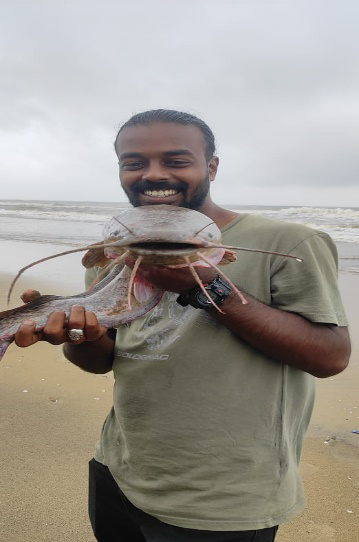
Fish possess specialized cells and organs, such as gills and kidneys, dedicated to osmoregulation, enabling them to maintain a delicate balance of water and salts within their bodies. In response to higher salinity levels, certain fish species can temporarily adjust their osmoregulatory mechanisms to prevent excessive water loss. Through active ion transport across their gills, fish can regulate internal ion concentrations to adapt to changes in external salinity. Notably, some fish feature ionocytes, specialized cells within the gills, which play a pivotal role in this ion transport process. Exposure to saline conditions may induce changes in metabolic rates, prompting certain fish to adjust their metabolic processes to meet the energetic demands associated with osmoregulation in saline environments. Anadromous fish, which migrate between freshwater and marine environments, have developed mechanisms to aid osmoregulation, such as retaining urea within their bodies to prevent dehydration in saline waters. Additionally, fish may selectively regulate their drinking and feeding behaviours to minimize exposure to saline water and maintain optimal internal conditions amidst fluctuating environmental pressures.
Fish often display avoidance behaviours, such as seeking refuge in freshwater habitats or migrating to regions with lower salinity, in order to minimize exposure to saline conditions. Certain fish species are endowed with the ability to undergo spatial migration between distinct environments, enabling them to relocate to areas with more favourable salinity levels during specific life stages or environmental circumstances. In response to daily or seasonal fluctuations in salinity, fish may exhibit behavioural adaptations, altering their activities to align with periods of reduced salinity. Additionally, fish populations may exhibit social behaviours that facilitate collective movement to regions boasting suitable salinity conditions, thereby conferring a shared advantage in adapting to shifting environments. Furthermore, fish may display habitat preferences, selecting areas that offer optimal conditions for osmoregulation, such as those characterized by lower salinity levels or greater salinity stability. These behavioural strategies underscore the remarkable adaptability of fish in navigating and thriving within dynamic aquatic ecosystems.
As time progresses, fish populations may accumulate genetic diversity that bolsters their capacity to withstand fluctuating salinity conditions, facilitation natural selection and adaptation processes. Prolonged exposure to varying salinity levels can drive evolutionary shifts within fish populations, favouring the development of traits that enhance survival in dynamic environments. This evolutionary response underscores the remarkable capacity of fish to adapt and thrive amidst changing ecological conditions over time.
Conclusion
Ecosystems characterized by high species diversity demonstrate greater resilience in the face of disturbances, as different species exhibit varied responses, thereby providing a spectrum of ecological functions. The presence of diverse habitats, such as mangroves, seagrasses, and freshwater wetlands, reinforces resilience by offering refuges for various species and life stages. Species endowed with adaptive traits and a capacity to tolerate diverse environmental conditions are more apt to swiftly rebound from disturbances. Moreover, ecosystems featuring well-connected habitats facilitate species movement, thereby promoting recolonization and recovery post-disturbance. Ecosystems adapted to natural disturbance regimes, including intermittent floods, showcase heightened resilience, having evolved mechanisms to cope with such events over time. These ecosystems’ ability to navigate and endure disruptions underscores their robustness in maintaining ecological balance amidst dynamic environmental challenges.
Fish populations displayed recolonization of impacted areas primarily through migration from nearby habitats, particularly when suitable spawning and rearing grounds were available. In ecosystems featuring plant components like marshes or seagrasses, the recovery potential hinged on the regrowth and stabilization of vegetation, which played a pivotal role in habitat restoration. Over time, fish populations demonstrated genetic adaptations to the modified conditions, potentially fostering increased resilience in subsequent generations. Human-assisted restoration initiatives, spearheaded by governmental and non-governmental organizations, such as habitat restoration and conservation efforts, bolstered recovery potential by fostering conditions conducive to fish populations. The recovery of ecosystems facilitated improvements in water quality, as the lasting effects of excessive nutrients and pollutants carried by floodwaters gradually diminished. The ability of the overall community structure to rebound depended on the intricate interdependencies among species and the capacity of the ecosystem to re-establish functional relationships essential for its ecological balance.
Human activities, including habitat destruction and pollution, exacerbated the difficulties encountered by ecosystems striving to recover from flood-induced disturbances. Alterations in climate patterns impacted the frequency and severity of flood events, thereby affecting the capacity of ecosystems to recuperate within specific timeframes. The introduction of invasive species, such as the African Catfish (Clarias gariepinus), particularly those displaying opportunistic behaviours, impeded the recovery of native fish populations and disrupted ecosystem dynamics. The assessment of recovery potential necessitates prolonged monitoring to grasp the trajectory of ecosystem transformations and gauge the efficacy of recovery endeavours. This comprehensive approach is essential for elucidating the resilience of ecosystems in the face of multifaceted challenges and human-induced pressures.
References
-
Narayanan M, Umamahesh NV, Balamurugan N, Jayaprakash M (2019) Inventory of finfish resources along Karaikal coast, southeast coast of India. Indian Journal of Geo-Marine Sciences 48(11): 1759-1767.
-
Mohan R, Aruna L, Poonguzhalan R, Narayanan AL, Sundaravarathan S (2015) Water Management after Management Studies in the Coastal Deltaic Region of Karaikal, Conference Paper.
-
Rao PS, Srivinas TNR, Nanduri VR (2020) Evaluation of the flood inundation in the Cauvery delta region of Tamil Nadu using Geographical Information System. Modelling Earth Systems and Environment 6: 1873-1881.
-
Chandramouli M, Prasad TJR (2014) Groundwater chemistry of South Karaikal and Nagapattinam Districts, Tamil Nadu, India, International Association of Scientific Innovation and Research pp: 218-223.
-
Subburaj A (2014) District Groundwater brochure, Karaikal Region, U.T of Pondicherry, Technical Report Series.
-
Canciyal J, Kosygin L, Mogalekar HS, Das BK (2020) Indian Journal of Geo Marine Sciences 49(3): 477-484.
-
Matthews WJ, Marsh-Matthews E, Ferguson CE (2019) River–floodplain ecosystems: Where riverine productivity and terrestrial inputs collide. BioScience 69(5): 410-425.
-
Pyke GH, Helfield JM, Hopfensperger KN (2015) Experimental floods in a regulated river: Implications for adult trout movement and population dynamics. River Research and Applications 31(9): 1059-1072.
-
Bronwyn MG, Michael JK (2002) Impact of Changes in Flow of Freshwater on Estuarine and Open Coastal Habitats and the Associated Organisms. Oceanography and Marine Biology: an Annual Review 40: 233-309.
-
Smith AE, Olden JD, LeRoy Poff N (2018) The global distribution and drivers of freshwater fish stranding. Global Ecology and Biogeography 27(4): 440-449.
-
Chen Y, Peng S, Huang T (2020) Dynamic responses of fish community structure to river-floodplain connectivity under hydrological regimes. Science of the Total Environment 708: 135076.
-
Battin J, Wiley MW, Ruckelshaus MH, Palmer RN, Korb E, et al. (2007) Projected impacts of climate change on salmon habitat restoration. Proceedings of the National Academy of Sciences 104(16): 6720-6725.
-
FAO (2018) Fisheries and Aqua Culture. Technical Paper pp: 627.
-
Béné C, Oosterveer P, Lamotte L, Brouwer ID, de Haan S, et al. (2016) When food systems meet sustainability – Current narratives and implications for actions. World Development, 113: 116-130.
-
Harada M, Nagayama S (2022) Impacts of Flood Disturbance on the Dynamics of Basin-Scale Swimming Fish Migration in Mountainous Streams 14(4): 538.
- Genetic Improvement of Nile Tilapia (Oreochromis niloticus): Advances in Selective Breeding and Genomic Approaches for Sustainable Aquaculture
- Microplastics, Contaminants, and Waste Hotspots: Divergences and Faults in Prioritizing Control Efforts
- Creating a Healthier, More Vibrant Open and Closed Aquatic Environment. A Submersible, Centrifugal Magnetically Affixed Current Changing Aquarium Pump
- An Attempt to Assess Alpha Diversity and Sample Size: Using the Ostracod Assemblages off Kumamoto Port, Japan
- Assessment of the Efficiency of Common Fishing Gears and Crafts Used at Mohananda River of Chapai Nawabganj, Bangladesh
- Fish Productivity and Biodiversity Status of Sundarban Mangrove in Bangladesh