
Plant Based Nanoformulation as an Alternative Phytotherapeutics to Regulate Rheumatoid Arthritis a Review
Rheumatoid arthritis (RA) is indeed a severe autoimmune condition characterized by chronic inflammation of the joints. It is known to cause pain, stiffness, swelling and eventually, joint deformity. Phytochemicals, which are biologically active compounds found in plants, have shown promise in the management of arthritis and the treatment of inflammatory, autoimmune and infectious disorders. Thus, the phytochemicals derived from plants have been used to treat autoimmune diseases like RA, and their pharmacological effects have been recognized for a long time. However, despite a wealth of scientific data supporting their medicinal potential, phytochemicals are often overlooked in mainstream medicine. One approach to enhance the effectiveness of phytoconstituents is through the use of nanomedicine. Nanomedicine involves formulating drugs at the nanoscale to improve their bioavailability, stability, and biotransformation. By using nanotechnology, phytoconstituents can be encapsulated in solid nanoparticles, which can enhance their therapeutic effects. It has shown that drug-loaded solid nanoparticles are more effective in reducing arthritic signs and symptoms. The physicochemical characteristics of these nanoformulations, including their drug loading effectiveness, are important factors in determining their efficacy. Overall, the utilization of phytochemicals in the treatment of arthritis and other related disorders, along with the application of nanomedicine techniques, holds promise for improving patient outcomes and addressing the challenges associated with the bioavailability and stability of these compounds.
Introduction
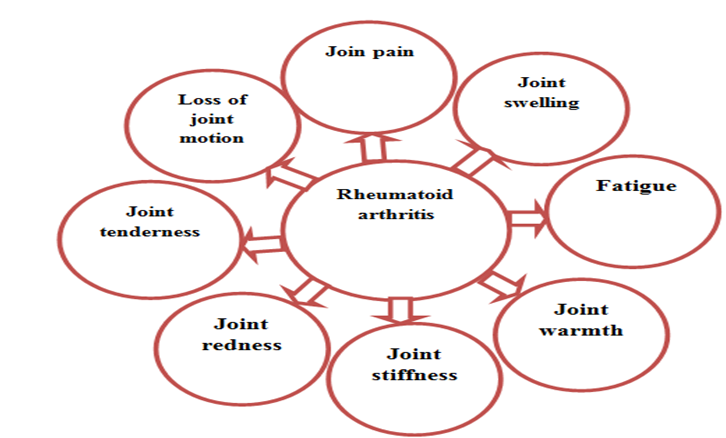
Rheumatoid arthritis (RA) is an autoimmune allergic condition causes ongoing inflammation and synovial fibroblast proliferation, which leads to the permanent loss of articular cartilage and bone fetched by atherosclerosis [1]. The primary cause of RA is inflammation and loss of articular cartilage, however the exact mechanism is yet unknown. Figure 1 depicted the various symptoms raised in RA such as joint pain, swelling, stiffness in the joints, insomnia, exhaustion, weight loss, and flu-like symptoms [2]. Additionally, discomfort and exhaustion can make it difficult to work and frequently have a bad impact on social life [3]. Worldwide, the prevalence of RA ranges from 0.5 to 1% of the population and in case of the Indian population, more than 20% of the population has any form of arthritis [4]. Compared to men (2%), women (4%) encounter it more frequently. More over 50% of RA patients in wealthy nations stopped working full-time within ten years after the disease’s inception. Every year, 41 out of every 100,000 people receive a RA diagnosis, and 1.3 million Americans have the disease. Diagnoses for the condition can be made anywhere between three months after the commencement of the illness and two years later, when it has become more severe [5]. RA patients typically dependent on analgesic and anti-inflammatory medications (NSAIDs) to treat illness symptoms [6]. The leading factor contributing to increased mortality in RA is cardiovascular disease (CVD) [7] (Figure 1).
It is different from osteoarthritis, a degenerative joint condition that solely affects joint function and also link to number of body functions as such gastrointestinal issues, renal dysfunction and an elevated risk of cardiovascular disease [8]. NSAIDs, steroids, disease-modifying anti- rheumatic medications (DMARDs) and glucocorticoids are the main pharmacological classes of drugs used to treat RA. These medications can only slow the RA’s progression, which raises the danger of infection. The prolonged use of these treatments will result in drug dependence and strong negative side effects including rashes, liver damage and hair loss [9].
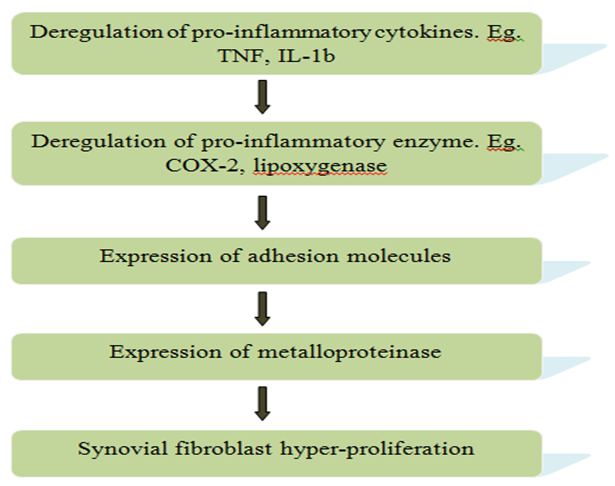
In this autoimmune illness, a number of immunological processes are carried out simultaneously and the synovial fluid also plays a crucial role in these processes. Acute inflammation in RA is characterized by activation and proliferation of synoviocyte which results in the generation of cytokines and proteases. Pro-inflammatory cytokines like TNF-α, IL-6 and IL-1 are produced by synoviocytes that resemble macrophages, whereas fibroblast-like synoviocytes are primarily responsible for producing IL-6, proteolytic enzyme (MMPs), prostaglandins and leukotrienes [10]. Invasion of the synovium damages bone and cartilage. Additionally, T cells, β cells and adaptive immune cells infiltrate the synovium as a result of RA. Rheumatoid factors and ACPAs are produced by β cells which also serve as cells that deliver antigen and helps to activate T lymphocytes [11]. Numerous immune-mediated substances can promote inflammation in synovial joints [12]. The most prevalent kinds of arthritis are gout, juvenile idiopathic arthritis, reactive arthritis, psoriatic arthritis, rheumatoid arthritis, septic arthritis and ankylosing spondylitis [13].
Pathophysiology of RA
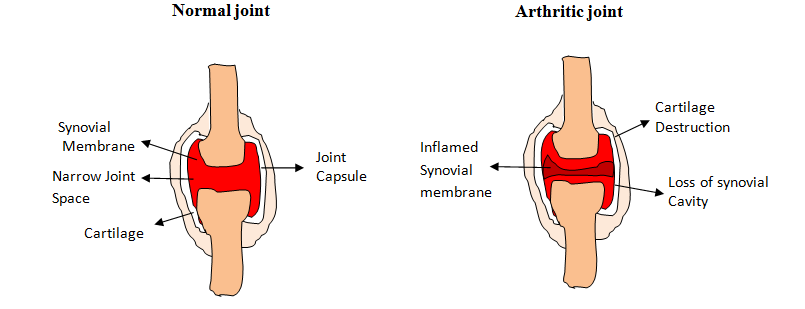
RA is distinguishing at the permeation of the synovial membrane in several joints by T cells, B cells and monocytes. An additional sign of RA synovitis is revascularization, or the formation of new blood vessels, which was brought on by the activation of endothelial cells in the preceding process. A giant cell layer of synovial lining results from the expansion of cells that resemble synovial fibroblasts and macrophages. At the cartilage-bone interface, this enlarged synovial membrane, commonly known as “pannus” penetrates the peri-articular bone, causing bony erosions and cartilage degeneration [14]. Its pathophysiology is complicated and comprises genetic and environmental variables, resulting in active synovial inflammation [15].
Vimentin, type II collagen, histones, fibrin, fibronectin, Epstein-Barr nuclear antigen 1, and α-enolase are examples of citrullinated proteins that the immune system no longer recognises as self-structures because of the susceptibility genes HLA-DR1 and HLA-DR4. Antigen-presenting cells (APCs), which are dendritic cells that have been triggered to start an immune response, take up antigens [16]. Additionally, the cytokine-activated fibroblasts’ production of RANK-L, along with TNF- α, IL-6, and the release of matrix metalloproteinase via cell-surface signalling from activation of the immune cells, causes macrophages and preosteoclasts to differentiate into osteoclasts, which are specialized in the breakdown of bone tissue [17].
The effective use of monoclonal antibodies against these cytokines, the most well-known of which is anti-TNF, in the treatment of RA further supports the key involvement of cytokines in RA synovitis (Figure 2). The main problem of these medicines is that they attack the immune system broadly, raising the risk of infections and maybe neoplasms. As a result, research aimed at understanding the actual immunopathology of RA may open up the possibility for specific targeted therapy which could greatly enhance the care provided to RA patients [18].
Treatment of RA
The primary goals and strategies for managing RA is to reduce joint pain and inflammation, improved joint function and prevention of deformity and joint degeneration RA (Figure 3).
The standard treatment guidelines for rheumatoid arthritis have been published by the Ministry of Health and Family Welfare (MOHFW), Government of India. NSAIDs, corticosteroids and DMARDs are the recent RA treatment used in India [19] (Table 1). Anti-rheumatic medications such as methotrexate (MTX), leflunomide, sulfasalazine and hydroxychloroquine (HCQ) taken with or without other NSAIDs i.e. aspirin, celecoxib, diclofenac, ibuprofen, indomethacin and ketoprofen etc. medicines can effectively control RA [20]. MTX has been a used as a successful treatment for RA since 1980s; we are also attempting to create a formulation that combines MTX with another drug [21].
Glucocorticoids (GCs) are additionally frequently utilized for the efficient management of RA. A number of GCs (methylprednisolone, triamcinolone, prednisone and hydrocortisone) are used in India for the treatment of RA as a combination therapy. It has been utilized by the 1/3rd of the Indian population which has been found in practiced for the previous ten years [22]. Additionally, treatment for RA using conventional methods has changed from mono-therapy to a combined strategy [23]. Numerous phytoconstituents are extracted or isolated from plants that have been used to control pro-inflammatory signals up to 60 to 90 %. It defends the complementary and alternative system of medicine which derived from natural medicinal plants because of the limited efficacy and numerous adverse effects of the treatments that are now accessible. Table describes some of the well-researched natural remedies, along with their sources and molecular targets. Despite the above-mentioned phytoconstituents have some potential advantages; their poor oral bioavailability and high first pass metabolism represent a significant drawback [24].
Difficulties with Traditional Dose Forms
Tablets, capsules, oral liquids, topical treatments, parenterals, paediatric/geriatric medicines, and transdermal patches are only a few of the standard dose forms used to treat RA [25]. Ointment, cream, gels, and paste are examples of topical dose forms for the treatment of RA [26]. Transdermal patches are the advanced formatting a topical drug delivery device that uses minimally invasive means to deliver medication via the skin. Poor patient compliance, a brief half-life (t/2), low bioavailability, and poor solubility were the main dements with conventional dosage forms used to treat RA. These issues may be resolved by developing new dosage forms example microparticles, nanoparticles, nanoemulsions, nanomicelles, nanodispersions, nanocapsules, nanosuspensions. Table 1 afflicted the currently available standard dose for the managing of RA [27].
| Name of plant | Part used | Main active compound | Mode of action | Authors | References |
|---|---|---|---|---|---|
| Alpinia galangal | Rhizomes | Carotol; Eucalyptol; 5-hydroxymethylfurfural | Give relief in pain. | Eram, et al. | [28] |
| Argemone mexicana | The whole plant, Latex | Alkaloids Berberine; protopine; Allocryptopine | Cure rheumatologic | Tilak, et al. | [29] |
| Aphanamixis polystachya | Bark | Ethanol; Oil | Act as analgesics | Prakash Mishra | [30] |
| Anacyclus pyrethrum | Roots | Ester pyrethrine; N-alkylamides | Anti-rheumatic and Anti- arthritic | Amine, et al. | [31] |
| Aquilaria agallocha | Wood | Terpenoids, flavonoids etc | Decoction taken of wood and oil applied to help in pain. | Rahman, et al. | [32] |
| Cardiospermum halicacabum | Roots | Apigenin, protocatachualdehyde, protocatechuic acid, quercetin, etc | The oil used to relieve pain and powder taken orally. Treats infection in joints by trophic organisms. | Shivamanjunath, et al. | [33] |
| Coriandrum sativum | Fruits and leaves | Linalool, α-pinene, camphor, limonene, geranyl acetate, p-cymene | Taken orally. Relive in pain and Anti-inflammatory | Nair, et al. | [34] |
| Cordia dichotoma | Fruits | Betulin, octacosanol, palmitic acid, stearic acid, arachidic acid | Taken orally or in form of powder Anti-rheumatic. | Llidisa, et al. | [35] |
| Commiphora myrrha | Gum | Steroids, Terpenes, Furanosesquiterpenes | Oil used for helping in pain and taken gum taken orally Relive in pain | Lee, et al. | [36] |
| Euphorbia neriifolia | Leaf | Nriifolin-S, Neriifolin, Nerrifoliene, Euphol, Lectin, Taraxerol | Taken in form of juice orally. Relieve pain in rheumatism. | Rahmatullah, et al. | [37] |
| Euphorbia ligularia | Whole plant | Euphol, Lectin, Nerifoliol, Neriifolin | Taken in the form of juice or infusion. Used in the treatment of rheumatism. | Mali, et al. | [38] |
| Ficus bengalensis | Latex | Triterpin, Friedelin, Beta sitostero | Taken as juice. Used in the treatment of rheumatism. | Rathod | [39] |
| Fritillaria roylei | Bulbs | Alkaloids, Terpenoids | Taken in form of powder or juice Used in the treatment of rheumatism. | Singh, et al. | [40] |
| Glycosmis Arborea | Roots | Aromadendrin, transdihydroquercetin, cis- dihydroqueretin | Taken in powder form. Useful in the treatment of arthritis. | Khandokar, et al. | [41] |
| Hyoscyamus niger | Leaves and Seeds | Alokaloids, saponins, lignans, flavonoids | Taken in powder form. Relive in pain and Anti- inflammatory | Esmail Al Snafi, et al. | [42] |
| Ipomoea cairica | Seeds | Flavonoid, alkaloid, tannin, saponins, phytate | The oil used for pain. Relive in pain and Anti- inflammatory. | Srivastava, et al. | [43] |
| Jatropha curcas | Oil | Acetic acid, α-epi-cadinol, α-Cadinol, 14-Methyl- pentadecanoic acid methyl ester | The oil used for joint pain Externally. Relive in pain and Anti- inflammatory. | Ait Babahmada | [44] |
| Mimosa pudica | Whole plant | Alkaloids, flavonoids, steroids, saponins, phenols, tannins, anthocyanins | Taken orally. Helps to deal with the symptoms of rheumatoid arthritis. | Velayudhan Nair, et al. | [45] |
| Ocimum basilicum | Whole plant | Linalool, eucalyptol, estragole, eugenol | Taken in form of infusion, powder or leaves taken raw orally. Relive in pain and Anti-inflammatory. | Hesam Shahrajabian, et al. | [46] |
| Pongamia pinnata | Leaves | Beta-sitisteryl acetate, galactoside, stigma sterol | Taken in powder form. Helps in painful rheumatic joints. | Pulipati, et al. | [47] |
| Piptadeniastrum africanum | Stem bark | Flavonoids, | Anti-inflammatory, antihyperalgesic and/or anti-arthritic potential. | Mbiantcha, et al. | [48] |
| alkaloids, steroids, triterpenoids and saponins | |||||
| Sida cordifolia L. | Leaves | Ephedrine, pseudoephedrine, vasicinol, choline, betaine | Used as antirheumatic. | Kumar, et al. | [49] |
| Merremia vitifolia | Leaf and rhizome | Alkaloids, carbohydrates, glycosides, flavonoids, tannins, saponins, phenols and proteins | Antioxidant and anti- arthritic effects. | Akter, et al. | [50] |
| Tribulus Terrestris | Whole Plant | Flavonoids, flavonol glycosides, steroidal saponins, alkaloids | Used for joint pain externally. Used for external application in rheumatic-arthritis. | Haghmorad, et al. | [51] |
| Chloranthus serratus | Root, stem and leaf | Sesquiterpenoid esters, sesquiterpene dimer | Promotes blood circulation, relieves phlegm and pain, and treats rheumatic joint pain. | Sun, et al. | [52] |
Table 1: List of Phytoactive compound for the treatment of RA.
Treatment of RA through Medicinal Plants
According to the WHO, almost 80% of people worldwide still use plant-based medications. They are an important part of the basic healthcare system in many developing countries [53]. Many medicinal plants are employed in Ayurveda, Siddha and Unani to treat a wide range of human afflictions which held a special role in human life. It also gives more details about the use of plants or plant components as medicine. Traditional medicines are highly regarded for their availability, affordability and lack of or little side effects [54]. Now a day herbs or plant based product is demanded due to less hazardous to both humans and the environment or safe as compare to synthetic product. Although herbs have been valued for their therapeutic, flavorful and aromatic properties for millennia, the modern era’s synthetic products temporarily over shadowed their significance. However, the slavish reliance on synthetics is no longer present and people are again going back to natural products in the hopes of finding safety and security. For their health, more than 75 percent of the world’s population mostly uses plants and plant extracts. Due to the therapeutic efficacy of the components presenting, medicinal plants have been employed as treatments for human ailments [55].
When conventional medications are used in clinical practice to treat arthritis, herbal plants are frequently employed as a supplemental therapy. Different name formulations for arthritis have developed by using variety of plants, including Cannabis, Withania somnifera, Terminalia bellerica, Emblica officinalis, Terminalia chebula, Boswellia serrata, Curcuma longa, Aconitum heterophyllym, Alpinia calcarata, Cissampelo spariera, Tinospora cordifolia (Guduchi), Cassia fistula (Amaltas). Lists of plants with active ingredients that are used for the treatment of RA are shown in table which produces antioxidant and anti-inflammatory effects. The evaluation of these herbal formulations through clinical and preclinical studies produced evidence-based data demonstrating the mechanism of such herbal plants and the active constituent of herbal plants responsible for reducing inflammatory mediators or the molecular signaling pathways linked to arthritis [56].
Phytochemicals from plants are important in the treatment of many ailments although their amount and quality might differ in different areas of medicinal plants. The most often used portions were found to be the leaves (33.7%) followed by complete plants (23.37%) and roots (7.14%). The most common component historically employed was said to be the leaves. The reason could be that leaves are used more frequently than other plant parts due to their ease of collection, straightforward use in medicine and central location for photosynthesis and other metabolic processes. As a result, a variety of chemical reactions take place, producing a variety of secondary metabolites and essential oils. They are essential to the use of phytotherapy or the treatment of several illnesses [57]. Numerous secondary metabolites, including alkaloid, glycoside, protein, flavonoid, reducing sugar, saponins, and phenolic molecule, were identified by the qualitative phytochemical examination [58] (Table 2).
| Plant Name with Family | Main Compound Phytoactive | Mechanism | Reference |
|---|---|---|---|
| Withania somnifera Solanaceae | Withanolides, Withaolide, Hydroxycinnamic Acids, Phenolic acid, and Phytosterol | Inhibitors of cyclooxygenase(COX) mediated arachidonic acid metabolism responsible for producing prostaglandins(PG’s) | [59] |
| Curcuma longa Zingiberaceae | Curcumin, demethoxycurcumin (DMC) and Bisdemethoxycurcumin (BDMC) | Inhibits transcription factor activation (TNF), activation of NF-κB. NF-κB activation | [60] |
| Piper nigrum Piperaceae | Piperine, Piperamide, Sarmentine, and Trichostachine | Inhibits adipogenesis by antagonizing PPARγ activity in 3T3-L1 Cells | [61] |
| Commiphora mukul Burseraceae | Myrrhanone A, B & C and Myrrhanol A, B & C | Increases body’s metabolic rate and reduces body fat. | [62] |
| Zingiber officinale Zingiberaceae | Gingerols, Yakuchinone A, Shogaols, and Paradols, | Inhibitory effect to reduce prostaglandin(PG’s) synthesis. | [63] |
| Pongamia pinnata Leguminoseae | Karangin, Pongamol, Pongagalabrone, Pongapin, Pinnatin, and Kanjone | Denaturation of egg albumin | [64] |
| Porana sinensis Hemsl. Convolvulaceae | Esculetin, Umbelliferone, Trans-N- feruloyltyramine, Caffeic acid and Scopolin | By controlling the PI3K/AKT and HIF-1 pathways, pathological alterations and the release of cytokines (IL-6 and HIF-1) during the course of RA can be seen.. | [65] |
| Calophyllum inophyllumClusiaceae | Calophyllolide Inocalophyllins, Inophyllins and Triterpenoids | Reducing the paw volume and act as immunomodulation effect | [66] |
| Hemidesmus indicuss Asclepiadaceae | Alkaloids, Steroids, Terpenoids, Flavonoids, Saponins, Tannins, Inulin and Cardiac glycosides | Inhibits IL-6, TNF-α, and IL-1 β s IL-6, TNF-α, and IL-1 β. | [67] |
| Cissus quadrangularis Family: Vitaceae | Calcium, Carotene, Glycoside and Alkoloids | In the presence of 3-ketosteroids, it heal and protect muscles, tendons and bones by interacting with cortical. | [68] |
Table 2: List of bioactive constituents used for the treatment of RA.
Medication Delivery Systems Based on Nanotechnology
One of the key technologies that could help address a variety of human requirements to enhance health, well- being, and quality of life is nanotechnology. The invention of drug delivery systems as well as their handling and fate in biological systems are the subject of extensive research. However, the majority of research to date has focused on pharmaceuticals and bioactive plant chemicals, but their technological application is still in its infancy [69]. Different types of novel drug delivery system are used now a day’s which are given below [70] (Table 3).
| Medicine | Carrier | Therapeutic effects | References |
|---|---|---|---|
| Indomethacin | Nanocapsules of Polymeric | Arthritis, Anti-inflammatory, Anti- Rheumatic | [71] |
| Tacrolimus | Nanocapsules of lipid-core | Anti-rheumatoid arthritic | [72] |
| MTX | Lipid-core nanocapsules poly (ε- caprolactone) | Anti-rheumatic arthritic, Anti- inflammatory | [73] |
| Resveratrol, Quercetin | Capsules of Lipid-core Nano | Anti-rheumatic arthritic | [74] |
| Human serum Albumin | Capsules of Nano | Anti-rheumatic arthritic | [75] |
Table 3: Anti-rheumatic and anti-arthritic medications in nanocapsules.
The industries use a variety of nanomaterials including nanoliposomes, nanoemulsions, solid lipid nanoparticles (SLNs), nano lipid carrier (NLC), nanosuspensions, molecular inclusion, polymeric NPs, polymeric micelles and SEDDSs [76, 77].
Nanoliposomes
Huge proportions of liposome are made from phospholipid molecules. Due to their hydrophilicity or lipophilicity, the phytoactive elements are entrapped at internal areas or between membranous layers [78]. As carriers, nanoliposomes guard the active component against chemical deterioration from the surrounding dispersion medium and regulate the frequency of release of the integrated substance. Drugs can get across the blood brain barrier (BBB) of stem - like cells through the holes of nano- liposomes while still safeguarding the integrity of their nanostructure. Although nanocarrier can circulate for a long time in the blood stream [79]. They were formed after the agitatation at 3,000 rpm at 4℃ for 30 min [80]. The system appears to be a successful strategy for increasing therapeutic effectiveness for hydrophobic drugs like teriflunomide- loaded nanoliposomes [81].
Nano-Emulsions
A nanoemulsion is an oil-in-water mixture with submicron-sized droplets that has been preserved by surfactants. Because of its enhanced basic solubility, frequency range of dissolution, and permeation through cytoplasmic membrane, this carrier has recently gained acceptance as a replacement for local lipophilic drug delivery [82]. Using a Brookfield viscometer, the viscosity of the nanoemulsion was determined. The instrument used five milliliters of material to measure the viscosity. Magnetic stirrer technology is used to produce nanoemulsion [83, 84].
Self-Emulsifying Drug Delivery Systems (SEDDS)
Self-emulsifying drug delivery systems (SEDDS), which increase the surface area of drug particles and membrane permeability have become viable drug delivery techniques for the solubility of poorly soluble medicines. SEDDS-based registered pharmaceuticals have seen tremendous growth in the market over the past 2 centuries. SEDDS are defined as isotropic mixtures of surface active substances, natural or synthetic oils and alternatively, one or more hydrophilic solvents, and a co-solvent that, upon gentle swirling in aqueous environments, spontaneously forms oil-in-water nanoemulsions.
All of the percipients for the ideal SEDDS formulations were selected based on solubility experiments [85]. It is a successful method for increasing the intestinal absorption of hydrophobic substances, improving their bioavailability and providing a more constant temporal character of their absorption [86]. The solubility, oral absorption rates and bioavailability of hydrophobic medicines are also said to be improved by the features of SEDDS. It could greatly aid in the oral absorption of hydrophobic and extremely lipophilic medicinal molecules since it is an isotropic mixture of oils, surfactants, and solvents. The main reason for this is that many bioactive substances have limited physiological and pharmacological uses when delivered orally due to their lower aqueous solubility, chemical instability, or lower bioavailability [87]. The claims to super saturable SEDDS technology will increase the solubility and the bioavailability of the active ingredients [88].
In addition, another work on the sparingly soluble biologically active chemical sinapic acid led to the development of a self-nanoemulsifying drug delivery system (SNEDDS) with improved in vitro drug release and increased sinapic acid bioactivity. According to latest reports, the sinapic acid- loaded SNEDDS synthesized using low-energy emulsification techniques have both in vivo and in vitro anti-inflammatory and antioxidant properties. Recently, a SNEDDS was created to transport ellagic acid (EA) in various functional meals and dietary supplements. The pharmacokinetics study of the respected SNEDDS in rats showed that the formulation greatly increased the dissolution rate [89]. The butanolic soluble fraction from stems of Cassia occidentalis was also prepared [90].
Solid Lipid Nanoparticles (SLNs)
A solid lipid nanoparticle (SLNs) is also known as room-temperature lipid nanoparticles microsphere. The lipid used in the solid is a drug entrapment substrate substance that can be chosen from a number of lipids, such as glyceride combinations, lipid acids and mono-glycerides to triglycerides. It provides the benefits of physical stability; protection against medication degradation caused by labile substances, and regulated administration [91]. At ambient temperature, lipids that have been solidified by surfactants remain their solid structure as SLNs. This enables for the drug to be enveloped and produces prolonged drug release [92]. The drug’s release rate of SLNs varies with the type of matrix and the position of the medicament in the preparation. The SLNs were made of active ingredients that are biodegradable and biocompatible can comprise both hydrophilic and lipophilic molecules, showing to be an effective method for delivering drugs with control and precision [93]. It offers a novel drug delivery system for physicochemical weakened drugs and medication that is weakly absorbent in gastrointestinal (GI) mucosa and as a result greatly increasing the plasma concentration [94].
Nano-Structured Lipid Carriers (NLCs)
Nano-structured lipid carriers (NLCs) are one of most promising method for increasing drug penetration into skin especially for drug co-encapsulation. Small-sized NLCs, which are made up of both solid and liquid lipid nano-particles, can create a monolayer on the skin to regular moisture loss. Skin moisture may allow medications to enter the skin more easily by expanding holes within cell layers. Due to its outstanding qualities, such as their high drug load, low leakage, prolonged release property and bioactivity they are commonly used for topical delivery [95]. The medications that have been encapsulated are first liberated from the micro-emulsions and diffuse through the SC. The researchers showed that the trans-follicular route was the main method by which nano- emulsions penetrated deep epidermal layers. Several topical NLCs have received preclinical research approval and shown significant therapeutic efficacy [96]. By measuring the particle size and entrapment effectiveness of freeze-dried NLCs after reconstituted, it was possible to assess the impact of freeze drying on particle stability. NLCs were also kept at 4 and 25°C to conduct a research on storage stability [97].
Nano-Suspensions
Nano-suspensions, a carrier-free NP delivery technology, use the least amount of surfactant and/or polymer possible. Pure drug nano-particles create colloidal dispersions known as nano-suspensions. Because insoluble medicines have poor solubility and bioavailability, which is clearly enhanced the solubility of poorly soluble medicines, increased drug dissolution, and improved bioavailability [98]. Although nano-suspensions have many advantages, they seem to be less stable and more likely to lead to crystal formation and particle aggregation. In order to prevent agglomeration and maintain the nano-suspension’s physical stability during preparation and storage, an acceptable stabilizer is essential. Electrostatic repulsion and stearic stabilization are the two main types of stabilization processes found in frequently used stabilizers [99]. Precipitation, wet milling, high pressure homogenate, or a combo of these techniques can all be used to create NSs. Wet ball grinding is a popular technique for making NSs because it allows for maximum drug loading, continuous operation, and the absence of chemical solvents [100]. In order to assess the sustainability of the ideal nano-suspension, experiments of short-term physiological stability being conducted [101]. Polymeric/ Nanomicelles Polymeric nanomedicine is the Amphiphilic molecules of hopeful and quickly developing window [102]. It has a flexible character, nanomicelles in nano science they are often utilized as carrier systems. They are tiny in size and polymeric in nature, making them usage ocular drug delivery is possible. Hydrophilic nano-micelles have outstanding encapsulation qualities and a hydrophobic core [103]. In closed glass containers, the nano-micelles suspensions were kept into vials stored in three distinct ways (at room temperature, 4°C or 37°C) [104]. Through ligand-receptor interaction, polymer nanoformulations will improve the targeted deposition of medicines in the lesion areas. In contrast to traditional treatment, polymer nanotherapeutics for RA offer a number of benefits, including extremely selective aggregation, lower systemic toxicity, decreased treatment frequency, regulated drug release, and others. The therapeutic effectiveness is significantly enhanced by polymer nanotherapeutics [105]. Another revolution method for regulating drug release from these nanomedicines when they are exposed to the acidic environment of the inflamed synovium is the use of polymeric micelles [106].
Polymeric NPs
Polymeric NPs are a promising method for delivering bioactive molecules to the target region with improved stability and preventing drug degradation. Medicament loading into polymeric nanosystem and hybrid polymeric systems develops to control poor dispersion of drugs. The current research layout to evolve polymeric NPs system as relevant method for target delivery of low soluble drug [107]. Overcoming the drawbacks of lipid-based delivery systems (LDS), such as liposomes, emulsions and micelles, is a key advantage of polymeric NPs. They outperform those other LDSs in terms of loading efficiency, stability, and regulated release of active biomolecules [108].
Natural Products and Herbal Medicines Explored for Arthritis as Nanocarrier
Patients with autoimmune disorders, such as RA, are either currently using a variety of herbal items from traditional systems of therapy, with or without have the primary care physician’s understanding, or are being researched for their potential as treatments. These plants are used in traditional Chinese medicine (TCM), traditional Japanese medicine (Kampo), traditional African medicine (Egyptian and other), traditional Indian medicine (Ayurvedic medicine), and other systems [109]. In order to fulfill the urgent need to produce effective pharmaceuticals, herbal items have emerged as some of the most significant resources. They will continue to be used in this effort and will play a significant role in the search for novel drugs to cure human illnesses particularly serious ones [110]. Since ancient times, herbal items have been utilized extensively as medicine. These natural compounds are potential candidates for lead structure discovery due to their wide chemical variety, pharmacological selectivity, and molecular characteristics [111]. Numerous plant isolates with anti-arthritic (AA) characteristics have been studied and reported, numbering in the thousands. These plant isolates have been divided into groups such as flavonoids, terpenoids, glycosides, and alkaloids [112].
Recent years have seen the isolation of herbal compounds with anti-inflammatory-mediated activities. For the treatment of arthritis, these plants have either been used exclusively or in combination with other treatments such as extracts [113]. Isolation of pure compound from the plant extracts and has a known structure that is responsible for a certain biological action. It aids in the development of new powerful chemicals. They have historically been utilized to treat practically all diseases before the advent of synthetic medications [114]. NSAIDs and other chemotherapeutic agents have made significant progress in treating arthritis, but there are still drawbacks, including unpleasant side effects on the heart, gastrointestinal system, and kidneys, as well as a lack of long-term remission. These issues have reignited interest in conventional herbal treatments [115].
Many people prefer using herbal remedies over more expensive conventional ones since they are easily available, inexpensive, socially and culturally acceptable and simple to produce. Additionally, African culture and customs place a high value on the use of herbal remedies [116] (Table 3). A scientific validation of their uses may expand the range of plant species available for the treatment of arthritis, fully utilize their potential as sources of medicines, and significantly lessen the burden on plant species that are at risk of extinction. Knowledge about the use of specific plant species varies between geographic locations in Africa [117].
Conclusion
Numerous anti-arthritic medications have been created and are available on the market. But continued use of these medications may cause a number of undesirable side effects. Natural products might be thought of as a preferable way for managing RA because, in most cases, medication is required for a lifetime. Due to its numerous applications, there has been an increase in interest in the creation of nanoformulations for the treatment of RA in recent years. These nanoformulations have a variety of useful qualities, including biocompatibility, lowered dosages, decreased frequency of dosing, increased efficacy, sustained action, and fewer side effects. These nanosystems distribute the majority of anti-rheumatic arthritis medications (glucocorticoids/ NSAIDs, etc.) orally, topically, and systemically. With the use of phytoconstituents, this review may enable the basic idea to concentrate on nano based therapeutic approaches for the successful treatment of RA.
Compliance with Ethical Standards
Not applicable
Source(S) of Funding
Not applicable
Conflict of Interest
The authors report no declarations of interest.
Availability of Data and Material
Samples can be acquired from the first author upon request.
References
-
Yanagisawa S, Nagasaki K, Chea C, Ando T, Ayuningtyas NF, et al. (2022) Oral administration of bovine lactoferrin suppresses the progression of rheumatoid arthritis in an SKG mouse model. Plos One 17(2): 0263254.
-
Goel A, Kulshrestha S (2021) Review on Anti-Rheumatoid Arthritis Potential of Medicinal Plants. International Journal of Current Research and Review 13(3): 1-32.
-
Turesson WA, Barebring L, Hulander E, Gjertsson I, Hagberg L, et al. (2021) Effects on health-related quality of life in the randomized, controlled crossover trial ADIRA Antiinflammatory Diet In Rheumatoid Arthritis. Plos One 16(10): 0258716.
-
Lin Ju Y, Anzaghe M, Schülke S (2020) Update on the Pathomechanism, Diagnosis and Treatment Options for Rheumatoid Arthritis. Cells 9(4): 880.
-
Anita C, Munira Ma, Mural Q, Shaily L (2021) Topical nanocarriers for management of Rheumatoid Arthritis A review. Biomedicine Pharmacotherapy 141: 111880.
-
Paglia MDG, Silva MT, Lopes LC, Barberato FS, Mazzei LG, et al. (2021) Use of corticoids and non-steroidal antiinflammatories in the treatment of rheumatoid arthritis Systematic review and network metaanalysis. Plos One 16(4): 0248866.
-
Deyab G, Reine TM, Vuong TT, Jenssen T, Hjeltnes G, et al. (2021) Antirheumatic treatment is associated with reduced serum Syndecan 1 in Rheumatoid Arthritis. Plos One 16(7): 0253247.
-
Janakiraman K, Krishnaswami V, Rajendran V, Natesan S, Kandasamy R (2018) Novel nano therapeutic materials for the effective treatment of rheumatoid arthritis-recent insights. Materials Today Communications 17: 200-213.
-
Zeng Z, Hu J, Jiang J, Xiao G, Yang R, et al. (2021) Network Pharmacology and Molecular Docking-Based Prediction of the Mechanism of Qianghuo Shengshi Decoction against Rheumatoid Arthritis. BioMed Research International 2021: 6623912.
-
Kour G, Assim HS, Bajaj BK, Gupta PN, Ahmed Z, et al. (2021) Phytochemical add on therapy to DMARDs therapy in rheumatoid arthritis In vitro and in vivo bases clinical evidence and future trends. Pharmacological Research 169: 105618.
-
Pannu A, Goyal RK, Ojha S, Nandave M (2019) Naringenin A Promising Flavonoid for Herbal Treatment of Rheumatoid Arthritis and Associated Inflammatory Disorders. Bioactive Food as Dietary Interventions for Arthritis and Related Inflammatory Diseases, pp: 343- 354.
-
Kulkarni AS, Ghugre PS, Udipi SA (2016) Applications of nanotechnology in nutrition potential and safety issues. Novel Approaches of Nanotechnology in Food, pp: 509- 554.
-
Jain S, Vaidya A, Gupta PK, Rosenholm JM, Bansal KK (2021) Antiarthritic Activities of Herbal Isolates A Comprehensive Review. Coatings 11(11): 1329.
-
Aletaha D, Smolen JS (2018) Diagnosis and Management of Rheumatoid Arthritis A Review. JAMA 320(13): 1360- 1372.
-
Toussirot ´E, Fabrice M, Binda D, Dumoulin G (2015) The role of leptin in the pathophysiology of rheumatoid arthritis. Life Sciences 140: 29-36.
-
Radu AF, Bungau SG (2021) Management of Rheumatoid Arthritis An Overview. Cells 10(11): 2857.
-
Ju LY, Anzaghe M, Schulke S (2020) Update on the Pathomechanism Diagnosis and Treatment Options for Rheumatoid Arthritis. Cells 9(4): 880.
-
Derksen VFAM, Huizinga TWJ, Woude DV (2017) The role of autoantibodies in the pathophysiology of rheumatoid arthritis. Semin Immunopathol 39(4): 437-446.
-
Anita C, Munira M, Mural Q, Shaily L (2021) Topical nanocarriers for management of Rheumatoid Arthritis A review. Biomedicine Pharmacotherapy 141: 111880.
-
Huang J, Fu X, Chen X, Li Z, Huang Y, et al. (2021) Promising Therapeutic Targets for Treatment of Rheumatoid Arthritis. Front Immunol 12: 686155.
-
Friedman B, Cronstein B (2018) Methotrexate mechanism in treatment of rheumatoid arthritis. Joint Bone Spine 86(3): 301-307.
-
Kumar V, Kanwar JR, Verma AK (2020) Rheumatoid arthritis: basic pathophysiology and role of chitosan nanoparticles in therapy. Advances in the Development of Novel Carriers for Bioactives and Biological Agents, pp: 481-507.
-
Janakiraman K, Krishnaswami V, Rajendran V, Natesan S, Kandasamy R (2018) Novel nano therapeutic materials for the effective treatment of rheumatoid arthritis recent insights. Materials Today Communications 17: 200-213.
-
Joshi M, Pathak K, Dhaneshwar S (2022) Nanotechnology-based strategies for effective delivery of phytoconstituents for the management of rheumatoid arthritis. Pharmacological Research Modern Chinese Medicine 2(2022): 100061.
-
Mobashar A, Shabbir A, Shahzad M, Hassan SU (2020) Evaluation of Immunomodulatory and Antiarthritic Potential of Trigonella gharuensis Extracts**.** Evidence- Based Complementary and Alternative Medicine 12(2020): 8836080.
-
Jurca T, Józsa L, Suciu R, Pallag A, Marian E, et al. (2021) Formulation of Topical Dosage Forms Containing Synthetic and Natural Anti Inflammatory Agents for the Treatment of Rheumatoid Arthritis. Randomized Controlled Trial Molecules 26(1): 24.
-
Janakiraman K, Krishnaswami V, Rajendran V, Natesan S, Kandasamy R (2018) Novel Nano therapeutic materials for the effective treatment of Rheumatoid Arthritis recent insights. Materials Today Communications 17: 200-213.
-
Eram S, Mujahid MD, Bagga P, Arif M, Kumar A, et al. (2019) a review on phytopharmacological activity of alpinia galangal. International Journal of Pharmacy and Pharmaceutical Science 11(3).
-
Tilak A, Sharma R, Thakur RN, Gangwar SS, Sutar RC (2018) Screening of leaf extracts of argemone mexicana for it’s antiarthritic activity in experimental animals. World Journal of Pharmaceutical Research 7(3): 1054- 1063.
-
Mishra A, Saklani S, Chandra S, Mathur A, Milella L, et al. (2014) Aphanamixis polystachya wall Parker phytochemistry pharmacological properties and medicinal uses an overview. World Journal of Pharmacy and Pharmaceutical Sciences 3(6): 2242-2252.
-
Amine D, Mohamed B, Jamal I, Laila N (2017) Antibacterial Activity of Aqueous Extracts of Anacyclus Pyrethrum L Link and Corrigiola Telephiifolia Pourr From the Middle Atlas Region-Morocco. European Scientific Journal 13(33).
-
Habibur RM, Eswaraiah C, Dutta AM (2016) Anti arthritic activity of leaves and oil of Aquilaria agallocha. Haya Saudi Journal of Life Sciences 1(1): 34-43.
-
Shivamanjunath MP, Sreenath KP (2013) Phytochemical studies on Cardiospermum canescens wall. American International Journal of Research in Formal Applied and Natural Sciences, pp: 13-220.
-
Nair V, Singh S, Gupta YK (2012) Anti granuloma activity of Coriandrum sativum in experimental models. Journal of Ayurveda Integrative Medicine 4(1): 13-18
-
Triantafi JKI, Triantafyllidia A, Vagianosb C, Papalois A (2016) Favorable results from the use of herbal and plant products in inflammatory bowel disease evidence from experimental animal studies. Annals of Gastroenterology 29(3): 268-281.
-
Lee D, Kim SJ, Kim H (2020) A 12 week randomized doubleblind placebo controlled clinical trial for the evaluation of the efficacy and safety of HT083 on mild osteoarthritis. Medicine 99(28): 20907.
-
Rahmatullah M, Jahan R, Azad AK, Seraj S, Mahbubur RMD, et al. (2010) A Randomized Survey of Medicinal Plants used by Folk Medicinal Practitioners in Six Districts of Bangladesh to Treat Rheumatoid arthritis. Advance in Natural Applied Science 4(2): 124-127.
-
Mali PY, Panchal SS (2017) Euphorbia neriifolia L Review on botany ethnomedicinal uses, phytochemistry and biological activities. Asian Pacific Journal of Tropical Medicine.
-
Rathod VD, Ware DN, Pillai S, Bhangale JO, Bhangale PJ (2018) Antiarthritic activity of ethanolic extract of ficus religiosa leaves in fca induced arthritis in rats. World Journal of Pharmaceutical Research 7(2): 778-789.
-
Singh K, Kumar P, Kumar B, Lone JF, Sharma PR, et al. (2020) Morpho anatomical and palynological standardization and dna barcoding of Fritillaria cirrhosa d Don syn Fritillaria roylei hook. Plant Archives 20(2): 1304-1313.
-
Khandokar L, Sazzadul BMD, Seidel V, Areeful HMD (2021) Ethnomedicinal uses, phytochemistry pharmacological activities and toxicological profile of Glycosmis pentaphylla Retz DC A review. Journal of Ethnopharmacology 278: 114313.
-
Al-Snafi AE (2018) Therapeutic importance of Hyoscyamus species grown in Iraq Hyoscyamus albus Hyoscyamus niger and Hyoscyamus reticulates A review. IOSR Journal of Pharmacy 8(6): 18-32.
-
Srivastava D, Shukla K (2015) Ipomoea cairica a medicinal weed with promising health benefits. International Journal of Information Research and Review 2(5): 687- 694.
-
Babahmada RA, Aghrazb A, Boutafdaa A, Papazoglouc EG, Tarantilisd EA, et al. (2018) Chemical composition of essential oil of Jatropha curcas L leaves and its antioxidant and antimicrobial activities. Industrial Crops and Products 121(1): 405-410.
-
Nair PV, Nair B (2017) Muscle relaxant activity of hydroalcoholic extract of Mimosa pudica whole plant in mice. National Journal of Physiology Pharmacy and Pharmacology 7(4): 432-437.
-
Shahrajabian MH, Sun W, Cheng Q (2020) Chemical components and pharmacological benefits of Basil Ocimumbasilicum a review. International Journal of Food Properties 23(1): 1961-1970.
-
Pulipati S, Srinivasa BP, Neelima LD, Navyasri N, Harshini Y, et al. (2018) A phyto pharmacological review on a versatile medicinal plant Pongamia pinnata L pierre. Journal of Pharmacognosy and Phytochemistry 7(4): 459-463.
-
Mbiantcha M, Almas J, Shabana SU, Nida D, Aisha F (2017) Anti arthritic property of crude extracts of Piptadeniastrum africanum Mimosaceae in complete Freund’s adjuvant induced arthritis in rats. BMC Complementary and Alternative Medicine 17: 111.
-
Kumar PPNV, Shameem U, Kalyani RL, Pammi SVN, Gil YS (2018) Ultra Small mono dispersed green synthesized silver nanoparticles using aqueous extract of Sida cordifolia plant and investigation of antibacterial activity. Microbial Pathogenesis 124: 63-69.
-
Akter S, Jahan I, Riniara KMST, Forhad KM, Arshad L, et al. (2021) Pharmacological insights into Merremia vitifolia Burm f Hallier f leaf for its antioxidant thrombolytic anti-arthritic and anti-nociceptive potential. Bioscience Reports 41(1): 20203022.
-
Haghmorad D, Mahmoudi MB, Haghighi P, Alidadiani P, Shahvazian E, et al. (2019) Improvement of fertility parameters with Tribulus Terrestris and Anacyclus Pyrethrum treatment in male rats. Int Braz J Urol 45(5): 1043-1054.
-
Sun S, Li S, Du Y, Wu C, Zhang M, et al. (2020) Anti- inflammatory effects of the root, stem and leaf extracts of Chloranthusserratus on adjuvant induced arthritis in rats. Pharmaceutical Biology 58(1): 528-537.
-
Arya V, Gupta VK, Kaur R (2020) A review on plants having anti-arthritic potential. International Journal of Pharmaceutical Sciences Review and Research 7(2): 131-136.
-
Shanuvas A, Indhumathi M (2018) A review of anti arthiritic medicinal plants. Europian Journal of Pharmaceutical A and Medical Research 5(3): 217-224.
-
Singh S, Sedha S (2018) Medicinal Plants and Their Pharmacological Aspects**.** Friends Provident International 1(4): 156-170.
-
Singh S, Gurjeet ST, Mahajan K, Dhiman S (2020) Medicinal plants used against various inflammatory biomarkers for the management of rheumatoid arthritis. Journal of Pharmacy and Pharmacology 72(10): 1306- 1327.
-
Khan A, Ali S, Murad W, Hayat K, Siraj S, et al. (2021) Phytochemical and pharmacological uses of medicinal plants to treat cancer A case study from Khyber Pakhtunkhwa North Pakistan. Journal of Ethnopharmacology 281: 114437.
-
Tona MR, Tareq AM, Sayeed MA, Hasan MMD, Jahan I, et al. (2020) Phytochemical screening and in vitro pharmacological activities of methanolic leaves extract of Caryota mitis. Journal Advance Biotechnology Experimental Therapeutics 3(2): 109-115.
-
Saleem S, Muhammad G, Hussain MA, Altaf M, Bukhari SNA (2020) Withania somnifera L Insights into the phytochemical profile therapeutic potential clinical trials and future prospective. Iran Journal of Basic Medical Sciences 23(12): 1501-1526.
-
Sahoo A, Behura S, Singh S, Jena S, Ray A, etal. (2021) EST SSR marker‑based genetic diversity and population structure analysis of Indian Curcuma species significance for conservation. Brazilian Journal of Botany 44: 411- 428.
-
Joshi DR, Shrestha AC, Adhikari N (2018) A Review On Diversified Use Of The King Of Spices Piper Nigrum Black Pepper. International Journal of Pharma Sciences Research 9(10): 4089-4101.
-
Rehman NUR, Hussain H, Khan HY, Csuk R, Abbas G, et al, (2017) A norterpenoid and tripenoids from Commiphora mukul isolation and biological activity. Z Naturforsch 72(1): 11-15.
-
Funk JL, Frye JB, Oyarzo JN, Chen J, Zhang H, et al. (2004) Anti-Inflammatory Effects of the Essential Oils of Ginger Zingiber officinale Roscoe in Experimental Rheumatoid Arthritis. Pharma Nutrition 4(3): 123-131.
-
Singh D, Vaghela JS, Kumar A (2022) Comparative Evaluation of Anti-Arthritic Activity of Pongamia Pinnata, Bryophyllum Pinnata and Their Combined Formulation in Fca Induced Arthritis Rat Model. Journal of Pharmaceutical Negative Results 13(5).
-
Hu J, Zhao L, Li N, Yang Y, Qu T, et al. (2022) Investigation of the active ingredients and pharmacological mechanisms of Porana sinensis Hemsl Against rheumatoid arthritis using network pharmacology and experimental validation. Plos One 17(3): 0264786.
-
Perumal SS, Ekambaram SP, Dhanam T (2017) Invivo antiarthritic activity of the ethanol extracts of stem bark and seeds of Calophyllum inophyllum in Freund’s complete adjuvant induced arthritis. Pharmaceutical Biology 55(1): 1330-1336.
-
Subramaniyan V (2019) Hemidesmus indicus and Usage for Arthritic Conditions. Bioactive Food as Dietary Interventions for Arthritis and Related Inflammatory Diseases, pp: 507-521.
-
Nawghare CG, Taur AT, Sawate AR (2017) Studies on the physico-phytochemical and anti-arthritic properties of hadjod Cissus quadrangularis Stem Powder. Journal of Pharmacognosy and Phytochemistry 6(5): 443-445.
-
Joshi M, Pathak K, Dhaneshwar S (2022) Nanotechnology-based strategies for effective delivery of phytoconstituents for the management of rheumatoid arthritis. Pharmacological Research Modern Chinese Medicine 2: 100061.
-
Jogpal V, Sanduja M, Dutt R, Garg V, Tinku (2022) Advancement of nanomedicines in chronic inflammatory disorders. Inflammopharmacology 30(2): 355-368.
-
Bernardi A, Braganhol E, Jäger E, Figueiró F, Edelweiss MI, et al. (2009) Indomethacin loaded nanocapsules treatment reduces in vivo glioblastoma growth in a rat glioma model. Cancer Lett 281(1): 53-63.
-
Friedrich RB, Coradini K, Fonseca FN, Guterres SS, Beck RCR, et al. (2016) Lipid Core Nanocapsules Improved Antiedematogenic Activity of Tacrolimus in Adjuvant Induced Arthritis Model. Journal of Nanoscience Nanotechnology 16(2): 1265-1274.
-
Boechat AL, Oliveira CPD, Tarragô AM, Costa AGD, Malheiro A, et al. (2015) Methotrexate-loaded lipid core nanocapsules are highly effective in the control of inflammation in synovial cells and a chronic arthritis model. International Journal of Nanomedicine 10: 6603- 6614.
-
Coradini K, Friedrich RB, Fonseca FN, Vencato MS, Andrade DF, et al. (2015) A novel approach to arthritis treatment based on resveratrol and curcumin co encapsulated in lipid core nanocapsules in vivo studies. European Journal of Pharmaceutical Sciences 78: 163- 170.
-
Rollett A, Reiter T, Nogueira P, Cardinale M, Loureiro A, et al. (2012) Folic acid-functionalized human serum albumin nanocapsules for targeted drug delivery to chronically activated macrophages. International Journal of Pharmaceutics 427(2): 460-466.
-
Bhalekar MR, Madgulkar AR, Desale PS, Marium G (2017) Formulation of piperine solid lipid nanoparticles SLN for treatment of rheumatoid arthritis. Drug Development and Industrial Pharmacy 43(6): 1003-1010.
-
Amalraj A, Jude S, Sukumaran NP, Gopi S (2019) Nanomaterials in nutraceutical and phytonutrient industries. Industrial Applications of Nanomaterials, pp: 441-474.
-
Nouri Z, Hajialyani M, Izadi Z, Bahramsoltani R, Farzaei MH, et al. (2020) Nanophytomedicines for the Prevention of Metabolic Syndrome A Pharmacological and Biopharmaceutical Review. Front Bioeng Biotechnol 8: 425.
-
Gupta D, Shrivastava SK, Malviya RK (2022) Nanoliposome An overview of types, preparation, evaluation and application. International Journal of Pharmacy and Life sciences 13(1): 15-34.
-
Mahtab A, Rabbani SA, Neupane YR, Pandey S, Ahmad A, et al. (2020) Facile functionalization of Teriflunomide loaded nanoliposomes with Chondroitin sulphate for the treatment of Rheumatoid arthritis. Carbohydrate Polymers 250: 116926.
-
Lucca LG, Matos SPD, Weimer P, Teixeira HF, Koester LS (2020) Improved skin delivery and validation of novel stability-indicating HPLC method for ketoprofen nanoemulsion. Arabian Journal of Chemistry 13(2): 4505-4511.
-
Hoscheid J, Outuki PM, Kleinubing SA, Silva MF, Bruschi ML, et al. (2015) Development and characterization of Pterodon pubescens oil nanoemulsions as a possible delivery system for the treatment of rheumatoid arthritis. Colloids and Surfaces A Physicochemical and Engineering Aspects 484(5): 19-27.
-
Mahtab M, Rizwanullah S, Pandey A, Leekha SA, Rabbani AK, et al. (2019) Quality by design driven development and optimization of teriflunomide loaded nanoliposomes for treatment of rheumatoid arthritis An in vitro and in vivo assessments. Journal of Drug Delivery Science and Technology 51: 383-396.
-
Gokhalea JP, Hitendra S, Mahajana, Surana SJ (2019) Quercetin loaded nanoemulsion-based gel for rheumatoid arthritis In vivo and in vitro studies. Biomedicine Pharmacotherapy 112: 108622.
-
Chandra A, Arya RKK, Pal GR, Tewari B (2019) Formulation and Evaluation of Ginger Extract Loaded Nanoemulgel for the Treatment of Rheumatoid Arthritis. Journal of Drug Delivery and Therapeutics 9(4): 559- 570.
-
Singh B, Bandopadhyay S, Kapil R, Singh R, Katare O (2009) Self Emulsifying Drug Delivery Systems SEDDS Formulation Development Characterization and Applications. Critical Review in Therapeutic Drug Carrier Systems 26(5): 427-451.
-
Pal S, Mittapelly N, Husain A, Kushwaha S, Chattopadhyay S, et al. (2020) A butanolic fraction from the standardized stem extract of Cassia occidentalis L delivered by a self emulsifying drug delivery system protects rats from glucocorticoid induced osteopenia and muscle atrophy. Scientific Reports 10: 195.
-
Hanif M, Ameer N, Mahmood MK, Shehzad A, Azeem M, et al. (2022): Improved antiinflammatory effect of curcumin by designing self emulsifying drug delivery system. Drug Development and Industrial Pharmacy 47(9): 1432-1438.
-
Mahmood S, Bhattarai P, Khan NR, Subhan Z, Razaque G, et al. (2022) An Investigation for Skin Tissue Regeneration Enhancement Augmentation by Curcumin Loaded Self-Emulsifying Drug Delivery System SEDDS. Polymers 14(14): 2904.
-
Subhashis P, Naresh M, Athar H, Sapana K, Sourav C, et al. (2020) A butanolic fraction from the standardized stem extract of Cassia occidentalis L delivered by a self emulsifying drug delivery system protects rats from glucocorticoid-induced osteopenia and muscle atrophy. Scientific Reports 10(1): 195.
-
Chuang SY, Lin CH, Huang TH, Fang JY (2018) Lipid Based Nanoparticles as a Potential Delivery Approach in the Treatment of Rheumatoid Arthritis. Nanomaterials 8(1): 42.
-
Gorantla S, Singhvi G, Rapalli VK, Waghule T, Dubey SK, et al. (2020) Targeted drug-delivery systems in the treatment of rheumatoid arthritis recent advancement and clinical status. Ther Deliv 11(4): 269-284.
-
Mishra V, Bansal KK, Verma A, Yadav N, Thakur S, et al. (2018) Solid Lipid Nanoparticles: Emerging Colloidal Nano Drug Delivery Systems. Pharmaceutics 10: 191.
-
Zhang F, Liu Z, He X, Li Z, Shi B, et al. (2020) β Sitosterol loaded solid lipid nanoparticles ameliorate complete Freund s adjuvant induced arthritis in rats involvement of NF кB and HO1Nrf2 pathway. Drug Delivery 27(1): 1329-1341.
-
Gu Y, Tang XM, Yang M, Yang D, Liu J (2018) Transdermal drug delivery of triptolide loaded nanostructured lipid carriers preparation pharmacokinetic and evaluation for rheumatoid arthritis. International Journal of Pharmaceutics, pp: 235-244.
-
Kang Q, Liu J, Zhao Y, Liu X, Liu XY, et al. (2018) Transdermal delivery system of nanostructured lipid carriers loaded with Celastrol and Indomethacin optimization characterization and efficacy evaluation for rheumatoid arthritis. Artificial Cells Nanomedicine and Biotechnology 46(3): 585-597.
-
Zewail M, Nafee N, Helmy MW, Boraie N (2019) Coated nanostructured lipid carriers targeting the joints An effective and safe approach for the oral management of rheumatoid arthritis. International Journal of Pharmaceutics 567: 118447.
-
Li W, Gong K, Ding Y, Chaurasiya B, Ni Y, et al. (2019) Effects of triptolide and methotrexate nanosuspensions on left ventricular remodeling in autoimmune myocarditis rats. International Journal of Nanomedicine 14: 851-863
-
Karakucuk A, Tort S, Han S, Oktay AN, Celebi N (2021) Etodolac nanosuspension based gel for enhanced dermal delivery in vitro and in vivo evaluation. Journal of Microencapsulation 38(4): 218-232.
-
Oktay AN, Tamer SI, Han S, Uludag O, Celebi N (2019) Preparation and in vitro in vivo evaluation of flurbiprofen nanosuspensionbased gel for dermal application. European Journal of Pharmaceutical Sciences 155: 105548.
-
Zheng X, Xie J, Zhang X, Sun W, Zhao H, et al. (2021) An overview of polymeric nanomicelles in clinical trials and on the market. Chinese Chemical Letters 32(1): 243- 257.
-
Jahan F, Zaman SU, Arshad R, Tabish TA, Naseem AA, et al. (2020) Mapping the potential of thiolated pluronic based nanomicelles for the safe and targeted delivery of vancomycin against staphylococcal blepharitis. Journal of Drug Delivery Science and Technology 61: 102220.
-
Pignatello R, Corsaro R, Bonaccorso A, Zingale E, Carbone C, et al. (2022) Soluplus polymeric nanomicelles improve solubility of BCS class II Drugs. Drug Delivery and Translational Research 12(8): 1991-2006.
-
Feng X, Yang M, Ding J (2017) Polymer Nanotherapeutics for Rheumatoid Arthritis Therapy. Austin Arthritis 2(1): 1015.
-
Fang G, Zhang Q, Pang Y, Thu HE, Hussain Z (2019) Nanomedicines for improved targetability to inflamed synovium for treatment of rheumatoid arthritis Multi functionalization as an emerging strategy to optimize therapeutic efficacy. Journal of Controlled Release 303: 181-208.
-
Javadi M, Haghighian HK, Goodarzy S, Abbasi M, As MN (2018) Effect of curcumin nanomicelle on the clinical symptoms of patients with rheumatoid arthritis A randomized double blind controlled trial. Int J Rheum Dis 22(10): 1857-1862.
-
Negahdari R, Bohlouli S, Sharifi S, Dizaj SM, Saadat YR, et al. (2020) Therapeutic benefits of rutin and its nanoformulations. Phytotherapy Research 35(4): 1719- 1738.
-
Khan D, Qindeel M, Ahmed N, Khan AU, Khan S, et al. (2019) Development of novel PH sensitive nanoparticle- based transdermal patch for management of rheumatoid arthritis. Nanomedicine Lond 15(6): 603-624.
-
Venkatesha SH, Astry B, Nanjundaiah SM, Kim HR, Rajaiah R, et al. (2016) Control of autoimmune arthritis by herbal extracts and their bioactive components. Asian Journal of Pharmaceutical Sciences 11 (2): 301-307.
-
Hussain DJN, Karuppannan SK, Raiyaan GID, Khalith SBM, Subramanian S, et al. (2020) Effect of Solvents on Phytochemical Composition and Antioxidant Activity of Cardiospermum halicacabum L Extracts. Pharmacognosy Journal 12(6): 1241-1251.
-
Banik B, Das S, Das MK (2020) Medicinal Plants with Potent Anti inflammatory and Anti arthritic Properties found in Eastern Parts of the Himalaya An Ethnomedicinal Review. Pharmacogn Rev 14(28): 121- 137.
-
Murugesan S, Srinivasan V, Lakshmanan DK, Venkateswaran MR, Jayabal S, et al. (2021) Evaluation of the anti rheumatic properties of thymol using carbon dots as nanocarriers on FCA induced arthritic rats. Food and function 11.
-
Cao F, Cheng MH, Li Qin H, Shen H, Hui LJ, et al. (2020) Natural products action on pathogenic cues in autoimmunity: Efficacy insystemic lupus erythematosus and rheumatoid arthritis as compared to classical treatments. Pharmacological Research 160(2014): 105054.
-
Ghosh P, Ghosh C, Das S, Das C, Mandal S, et al. (2019) Botanical Description Phytochemical Constituents and Pharmacological Properties of Euphorbia hirta Linn A Review. International Journal of Health Sciences Research 9(3).
-
Shetty Y, Prabhu P, Prabhakar B (2018) Emerging vistas in theranostic medicine. International Journal of Pharmaceutics 558: 29-42.
-
Qindeel M, Ullah MH, Din FU, Ahmed N, Rehman AU (2020) Recent trends challenges and future outlook of transdermal drug delivery systems for rheumatoid arthritis therapy. Journal of Controlled Release 10: 595- 615.
-
Salihu T, Olukunle JO, Adenubi OT, Baoji CM, Zarma MH (2018) Ethnomedicinal plant species commonly used to manage arthritis in North West Nigeria. South African Journal of Botany 118: 33-43.
- Potential Medicinal Herbs and Secondary Metabolites in Combating Corona Virus
- Monkeypox and its Clinical Implications in Pregnancy
- Pharmacognostical Analysis of the Leaves of Important Nervine Medicinal Plant: Strychnos Nux-Vomica L
- Assessment of Antibacterial Activity of Various Solvent Extracts of Dictyota Dichotoma Against Multidrug Resistant Bacterial Strain
- An Insights of Bioactive Elements on Malignancy: Mechanistic Avenues
- Advances and Future Directions in Pharmacognosy and Chinese Medicine