
The Littoral Distribution of Corals and their Relationship of Zooxanthellae Algae
There is a relationship between corals and Zooxanthellae algae very interesting because between both group there is an interchange of energy beneficious both of them and the presence of algae limits distribution of corals. This relationship is obligatory and without algae the life of corals go to the end (whitening), so this relationship is fundamental for both group because presence of each one is necesary for other.
Introduction
The true coral group belong taxonomy [1] Phylum Cnidaria Subphylum Anthozoaria Clase Anthozoa Subclase Hexacoralla (=Zoantharia) Orden Scleractinia (= Madreporaria) The name Scleractinia is a name not old and during a long time this zoological group was named like Madreporaria, but the presence of calcified mesentery done change too the terminology and the calcified mesentery turn of called protoseptum and metaseptum; the first one are the inner cycles and the last one are the last cycles; meanwhile the junction between the last cycles and the wall of body is now call rampart.
The relationship between this zoological group and Zooxanthellae algae is very interesting because both of them are necesary for their own existence and survival too (Figures 1-4).
![Figure 1: View of coral species and exoskeleton view by aragonite built [2-4].](/fulltextimages/12831/fig_1.png)
Results
There are some important factors that are mentioned here because all these are relationship with about life of coral. These are: Littoral distribution. Why?. Zooxanthellae algae limit distribution of corals. Change environmental.
Littoral Distribution
The Scleractinia has a littoral distribution and shallow water. The depth where they are living is between 8-10 meters to 60 meters and this depth let to penetrate the radiant energy (the sun). The best temperature of water is around from 19°C to 23°C sometimes it can to reach to 25°C to 26°C.
The water where corals are distributed must to be quite, transparent, and must to be far away of tourism centre and route of international tourism like international ship for travels.
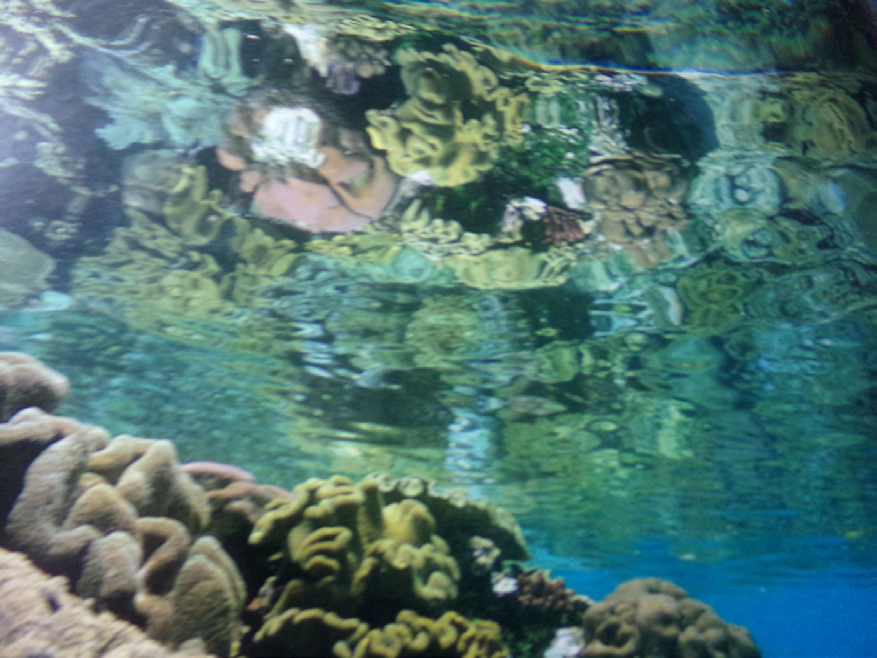
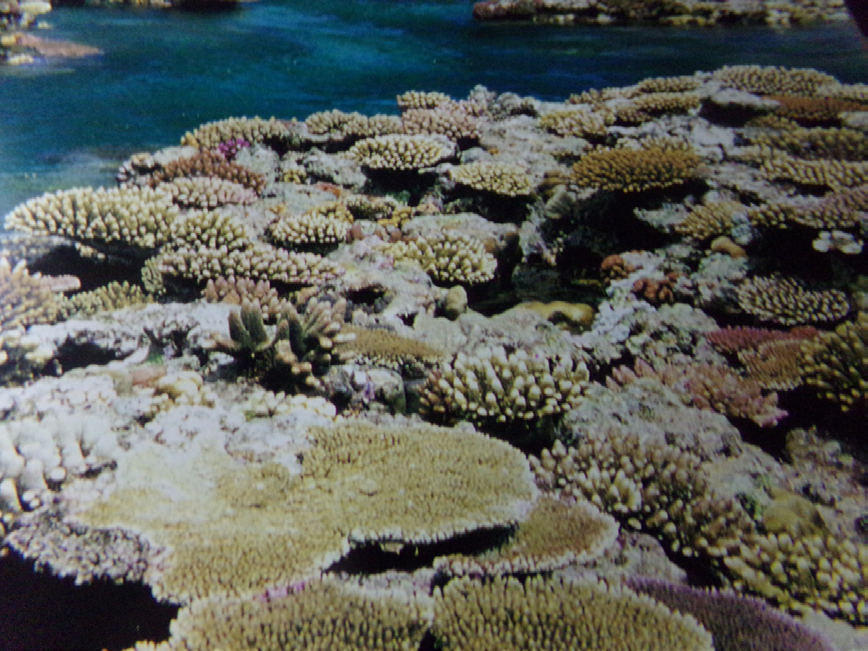
Why?
The Zooxanthellae algae are living into ectoderms cells of tentacles and these get up energy radiant from sun and with this energy and their citoplasmic pigment made photosynthesis and with results of it, the algae transfer foods nutrient to corals and it transfer to algae the metabolic residue, so at last the Zooxanthellae algae has fuction like a kidney.
Zooxanthellae Algae Limit Distribution of Corals
The photosynthesis periods needs light for transformer cytoplasmic pigments in nutrients for corals, so this algae can not to be distributed to great depth because the solar light don´t penetrate to depth water, so the presence of this types of algae limits the coral distribution doing it a shore distribution and with scarce depth.
Change Environmental
The coral reef is an ecosystem in equilibrium and some change can to modified it, so it is necessary to protected this environmental and this protection must to have strong of law. That true that it is very difficult, and specially when there are economic interest like international tourisms like for example to the Great Barrier Reef of Australia or another places like Central America.
In Brasil for example was detected “whitening” in corals reef. What is whitening?. This phenomena is loss of Zooxanthellae algae, so coral can not to expel the excrecion products of his metabolism because this function done the algae and there is not these, coral died.
It is possible the lost of algae can to be for the climate change, and the algae not to have enough radiant energy necessary for your life. For example with the long rainy days the algae cannot to get energy from sun and it affected directly to produce photosynthesis.
Evolution of Coral Reef through Times
At beginning coral reef is a conglomerate of species and the ecological niche are not occupied by different species, so some species begin to different to another and begin to do a specific role such as filter organisms like sponge, other begin to catch like prey and these one are carnivorous species like sea anemone and other like coral will do association with Zooxanthellae algae for to stablished an association like symbiosis.
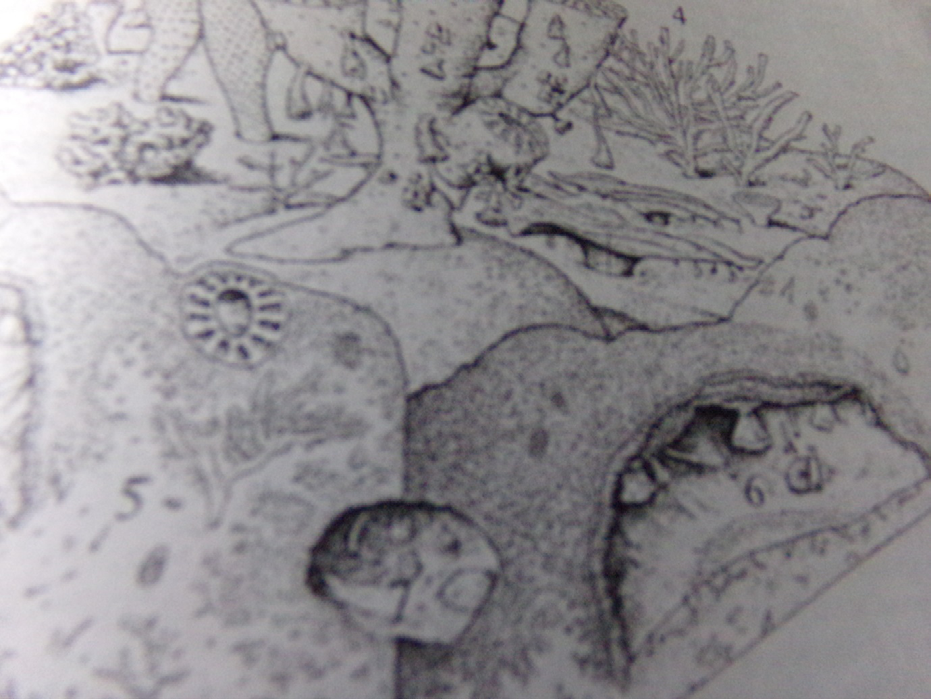
When coral reef is stablished all ecological niche are occupied and it is a true system where there are a constant and hold energy; this energy come from exterior and from interior.
From exterior with radiant energy catch by algae and interior from species captured by other and subsequent. The energy will be transformed but never loss, so here is the importance of coral species and the coral reef.
The coral reef is a perfect example of Lavoisier Principles or Law of Conservation of Energy where this law stablish the energy can not to create nor destroy, only to transform from one kind energy to another kind energy. This means that a system has same amount of energy, so that another amount energy from exterior was added.
Discussion
The main axis of this contribution is the relationship between coral and Zooxanthellae algae, whatever the coral like a component of coral reef is so important too because it is the main entrance of radiant energy to the ecosystem; this entrance is through Zooxanthelllae algae. This last one has function like kidney in relation to coral because it clean all products of metabolism from coral, so this last one can to survive through time [5, 6, 7].
This system is in perfect equilibrium because the energy can to circulate through of different levels like predator, filter organisms, and these organisms are too much and they are distributed in different levels of depth into ecosystem (coral reef).
This equilibrium can to break for some factors, and here it is necessary to know internal factors and external factors.
• Internal factors: here can to get found with certain animal population grow up soon and food is not abundant and members of that population must to move to another levels for can to get foods. All this movements can to produce a disturbance into ecosystem. Another example can to be that planula larvae cannot found a good substratum and they cannot fixed, so when this last one cannot fixed the specie died because his own larvae cannot find a suitable and good substratum.
• External factors: on this aspect the situation is not easy for some aspects. Here are a combination of commercial interest and the other hand the interest from people for knowing wonderful places like are the coral reefs. Both of them haven their own reason and it is nearly impossible to safe people will be carefully with ecosystem.
Morover the authorities haven responsibility for to save the tourist people be careful and do not any dangerous and destroy to coral reef and the ecosystem in general.
References
-
Zamponi MO (2006) Historia paleontológica y tendencias evolutivas en el phylum Cnidaria. Rev Real Acad Gal Cienc 246: 131-157.
-
Roger S (1990) Arrecifes de coral. Crawford House Press, Australia, pp: 336.
-
Zamponi MO (2008) Cnidaria. Capítulo 8. In: Los Invertebrados Fósiles. T.I.440 p + Glosario. Horacio HC, Mónica IL (Eds.), Fundación de Historia Natural “Felix de Azara”, pp: 171-220
-
Barner RD (1969) Zoología de los Invertebrados. In: 2nd (Edn.), Interamericana SA, pp: 761.
-
Stoddart DR (1969) Ecology and morphology of recent coral reef. Biological Review Cambridge. Philosophical Society 44(4): 433-498.
-
Stubb P (1966) Coral time keeper of the slowing earth. New Science 29: 828-829.
-
Sytova UA (1977) On the origin of Rugosa Corals. Mém BRGM 89: 65-68.
- Mitochondrial Bio-Logistics: Steering Co-Enzyme Q10 and Lycopene Synergies within the Science 4.0 Bio-OS Framework
- Hymenoptera Specimens from the Caño Negro Wetland, of the National Museum Collection, Costa Rica
- Science 4.0: Comprehensive Architecture of the Biological Operating System (Bio-OS) A Framework for Systemic Resilience and Industrialized Bio-Governance
- Rabbit on, or Hare Back? Understanding Climate Change
- Clinical Validation of Science 4.0: Flow Steering and Epigenetic Drift Inversion on a 76-Year-Old Hybrid System
- Seeds Planted by another Mind