
Increasing Strokes in Young people: A Disability & Economic Concern?
Stroke is a major cause of long-term disability and has a potentially enormous emotional and socio-economic impact on patients, their families, and health system worldwide. Stroke is a leading cause of serious long-term disability, as it reduces mobility in more than half of stroke survivors aged 65 and older. The incidence of in-hospital mortality is around 10-15%. Recovery from stroke takes weeks, months or even years or some may live with lifelong disabilities, while few recover completely. AIIM New- Delhi reported that 6 (2%) of stroke cases admitted in 2022 to Neurology department, were aged less than 20 years, and another quarter of total 300 patients were in the age group of 21-45years. Their recent study also indicates that the proportion of hypertension cases (65%) among first ever stroke patients. Stroke was mainly a problem of elderly persons for long, but in the recent years is hitting younger people, even teenagers, coupled with increasing longevity is causing more challenges for public health due to lifelong disability apart from deaths. Storke is an emergent brain, retina, and spinal cord disorder, caused by the occlusion of blood vessels (ischemic stroke) and rupture of blood vessels (a haemorrhagic stroke). Traditional risk factors include Hypertension (HT), diabetes, cardiac arrythmias, obesity, dyslipidaemia, smoking, and sedentary lifestyle, contributing for more than 50% of cases. Of late non-traditional risk factors - Instant gratification culture, heightened stress and disrupted sleep, substance abuse, Chronic stress from ambitious careers and constant connectivity neck jerks or sudden twists while driving, gymming or in hair cutting salons, set the stage for strokes in the younger workforce. Stroke recovery process involves making changes in the physical, social, and emotional aspects of life. While only 1% survive 20 years after stroke, majority 80% of people survive 2 years, 61% survive 3 years and so on as 5% survive 16 years. Nearly 85% of the strokes in India can be prevented by the control of traditional risk factors. A recent Indian study (2019-21) indicates the prevalence of diabetes is at 11.4%, while 35.5% suffer from hypertension, abdominal obesity at 40% across the population and female abdominal obesity is 50%. Half of the HT sufferers are not even aware of their condition, especially among many low socio-economic adults. Unfortunately, it has no warning signs or symptoms. Therefore, regular monitoring of BP, frequently and managing is the most important intervention that can change the situation; therefore, such facilities must be made accessible not only in health facilities but other public places. 1.2. Materials and Methods: This article is based on 5 cases of Strokes author was overseeing over a year from February 2023 & January 2024, 3 cases were first ever stroke and two recurrence cases (one each second and third time in last 3 years. All are surviving, one with highly restricted movements needing assistance, two with minor disabilities (10-25% paresis of affected limbs), 1 near complete recovery and another in active recovery phase.
Introduction
Stroke is a major cause of long-term disability and has a potentially enormous emotional and socio-economic impact on patients, their families, and health system worldwide. The case fatality in hospitals is around 10- 15% in a mean time in-hospital death to occur is a week. Recovery from stroke takes weeks, months or even years. Most stroke patients have lifelong serious long-term disability, as it reduces mobility, causes speech difficulties and inability to think or say right word (in more than half) of stroke survivors aged 65 and older only few recovers completely. Stroke recovery process involves making changes in the physical, social, and emotional aspects of life. While majority (80%) of people survive 2 years, 61% survive 3 yrs. and so on- 5% survives 16 years and only 1% survive 20 years after stroke [1].
Every year, more than 800,000 people in the United States have a stroke and nearly two thirds of them (about 610,000) are first or new strokes [2]. United Kingdom sees 100,000 stroke cases each year and has about 1.3 million stroke survivors [3]. The prevalence of stroke in India has almost doubled over the 3 decades, and at present, 1 in 4 people are at risk of getting a stroke in their lifetime. The chance of stroke occurring at age 55 and above is 1 in 5 for women and 1 in 6 for men. The current prevalence rate varies from 44.54 to 150 /100000 and Crude incidence of stroke ranges from 108 to 172 per 100,000 people per year.
It was mainly a problem of elderly persons for centuries, However, in the recent years is hitting younger people, even teenagers, causing more concerns of lifelong disability of physical movements, speech or even cognitive disabilities and less than 10% deaths. Stroke units are predominantly available in urban areas that too in private hospitals. Intravenous (IV) and intra-arterial thrombolysis (IA) are commonly used therapies in India [4, 5].
A global systematic review of population-based stroke studies has documented that the incidence rate of stroke in LMICs has increased from 56/100,000 person-years during 1970-1979 to 117/100,000 person-years during the period 2000-2008. This study has reported a decrease of 42% in the stroke incidence from 163 per 100,000 person-years in 1970-1979 to 94 per 100,000 person-years during 2000- 2008 in high-income countries (HICs) [6].
Review of a few well-designed population-based epidemiological studies on stroke available from SEAR countries, with considerable variations among them, indicates that Ischemic stroke, has higher frequencies (75-80%) than of intracerebral haemorrhage (20-25%) in many countries. Along with an aging population, the increased prevalence of risk factors such as hypertension, diabetes mellitus, tobacco and alcohol consumption, lack of physical activity, high ambient pollution, heat, and humidity contribute to the high burden of stroke in this region. SEAR’s many unique and uncommon stroke aetiologies include cerebral venous thrombosis, tuberculosis, dengue, scrub typhus, falciparum malaria, snake bite, scorpion sting, etc. [7].
AIIMs Delhi reported that 6 (2%) of stroke cases admitted in 2022 to Neurology department, were aged less than 20 years, and another quarter of total 300 patients were in the age group of 21-45years. Their inference that the proportion of hypertension cases (65%) increasing among first ever stroke patients is matter of concern and demands urgent action.
The Ayushman Bharat Pradhan Mantri Jan Aarogya Yojna (AB PM-JAY), the government of India’s largest funded health insurance scheme covers nine stroke packages (7 medical and 2 surgical). The most common stroke package availed between August 2019 to March 2021 was cerebrovascular accident (76.1%). While public sector cared 62% of the patients, the remaining 38% available the private sector care. The distribution of beneficiaries (N=16125) by gender was males (n=9773-60.6%) and females(n=6347-39.4%) and by age (M, F, T respectively) <=18= 2.4, 1.7 2.1, 19-29= 5.5, 3.8,4.8, 30-44= 12.7,10.9,12, 45-59= 31.5,27.2,29.8, 60-74= 37.1, 39.8, 38.2, > 75= 10.8,16. 13.3, All ages= 60.6%, 39.4%, 100, Interesting nearly 7% of cases were under 30 years, whereas a total of 48.7% were not elderly, highlighting the increasing risk for people in the most responsible position of their professional careers [8].
Apart from traditional risk factors like Hypertension (HT), diabetes, cardiac arrythmias, obesity, dyslipidaemia, smoking, and sedentary lifestyle, contributing for more than 50% of cases, of late non-traditional risk factors like Instant gratification culture, heightened stress and disrupted sleep, substance abuse, Chronic stress from ambitious careers and constant connectivity neck jerks or sudden twists while driving, in gyms or in hair cutting salons, set the stage for strokes in the younger workforce.
While lifestyle choices and socio-economic factors are pivotal, underlying health conditions must not be discounted. Conditions like congenital heart defects, genetic predispositions, and autoimmune disorders elevate the risk of strokes in younger individuals. Heightened awareness of family medical history and proactive screening for potential risk factors become indispensable in identifying and managing these predispositions.
Perceptions of patients are unique in terms of their cultural background. Based on In-depth interviews of ten stroke survivors for three months to a year, the concerns are (1) emergence of stroke (actual occurrence, mental perception, and recognition of illness) and (2) therapeutic concerns (enhanced and weakened recovery).
Case Reports
Geetha- First ever Transient Stroke Affecting only Left- Hand Thumb and Index Finger: On 18 January 2024 Geetha, my niece a 53-year-old schoolteacher in Mysuru, Karnataka, felt sudden weakness in her left hand, was unable to hold the glass of early morning Coffee. When she went to school, she was unable to hold a book also with her left thumb and index finger her routine practice.
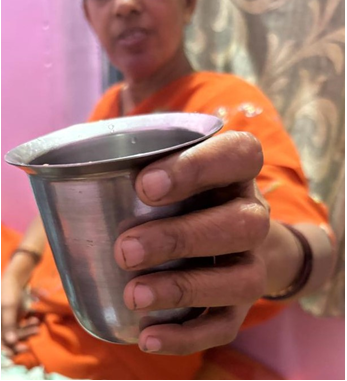
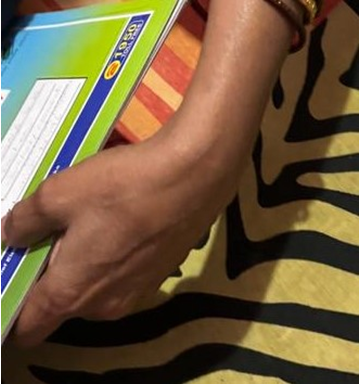
When she contacted a local medical practitioner he found a mild reduction in hand grip, though the proximal forearm muscles were normal. Her BP was 170/100 and pulse rate 78/minutes. The doctor making a provisional diagnosis of a mild stroke (Neuropraxia) put her on tablets GB 29 (a combination of two Pregabalin and Methyl cobalamin medicines- Pregabalin acts by decreasing the pain signals sent by a damaged nerve in the body and Methyl cobalamin helps rejuvenate and protect damaged nerve cells by producing a substance called myelin) once a day and advised a BP check- up next morning, Next day also BP was high 172/102. I advised her to take Cardace 2.5 mg (angiotensin-converting enzyme inhibitor for treating hypertension and reducing the risk of heart attack and stroke). The BP reduced to 150/94 in 24 hours and was under control 138/78 after 72 hours. The weakness of the thumb & index finger remained the same. Physiotherapy was started on 23 January 2024; a 30% recovery of muscle strength is observed by 4th February 2024 as this report is being prepared. As of 6th February 2024, she is able to lift a cup of coffee and even a rice cooker. Case is being followed up.
Ravi First Ever Stroke in Male Aged 54 Years: Ravindra a 52-year-old software engineer was having a headache while he slept around 2130 on the night of 16 September 2023. Around midnight when he got up for a nature’s call and found his left side heavy and unable lift, intense headache and cough while breathing out. The family shifted him to a private hospital urgently fearing heart attack. On admission he had BP 185/88, conscious oriented, left pupil dilated, and Lefts sided field of vision defective. Gait had ataxia, lefts upper limb sensory reduced and muscle strength 4/5. Pulmonary function test indicated mild restriction with predicted FVC, FEV1 & PER of 73% of expected level & SpO2 =98. MRI Brain showed right vertebral artery occlusion and an old right middle and anterior cerebral arteries (MCA- ACA) watershed infarct. The watershed territory between the MCA and ACA corresponds to the shoulder and hip girdle muscles on the motor homunculus, leading to a characteristic clinical deficit, weakness of the shoulder and hip girdle muscles bilaterally. Key Metabolic biomarkers done on 17/09 morning showed low Vit B12= 100 pg./mL (160-950)), high homocysteine=47.6 (4.5-15), Hb1Ac =8.1, Triglycerides=190 mg/ Dl, LDL=127 mg/Dl, and all other biomarkers were within normal ranges. He was treated with statins, dual antiepileptics, and physiotherapy. His diabetes and Hypertension were assessed by Cardiologist and Insulin was started. He was able to move affected limbs by the evening of next day and sat up, went to bathroom with a walker on day 2. He was discharged after stabilizing the critical parameters after 3 days (19/09/23), advising hm tot take i) Ecospirin 150mg once daily, ii) Clopilet 75mg once a day both in the afternoon, iii) Rozat 20 mg (Statin) once in the night, iv) Tab Homi (Vit D3) twice a day, v) Tab Trivolib (combination of Glimepiride, Metformin and Vaginoses) in the morning vi) Omix Pen (Insulin 12 units in the night and vii) Tazloc 40mg (antihypertensive). At home he progressed well and was on his own by the end of 1 week. With continued Physiotherapy he regained 80% of muscles strength of affected both extremities. But observed in left upper extremity hypersensitivity. As of 4 February 2024, he was almost normal with 10% weakness in left extremities but normal gait. Hypersensitivity continues and feels mild colour perception difficulties in left eye and an immature cataract in the right eye. under investigation. He is schedule for a post diabetic retinopathy check-up and Fluorescein angiography for retinal examination.
Chidambar- Multiple Recurrent Strokes: Chidambar male patient of 70 years, a known diabetic and hypertensive for last 15 years, both conditions poorly managed for last one year. On 10/03/2023 he fell with balancing problem without any tripping while going to bathroom. He had eaten 5 Idli’s (Rice Cakes) as breakfast and was disoriented. I saw him later in the evening around 2000hrs. The blood sugar had shot up to 410 mg/Dl and BP was 128/89. He was unable to stand on his own and had passed urine without his knowledge indicating loss urinary bladder control. The muscle power in previously affected left side was much worse and the right newly affected extremities were weak. I put him on 20 units of Insulin and Tab Metformin 500 mg BD after lunch and dinner. As he was aggressive was put on Chlorpromazine 100 mg at night. As he was drowsy most of the next day, we reduced the Chlorpromazine to 25 mg. He continued to be on the same treatment for about 2 weeks and recovered to manage on his own, with clear signs of silent stroke. In the immediate past (on 27th February 2023 afternoon) he had similar episode i.e. he fell without any tripping, was lifted, and put on the bed by his son. He was semi-conscious and passed urine and stools soiling the bed without his knowledge. I had visited late in the evening and noted Blood sugar was 406 mg/Dl. BP was 167/100. The sensations (fine touch, temperature, and pain) in lower limbs were poor. He was given 20 units of plain Insulin and small feed. Fasting sugar on 28/02 /23 was 247 mg/Dl and BP had come down to 111/68. He has had 2 episodes of vomiting and falls since January 2022. There was a pedal oedema, and he was on Lasix tablet for the same. He was disoriented and was unable to control bowel movements and urination. Suspecting silent stroke, managed his BP by increasing the betablocker drugs and blood sugars with 20 units of Insulin and Tab Metformin 500 mg BD after lunch and dinner. He was mostly bedridden and had stopped walking or doing any exercises etc. He had first ever stroke and left sided hemiparesis and urinary incontinence in early 2022. His LVEF was 50% on 31 December 2022 and continues to be the same. As of 1 February 2023, he has balancing problem and barely walks to the bathroom and most often depressed refusing to go for walking or socializing.
Eknath -A Most Recent Case with Slurred Speech: On the verge of competing this article I heard that Eknath a 55-year male & a relative of mine in Mysuru, was taken to a private hospital, with the complaints of giddiness and swaying while walking, slurred speech and hiccough since a day. A known case of diabetes for 5 years and Hypertensive for 2 weeks, and under treatment. Physical examination revealed- i) CNS= Patient was conscious, obeyed orders, Dysarthria and Gross Ataxia indicative Bulbar Palsy. Pulse =122/min, BP 140/90 on Cardace 5 mg tice a day for a week after a consultation, ii) Respiratory system revealed bilateral Normal Vesicular Breath Sounds (NVBS), SpO2=98% iii) CVS- S1 is normal but S2 is increased due to dilated aortic root (S1 S2 +), iv) Per abdomen- Soft, nothing abnormal. Investigations 1) Echocardiograph- showed Except for concentric LVH+ all parameters were normal, trivial Mitral valve regurgitation, trivial Tricuspid regurgitation/ Mild Pulmonary arterial hypertension, and Normal Biventricular Functioning (LVEF- 60%) 2) Carotid and Vertebral arteries doppler showed increased flow velocity in right internal carotid artery and reduced floe velocity in right vertebral artery. Serum Sodium was 132 (135-150), Chloride 92 (98-107) and Bicarbonates 20 (21-32) were marginally low and Potasium-3.7 (3.5-5) was normal. Blood Lipid profile indicated except for Cholesterol elevated (114 mg/Dl) all other parameters were well within normal ranges. MRI Scan of the Brain indicated acute infarcts in the right Medulla and Right Cerebellum, Blooming in gradient sequences in right cerebellum suggestive of haemorrhage, suggestive of small vessels disease (Fazekas Grade II).
Treatment included 1) Rosuduce Gold Capsule (Rosuvat atin+Aspririn+Clorpidogrel) once daily after food, 2) Storiad Capsule (Citicoline 500 mg+ Piracetam 8000 mg) Twice
(M&E) daily, 3) Tab Ignicar (Carnosine 200 mg) Once daily in the morning, 4) Tab Liofen XL 10 mg (Baclofen)Twice daily (M&E),5) Morepan DSR (Pantoprazole 30 mg Domperidone 40 mg) Once daily, 6) Tab Cintapro (Cinitapride) twice daily 7) Tab Telma (Telmisartan 40 mg) once daily in the morning. Review after a month and Visit on an emergency suggested. As of 6 February morning, there has been an improvement in speech and ataxia, but still fearing walking alone and is under observation.
Youngest Stroke Case in Bengaluru: NIMHANS Bengaluru investigated 7 cases (6 Male in the age groups of 22-35 years and 1 Female of 52 yrs.) of cerebrovascular thrombosis in Covid 19 pandemic Pre vaccination era of November- December 2020. Among them, the two youngest stroke cases were: • A 22-year-old male admitted with Headache/vomiting for 2 days, altered sensorium and left side weakness for 1 day. No other comorbidities. Examination revealed comatose, localising to pain, pupil PERL, left side hemiparesis. The CT scan showed CVT in the Left temporo-parietal region. Post-operative scan after 48 hours showed complete reversal of midline shift [9].
• Another male of 22 years reported sudden onset right focal motor seizures followed by weakness for a day. No other comorbidities, on examination he was drowsy, obeying, vitals stable, pupils BERL, Right side hemiparesis. Diagnosed as Right parieto-occipital CVT, Chest x-ray revealed apical ground glass opacities though he had no pulmonary symptoms. At initial presentation his eosinophil count was also suggestive of severe form of COVID-19 infection. He was put on 2 chemotherapeutic drugs vincristine and daunorubicin His chest x-rays progressively improved. He improved in sensorium [9].
A Rarest Stroke- Man with Rare Brain Infection: A 55-year- old man, known diabetic for 10 years was admitted to a private hospital on airport road Bengaluru, with the history of intermittent fever for over two months, in September 2021. The man was subjected to various tests to identify bacteria, viruses, and fungi and some for autoimmune diseases. Certain high-end DNA/RNA-based tests to look for genetic clues for rare infections and a PET scan to search for any underlying cancers, all giving no clue. The patient grew weaker and suffered from noticeable weight loss. He was in and out of the hospitals for 3 months. On December 28, 2021, he was admitted to the hospital as he developed sudden weakness in the right side of his face, followed by drooping of eyelids with inability to open his right eye, had seizures and stroke on right extremities. An MRI showed the involvement of a very sensitive area of lateral medulla and the nerves that controlled his face, eyes and throat were beginning to get involved. As he started losing vision and his swallowing capacity, was put on Ryle’s tube feeding. After a week in the hospital this time one early morning he had cardiac arrest. After cardiopulmonary resuscitation, he was on ventilator, and it was observed that he had lefts sided hemiparesis. MRI confirmed a new lesion in the lateral medullary region. Neuro-navigation was performed, and a biopsy of that area was taken. Biopsy tissue cultured and identified as Burkholderia Pseudomallei in January 2022, it is a water and soil-borne bacterial infection endemic to Southeast Asia, Thailand, Malaysia, and Northern Australia, but affects Brain only in about 4% of cases. He was discharged on March 14, 2022, and is back to his work, on Physiotherapy till end of 2022 [10].
Discussions
The chance of having a stroke about doubles every 10 years after age 55. Although stroke is common among older adults, many people younger than 65 years also have strokes. The rise in the incidence of stroke in young adults has been accompanied by an increase in modifiable vascular risk factors. In fact, the prevalence of having multiple traditional stroke risk factors among young adults with ischemic stroke has doubled over the decade from 2003–2004 through 2011–2012. In recent years efforts to control blood pressure, dyslipidaemia, and diabetes, and address atrial fibrillation, have resulted in decreased stroke frequency in patients over 65 especially among elderly. Though the incidence of stroke is decreasing overall, rates among young adults are increasing as nearly 1.5 million young adults worldwide suffer strokes each year. The incidence of stroke in people ages 20-44 has rose from 17 per 100,000 in 1993 to 28 per 100,000 in 2015 in USA. The variability of stroke statistics is indicated by research from 2021 that reveals that 10–15% of strokes occur in adults aged 18–50. As per this study in 2021, 1 in 6 deaths from cardiovascular disease was due to stroke and every 40 seconds, someone in the United States has a stroke and every 3 minutes and 14 seconds, someone dies of stroke. 25% of stroke cases had previous strokes. About 87% of all strokes are ischemic strokes and only 13% are Haemorrhagic. Stroke-related cost of health care services, medicines to treat stroke, and missed days of work in the United States came to nearly $56.5 billion between 2018 and 2019 [4]. Stroke is a leading cause of serious long-term disability as it reduces mobility, and causes speech difficulties and inability to think or say right word in more than half of stroke survivors aged 65 and older [4, 11].
In India, a most recent search of nine studies, three population-based registries, three population-based registries using community-based ascertainment and three community-based door-to-door surveys, representing four cities of Mumbai, Trivandrum, Ludhiana, Kolkata, the state of Punjab, and 12 villages of Baruipur in the state of West Bengal, identified 11,654 incidents of stroke in a total population of 22.5 Lakhs [4]. Crude incidence of stroke ranged from 108 to 172 per lakh (100,000) people per year, crude prevalence from 26 to 757/Lakh people per year, and the incidence rate is 119-145/100,000 population. There is a wide variation in case fatality rates with the highest being 42% in Kolkata, as month case fatality rate ranged from 18% to 42% among the communities studied [6, 12].
A nationwide cohort through linkage of national registries (hospital discharge, cause of death, and population register) with patients aged 18–50 years and those ≥50 years with first-ever ischemic stroke, intracerebral haemorrhage, or unspecified stroke, using ICD-9/ICD-10 codes between 1998 and 2010 in the Netherlands. The study identified 15,257 patients (53% women; mean age 41.8 years). Incidence increased exponentially with age (R2 = 0.99) and was higher for women than men, most prominently in the youngest patients (18–44 years). The relative proportion of ischemic stroke increased with age (18–24 years: 38.3%; 44–49 years: 56.5%), whereas the relative proportion of intracerebral haemorrhage decreased (18–24 years: 34.0%; 44–49 years: 18.3%). Incidence of any stroke in young adults increased (1998: 14.0/100,000 person-years: 2010: 17.2; +23%; p < 0.001), driven by an increase in those aged over 35 years and ischemic stroke incidence (46%), whereas incidence decreased in those ≥50 years (329.1%–292.2%; −11%; p = 0.009). Incidence of any stroke in the young increases with age in patients over 35, is higher in women than men aged 18–44 years, and has increased by 23% in one decade, through an increase in ischemic stroke. Incidence of intracerebral haemorrhage is comparable for women and men and remained stable over time [7].
The PGI Chandigarh’s first-ever study on prevalence of strokes indicated that of unknown cause due to a hole in the heart among otherwise healthy individuals do not have any other issue. PGI studied 345 young strokes (age group 15-45 years), with 90 cases identified as cryptogenic strokes and among them 57 young patients and 50 age- and gender- matched healthy controls were studied. Using trans cranial doppler (TCD), the neurologists detected the hole in the heart and referred the patients to the cardiologists for further investigations and management. Such strokes in younger patients were found to be prevalent in 32% of cases, while 6% was prevalent in the healthy population. Patent Foramen Ovale (PFO) is a hole between the left and right atria of the heart from birth, which normally closes after birth, but in some cases remains patent resulting in PFO [13]. Another study using secondary data from the first wave of the Longitudinal Ageing Study in India (LASI wave-1) conducted from 2017–2018. Total sample for this study was 8513, from 5756 households and 130 affected household of the north-east part of India. The prevalence of stroke across various north-eastern states of India was between 0.5% in Meghalaya and 3% in Manipur. Around 26% of the patients had undergone any physical or occupational therapy for stroke and most did not undergo any such therapy. Recurrent occurrence of stroke was seen amongst 24% of the patients. The use of aid or any supportive devices was reported by around 60% (N = 75) of the stroke patients. Amongst those 75 patients, around 34% (n = 29) of the patents were using walking aids/sticks for moving around. Further, the usage of wheelchairs and walking sticks was reported by 9% (n = 7) of the patients among stroke patients who used supportive devices. Speech difficulties and inability to think or say the right words were seen among 57% of the patients. Around 19% of the patients suffered from diabetes, as high as 80% from hypertension, and 5% had higher cholesterol [14].
The Commonly Observed Stroke Symptoms in India Include [5,15-17]
Extremities: A person may not be able to lift both arms or legs or one sided both limbs (hemiplegia) and keep them there because of weakness or numbness. Weakness could be transient for short period or just a hand, or few fingers as was in our Case of Geetha. Speech: –Speech may be slurred or garbled, or the person may not be able to talk at all despite being awake and some may not understand, what others are saying to them as was in our recent case of Eknath. Face: The face may have dropped on 1 side, the person may not be able to smile, or their mouth or eye may have drooped. Changes in Mood or Personality: A person is more irritable than before or become sad at the drop of a hat, and these modifications range from obvious to subtle. Exhibiting or feeling less like oneself indicates that the individual recently had a silent stroke, that is often detected in MRI later or second stroke as was in our case of Ravi. Trouble Remembering Things: This sign goes beyond simply forgetting where one has put one’s spectacles or keys. S/He starts forgetting people’s names, location names, and other things that weren’t an issue before. This is an indication of developing dementia. Falling more Frequently: Anyone can lose their balance from time to time, but if one keeps falling, s/he may be in trouble as was in our case of Chidambar. A silent stroke affects an affected person not only balance, but also muscles & how s/he interprets spatial differences. Temporarily, Muscles Do Not Work Well: One may notice a temporary change in how our muscles function as was in case of Geeta. If our hand muscles are weak transiently, lifting a cup of coffee or a glass of water in the morning or if blader muscles are affected the patient may have difficulty holding urine as was in case of Chidambar. Inability to Concentrate: Given that strokes cause brain damage, it’s not surprising that the patient may have difficulty concentrating, the change in cognitive function becomes permanent and it worsens over time for some people. as is in case of Chidambar.
Academically Strokes are Differentiated in 3 Categories
Ministroke (Temporary Ischemic Attacks-TIA): These are temporary strokes with symptoms like trouble in holding a cup of coffee as was in case of Geeta), walking, blindness in one eye or cuts in field of vision, sudden & severe headache (Ravi), dizziness, and confusion. The main causes for TIA are blood clots, high blood pressure, high cholesterol, and diabetes.
Ischemic Stroke: They are characterised by weakness in arms, legs, or face, speech difficulties, trouble in walking, blindness in one eye or cuts in your field of vision, sudden, severe headache, dizziness, confusion, lasting longer than 24 hours as was in case of Ravi and Eknath. Symptoms resolve in time or become permanent disabilities. The main causes are blood clots, high blood pressure, narrowed arteries, high cholesterol, and diabetes.
Haemorrhagic Stroke: The signs and symptoms are same as above and may resolve in time if haemorrhage stops or clot is removed by surgeries or become permanent disabilities. The key causes of bleeding in brain are high blood pressure, drug use, injury, and aneurysms.
Even after surviving a stroke, an individual is not out of the woods, as 25% of them are more likely to have another. The stroke recurrence rate remains controversial. The risk of stroke recurrence is reported to range from 7.0 to 20.6% over the first year, from 16.2 to 35.3% over the first 5 years, and from 14 to 51.3% over the first 10 years after the initial stroke [5, 11]. Despite the likelihood of making a full recovery, life expectancy after stroke incidents decreases. Indian researchers have reported an average reduction in lifespan by nine and a half years. Apart from that the quality of life deteriorates after every recurrent episode. However, robust data on the quality of life (QOL) of stroke survivors is limited [18].
Treatment
“The ‘golden hour’ refers to the first 60 minutes after stroke onset, when there is the greatest chance to restore blood flow and save threatened tissue. The Acute Management of Stroke includes Initial Thrombolytic Therapy, Stabilization of Airway and Breathing, Intravenous Access and Cardiac Monitoring, Blood Glucose Control, Patient Positioning. Blood Pressure Control. An IV injection of recombinant tissue plasminogen activator (TPA) is the gold standard treatment for ischemic stroke. An injection of TPA is usually given through a vein in the arm within the first three hours. The two types of TPA are alteplase (Activase) and tenecteplase (TNKase).
Many survivors and caregivers need guidance for what to do after stroke, as the episode is a life-altering event. The stroke recovery process is complex. Therapy, Inpatient rehabilitation, reduce the risk of a second stroke, modifying home environment to prevent falls, prioritizing mental health and rehabilitation services are the key components. In the continued efforts managing deranged biomarkers and functionality of affected parts and systems becomes important. Since survivors often experience movement impairments after stroke, such as hemiplegia or hemiparesis, dedicated rehabilitative exercise is one of the most important pieces of the stroke recovery puzzle.
Advances in Management
A double-blind, placebo-controlled trial involved a total of 6100 patients with mild ischemic stroke or high-risk TIA of presumed atherosclerotic cause, who had not undergone thrombolysis or thrombectomy, were randomly assigned to receive clopidogrel plus aspirin or matching clopidogrel placebo plus aspirin within 72 hours after symptom onset. Within 24 hours of symptom onset, 12.8% of patients were assigned to each treatment group, and the remaining 87.2% were assigned within the time window of 24-72 hours. The occurrence of a new stroke event at 90 days was 9.2% vs 7.3% lower with clopidogrel plus aspirin vs aspirin alone. The risk of a composite cardiovascular event and ischemic stroke were also 20%-25% lower with aspirin-clopidogrel combo vs aspirin alone. Moderate to severe bleeding was low in both groups (<1%), but the risk was double in patients who received DAPT vs aspirin alone (HR, 2.08; P =.03). Dual antiplatelet therapy (DAPT) with clopidogrel-aspirin given within 72 hours of a mild ischemic stroke or a high- risk transient ischemic attack (TIA) shows a greater risk reduction for new stroke than aspirin alone, although with a higher bleeding risk [19].
The Future of Stroke Treatment is expansion of the therapeutic window for recanalization therapy, synergistic cocktails of neuroprotective agents to directly interact with the desired tissue in the penumbra to attenuate ischemia- activated deleterious pathways.
Socio-Economic Burden of Strokes in India
On average, the direct medical costs for hospitalization, diagnostic tests, medications, and rehabilitation services of a stroke in the United States ranges from $30,000 to $120,000 per patient, depending on the severity and complications [2]. The mean cost of new-onset stroke is £45,409 in the first year after stroke and £24,778 in subsequent years in United Kingdom. Aggregate societal cost of stroke was £26 billion per year, £8.6 billion for NHS and social care [3].
The mean and median expenditure per episode of stroke-related hospitalization was INR 40,360 (US$ 539.75) and INR 17,140 (US$ 229.22), respectively, with significant OOPs hospitalization expenditure across wealth quintiles (p < 0.001) in India [20].
In terms of health care provider’s fees, outpatient consultations costed (INR 893 ± 630) less expensive than inpatient consultations (INR 1693 ± 1145). The cost of hospital medications was substantially greater for inpatients (INR 9736 ± 3468) than for outpatients (INR 1710 ± 944). Outside medication were more expensive for hospitalized patients than for outpatients (INR 7023 ± 1688 vs. INR 4633 ± 1568). Tests and investigations had comparable costs for inpatients and outpatients (INR 7636 ± 2030 and INR 6866 ± 3588, respectively). Inpatient charges for hospital/nursing home, operating room, blood/oxygen cylinder, transportation, accompanying person expenses, and other expenditures were higher than those for outpatients. Overall, inpatient expenditures (INR 41,272 ± 8473) were significantly higher than outpatient expenditures (INR 17,538 ± 6559) [14].
In 2024 it would be double of that based on the 5 cases that author has followed in 2023. Our two hospitalized patients in private sector spent INR 300,000 each (4000 US$) for an average hospital stay of 3 days including ICU care in the first 24 hours. Transient Stroke treated as outpatient costed about INR 10,000 for one week. The physiotherapy at home costs about INR 1000 per day and may be needed for about 100 days adding a burden of INR 100,0000. The wages lost for about 30-50 days at least will depend upon the type of job and earning one was making and is difficult to estimate. In our 2 hospitalized cases in 2023 & early 2024, while the first person was salaried person did not lose much as he was granted paid medical leave for 1 month. The second case who was a mason is losing about 2500 (30 USD) per day. Patients treated in a private facility, hospitalized for over 7 days, within the poorest wealth quintiles had higher odds of incurring catastrophic expenditure [21].
About one third (30-40%) of households seeking stroke treatment in public medical institutions also experience catastrophic expenditure as Medicines prescribed from outside accounted for 50% and 80% of public sector hospitalization and outpatient care, respectively. About 57% (44-60%) of households resorted distress health financing [14, 21].
Health Insurance Coverage in India
Once anyone suffers from a stroke, it is important for them to get regular check-ups done despite getting it treated as there are considerable chances of suffering from it again. The treatment and the check-ups for a stroke involve a huge cost. Therefore, apart from maintaining a healthy lifestyle, it is important to buy stroke insurance. It covers the treatment cost and various other benefits, thus keeping patient’s finances safe if anything unfortunate happens. One can opt for health insurance if s/he have had a stroke earlier with some documentations needed before getting the policy.
For the poor The Ayushman Bharat Pradhan Mantri Jan Aarogya Yojna (AB PM-JAY), the largest government funded health insurance scheme of Government of India, which covers over 100 million families with coverage up to ₹ 5 lakh per family per year, for accessing secondary and tertiary level health care. There are nine stroke packages (7 medical and 2 surgical). The most common stroke package availed is cerebrovascular accident (76.1%). While public sector cared 62% of the patients, the remaining 38% available the private sector care between August 2019 to March 2021. The distribution of beneficiaries (16125) by gender was males (n=9773-60.6%) and females(n=6347-39.4%) and by age (M, F, T respectively) <=18= 2.4, 1.7 2.1, 19-29= 5.5, 3.8,4.8, 30-44= 12.7,10.9,12, 45-59= 31.5,27.2,29.8, 60-74= 37.1, 39.8, 38.2, > 75= 10.8,16. 13.3, All ages= 60.6%, 39.4%, 100 [8].
Mediclaim is basically health insurance that covers medical expenses, that includes costs related to hospitalisation, diagnostic tests, consultation fees, and OPD treatments and Pre-hospitalisation expenses, such as medical tests like blood tests, urine tests, or X-rays. Post- hospitalisation expenses cover those tests prescribed by the physician to ascertain the recovery or progress of the patient. Physiotherapy is not covered under post-hospitalisation expenses are claimed and obtained under the coverage for physiotherapy prescribed by the doctor after hospitalisation under post-hospitalisation expenses. Comprehensive health insurance plans usually offer coverage for physiotherapy but not at home [22].
Senior Citizen Health Insurance Plan cover medical costs for people above the age of 60 years. Most of the private health insurance policies provide coverage for critical illnesses and pre-existing conditions including strokes. Critical Illness Health Insurance provides coverage for medical emergencies like cancer, heart attack, stroke, etc. and pays the lump sum cover amount (INR 6500- 15000) to the policyholder, which does not meet even a days’ expenses is hospitalized. No insurance company covers the physiotherapy at home [22, 23].
Conclusion
Contrary to historical trends, the statistical narrative now portrays strokes as a health concern transcending the younger stages of life. A rising number of individuals in their 20s, 30s, and 40s are succumbing to this cerebrovascular threat. Among them more concern is of lifelong disability, low production capacity, mental health disturbances and family life jeopardization, social stigma and economic hardship for the entire family.
The causative factors behind this demographic shift are complex, interweaving lifestyle choices, socio-economic variables, and underlying health conditions. In today’s tech- centric era, the rise in strokes among the youth is linked to unhealthy habits, and lack of exercise.
Availability of surplus food, exacerbated by a culture of overexposure to fast food, lack of sleep, reduced exercise & stress are the factors together driving up the number of NCD patients. Processed foods and sedentary living contribute to hypertension, diabetes, and high cholesterol all precursors to strokes.
Instant gratification culture, along with heightened stress and disrupted sleep, further raises the risk. Chronic stress from ambitious careers and constant connectivity may unknowingly set the stage for strokes in the younger workforce.
Beyond individual choices, socio-economic factors also play a pivotal role in the surge of strokes among the youth. Limited access to healthcare, particularly preventive care, exacerbates the issue. Economic disparities will result in delayed or inadequate medical attention, impeding the timely management of risk factors.
There is a paucity of epidemiological studies on stroke in India, coordinated effort at the State and national level to study the extent of stroke in India is the urgent need.
The underlying mechanisms of cerebral venous thrombosis and infective aetiologies such as tuberculosis and dengue towards stroke causation need to be considered while managing such patients. Contextualized interventions must include unique aetiologies for each country while developing prevention strategies and improving the stroke care system in the region to reduce morbidity, mortality, and residual disability.
Addressing the escalating trend of strokes among the young necessitates a comprehensive approach that acknowledges and rectifies these systemic inequities.
The solution isn’t with the government alone — individuals must take responsibility for eating healthy, cutting down on high-carbohydrate foods, fats, sugar, and salt content, sleeping on time and exercising.
While lifestyle choices and socio-economic factors are pivotal, underlying health conditions must not be discounted. Conditions like congenital heart defects, genetic predispositions, and autoimmune disorders elevate the risk of strokes in younger individuals. Heightened awareness of family medical history and proactive screening for potential risk factors become indispensable in identifying and managing these predispositions.
Perceptions of patients are unique in terms of their cultural background. Based on In-depth interviews of ten stroke survivors for three months to a year, the concerns are (1) emergence of stroke (actual occurrence, mental perception, and recognition of illness) and (2) therapeutic concerns (enhanced and weakened recovery).
Recognizing how patients experience the illness is crucial in planning care for stroke survivors. Strengthening factors enhancing recovery and limiting the hindering factors through effective therapeutic management is a necessity. The findings contribute to refining existing interventions and designing holistic multi-component rehabilitation programs that facilitate easy and early recovery. A Comprehensive health insurance plans usually offer coverage for physiotherapy. The publicly funded health insurance scheme must cover expenses on stroke-related medicines to reduce OOPs expenditure of patients seeking treatment in public sector facilities. There is a need for providing information to public on recognizing warning signs of stroke.
References
-
Hoffman H (2022) Stroke Survival Statistics: 9 Sobering Facts we should all be aware of. Saebo.
-
(2023)The True Cost of a Stroke in the US.
-
Anita P, Berdunov V, Quayyum Z, King D , Knapp M , et al. (2020) Estimated societal costs of stroke in the UK based on a discrete event simulation. Age Ageing 49(2): 270-276.
-
(2023) Stroke Facts. Stroke.
-
Pandian JD, Sudhan P (2013) Stroke Epidemiology and Stroke Care Services in India. J Stroke 15(3): 128-134.
-
Jones SP, Baqai K, Clegg A, Georgiou R, Harris C, et al. (2022) Stroke in India: A systematic review of the incidence, prevalence, and case fatality. Int J Stroke 17(2): 132-140.
-
Ekker MS, Verhoeven JI, Vaartjes I, Nieuwenhuizen KMV, Klijn CJM, et al. (2019) Stroke incidence in young adults according to age, subtype, sex, and time trends. Neurology (21): e2444-e2454.
-
Prashant M, Sukanya R, VaitheeshwaranK, Deepadarshan H, Sudha C, et al. (2021) Patterns of Stroke Care in ABPM-JAY beneficiaries in empanelled hospitals of PM- JAY Scheme. National Health Authority.
-
Siroya HR, Indira Devi B, Jose Pulickal S, Ishwar Bhat D (2022) A Rare Case Series of CVT and Stroke in Young Male COVID-19 Positive Patients. Open Access Library Journal 9(1): 1-13.
-
(2022) Man with rare Brain Infection induced stroke.
-
Feigin VL, Lawes CMM, Bennett DA, Barker-Collo SL, Varsha P (2009) Worldwide stroke incidence and early case fatality reported in 56 population-based studies: A systematic review. Lancet Neurol 8(4): 355-369.
-
Anuja J (2023) Silent killer: Stroke, once common among old, now stalks young.
-
(2023)Most young stroke patients have PFO.
-
Jumi K, Pratim Bharadwaz M, Aditi A (2023) Prevalence, contributing factors, and economic implications of strokes among older adults: a study of North-East India. Sci Rep 13: 16880.
-
Sureshkumar K, Aashrai SVG, Venkata S Murthy G, Shifalika G, Hannah K (2017) Incidence & prevalence of stroke in India: A systematic review. Indian J Med Res 146(2): 175-185.
-
Manjula GB, Anniyappa S, Radhakrishnan T, Bindu B (2022) Lived experiences of stroke survivors in India: A phenomenological study. Belitung Nur’s 8(5): 405-413.
-
(2023) What’s driving stroke cases among young adults?. Health News.
-
Suresh K (2023) Silent Stroke -A Drag on Quality of Life. Research and Clinical Reports 2(1).
-
Bhattacharya S (2024) New Stroke Prevention: Clopidogrel-Aspirin within 72 Hours. Medscape Medical News.
-
Subramania RR, Sekhar Kar S (2021) Economic burden associated with stroke in India: insights from national sample survey 2017-18. Expert Rev Pharmacoecon Outcomes Res 22(3): 455-463.
-
(2023) Estimated cost in 2024 in Bengaluru based on the personal experience in 2023.
-
(2022)Critical Illness Insurance Policy for Stroke Patients in India.
-
Pandian JD, Padma Srivastava MV, Aaron S, Ranawaka UK , Venketasubramanian N, et al. (2023) The burden, risk factors and unique aetiologies of stroke in South-East Asia Region (SEAR). Lancet Reg Health Southeast Asia 17: 100290.
- Capacity Constraints in Pediatric Inpatient Psychiatric Care: A Cross-Sectional Analysis of Bed Availability and Geographic Access in North Carolina
- Why Healthcare Analytics Still Optimizes the Wrong Things
- Coding, Coverage, and Care: The Infrastructure of Transgender Health Inequities
- The Effect of Classroom Attendance on Academic Achievement of Management and Leadership Discipline of Nursing Students at Instituto Superior Cristal and Universidade de Dili, Timor-Leste, 2024: A Case Study
- The Role of Social Bonds in Facilitating Shared Investments and Resource Allocation: Addressing the “Wrong Pocket Problem” in Public Health and Healthcare
- Social-Cultural Factors Contributing to Antimicrobial Resistance in Livestock Farmers and Community Households in Kayonza District, Rwanda