
Strategic Health Education by Organizational Leaders: Enhancing Workforce Well-Being and Performance
Background: Health education strategies led by organizational leaders play a pivotal role in improving workforce health and overall organizational performance. Despite the growing recognition of the importance of wellness initiatives, critical factors contributing to the success of these programs remain underexplored. This study examines the role of leadership in fostering a culture of health and how tailored wellness programs impact employee well-being and organizational outcomes. Objectives: The primary objective of this study is to identify the critical success factors of health education programs implemented by organizational leaders. Additionally, it aims to analyze how these strategies influence employee health, engagement, and financial performance while highlighting areas needing further intervention, such as smoking cessation and chronic disease management. Methods: The study employed qualitative analysis through multiple case studies, drawing insights from participant interviews. The data collected focused on leadership involvement, program customization, and the use of external expertise to drive wellness program success. The CDC Health ScoreCard (HSC) was utilized to assess program effectiveness across various health dimensions. Key Findings: Employers who integrated expert knowledge, offered flexible work arrangements, and encouraged natural healthy behaviors saw significant improvements in employee health, engagement, and organizational performance. These initiatives contributed to higher scores on the CDC Health ScoreCard. However, challenges remain in achieving success with smoking cessation and chronic disease management, areas requiring more focused interventions. Conclusion: Leadership commitment at the highest levels is essential to cultivating a health-conscious organizational culture, leading to improved productivity and reduced healthcare costs. This study provides valuable insights for organizational leaders on structuring effective health education strategies to enhance employee well-being and ensure long-term business growth.
Abbreviations
ROI: Return on Investment; COR: Conservation of Resources; HPM: Health and Productivity Management; JD-R: Job Demands-Resources; CBA: Cost-Benefit Analysis; HSC: Health Score Card. Introduction
The Importance of Workforce Health in Organizational Success
The health of a workforce is a critical determinant of organizational success, influencing productivity, employee morale, and overall financial performance. A healthy workforce tends to be more productive, as healthy employees are better equipped to perform their duties. Research has consistently demonstrated that organizations with robust health and wellness programs see reductions in absenteeism, lower healthcare costs, and higher employee satisfaction, all of which contribute to improved organizational outcomes [1]. According to Gubler T, et al. [2], as businesses increasingly recognize the importance of holistic employee well-being, implementing comprehensive wellness programs has become a strategic priority. This paper demonstrates that wellness is an effective strategy for enhancing performance and reducing operational costs.
Workforce health is also intrinsically linked to employee engagement and retention. When employees perceive that the organization values their well-being, they are more likely to exhibit outstanding commitment and loyalty, which reduces turnover rates and helps retain top talent [3]. Organizations that invest in workforce health are better positioned to sustain long-term success in a globalized business environment where retaining skilled employees is vital for maintaining a competitive edge [4]. This investment can be an ethical strategy, aligning with organizational sustainability and competitiveness. The following section explores leaders’ roles in promoting health education for their employees.
Role of Organizational Leaders in Promoting Health Education
Organizational leaders play a pivotal role in promoting health education within their companies, influencing both the adoption and effectiveness of these programs. Leadership commitment is crucial for successfully implementing health education strategies, as leaders set the organizational culture and priorities. When leaders actively advocate for and participate in health initiatives, as Haines S, et al. [5] states, they signal the importance of these programs to the rest of the organization. This leadership involvement is critical in initiating health programs and sustaining them over time, as consistent reinforcement by leaders can foster a culture of health that becomes embedded in the organization’s ethos [6]. Active leaders can impact the adoption of health education programs by ensuring the allocation of appropriate resources, providing necessary training, and integrating health objectives into the broader organizational strategy. For example, leaders who champion policies that support work-life balance, mental health awareness, and physical wellness create an environment where health is prioritized [7].
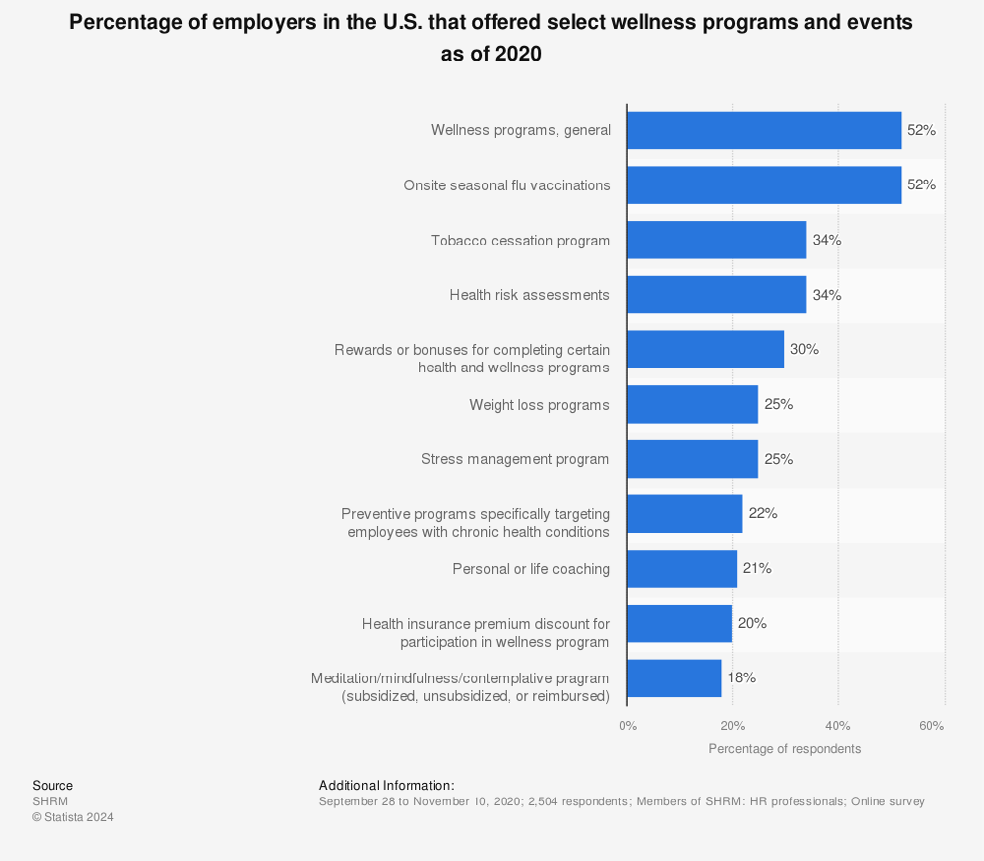
Leaders who model healthy behaviors, such as maintaining work-life balance, exercising regularly, and managing stress effectively, can inspire employees to adopt similar practices, cultivating a health-conscious organizational culture [8]. The influence of leadership on health education extends beyond immediate health outcomes, contributing to long-term organizational resilience and adaptability [9]. Employees can find time to pursue healthy habits on breaks at work or by making intentional choices to eat healthily and move regularly. However, if organizational leaders encourage these healthy behaviors, employees do not have to exercise as much willpower or step away from work to be healthy. The Figure 1 below shows the results of an online survey from SHRM, retrieved from Statista (2024) of wellness programs and events offered as of 2020.
Research Question
The research question, “What are the most effective health education strategies implemented by organizational leaders that contribute to workforce well-being and financial performance?” is significant as it addresses the intersection of employee well-being and organizational effectiveness, two critical elements in contemporary business strategy. The growing recognition of workforce health’s role in achieving organizational success has driven interest in understanding how leadership can effectively implement health education strategies that promote well-being and enhance financial performance.
Implementing health education strategies by organizational leaders can positively impact workforce health, directly influencing key outcomes. Employee productivity, job satisfaction, and organizational performance within a healthy workplace. Research indicates that when leaders actively promote health education, it leads to a healthier and more resilient workforce, reducing absenteeism and presenteeism, enhancing employee engagement, and improving productivity [10]. These positive outcomes benefit employees and translate into substantial cost savings and improved organizational financial performance [11].
Furthermore, the research question underscores the importance of identifying key factors contributing to workforce health and enhanced bottom-line performance. Leadership engagement, organizational culture, and the strategic integration of health initiatives into the overall business strategy are critical factors that can determine the success of health education programs [6]. Leaders who prioritize health education and model healthy behaviors can create a supportive environment encouraging employees to adopt and maintain healthy lifestyles, fostering a wellness culture that permeates the organization.
This research question is timely and relevant in the context of increasing awareness of the broader benefits of workplace health promotion. As organizations face rising healthcare costs and competitive pressures, it is crucial to understand how to leverage health education strategies to improve employee health and enhance financial outcomes [12]. The insights gained from exploring this question could inform best practices for organizational leaders seeking to optimize their workforce’s health and their organization’s financial performance. This research question is vital to uncover actionable strategies to help organizations balance employee well-being and economic success.
Purpose and Objectives
The health of an organization’s workforce is increasingly recognized as a fundamental driver of overall business success. As organizations face complex and competitive markets, the well-being of their employees has become crucial in sustaining productivity, fostering innovation, and maintaining a competitive edge. Research indicates that workforce health is directly linked to critical organizational outcomes, including enhanced performance, reduced turnover, and excellent financial stability [1, 13]. Organizational leaders are uniquely positioned to influence workforce health by implementing targeted health education strategies. These strategies contribute to employees’ physical and mental well-being and align closely with broader organizational goals, such as improved financial performance and operational efficiency [11]. Specifically, the study seeks to achieve the following objectives:
- The first objective of this study is to identify and analyze the health education strategies most organizational leaders employ to promote workforce well-being. Previous studies have shown that comprehensive wellness programs, mental health initiatives, and preventive care measures are among the most effective strategies for improving employee health [1, 14]. This study will offer insights into the strategies that have successfully fostered a healthy workforce by examining these approaches. Identifying these strategies will provide a valuable framework for other organizations seeking to implement similar initiatives, highlighting best practices that can be replicated across different industries.
- The second objective is to explore the relationship between workforce health and organizational performance. The literature suggests that improvements in employee health can lead to enhanced productivity, reduced absenteeism, and lower healthcare costs, all of which contribute to the organization’s financial success [2, 11]. Furthermore, evidence indicates that healthy employees are more engaged, motivated, and capable of contributing to the organization’s success [4].
- The third objective is to examine the key factors contributing to workforce health and financial success. These factors include leadership commitment, organizational culture, resource allocation, and employee engagement, which are critical in successfully implementing health education strategies [13, 15]. This objective is particularly relevant given the rising healthcare costs and the growing recognition of the economic benefits of a healthy workforce [12].
The findings of this research offer practical guidance for organizations looking to enhance their health education initiatives and achieve sustainable business growth.
Literature Review
A broad spectrum of health education strategies is designed to enhance employee health. Well-being can be promoted in an organizational culture through disseminating knowledge, encouraging behavioral change, and modifying the workplace environment. These strategies are integral to creating a workplace culture that prioritizes health and recognizes that employee well-being is closely linked to organizational productivity and overall success [16]. Health education strategies vary widely, from targeted interventions focusing on specific health risks to comprehensive wellness programs addressing multiple health and well-being aspects.
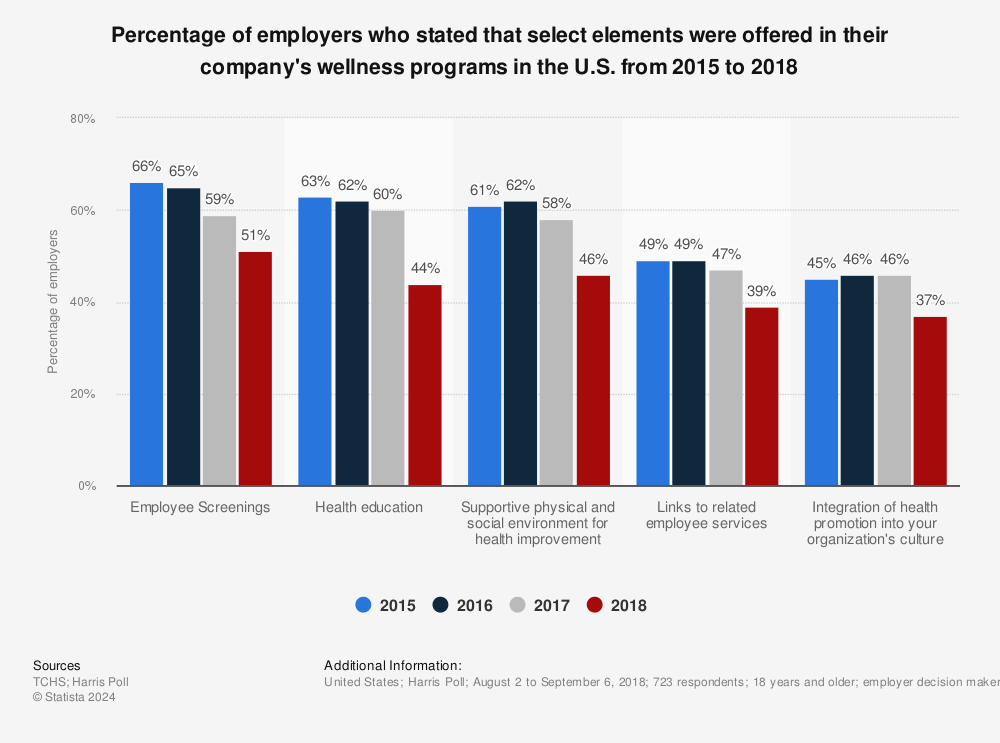
Structured Wellness Programs are one of the most common forms of health education strategies employed by organizations. These programs often include health risk assessments with personalized feedback, fitness initiatives through gym memberships, on-site fitness facilities, organized exercise programs, and nutritional counseling, offering employees guidance on healthy eating practices [17]. These elements work together to promote healthier lifestyles among employees, reduce the prevalence of chronic diseases, and improve overall physical health, which can, in turn, reduce healthcare costs and absenteeism [18]. The following Figure 2 shows the results of a Harris Poll of trends in wellness program offerings. Employee health screenings were the most offered program, with the Integration of health promotion into the organization’s culture being the least offered program in the study.
Comprehensive approaches to wellness go beyond individual components to address the broader work environment, recognizing that the context in which employees work significantly influences their health behaviors. These initiatives may include policies that promote work-life balance, flexible working arrangements, and mental health support systems integrated into the organization’s daily operations [19]. By embedding health into the organizational culture, leaders can ensure that health promotion becomes a shared responsibility among more leaders and employees, enhancing health education strategies’ overall effectiveness [20].
Mental Health Resilience Initiatives are increasingly recognized as critical components of workplace health education strategies. These initiatives focus on equipping employees with the tools and resources needed to manage stress, build resilience, and maintain mental well-being in the face of workplace challenges [21]. Programs may include mindfulness training, stress management workshops, and access to mental health professionals. Given the rising prevalence of mental health issues in the workforce, these initiatives are essential for promoting a holistic approach to health that encompasses both physical and mental well- being [22].
Preventive Health Services are another critical element of health education strategies, emphasizing the importance of early detection and prevention in maintaining employee health. These services often include vaccination drives, regular health screenings, and chronic disease management programs designed to identify potential health issues before they become serious problems [23]. By focusing on prevention, organizations can reduce employee disease burden, lower healthcare costs, and improve productivity by maintaining a healthier workforce [1].
Technological Integration in health education is also on the rise, with digital health platforms and mobile applications becoming increasingly popular tools for delivering health education and promoting healthy behaviors. These platforms can offer personalized health coaching, track fitness goals, and access health resources, making it easier for employees to engage in health-promoting activities [24]. Additionally, peer-support networks facilitated through digital platforms can help build community and accountability, reinforcing healthy behaviors [25].
Health education strategies for organizational leaders are diverse and multifaceted, encompassing various programs and initiatives to improve employee health through knowledge dissemination, behavior modification, and environmental support. By implementing these strategies, organizations can create a workplace culture that supports individual health and enhances overall organizational performance.
Historical Context and Evolution of Health Education in Organizational Settings
The concept of health education in organizational settings has undergone substantial transformation over the past century, paralleling broader societal shifts in the understanding of health and wellness. Initially, workplace health education was primarily focused on preventing occupational injuries and ensuring physical safety, reflecting the industrial era’s priorities [26]. During this period, the primary health concerns were related to the physical hazards of factory work, and the interventions were largely reactive, aimed at mitigating immediate risks rather than promoting long-term health.
As the 20th century progressed, there was a gradual expansion in the understanding of health to encompass physical safety and mental and emotional well-being. This shift was influenced by emerging psychology and public health research that highlighted the importance of mental health in overall productivity and quality of life [27]. The introduction of Employee Assistance Programs (EAPs) in the mid-20th century marked a significant milestone in this evolution. EAPs were initially developed to address issues such as alcohol dependency and mental health crises. However, they quickly expanded to include a broader range of services, such as counseling, stress management, and family support [28]. These programs signaled a recognition that mental health was integral to employee performance and organizational success.
The 1980s and 1990s saw the rise of comprehensive wellness programs, which represented a further evolution in workplace health education. These programs integrated various elements such as physical fitness, nutrition, stress management, and preventive healthcare into a cohesive strategy to improve employee well-being [29]. Both economic and social factors drove the introduction of these programs. On the one hand, rising healthcare costs prompted organizations to invest in preventive measures that could reduce long-term expenses [30]. On the other hand, there was a growing recognition of the link between employee health and organizational performance, with numerous studies demonstrating that healthier employees were more productive, had lower absenteeism rates, and contributed to a more positive work environment [10].
In recent decades, there has been a notable shift towards more holistic and preventive approaches in workplace health education. This shift has been driven by the increasing prevalence of chronic diseases such as obesity, diabetes, and cardiovascular conditions, as well as a heightened awareness of mental health issues in the workforce [31, 32]. Modern health education strategies now emphasize creating a supportive work environment that addresses physical health and promotes mental, emotional, and social well-being [33]. This approach recognizes health as a multi-dimensional construct, where factors such as work-life balance, social support, and stress management are critical to overall employee well-being [15].
Moreover, integrating technology into health education has become increasingly prevalent, with digital platforms and mobile health applications offering new ways to engage employees in health promotion activities. These technologies allow for personalized health education that can be tailored to the individual needs of employees, further enhancing the effectiveness of workplace wellness programs [24]. As organizations continue to navigate the complexities of modern work environments, the evolution of health education in the workplace reflects an ongoing commitment to fostering healthier, more resilient workforces that can thrive in both personal and professional capacities.
Examples of Successful Health Education Implementations Numerous case studies underscore health education strategies’ effectiveness in enhancing workforce health and organizational outcomes. These examples illustrate how comprehensive, well-implemented programs can significantly improve employee well-being while delivering measurable financial benefits to the organization.
Johnson & Johnson’s Health & Wellness Program: Is widely recognized as a benchmark for corporate wellness initiatives.
Launched in the late 1970s, the program has evolved into a comprehensive suite of health education initiatives, addressing a broad spectrum of employee health needs. These initiatives range from smoking cessation programs and weight management strategies to stress reduction workshops and mental health support services [34]. The effectiveness of Johnson & Johnson’s program is reflected in significant improvements in employee health metrics, such as lower smoking rates and healthier body weight indices. Financially, the program has been highly successful, with a reported return on investment (ROI) ranging from $1.88 to $3.92 for every dollar invested [35]. This ROI is achieved through reduced healthcare costs, decreased absenteeism, and enhanced productivity, demonstrating the tangible benefits of sustained investment in employee health.
Dow Chemical Company’s Health Strategy: Integrates health education into the company’s broader sustainability and corporate responsibility goals. Dow’s strategy emphasizes health literacy, preventive care, and creating a culture of health facilitated by solid leadership engagement and supportive policies [36]. One of the standout features of Dow’s approach is its focus on proactive health management, encouraging employees to engage in preventive measures such as regular health screenings and vaccinations. The results have been impressive: the company has seen reductions in obesity and hypertension rates among its workforce, leading to decreased healthcare expenditures and improved employee productivity. Dow’s strategy also highlights the importance of aligning health initiatives with the company’s core values, ensuring that health promotion is not just a peripheral activity but a central component of the organization’s operational and ethical framework [36].
Google’s “gWell Program”: Offers a third example of a successful health education implementation, showcasing the integration of physical fitness, mental health, nutrition, and work-life balance into a cohesive wellness strategy. What sets Google’s approach apart is its use of data analytics to tailor health education programs to the specific needs of its workforce. By leveraging data, Google can create personalized wellness plans that address its employees’ unique health risks and preferences, maximizing engagement and effectiveness [37]. This data-driven approach has contributed to high levels of employee satisfaction and engagement, with employees reporting improvements in both physical and mental well- being. Additionally, the program’s success is reflected in Google’s consistent ranking as one of the best workplaces, underscoring the link between a supportive health culture and overall organizational performance [38].
SAS Institute’s Corporate Health Program: Also deserves to be mentioned as a leading example of a holistic approach to workplace health. SAS Institute offers various health services, including on-site medical care, fitness centers, and wellness coaching, all part of a broader strategy to create a supportive work environment [39]. The company’s commitment to employee health is evident in its low turnover rates and high employee satisfaction scores, contributing to its reputation as an employer of choice. Integrating health services into the company’s daily operations has improved employee health outcomes, enhanced productivity, and reduced absenteeism, further reinforcing the business case for comprehensive health education programs [39].
Microsoft’s Employee Wellness Program, or “Microsoft CARES,” Is a comprehensive initiative that integrates physical, mental, and emotional well-being into the company’s core values. The program offers a variety of resources, including on-site fitness centers, mental health counseling, and wellness workshops, which are accessible to all employees [40]. One of the key features of Microsoft CARES is its focus on mental health, with a dedicated platform that provides access to mental health professionals and resources for stress management and resilience building. The program also includes support for work-life balance through flexible working arrangements and generous leave policies, which contribute to a healthier and more satisfied workforce. Microsoft’s commitment to employee wellness has resulted in high employee engagement, reduced turnover, and improved overall productivity [40].
Kaiser Permanente’s Total Health Program: Focuses on promoting the well-being of both employees and members. The program is built on total health, encompassing physical, mental, and social well-being. Kaiser Permanente offers comprehensive health education programs, including preventive care services, mental health support, and fitness initiatives [41]. A unique aspect of the Total Health program is its emphasis on community health, with initiatives encouraging employees to engage in volunteer activities and community service, enhancing social well-being and a sense of purpose. The program has been credited with improving employee health outcomes, reducing healthcare costs, and fostering a culture of health within and in the communities it serves [41].
Virgin Group’s “Virgin Pulse” Program, led by Richard Branson, is known for its innovative approach to employee well-being through its “Virgin Pulse” program. This program promotes long-term healthy behaviors by leveraging technology to engage employees in wellness activities. Virgin Pulse uses a digital platform that provides personalized health coaching, fitness challenges, and access to health resources, all tailored to individual employee needs [42]. The program also integrates social features that allow employees to support each other in achieving their health goals, fostering a sense of community and accountability. Virgin Pulse has demonstrated significant success in improving employee health metrics, including increased physical activity, better nutrition, and enhanced mental well-being. The program’s innovative use of technology and its focus on personalization have made it a model for other organizations looking to implement effective wellness programs [42].
Unilever’s Lamplighter Program: Is a global health initiative to improve employees’ health and well-being across 190 countries. The program focuses on preventive health, including health screenings, risk assessments, and personalized health improvement plans [43]. Lamplighter is unique in its holistic approach, which addresses physical health and emphasizes mental well-being, nutrition, and work-life balance. The program strongly focuses on leadership engagement, with senior leaders actively participating in health initiatives and setting an example for the rest of the workforce. The results of the Lamplighter program have been impressive, with significant improvements in employee health, reductions in absenteeism, and a positive impact on overall organizational performance. Unilever’s commitment to employee well-being through the Lamplighter program has been recognized as a best practice in the field of corporate wellness [43].
Johnson Controls’ “Healthy Workforce” Program: Focuses on creating a culture of health through comprehensive wellness initiatives. The program includes various health education activities, such as smoking cessation programs, weight management support, and fitness challenges [1]. A distinctive feature of Johnson Controls’ approach is its emphasis on environmental health, with initiatives promoting sustainable practices at work and in employees’ personal lives. The Healthy Workforce program has significantly reduced healthcare costs, improved employee engagement, and enhanced productivity. The program’s success is attributed to its integration of health and sustainability goals, demonstrating the interconnectedness of personal well-being and environmental responsibility [10].
These case studies collectively highlight the impact of well-designed and effectively implemented health education strategies on employee well-being and organizational success. The common thread across these examples is health integration into the organizational culture, supported by leadership commitment, data-driven decision-making, and a focus on preventive and holistic health measures. The success of these programs demonstrates that investing in employee health is not only beneficial for the workforce but also a sound business strategy that can lead to substantial financial and operational gains.
Impact of Workforce Health on Organizational Performance
Several theoretical frameworks support the relationship between workforce health and organizational performance. These models demonstrate how employee well-being can drive productivity, engagement, and overall organizational success. One of the most prominent theories in this domain is the Job Demands-Resources (JD-R) Model, which posits that employee health and well-being are influenced by the balance between job demands (e.g., workload, stress) and job resources (e.g., support, autonomy) [44]. According to the JD-R Model, when job resources are plentiful, employees are more likely to experience higher engagement and job satisfaction levels, leading to better performance outcomes. Conversely, employee health can deteriorate when job demands outweigh resources, resulting in decreased productivity and increased absenteeism.
Another relevant theoretical framework is the Corporate Health and Productivity Management (HPM) model, which links workforce health initiatives directly to business outcomes. The HPM model suggests that by investing in health promotion and disease prevention, organizations can improve workforce health, reduce healthcare costs, and enhance productivity [30]. This model integrates health- related metrics into overall business strategy, providing a comprehensive approach to managing employee well-being as a strategic asset.
The Conservation of Resources (COR) Theory also provides insights into the impact of workforce health on organizational outcomes. COR Theory, developed by Hobfoll SE [45], posits that individuals strive to obtain, retain, and protect their resources, which include health, energy, and psychological well-being. In the workplace, when employees perceive a loss of resources or are unable to replenish them, their stress levels increase, leading to burnout and reduced performance. Conversely, organizations providing health education and wellness programs that help employees maintain and build their resources can enhance well-being and improve work outcomes.
These theoretical frameworks underscore the importance of viewing workforce health as an isolated concern and an integral component of organizational strategy that can drive business success.
Empirical Evidence on the Benefits of a Healthy Workforce
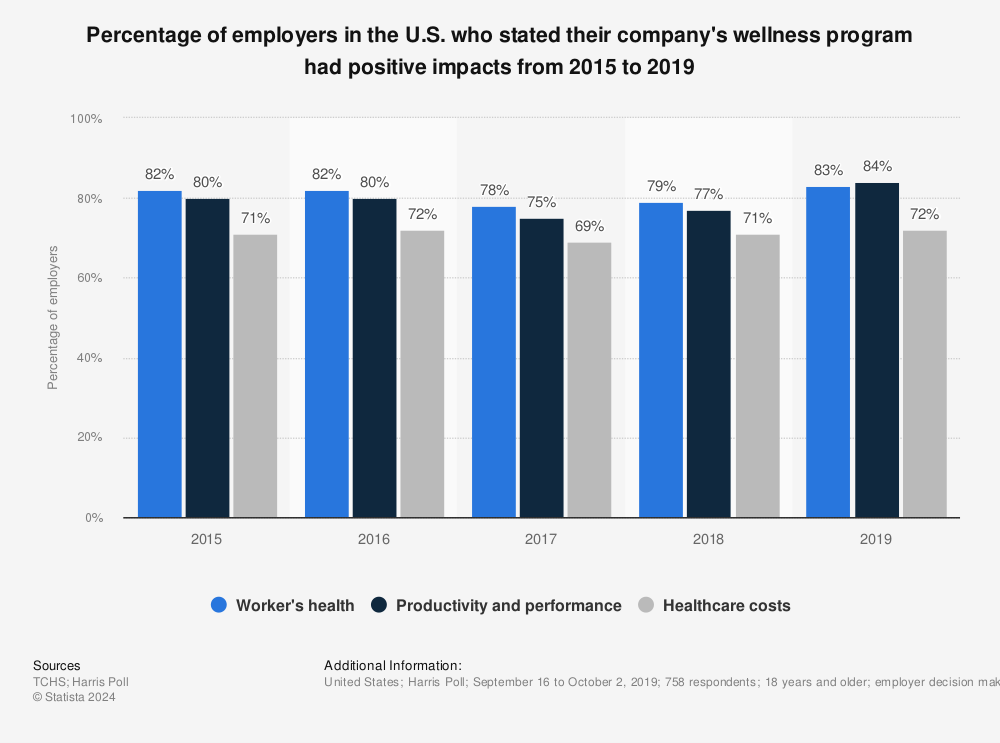
Empirical research consistently supports the notion that a healthy workforce benefits organizational performance. Studies have shown that organizations that invest in employee health and well-being experience higher productivity levels, lower absenteeism, and improved employee morale. For example, a study by Mills PE [46] found that companies with comprehensive wellness programs reported a 25% reduction in absenteeism and a 41% reduction in healthcare costs. Moreover, employees in these organizations were more engaged and satisfied with their jobs, leading to better overall performance. The Figure 3 below summarizes a Harris Poll 2019 of employers who stated their company’s wellness program had positive impacts from 2015 to 2019. Most employers felt their wellness program positively impacted their workers’ health, productivity, performance, and healthcare costs.
Another study by Loeppke R, et al. [47] demonstrated the positive impact of workforce health on productivity. The study analyzed data from multiple companies and found that those with adequate health promotion programs had significantly lower rates of presenteeism (employees being at work but not fully functioning due to health issues) and absenteeism. The findings indicated that for every dollar invested in health promotion, companies could expect to save $3 in productivity gains and reduced healthcare costs.
Further empirical evidence is provided by research on mental health in the workplace. The World Health Organization (WHO) estimates that depression and anxiety cost the global economy $1 trillion per year in lost productivity [48]. However, organizations implementing mental health support programs can significantly reduce these costs. For example, a meta-analysis by Joyce S, et al. [21] found that workplace interventions targeting mental health resulted in a median return on investment of $2.30 for every dollar spent. Overall, empirical evidence strongly supports the conclusion that a healthy workforce contributes to better organizational outcomes, including increased productivity, reduced absenteeism, and enhanced employee engagement.
Cost-Benefit Analysis of Health Education Programs
Cost-benefit analysis (CBA) is a crucial tool for assessing the financial viability of health education programs in the workplace. A well-conducted CBA can help organizations determine whether the benefits of these programs outweigh the costs, thereby guiding decision-making on health-related investments. Numerous studies have conducted CBAs of workplace wellness programs, consistently showing positive returns on investment (ROI).
One of the most frequently cited studies in this area is the meta-analysis by Baicker K, et al. [11], which reviewed the economic impact of workplace wellness programs across various industries. The study found that for every dollar spent on wellness programs, medical costs fell by approximately $3.27, and absenteeism costs fell by about $2.73, indicating a solid ROI. These findings highlight the economic benefits of investing in employee health education and wellness initiatives.
Another example is the evaluation of PepsiCo’s “Healthy Living” program, which conducted a comprehensive CBA over seven years. The program included health risk assessments, wellness coaching, and chronic disease management. The CBA revealed that the program generated an ROI of $1.78 for every dollar spent, primarily driven by reduced healthcare costs and improved employee productivity [49].
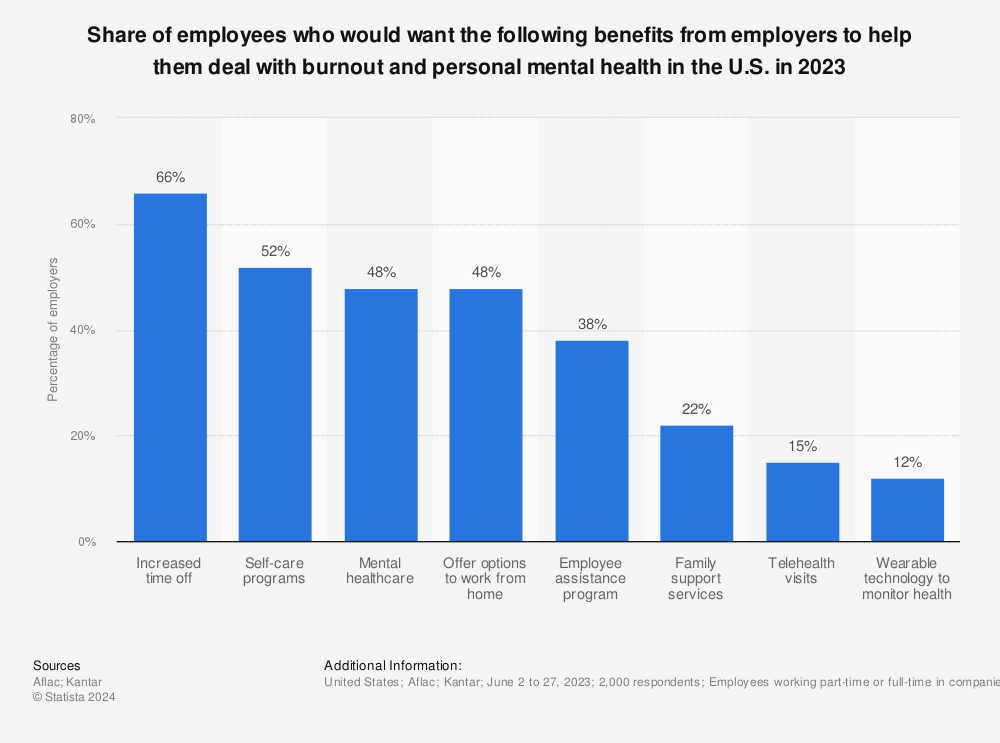
In addition to financial returns, CBAs also account for non-monetary benefits, such as improved employee morale, better workplace culture, and enhanced corporate reputation. While more challenging to quantify, these factors contribute to the overall value of health education programs and support the case for continued investment in workforce health. The Figure 4 below illustrates the results of a 2023 survey of 2,000 respondents on wellness benefits’ effectiveness in dealing with burnout and personal mental health. Increased time off, self-care programs, mental healthcare, and work-from-home options were at the top. Family support services, telehealth visits, and wearable technology made a list but were less than 1/3 there as helpful as increased time off.
Methodology
A qualitative research approach was employed in this study to explore and understand the intricacies of how organizations approach health and wellness in the workplace. This method was chosen due to its ability to capture the depth and complexity of participants’ experiences, attitudes, and perceptions, often not fully addressed through quantitative measures alone [50]. Qualitative methods are particularly well-suited for this study’s exploratory nature, as they allow for a comprehensive examination of the contextual factors and personal narratives that shape workplace health and wellness programs.
The decision to use a qualitative approach is justified by the study’s focus on understanding employees’ subjective experiences and the nuances of organizational culture as they relate to health and wellness initiatives. Qualitative research is ideal for exploring how participants interpret their roles within these programs, the challenges they face, and the perceived effectiveness of the initiatives. This approach provides rich, detailed data that can reveal underlying themes and patterns that may not be apparent through quantitative methods [51].
To answer the central questions of this study, a combination of data collection methods was employed, beginning with the administration of the CDC Worksite Health ScoreCard (HSC) to establish a consistent baseline for evaluating how organizations address health and wellness. The CDC HSC is a validated assessment tool that helps employers evaluate their health promotion programs, identify gaps, and develop strategies for effective interventions across various domains, including physical activity, tobacco control, safety, and chronic disease management [52]. The questionnaire comprises 125 questions totaling 265 points, covering various workplace health and wellness initiatives.
Participants were encouraged to provide elaborative responses during the completion of the CDC HSC survey, allowing for additional commentary that provided context and depth to their answers. This approach facilitated a more comprehensive understanding of each organization’s approach to health and wellness beyond what could be captured through structured questions alone.
Following the survey, participants were engaged in open- ended interviews designed to delve deeper into how they address—or fail to address—health and wellness in their workplace. The qualitative interview questions were directly aligned with the central research questions, ensuring the data collected was relevant and focused on the study’s objectives. Open-ended questions allowed participants to express their thoughts freely, providing rich, narrative data that offered insights into their experiences and perceptions [53]. To maintain consistency and reliability across interviews, the same set of questions was asked of all participants, ensuring that the data could be systematically compared and analyzed.
Participants were college-educated employees from various technology-related organizations selected based on the researcher’s connections. While this introduced potential selection bias, where participants may not fully represent the broader population of technology employees, it is essential to recognize how this bias might have influenced the results. For instance, personal connections could result in selecting participants who share similar views or experiences with the researcher, leading to a skewed representation of attitudes or behaviors. Additionally, this selection method may have included participants who are more likely to be cooperative or have a pre-existing relationship with the researcher, potentially influencing the openness or candor of their responses.
Multiple strategies were employed to minimize the impact of selection bias. First, the researcher made a deliberate effort to ensure diversity across key demographic and professional dimensions, such as organizational roles, company sizes, and types of technology fields represented. This was intended to counterbalance any potential homogeneity from the initial participant recruitment method. Second, participants were free to choose the time and location of their interviews, allowing them to feel comfortable and reducing any influence the researcher might have on their responses. This step aimed to mitigate any inadvertent bias in participants’ engagement during the interviews.
Moreover, the researcher remained aware of potential biases during data collection and analysis by critically evaluating whether participants’ responses reflected a broader spectrum of perspectives or appeared to align too closely with the researcher’s own experiences or network. By reflexively considering these factors, the study sought to acknowledge and control for the inherent limitations of convenience sampling while still generating valuable insights.
While these efforts helped address selection bias, future research could benefit from incorporating more random sampling methods or expanding recruitment beyond the researcher’s immediate network to reduce the potential for bias further and enhance the findings’ generalizability.
The qualitative analysis through manual coding allowed the researchers to uncover rich insights into the factors influencing the success of wellness programs and the challenges organizations face in promoting employee health and wellness. This approach provided a robust framework for understanding the complex dynamics at play within workplace health initiatives.
Results
This section presents the key themes identified in the study, highlighting organizations’ various strategies and practices to improve their CDC Health ScoreCard (HSC) scores and promote employee wellness. The analysis reveals that leveraging expert knowledge, offering various wellness programs, and encouraging natural healthy actions are crucial in achieving high HSC scores and enhancing overall employee well-being. Additionally, the study underscores the importance of safety, the persistent challenges associated with smoking, and the generally low performance in chronic disease management. The findings also emphasize the effective use of Choice Architecture in guiding employees toward healthier behaviors, ultimately contributing to better health outcomes and organizational success (Table 01).
- Summary of CDC Scores by HSC Categories
- HSC Categories
- Validation Study Scores
- This Study’s Average Scores
- Differences in Scores
- Organizational Supports
- 24
- 15
- 38%
- Tobacco Control
- 13
- 12.8
- 2%
- Nutrition
- 10
- 5.3
- 48%
- Lactation Support
- 5
- 7
- 40%
- Physical Activity
- 13
- 12.5
- 4%
- Weight Management
- 8
- 3.5
- 56%
- Stress management
- 10
- 8.8
- 13%
- Depression
- 9
- 7.5
- 17%
- High Blood Pressure
- 10
- 7
- 30%
- High Cholesterol
- 10
- 5.3
- 48%
- Diabetes
- 9
- 5.3
- 42%
- Signs and Symptoms of Heart Attack and Stroke
- 2
- 2
- 0%
- Emergency Response to Heart Attack and Stroke
- 11
- 12.8
- 16%
- Occupational Health and Safety
- 13
- 17
- 31%
- Vaccine-Preventable Disease
- 11
- 11.3
- 2%
Table 1: Summary of CDC Scores by HSC Categories.
The research study uncovered several factors in health education that led to increased employee engagement, more effective resource allocation, successful program evaluation, feedback, innovation, and overcoming roadblocks. Narrowing the focus to the most critical drivers of success, leadership engagement and flexible work schedules emerge as two crucial factors in building an effective wellness program. Strong leadership commitment sets the tone for wellness initiatives, ensuring programs are actively promoted and adequately resourced. Leadership plays a pivotal role in communicating the importance of health initiatives and creating a culture that supports wellness, leading to higher employee participation and program success. Equally important is employees’ flexibility, such as allowing time off for health-related activities or adjusting work schedules to accommodate wellness programs. This flexibility encourages participation and demonstrates the organization’s commitment to supporting employee well-being. Leadership engagement and flexible work arrangements create an environment where wellness programs can thrive, directly contributing to employee satisfaction and overall organizational success.
The list below summarizes the themes that were found to build a healthy workforce and drive bottom-line results:
Leadership Commitment and Organizational Support: Strong leadership commitment is crucial for the success of workplace wellness programs. High-scoring organizations demonstrate leadership involvement by promoting wellness initiatives like health fairs, fitness centers, and safety programs across all locations. This commitment often includes ensuring the availability of resources such as on- site nurses and flexible time off for health-related activities. Organizations with solid corporate backing can implement comprehensive wellness initiatives, even if they are smaller. Corporate offices often provide essential resources, training, and access to third-party wellness programs, which are critical for the effective rollout of wellness activities.
Communication and Feedback Mechanisms: Successful wellness programs rely on structured communication strategies, including regular updates through newsletters, meetings, online portals, and digital platforms. These organizations ensure that wellness information is consistently communicated and accessible to all employees. High-scoring organizations frequently gather employee feedback through committees, health assessments, and surveys. This feedback is used to tailor wellness programs, ensuring they remain relevant and practical.
Training and Wellness Program Implementation: Training is a cornerstone of successful wellness programs. Organizations that provide comprehensive training on various health-related topics, including ergonomics, stress management, and safety, see better employee engagement. Training can include lunch-and-learn sessions, online courses, workshops, and annual health screenings. The presence of a dedicated wellness coordinator significantly impacts the success of wellness initiatives. These coordinators organize and communicate wellness activities, increasing employee participation and engagement.
Employee Engagement and Program Variety: Employee engagement is often encouraged through wellness competitions, such as weight loss challenges, walking competitions, and bike-to-work contests. These activities foster community and motivate employees to participate in wellness programs. Leadership support in these competitions further encourages participation. Offering various wellness programs, including physical activity, nutrition, and mental health initiatives, can increase employee engagement. Organizations that communicate these options effectively through multiple channels see higher participation rates.
Nudge Theory and Encouraging Healthy Behaviors: Some organizations use leadership strategies aligned with Nudge Theory to encourage healthy behaviors without making participation mandatory. This includes offering financial incentives for participation in wellness programs, providing time for health-related activities, and creating an environment that naturally encourages healthy choices. High-scoring organizations demonstrate flexibility in work schedules, allowing employees to take time off for health- related activities or community involvement, thereby supporting a culture of health and wellness.
Results and Program Evaluation: High-scoring organizations often have clear metrics to measure the success of their wellness programs, such as participation rates, health outcomes, and cost savings. Regular evaluation helps organizations understand the impact of their wellness initiatives and make necessary adjustments. The effectiveness of wellness programs is directly linked to how healthy leadership communicates their importance and availability. Organizations with proactive communication from leadership tend to have more successful wellness outcomes.
Cultural Factors and Wellness: Organizations that integrate wellness into their core values and daily practices tend to have more successful programs. This includes promoting a culture that encourages healthy behaviors, provides accessible resources like on-site gyms, and offers flexible work schedules. Some organizations face challenges related to cultural resistance to wellness initiatives. This can be due to entrenched habits or the perception that wellness is not aligned with the organization’s primary business goals.
Incentives and Employee Participation: Offering incentives, such as discounts on insurance premiums, cash rewards, or paid time off, is an effective strategy to boost participation in wellness programs. These incentives are particularly successful when well-communicated and aligned with employee needs. Financial incentives are often used to increase participation in wellness programs. These can include discounts on health insurance premiums, cash rewards for participating in health assessments, or bonuses for using vacation time.
Innovative Wellness Programs: Some organizations implement innovative wellness programs, such as replacing unhealthy snacks with nutritious options, providing on-site gardens, or offering cooking classes. These initiatives require strong leadership support and effective communication to be successful. Organizations that seek and leverage external expert resources, such as wellness organizations or local health experts, tend to have more successful wellness programs. This approach ensures the organization stays informed on best practices and enhances its wellness efforts.
Challenges and Areas for Improvement: Smaller organizations or those with limited budgets often struggle to offer the same wellness support as larger companies. Budget constraints can limit the availability of wellness resources, such as on-site fitness facilities or comprehensive health screenings, making it challenging to achieve high wellness scores. Organizations sometimes face challenges in consistently enforcing wellness policies, particularly when these policies require significant cultural shifts. Ongoing communication and leadership support are essential to overcoming these obstacles [54, 55, 56, 57, 58, 59, 60, 61].
Discussion
The study provided several examples of successful health education strategies organizational leaders implement. For instance, leveraging external expertise and established wellness resources is a critical success factor. The highest- scoring organizations in the pilot study engaged with external professionals, such as local doctors and nationwide wellness organizations like Live Well and US Wellness, to create and implement effective health programs. These programs often included comprehensive health assessments based on biometric data, which served as a guiding principle for wellness initiatives.
Furthermore, successful organizations incorporated a variety of wellness programs to cater to different employee interests and needs. This ranged from wellness competitions and physical activity initiatives (like walking groups, yoga, and stair climbing) to flexible work schedules tailored to employees with children. Integrating diverse wellness activities and promoting flexibility within work schedules were crucial strategies that encouraged higher employee engagement and participation.
The impact on workforce health and well-being is evident from the strategies described. Organizations utilizing these comprehensive health education programs saw improved employee health metrics. For example, programs that included health screenings, weight management challenges, and incentives for healthy behavior (like reduced insurance premiums or gift cards) encouraged participation and led to measurable improvements in workforce health, such as lower rates of obesity and hypertension. Moreover, creating a supportive work environment where healthy behaviors were encouraged, either through direct nudges (like providing healthy snacks or organizing wellness fairs) or more passive support (like allowing flexibility in work hours), also contributed to an overall culture of health within the organization. These efforts resulted in better employee morale, reduced absenteeism, and a general sense of well- being among employees [62, 63, 64, 65, 66, 67, 68].
The study indicates that organizations with higher health scores and more robust wellness programs often experience better bottom-line results. For example, the industrial manufacturer with a comprehensive health program noted that attending community health meetings and implementing best practices learned there kept them “ahead of the curve” compared to other companies. This suggests a link between proactive health strategies and competitive advantage, which could translate into improved financial performance. Additionally, incentives such as premium reductions and gift cards for participating in wellness activities will improve health outcomes and likely reduce healthcare costs for the organization. These cost savings, combined with improved employee productivity from better health, provide direct evidence of the positive impact of workforce health on the organization’s financial performance.
The study highlights that organizations with successful health programs also see specific positive outcomes like increased employee engagement and reduced absenteeism. For example, flexibility in work schedules, particularly for employees with children, supports work-life balance and likely enhances employee retention, as these employees may find it easier to manage work and family responsibilities.
Regarding productivity, organizations that encouraged regular physical activity and participation in wellness programs, such as standing or walking meetings, also likely saw higher productivity levels. These initiatives reduce the physical strain of long work hours and promote mental alertness, leading to more efficient and effective work performance. Key factors identified include the active engagement of leadership in promoting health and wellness, the availability of diverse wellness programs, and the integration of external expertise. Leaders who actively participate in and advocate for health programs set a precedent influencing overall employee engagement. Additionally, organizations that utilize external resources and expertise, such as partnerships with local healthcare providers or national wellness organizations, are better equipped to offer effective programs that improve employee health and financial performance.
Participant feedback emphasized the importance of variety and flexibility in wellness offerings. Programs that met employees at their level of interest or need were more successful in achieving high participation rates. For instance, offering a range of physical activities or flexible work schedules catered to different employee preferences and lifestyles, leading to more sustained engagement. Moreover, participant feedback suggested that incentives, such as premium reductions and gift cards, were crucial in driving participation, especially in activities like biometric screenings and weight loss challenges.
To elaborate on the challenges the study organizations face, it is helpful to look at two of the most challenging areas: tobacco control and chronic disease management. Organizations face significant challenges in implementing smoking cessation programs, as evidenced by the recurring themes in various tobacco control categories. In many workplaces, designated smoking areas or the option to smoke in personal cars are the primary approaches to managing smoking, yet these measures fail to reduce tobacco use effectively. Security officers distributing nicotine gum offer minimal support, while compliance with smoking laws, such as maintaining a 30-foot distance from buildings, is often disregarded. For some employees, smoking has become deeply ingrained in the company culture, serving as a form of stress management. Efforts to reduce smoking are further complicated by external factors, including contractors who disregard smoking policies and employees who continue to smoke even after experiencing severe health issues, such as lung cancer. This reflects a broader challenge where smoking is viewed not just as a habit but as a coping mechanism for stress, making cessation efforts particularly difficult to enforce.
The management of chronic conditions such as high blood pressure, high cholesterol, and diabetes is another area where organizations struggle to implement effective programs. Despite offering basic health screenings during onboarding and periodic check-ups, many organizations do not have robust programs to address these conditions comprehensively. One company, for instance, provides a blood pressure testing machine and educational materials. Still, this initiative alone has yet to translate into significant improvements or higher CDC Health Scorecard (HSC) points. Even organizations affiliated with medical schools and healthcare networks seem unable to leverage their resources to exceed the average scores in managing chronic conditions. Low-scoring organizations lack awareness or initiative in reducing chronic diseases, often lacking structured programs to support employees in managing their health beyond the initial screenings. This gap reflects a widespread need for more targeted and sustained interventions to improve chronic disease management in the workplace.
Recommendations for Implementing Effective Health Education Strategies
To implement effective health education strategies, organizational leaders should leverage external expertise and resources to design and execute wellness programs. For instance, organizations that partnered with health professionals or national wellness organizations, such as Live Well and US Wellness, saw significant improvements in their wellness initiatives. Leaders should prioritize comprehensive health assessments based on biometric data to guide program design, ensuring that wellness activities are targeted and effective. Additionally, offering various wellness programs that cater to employee interests—such as fitness challenges, mental health initiatives, and flexible work schedules—can enhance employee engagement and participation.
Overcoming challenges, particularly in areas like smoking cessation and chronic disease management, requires a multifaceted approach. Organizations should implement clear policies and provide robust support systems, such as nicotine replacement therapies and counseling, to address tobacco use. Addressing chronic disease management requires targeted interventions, including regular health screenings and personalized health plans. Leadership must also work to integrate these initiatives into the organizational culture, promoting health as a core value. Using incentives, such as reduced insurance premiums or financial rewards, can also help overcome resistance and encourage healthy behaviors [69, 70, 71, 72].
Limitations of the Study
One potential limitation of this study is the selection bias introduced by relying on participants known to the researcher. This may have influenced the responses and the overall findings, as the organizations involved may not fully represent the broader industry. Additionally, the focus on organizations that had already implemented some form of health education strategy may have skewed the results towards more favorable outcomes, underrepresenting the challenges faced by organizations with less established wellness programs.
The fact that participants in this study were primarily from technology-related organizations poses a potential limitation to the generalizability of the findings. While the insights gathered may be highly relevant to the tech industry, they may not fully reflect the experiences or perspectives of individuals working in other sectors, such as healthcare or manufacturing, where organizational cultures, work environments, and challenges may differ significantly. For instance, the dynamics and pressures faced in technology fields might not translate directly to industries with more regulated environments or hands-on operational roles, as seen in healthcare or manufacturing.
To address this limitation, it is essential to acknowledge that the study’s findings should be interpreted cautiously when considering their applicability to non-technology sectors. Future research could expand upon these findings by including participants from a broader range of industries to explore whether similar patterns or insights emerge across different sectors. This would help to determine if the conclusions drawn in this study are unique to technology- related organizations or if they hold broader relevance across various fields.
By recognizing this limitation, the study maintains transparency about its scope and encourages further research to validate the results in diverse organizational contexts. The literature review covered various industries to ensure similar themes were found in various economic sectors.
Suggestions for Future Research
Future research should aim to include a more diverse range of organizations, including those with little to no existing health education programs, to provide a more comprehensive understanding of the barriers and challenges in implementing such strategies. Longitudinal studies that track the impact of health education programs over time would also be valuable, as they could offer insights into the sustainability of these initiatives and their long-term effects on employee health and organizational performance. Additionally, exploring the role of emerging technologies, such as digital health platforms, in enhancing the delivery and effectiveness of wellness programs could provide new directions for organizational health strategies.
Future research should address the critical limitations identified in this study. First, longitudinal studies are needed to assess the long-term effects of interventions, as this study provides only a snapshot in time. These studies would help bridge the current gap in understanding how variables like organizational commitment and employee engagement evolve. Additionally, replicating this research across different territorial spaces could provide insights into how contextual factors, such as regional or cultural differences, influence the outcomes. To facilitate this, future studies should include an annex outlining the specific categories and frameworks used for survey and interview development, allowing consistency and comparability across diverse settings. This would ensure the research findings are more broadly applicable and replicable across various geographic and organizational contexts.
Conclusion
This study underscores the critical role that effective health education strategies play in linking workforce health to improved organizational performance. Organizations that implement comprehensive, tailored wellness programs see marked improvements in employee health, such as reduced rates of obesity, hypertension, and chronic disease. These health gains translate into enhanced productivity, reduced absenteeism, and substantial healthcare cost savings. The findings further demonstrate that organizations integrating external expertise and embedding wellness resources within their culture achieve higher Health ScoreCard (HSC) scores and improved financial outcomes. The strong correlation between workforce health and organizational performance highlights the strategic importance of investing in employee wellness initiatives.
The broader implications for organizational leaders are clear: Leadership commitment to workforce health is an ethical imperative and a strategic asset in today’s complex business environment. As workplace health risks continue to evolve, including rising rates of mental health issues and chronic conditions, leaders must adapt by exploring innovative health education strategies and leveraging emerging technologies. Digital health tools, personalized wellness programs, and data-driven interventions will be critical in addressing new health challenges and ensuring the continued effectiveness of wellness initiatives.
Looking ahead, sustained leadership commitment is essential for fostering a culture of health that can withstand future challenges. Leaders who champion health education, model healthy behaviors, and integrate wellness into core business strategies can create lasting change, enhancing employee well-being and organizational resilience. This research serves as a call to action for leaders to prioritize health education as a critical component of their long-term strategy for organizational success. Doing so can improve employee quality of life and strengthen their organization’s competitive advantage, driving sustainable growth and profitability in an ever-changing business landscape. References
1. Goetzel RZ, Henke RM, Tabrizi M, Pelletier KR, Loeppke R, et al. (2014) Do workplace health promotion (wellness) programs work?. Journal of Occupational and Environmental Medicine 56(9): 927-934.
2. Gubler T, Larkin I, Pierce L (2018) Doing well by making well: The impact of corporate wellness programs on employee productivity. Management Science 64(11): 4967-4987.
3. Wright TA, Cropanzano R (2004) The Role of Psychological Well-Being in Job Performance: A Fresh Look at an Age-Old Quest. Organizational Dynamics 33(4): 338-351.
4. Meyer JP, Stanley LJ, Vandenberg RJ (2022) Organizational commitment and employee retention: Moving beyond intention to action. Annual Review of Organizational Psychology and Organizational Behavior 9: 99-127.
5. Haines S, Davies J, Khan K (2018) Workplace health promotion: A systematic review of economic evaluations. BMC Public Health 18(1): 1-9.
6. Grossmeier J, Terry PE, Cipriani A, Burtaine JE (2010) Best practices in evaluating worksite health promotion programs. American Journal of Health Promotion 24(3): 1-9.
7. Kaspin LC, Gorman KM, Miller RM (2013) Systematic review of employer-sponsored wellness strategies and their economic and health-related outcomes. Population Health Management 16(1): 14-21.
8. Seaverson ELD, Grossmeier J, Miller TM, Anderson DR (2016) The role of incentive design, incentive value, communications strategy, and worksite culture on health risk assessment participation. American Journal of Health Promotion 21(6): 463-472.
9. Aldana SG, Anderson DR, Adams TB, Whitmer RW, Merrill RM, et al. (2012) A review of the knowledge base on healthy worksite culture. Journal of Occupational and Environmental Medicine 54(4): 414-419.
10. Goetzel RZ, Henke RM, Benevent R, Tabrizi MJ, Nelson CF, et al. (2014) The predictive validity of the HERO Scorecard in identifying companies that successfully improve employee health and well-being and achieve superior business outcomes. Journal of Occupational
and Environmental Medicine 56(6): 623-633.
11. Baicker K, Cutler D, Song Z (2010) Workplace wellness programs can generate savings. Health Affairs 29(2): 304-311.
12. Liu D, Rust RT, Baer R (2022) Effects of workplace wellness programs on employee productivity: The mediating role of employee health. Journal of Business Research 142: 767-779.
13. Pfeffer J (2018) Dying for a paycheck: How modern management harms employee health and company performance—and what we can do about it. Harper Business.
14. Nyberg A, Westerlund H, Hanson LLM, Theorell T, Oxenstierna G, et al. (2020) Managerial leadership and ischaemic heart disease among employees: The Swedish WOLF study. Occupational and Environmental Medicine 67(4): 257-263.
15. Linnan L, Bowling M, Childress J, Lindsay G, Blakey C, et al. (2008) Results of the 2004 National Worksite Health Promotion Survey. American Journal of Public Health 98(8): 1503-1509.
16. Sperling D (2019) Incorporating wellness into the workplace: A case for employers. Journal of Occupational and Environmental Medicine 61(5): 384-387.
17. Heaney CA, Goetzel RZ (1997) A review of health- related outcomes of multi-component worksite health promotion programs. American Journal of Health Promotion 11(4): 290-307.
18. Carnethon MR, Pu J, Howard G, Albert MA, Anderson CA, et al. (2019) Cardiovascular health in African Americans: A scientific statement from the American Heart Association. Circulation 136(21):e393-e423.
19. Sullivan C, Carleton RN, Cunningham J, Van Horne K (2020) Psychological health and workplace well-being: A cross-sectional survey of Canadian correctional workers. Journal of Occupational Health Psychology 25(1): 65-74.
20. Person AL, Colby SE, Bulova JA, Eubanks JW (2010) Barriers to participation in a worksite wellness program. Nutrition Research and Practice 4(2): 149-154.
21. Joyce S, Modini M, Christensen H, Mykletun A, Bryant RA, et al. (2016) Workplace interventions for common mental disorders: A systematic meta-review. Psychological Medicine 46(4): 683-697.
22. Harvey SB, Joyce S, Tan L, Johnson A, Nguyen H, et al. (2017) Developing a mentally healthy workplace: A review of the literature. Australian & New Zealand Journal of Psychiatry 51(1): 11-23.
23. Allen JD, Blue MA, Davey CS, Cawley JF (2014) Preventive care in the workplace: The role of primary care providers. Journal of Occupational and Environmental Medicine 56(7): 639-644.
24. Krebs P, Duncan DT (2015) Health app use among US mobile phone owners: A national survey. JMIR mHealth and uHealth 3(4): e101.
25. Graham AL, Cobb NK, Raymond L, Sill S, Young AS (2011) Effectiveness of an internet-based worksite smoking cessation intervention at 12 months. Journal of Occupational and Environmental Medicine 53(3): 348- 356.
26. Blake C (1963) Industrial hygiene: Yesterday, today, and tomorrow. American Journal of Public Health 53(1): 12- 20.
27. Quick JC, Tetrick LE (2011) Handbook of occupational health psychology. In: Quick JC, Tetrick LE (Eds.), 2nd (Edn.), American Psychological Association.
28. Sharar DA, Pompe JC, Attridge M (2013) Onsite versus offsite EAPs: A comparison of workplace outcomes. Journal of Employee Assistance 43(1): 1-5.
29. O’Donnell MP (2002) Health promotion in the workplace. In: 3rd (Edn.), Delmar Thomson Learning.
30. Goetzel RZ, Ozminkowski RJ (2008) The health and cost benefits of work site health-promotion programs. Annual Review of Public Health 29(1): 303-323.
31. Chapman LS (2005) Meta-evaluation of worksite health promotion economic return studies: 2005 update. The Art of Health Promotion Newsletter 6(6): 1-16.
32. McLellan RK, MacKenzie TA, Lord RG (2019) Impact of workplace wellness programs on employee productivity: A systematic review of the evidence. American Journal of Preventive Medicine 56(6): e193-e205.
33. Schult TM, McGovern PM, Dowd B, Pronk NP (2018) The future of health promotion/disease prevention programs: The incentives and barriers faced by large, self-insured employers. Journal of Occupational and Environmental Medicine 60(2): e81-e86.
34. Henke RM, Goetzel RZ, McHugh J, Isaac F (2011) Recent experience in health promotion at Johnson & Johnson: Lower health spending, strong return on investment. Health Affairs 30(3): 490-499.
35. Ozminkowski RJ, Ling D, Goetzel RZ, Bruno JA, Rutter KR, et al. (2002) Long-term impact of Johnson & Johnson’s health & wellness program on health care utilization and expenditures. Journal of Occupational and Environmental Medicine 44(1): 21-29.
36. Schulte PA, Pandalai S, Wulsin V, Chun H (2017) Interaction of occupational and personal risk factors in workforce health and safety. American Journal of Public Health 107(9): 1358-1363.
37. Sullivan S (2013) The business case for wellness programs in the workplace: A review of the literature and an employer survey. Benefits Quarterly 29(4): 7-12.
38. Marr B (2020) How Google Uses People Analytics to Create a Great Workplace. Forbes.
39. Williams M (2018) Wellness programs: How SAS keeps employees happy, healthy, and productive. Harvard Business Review.
40. Miller S (2019) Microsoft’s CARES program: Addressing mental health in the workplace. Employee Benefit News.
41. Chenoweth D, Garrett DM, Cottrell D (2015) Kaiser Permanente’s approach to workplace health and wellness. Journal of Occupational and Environmental Medicine 57(6): 653-659.
42. Sullivan S, Stokes S (2016) The impact of Virgin Pulse’s workplace wellness program: Enhancing employee engagement and well-being. Workplace Health & Safety 64(4): 150-158.
43. Fabius R, Ray A, Thayer RD, Donohue S, Pinckney C, et al. (2016) The link between workforce health and safety and the health of the bottom line: Tracking market performance of companies that nurture a culture of health. Journal of Occupational and Environmental Medicine 58(1): 3-8.
44. Bakker AB, Demerouti E (2017) Job Demands–Resources theory: Taking stock and looking forward. Journal of Occupational Health Psychology 22(3): 273-285.
45. Hobfoll SE (1989) Conservation of resources: A new attempt at conceptualizing stress. American Psychologist 44(3): 513-524.
46. Mills PR, Kessler RC, Cooper J, Sullivan S (2007) Impact of a health promotion program on employee health risks and work productivity. Am J Health Promot 22(1): 45- 53.
47. Loeppke R, Hohn T, Baase C, Bunn W, Burton WN, et al. (2009) Integrating health and safety in the workplace:
How closely aligning health and safety strategies can yield measurable benefits. Journal of Occupational and Environmental Medicine 51(9): 970-979.
48. World Health Organization. (2017) Depression and other common mental disorders: Global health estimates. World Health Organization.
49. Caloyeras JP, Liu H, Exum E, Broderick M, Mattke S (2014) Managing manifest diseases, but not health risks, saved PepsiCo money over seven years. Health Affairs 33(1): 124-131.
50. Creswell JW, Poth CN (2018) Qualitative inquiry and research design: Choosing among five approaches. In: 4th (Edn.), SAGE Publications.
51. Denzin NK, Lincoln YS (2018) The SAGE Handbook of Qualitative Research. In: 5th (Edn.), SAGE Publications.
52. Centers for Disease Control and Prevention. (2020) Worksite Health ScoreCard: An assessment tool for employers to prevent heart disease, stroke, and related health conditions.
53. Aflac & Kantar (2023) 2023-2024 Aflac WorkForces Report. Aflac, pp: 25.
54. Anderson LM, Quinn TA, Glanz K, Ramirez G, Kahwati LC, et al. (2009) The effectiveness of worksite nutrition and physical activity interventions for controlling employee overweight and obesity: A systematic review. American Journal of Preventive Medicine 37(4): 340-357.
55. Baxter S, Sanderson K, Venn AJ, Blizzard CL, Palmer AJ (2014) The relationship between return on investment and quality of study methodology in workplace health promotion programs. American Journal of Health Promotion 28(6): 347-363.
56. Bazeley P (2013) Qualitative data analysis: Practical strategies. In: 2nd (Edn.), SAGE Publications, Western Sydney University, Australia.
57. (2021) CDC Worksite Health ScoreCard: An assessment tool for employers to prevent heart disease, stroke, and related health conditions. U.S. Department of Health and Human Services. Centers for Disease Control and Prevention (CDC).
58. Grossmeier J, Fabius R, Flynn JP, Noeldner SP, Fabius D, et al. (2016) Linking workplace health promotion best practices and organizational financial performance: Tracking market performance of companies with highest scores on the HERO Scorecard. Journal of Occupational and Environmental Medicine 58(1): 16-23.
59. Harris Poll (2018) Sixth annual Transamerica Center for Health Studies employers survey: U.S. businesses remain committed to employee healthcare benefits. Transamerica Center for Health Studies (TCHS), pp: 46.
60. Harris Poll (2019) Seventh annual Transamerica Center for Health Studies employers survey: U.S. businesses remain committed to employee healthcare benefits. Transamerica Center for Health Studies (TCHS), pp: 29- 33.
61. Hughes MC, Patrick DL, Hannon PA, Harris JR, Ghosh DL (2011) Understanding the decision to offer workplace health promotion programs: Evidence from small and medium-sized businesses. Journal of Occupational and Environmental Medicine 53(10): 1143-1150.
62. JobSage (2022) JobSage survey. JobSage.
63. Mattke S, Liu H, Caloyeras JP, Huang CY, van Busum KR, et al. (2013) Workplace wellness programs study. RAND Health Quarterly 3(2): 7.
64. Patel MS, Asch DA, Volpp KG (2015) Wearable devices as facilitators, not drivers, of health behavior change. JAMA 313(5): 459-460.
65. Rongen A, Robroek SJ, van Lenthe FJ, Burdorf A (2013) Workplace health promotion: A meta-analysis of effectiveness. American Journal of Preventive Medicine 44(4): 406-415.
66. Saldaña J (2016) The coding manual for qualitative researchers. In: 3rd (Edn.), SAGE Publications.
67. Schneider SK, Gunnarson AB, Bradshaw CP (2017) Organizational climate and its relationship to employee stress and health in a large multi-national. International Journal of Workplace Health Management 10(3): 223- 238.
68. Society of Human Resources Management (SHRM). (2021) 2020 employee benefits (p. 2). SHRM.
69. Song Z, Baicker K (2019) Effect of a workplace wellness program on employee health and economic outcomes: A randomized clinical trial. JAMA 321(15): 1491-1501.
70. Spreitzer GM, Porath CL, Gibson CB (2012) Toward human sustainability: How to enable more thriving at work. Organizational Dynamics 41(2): 155-162.
71. Taylor WC (2020) Promoting physical activity through workplace wellness programs: Insights from health behavior change theories. Journal of Physical Activity and Health 17(6): 600-605.
72. (2020) Workplace health promotion: A healthy workplace is good business. World Health Organization.
- Capacity Constraints in Pediatric Inpatient Psychiatric Care: A Cross-Sectional Analysis of Bed Availability and Geographic Access in North Carolina
- Why Healthcare Analytics Still Optimizes the Wrong Things
- Coding, Coverage, and Care: The Infrastructure of Transgender Health Inequities
- The Effect of Classroom Attendance on Academic Achievement of Management and Leadership Discipline of Nursing Students at Instituto Superior Cristal and Universidade de Dili, Timor-Leste, 2024: A Case Study
- The Role of Social Bonds in Facilitating Shared Investments and Resource Allocation: Addressing the “Wrong Pocket Problem” in Public Health and Healthcare
- Social-Cultural Factors Contributing to Antimicrobial Resistance in Livestock Farmers and Community Households in Kayonza District, Rwanda