
Impact of Continuing Education on Nurse Satisfaction and Confidence – Quality Improvement Project
Background: This study investigated the impact of continuing education on nurse satisfaction and confidence, aiming to provide recommendations for healthcare organizations to enhance nurse support and retention through educational programs. Objective: This research study aimed to understand if continuing education increases job satisfaction and confidence. Method: A quality improvement research study was conducted for approximately 2.5 weeks and included 10 registered nurses. An anonymous 10-question survey was distributed via SurveyMonkey among registered nurses over 18 of varying expertise levels within a healthcare organization in urban Ontario, Canada, to gather feedback on satisfaction, confidence, and retention. Data Analysis: Microsoft Excel Data Analysis program and SurveyMonkey Analysis programs were used for data analysis to quantify responses. Results: Nurses with 2-5 years of experience, 5-10 years of experience, and greater than 10 years of experience reported at a rate of 90% that continuing education influences job satisfaction and clinical confidence while 10% of nurses surveyed reported that continued education influenced only clinical confidence. 80% of the nurses surveyed revealed they were satisfied (20%) or very satisfied (60%) within their current workplace. Conclusion: The survey was able to identify that 90% of nurses reported that continuing education impacted their job satisfaction and clinical confidence, only 10% reported that continuing education impacted their clinical confidence only. 80% of all surveyed nurses were satisfied or very satisfied with their current workplace and 70% plan to continue their employment with their current employer. Thus, nurses who reported continuing education impacted their job satisfaction and/or confidence, also suggest that a lack of continuing education heavily contributed to their intent to stay in their current workplace.
Abbreviations
IRB: Institutional Review Board; CNO: Colleges of Nurses of Ontario.
Introduction
In the complex setting of the healthcare system, nurses are the key to effective, efficient, and safe patient care [1].
Maintaining best practices by educating nurses on up-to-date knowledge and skills by continued education is crucial. This Quality Improvement project explored the impact of ongoing education on nursing job satisfaction and confidence using an anonymous survey. The goal of this project was to assess how both formal and informal workplace education sessions influence nursing job satisfaction and confidence. The data collected was anticipated to provide insights into nurses’ personal perceptions of themselves as novice or expert nurses, their preferred methods of learning and continued education, and how these factors correlate with retention rates and job satisfaction. Evidence supports that continuous education in the workplace empowers nurses by enhancing their confidence and leads to increased job satisfaction and retention rates [2, 3] (Figure 1).

Scholarly Question
In nurses working in long term care, acute care, and community care settings, what is the impact of formal and informal educational sessions on nurse satisfaction and clinical confidence?
Problem Statement
Healthcare is a dynamic environment in which nurses play a pivotal role [1]. Continued enhancement of competences is essential for nurses to update their knowledge and skills, adhere to best practice guidelines, adapt to healthcare changes, provide optimal care that aligns with the evolving population needs, and uphold licensure requirements. Continuous education is needed to ensure nurses have up to date information on evolving treatments, digital advancements, and clinical practices for improved health outcomes. Lack of education can lead to significant knowledge gaps in clinical settings, never events, and causes negative patient outcomes. Association of increased nurse education is correlated to optimal patient well-being. Evidence-based education has the ability to empower registered nursing staff with increased confidence, competence, job satisfaction, and improves retention rates. Through educational support in the workplace, nurses display an increased level of competence and confidence in their knowledge, skills, and judgment [2]. According to Kim H, et al. [3], nurses who feel competent and confident are inclined to report feelings of satisfaction, motivation, and display increased engagement within their workplace ultimately, decreasing turnover rates. The examination of continued education within the workplace as it pertains to nursing satisfaction and confidence can inform organizational policies and ensure appropriate allocation of funds to educational programs. Continuing nursing education can improve patient outcomes, ensure adherence to best practice guidelines, improve retention rates, increase staff morale, and decrease health costs [3]. Literature review has demonstrated a gap in this topic and the need to improve patient outcomes.
Nursing Theory
The Quality Improvement project explored the nurse job satisfaction and confidence impacted by continued education utilized Patricia Benner’s nursing theoretical framework. From Novice to Expert theory, Dr. Brenner analyzed nursing practice varies through clinical teachings, intellectual orientation, integrated knowledge, and factors that impact decision-making skills. The Quality Improvement project aimed to explore how nurses within a healthcare organization preferred to acquire knowledge, retention rates, their clinical confidence, self-perception, and level of satisfaction which aligned well with Brenner’s theory. Benner’s situational model, adapted by the Dreyfus model, describes five levels of skill acquisition which include novice, advanced beginner, competent, proficient, and expert. As clinical situations are varied and complex, experience-based skills training in the workplace is more effective and reliable in comparison to educational-based. According to Alligood MR [4], “as the nurse gains experience, clinical knowledge becomes a blend of practical and theoretical knowledge” (p.103).
According to Brenner P [5], a novice is described as the person having no background experience for which objective attributes are provided to guide performance. An Advanced beginner has accrued meaningful components of a situation, however, requires assistance from a mentor. The competent level allows for the capability to recognize patterns and triage situations appropriately in a clinical setting. The ability to assess situations in a holistic manner with an intuitive grasp is seen in the proficient level. Lastly, experts embody exceptional critical thinking skills and do not require analytical principles to plan, assess, and intervene in a timely manner. Benner theory demonstrates the need for education and learning for all nurses.
Aims and Goals
The aim of this Quality Improvement project was to explore how continued education affects nurse job satisfaction and clinical confidence in community care as well as long term care settings. The main goal was to gain an understanding from a nursing perspective towards continuing education in the workplace in comparison to workplace dissatisfaction and lack of clinical confidence. Additionally, the primary aim of the Quality Improvement project was to highlight the need for appropriate allocation of educational funds within organizations, identify the preferred method of learning with respect to continued education and the correlation with retention rates and the nurse’s view of self as novice or expert (Figure 2).

Literature Review
A review of North American and International nursing and medical related literature was conducted to analyze job satisfaction, confidence and its correlation to continuing education in the workplace. CINAHL Ultimate, Science Direct, ProQuest, Google Scholar, and EBSCO databases was searched for peer reviewed research articles published between 2019 and 2024 with Full Text and was limited by Core Nursing subsets. Keywords including, retention, nurse satisfaction, confidence, and continuing education were used in solitaire and in combination to search the databases for related works. Provided in this is a summary of the literature for the purpose of this project.
Continued enhancement of competences is essential for nurses to update their knowledge and skills, adhere to best practice guidelines, adapt to healthcare changes, provide optimal care that aligns with the evolving population needs, and uphold licensure requirements. Continuous education is needed to ensure nurses have up-to-date information on evolving treatments, digital advancements, and clinical practices for improved health outcomes. Lack of education can lead to significant knowledge gaps in clinical settings, never events, and cause negative patient outcomes. Association of increased nurse education is correlated to optimal patient well-being. Evidence-based education could empower registered nursing staff with increased confidence, competence, job satisfaction, and improve retention rates.
Advantages of Continued Education
Nurses view opportunities for clinical advancement as an element of a supportive working environment. A positive work environment has been linked with increased job satisfaction and decreased burnout. Increased clinical confidence is sustained in health workforce wellbeing. A positive correlation was noted between a healthy work environment and improved patient outcomes, patient safety, lower mortality rates, and decrease in readmissions [6]. Similarly, according to Alshammari MH, et al. [2], supportive work environments that promote self-efficacy and social support among nursing staff is essential. Nurse leaders and managers play a crucial role in creating a culture that values continuous learning, collaboration, and mutual support [7]. In contrast, 40% of nurses reported a poor work environment which included lack of staffing, managerial support, as well as opportunities for educational and clinical advancements leading to nurse burnout and job satisfaction. Primary influences for internal and external turnover include, burnout, stressful work environments, lack of good management or leadership, and inadequate staffing [6, 8]. Nurses experience is vital to improving and maintaining a satisfied, dedicated, and sustainable nursing workforce. Decreased opportunities for professional development and lack of resources correlate with nursing job dissatisfaction as well as, the intent to leave their workplace [9].
Ongoing education significantly improves job satisfaction among nurses. Training enhances morale, motivation, and creates opportunities for career growth. These factors contribute to overall job satisfaction and engagement which are critical in nurse retention [3]. Enhancing employees’ sense of value and support, training programs foster a culture of continuous learning and job satisfaction; [2]. Clinical and academic education is needed for mentoring, preparing, and supporting the nursing workforce. The COVID-19 pandemic has heightened emotional exhaustion and increased workload for clinical educators. Improving working conditions in clinical settings is critical to addressing nursing shortages. An academic and professional partnership that allows nurses working in specialty areas, such as intensive care, to pursue higher educational opportunities can address burnout and increase retention. State and federal policymakers, program administrators, and employers need to support nursing programs and nurses that have an interest in seeking higher education for workforce development. To address burnout, incorporating education and professional development will lead to improved working conditions that help retain and recruit nurses, specifically in specialty nursing [10, 11, 12].
Providing continuous training to nurses enhances their ability to handle complex cases and situations, promoting their ability to stay up-to-date with best-practices, thereby enhancing their competence [2, 13]. Educating nurses on communication techniques allows them to interact more effectively with patients and families, leading to improved patient outcomes and satisfaction. Nurse mentors emphasizing soft skills such as empathy, communication skills, emotional control, and emotional intelligence can enhance interpersonal skills in learners’ professional and personal life. Workplace continuing education provided to nurses can improve the overall quality of patient care as significant positive correlations exist between job engagement and the quality of nursing services [3]. Therefore, healthcare organizations that incorporate employee educational courses for nurses can help improve the overall quality of nursing services provided and patient care outcomes. An organization’s inability to provide a positive working environment leads to challenges with recruiting and retaining staff ultimately, impacting patient outcomes due to lack of staff resources [6]. Continuing education and training which leads to the acquisition of a professional qualification improves productivity, minimizes medical and pharmaceutical errors, decreases work related stress, and reduces costs [14].
Education Modalities
Education can be delivered in standardized courses or specialty courses presented through PowerPoint Slides, scripted facilitator guides, or in-class presentations, encompassing core content geared towards evidence- based clinical knowledge. Hands on-demonstration, return demonstration, and simulated teaching increases skill acquisition and knowledge. Cognitive and psychomotor learning for rapid translation into patient care helps develop self confidence and competence. Optimal learning is done by instructors that are capable of appropriately managing use of authority, analyzing group dynamics, being self-aware, and by respecting diversity. A free, open access, downloadable curriculum for learning can increase knowledge and positive attitudes. Additionally, direct and focused learning can ensure facilitator shared knowledge, ownership, understanding, and interprofessional collaboration. Return demonstration, teach back, and creation of shared SMART goals improve clinical practice, clinical learning, and patient outcomes [15]. There are many modalities of delivering professional development that contribute to nurse job satisfaction, confidence, competence, and retention [16].
Self-directed learning among healthcare professionals is commonly driven by individual initiative and responsibility using digital and mobile technologies. Mobile technologies and apps allow healthcare professionals to engage in learning at their own pace and convenience. Technology is essential in supporting continuous professional development [1]. Initial and ongoing education should incorporate competency- based training in telehealth to ensure the establishment and maintenance of quality care in various locations and through multiple modalities of patient care. Incorporating various methods of education for telehealth can lead to the utilization of best practice, increased telehealth utilization, enhanced quality of care, and patient and provider satisfaction [17, 18].
Clinical facilitators can provide education in formal allied professional social groups or informal settings to increase sense of belonging and address feelings of being overwhelmed and underprepared. Professional development within the workplace and ongoing education is a priority for new nurses. Staff and resource shortages in rural hospitals may also contribute to shorter and more frequent rotations, as well as directly impacting the capacity for education days and sufficient support structures. Increased staffing and better access to resources through a program prioritizing clinical learning are important factors for both job satisfaction and retention [9]. The perception of nurses acquiring skills through experience in clinical settings is more valuable than traditional education. Nurse identified strategies for improving job satisfaction include appreciation of diverse scope of practice, increase scenes of community, opportunity for continued education, strategies to increase feeling of preparedness, ability to maintain a work-life balance, ensuring sufficient time for unit orientation, and increased professional gatherings for networking. Health organizations’ ability to develop educational programs that sustain the transition of new grads into practice leads to improved nurse satisfaction, increased retention rates, emotional intelligence, and inter professional engagement. Clinical mentorships perform well in learning techniques, present with significant readiness for practice, and increase confidence in caring for multiple patients safely. Clinical education with unit specific mentorship leads to enhanced job satisfaction, improved retention, and decreased nurse turnover [8, 13, 19]. Providing nurses with mentored education holds great significance in the formation of competent and confident nursing staff. Allocating resources directed towards the growth and development of new nurse faculty is crucial for retention, nursing confidence, and patient outcomes [20].
Barriers to Continued Education
Barriers to continuing education include training costs, duration of training, difficulty of learning, methods of learning, work commitments, family responsibilities, older age, inexperience at work, and time constraints. Additionally, lecture-based teaching methods that lack interaction and discussion among learners can be perceived as unproductive, a waste of time, and redundant. Organizations often hold educational sessions at inconvenient times, conflicting with nurses’ busy schedules or during break times leading to added stress [21]. Nurses express a need to participate in learning that directly correlates to improving patient care and changing clinical practice to meet best practice guidelines. Despite restrictive barriers, nurses are highly motivated to acquire knowledge and improve practical skills. Continuing education improves nursing care and helps support a good nursing culture within the workplace. Addressing barriers to career development through continuing education in a clinical setting can address nursing shortage and high healthcare expenditure [1, 10, 14] (Figure 3).

Methodology
Design
The study design chosen was a Quality Improvement Project. The purpose of this Quality Improvement project included the completion of a literature review and the distribution of a 10-question survey to all nursing staff working within a healthcare organization in Ontario, Canada. According to Naik S, et al. [22], quality improvement in healthcare organizations is a structured design used to enhance processes, identify sustainability of practice changes, and to continuously assess various guidelines implemented to ensure effective evidence-based practice [22]. This design is a professional obligation and allows for continuous learning, structural improvement, empowers work culture, as well as ensuring positive change is implemented in a healthcare setting [23, 24]. The source of research material was obtained from individuals who were registered nurses by Colleges of Nurses of Ontario (CNO). The data was obtained for research purposes, with the goal to improve nurse satisfaction and confidence within their workplace as it pertains to an organization’s commitment to provide continued educational opportunities. The target population included nurses 18 years of age and older working in an acute care hospital, long term care facilities, or community care settings in Ontario, Canada. This includes nurses working full-time, part-time, and casual. The organization in which the quality improvement project was conducted did not require the Institutional Review Board (IRB). Data was conducted through an anonymous and voluntary 10-question survey that explored the nurse participant’s perception on job satisfaction, clinical skills and knowledge through continued education. The survey included questions regarding the number of years the participant has been a nurse, their preferred method of learning (in-person or virtual), number of formal and informal education sessions attended within the past year, if the participant plans on staying within their current place of employment, and self-perception of whether the participants consider themselves a novice or expert nurse. A questionnaire is a self reported instrument that allows the collection and translation of subjective results into quantifiable and actionable data. Qualitative data is quantifiable, numeric, statistical, measurable, fixed, and aims to objectively measure preferences, attitudes, as well as behavior [25]. The data collected may not be representative of the general population or nurses working in another organization. Consent was placed prior to the participants gaining access to the survey questions. Participants were notified that there are no financial, physical, psychological, and social well-being hazards linked to the completion of the survey. Completion of the survey was completed with the participant’s consent to participate in this quality improvement project.
Setting
This Quality Improvement Project covered a wide range of nursing environments, from specialized and intensive care settings in hospitals, to more ongoing and holistic care in long-term and community settings. Quality Improvement projects identifies the need to improve a process, procedure or other that can improve an outcome. Surveys were sent via email to registered nurses working across three settings including, acute care, long-term care and community care, in urban Ontario, Canada. The surveys were distributed from May 30, 2024 to June 17, 2024. In the acute care setting, registered nurses provided brief care for acute or urgent medical conditions. Nurses working in the long-term care setting provided a variety of services, including medical and personal care, to those unable to manage independently in the community. Nurses working in the community care setting, providing home healthcare and other community- based healthcare services were also surveyed.
Sampling
Convenience sampling was utilized to recruit participants for this research study. Additionally, cluster sampling was used, as the population focused on registered nurses, over the age of 18 who worked within the healthcare organization, in urban Ontario, Canada. The survey was intentionally brief (approximately 2-min). Its focus was to learn if nurses who are from novice to expert and believed that continuing education impacted their job satisfaction, level of confidence and subsequent longevity within the healthcare organization. The survey questions help identify, the nurses perspective of their using the Benner model Novice to Expert [5], the length of time the participant had been a registered nurse, the modality they prefer to receive education (virtual or in-person) and whether the continuing education impacted their specific job satisfaction or confidence in their ability to function in their current role within the organization. A sample copy of the survey used can be found in the Appendix A. The sample size was 10 with the following criteria: registered nurses who were 18 years of age or older. Finally, the nonprobability sampling technique was used as it was most conducive for the timeline for the completion of this study [26].
Data Collection
In a healthcare organization in urban Ontario, Canada, emails were sent by nurse managers to recruit nurses, who provide direct care, with a link to the online SurveyMonkey platform. SurveyMonkey allows for the distribution of surveys and questionnaires to collect data. The platform prevents duplication of responses from the same IP address [27]. To ensure the safety of the data, all files were encrypted before being transferred to a data analysis platform. The 10-question survey was voluntary for the nurses and anonymous. Confidentiality was maintained and no identifiable questions in the survey. Data was collected from May 30, 2024 to June 17, 2024. Definitions were provided within the survey to ensure appropriate understanding of specific terms. Formal education was defined as any method of education that was equal to or more than 30 minutes that resulted in a certificate of completion. Furthermore, informal education was defined as, any method of education that was equal to or more than 30 minutes that did not result in a certification of completion. Further definitions were provided for the survey question on self-perception; novice nurse was defined as a new graduate nurse with less than one year of experience, advanced beginner was defined as up to 2 years of experience, competent was further described as at least 2-3 years of experience in same practice area, proficient is more than 3 years of experience with great critical thinking skills, and excellent critical thinking and transferable skills within a care setting was the definition provided for expert.
Data Analysis
The SurveyMonkey Analysis program was used for the data analysis to assess results. The researchers examined the survey data to identify patterns and determine statistically significant factors contributing to the association between continuing education, job satisfaction and clinical confidence. The responses were tallied and analysed to calculate the percentage for each answer choice in the survey questions. For each survey question, responses were categorized based on the answer choices provided, and each participant’s answer was sorted into the corresponding category. The total number of responses for each answer choice was then counted. For example, for the question “how many years have you been a nurse?” the number of participants who selected each time range (ex. “2-5 years”, “5-10 years”, etc.) was tallied. The percentage for each answer choice was calculated by dividing the number of responses for that choice by the total number of participants for that question and then multiplying by 100. For instance, if 4 out of 10 participants indicated they have been nurses for “5-10 years”, the percentage would be calculated as;
( ) 4 10 0.4 100 40% ÷ × = =
This analysis method was applied to assess all questions responses.
The calculated percentages were then presented clearly, with each question’s answer choices listed alongside their corresponding percentages, allowing for easy comparison of the distribution of responses. Additionally, the data was represented using graphs and charts generated by SurveyMonkey Analysis software, providing an effective visual understanding of the data patterns and trends. This analysis approach helped to ensure that the survey responses were accurately able to allow the researchers to draw meaningful conclusions about nurse satisfaction, confidence, and the impact of continuing education.
Limitations
Several limitations became evident during this study, with the biggest being the sample size N=10. A larger sample population would be more representative of the canvased population and could be transposed upon a larger population of nurses, impacting the generalizability of this study. Furthermore, a larger sample size would highlight the attitudes of nurses as it relates to continuing education. Another limitation was the duration of the study (approximately 2.5 weeks) and data collection, which likely impacted the number of responses. Additionally, the healthcare organization wanted to incentivise participation to increase participation but was unable too in a way that did not compromise the integrity of the anonymity of the survey. Finally, nurses were asked to complete the 2-minute survey on their own time. This task, however small, may have contributed to the lower number of responses.
Ethical Considerations
Ethical considerations in research are held to protect both the integrity of the study and its participants. The principles of ethics in research include voluntary participation, informed consent, anonymity, confidentiality, potential for harm, and communication of results [4]. To the best of the investigators’ knowledge these principles were held in the highest regard. To prevent poor data integrity and breach of confidentiality, all files were encrypted before being transferred to a data analysis platform. Participation in the survey and subsequent study was voluntary and only open to nurses who were 18 years of age or older. There was no direct benefit from the completion of the survey. To the best of researcher’s knowledge, it was believed that no harm will or has resulted from participating in the completion of this survey. For any questions that were difficult to answer, participants had the option to skip or refuse to answer questions at any time during the survey. There were no known expected costs that participants were anticipated to bear. There was a small 2-minute time requirement to complete the survey. All information about each participant was kept and maintained in confidentiality including when findings were shared. These ethical considerations aptly demonstrated ensuring that both the participants and the quality of the study was not intentionally or unintentionally compromised.
Results
This section discusses the results of the 10-question survey distributed to the nurses at an urban healthcare organization in Ontario, Canada.
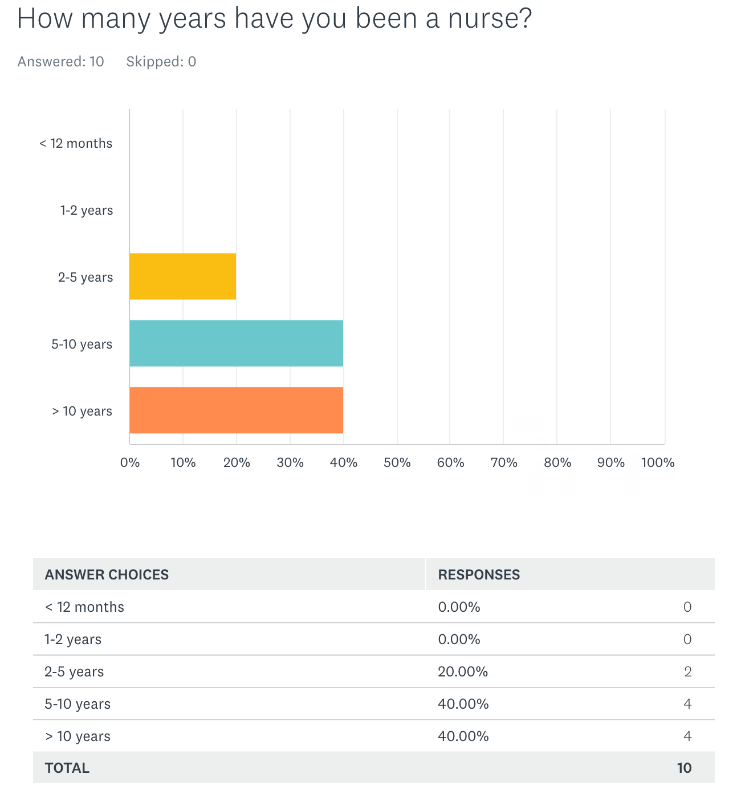
Figure 1 depicts the nurse’s years of experience. The nurses in this healthcare organization who participated in this survey had significant experience. 20 % reported having 2-5 years of experience, 40% reported 5-10 years of experience, and 40 % reported greater than 10 years of experience.
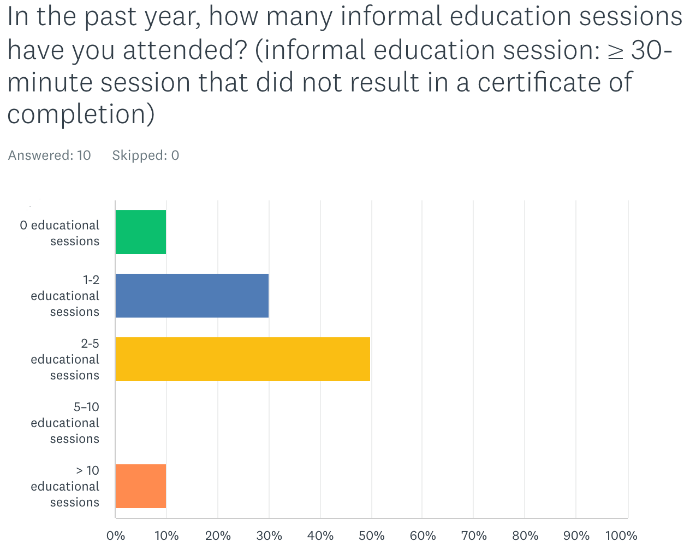
Figure 2: Clinical Setting of Nurses Surveyed. Figure 2 demonstrates the results of the nurse’s surveyed place of work. The nurses surveyed worked in community settings, acute care, or long-term care. 10% reported working in long-term care, another 10% reported working in acute care setting, and a resounding 80% reported working in community care setting.
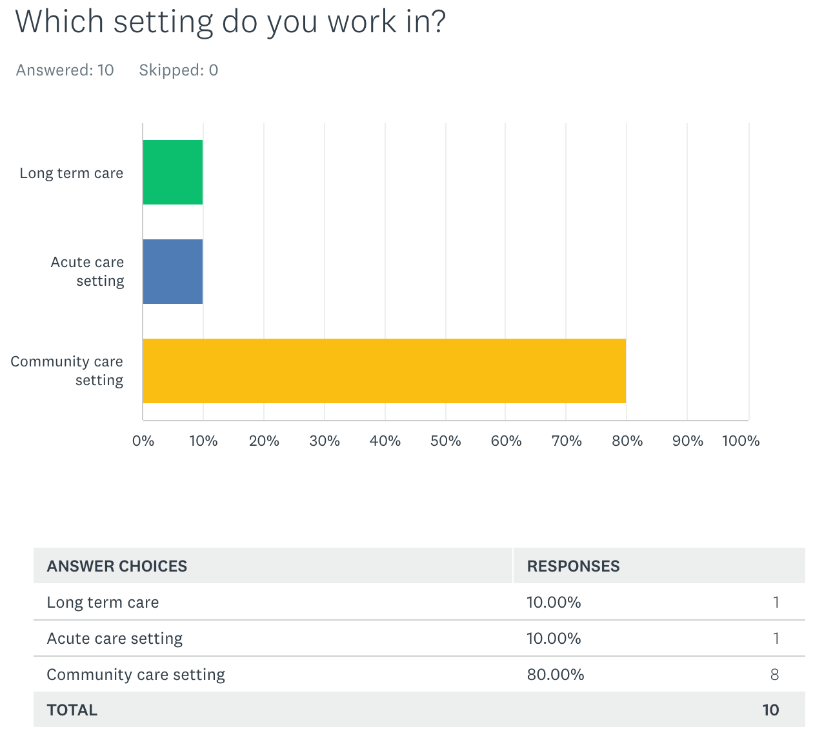
Figure 3: Number of Formal Education Nurses Attended. Figure 3 discuss and quantify the formal continuing education sessions nurses participated in within the last year. For this study, formal education was defined as education sessions greater than or equal to 30 minutes that resulted in a certificate of completion. 60% of the nurses surveyed reported attending 1-2 formal educational sessions, 30% reported attending 2- 5 formal educational sessions, and 10% reported attending greater than 10 formal educational sessions within the last year.
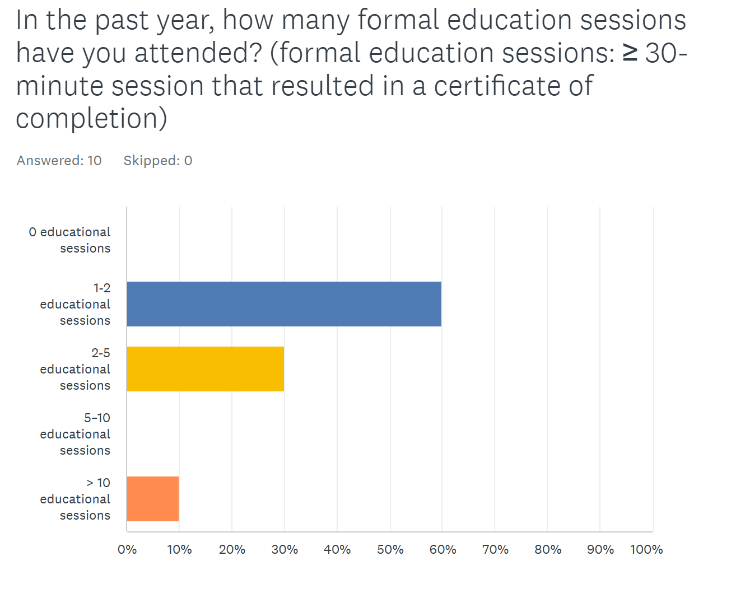
Figure 4: Number of Informal Education Nurses Attended. Figure 4 discuss and quantify the informal continuing education sessions nurses participated in within the last year. For this study, informal education was defined as education sessions greater than or equal to 30 minutes that did not result in a certificate of completion. 10% of nurses surveyed reported attending 0 informal educational sessions, 30% reported attending 1-2 informal educational sessions, while 50% reported attending 2-5 informal educational sessions, and 10% reported attending greater than 10 educational sessions.
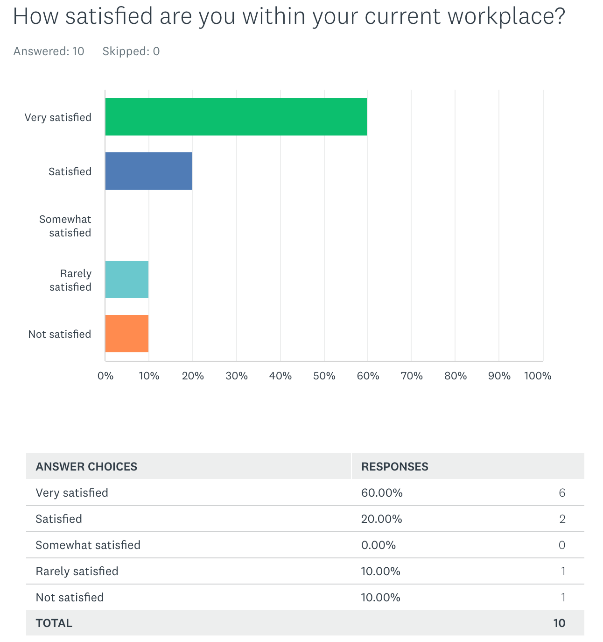
Figure 5 is a reporting of the respondent’s current level of satisfaction in their current workplace. There was very positive reporting in workplace satisfaction. 60% of surveyed nurses reported being Very Satisfied (this was the highest rating a participant could give), 20% reported being Satisfied, 10% reported being Rarely Satisfied, and 10% reported being Not Satisfied (this was the lowest rating a participant could give).
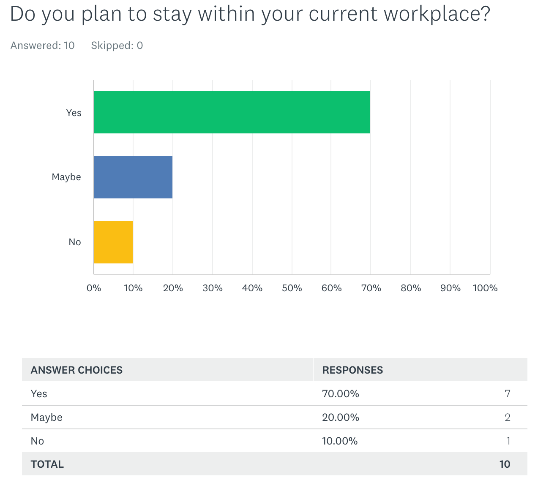
Figure 6: Level of Clinical Confidence of Nurses Surveyed. Figure 6 demonstrates the self-reporting of the surveyed nurses’ level of confidence with their current clinical skills & knowledge. In terms of clinical confidence, the majority nurses surveyed reported being Confident as it pertains to their skills and knowledge, 30% reported being Very Confident, 60% reported being Confident, and 10% reported being Somewhat Confident.
![Figure 10: Level of Expertise of Nurses Surveyed According to Benner’s Theory. Discussion The aim of the study was to evaluate if continuing education sessions would positively impact nurse job satisfaction and clinical confidence. The results showed that the nurse’s surveyed (N=10) believed that workplaces that afforded staff continuing education, contributed to both job satisfaction and clinical confidence. This proved true across all care settings, also demonstrating a positive impact on retention. The data collected and presented provides further evidence of the effectiveness of training programs on nurse staff job satisfaction and clinical confidence which positively impacts patient outcomes [28,29].](/fulltextimages/13384/fig_10.png)
Figure 7 depicts 90% of nurses surveyed stated more educational sessions would increase workplace satisfaction and confidence while 10% stated it would increase clinical confidence only.
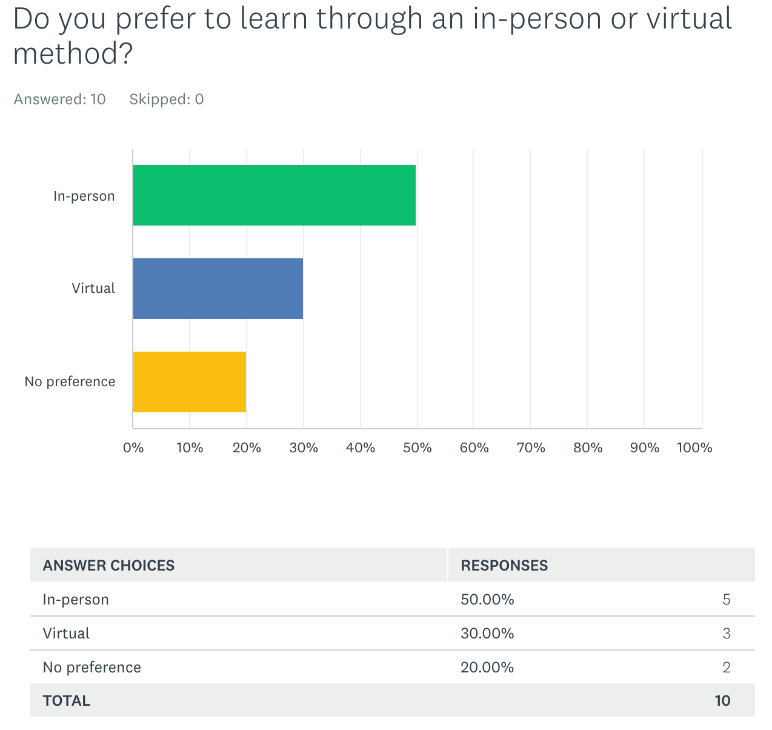
Figure 8: Retention Intentions of Nurses Surveyed. Figure 8 displays the nurse’s plan to stay within their current workplace. 70% of the nurses reported Yes, they plan to stay within their current workplace, 20% reported Maybe they would stay within their current workplace, and 10% reported No they do not plan to stay within their current workplace.
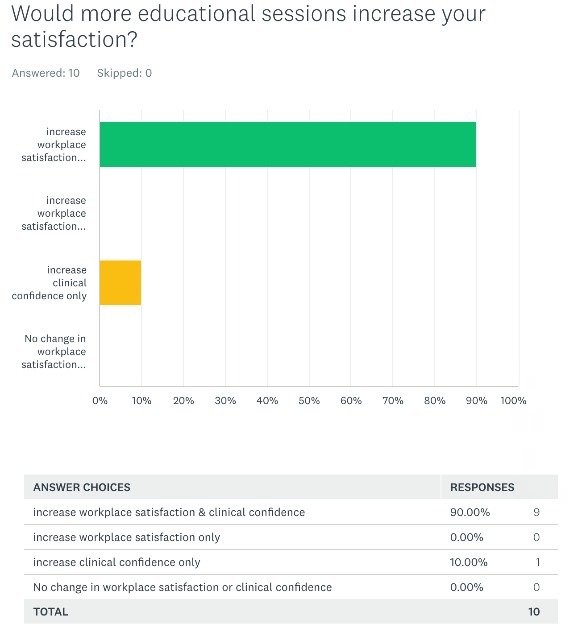
Figure 10 uses the Brenner’s Theory: Novice to Expert, asking participants to remark their clinical self-perception from novice to expert. Their experience ranged from novice to expert, where Novice is defined as new graduate/less than a year of experience, Advanced Beginner being defined as up to 2 years of experience, Competent defined as having at least 2-3 years of experience, Proficient is defined as having greater than 3 years of experience, with great critical thinking skills, and finally Expert was defined as excellent being defined as critical thinking and transferable skills within a care setting. 40% of the nurses surveyed consider themselves as Competent, 30% of the nurses surveyed consider themselves as Proficient, and 30% of the nurses surveyed consider themselves as Expert.
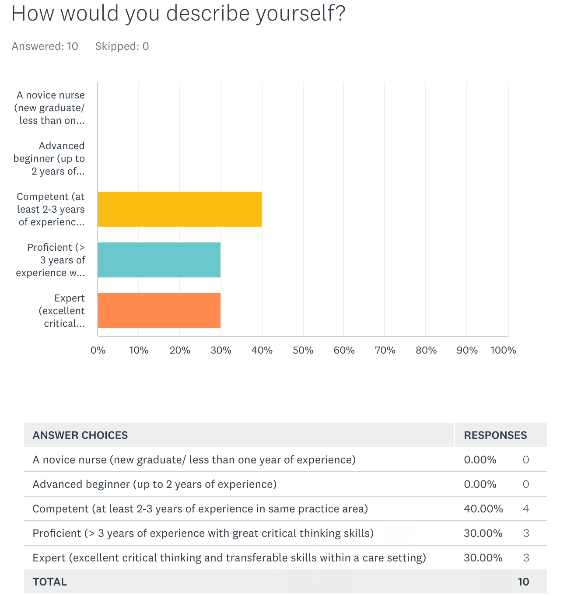
Figure 10: Level of Expertise of Nurses Surveyed According to Benner’s Theory. Discussion The aim of the study was to evaluate if continuing education sessions would positively impact nurse job satisfaction and clinical confidence. The results showed that the nurse’s surveyed (N=10) believed that workplaces that afforded staff continuing education, contributed to both job satisfaction and clinical confidence. This proved true across all care settings, also demonstrating a positive impact on retention. The data collected and presented provides further evidence of the effectiveness of training programs on nurse staff job satisfaction and clinical confidence which positively impacts patient outcomes [28, 29].
Several correlations became evident from this study. 75% of nurses, with at least 5 years of experience, preferred in- person education sessions. Additionally, 80% of nurses, who reported they were at least Competent, also reported more opportunities for continuing education would impact both job satisfaction and clinical confidence. Nurses with greater than 10 years of experience, who identified themselves as Expert, valued the need of continuing education in the workplace for increased job satisfaction and clinical confidence. Workplaces that provided more than 2-5 informal educational sessions annually, can expect an increase in job satisfaction, clinical confidence, as well as retention. And finally, those who stated they were not satisfied within their workplace and intended to leave, received 0 informal educational sessions within the past year.
While the nurses surveyed should continue to be encouraged to participate in continuing education, for upskilling, to further support evidence-base practice and meeting practice guidelines, this study highlighted a need to explore the intersectionality of the areas of their mutual interests. Nurses and employers need to collectively develop and implement continuing education programs that are woven into operational culture, creating a supportive environment for nurses to progress from novice to expert. Implications for the Workplace Clinical self-perception of the nurses, ranging from competent, proficient, and expert expressed need for continued educational opportunities within their workplace. The results of the quality improvement project concluded that educational sessions supported by the workplace have a positive correlation with job satisfaction, clinical confidence, and retentions rates. High satisfaction rates within the workplace are linked to more than 2-5 informal educational sessions support by their employer annually. Having additional educational opportunities within the workplace can increase confidence in nursing staff in their clinical skills and knowledge. Organization that demonstrates lack of educational support leads to nursing staff feeling dissatisfied within the workplace with a strong intent to resign. To ensure a dedicated, satisfied, and competent workforce within an organization, more than 2 educational opportunities must be provided in the workplace annually. A nursing workforce that excludes clinical confidence and satisfaction is instrumental in achieving positive patient outcomes.
Conclusion
The purpose of this Quality Improvement project was to explore the influence of continuing education on nursing job satisfaction and confidence. Through the utilization of an anonymous survey of 10 nurses working in urban Ontario, Canada, the researchers were able to conclude several key findings. Coinciding with the literature review, researchers found that more opportunities for continuing education enhanced nurse’s job satisfaction and clinical confidence. Workplaces that offered 2 or more informal educational sessions annually experienced increased job satisfaction, clinical confidence, and retention rates. Conversely, those providing no informal educational sessions saw higher levels of dissatisfaction and turnover intentions among nurses. The results of this study strongly support the idea that workplaces must provide nurses with continuous education to facilitate effective and safe patient care, as well as ensure nurse job satisfaction and confidence. With decreased retention rates and nurses exiting the profession at alarming rates, it is critical that organizations focus on employing methods that aim to increase job satisfaction and clinical confidence. Future studies should aim to explore the impact of continuing education on job satisfaction and clinical confidence in larger sample sizes with longer study durations to provide a more representative sample and enhance reliability and validity of these findings.
References
-
Curran V, Gustafson DL, Simmon K, Lannon H, Wang C, et al. (2019) Adult learners’ perceptions of self-directed learning and digital technology usage in continuing professional education: An update for the digital age. Journal of Adult and Continuing Education 25(1): 74-93.
-
Alshammari MH, Alenezi A (2023) Nursing workforce competencies and job satisfaction: the role of technology integration, self-efficacy, social support, and prior experience. BMC Nursing 22: 308.
-
Kim H, Seo K (2021) Impact of Job Engagement on the Quality of Nursing Services: The Effect of Person- Centered Nursing in South Korean Nurses. Healthcare 9(7): 826.
-
Alligood MR (2022) Nursing theorists and their work. In: 10th (Edn.), Elsevier.
-
Benner P (1984) From novice to expert: Excellence and power in clinical nursing practice. Research in Nursing & Health 8(1): 95-97.
-
Nikpour J, Carthon JMB (2023) Characteristics, work environments, and rates of burnout and job dissatisfaction among registered nurses in primary care. Nursing Outlook 71(4): 101988.
-
Steele-Moses SK (2021) Predicting medical-surgical nurses’ work satisfaction and intent to stay. Nursing Management 52(8): 16-25.
-
Jones CB, Kim S, McCollum M, Tran AK (2024) New insights on a recurring theme: A secondary analysis of nurse turnover using the National Sample Survey of Registered Nurses. Nursing outlook 72(2): 102107.
-
Rose H, Skaczkowski G, Gunn KM (2023) Addressing the challenges of early career rural nursing to improve job satisfaction and retention: Strategies new nurses think would help. Journal of Advanced Nursing 79(9): 3299- 3311.
-
House S, Ali HN, Newhouse R, Stucky C (2023) A relational coordination training intervention to improve job satisfaction and intent to stay in the intensive care unit: A pilot study. Nursing Outlook 71(4): 102001.
-
Kaminski-Ozturk N, Reid M (2024) A Descriptive Investigation of the Nursing Educator Workforce in the United States. Journal of Nursing Regulation 15(1): 13- 23.
-
Kizner K, Graebe J (2024) Preceptor Development: Using the American Nurses Credentialing Center Outcome-Based Continuing Education Model. Journal of Continuing Education in Nursing 55(5): 212-216.
-
Miller CM, Meyer K, Riemann LA, Carter BT, Brant JM (2023) Transition into practice: outcomes of a nurse residency program. The Journal of Continuing Education in Nursing 54(1): 32-39.
-
Taxtsoglou K, Lera M, Iliadis C, Frantzana A, Ouzounakis P, et al. (2020) Life long learning programmes in the nursing context and nurses’ satisfaction. International Journal of Caring Sciences 13(1): 563.
-
Manworren RC, Basco M (2022) Effectiveness and Dissemination of the Interprofessional Pediatric Pain PRN Curriculum. Journal of Continuing Education in the Health Professions 42(2): 135-143.
-
Groth SM, Duncan R, Lassiter J, Madler BJ (2023) Onboarding orientation for novice nurse faculty: A quality improvement pilot project. Teaching and Learning in Nursing 18(1): 212-218.
-
Adelman DS, Fant C, Koklys JC (2023) APRNs’ perception of telehealth use. The Nurse Practitioner 48(10): 40-47.
-
Harris HS, Carter B, Reese K, Jordan A (2022/01//) School Nurse Perceptions of Continuing Education: Identifying the Process of Engagement. The Journal of Continuing Education in Nursing, 53(1): 35-41.
-
Wei H, Horsley L, Cao Y, Haddad LM, Hall KC, et al. (2023) The associations among nurse work engagement, job satisfaction, quality of care, and intent to leave: A national survey in the United States. International Journal of Nursing Sciences 10 (4): 476-484.
-
Ephraim N (2021) Mentoring in nursing education: An essential element in the retention of new nurse faculty, Journal of Professional Nursing, 37(2): 306-319.
-
Yektatalab S, Momennasab M, Parvizy S, Mousazadeh N (2020) Intensive care unit nurses’ perception of the barriers to effective in-service education: A qualitative study. Journal of Nursing & Midwifery Sciences 7(4): 241-247.
-
Naik S, Loft M, Autea M, Medeiros C, Singla S, et al. (2024) A case study on the assessment of sustaining evidence- based practice changes and outcomes using the Nursing Quality Indicators for Reporting and Evaluation data system. MedEdPublish 14: 46.
-
O’Grady TP, Clavelle JT (2021) Transforming shared governance: toward professional governance for nursing. JONA: The Journal of Nursing Administration 51(4): 206-211.
-
Patton R, Zalon M, Ludwick R (2019) Nurses making policy: From bedside to boardroom. In: 2nd (Edn.), Springer Publishing Company.
-
Nieswiadomy RM, Bailey C (2018) Foundations of nursing research. In: 7th (Edn.), Pearson.
-
Berndt AE (2020) Sampling Methods. Journal of Human Lactation 36(2): 224-226.
-
Johansen N, Miserez M, de Beaux A, Montgomery A, Faylona JM, et al. (2021) Surgical strategy for contralateral groin management in patients scheduled for unilateral inguinal hernia repair: an international web-based Surveymonkey questionnaire: strategy for contralateral groin management during inguinal hernia repair. Scandinavian Journal of Surgery 110(3): 368-372.
-
Scerri A, Scerri C (2019) Outcomes in knowledge, attitudes and confidence of nursing staff working in nursing and residential care homes following a dementia training programme. Aging & Mental Health 23(8): 919- 928.
-
Laitsch M, Merwin T, Torres K, Coto J, McGuire J, et al. (2024) The Relationship Between a Professional Nurse Advancement Program and Nurse Retention: A Correlational Study. Nurse Leader 22(5): 593-596.
- Capacity Constraints in Pediatric Inpatient Psychiatric Care: A Cross-Sectional Analysis of Bed Availability and Geographic Access in North Carolina
- Why Healthcare Analytics Still Optimizes the Wrong Things
- Coding, Coverage, and Care: The Infrastructure of Transgender Health Inequities
- The Effect of Classroom Attendance on Academic Achievement of Management and Leadership Discipline of Nursing Students at Instituto Superior Cristal and Universidade de Dili, Timor-Leste, 2024: A Case Study
- The Role of Social Bonds in Facilitating Shared Investments and Resource Allocation: Addressing the “Wrong Pocket Problem” in Public Health and Healthcare
- Social-Cultural Factors Contributing to Antimicrobial Resistance in Livestock Farmers and Community Households in Kayonza District, Rwanda