
Modern Nanomedicine & Nanobiotechnology in Maxillofaciale Surgery and Stomatology
Nanomedicine-trend in modern medicine, based on the use of the unique capabilities of nanomaterials and nano-objects for the selection, design, and changes in biological systems on human low-molecular level.
Introduction
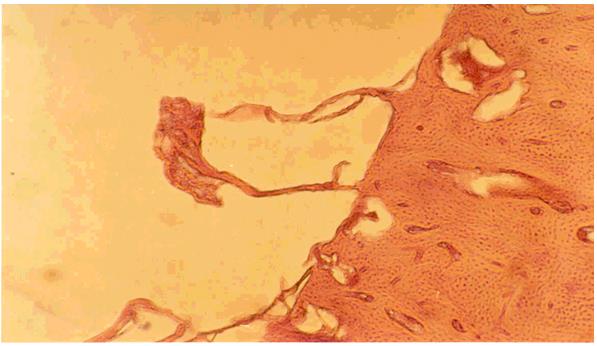
Nanotechnology- an interdisciplinary field of fundamental and applied science and technology, which consists of a combination of theoretical study and practical research methods, analysis and synthesis, as well as methods of production and application products with a given atomic structure by controlled manipulation of individual atoms and molecules (Figure 1) [1].
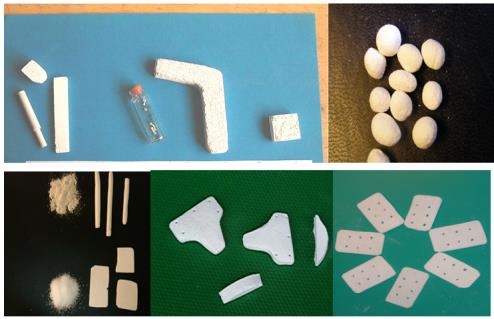
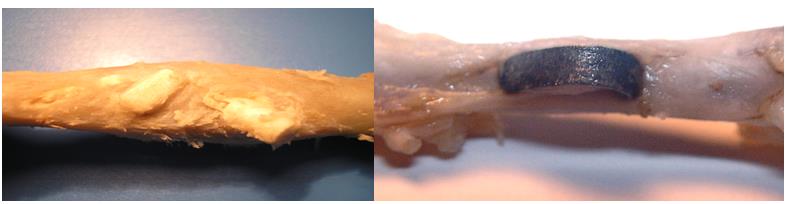
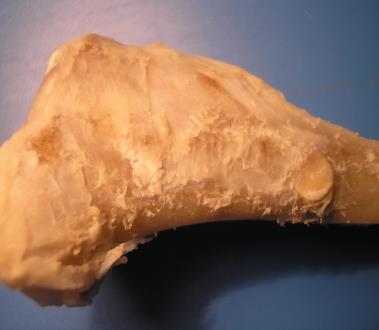
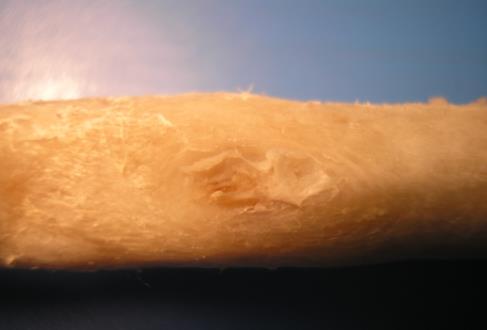
Artificial bone (biocomposites), bioactive inorganic multiphase composite material (synthesized on the basis of nanocrystals gidroksilappatit, tricalcium- phosphate, bioactive glass, mixed oxides of metals and nonmetals), similar in composition to natural bone mineral and intended to restore it with different pathologies Figures 2 & 3.
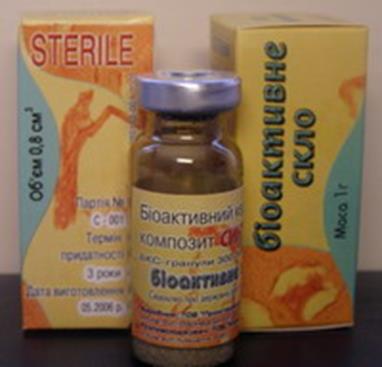
System of artificial bone are multifunctional materials, as they have the ability to osseointegration, osteokonduktion, osteoinduktion, osteostimulyation and osteogenesis Figure 4 [2, 3].
After the occurrence of bone-ceramic complex in the body material is partially or completely resorbed at the planned time-from 1,5-2 months- to several years, being replaced by bone tissue, which consists of products of resorbtion and synthesis.
Mechanism, the nature and rate of resorbtion is planned and managed composition and structure of complex artificial bone.
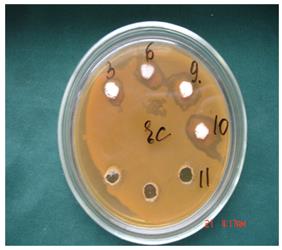
After the occurrence of bone-ceramic complex in the body material is partially or completely resorbed at the planned time-from 1,5-2 months- to several years, being replaced by bone tissue, which consists of products of resorbtion and synthesis.
Mechanism, the nature and rate of resorbtion is planned and managed composition and structure of complex artificial bone.
Selection of nonrezorbtion of the complex, which firmly holds the specified shape and volume, such as alveolar jaw. Biocompozit contains only the highest biocompatibility of inorganic constituents, which do not cause abnormal immune reactions, and inorganic baktericidus supplements, preobstruction inflammatory complications.
Due to the absence of organic components is possible multisterilization of reusable material. The using of autologous bone-may be replaced and supplemented by using of modern bioactive ceramics with the planned biological properties (Figure 5).
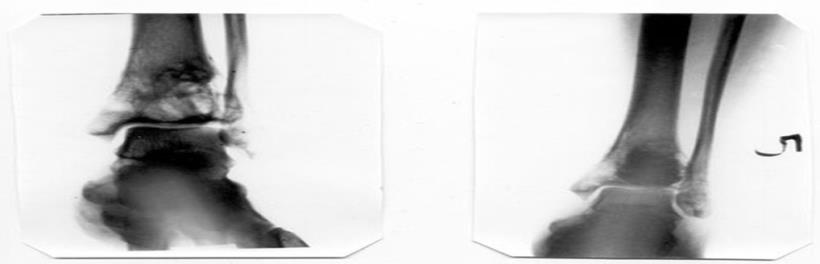
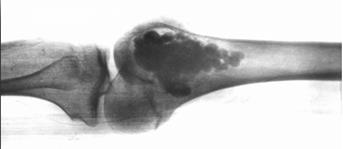
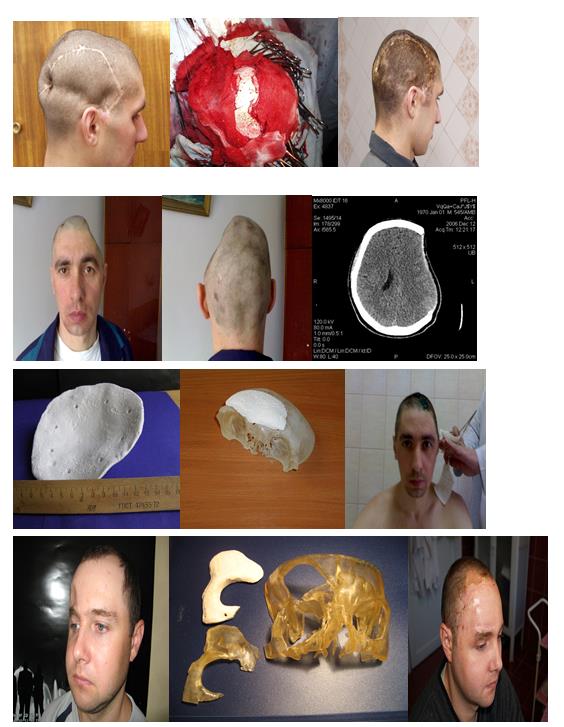
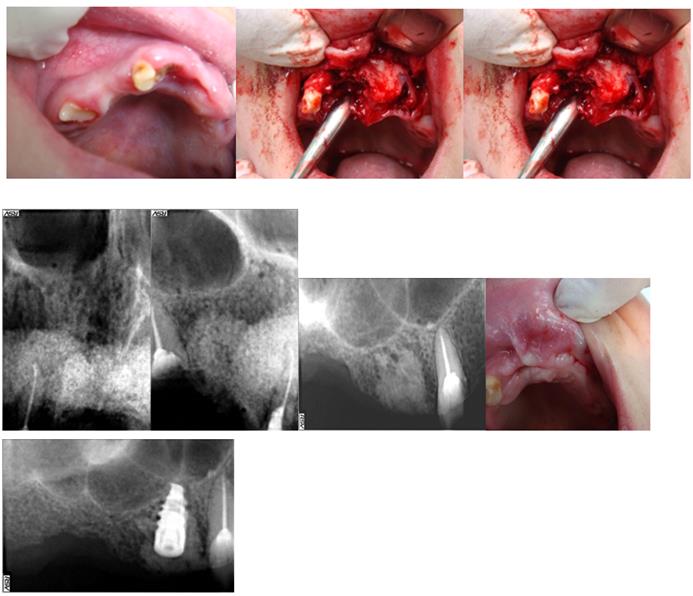
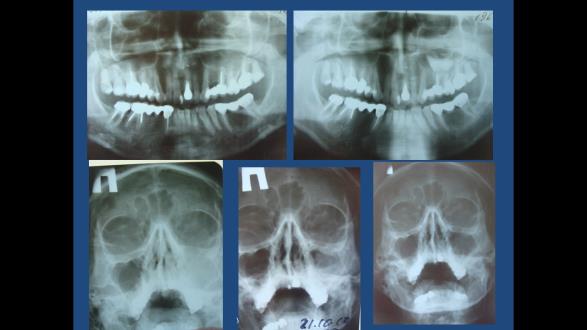
-To fill the bone cavities after capsulotomy and cystectomy, treatment of osteomyelitis. -To form the bone wall with perforated sinusitis. - For bone grafting in plastic surgery. -To fill bone defects. -For a sinus-lift. (Figure 8) -Аt chronic sinuitiss In stomatology (Figure 7)[4, 5, 6]: -For the filling of periodontal defects. -To fill the holes removed teeth. -When you atrophy of alveolar bone in the jaw bone for augmentation. -For obturating dentinal canals. -In a deep root canal fillings, including extraapix therapy.
References
-
Drexler KE, Peterson C, Pergamit G, Brand S (1991) Unbundling the future: The nanotechnology revolution.
-
Roco MC (2001) Inernational strategy for nanotechnology researsh and development. Journal of Nanoparticle Research 3(5-6): 353-360.
-
Rybachuk AV, Rieznichenko LS, Dybkova SN, Gruzina T, Ulberg Z, et al. (2014) Prospects of using silver and gold nanoparticles in the prevention and treatment of purulent-inflammatory diseases of the maxillofacial area. Ukrainian scientific and medical youth magazine 4: 42-47.
-
Rybachuk AV Silver nanoparticles and their combination with gold nanoparticles as new effective antimicrobial substances for maxillofacial surgery and dental implantology.
-
Rieznichenko LS, Malanchuk VA (2015) E-MRS Spring Meeting 11-15 May 2015, Lille, France.Rieznichenko LS, Rybachuk AV, Bilous S (2016) Silver nanoparticles: synthesis, effectiveness in treatment of purulent inflammatory diseases of the maxillofacial area, development of dosage forms. Journal of Chemical and Pharmaceutical Research 8(1): 332- 338.
- Solution-Processed Chiral Perovskites for Biomedical Applications
- Nanotechnology in Health Chemistry and Medicine: Current Challenges and Future Directions
- Human Exposure to Micro- and Nanoplastics: Pathways, Toxicity, and Intervention Strategies
- Exosome Nanomedicine for Cancer Therapy
- Micro and Nanoplastics–Plastisphere, Biotoxicity, Impact on Human Health, and Mitigation Strategies
- Process Validation of Cefixime Powder for Suspension Dosage Form, 50 mL