
Variety of Typical Shapes of Images of the Solar System Objects in CCD Frames
This review article explores the diverse forms and appearances of images of Solar System objects (SSOs) captured in frames by the charge-coupled device (CCD). It examines the factors influencing these shapes, including the object's intrinsic characteristics, observing conditions, and instrumental effects. Emphasis is placed on the role of optical systems, atmospheric conditions, and image processing techniques in shaping the observed profiles and recognition patterns. The article also categorizes common image typical shapes, such as circle (point-like) sources, blurred objects, extended (long) objects, objects with intersections with another objects (overlapped), blended objects, and irregular shapes, linking them to specific celestial bodies like minor planets, comets, and asteroids. The findings aim to enhance the understanding of imaging methodologies and support accurate interpretation of observational data.
Abbreviations
CCD: Charge-Coupled Device; SS: Solar System; SSO: Solar System Object; NEO: Near-Earth Object; PSF: Point Spread Function; SNR: Signal-to-Noise Ratio.
Introduction
The review article will examine the wide range of image shapes associated with Solar System objects (SSOs) [1] as captured by imaging systems with the charge- coupled devices (CCD) [2]. It will begin by introducing the principles of CCD technology and its significance in modern astronomical observations [3]. The review article will then classify and describe the typical image shapes [4], such as point-like, blurred, extended, overlapped, with intersections, and irregular profiles and recognition patterns [5], linking these to specific types of celestial objects like stars [6], minor planets, galaxies, moons, comets [7], and asteroids [8] belonging to our Universe.
A detailed discussion will follow on the factors contributing to image variability, including instrumental effects, optical distortions, atmospheric turbulence, and observational conditions [9]. The influence of image processing techniques [10], such as deconvolution, noise reduction, filtration [11], astrometry [12], photometry [13], cross-matching [14] on the interpretation of these shapes will also be analyzed.
The review article will further explore how studying these image shapes aids in characterizing the physical and orbital properties of SSOs, supporting fields like planetary science and small-body tracking. By synthesizing existing research and methodologies, the review will offer insights into improving imaging accuracy and interpretation in astronomical studies of the Universe [15].
Importance of CCD Imaging in Astronomy
CCD imaging has revolutionized modern astronomy, providing a powerful tool for capturing and analyzing celestial phenomena with unprecedented precision and sensitivity. Charged-coupled devices have replaced traditional photographic plates due to their higher quantum efficiency, broader dynamic range, and superior ability to digitize images for computational analysis, data mining and knowledge discovery [16].
In the context of Solar System (SS) studies, CCD imaging is particularly significant. It enables detailed observation of planetary surfaces, detection of minor bodies like asteroids and comets, and monitoring of transient events such as eclipses or outbursts. The high spatial and temporal resolution of CCDs supports the accurate tracking of objects [17], critical for understanding their physical properties and orbital dynamics [8].
Moreover, CCD technology facilitates the use of advanced techniques like multi-band photometry [18] and spectroscopy [19], enhancing the ability to study the composition, atmospheres, and activity of SS bodies. Its integration into automated systems has also advanced survey projects [20, 21, 22] and planetary defense initiatives by improving the detection and monitoring of near-Earth objects (NEOs) [3].
Overview of Solar System Object Imaging
The imaging of SSOs encompasses a diverse range of celestial bodies, including minor planets, moons, comets, asteroids, and other small bodies. These objects present distinct challenges and opportunities for observational astronomy due to their varying sizes, distances, brightness, and dynamic behaviors [23].
Planetary imaging aims to capture surface features, atmospheric dynamics, and rotational characteristics, often requiring high-resolution techniques to discern fine details. For moons, imaging focuses on surface morphology and interaction with parent planets. Small bodies like comets and asteroids exhibit more variability, with phenomena such as outgassing or irregular shapes complicating their study.
In the case of NEOs, imaging plays a critical role in assessing potential hazards by accurately determining their positions, velocities, and trajectories. Additionally, the study of transient phenomena, such as eclipses, occultations, and meteor showers, relies heavily on imaging to capture time-sensitive data.
Principles of CCD Imaging
Basics of CCD Technology: CCD technology is a cornerstone of modern astronomical imaging, transforming light into electronic signals to produce high-quality digital images [2]. A CCD consists of a grid of light-sensitive elements, or pixels, that detect and record photons. When light strikes the silicon substrate of a pixel, it generates photoelectrons, the quantity of which corresponds to the intensity of the incoming light.
The accumulated charge in each pixel is sequentially transferred through the device and converted into an electrical signal. This signal is digitized to create an image that can be analyzed and processed with precision. Key attributes of CCDs include their high quantum efficiency, enabling them to detect faint sources of light, and their wide dynamic range, which allows for the observation of both dim and bright objects within the same frame.
The core operating principles of CCDs include photon- to-electron conversion, charge transfer mechanisms, and digitization [24]. It relates on parameters like pixel size, full well capacity, and readout noise, which influence the quality and applicability of CCD imaging for different astronomical observations. This foundational knowledge set the stage for understanding the subsequent discussions on the use of CCDs in SSO imaging.
Sensitivity, Resolution, and Noise Characteristics
CCD imaging’s effectiveness in astronomy is largely determined by its sensitivity, resolution, and noise characteristics, all of which directly impact the quality of the captured data and its scientific utility.
CCD sensitivity refers to its ability to detect faint light sources, characterized by its quantum efficiency – the proportion of incident photons converted into photoelectrons. Modern CCDs have high quantum efficiency across a broad spectrum, from ultraviolet to near-infrared, making them ideal for capturing dim SSOs such as distant asteroids or faint comet tails. Sensitivity is also influenced by factors like pixel size, exposure time, and the use of specialized coatings or filters [25].
Resolution defines the level of detail a CCD can capture, determined by the pixel size and the optical system’s configuration. Smaller pixels allow for finer spatial resolution but may require higher-quality optics and precise tracking to fully exploit their potential. High resolution is essential for distinguishing surface features on planets or detecting structural details in cometary comas.
Noise is a Critical Limiting Factor in CCD Imaging and Arises from Various Sources: • Readout noise originates during the signal digitization process and affects faint signal detection.
- Thermal noise, caused by heat, generates spurious electrons but can be minimized through cooling.
- Shot noise, inherent to the stochastic nature of light, depends on the number of photons collected.
- Cosmic ray noise can also disrupt CCD data, especially in space-based applications.
The main point of these aspects is how to emphasize the trade-offs between sensitivity, resolution, and noise management, and how to optimize these factors ensures reliable imaging of diverse SSOs.
Role of CCDs in observing SSOs
CCDs play a vital role in observing Solar System objects by providing precise, high-resolution imaging and photometric data across a wide range of celestial targets [26]. Their advanced capabilities make them indispensable for studying both dynamic and static characteristics of minor planets, moons, comets, asteroids, and other SS bodies.
In planetary imaging, CCDs capture detailed surface and atmospheric features, enabling the study of weather patterns, rotational dynamics, and seasonal changes. For moons, they provide insights into surface composition, geological activity, and interactions with their parent planets.
Comets, with their dynamic tails and evolving comas, benefit from the sensitivity and resolution of CCDs, which allow astronomers to monitor outgassing processes and orbital changes. Similarly, for asteroids and other small bodies, CCDs enable precise measurements of shape, rotation, and albedo, aiding in the classification of their physical and compositional properties [8].
CCDs also play a critical role in detecting and tracking NEOs to assess potential collision risks. Their ability to
observe faint objects and accurately determine positions and velocities makes them essential for planetary defense initiatives.
Additionally, CCDs are instrumental in transient event monitoring, such as eclipses, occultations, and meteor showers, by capturing rapid temporal changes with high accuracy. The integration of CCDs into automated telescope systems has further enhanced large-scale surveys, enabling the discovery of new SSOs and phenomena [8].
Classification of Image Shapes
The classification of image shapes in CCD frames involves grouping the appearances of SSOs based on their optical and physical characteristics, observational conditions, and instrumental effects [9]. This classification aids in understanding the nature of these objects and optimizing imaging techniques for their study.
This section will describe each category in detail, linking specific shapes to the physical and observational characteristics of the SSOs that produce them. It will also address the challenges of interpreting these shapes and the methodologies used to mitigate distortion and enhance accuracy.
Point-like Objects
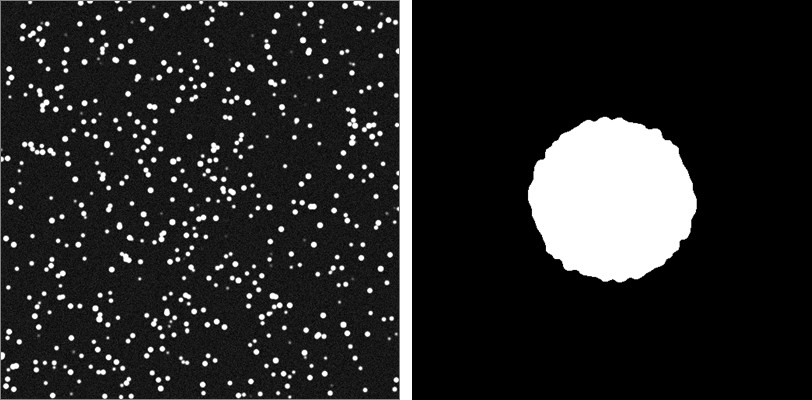
Point-like or circular/circle objects represent a class of SSOs that appear as small, concentrated sources of light in CCD frames, resembling stars (Figure 1). These objects are typically unresolved due to their small apparent size or large distance from Earth. Examples include distant asteroids, small moons, small satellites, unresolved planetary moons, and far-flung Kuiper Belt objects.
The appearance of point-like objects is primarily governed by the telescope’s point spread function (PSF) [27], which describes how light from a single point source spreads out in the image due to diffraction and optical imperfections. Atmospheric turbulence, or “seeing,” further influences their shape, often causing the light to blur into a slightly larger, irregular disk.
Point-like or Circular Objects Play a Critical Role in Several Areas of SS Research. For Example: • Observing their precise positions enables orbital calculations, essential for tracking asteroids and comets.
• Photometric analysis of their light curves can reveal rotation periods, surface properties, and albedo.
• Changes in their brightness over time can indicate variability caused by shape, orientation, or dynamic phenomena.
Extended Objects
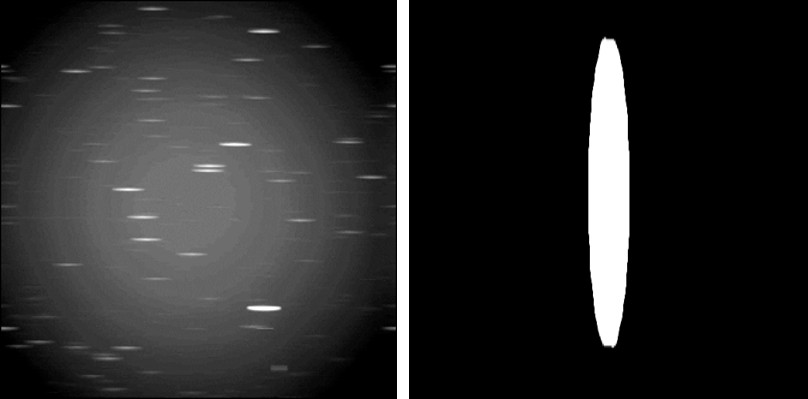
Extended or prolonged/long objects refer to SS bodies that appear as discernible, non-point sources in CCD images, exhibiting well-defined shapes or surface details (Figure 2). These include planets, large moons, and some larger asteroids that occupy multiple pixels in the imaging frame due to their apparent size.
The appearance of extended objects is influenced by their physical dimensions, proximity to Earth, and the resolving power of the telescope. These objects often display complex features, including surface textures, limb darkening, and atmospheric phenomena, making them invaluable for studying planetary and satellite characteristics [28].
Key Aspects of Extended Object Imaging Include The Following: • Surface Features: For planets and moons, CCD imaging reveals surface structures like craters, volcanic regions, ice caps, and cloud patterns. These features provide insights into geological activity, atmospheric dynamics, and seasonal variations. • Shape and Size: Extended objects may show limb curvature, allowing astronomers to measure their size and infer rotational characteristics or deviations from sphericity, such as the oblate shape of gas giants. • Brightness Variations: Surface albedo variations and atmospheric scattering contribute to brightness differences across the object’s disk, revealing compositional and environmental diversity. • Dynamic Phenomena: Events such as eclipses, shadow transits, and planetary storms can also be observed in detail for extended objects.
Blurred Objects
Blurred objects are SS bodies whose images appear indistinct or smeared in CCD frames, often due to factors related to observational conditions, instrumental limitations, or the motion of the objects themselves (Figure 3). This category includes various celestial bodies, such as fast- moving asteroids, comets with diffuse comas, or planets imaged under suboptimal conditions [8].
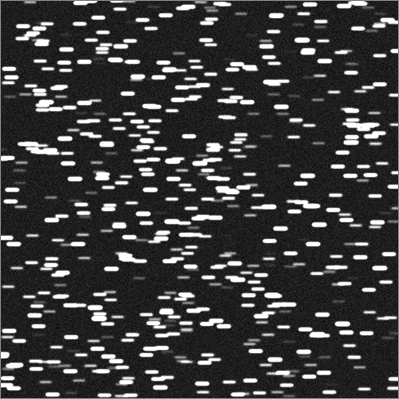

Blurred Images Arise from Several Key Causes, like: • Atmospheric Turbulence: Earth’s atmosphere introduces distortions, causing images to appear blurred or jittery, especially for ground-based observations without adaptive optics. • Motion Blur: Rapid movement of objects across the sky during exposure, such as near-Earth asteroids or comets, can result in elongated or smeared images if the telescope does not track their motion accurately. • Defocus and Optical Aberrations: Imperfect focus or optical issues in the imaging system can cause light from an object to spread over a larger area, reducing sharpness. • Tracking Errors: Inaccurate telescope tracking due to mechanical or software limitations can lead to elongated images of otherwise point-like or extended objects.
Despite their challenges, blurred objects still provide
valuable scientific data. Blurring can reflect intrinsic properties, such as the gaseous coma of a comet or outgassing activity, rather than observational artifacts. The degree and direction of motion blur can be used to estimate an object’s velocity and trajectory, particularly for asteroids and small bodies. Advanced image processing can often mitigate blurring, restoring finer details and improving data quality [29].
Objects with Intersections with Other Objects
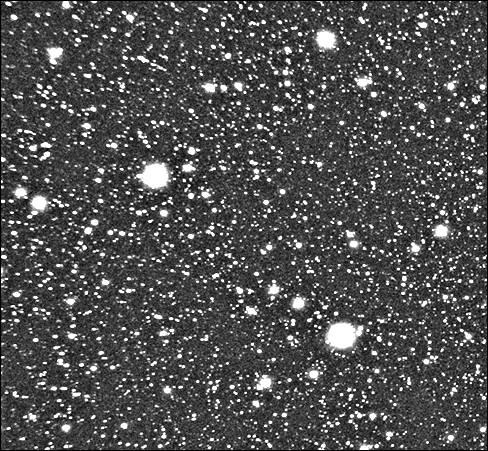
Objects with intersections with other objects (overlapped objects) refer to situations where the images of SSO overlap or interact with other celestial bodies or background features in CCD frames (Figure 4). These intersections can occur due to proximity in the line of sight, dynamic events, or chance alignments during observations [26]. Such cases pose challenges for analysis but also offer unique scientific opportunities.
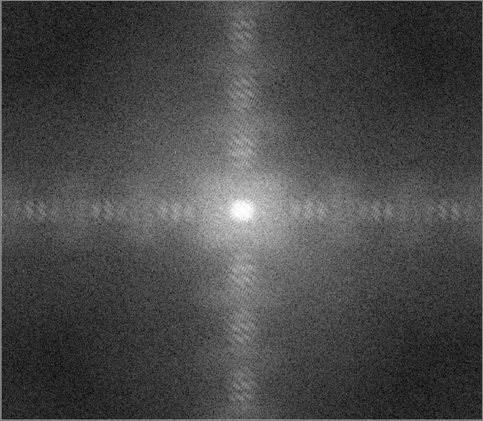
Common Scenarios include the Following: • Overlapping Objects: two or more Solar System objects appear to overlap in the image, such as when a moon passes in front of its parent planet or when asteroids align along the same line of sight – this overlap can obscure features or complicate brightness measurements. • Occultations: one object passes directly in front of another, partially or fully blocking its light, for example, it includes stellar occultations by asteroids, planetary transits, or eclipses involving moons and their planets – these events allow precise measurements of sizes, shapes, and atmospheres. • Shadow Intersections: shadows cast by one object onto another, such as during lunar or solar eclipses, create additional visual intersections that provide insights into orbital dynamics and atmospheric composition. • Background Intersections: SSOs intersect with background stars or galaxies, complicating their detection and analysis – this is common during
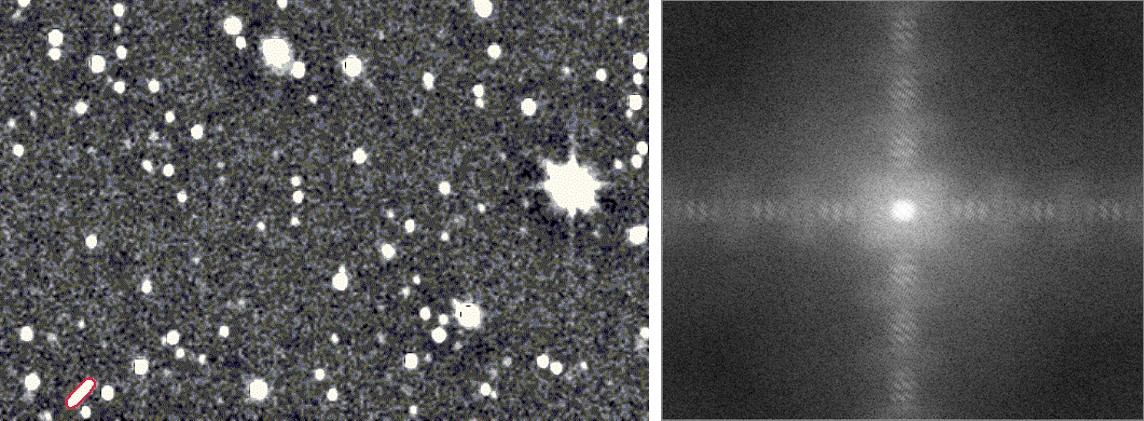
observations of faint comets or small asteroids in dense stellar fields.
Intersections often require advanced processing to separate overlapping signals or correct for blending effects. Techniques like deconvolution, matched filtration, modeling, and photometric extraction are essential. These events can yield highly precise data, such as measuring an asteroid’s size during a stellar occultation or studying atmospheric refraction effects during planetary transits.
Objects with Flare
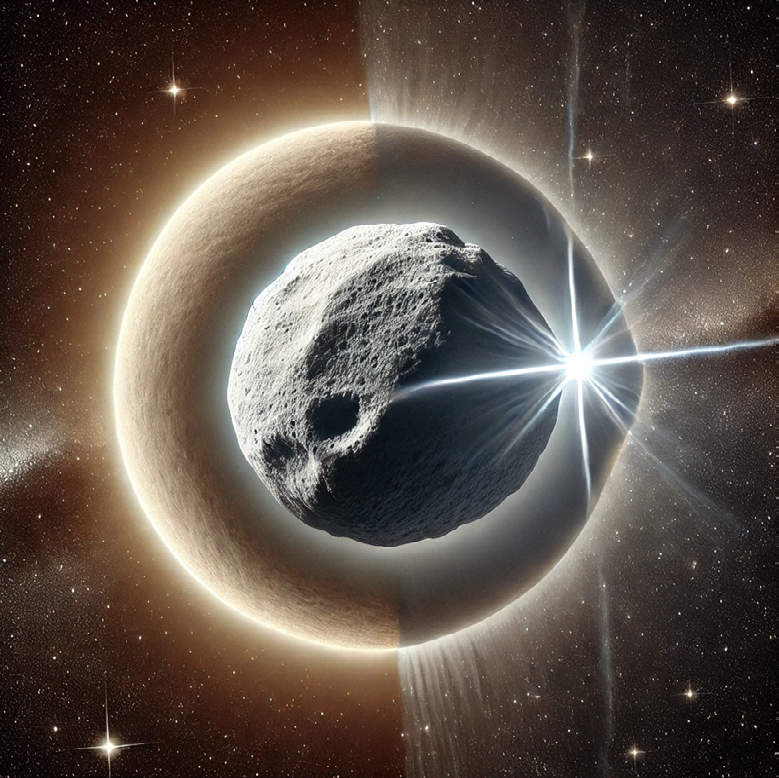
Objects with flares refer to SSOs in CCD images that exhibit transient brightness enhancements, often appearing as radiating streaks or bright spots (Figure 5). These flares are typically caused by reflective, scattering, or dynamic phenomena that temporarily increase the intensity of light from the object [13].
Common Causes of Flares are the Following: • Specular Reflection: Smooth surfaces, such as icy regions on moons or asteroids, can reflect sunlight directly toward the observer, producing a “glint” or bright flare, for example, it includes the reflection from icy surfaces on Europa or the specular flashes from regolith on asteroids. • Dynamic Events: Outbursts from comets, caused by sudden releases of gas and dust, can create a brightening effect that appears as a flare in the image. • Atmospheric Scattering: For planets with thick atmospheres, scattering of sunlight can produce flares near the limb or around cloud-covered regions, such as on Venus. • Instrumental Or Observational Artifacts: Overexposure, light diffraction, or stray light from bright sources near the object can create artificial flares – these need careful distinction from physical phenomena.
Analyzing flares provides insights into surface textures, albedo, and reflectivity of objects, helping to identify compositional elements such as ice or metallic compounds. Flares from comets reveal active regions and provide clues about the composition and dynamics of outgassing events. Limb flares on planets offer information about atmospheric scattering and refractive properties.
Flares can obscure finer details, requiring careful processing and modeling to separate them from the object’s intrinsic brightness distribution. Temporal studies of flares can identify periodic events, such as rotational alignments, or irregular phenomena, such as comet outbursts.
Blended Objects
Blended objects refer to situations where multiple SSOs or celestial features appear overlapped or merged in CCD images (Figure 6). These blends can occur due to chance alignments, dynamic interactions, or the resolution limits of the imaging system. Such overlaps complicate the interpretation of individual object properties but also offer unique opportunities for studying their combined effects.
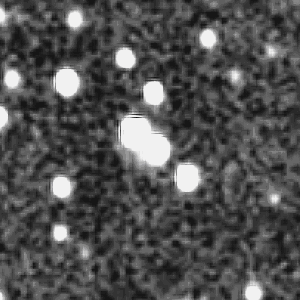
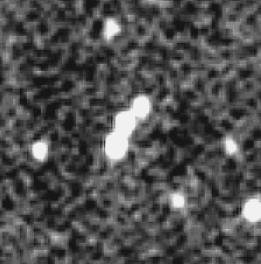
Causes of Blended Objects are the Following: • Proximity Alignments: Two or more objects, such as a planet and its moon, or an asteroid passing near a star, may appear close enough in the line of sight to blend together in the image.
• Crowded Fields: Observing Regions densely populated with stars, galaxies, or small SS bodies increases the likelihood of blending, as seen in asteroid belt observations.
• Instrumental Limitations: Limited Spatial resolution of the CCD system can cause closely spaced objects to blur into a single feature, especially under poor seeing conditions.
• Dynamic Events: Occasions like close planetary approaches, mutual moon transits, or overlapping shadows during an eclipse can create transient blended shapes.
Blending can lead to inaccurate brightness measurements as the combined light of multiple objects is recorded (Figure 7) [30]. Separating the contributions from individual sources requires careful modeling. Overlapping objects may appear as irregular or elongated features, obscuring their true form and complicating shape analysis. Blends resulting from interactions, such as shadow transits or gravitational influences, can reveal orbital mechanics, density, and compositional properties of the objects involved.
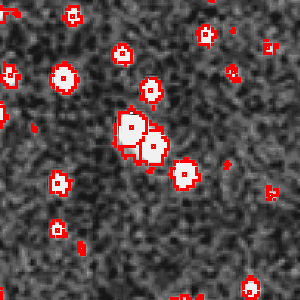
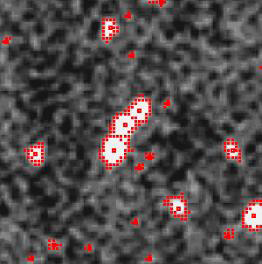
Advanced image processing methods, such as PSF fitting and deconvolution, can separate blended signals to recover individual object properties [31]. Observing the objects over time as they move relative to each other helps disentangle their contributions. Creating models of the blended objects based on known positions and physical properties aids in accurate interpretation.
Irregular Shapes
Irregular shapes refer to images of SS objects that deviate significantly from spherical or symmetrical forms (Figure 8). These shapes often result from the intrinsic physical characteristics of the objects or dynamic processes affecting their structure. Such appearances are common for comets, asteroids, and small moons, as well as debris or fragments in space [32].
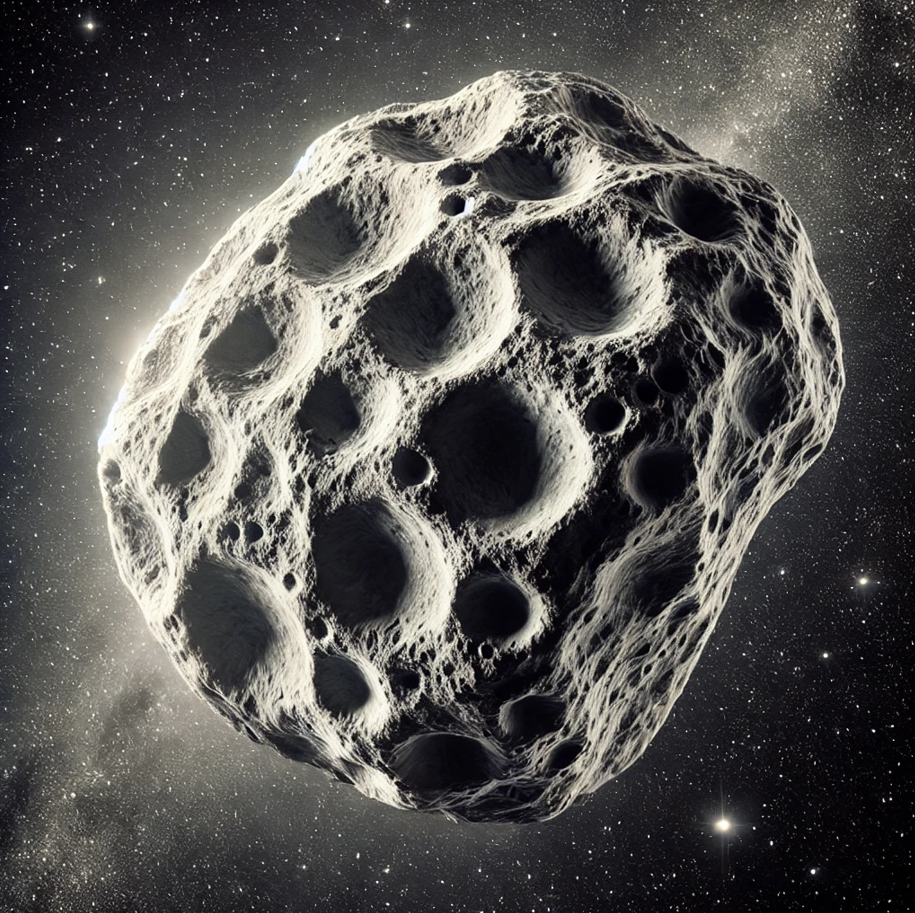
The Primary Causes of Irregular Shapes include the Following: • Non-Spherical Geometries: Many small SS bodies lack sufficient gravity to form a spherical shape, leading to irregular, elongated, or lobed profiles, for example, it includes contact binaries like Arrokoth and highly asymmetric asteroids. • Dynamic Activity: Comets often exhibit irregular shapes due to outgassing, which creates comas and tails with variable structures, also dust and gas jets can produce asymmetric profiles that change over time.
• Rotational Effects: Rapid rotation can distort an object’s appearance, causing elongation or even surface deformation in cases of loosely bound rubble-pile asteroids. • Fragmentation and Collisions: Objects that have undergone collisions or fragmentation may have irregular shapes, revealing their disrupted structure.
Key observations and analyses include shape modeling, light curves and dynamic evolution [33]. Irregular shapes provide critical information for constructing 3D models of objects, helping to infer their density, composition, and formation history. Variations in brightness (light curves) [18] as the object rotates can be used to deduce its shape and spin state [8]. Irregular profiles offer insights into an object’s evolutionary history, including surface erosion, accretion, or past impact events.
Transient Shapes
Transient shapes refer to temporary or rapidly changing appearances of SSOs in CCD images, resulting from dynamic phenomena, time-sensitive events, or observational effects (Figure 9). These shapes are fleeting and often unique to specific circumstances, requiring precise timing and specialized techniques to capture and analyze.
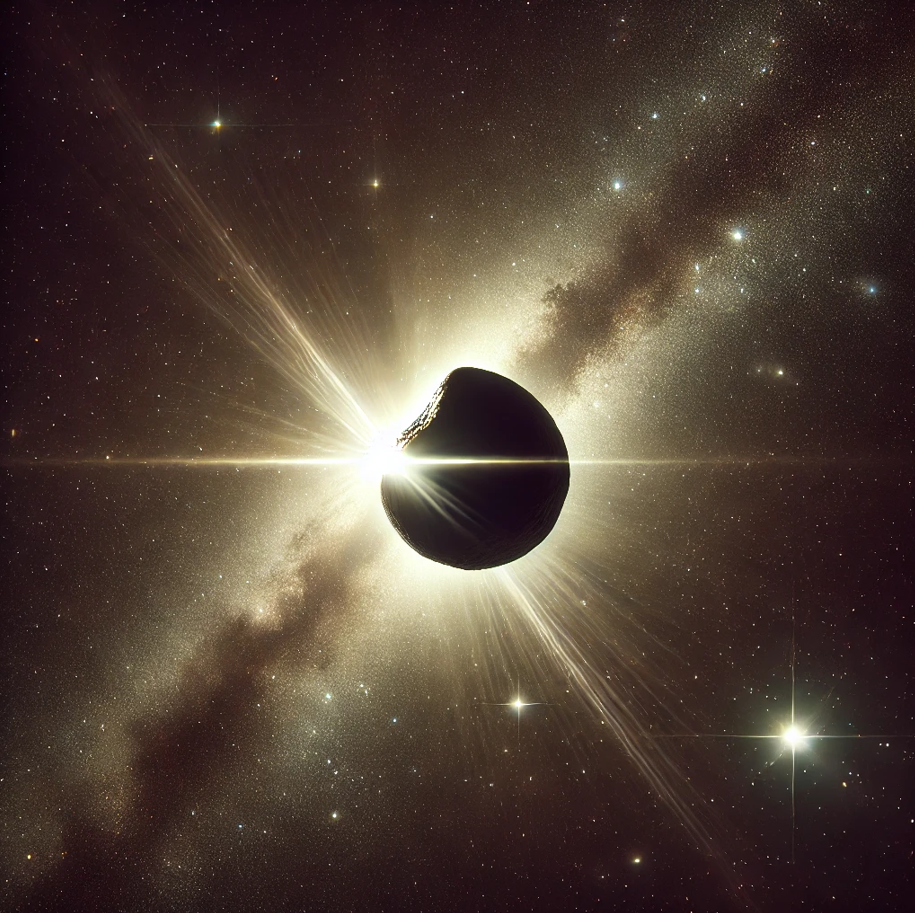
Causes of Transient Shapes are the following: • Occultations and Eclipses: When one object passes in front of another, it can temporarily alter the observed shape of both objects, for example, a stellar occultation by an asteroid can create a momentary silhouette, while lunar eclipses cast Earth’s shadow onto the Moon. • Rotational Effects: Rapid rotation of irregularly shaped objects, such as asteroids, can create transient changes in their apparent shape during an observation. • Dynamic Outbursts: Events like cometary outbursts or volcanic activity on moons can produce rapidly evolving structures, such as plumes or jets. • Atmospheric Phenomena: Planets with thick atmospheres, such as Jupiter or Saturn, may display transient cloud formations, storms, or light scattering effects near the limb. • Impact Events: Collisions involving asteroids or comets can result in transient debris patterns or ejecta plumes. • Capturing transient shapes requires precise timing, as these phenomena often last for only a brief period.
Observations must balance exposure time and temporal resolution to capture dynamic changes without motion blur [29]. Transient shapes provide critical data about dynamic processes, including the physical properties of the object, its environment, and interactions with other celestial bodies. For example, observing an asteroid’s silhouette during an occultation can yield precise size and shape measurements.
Factors Influencing Image Shapes
The factors influencing image shapes explore the various physical, observational, and instrumental conditions that affect the appearance of SSOs in CCD images [9]. Understanding these factors is critical for accurate interpretation and classification of the observed shapes, as they often introduce distortions or variations that must be accounted for during analysis.
Intrinsic Properties of SSOs are Very Important Factor before and during the Observations. The following Properties can be applied: • Size and Shape: Physical dimensions and geometry of an object determine its apparent shape, from spherical planets to irregular asteroids. • Surface Features and Albedo: Variations in reflectivity and texture across an object’s surface can influence brightness and fine detail in images. • Atmospheric Effects: For planets and moons with atmospheres, scattering and absorption create additional visual features, such as halos or limb darkening. • The next factor influencing image shapes is the observational conditions: • Distance from Earth: Apparent size and resolution of an object depend on its proximity to the observer, for example distant objects appear point-like or faint, while nearby objects reveal detailed shapes. • Phase Angle: Angle between the Sun, the object, and the observer affects illumination, highlighting shadows or certain surface regions. • Relative Motion: Fast-moving objects, like near-Earth asteroids, may appear elongated or smeared due to motion blur during exposure.
Especially the exposure time as an observational condition can be highlighted. The duration of exposure significantly affects the clarity and detail captured in CCD images of SSOs. Short exposure times are ideal for avoiding overexposure of bright objects, but they may fail to detect faint features, such as distant moons or comet tails [34].
Conversely, long exposures enhance the signal-to-noise ratio (SNR) and reveal faint structures, but they can lead to overexposure of bright regions and introduce motion blur for fast-moving objects [35]. This is particularly critical for tracking near-Earth asteroids or observing planetary rotations. Achieving the right balance in exposure time is essential to capturing both the dynamic and static details of celestial targets.
Atmospheric and Environmental Effects also have an Influence on the Image Shapes: • Atmospheric Turbulence (seeing): Variations in Earth’s atmosphere distort light, causing blurring or shimmering effects in ground-based observations. • Transparency and Light Pollution: Poor atmospheric conditions or light interference can reduce image contrast, masking finer details.
One more Important Factor Influencing Image Shapes is the Instrumental and Technological Factors [36]: • Telescope Aperture and Resolution: Resolving power of the telescope determines the level of detail visible in the image – larger apertures generally provide sharper images. • Point Spread Function (PSF): PSF describes how light spreads from a point source, affecting the clarity of small or distant objects. • Tracking Accuracy: Precise tracking is essential to prevent elongation or doubling of object shapes due to telescope movement [37]. • Detector Characteristics: Sensitivity, pixel resolution, pixel scale, CCD response, optical aberrations, and noise characteristics of the CCD sensor influence the image’s fidelity and dynamic range.
Especially the filter selection as an instrumental factor can be highlighted [38]. Filters play a key role in isolating specific wavelengths of light, allowing astronomers to emphasize particular features of SSOs. Narrowband filters can highlight emission lines from cometary gases or auroral phenomena, while broadband filters provide overall brightness and color data. Filters also enable the study of surface composition, as different materials reflect light differently across the spectrum. For example, red or infrared filters may reveal thermal properties, while ultraviolet filters highlight atmospheric scattering. The choice of filters must align with the scientific objectives and consider atmospheric conditions that could affect certain wavelengths.
Systematically addressing all mentioned above factors, considering how each one impacts the observed image shapes will help to build the strategies used to mitigate distortions [39]. Also analyzing the interplay between these influences and the importance of calibration and pre-processing will help in obtaining scientifically valuable data.
Conclusion
The diversity of image shapes captured in CCD observations of SSOs reflects a complex interplay of intrinsic object properties, observational parameters, and instrumental influences. From point-like stars and extended planetary discs to irregularly shaped asteroids and dynamic, transient phenomena, each image holds valuable information that advances our understanding of the SS’s composition, dynamics, and evolution [40]. The principles of CCD imaging, including sensitivity, resolution, and noise characteristics, form the foundation for capturing high-quality data [41].
Proper exposure times and filter selections further refine the details, ensuring that even faint or fast-moving objects can be studied effectively [42]. Classification of image shapes – whether blended, irregular, transient, or affected by flares – provides a systematic approach for interpreting the visual representations of these celestial bodies.
However, limitations in current imaging techniques present challenges to fully unlocking the potential of CCD observations. Factors such as atmospheric turbulence, limited spatial resolution, and instrumental noise can distort images and obscure finer details. Ground-based observations are particularly susceptible to seeing effects, while space- based platforms face constraints such as detector sensitivity and operational duration. These limitations highlight the need for advancements in technology and methodologies to improve observational accuracy [43].
Opportunities for improvement include the development of more sensitive and noise-resistant CCD detectors, adaptive optics to mitigate atmospheric effects, and larger telescope apertures to enhance resolution. Advances in data processing techniques, such as machine learning-based deconvolution and motion correction algorithms [44], also offer promise for refining image quality and extracting meaningful information from complex datasets.
By addressing these challenges and embracing emerging technologies, the field of SS imaging can achieve greater precision, opening new avenues for exploration and discovery. This review underscores the importance of integrating cutting-edge techniques with robust analytical frameworks to decode the myriad shapes observed in SS studies and the whole Universe. Doing so will enable astronomers to expand our knowledge of the intricate mechanisms governing the cosmos, from the smallest asteroids to the largest planetary systems.
References
-
Khlamov S, Savanevych V (2020) Big astronomical datasets and discovery of new celestial bodies in the Solar System in automated mode by the CoLiTec software. Knowledge Discovery in Big Data from Astronomy and Earth Observation, Astrogeoinformatics: Elsevier, pp: 331-345.
-
Chierchie F, Moroni GF, Simbeni PQ, Stefanazzi L, Paolini E, et al. (2020) Detailed modeling of the video signal and optimal readout of charge-coupled devices. Eastern- International Journal of Circuit Theory and Applications 48(7): 1001-1016.
-
Troianskyi V, Godunova V, Serebryanskiy A, Aimanova G, Franco L, et al. (2024) Optical observations of the potentially hazardous asteroid (4660) Nereus at opposition 2021. Icarus 420: 116146.
-
Savanevych V, Khlamov S, Vlasenko V, Deineko Z, Briukhovetskyi O, et al. (2022) Formation of a typical form of an object image in a series of digital frames. Eastern-European Journal of Enterprise Technologies 6(2-120): 51-59.
-
Khlamov S, Savanevych V, Troianskyi V, Grebennik I, Bondar Y, et al. (2024) Recognition pattern analysis of astronomical object forms using the analytical model. Advanced Computer Information Technologies, pp: 162- 165.
-
Kudzej I, Savanevych VE, Briukhovetskyi OB, Khlamov SV, Pohorelov AV, et al. (2019) CoLiTecVS – A new tool for the automated reduction of photometric observations. Astronomische Nachrichten 340 (1-3): 68-70.
-
Savanevych V, Vavilova IB, Khlamov S, Briukhovetskyi AB, Pohorelov AB, et al. (2018) A method of immediate detection of objects with a near-zero apparent motion in series of CCD-frames. Astronomy & Astrophysics 609:
-
Oszkiewicz D, Troianskyi V, Galad A, Hanus J, Durech J, et al. (2023) Spins and shapes of basaltic asteroids and the missing mantle problem. Icarus 397: 115520.
-
Khlamov S (2024) The influence of aberrations on the accuracy of astrometry and photometry. Open Access Journal of Astronomy 2(2): 1-8.
-
Burger W, Burge M (2009) Principles of digital image processing. Fundamental Techniques: Springer, pp: 29.
-
Vlasenko V, Khlamov S, Savanevych V (2024) Devising a procedure for the brightness alignment of astronomical frames background by a high frequency filtration to improve accuracy of the brightness estimation of objects. Eastern-European Journal of Enterprise Technologies 2(2-128): 31-38.
-
Akhmetov V, Khlamov S, Khramtsov V, Dmytrenko A (2020) Astrometric reduction of the wide-field images. Advances in Intelligent Systems and Computing 1080: 896-909.
-
Parimucha Š, Savanevych VE, Briukhovetskyi OB, Khlamov SV, Pohorelov AV, et al. (2019) CoLiTecVS – A new tool for an automated reduction of photometric observations. Contributions of the Astronomical Observatory Skalnate Pleso 49(2): 151-153.
-
Akhmetov V, Khlamov S, Dmytrenko A (2019) Fast coordinate cross-match tool for large astronomical catalogue. Advances in Intelligent Systems and Computing 871: 3-16.
-
Bennett J, Shostak S, Schneider N, MacGregor M (2022) Life in the Universe: Princeton University Press, pp: 544.
-
Faaique M (2023) Overview of Big Data Analytics in Modern Astronomy. Int Journal of Mathematics Statistics and Computer Science 2: 96-113.
-
Khlamov S, Savanevych VE, Briukhovetskyi OB, Vlasenko V, Trunova T, et al. (2023) Development of a method for determining the position of an object using a typical form of its image. Eastern-European Journal of Enterprise Technologies 2(2-122): 6-12.
-
Savanevych V, Khlamov SV, Akhmetov VS, Briukhovetskyi AB, Vlasenko VP, et al. (2022) CoLiTecVS software for the automated reduction of photometric observations in CCD-frames. Astronomy and Computing 40(100605): 15.
-
Rattanasoon S, Semenko E, Mkrtichian D, Poshyachinda S (2024) Spectroscopic Devices for Asteroseismology With Small Telescopes in NARIT. Bulletin de la Societe Royale des Sciences de Liege 93(2): 96-101.
-
Ahumada R, Prieto CA, Almeida A, Anders F, Anderson SF, et al. (2020) The 16th Data Release of the Sloan Digital Sky Surveys: First Release from the APOGEE-2 Southern Survey and Full Release of eBOSS Spectra. The Astrophysical Journal Supplement Series 249(1): 3.
-
Gaia Collaboration, Vallenari A, Brown AG, Prusti JHJ, de Bruijne, et al. (2023) Gaia data release 3-summary of the content and survey properties. Astronomy & Astrophysics 674(A1): 1-22.
-
Vavilova I, Pakuliak L, Babyk I, Elyiv A, Dobrycheva D, et al. (2020) Surveys, catalogues, databases, and archives of astronomical data. Knowledge Discovery in Big Data from Astronomy and Earth Observation. Astrogeoinformatics pp: 57-102.
-
Oszkiewicz D, Troianskyi V, Föhring D, Galád A, Kwiatkowski T, et al. (2020) Spin rates of V-type asteroids. Astronomy & Astrophysics 643: A117.
-
Adam G, Kontaxis P, Doulos L, Madias END, Bouroussis CA, et al. (2019) Embedded microcontroller with a CCD camera as a digital lighting control system. Electronics 8(1): 33.
-
Khlamov S, Vlasenko V, Savanevych V, Briukhovetskyi O, Trunova T, et al. (2022) Development of computational method for matched filtration with analytic profile of the blurred digital image. Eastern-European Journal of Enterprise Technologies 5(4-119): 24-32.
-
Troianskyi V, Kashuba V, Bazyey O, Okhotko H, Savanevych V, et al. (2023) First reported observation of asteroids 2017 AB8, 2017 QX33, and 2017 RV12. Contributions of the Astronomical Observatory Skalnaté Pleso 53(2): 5-15.
-
Bellanger M, Engel BA (2024) Digital Signal Processing: Theory and Practice. In: (10th Edn.), Signal Processing, Wiley, pp: 400.
-
Akhmetov V, Savanevych V, Khlamov S, Dikov E (2019) Cloud computing analysis of Indian ASAT test on March 27, 2019. IEEE International Scientific-Practical Conference Problems of Infocommunications Science and Technology, pp: 315-318.
-
Khlamov S, Savanevych V, Vlasenko V, Briukhovetskyi O, Trunova T, et al. (2023) Development of the matched filtration of a blurred digital image using its typical form. Eastern-European Journal of Enterprise Technologies 1(9-121): 62-71.
-
Khlamov S, Savanevych V, Tabakova I, Kartashov V, Trunova T, et al. (2024) Machine vision for astronomical images using the modern image processing algorithms implemented in the CoLiTec software. In: Measurements and Instrumentation for Machine Vision, 1st (Edn.), CRC Press, Taylor & Francis Group 1: 269-310.
-
Burger W, Burge M (2022) Digital image processing: an algorithmic introduction: Springer Nature, pp: 945.
-
Vlasenko V, Khlamov S, Savanevych V, Trunova T, Deineko Z, et al. (2024) Development of a procedure for fragmenting astronomical frames to accelerate high frequency filtering. Eastern-European Journal of Enterprise Technologies 3(9-129): 70-77.
-
Troianskyi V, Kankiewicz P, Oszkiewicz D (2023) Dynamical evolution of basaltic asteroids outside the Vesta family in the inner main belt Astronomy and Astrophysics 672: A97.
-
Mykhailova L, Savanevich VE, Sokovikova NS, Bezkrovny MM, Khlamov SV, et al. (2014) Method of maximum likelihood estimation of compact group objects location on CCD-frame. Eastern-European Journal of Enterprise Technologies 5(4): 16-22.
-
Gonzalez R, Woods R (2018) Digital image processing. In: 4th (Edn.), Pearson, pp: 1168.
-
Smith WJ (2000) Modern Optical Engineering. In: The Design of Optical Systems (3rd Edn.), McGraw-Hill, pp: 641.
-
Savanevych V, Vavilova IB, Khlamov S, Briukhovetskyi AB, Pohorelov AB, et al. (2018) A method of immediate detection of objects with a near-zero apparent motion in series of CCD-frames. Astronomy & Astrophysics 609: 11.
-
Wizinowich P, Acton DS, Shelton C, Stomski PJ, Gathright J (2006) Adaptive Optics Developments at the Keck Observatory. Publications of the Astronomical Society of the Pacific 118(845): 297-309.
-
Tyson RK, Frazier BC, Zhao Y (2002) Principles of Adaptive Optics. Academic Press.
-
Savanevych V, Khlamov SV, Briukhovetskyi O, Trunova T, Tabakova I (2023) Mathematical methods for an accurate navigation of the robotic telescopes. Mathematics 11 (10): 2246.
-
Akhmetov V, Khlamov SV, Tabakova I, Hernandez W, Hipolito JIN (2019) New approach for pixelization of big astronomical data for machine vision purpose. IEEE, pp: 1706-1710.
-
Khlamov S, Savanevych V, Briukhovetskyi O, Pohorelov V, Vlasenko V, et al. (2018) CoLiTec software for the astronomical data sets processing. Proceedings of the International Conference on Data Stream Mining & Processing 227-230.
-
Savanevych V, Akhmetov V, Khlamov S, Dikov E, Briukhovetskyi A, et al. (2020) Selection of the reference stars for astrometric reduction of CCD-frames. Advances in Intelligent Systems and Computing IV: Springer Nature Switzerland 1080: 881-895.
-
Sen S, Agarwal S, Chakraborty P, Singh KP (2022) Astronomical big data processing using machine learning: A comprehensive review. Experimental Astronomy 53(1): 1-43.
- Early Universe: Hadronic Crystals Coherent Micro Gravitational Wave Emitters PHYSICS Part II
- The Solar System Constraint Maze: A Scientific Dead-End Revealing the Interuniversal Machine
- Assessment of Radiofrequency Radiation from 2G and 3G Mobile Phone Handsets
- Early Universe Magneto-Gravitational Coupling Genesis Physics: Part I
- Falsifiability of the Classical Law of Gravitation and Unveiling the Time-temperature Entanglement of the Universe
- Origin of Ancient Civilisations The Southern Hemisphere’ Scenario