
Growing Obesity and its Link to Undiagnosed Diabetes Mellitus and Hypertension in the Indian Population and how to Reduce this Burden of Diseases?
Commentary
The words ‘obese’/’obesity’ come to English via French from the Latin, where the verb ‘obedere’ means ‘over eat’ and ‘obesitas’ means being very fat. Obesity is one of the most serious, and among the most neglected, public health issues in both developed and developing countries, according to the World Health Organisation (WHO). The global problem of obesity is rapidly becoming a major public health concern in the country [1]. Obesity and overweight, being a dynamic disorder, increase the burden of chronic disorders such as diabetes, hypertension, asthma, dyslipidemia, coronary disease, and even certain cancers, impacting nearly all ages and social classes [2]. An epidemiological analysis carried out on the rural Indian population found that 25.8% of persons were overweight and 38.2% were obese [3, 4]. Compared to their western peers, there is a greater risk for the incidence of obesity-related non-communicable diseases at lower body mass index levels in Asian Indians [5]. According to the WHO World Health Statistics Report 2012, globally one in six adults is obese and nearly 2.8 million individuals die each year due to overweight or obesity [6]. In an average, 18.5 to 25 is the average Body Mass Index (BMI), upto 30 is over wight and over 30 is called obese. Now days, obesity is not a disease of older adults, it can be seen in 2 to 15 years of old persons.
Commentary
Relation between Diabetes Mellitus Type 2 and Obesity
Diabetes mellitus type 2 is strongly related to obesity. It is assumed that obesity accounts for 80-85% of the risk of type 2 diabetes. The effect of insulin gets reduced in the presence of lots of fats. Research shows that people who are obese are up to 80 times more likely than those who aren’t to have type 2 diabetes. In obese people, fat tissue cells must process more nutrients than they can accommodate. An inflammation that activates a protein called cytokines is caused by the stress in these cells [7].
Insulin Resistance
Studies show that abdominal fat activates the release of ‘pro-inflammatory’ chemicals, which may make the body less receptive to the insulin it creates by affecting the activity and capacity of insulin-responsive cells to respond to insulin.
Disruption of Fat Metabolism
Modifications allow fat tissue (adipose tissue) to release fat molecules into the blood, which can affect insulin resistant cells and contribute to decreased insulin sensitivity. Obesity
is also believed to induce changes in the metabolism of the body.
Relation between Hypertension and Obesity
Hypertension is a crucial adverse health metric that has catastrophic health effects, comparable to obesity. Hypertension is actually the largest contributor to the burden of global illness, and the direct and indirect costs of managing hypertension are exponentially greater [8]. Obesity effects on heart, vessels and kidney [9]. It affects the RAS mechanism. Thus, obesity causes hypertension.
Global Causes of Obesity and its Consequences
There is no one reason to justify all the worldwide cases of obesity. Socioeconomic status, race, area of residence, season, urban life and environmental variables linked to obesity [10]. Genetic predispositions, sedentary lifestyle, depressions, low esteem, sleeping disorder are linked to obesity and thus to non-communicable diseases like diabetes and hypertensions. However, while the precise cause of weight gain continues to be explained, it is likely to emerge from a complex combination of factors such as genetic factors that have a significant effect on the way the body controls appetite and the rate at which food is processed into energy, known as the metabolic rate.
- Why is Diabetes Mellitus undiagnosed? The main reasons are high population and poor awareness and screening. Diabetes Mellitus is a disease which is best diagnosed through screening. The mass screening is very much important. Lack of education, awareness, low education and superstitions are the main problem in front of the screening process
- Who needs Screening? Everyone needs screening. The persons who are more than 40 years old, need a yearly screening.
Some of the predisposing factors are listed below:
- Physical inactivity
- First-degree relative with diabetes
- A1C ≥ 5.7%, IGT, or IFG on previous testing
- Conditions associated with insulin resistance: severe obesity, acanthosis nigricans, PCOS
- Women who delivered a baby >9 lb or were diagnosed with GDM
- Cardio-Vascular Disease history
- HDL-C <35 mg/dL ± TG >250 mg/dL
- Hypertension (≥140/90 mm Hg or on therapy)
Methods to Reduce this Disease Burden
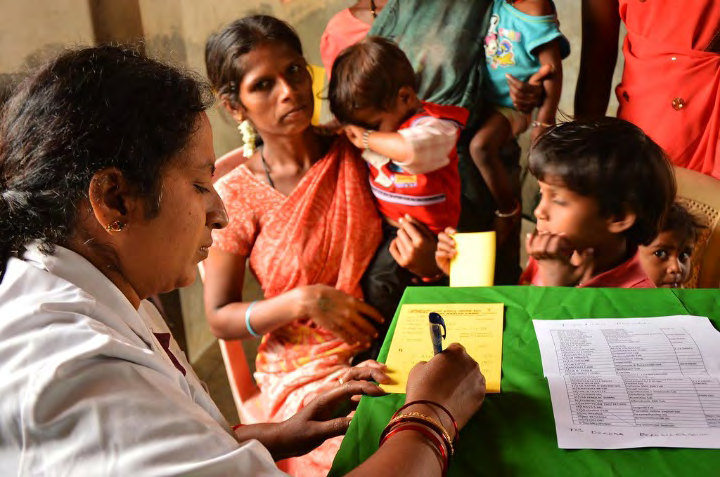
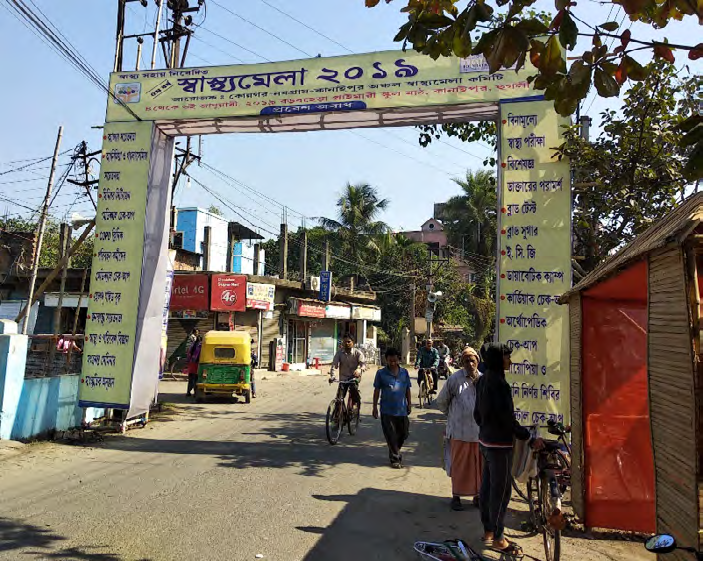
Screening is the best way to reduce the disease burden. Mass screening should be done. Awareness programs, health fairs, health camps are needed in the rural as well as urban areas. More and more people should be encouraged to participate in the screening process. After screening, who have prediabetes or diabetes, hypertensive and pre hypertensive, they need the care of the physician. For those circumstances, insurance and OPD insurance should be there.
Next is preventing obesity by doing physical exercise, control diet. Some go for bariatric surgery to prevent obesity. Some obesities are genetic and many genetic predisposing factors are related to it. For that, a proper diet and regular screening is needed.
Treating Obesity
- Proper diet, balanced diet and calorie controlled diet with fibres
- Join a local weight loss group
- Physical exercise like walking ,swimming
- Eat slowly and avoid overeating
- Psychological support
- Bariatric Surgery
Conclusion
Despite widespread recognition that obesity is a strong risk factor for diabetes, we found that obese adults were no more likely to have their diabetes diagnosed than nonobese adults. Obese adults account for 2.7 million cases, or more than half of the 5.2 million cases, of undiagnosed diabetes each year in the U.S. [11]. Same or worse situation is in India. Absence of proper screening and awareness is the main reason behind this. Many patients come to the ward with chronic kidney disease, they are sometimes due to undiagnosed diabetes mellitus and hypertension. In the ward, many patients come with a very high blood sugar level and a poor HbA1C level. Lethargy, Nocturnal Urinations are very common symptoms for them. So, if a person has these symptoms, they should consult a general physician. Obese patient should consult a dietician and maintain the diet with a good physical exercise. To diagnose the undiagnosed cases of diabetes, hypertension, coronary artery disease and other non-communicable diseases, a mass and regular screening is needed.
In Summary, a good screening method is needed. With that, the government should support these through holding awareness programs, health fairs, health camps. Insurance and OPD insurance should be there to encourage the diagnosis. Obese patients should be taken care speciality. Proper diet and exercise protocol should be encouraged.
Acknowledgement
We want to thank our university professors and our parents for all the support. We also want to thank Sasthya Sahay and other health organizations who are working on awareness programmes, health camps and health fairs to reduce the disease burden.
Funding
No funding is achieved for this work
Conflict of Interest
Authors don’t have any COI
References
-
(2000) Obesity: preventing and managing the global epidemic. Report of a WHO consultation. World Health Organ Tech Rep Ser 894(i-xii): 1-253.
-
Pradeepa R, Anjana RM, Joshi SR, Bhansali A, Deepa M, et al. (2015) Prevalence of generalized & abdominal obesity in urban & rural India--the ICMR-INDIAB Study (Phase-I) [ICMR- NDIAB-3]. Indian J Med Res 142(2): 139-150.
-
Misra A, Shrivastava U (2013) Obesity and dyslipidemia in South Asians. Nutrients 5(7): 2708-2733.
-
Kowsalya T, Parimalavalli R (2014) Prevalence of overweight/obesity among adolescents in urban and rural areas of Salem, India. J Obes Metab Res 1(3): 152- 155.
-
WHO Expert Consultation (2004) Appropriate body- mass index for Asian populations and its implications for policy and intervention strategies. Lancet 363(9403): 157-163.
-
WHO (2012) World Health Organization (WHO). World Health Statistics, pp: 1-180.
-
Leggio M, Lombardi M, Caldarone E, Severi P, Emidio S, et al. (2017) The relationship between obesity and hypertension: an updated comprehensive overview on vicious twins. Hypertens Res 40: 947-963.
-
Jiang SZ, Lu W, Zong XF, Ruan HY, Liu Y, et al. (2016) Obesity and hypertension. Exp Ther Med 12(4): 2395- 2399.
-
Portela DS, Vieira TO, Matos SM, de Oliveira NF, Vieira GO (2015) Maternal obesity, environmental factors, cesarean delivery and breastfeeding as determinants of overweight and obesity in children: results from a cohort. BMC Pregnancy Childbirth 15: 94.
-
Wee CC, Hamel MB, Huang A, Davis RB, Mittleman MA, et al. (2008) Obesity and undiagnosed diabetes in the U.S. Diabetes Care 31(9): 1813-1815.
-
(2019) Free Women’s Health Camp by Trinity Care Foundation health fair arranged by swasthya sahay, konnagar, hooghly, West Bengal.
- Shaping Healthy Futures: Pediatric Endocrine Breakthroughs of 2025
- Precision Medicine in Obesity: Customizing Treatment for 2025
- The Thyroid Revolution: How 2025 is Redefining Hormone Health
- Editorial- Targeting Immunometabolism for Generating Innovative Therapies for Cancer
- Current Knowledge of Chickenpox
- Correlation of Preinjection Values of Gonadotropins and Estradiol Level with Clinical and Radiologic Evidence of Sufficient Pubertal Suppression in Girls with Central Precocious Puberty