
A Study to Assess Effectiveness of Play Therapy in Reducing Post-Operative Pain among Children Age 2 To 5 Year who have Undergone General Surgeries in Selected Pediatric Hospitals of Vadodara
Background: Play is a crucial part of a child's life and serves as one of the most powerful methods for relieving stress, discomfort, and pain. Aim: To evaluate the effectiveness of play therapy in reducing postoperative pain in children aged 2 to 5 years who have undergone general surgery at pediatric hospital in Vadodara. Objective • To assess the intensity of postoperative pain among children who have undergone general surgeries before, during and after administering play therapy in experimental and control groups. • To determine the effectiveness of play therapy on postoperative pain among children who have undergone general surgeries in experimental and control groups. • To find out association between pre-test postoperative pain and among children who have undergone general surgeries, regarding selected demographic variable. Methodology: A quasi-experimental study was conducted with ethical committee approval, utilizing the FLACC pain assessment scale to evaluate postoperative pain in children aged 2 to 5 who had undergone general surgeries. The study used a non-probable, convenient sampling technique and obtained written informed consent from all participants. The FLACC scale scores range from 0 to 10, with pain categorized as follows: 0-3 indicating mild pain, 4-7 moderate pain, and 8-10 severe pain. The study focused on children from selected paediatric hospitals in Vadodara, examining how play therapy influenced postoperative pain levels. Data on pain were analysed in terms of percentages based on various factors, including the child's age, education level, parental education, previous surgical history, type of anaesthesia used, administration of analgesics, and the type of surgery performed. The study also explored the association between postoperative pain, play therapy, and selected demographic variables for children aged 2 to 5 who underwent general surgeries. Result: The pretest and posttest assessments of pain levels in the experimental group of children aged 2 to 5 years who underwent general surgeries in selected pediatric hospitals of Vadodara showed significant improvements. Before the intervention, none of the children reported mild pain, 96.7% experienced moderate pain, and 3.3% experienced severepain. After implementing play therapy, the posttest results revealed a remarkable reduction in pain levels, with 96.7% of the children experiencing mild pain, 3.3% experiencing moderate pain, and none experiencing severe pain. This substantial decrease indicates the effectiveness of play therapy in alleviating post-operative pain. Conclusion: The investigator determined that play therapy was effective for children who had undergone general surgeries, showing a strong connection between play therapy and reduced post-operative pain.
Patel P¹*, Khokhar J², Aamliyar K², Rohit K², Patel K² and Purani K²
¹Assistant Professor Child Health Nursing Department at Dinsha Patel College of Nursing Nadiad, India ²Final Year BSc Nursing, Dinsha Patel College of Nursing Nadiad, India
pain. After implementing play therapy, the posttest results revealed a remarkable reduction in pain levels, with 96.7% of the children experiencing mild pain, 3.3% experiencing moderate pain, and none experiencing severe pain. This substantial decrease indicates the effectiveness of play therapy in alleviating post-operative pain. Conclusion: The investigator determined that play therapy was effective for children who had undergone general surgeries, showing a strong connection between play therapy and reduced post-operative pain.
Keywords: Post- Operative Pain; General Surgeries; Play Therapy; Children Age of 2 To 5 Years
Introduction
The word pain is derived from the Greek word “poine” which means punishment, which is derived from the Sanskrit root meaning “purification”. The international association for the study of pain defines, “pain is an unpleasant sensory and emotional experience associated with actual or potential tissue damage, are described in terms of such damage”. Pain is indeed subjective, making it challenging to describe and measure, especially in children who may not articulate their feelings well. Nurses and parents often assess pain intensity by observing the child’s behavior, a method that relies on keen observational skills. Various non-verbal methods have been developed to study children’s pain due to its subjective nature and children’s limited ability to express themselves fluently. These methods help healthcare providers gauge and address pain effectively in pediatric patients [1].
Pain is recognized as the fifth vital sign. Pain scales are used to measure an individual’s pain intensity or other relevant features. These scales rely on self-report, observational (behavioral), or physiological data. They are tailored for different age groups and individuals with communication impairments. For toddlers, the FLACC scale (Face Legs Arms Cry Consolability Scale) is commonly used as an appropriate observational pain assessment tool [2].
Play is fundamentally essential in a child’s life, serving as their universal language. It allows children to learn social behaviors, develop cognitive abilities, refine gross and fine motor skills, and process emotional conflicts effectively [3].
Even when children are ill or hospitalized, the urge to play remains crucial. Engaging in play can provide a sense of security for children during the preoperative period, even in unfamiliar surroundings. Therapeutic play involves structured activities aligned with play therapy principles, designed to achieve specific goals. Its application helps alleviate anxiety caused by unfamiliar and potentially threatening experiences, necessitating interventions that support children and families coping with complex invasive procedures [4].
Effective play therapy allows children to use toys and mediums they are comfortable with and proceed at their own pace. This approach helps them explore and understand their emotions, particularly if they’ve had difficulty doing so previously. Over time, it also supports the development of their communication and social skills [5].
Sensorimotor play allows children to explore the physical world. Infants develop a sense of themselves and their environment through touch, sound, sight, and movement. Toddlers and preschoolers enjoy moving their bodies and exploring spatial relationships. Through hands- on exploration, children learn about colors, shapes, sizes, textures, and the importance of objects [6].
The goal play therapy in the hospital setting is to help children understand and cope with their illness, surgery, and hospitalization by providing them with a supportive environment where they can express themselves through play [7].
The hospital can be an intimidating environment for children, and hospitalization itself is often a frightening experience. Play serves as a powerful tool in alleviating stress under such circumstances. It is indispensable for children who are unwell. Through play, a child can express their emotions and alleviate aggression, thus mitigating the trauma associated with being hospitalized. Engaging in play activities enables nurses to build meaningful and supportive relationships with children, fostering a sense of comfort and security. This forms the basis for a close and trusting bond between the child and the nurse.
Objective
- To assess the intensity of postoperative pain among children who have undergone general surgeries before, during and after administering play therapy in experimental and control groups.
- To determine the effectiveness of play therapy on postoperative pain among children who have undergone general surgeries in experimental and control groups.
- To find out association between pre-test postoperative pain and among children who have undergone general surgeries, regarding selected demographic variable.
Review of Literature
Vijaya M was conducted study on effectiveness of play therapy in reducing postoperative pain among children (2-5 yrs) in selected paediatric hospitals madurai. This study evaluated the effectiveness of play therapy in alleviating postoperative pain among children aged 2-5 years in selected paediatric hospitals in Madurai. A qualitative research approach was used, employing a tool with two sections: the first section collected socio- demographic data, while the second section used the FLACC behavioural pain assessment scale, which evaluates face, leg, activity, cry and consolability with scores ranging from 0 to 2 in each category for a total maximum score of 10. Observations were used to assess pain levels. Data were gathered from 30 children, revealing that most experienced moderate pain before play therapy and mild pain after. No significant link was found between postoperative pain and demographic variables. The study concluded that play therapy effectively reduces postoperative pain, as most children reported less pain following the therapy. Data were collected from 30 children who met the inclusion criteria. Among these, 9 (30%) were 4 years old, 8 (26.67%) were 2 and 5 years old, and 5 (16.66%) were 3 years old. In terms of sex, 26 (86.67%) were male and 4 (13.33%) were female. Most children, 27 (90%), had undergone congenital anomaly correction surgeries, while 2 (6.67%) had other types of surgery, and 1 (3.33%) had abdominal surgery. Regarding the postoperative day, 26 (86.67%) were assessed on the first day after surgery, and 4 (13.33%) were assessed on the second day. Of the 30 subjects, 14 (46.67%) reported moderate pain, 9 (30%) had severe pain, and 7 (23.33%) had mild pain. The mean pain score before play therapy was 5.2 (SD = 1.98), while the mean score after play therapy was 0.93 (SD = 1.046). The obtained ‘t’ value was 20.28, which is higher than the table value (P ≤ 0.05), indicating a significant reduction in pain scores and confirming the effectiveness of play therapy [8].
Sudaporn P, et al. was conducted study on nurses’ management of Thailand children’s post-operative pain a holistic case study Nurses play a crucial role in managing children’s postoperative pain due to their continuous care over a 24- hour period. However, there is limited comprehensive knowledge about how nurses handle this pain management, particularly in terms of their interactions with other nurses, healthcare professionals, and caregivers. Therefore, this study aimed to explore and describe how nurses manage children’s postoperative pain within the real-life settings of a paediatric surgical intensive care unit and a paediatric surgical unit. The study identified three main strategies employed by nurses in managing children’s postoperative pain: 1) administering analgesics, 2) providing alternative care or non-pharmacological interventions, and 3) involving family caregivers. The pain management model demonstrated that nurses’ interactions with physicians and caregivers influenced their decisions regarding the management of postoperative pain in children. Additionally, the study described the patterns nurses used in pain management. The findings suggest a need for clinical practice guidelines and an educational program focused on managing children’s postoperative pain [9].
Valizadeh F, et al. was conducted study on Neglect of Postoperative Pain Management in Children: A Qualitative Study Based on the Experiences of Parents Understanding the obstacles parents face in effectively managing their children’s pain after surgery. This qualitative content analysis study involved 16 parents whose school-aged children had emergency abdominal surgery at university hospitals in Ahvaz, southern Iran. Participants were selected through purposive sampling. Semi-structured interviews with all participants were recorded, transcribed, and analysed. After analysing the data, neglect emerged as the primary theme. This neglect was categorized into three areas: the healthcare system’s disregard, the insufficient sensitivity of healthcare providers, and the hesitancy or delays of parents and children in seeking care. Effective management of children’s postoperative pain necessitates appropriate infrastructure from the healthcare system, diligent performance by health professionals beyond standard practices, and proactive, informed involvement from both parents and children [10].
Pankaj R, et al. was conducted study at Sharda Hospital, Greater Noida, assessed the effectiveness of play therapy in reducing pain among children aged 4-7 undergoing venepuncture. Sixty children were selected through simple random sampling. Results showed the experimental group experienced significantly lower pain levels than the control group, leading to the acceptance of the research hypothesis. The study concluded that play therapy is an effective pain management intervention and recommended its adoption as routine care for children undergoing venepuncture to provide holistic and humanized treatment [11].
Awube M, et al. assessed the knowledge, attitudes, and practices of nurses in postoperative pain (POP) management in four district hospitals in Ghana. Using a descriptive cross- sectional survey, they found significant knowledge gaps, with 48% of nurses demonstrating low knowledge. Most nurses (97.6%) relied on basic nursing skills rather than pharmacological interventions, though they showed positive attitudes toward POP management. The study highlights inadequate POP management and emphasizes the need for enhanced theoretical and practical knowledge among nurses to improve outcomes [12].
Ying J, et al. conducted a systematic review to examine how perioperative anxiety affects postoperative pain in children and adolescents undergoing elective surgeries. Using Joanna Briggs Institute methods, 10 studies from 943 were analyzed. The review found that higher perioperative anxiety was associated with greater postoperative pain, though no significant differences were observed across demographic subgroups like gender, age, or prior surgical experience. The findings underscore the need for interventions to reduce perioperative anxiety to improve postoperative pain management in pediatric patients [13].
Diaz. RM, et al. was conducted study on the effect of play therapy on pain and anxiety in children in the field of nursing a systematic review The role of play in alleviating anxiety and pain, enhancing behaviour, and improving overall well-being in children within hospital nursing care settings. This study is a systematic review of the literature, designed to gather the most significant scientific evidence on the effectiveness of play in reducing anxiety and pain in hospital nursing environments. All eight studies provided strong evidence supporting the role of therapeutic play in reducing anxiety and pain, as well as enhancing the overall well-being of paediatric patients. These findings suggest that therapeutic play interventions are effective in alleviating negative emotional responses in children, including reducing preoperative anxiety and pain, improving cooperation during anaesthesia induction, and minimizing anxiety and postoperative pain. Additionally, there is evidence indicating that dramatic puppetry serves as an effective preoperative care and preparation strategy to lessen anxiety in children undergoing surgery [14].
Hong H, et al. conducted a randomized controlled trial to examine the effects of therapeutic play intervention on perioperative anxiety, negative emotional responses, and postoperative pain in children undergoing elective surgery. Results showed that while anxiety reduction was not significant, the intervention effectively reduced negative emotional responses before anesthesia and postoperative pain, highlighting its benefits [15].
Sezici E, et al. conducted a randomized controlled study on play therapy in nursing. Results showed significant improvements in preschool children’s social competence, anger-aggression, and anxiety-withdrawal. Play therapy reduced fear and anxiety, enhanced coping and communication skills, and boosted self-esteem, highlighting its effectiveness in fostering social-emotional development [16].
Maria J, et al. conducted a systematic review on play therapy for hospitalized children. The findings highlight play therapy’s positive impact on reducing anxiety, fear, and pain, emphasizing its integration into pediatric care. Proper resource allocation and nurse training are crucial for effective implementation [17].
Emine E, et al. examined Turkish pediatric nurses’ use of non- pharmacological methods for postoperative pain relief in children aged 6 to 12. Nurses employed techniques such as providing information, distraction, positioning, thermal regulation, and reassurance. These strategies highlight the importance of alternative methods in enhancing postoperative care for children [18].
Ullan AM, et al. evaluated a hospital play-promoting program’s impact on children’s postsurgical pain. In a randomized trial with 95 participants, the experimental group reported consistently lower pain levels than the control group. The study concludes that engaging children in play effectively reduces their perception of postsurgical pain, enhancing recovery [19].
Materials and Methods
Research approach: Quantitative research approach. Study design: Quasi-experimental research design. Study Setting: Selected pediatric hospital of Vadodara. Sampling technique: Convenient sampling technique. Sample size: 60 (30 experimental &30 control group) Study population: 2 to 5 year child.
Inclusion Criteria: The criterion that specifies the characteristics of that help people in the population must possess are referred to as inclusion or eligibility criteria. The inclusion criteria for the present study were:
- Children who have undergone general surgeries.
- Children who were available on III post-operative day.
- Children between 2-5 years of age.
- Children who were conscious and well oriented.
Exclusion Criteria: The criterion that specifies the characteristics of that people in the population who may not possess is referred to as exclusion criteria. Exclusion criteria of the present study were.
Child who was treated as outpatient after minor surgery. Children who are undergone orthopedic surgeries.
Limitation of study
1. The study was conducted at pediatric hospitals. 2. Among the two post-operative wards, the study was conducted in S.I.C.U. Pilot study: Selected pediatrics hospitals. (Selected hospitals of Nadiad City) Tool for Data Collection Section 1: Socio demographic Data of participants. Section 2: Specific variables of participants. Section 3: FLACC behavioral pain scale assessment scale.
Results
| Demographic Variables | Experimental Group | Control Group | ||
|---|---|---|---|---|
| Frequency | Percent | Frequency | Percent | |
| Age in Years | ||||
| 3-Feb | 11 | 36.70% | 13 | 43.30% |
| 3.1-4 | 15 | 50% | 9 | 30% |
| 4.1-5 | 4 | 13.30% | 8 | 26.70% |
| Gender | ||||
| Male | 16 | 53.30% | 20 | 66.70% |
| Female | 14 | 46.70% | 10 | 33.30% |
| Child Education | ||||
| Schooling | 3 | 10% | 6 | 20% |
| Anganwadi | 18 | 60% | 17 | 56.70% |
| Nursery | 9 | 30% | 7 | 23.30% |
| Father Education | ||||
| No Formal | 2 | 6.70% | 1 | 3.30% |
| Primary | 4 | 13.30% | 3 | 10% |
| Secondary | 5 | 16.70% | 12 | 40% |
| High Second | 7 | 23.30% | 8 | 26.70% |
| Graduate | 12 | 40% | 6 | 20% |
| Mother Education | ||||
| No Formal | 4 | 13.30% | 1 | 3.30% |
| Primary | 7 | 23.30% | 9 | 30% |
| Secondary | 4 | 13.30% | 11 | 36.70% |
| High Second | 9 | 30% | 5 | 16.70% |
| Graduate | 6 | 20% | 4 | 13.30% |
| Previous History Surgery | ||||
| Yes | 9 | 30% | 13 | 43.30% |
| No | 21 | 70% | 17 | 56.70% |
| Type of Anaesthesia | ||||
| General | 13 | 43.30% | 22 | 73.30% |
| Spinal | 2 | 6.70% | 1 | 3.30% |
| Local | 15 | 50% | 7 | 23.30% |
| Administration of Analgesics | ||||
| Intravenous | 25 | 83.30% | 25 | 83.30% |
| Inhalation | 1 | 3.30% | 5 | 16.70% |
| Intra Muscular | 4 | 13.30% | 0 | 0% |
| Type of Surgeries | ||||
| Minor | 18 | 60% | 18 | 60% |
| Major | 12 | 40% | 12 | 40% |
| Level of knowledge | Pretest | Posttest | ||
| Frequency | Percent | Frequency | Percent | |
| Poor | 0 | 0% | 29 | 96.70% |
| Average | 29 | 96.70% | 1 | 3.30% |
| Good | 1 | 3.30% | 0 | 0% |
| Total | 30 | 100% | 30 | 100% |
Table 1: Frequency and percentage distribution of demographic variables of children in experimental and control group (n=60).
| Level of Pain in Control Group | Pretest | Posttest | ||
|---|---|---|---|---|
| Frequency | Percent | Frequency | Percent | |
| Mild | 0 | 0% | 0 | 0% |
| Moderate | 26 | 86.70% | 29 | 96.70% |
| Severe | 4 | 13.30% | 1 | 3.30% |
| Total | 30 | 100% | 30 | 100% |
Table 2: Assessment of Pretest and Posttest level of Pain in Control Group age 2 to 5 year who have undergone general surgeries i
| Level of Pain | Range | Minimum | Maximum | Mean | Std. Deviation |
|---|---|---|---|---|---|
| Experimental Pretest Pain | 3 | 5 | 8 | 6.43 | 0.678 |
| Experimental During Pain | 4 | 2 | 6 | 4.33 | 0.758 |
| Experimental Post-test Pain | 4 | 1 | 5 | 2.2 | 0.761 |
| Control Pretest Pain | 3 | 5 | 8 | 6.56 | 0.897 |
| Control Post-test Pain | 4 | 4 | 8 | 6.23 | 1.04 |
Table 3: Comparison of mean and standard deviation of pain level before and after intervention of age 2 to 5 year who have underg
Pain level Before and After of Play Therapy Mean Std. Deviation Mean Difference Score Paired- t score df P- Value Experimental Pretest 6.43 0.678 4.23 29.96 29 0 S Experimental Post-test 4.33 0.758 Control Pretest 6.56 0.897 0.33 1.439 29 0.161 NS Control Post-test 6.23 1.04 P<0.05 level of Significance Table 5: The paired t-test comparison to assesses the effectiveness of plat therapy on pain level among children in experimental and control group.
Independent Sample t-test for Equality of Means Difference Comparison Variable Groups Mean Score Std. Deviation Mean Difference Score Independent t-test P- Value Pretest Experimental 6.43 0.678 0.133 0.649 0.133 NS Control 6.56 0.897
Posttest Experimental 2.2 o.761 0 17.14** 0.009 S Control 6.23 1.04
** P<0.05 level Table 6: The Independent t-test comparison to assesses the effectiveness of plat therapy on pain level among children in experimental and control group (Comparison between Groups).
| Correlations | |||
|---|---|---|---|
| N | Correlation | Sig. | |
| Exp Pretest Pain & Exp Post-test Pain | 30 | 0.427 | 0.019 S |
| Control Pretest Pain & Control Post- test Pain | 30 | 0.149 | 0.432 |
Table 4: Correlation analysis of pretest and posttest pain levels in experimental and control groups.
The correlation analysis was conducted to examine the relationship between pretest and posttest pain levels in both the experimental and control groups. The correlation coefficient (r) indicates the strength and direction of the relationship, while the significance value (Sig.) determines the statistical significance of the correlation.
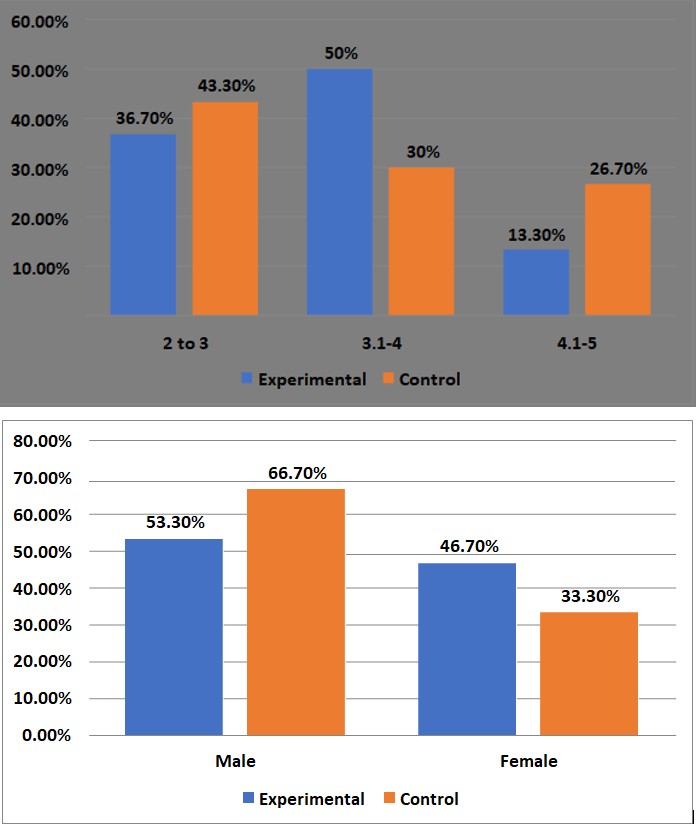
Graph 1: Distribution of children according to age in years.
Graph 2: Distribution of children according to gender.
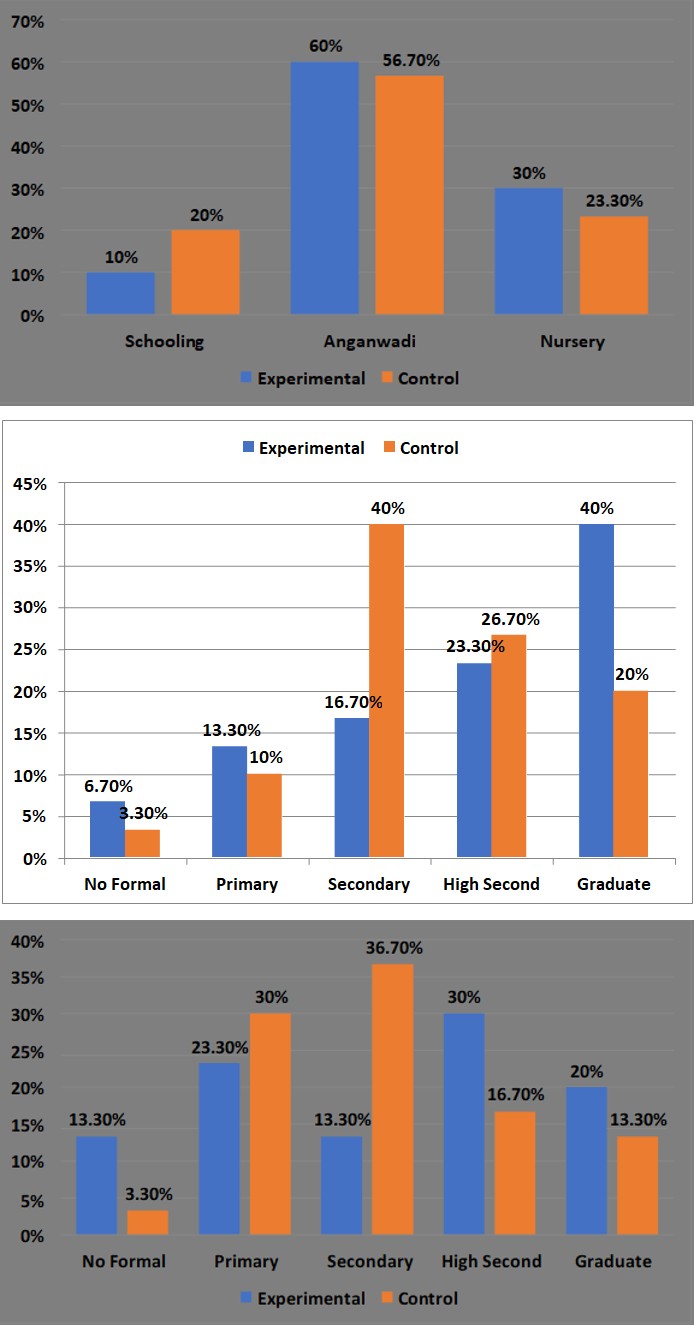
Graph 3: Distribution of children according to education of the child.
Graph 4: Distribution of children according to education of father.
Graph 5: Distribution of children according to education of mother.
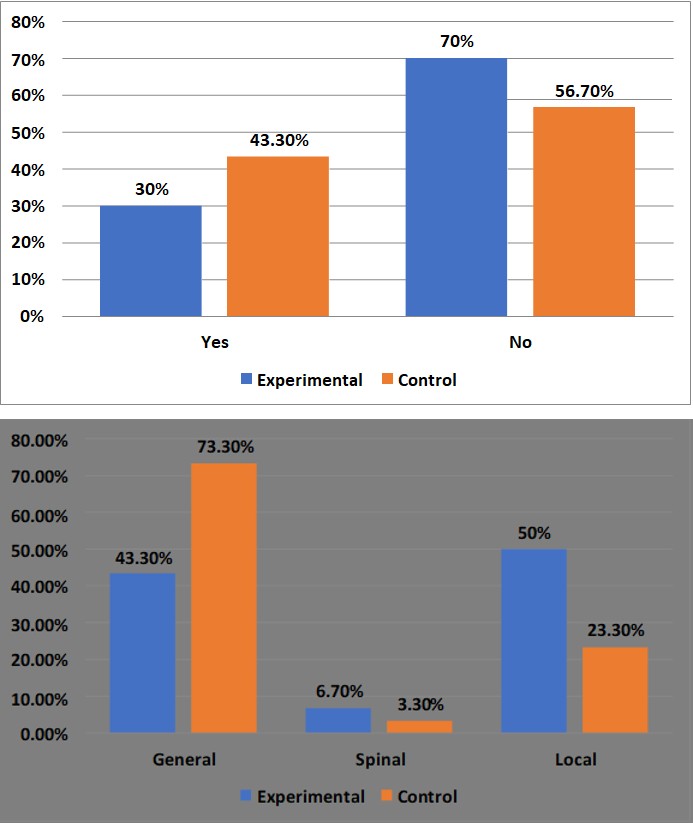
Graph 6: Distribution of children according to previous history of surgery.
Graph 7: Distribution of children according to types of anesthesia.
The correlation analysis was conducted to examine the relationship between pretest and posttest pain levels in both the experimental and control groups. The correlation coefficient (r) indicates the strength and direction of the relationship, while the significance value (Sig.) determines the statistical significance of the correlation.
Interpretation: The pretest and posttest assessments of pain levels in the experimental group of children aged 2 to 5 years who underwent general surgeries in selected pediatric hospitals of Vadodara revealed significant improvements. Prior to the intervention, none of the children experienced mild pain, 96.7% experienced moderate pain, and 3.3% experienced severe pain. Following the implementation of play therapy, the posttest results showed a remarkable reduction in pain levels, with 96.7% of the children experiencing mild pain,
3.3% experiencing moderate pain, and none experiencing severe pain. This substantial decrease in pain levels indicates the effectiveness of play therapy in alleviating post-operative pain among the children in the experimental group.
Discussion
The study explored the effectiveness of play therapy in alleviating postoperative pain in children aged 2 to 5 years who had undergone abdominal surgeries. The research was conducted in the postoperative ward at the Kashiben Ghordhanbhai Patel Pediatric Hospital Vadodara.
The aim of the study is to evaluate the effectiveness of play therapy in reducing postoperative pain in children aged 2 to 5 years who have undergone general surgery at pediatric hospital in Vadodara.
The literature review enables the investigator to develop the conceptual frame work, methodology, setting of the study was adopted based on according age and interest of children in play material which is focused on promote effectiveness of play therapy in reduce post-operative pain among children age 2 to 5 year who are undergone general surgeries.
The study tool consisted of two sections. Section-A Socio, demographic and specific variable. Part-A: Consists of socio and demographic variables such as age, gender, education, educational status of the parents. The data was obtained from the parents through a semi- structured interview schedule. Part-B: Includes the items pertaining to the specific variables such as previous history of surgery, type of anesthesia, administration of analgesics and type of surgeries. The information regarding specific variables is obtained from the hospital records. Section-B FLACC Behavioral pain scale assessment scale Merkal et al 1997 developed FLACC behavioral pain assessment to assess post- operative pain in children. The acronym “FLACC” represents five categories (i.e.) face, legs, activity, cry and consolability. The pain was assessed using observation method. Responses in each category are scored between o and 2 for a maximum total score of 10.
Data were analyzed using descriptive statistics (frequency distribution, percentage) and inferential statistics (standard deviation, chi-square test, independent t-test). Analysis helped summarize, organize, and interpret data to address research questions. Findings were presented in tables and figures, with p<0.05 considered statistically significant.
The play therapy provided to children aged 2 to 5 years included toys, building blocks, cooking utensils, reading stories from picture books, storytelling, arranging circles by color and size, busy beads, drawing, painting, clay materials, and identifying letters or numbers from charts. Among these activities, most children showed the greatest engagement with toys, building blocks, drawing, painting, and arranging circles by color and size. Data collection took place over a designated four-week period in September, between 7 AM and 8:30 AM. The investigator gathered and coded the responses, after which the data was verified and entered into the computer for processing. In this study, most children were in the age group of 2 to 5 years. The sample indicated a higher number of male children who were admitted and operated on, although the reasons for this gender difference could not be determined. Additionally, a larger proportion of non-school-going children was noted, likely due to parental lack of awareness about enrolling their children in school after age. Most children resided in rural areas, possibly reflecting a higher rate of referrals from other institutions. Furthermore, the majority of parents in both the experimental and control groups had completed secondary education. All children who underwent general surgeries were administered general anesthesia.
The pretest and posttest assessments of pain levels in the experimental group of children aged 2 to 5 years who underwent general surgeries in selected pediatric hospitals of Vadodara revealed significant improvements. Prior to the intervention, none of the children experienced mild pain, 96.7% experienced moderate pain, and 3.3% experienced severe pain. Following the implementation of play therapy, the posttest results showed a remarkable reduction in pain levels, with 96.7% of the children experiencing mild pain, 3.3% experiencing moderate pain, and none experiencing severe pain. This substantial decrease in pain levels indicates the effectiveness of play therapy in alleviating post-operative pain among the children in the experimental group.
In the control group of children aged 2 to 5 years who underwent general surgeries in selected pediatric hospitals of Vadodara, the pretest and posttest assessments of pain levels demonstrated minimal change. In the pretest assessment, none of the children experienced mild pain, 86.7% experienced moderate pain, and 13.3% experienced severe pain. In the posttest assessment, there was no occurrence of mild pain, while 96.7% of the children continued to experience moderate pain, and 3.3% experienced severe pain. This slight shift from severe to moderate pain in one child suggests that without the intervention of play therapy, the overall pain levels remained largely unchanged, emphasizing the necessity of therapeutic interventions to manage post- operative pain effectively.
The paired t-test analysis was conducted to assess the effectiveness of play therapy on pain levels among children in the experimental and control groups. This comparison provides insight into the statistical significance of changes in pain levels before and after the intervention.
For the experimental group, the pretest mean pain level was 6.43 with a standard deviation of 0.678, while the posttest mean pain level was 4.33 with a standard deviation of 0.758. The mean difference in pain levels before and after the intervention was 4.23. The paired t-test score was 29.963, with a degree of freedom (df) of 29, and a p-value of 0.000. This indicates a statistically significant reduction in pain levels due to the intervention of play therapy, as the p-value is less than 0.05. For the control group, the pretest mean pain level was 6.56 with a standard deviation of 0.897, and the posttest mean pain level was 6.23 with a standard deviation of 1.040. The mean difference in pain levels was 0.33. The paired t-test score was 1.439, with a degree of freedom (df) of 29, and a p-value of 0.161. This indicates no statistically significant change in pain levels in the control group, as the p-value is greater than 0.05.
Overall, this study protocol appears well-constructed and has the potential to provide important insights into the effectiveness and cost-efficiency of play therapy in managing postoperative pain in paediatric patients undergoing general surgeries, further reinforcing the results of your own research.
Conclusion
Play therapy significantly reduced post-operative pain in the experimental group, with mean pain levels decreasing from 6.43 pretest to 2.20 post-test (t = 29.96, p < 0.05). In contrast, the control group showed minimal change (6.56 to 6.23, t = 1.439, p > 0.05). Independent t-tests confirmed post- test differences (t = 17.14, p = 0.009). Father’s education significantly impacted pretest pain levels (χ² = 14.483, p = 0.006), highlighting socio-economic influences.
“Thus, play therapy was effective in reducing the level of post-operative pain in children aged 2 to 5 years who underwent general surgeries.”
Consent and Ethical Approval
Ethical approval for the current study was granted by the Institutional Ethics Committee for Human Research at Maganbhai Adenwala Mahagujarat University, Nadiad. (Approval No: MAM Uni/IECHR/2024/67).
Acknowledgement
Special thanks to all Children age 2 to 5 year who have undergone general surgeries of study, all faculties who validate the tool, play therapist of the hospital to permitted us to conduct study in their hospitals, and Research guide for their constant support and instructions.
Competing Interest
Authors have declared that no competing interest exist.
References
-
Mallick U (2024) A Study to Determine the Effectiveness of Play with Toys in Pain Management for Children Under Going Some Selective Invasive Procedure in A Selected Private Hospital of Kolkata. pp: 1-21.
-
Jose J (2015) A study to assess the effectiveness of cartoon animation show during venipuncture in reducing pain among toddlers in the selected hospital at kanyakumari district. Scribd, pp: 1-90.
-
Pietrangelo A (2019) Play Therapy: what is it, how it works, and techniques. Healthline.
-
Konstantinos K, Laila T, Parthenopi P, Areti T (2015) the importance of play during hospitalization of children. Mater Sociomed 27(6): 438-441.
-
Anon (2024) Play Therapy. Stanford children.
-
Bharathi M, Natekar DS (2018) A Study to Evaluate the Effectiveness of Play Therapy in Reducing Post-Operative Pain among Children Aged 6-12 Years Admitted in Post- Operative Wards, in a Selected Hospital at Bengaluru. International Journal of Innovative Science and Research Technology. 3(11).
-
Lia LC, Tania V, Juliana R, Keila C, Roberta R, et al. (2023) The use of toys by nursing as a therapeutic resource in the care of hospitalized children. Rev Bras Enferm 76(2): e20220433.
-
Vijaya M (2014) Effectiveness of Play Therapy in Reducing Postoperative Pain among Children (2-5 yrs) in Selected Pediatric Hospitals Madurai. Ajner 4(3): 288- 289.
-
Sudaporn P, Jariya W, Wanlaya T, Suwannee S (2010) Nurses Management of Thai Children’s Postoperative Pain: A Holistic Case study. Pacific Rim Int J Nurs Res 14(4): 330-345.
-
Valizadeh F, Fazlollah A, Kourosh Z (2016) Neglect of Postoperative Pain Management in Children: A Qualitative Study Based on the Experiences of Parents. J Pediatr Nurs 31(4): 439-448.
-
Pankaj R, Sharmila P, Nursing M, Rana P (2019) A study to assess the effectiveness of play therapy in reducing pain among children undergoing venipuncture at Sharda Hospital, Greater Noida. UP. Inter J Midwifery and Nursing Practice 2(1): 42-44.
-
Awube M, Isabella G, Sarah A (2018) Knowledge, Attitudes, and Practices of Postoperative Pain Management by Nurses in Selected District Hospitals in Ghana. SAGE Open Nurs 4: 237796081879038.
-
Ying J, Wai C, Piyanee K, Hong G (2013) Perioperative anxiety and postoperative pain in children and adolescents undergoing elective surgical procedures: a quantitative systematic review. J Advanced Nurs 70(2): 243-255.
-
Diaz RM, Rubio L, Aguilar D, Perez C, Carretero J, et al. (2021) The effect of play on pain and anxiety in children in the field of nursing: A systematic review. J Pediatric Nurs 61(1): 15-22.
-
Hong H, Lixia Z, Sally C, Joanne L, Cheung W, et al. (2015) Therapeutic play intervention on children’s perioperative anxiety, negative emotional manifestation and postoperative pain: a randomized controlled trial. J Adv Nurs 71(5): 1032-1043.
-
Sezici E, Ocakci AF, Kadioglu H (2017) Use of Play Therapy in Nursing Process: A Prospective Randomized Controlled Study. J Nurs Scholarsh 49(2): 162-169.
-
Maria J, Maria B, Nora S, Jose L, Keyla V, et al. (2020) Play Therapy as an Intervention in Hospitalized Children: A Systematic Review. Healthcare 8(3): 239.
-
Emine E, Derya O, Sevkiye D, Nuray A (2017) Turkish Pediatric Nurses Use of Non-Pharmacological Methods for Postoperative Pain Relief in 6 to 12 Year Old Children. The Open Pain J 10(1).
-
Ullan AM, Belver MH, Fernandez E, Lorente F, Badia M, et al. (2014) The Effect of a Program to Promote Play to Reduce Children’s Post-Surgical Pain: With Plush Toys, It Hurts Less. Pain Manag Nurs 15(1): 273-282.
- Understanding Pediatric Multiple Sclerosis: Clinical Presentation, Diagnostic Criteria, Therapeutic Advances, and Supportive Care Approaches
- Hemophilia in Children
- Xia-Gibbs Syndrome- A Case Report
- Preterm Birth: Scope of the Problem, Cost of Care, Potential Complications and Current Guidelines for Management
- Noradrenaline: Can we Use it to Manage Hemodynamic Instability among Neonatal Septic Shock at the NICU?
- Occurrence of Third root (supernumerary / Radix Entomolaris / Radix Paramolaris) in the Primary Mandibular Molars - A Systematic Review