
The Influence and Involvement of Family Members in Career Decision-Making
Middle Eastern social standards promote familial affinity, respect for tradition, and strong family relationships. As a result, while choosing a career path, Lebanese youth are more likely to consider family expectations and responsibilities. This study intends to provide insights into the ways family influences career decisions to minimize delays in the student’s intended career paths. We surveyed 113 students from various majors at a large urban private university to better understand the relationship between family influence and career decisions. Our research employs a mixed-methods approach to obtain a comprehensive understanding of family involvement in college students’ career decisions and its effects on professional awareness and development. Our findings indicated that parents demonstrated their involvement and support for their children in terms of influence, academic engagement, and career choice. Both parents were active in their child’s career choices, making them the key influences. Family influence was also connected to career-related decisions, career satisfaction, and motivation. Parents’ financial situation and expectations also influenced their children’s decisions, either directly or indirectly. Due to the availability or absence of resources, the socioeconomic level of the family influences the child’s occupational choice. According to the data we gathered, males and females were equally impacted by their parents. Females’ first preference was the mother, followed by the father. Males prioritized the father, who was closely followed by the mother.
Introduction
Most people, especially in their early years, are concerned with what they want to be when they grow up. Career choices are one of the most crucial variables in shaping a person’s life. Due to cultural values, Arabs are more inclined to consider family expectations and commitments when deciding on a vocational path. Social standards in our Middle Eastern society foster familial affinity, respect for tradition, and strong family bonds. When an individual approaches the stage where they must decide on a career path, their family typically urges them to pursue conventional and socially sanctioned occupations such as those of a doctor, engineer, or lawyer. Any professions that do not conform to aforementioned fields would be considered suspect. However, as the world evolves, new career possibilities emerge and growing industries, such as media and technology, have become indispensable and omnipresent which may attract several rising youth who are in the process of forget their career identity.
When parents knowingly or unwittingly transmit their career views to their children and influence their futures toward what they think to be the appropriate career path, they perpetuate a traditional approach to job choices and professional preferences. As the results, their children face a dilemma: to conform to their parents’ will or follow their own dreams, that if they ever question their parents’ assumptions.
The topic of this study centers on how family influences job decisions in negative ways, particularly when people follow their parents’ occupational interests rather than their own, to help minimize delays in the student’s intended career paths.
Research Questions and Hypotheses
1. How do the family environment and parents’ adopted beliefs influence decision-making and the general career path their children choose? 2. What is the relationship between different factors that determine career decisions? (Income, social standing, societal contribution, etc.) H1: There is a relationship between parental and familial engagement in career decision-making. H2: Women tend to be more influenced by their parents’ career involvement than men. H3: There is no link between the elements that drive career decisions (income, social standing, societal contribution, etc.) and the level of career satisfaction. Research Design The data collected for this study is analyzed quantitatively by percentages. The data is qualitatively analyzed by compiling descriptive data to understand the respondents’ perspectives. The survey conducted is designed to gather data quantitatively while also presenting a qualitative component that allows participants to identify which parent is more involved in their academic progress and major choice or to indicate a lack of engagement from their parents concerning their career decisions. These methods allow us to look at both the nature and relationship of familial influence and other factors on a student’s career decision.
Procedures
Before the collection of data began, we obtained approval from the Institutional Review Board for Human Subjects Research at the university. Data collection occurred in the Fall 2022 semester. Participants in this research were presented with a consent form before they began answering questions of the survey. Initially, we contacted the Dean of Students. Nonetheless, we also had to contact several instructors who provided their students with the link to the survey. Students also sent the link to their friends and acquaintances at the university. Participants’ responses to the survey determined how family involvement influenced their career-decision making skills. After, we compiled the results and prepared them for analysis.
Methods
We used Google Forms to create an online survey to gather data. Students received this survey via email or WhatsApp. To reach our target number of participants, we asked the Dean of Students to assist us in sending our survey to student email addresses; however, there was no answer. Instructors of several courses helped disseminate the survey to their students, while students also shared it with their friends and acquaintances. To ensure confidentiality, our survey did not require any identity-revealing information. Therefore, none of the participants’ identities will be revealed.
Our study employs a mixed-methods approach to develop comprehensive insights into family engagement in college students’ career decisions and their impacts on professional awareness and growth. The quantitative part was done after data collection. The results are processed on Excel spreadsheets to compute percentages. The qualitative part is measured based on students’ responses to the survey. This section is based on student satisfaction, passion, parent involvement, factors of influence, and others.
Participants
The participants of this research are students from different majors attending this private university which follows an American style education and has an enrollment of 8,610 on its two campuses combined. Since it is one of the most expense universities in Lebanon, this university naturally caters to middle and upper middle class students, and those on various scholarships and USAID grants. We were able to reach 113 students from various schools (Schools of Arts and Sciences, School of Business, School of Architecture & Design, School of Engineering, School of Medicine, School of Nursing, and School of Pharmacy) to gather data about the relationship between family influence and career decision- making.
Data Analysis
For this study, we devised two research questions. This study looked at one quantitative and one qualitative research question. To investigate the second research question, we used qualitative techniques. We analyzed the first and third hypotheses by determining whether or not parents and caregivers influence career choice and development. Then
we looked at Hypothesis 2 regarding the effects of mother and father involvement on women. The survey responses from students would offer the information required to develop this analysis.
Ethical Guidelines
To effectively survey students, we applied to the IRB to ensure that our survey follows ethical guidelines. To ensure ethical conduct, participation in our study is entirely voluntary and will not affect participants in any manner. Since our research respects confidentiality, all participants and their identities will remain anonymous. As a result, the responses of participants will be combined with those of others to obtain totals and averages.
Results
Introduction
Making career choices is a challenging process for anybody, particularly emerging adults. This choice can be influenced by parents and other relevant people. As a result, the link between parental influence and teenage career choices must be investigated to minimize student career delays. This research examined how family influences the career decisions of young adults. A mixed-technique survey research approach was used. The quantitative component investigated the association between parental and other caregiver participation and its impacts on this cohort’s professional decision-making and decisiveness. The qualitative element investigated the nature of parental involvement in the same population of students.
The study’s focus was addressed by the following two research questions and three hypotheses: Research Question 1: How do the family environment and parents’ adopted beliefs influence decision-making and the general career path their children choose?
- Hypothesis 1: There is a relationship between parental and familial engagement in career decision-making.
- Hypothesis 2: Women tend to be more influenced by their parents’ career involvement than men.
- Research Question 2: What is the relationship between different factors that determine career decisions? (Income, social standing, societal contribution, etc.)
- Hypothesis 3: There is no link between the elements that drive career decisions (income, social standing, societal contribution, etc.) and the level of career satisfaction.
The first research question is qualitative. It investigates the association between parental and other caregiver involvement in career decision-making. According to the first hypothesis, there is a link between parental and familial involvement and career decisions. A percentage analysis was used. The second hypothesis proposed that females are more impacted than males by their parents’ career involvement. A percentage analysis was used. The second research question is quantitative. It investigates the link between various elements that influence job choices. The third hypothesis proposed that there is no relationship between the factors that drive career choices (income, social standing, societal contribution, etc.), and the level of job satisfaction. A percentage analysis was employed. The results were presented in two sections in this segment: quantitative and qualitative data findings.
Quantitative Results
Participants: This survey was distributed to 300 participants. A total of 113 students took part in this study, with a participation or response rate of around 38%. Only 109 individuals correctly submitted the information required for analysis after examining the data. Three students did not provide demographic information concerning the factors of influence their career decisions. One individual left out who had the most significant influence on their career choice.
Variables of Interest: This study’s quantitative variables of interest include (a) a mother’s influence (b) a father’s influence, (c) a sibling’s influence, (d) an extended family’s influence (e) other people’s influences (f) media platform influences, (g) movie/ TV show influence, (h) word of mouth influence, (i) research influence, (j) other educational interests, and (k) passion for a major.
Results for Research Question 2: Research question 2 asked: What is the relationship between different factors that determine career decisions? We devised a hypothesis to investigate this question.
Hypothesis
According to the hypothesis, there is no relationship between the factors that influence career selection and the level of job satisfaction. We intended to analyze this hypothesis using percentages. According to the results, 52% of participants are passionate about their careers. However, 64% of participants indicated that they would not change their major if given the chance. The margin between passion and major choice is 12%. Only 8% of those surveyed reported being very likely to change their major. This leaves 40% of participants who are neither passionate nor ready to change their major (Figures 1 & 2).
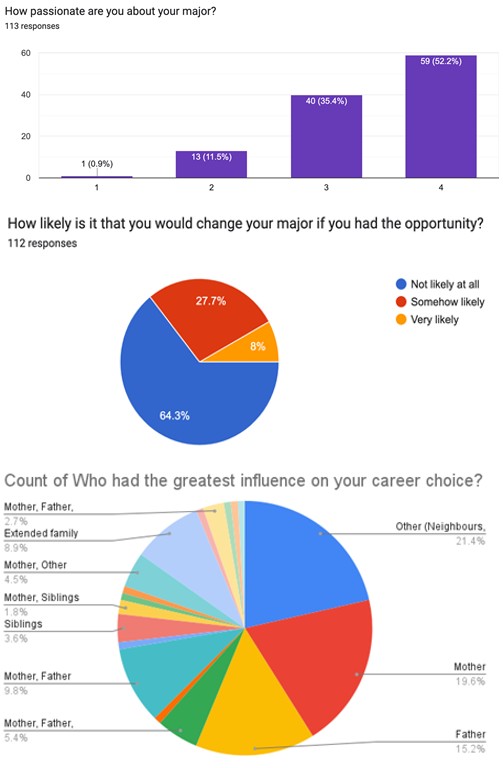
Graph 1: Student responses to passion in major choice.
Graph 2: Analysis of student responses to changing their major.
Furthermore, when asked who had the greatest influence on their career decision, 19.6% identified their mothers alone. Motherly influence, on the other hand, was included in five different answer combinations. The father’s effect was the next highest, accounting for 15.2% when considered alone. Nonetheless, the fatherly effect was seen in three more answer combinations. Other persons who have a significant effect on a student’s career selection come in third at 21.4% on their own, and it is also included in one other response combination (Graph 3).
Graph 3: Count of individuals with the greatest influence on a student’s career path.
As for additional factors, namely educational seminars, job fairs, and so on, they ranked first, contributing 21.8% on their own and in combination with two other selections, accounting for 28.4% of all responses. Media platforms had the second greatest effect, comprising 22.1% of all replies. 14.5% chose their majors on their own and in combination with four additional options. For a total of 21% of replies, research follows next. Word of mouth is fourth, accounting for 18% of all answers. At 10.5% of total responses, movies and TV series came in last (Graph 4).
When it comes to career counseling, 57.5% of pupils had one at the high school where they were enrolled. However, 62.5% of participants say they’ve never met with a career counselor. This results in a divergence of 21.5% of students who had access to a career adviser but did not see them for career assistance (Figures 5 & 6).
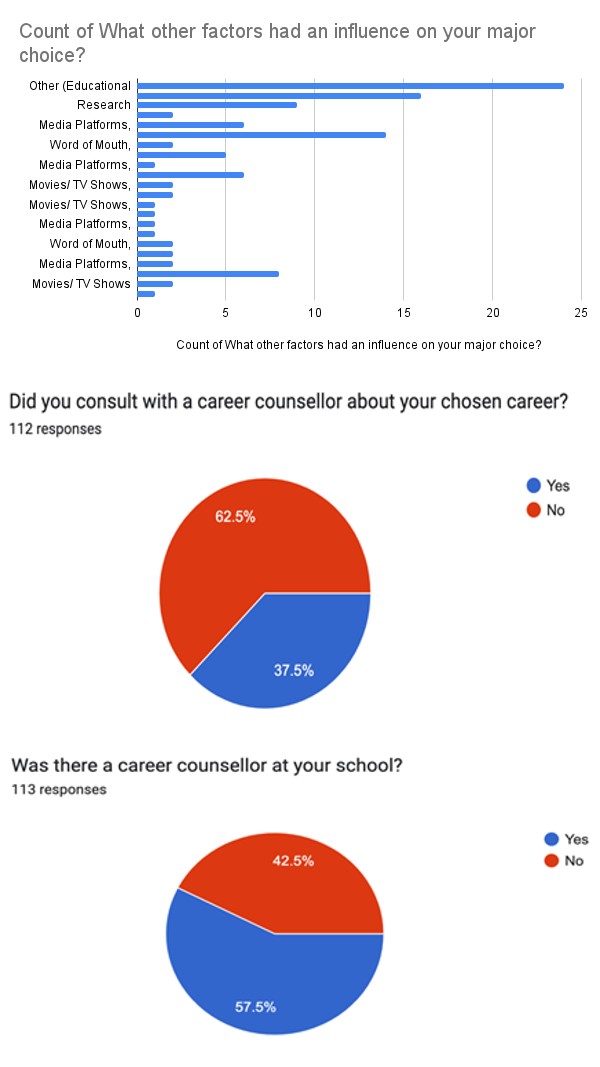
Graph 4: Count for other factors influencing students’ major choices.
Graph 5: Demographics for career counselors at schools.
Graph 6: Demographics for students who saw career counselors.
Once asked if they had looked for work prospects, 71.7% answered yes, while 28.3% responded no. Further, 49.6% of respondents who researched employment prospects used the internet as their sole source or in conjunction with other sources. While 27.9% used online job search sites. Experts were consulted by 20.9% of participants, either alone or with the assistance of other sources. Only 1.6% of participants looked for information on income and taxes (Graph 7).
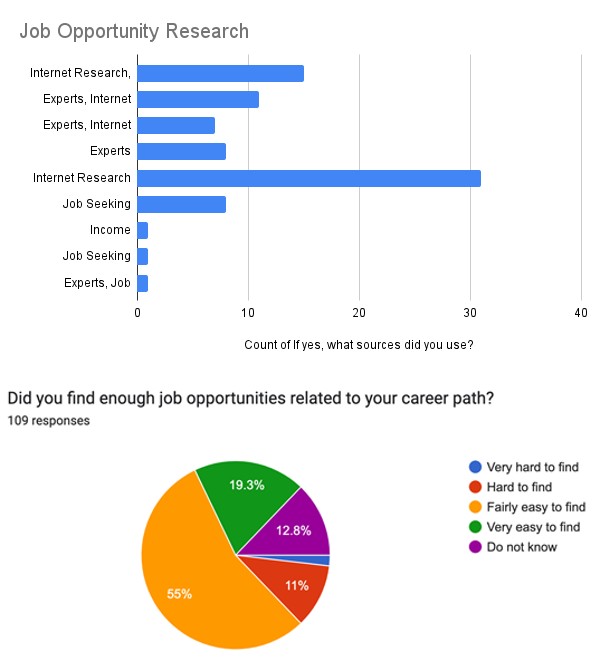
Graph 7: Count for job opportunity research.
When queried about their job search outcomes, 55% of students indicated that their occupational domain was quite easy to find. The percentages came as follows: 19.3% of students stated their field was very easy to find, while 11% said it was difficult to obtain. Only 1.8% of students consider their chosen career extremely difficult to pursue, while 12.8% are unsure (Graph 8).
Graph 8: Demographics for prospective job opportunities.
Analysis
The second research question investigates the link between various elements that influence job choices. The third hypothesis proposed that there is no relationship between the elements that drive career choices (income, social standing, societal contribution, etc.) and the level of job satisfaction. According to Sharif, et al. [1], the influence of future income came fourth after the mother, father, and tutor. This is also shown to be true in our findings because, when asked who had the greatest influence on their career decision, 19.6% of students answered their mother alone. Motherly influence, on the other hand, was included in five different answer combinations. The father’s effect was the next highest, accounting for 15.2% when considered alone. Nonetheless, the fatherly effect was seen in three more answer combinations. When it comes to other considerations, educational seminars, career fairs, and so on rank highest, accounting for 21.8% on their own and when combined with two other choices. Taking up 28.4% of all replies. These resources are usually presented to children of a more fortunate background. Student and parent vocational choices are affected by the family’s socioeconomic status. Parents’ income generally supports their children’s education, especially when choosing an institution for higher education [2].
Not all schools have career advisors that guide students to career paths and higher educational institutions. Most high schools that offer this service are those of higher social standing. According to Xing, et al. [3], families with a higher social standing are more supportive of their children exploring career paths. They are also more likely to provide their children with resources and information for career development and decision-making. However, in our study, career counseling was available to 57.5% of students in the high school where they were enrolled. However, 62.5% of those polled have never interacted with a professional counselor. This leads to a divergence of 21.5% of students who had access to a career adviser but did not seek career advice from them.
In their study Xing, et al. [3] state that children from low socioeconomic backgrounds felt pressured to financially help their families and tended to attain better financial stability and status than them. Students, in this case, research work prospects that offer a high financial gain or that are easy to find. Our findings indicate that once students were asked if they had looked for work prospects, 71.7% of participants answered yes, while 28.3% responded no. 49.6% of respondents who researched employment prospects used the internet as their sole source or in conjunction with other sources. While 27.9% used available online job search sites. Experts were consulted by 20.9% of participants, either alone or with the assistance of other sources. Only 1.6% of participants looked for information on income and taxes. When asked about their job search findings, 55% of students said it was simple to find their vocational domain. According to 19.3% of students, their field is very easy to find, while 11% say it is difficult to get. 1.8% of students believe it is extremely difficult to follow their chosen career, while 12.8% are unsure. In total, about 12.8% of students are on a career path that is difficult to pursue, leaving most participants in a somewhat safe zone.
Concerning satisfaction in one’s career Kocak, et al. [4] claim that happiness comes because of family influence, involvement, support, and income level. According to our findings, 52% of participants are passionate about their professions. However, 64% of those polled claimed they would not alter their major if given the opportunity. The discrepancy between passion and major choice is 12%. Only 8% of those polled indicated they were extremely likely to switch majors. This leaves 40% of individuals who are neither passionate nor prepared to change their major. These findings encourage us to investigate the qualitative findings, which investigate familial influence, support, and involvement to determine the cause of this deviation.
Our third hypothesis is shown to be null based on our qualitative results since our findings show that there is a link between the elements that drive career decisions (income, social standing, societal contribution, etc.) and the level of career satisfaction. When it comes to choosing a profession, students emphasize their parents’ judgments over others’, though some select high-paying careers. Studies such as those done by Ozlen, et al. [2] and Xing, et al. [3] corroborate our findings, revealing that families with a higher socioeconomic position are more supportive and ready to offer resources for their children’s professional development. Students from more affluent families are more engaged in and satisfied with their career choices. As a result, there is a positive relationship between socioeconomic status, career choice, and satisfaction.
Summary of Quantitative Findings
The quantitative research question for this study looked at the relationship between several factors that impact career choices. According to our findings, students prioritize their mother and father’s influence more than any other factor. Furthermore, when it comes to other variables, educational seminars, job fairs, and so on rank first. These resources are frequently given to students from better-off families. The socioeconomic position of the family influences student and parent career choices. Parents’ wealth typically promotes their children’s education, especially when selecting a higher education institution. Schools for those of better standing provide tools such as career counseling, which directs pupils to career paths and further educational facilities. The results leave out 40% of those who are neither passionate nor willing to reconsider their major. Students from more affluent homes are more interested in and content with their job choices because of their parents’ support. As a result, there is a correlation between socioeconomic status, career choice, and career satisfaction.
Qualitative Results
Participants: As mentioned previously, one hundred thirteen people out of three hundred participated in this study. The number of participants who fully and correctly filled out the survey is one hundred and nine. Three participants failed to provide data about other influences on their major choice.
One participant did not answer who has the most significant influence on their career choice. Out of one hundred and thirteen individuals, one person did not mention how similar their career path is to one or both of their parents. Another participant did not provide an answer to how similar their career path is to someone in their family.
Variables of Interest: This study’s qualitative variables of interest include (a) the mother’s influence, (b) the father’s influence, (c) other influences, (d) a sibling’s influence, (e) the extended family’s influence, (f) parents’ involvement, and (g) parents’ satisfaction with their child’s chosen major.
Research Question 1: Research question 1 asked: How do the family environment and parents’ adopted beliefs influence decision-making and the general career path their children choose? To further study this question, we came up with two hypotheses.
Hypothesis
In the qualitative section of this research, hypothesis 1 states that there is a relationship between parental and familial engagement in their child’s career choice. Hypothesis 2 is gender specific and states that women tend to be more influenced by their parents’ involvement than men when it comes to choosing a career path.
This section will cover both men’s and women’s answers separately to determine whether our findings match both of our hypotheses. When it came to the person who had the greatest influence on their career choice, 26.8% of women chose their mother, and a total of 21.1% included their mother in a combined answer. Directly after the mother came the father with 11.3%, and a total of 14.1% mentioned the father with other options. “Other” (neighbors, teachers, role models, acquaintances, etc.) came in third with 21.1% of women opting for this option, and 4.2% included it with another answer. Extended family also played a role in influencing women, with 8.5% and 2.8% in a combined answer (Graph 9).
23.7% of men were influenced by their fathers, and a total of 31.5% chose fathers in a combination of responses. This was followed by 7.9% of men being influenced by their mothers, and a total of 34.2% included this option in other answers. In third comes “other,” with 21.1% and 10.5% in other combinations. Extended family also seemed to influence men, with a combined contribution of 10.5% in 2.6% of responses (Graph 10).
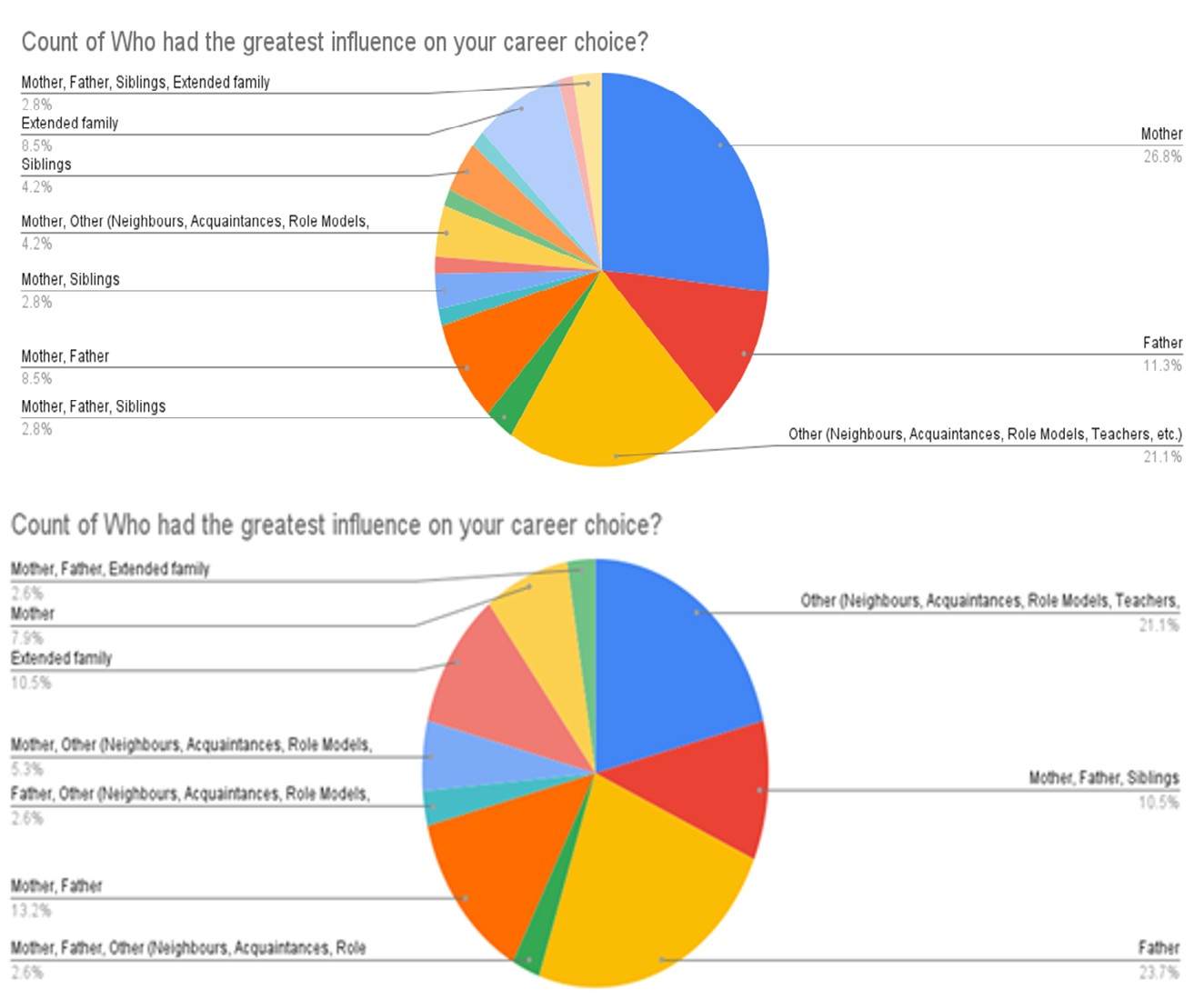
Graph 9: Women’s responses to the greatest influence on their career choice.
Graph 10: Men’s responses to the greatest influence on their career choice.
When asked which parent was most active in their academic performance, both men and women mostly chose their mothers, with 60.5% and 61.1%, respectively. For women, their fathers and none (no active parents) accounted for 19.4%. Men, on the other hand, 23.7% chose none and 15.8% chose their fathers.
According to 38.9% of female participants, their parents were very involved with their university applications, while 23.7% of male participants claimed the same aspect. Regarding parent involvement in one’s choice of major, 41.7% of women chose their mother, followed by none (30.6%), and lastly, fathers (27.8%). Men‘s most selected response was none (44.7%), followed by father (31.6%) and lastly mother (23.7%) (Graphs 11-14).
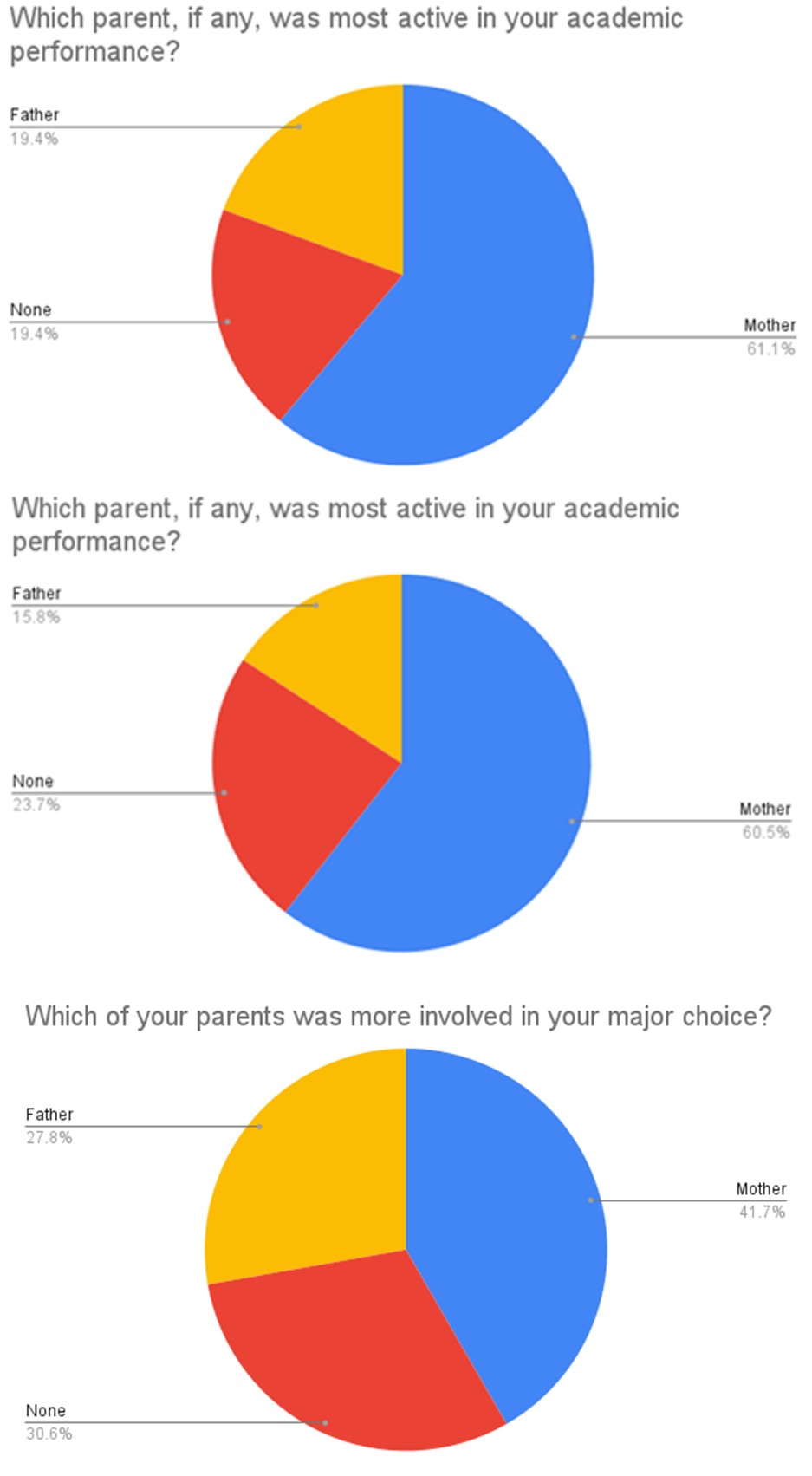
Graph 11: Women’s responses to the most active parent in their academic performance.
Graph 12: Men’s responses to their most active parent in their academic performance.
Graph 13: Women’s responses to the most involved parent in their major choice.
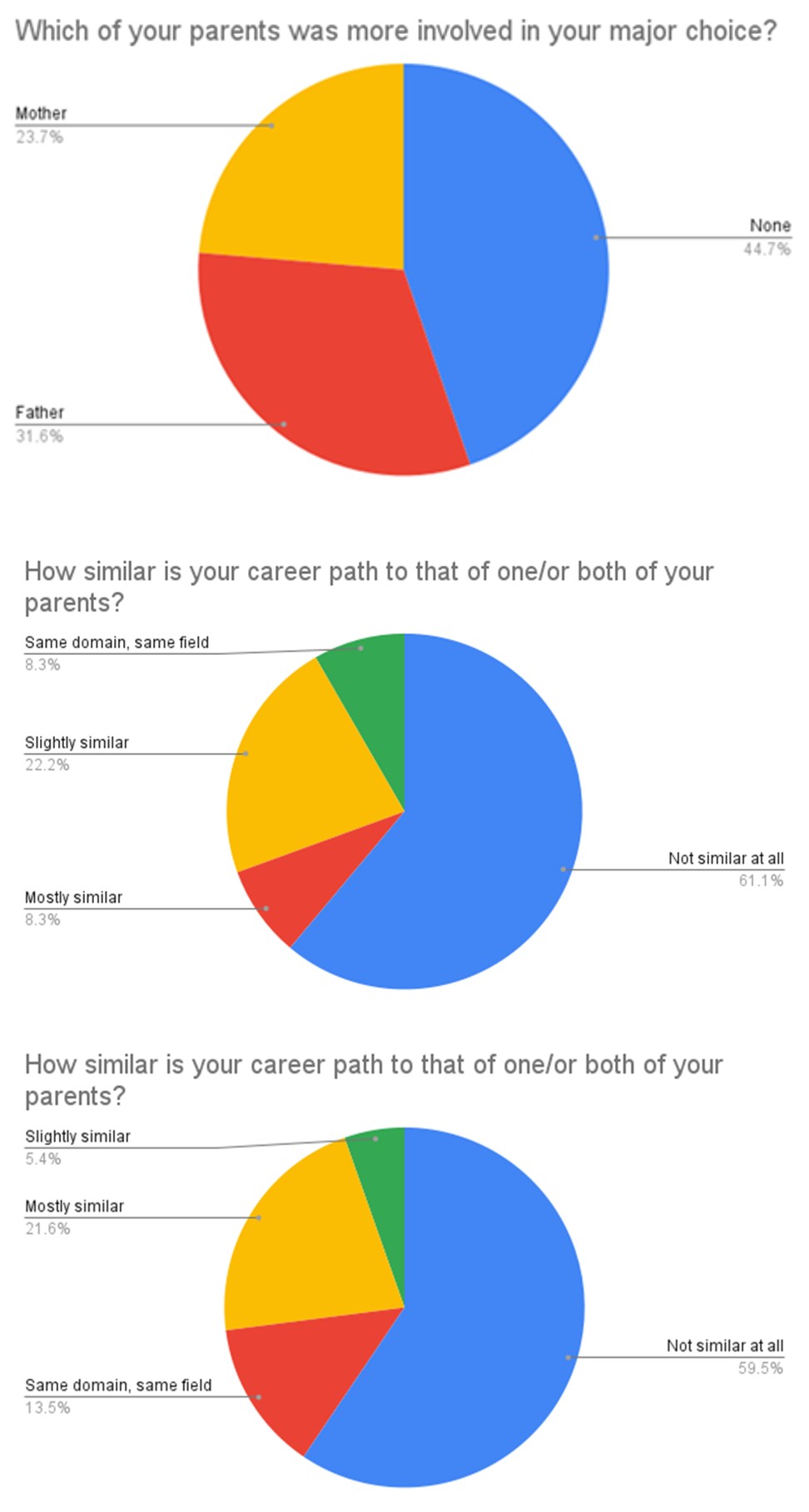
Graph 14: Men’s responses to the most involved parent in their major choice.
Concerning similarities between the students’ career paths and those of one or both of their parents, most men’s and women’s career paths were not identical to those of any of their parents with percentages of 59.5% and 61.1%, respectively. 22.2% of females claimed that their career paths were slightly like that of one or both parents. However, 21.6% of males claimed that their career paths were mostly like those of one or both parents. It seems that both men’s and women’s parents/guardians were mostly very satisfied with their choice of career. When participants were asked how passionate they were about their majors, both men and women seemed to be enthusiastic about their majors. 70.9% of participants’ career paths fell in line with their parent’s expectations of them, while only 20.1% of participants’ career paths did not fall in line with their parent’s expectations (Graphs 15- 18).
Graph 15: Women’s responses to the similarity in career choice to one/both parents.
Graph 16: Men’s responses to the similarity in career choice to one/both parents.
Key: 1 Not Satisfied at all 2 Somewhat Satisfied 3 Mostly Satisfied 4 Very Satisfied
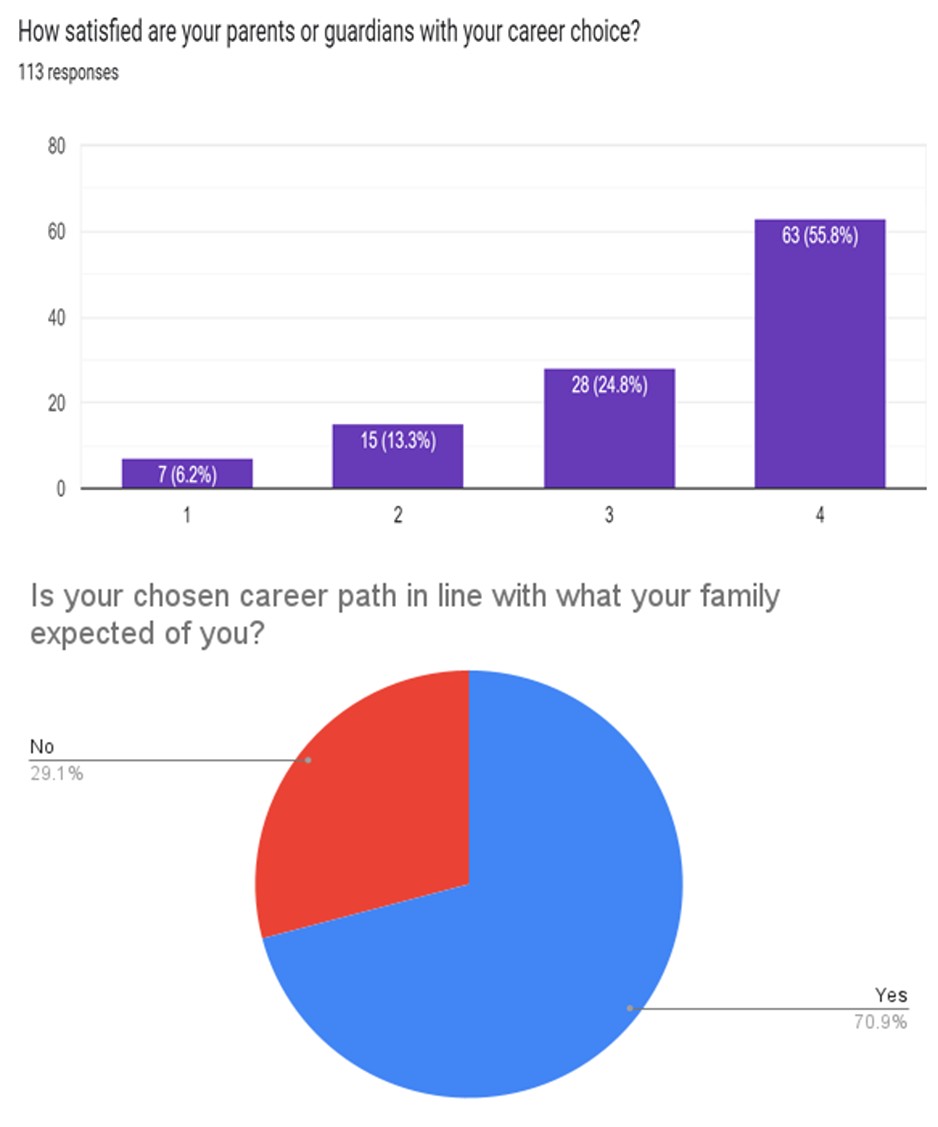
Graph 17: Parent satisfaction with their children’s chosen career path.
Analysis
The first research question claims that the family environment and parents’ adopted beliefs influence decision- making and the general career path their children choose. The initial hypothesis states that there is a link between parental and familial engagement in their children’s choice of career. The second hypothesis suggests that women tend to be more influenced by their parents than men. As reported by Kniveton [5], the main sources of influence on occupational choices are parents, directly followed by teachers. Other influences include siblings. Similarly, by looking back at our data, we see that parents came as a first choice and teachers came second. Parents (mother and father) accounted for a total of 84.8% of all responses. Teachers followed with 30.4% and then siblings with 16.1%. Media is another influential factor for females specifically [5]. This statement contradicts our findings, as media platforms were found to be the second greatest influence for both males and females, accounting for 22.1% of responses.
Parental engagement seemed to be high with our participants, especially in areas of influence, activeness, and involvement in their child’s academic performance and choice of major. According to our findings, the mother ranked first in influence and involvement in the choice of major and career for females. The mother also ranked first for both male and female participants for being active in their academic performance. The father ranked first for males in influence and second for females. It appears that there was no parental involvement in major choice for most males as parents came second in ranks after the choice of none (neither mother nor father). Supposedly, mothers had a greater influence on their daughters and were more involved in their academics and career choices. Males were typically more influenced by their fathers but seemed to be independent in choosing a career path. These results slightly contradicted a claim by Clutter, in which he states that mothers are not only the most influential parent for their daughters but also for their sons as well. Fathers influence their sons, while mothers influence their daughters.
Referring to the data in our study, even though most males and females reported having different careers than those of one or both of their parents, 70.9% of participants’ chosen careers still fell in line with what their parents expected of them. Thus, we can say that parental involvement and influence for both males and females are relatively high. Both Kniveton [5] and Clutter mention that parents will provide their children with support for certain career choices that tend to be like their expectations and that these expectations of their career views for their children are key factors in shaping career choices.
Organization of Data
The objective of the qualitative element of this research was to establish an understanding of parental involvement and whether females were more influenced by their parents. Each participant had been informed that completing the questionnaire was voluntary and would only take up to 8 minutes of their time to complete. After receiving an adequate number of responses, the researchers gathered the data and studied all the responses. The researchers removed answers that were not related to the questions as well as those that made no sense. We interpreted the correct responses of each participant on an Excel spreadsheet. Then the data was filtered based on male and female responses. The researchers allowed more than one response to be chosen when deciding on an influencer for their career choices. Our team consists of two individuals conducting research at the institution they attend.
We used our online survey titled “The Impact of Family Influence and Involvement on Career Development” [6] to collect qualitative data for this study. Questions asked to the participants included topics about parent involvement in their choice of major as well as identifying which parent was most active in their academic performances. Another question inquired about who most influenced their career choice (mother, father, siblings, extended family, other). Participants were also given the chance to share how passionate they are about their major, how similar it was to that of one or both of their parents, and whether their parents or guardians were satisfied with their child’s choice of career. We started identifying prominent factors of influence career choice. We then cautiously studied each response, classified repeating words or phrases, and created totals from the percentages. Qualitative data were analyzed from a total of 109 participants aged between 17 to 35 years. Of these participants, 71 were female and 38 were male [7, 8, 9, 10].
Summary of Qualitative Findings
The qualitative research question investigates the link between parental involvement and career choice in addition to gender-specific choices. Concerning our findings, students took their parents’ opinions into account, as parental influence and involvement ranked first, followed by teachers and siblings. Media platforms were another factor that influenced students when choosing a major. Men and women were found to be equally influenced by both their parents. Many participants had no similar career path to that of one or both of their parents, but their career choices still fell in line with the expectations of their parents. As a result, there is a relationship between parental influence and the student’s choice of career. However, both men and women were equally influenced by their parents, not just women.
Limitations
The very limited number of participants in our research warns us against generalizing and necessitates the continuation of the investigation and the expansion of the factors considered. Some participants have had familial support along with exposure to career decision-making. However, because the testing was conducted at a university with advisors and because the situation is not the same in other institutions, the findings we reach may not reflect the reality of the family’s engagement in the adolescent’s career decision. The data obtained from participants only provides an overview of the student’s life. Life circumstances and surroundings may alter a student’s outlook or career aspirations. As with past studies of this sort, the validity of this research is predicated on the participants’ knowledge and honest responses to the survey [11].
We sought to control for external and internal validity in our investigation, however, various difficulties arose during its implementation. Initially, we attempted to collect data with the assistance of the Dean of Students. However, we received no response. We next requested the assistance of teachers and friends to spread the survey to collect data. Our initial goal was 300 pupils, and we received 113 responses. Concerning our aim, this is a modest number of students. Our attempt had a good number of responses, although it did not meet our initial goal.
Recommendations
We noticed after completing this research that certain important questions remained unanswered. It is suggested that this study be reproduced with a larger number of participants. A greater sample size allows for the development of more patterns or opportunities for other areas of data analysis. Data about the parent’s marital status and educational status can also be obtained [12]. Collecting information on parents’ marital status would offer further information about why one parent is more involved than the other. For example, if a respondent’s mother and father do not live in the same house, the primary parent would be rated as the most influential, which may or may not be accurate. If the parent feels compelled to be engaged outside the house, they may participate in more activities and offer more assistance or encouragement. The parent’s level of education may also help determine if more educated parents were more involved during their child’s major or career decisions. Differences in results may also emerge among pupils who perceive their parents’ career choices as examples of their personal life decisions [13].
Conclusion
In conclusion, students base their major and career choices on a variety of factors. This study employs a mixed- methods approach in which the researchers analyze and compare the collected data to figure out the main influences that drive students to select a major and career path. Parents exhibited their involvement and support for their children in terms of influence, activeness in academics, and choice of career paths or majors. Both the mother and father involved themselves in their child’s occupational choice, which led them to be the primary influences. Other agents of influence include teachers, siblings, and social media platforms. They played active roles as secondary influences in the students’ careers and major choices. Based on our hypothesis, there is a relationship between parental and familial involvement in occupational decision-making. The family impact was linked to job-related decisions, work satisfaction, and drive in predictable ways. Parents’ financial status and expectations also assumed a role in shaping their children’s choices, either directly or indirectly. The family’s socioeconomic status affects the child’s occupational choice due to the availability or unavailability of resources (money, quality of schools, higher education institutions, transportation, etc.). Students from wealthier homes are more interested in and happy with their professional choices. As a result, there is a favorable association between socioeconomic level, professional choice, and happiness, proving our hypothesis to be null. In terms of gender, females were expected to be more influenced by their family involvement. However, the data we collected revealed that both males and females were equally influenced by their parents. For females, their primary choice was the mother, followed by the father. For males, their primary choice was the father, directly followed by the mother. Therefore, our hypothesis was also proven to be null.
References
-
Sharif N, Ahmad N, Sarwar S (2009) Factors Influencing Career Choices. IBT Journal of Business Studies (JBS) 5(2): 5-9.
-
Ozlen MK, Arnaut D (2013) Career Decisions of University Students. Journal of Community Practices 13(2): 92-107.
-
Xing X, Rojewski JW (2018) Family Influences on Career Decision-Making Self-Efficacy of Chinese Secondary Vocational Students. New Waves-Educational Research and Development Journal 21(1): 48-67.
-
Koçak O, Ak N, Erdem SS, Sinan M, Younis MZ, et al. (2021) The Role of Family Influence and Academic Satisfaction on Career Decision-Making Self-Efficacy and Happiness. International journal of environmental research and public health 18(11): 5919.
-
Kniveton BH (2004) The Influences and Motivations on Which Students Base Their Choice of Career. Research in Education 72(1): 47-59.
-
Latashia LJ (2012) The Impact of Family Influence And Involvement On Career Development. Electronic Theses and Dissertations pp: 1-194.
-
Chope RC (2005) Qualitatively Assessing Family Influence in Career Decision making. Journal of career assessment 13(4): 395-414.
-
Fouad NA, Kim S, Ghosh A, Chang W, Figueiredo C (2015) Family influence on career decision making: Validation in India and the United States. Journal of Career Assessment 24(1): 197-212.
-
Hargrove BK, Creagh MG, Burgess BL (2002) Family interaction patterns as predictors of vocational identity and career decision-making self-efficacy. Journal of vocational behavior 61(2): 185-201.
-
Jungen KA (2008) Parental influence and career choice: How parents affect the career aspirations of their children. Dissertation pp: 1-36.
-
Paloş R, Drobot L (2010) The Impact of Family Influence on The Career Choice of Adolescents. Procedia-Social and Behavioral Sciences 2(2): 3407-3411.
-
Priyanka NA (2020) A study on the family influence on career decision making in UG and PG students. European Journal of Molecular & Clinical Medicine 07(10): 3867- 3894.
-
Taylor J, Harris MB, Taylor S (2004) Parents have their say... about their college-age children’s career decisions. Nace Journal 64(2): 15-21.
- Occupational Stress and Mental Health Outcomes Among Police Officers: A Mini Review
- The Experience of Counterproductive Leadership on Mental Health and Impact on Retention in U.S. Marines: A Phenomenological Study
- Nomophobia in the Digital Age: A Study on College and University Students
- Emotional Regulation in Children with Autism and Learning Disabilities
- Antisemitism on American College Campuses and Its Impact on Jewish Students
- Exploring the Role of Empathy in the Associations of Family Functioning and Purpose in Life with Attitude towards Abortion among Undergraduates: A Moderation Analysis