
Nutrition and Psychology: A Review on the Impact of Diet on Mental Health
Depression and anxiety are the most common mental health diseases in the world and are the leading causes of disability. Even in addition to diagnosis, depression and anxiety symptoms affect the well-being and functioning of many of the population. Therefore, new approaches are needed to treat both clinically diagnosed and subclinical depression and anxiety. In recent years, the relationship between nutrition and mental health has attracted considerable interest. Epidemiological studies have shown that maintaining healthy or Mediterranean diets (high-fiber, vegetables, nuts and legumes, moderate-fiber poultry, eggs and dairy products, and occasional red meat) reduces the risk of depression. However, the nature of these relationships is complex due to the obvious possibility of reverse causality between diet and mental health. Mediterranean and traditional diets are good for maintaining mental health. High sugar, saturated fat and ultra-processed foods should be avoided to support mental health. Food can help us feel more. Psychological factors such as stress, mood and dietary disorders can affect food habits and food choices. Good food is more important than good food and healthy food to maintain mental health.
Abbreviations
IHME: International Health Measurement Organization; BDNFs: Brain-Derived Neurotrophic Factors; SAM: S-Adenosylmethionine; NFPs: Nerve Growth Factors; GFs: Germ-Free Mice; PUFAs: Polyunsaturated Fatty Acids.
Introduction
Many scientists and health professionals recognize that balanced nutrition is fundamental to healthy health. The Working Group of the World Health Organization has emphasized that nutrition is an important element of disease prevention, stating that “a balanced and diverse diet consists of a wide variety of nutritious and delicious foods that adds years to life and years to life” [1].
The rise of urbanization and the associated technological and cultural development, the rapidity of life, the pursuit of self-realization, and the resulting overstimulation and lack of time affect changes in eating habits, high-calorie and processed food consumption. They are considered important factors in the development of civilized diseases from the point of view of public health. Among them, it is not possible to ignore the depressed and anxious disorders, which are becoming a global epidemic [2]. The number of people who need mental health professionals is increasing steadily in Poland and around the world. According to the International
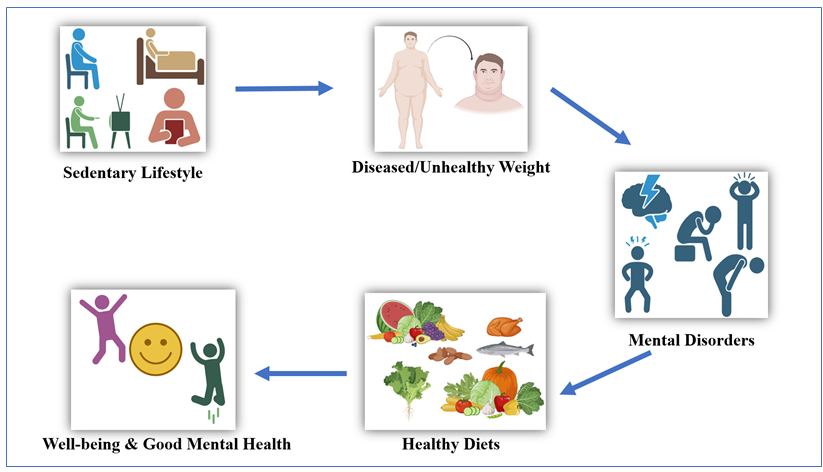
Health Measurement Organization (IHME), 13 percent of the world’s population was suffering from mental illnesses by the end of 2017 [3]. According to Wittchen, et al. [4] mental illness affects 38 per cent of the European population. As of the end of 2019, Poland has about 1.6 million people receiving psychiatric treatment. The epidemic of COVID-19 and the associated health restrictions did not improve the situation, which led to many people being isolated, and people feeling unsafe, sad, anxious, and insecure. All of these have made psychological and psychiatric assistance the most popular form of health support today. Poland has only 4,300 psychiatrists. Even less, only 455, are psychiatric therapists for children. It is believed that statistics in the field of psychological and psychotherapy support are better, but public opinion is still divided on this form of support. In addition, there is no record of psychologists and psychotherapists [5]. The described phenomenon has led to a change in the model of psychiatric care and mental health support. The number of people receiving psychiatric treatment is expected to increase over the next few decades. The applied psychopharmacology and psychotherapy does not always produce the expected therapeutic results [6]. As a result, other interventions are receiving more and more attention. In recent years, research on the effects of nutrition on mental health has grown dramatically, and it can be an important part of the prevention of many mental illnesses and, at the same time, can lead to a reduction in the proportion of mental illnesses [7]. The relationship between nutrition and mental health has been depicted in Figure 1.
Mental Health
“The World Health Organization defines mental health as a state of mental well-being, allowing people to cope with stressful times in life, develop full skills, learn and work well, and contribute to the improvement of their communities. Mental health is also an absolute human right. It is an essential element for personal, community and socio- economic development. If diet lacks the necessary nutrients to support normal and non-pathological functioning, this can lead to the development of inappropriate mental health, especially when it comes to anxiety and mood disorders such as depression and/or increased stress levels [8]. In this sense, inflammation is a normal reaction of the body’s immune system that combats real or potential physiological pain (toxic molecules). Similarly to physical health, inflammation seems to be related to mental health. For example, chronic low-level inflammation causes harmful effects on the general state of mental health. The response mechanism to anxiety disorders begins when the symptoms generated by anxiety become “pathological” or “misadaptive” and become a disproportionate reaction or reaction to a threat that does not exist. On the other hand, the consequences of depression behavior and emotions also have utilitarian origin. However, it would cease to function when it interfered in the areas of a person’s life, such as intensity, duration, frequency, etc [9].
Nutrition
On the other hand, changes in nutrition are thought to be related to changes in the microbiote (or intestine) and brain. The human brain requires carbohydrates, proteins, fats, vitamins, minerals and functions properly. It is the most demanding organ because although its weight is about 2 % of the total weight, it requires 20-30% of the energy consumed daily. Its main fuel is glucose, which is mainly obtained from the intake of carbohydrates and, to a lesser extent, from the process called non-glucose precursors or “gluconegenesis” (literally, “the production of new glucose”) [10]. Low carbohydrate intake is known to have no impact on short-term emotions, but it appears to have a long-term impact. This may be due to reduced levels of serotonin. For example, diabetes (i.e., greater than the optimal glucose level) correlates with a higher incidence of depression. In contrast, lower glucose levels (as in reactive hypoglycemia) cause typical symptoms of anxiety disorders (e.g., breathing, tremors or sleepiness, numbness at extremities) [11]. Proteins are composed of basic units called amino acids, whose main function is to transfer information to neurons, i.e., to transport information from one neuron to another. Some of these amino acids are the precursors of the most important neurotransmitters that are related to higher processes or psychological functions [12].
In fat, only Omega-3 and Omega-6 (alpha-linolenic acids) are considered essential fatty acids. Both play a fundamental role (anti-inflammatory and pro- inflammatory) in the activated brain’s response to any threat, also known as “neurotic inflammation”. Omega-3 DHA (docosahexaenoic acid) contributes to maintaining neuron function and improving neuroreceptor sensitivity and phospholipid membrane fluidity, and is associated with neuroprotection and neurotransmission. On the other hand, in fatty acids, there are several types: saturated and trans-monosaturated fatty acids (proinflammatory) and polyunsaturated fatty acids (anti-inflammatory) [13]. Foods containing polyunsaturated fatty acids such as whole grains, fish, fruits and vegetables are associated with the protective functions of organisms. The body also needs vitamins and minerals to work properly. They are considered to be “essential nutrients” and play an important role in various nerve functions and muscle development. Fruits and vegetables must be consumed because humans do not have the capacity to produce them. Insufficient or insufficient all these nutrients, as well as certain gastrointestinal changes that affect the microbes of the body, can contribute to triggering the inflammation defense mechanisms of the intestine itself [14]. This generates higher sensitivity to stress, similar to anxiety and depression processes derived from the bidirectional relationship between the intestine and brain. The intestinal barrier plays an important role in preventing excessive inflammation of the microbiote itself. If this inflammatory reaction is not controlled, it can cause an inflammatory phenomenon that has a negative impact on the health of the intestinal and/or systemic systems. Similarly, it should be noted that nutritional supplements have also been shown to be effective for cognitive functions and mental health. For example, vitamin supplements can reverse the symptoms of depression, as seen in Alzheimer’s patients. In addition, various vitamins and minerals are associated with the restructuring of emotions and memory processes [15].
Nutrition and Mental Health
Overweight is undoubtedly an important social problem today. Over 0.7 billion people worldwide are obese, representing about 30 per cent of the total population, and the number of deaths associated with obesity is increasing rapidly. We are increasingly consuming processed foods, high-energy foods and food with low nutrient content. Therefore, we face problems of overweight and obesity with associated nutrient deficiencies (quantitative malnutrition). Although our calories are rising, we do not take the recommended value of the micro and macro elements – B vitamins, zinc and magnesium – that play an important role in our nervous system functioning. In addition, we consume less fiber-rich and nutrient vegetables and cereal products than recommended. Overlooking smoking, limited physical activity, and harmful alcohol consumption on the above- mentioned diet patterns has a negative impact on mental health and the development of mental disorders such as depression [16]. Food prevention is well documented in the literature. The antioxidant system is important for the development of mental illnesses, and its proper functioning depends on the presence of nutrients in food. In addition, the concentration of brain-derived neurotrophic factors (BDNFs) involved in plasticity and neurodegeneration depends on nutrients. The results indicate that healthy eating patterns reduce the incidence of depression and suicide. Randomized trials have emerged to evaluate the effectiveness of food changes as a form of depression treatment. Selective nutritional supplements can help with the treatment of psychiatric disorders [17]. These include compounds such as S-adenosylmethionine, N-acetylcysteine, zinc, B vitamins, including folic acid and vitamin D. In addition, omega-3 unsaturated fatty acids have a wide range of effects. They participate in synaptogenesis by influencing the degradation and synthesis of receptors. It has anti- inflammatory and apoptosis-inhibiting effects. They affect cell membrane function, BDNF action, and the reabsorption of neurotransmitters. S-adenosylmethionine (SAM) is a compound composed of adenosine and methionine, which plays an important role in the methanization process. The results of the study show its antidepressant effects. N-acetylcysteine has a therapeutic effect on schizophrenia, bipolar aggression, or trichospora. It has anti-inflammatory, antioxidant and neuroprotective effects [18]. Zinc deficiency in turn is associated with the severity of depression symptoms, and its supplementation with antidepressants plays a role in mood stability. Zinc regulates cytokine activity and affects neurogenesis by affecting the level of neurotrophic factors derived from the brain [19]. B vitamins play a role in the correct functioning of nervous tissue. Deficiency of folic acid (vitamin B9) is associated with depression symptoms and is determined in the medium response of people to antidepressants [20]. Low levels of vitamin D are associated with higher risk of schizophrenia and depression. Vitamin D supplementation for three months (one month of 4,000 IU/day, two months of 2,000 IU/day) significantly reduces the severity of depression, anger, fatigue, mood disorders, sleep difficulties, weakness, and the ability to concentrate adolescents diagnosed with depression. This effect is supported by animal model studies: vitamin D helps to make the synapses plastic, has a neuroprotective effect, supports the production of neurotrophic factors, such as nerve growth factors (NFPs), and regulates the function of the dopamine receptor [21].
Psycho-Protective Food Ingredients
It is estimated that gut microorganisms form a complex ecosystem containing 1,014 microorganisms. It contains 3.3 million genes and about 150 times more than the human genome. At the same time, it is constructed by more than a thousand different microorganisms. The gut brain axis describes the bidirectional relationship between the intestine and the central nervous system, and uses various communication mechanisms. The mutual exchange of information can occur through the autonomic nervous system and vagus nerves. Many of the effects of probiotics on mental status are related to the transmission of information through the vagus nerve. The results of germ-free mice (GFs) grown in sterile conditions without detectable microorganisms show that intestinal microorganisms play a role in proper anatomy and function of the endocrine system and influence the development of the axis of hypothalamus, brain and adrenals [22]. The responses to stress stimuli measured by glucose corticosteroid and adrenocorticotropin were significantly higher in GF mice. It was normalized after intestinal colonization by Bifidobacterium infantis strains. In addition, stress affects the formation and diversity of intestinal microorganisms. Another communication link is the immune system. Microbes are involved in the proper development of the gastrointestinal mucous membrane immune system. Bacterial antigens such as polysaccharide A, lipopolysaccharide, and thimic acid form its proper functioning. Microbes also produce neurotransmitters: gamma aminobutyric acid,butyric acid, serotonin, dopamine, and short-chain fatty acids, which have a direct impact on the nervous system [23]. Therefore, the psychoprotective effect of strains can be used in food intervention. Here, it seems reasonable to consider the possibility of applying a probiotic treatment containing selected bacterial strains with a positive effect on human health. In this approach, the term “probiotics” is defined as organisms that have beneficial effects on body function when consumed in sufficient quantities. Ilya Metchnikov won the Nobel Prize in 1908 for her research into probiotics. Among these, lactic acid bacteria are the most popular. Probiotics are found mainly in fermented dairy products or pickled products [24]. Prebiotics are non-digestible food components that are fermented in the gastrointestinal tract to stimulate the growth or activity of bacteria, or to affect both, leading to the development of beneficial intestinal microflora. Prebiotics may include ingredients such as Inulin or Fructooligosaccharides. Prebiotics can also have beneficial effects by inhibiting pathogenic bacteria growth. In addition, some research has shown that prebiotics can reduce inflammation by modifying the composition of microorganisms. Synbiotics are the ingredients containing prebiotics and probiotics. Such constellations allow the synergy effects of these preparations to be used [25]. Psychobiotics, on the other hand, are defined as probiotic microorganisms that show positive effects in patients with mental diseases. They often produce neurotransmitters, such as gamma aminobutyric acid, serotonin, and other substances that affect nerve cell cells, such as short-chain organic acids (acetic acids, propionic acids, and butyric acids). Probiotics such as Lactobacillus helveticus and Bifidobacterium longum were replaced in one month with oral supplements and reduced the symptoms of anxiety and depression and decreased stress levels measured by cortisol levels determined in animal models. Currently, the most effective treatment for mental illness is with antidepressants and antipsychotics. However, the addition of psychobiotic drugs to treat anxiety or depression may prove to be beneficial in the future. It should also be noted that popular antidepressants and antipsychotics can affect the quality of gastrointestinal flora and alter the composition of microbes by killing bacteria living in the digestive tract [26].
Diet and Depression
Depression is the common cause of morbidity and mortality worldwide, and is expected to become the second largest health burden in society with all diseases worldwide by 2020. Today, depression is the main cause of disease burden in middle and high-income countries. Although antidepressants are often prescribed to people with depression, many questions about the use of these drugs are still unresolved, including their efficacy in milder forms of depression, the effects after eight weeks of treatment, the harms associated with individual antidepressants and the long-term adverse effects of antidepressants. In recent years, the quality of food as a contributing factor to depression has become increasingly recognised [27]. Extensive observations in different age groups and geographical areas support the hypothesis that food quality may be a risk or protective factor for depression. For example, some evidence suggests that following a high-quality diet (healthy/prudent or Mediterranean) reduces the risk of depression symptoms. Cross-sectional studies have shown that depression is associated with the consumption of prepared snacks and snacks among university students, sweets among middle- aged women and high-glycemic index foods among elderly people at home [28]. However, the relationship between depression and the consumption of carbohydrates is not causal and may be bidirectional. Several small-scale experimental studies have shown that random allocations to diets with high lipid content and high blood pressure have negative effects on mood, while larger-scale longitudinal studies have shown an increase in the risk of depression due to consumption of sweet beverages, sweet beverages, refined foods, sweet desserts, and sweet pastries (such as cookies, muffins, other cakes) [29]. While “Western” diet patterns characterized by high intakes of non-complete grains, white potatoes, cheese, meat, food and extra sugars have not been significantly associated with depression, “healthy” diet patterns (high intakes of complete grains, vegetables, fruits, fish, nuts and seeds) have been inversely associated with depression scores and unusual depression ratios. It has been shown that people who follow a Mediterranean-style diet have a lower risk of depression over a 10-year period of follow-up. This relationship cannot be explained by social economic factors or other lifestyle factors, and there is no evidence of a reverse causal relationship [30]. Over a five- year follow-up period, adults who were on a ‘complete food’ diet showed a lower risk of depression, while those who were on a ‘processed food’ diet showed a higher risk of depression. These relationships remain stable after adjustments to a variety of confusing variables, and cannot be explained by reverse causality. Symptomatic eating patterns of vegetables, fruits, beef, lambs, fish, and whole grain foods were associated with a decrease in the likelihood of severe depression, and a decrease in the likelihood of higher psychological symptoms and clinical depression [31].
Diet and Dementia
Population aging worldwide is accompanied by an increase in cognitive decline and dementia. More than half of the affected people suffer from Alzheimer’s disease. AD is a progressive neurological degenerative disease that causes severe memory, language, and behaviour impairments. Multifactorial disease in AD is controlled by various molecular events, including oxidative stress, protein accumulation, mitochondrial dysfunction and neuroinflammation. A suitable treatment for dementia is not yet available. Given the huge social and economic impacts of dementia, prevention measures are urgently needed [32].
Several strategies have been studied to examine the effects of nutrition and nutrition on dementia. Early declines in brain glucose metabolism in AD have led to an investigation into the assessment of supplementation of normal glucose supply with ketone bodies (ketogenic diets), as the ketone bodies produced during glucose deficiency can be metabolized by the brain when glucose use is compromised [33]. Most observational studies reported the opposite relationship between vitamins, -3 fatty acids, and AD. Most intervention studies suggest that vitamin and -3 fatty acids are beneficial when taken at the beginning of the disease. It is necessary to conduct well-designed and high-quality studies to confirm the clinical relevance of these conclusions [34]. Polyphenol compounds, such as resveratrol, are associated with the protection of Alzheimer’s and cardiovascular disease. The neuroprotective activity of these compounds has been shown in in vitro and in vivo studies to be promising in the prevention and treatment of dementia. However, the results of the available resveratrol intervention test for mild cognitive impairment or AD do not provide evidence of neuroprotection or therapeutic effects. Pterostilbene, a resveratrol analog, seems to be more effective than resveratrol in improving brain changes associated with aging, and may be a more promising compound for future research [35].
It is reported that consumption of fruits and vegetables is inversely related to the risk of cognitive disorders. Observational evidence suggests a protective link between certain nutrients (such as folic acid, flavonoids, vitamin D and certain lipids) and food groups (such as seafood, vegetables, fruits, and possibly moderate caffeine consumption) and cognitive outcomes for the elderly [36]. A systematic review of recent CTRs has examined the efficacy of nutritional interventions in preventing the onset of cognitive disorders and dementia in mentally healthy subjects over the age of 60. Evidence obtained from 35 RCTs has shown that interventions through changes in dietary patterns and the supplementation of medical foods/nutrients improve specific cognitive areas or cognitive-related blood biomarkers [37].
The relationship between nutrition and cognitive results appears to be stronger than the relationship between individual nutrients in healthy diet patterns (e.g., the Mediterranean). Mediterranean diet is linked to improving cognitive functions of older people and may help reduce the risk of dementia in a cost-effective and sustainable way. The cohort studies and RCTs have shown the beneficial effects of Mediterranean diet patterns on cognitive functions. Mediterranean foods appear to reduce cognitive decline risks by reducing the risk of cardiovascular disease and promoting antioxidative and anti-inflammatory effects [38].
Diet and Schizophrenia
Schizophrenia is one of the world’s most debilitating and expensive long-term diseases. Antipsychotics are the mainstay of treatment and have poor long-term outcomes. In particular, interventions to reduce negative symptoms and cognitive disorders are needed. Cognitive impairments are common in schizophrenia patients and contribute greatly to deteriorating functional results and long-term disabilities. The options for treatment are limited [39]. Among all serious mental disorders, people with schizophrenia may have the lowest metabolic health and the highest premature mortality. Increased mortality is mainly due to higher risks of cardiovascular and metabolic diseases, as schizophrenia patients have higher rates of obesity, diabetes and metabolic syndrome than the general population. Evidence is provided for the link between schizophrenia and diabetes. Many people with psychosis during the first episode were shown to have a lower glucose tolerance and insulin resistance [40]. There has been no causal relationship; both diseases can have internal inflammatory relationship. Antipsychotic drugs are also associated with increased risks of diabetes, obesity, and metabolic syndrome. Meta-analysis of the nutrient level assessment showed a deficit in vitamin B, vitamin C, vitamin D and vitamin E in people with long-term schizophrenia [41]. Vitamin B9 (Folate) and B12 deficiencies have been shown to be associated with symptoms, and vitamin B supplementation can significantly reduce symptoms of schizophrenia. A study assessing the serum nutrient status of first-episode psychosis showed that vitamin D and folate deficits existed from the onset of the disease and were associated with worse symptoms [42]. Future studies should examine the direction of these relationships. Some vitamins and minerals may be effective in improving the symptoms of schizophrenia if administered as an alternative to antipsychotics. Meta-analysis of the RCT has provided preliminary evidence that vitamin B supplements can reduce the symptoms of schizophrenia in some patients, but no effects of antioxidant vitamins or diet minerals have been found. These effects can be modulated by the inflammatory, glutamatergic, neurotropic and glutathione upregulation pathways. A bioavailable amino acid N-acetyl cysteine can have an effect as a supplementary treatment for schizophrenia [43].
Diet and ADHD
ADHD is one of the most common psychiatric diagnoses in childhood and adolescence, and can continue to grow up. Various environmental and social factors can contribute to reducing genetic sensitivity to ADHD. It has been shown that medication and behaviour therapy in many people with ADHD reduce short-term symptoms and achieve other beneficial outcomes. However, the long-term administration of common ADHD drugs has not proved its effectiveness and is associated with side effects [44]. This highlights the need to find alternative treatments. Various nutrients are associated with brain development and function, and dietary improvements can help prevent and treat ADHD. Several diet approaches have been suggested as potentially useful in the treatment of ADHD. The main food components proposed to be involved in the cause of ADHD, including polyunsaturated fatty acids (PUFAs) and micronutrients such as vitamins and minerals, have therapeutic effects. The evidence for the therapeutic efficacy of -3 PUFAs in the diet in ADHD is small or insufficient [45].
Pre-treatment PUFA status can affect the effectiveness of the supplement and clinically relevant effects can be limited to individuals with PUFA deficiency. It is not clear whether vitamin and mineral deficiencies play a role in the development of ADHD and whether each micronutrient supplement can have therapeutic efficacy. Given the high controversy over ADHD clinical determinants and ADHD phenotype and etiopathological diversity, the potential therapeutic effects of nutritional supplements may be limited to subgroups of ADHD that have not yet been identified. People with ADHD can benefit from better lifestyle choices. Therefore, the relationship between diet and other lifestyle factors, including physical activity, should play a more prominent role in investigating the causes and treatments of ADHD [46].
Diet, Exercise, and other Mental Disorders
Many nutritional interventions have been carried out in other mental disorders. For example, it was proposed that gluten and casein play a role in the etiology and therapeutic efficacy of gluten and casein-free diet in autism spectrum disorders [47]. Gluten and dairy proteins are metabolized into peptides that are linked to the central nervous system’s opioid receptors and mimic the effects of opioids. It is speculated that these opioid peptides, which are formed during digestion, increase the activity of the endogenous opioid system associated with autism symptoms (opioid excess theory). These peptides may not be metabolized sufficiently and may enter blood circulation as a result of increased intestinal membrane permeability (the “bad gut”) [48]. After crossing the blood-brain barrier, they may have a direct effect on the brain. However, the scientific basis for claiming that gluten and caesin-free diets are effective in treating autism is weak. A relatively large number of seriously flawed studies and some methodologically acceptable studies have so far not allowed solid conclusions about the effectiveness of diet. Although diet is popular, widely used, and parents believe in its benefits, most scientific assessments do not confirm the therapeutic effects. Evidence for the role of gluten in schizophrenia also lacks [48].”
Conclusion
The main lifestyle factors that affect mental illness today include modern diet and sedentary lifestyle. Nutrition, diet and physical activity have long been underestimated as factors influencing the development and treatment of mental illnesses. The absence of these factors is a failure of clinical practice and public health policies in promoting mental health and preventing mental diseases. Lifestyle interventions should be routinely offered to all people with mental disorders and should be included in treatment guidelines. The effectiveness of changes in diet and exercise- related lifestyles for improving mental health should be evaluated in individual and population-based public health programs. The relationship between nutrition and the mental status of patients has been undervalued in recent decades, as evidenced by the lack of research on this field of knowledge in the 21st century (as cited in the report). In recent years, this trend has reversed and research in psychological diseases and nutritional psychotherapy has become more popular. In the context of current changes, including urbanization, globalization, the food industry, and changes in people’s lifestyle and eating habits, the correlation between these phenomena and their impact on psychological status is increasingly important. Through research into these correlations, potential opportunities exist for the implementation of new effective food, drug, therapeutic and, above all, preventive interventions.
References
-
Cena H, Calder PC (2020) Defining a healthy diet: evidence for the role of contemporary dietary patterns in health and disease. Nutrients 12(2): 334.
-
Casari S, Di PM, Banci E, Diallo S, Scarallo L, et al. (2022) Changing dietary habits: the impact of urbanization and rising socio-economic status in families from Burkina Faso in Sub-Saharan Africa. Nutrients 14(9): 1782.
-
Saragih ID, Tonapa SI, Saragih IS, Advani S, Batubara SO, et al. (2021) Global prevalence of mental health problems among healthcare workers during the Covid-19 pandemic: a systematic review and meta- analysis. International journal of nursing studies 121: 104002.
-
Wittchen HU, Jacobi F, Rehm J, Gustavsson A, Svensson M, et al. (2011) The size and burden of mental disorders and other disorders of the brain in Europe 2010. European neuropsychopharmacology 21(9): 655-679.
-
Lubbers J (2023) The impact of the COVID-19 pandemic on Quality of Life and Psychological Flexibility in non- western migrants in the Netherlands (Master’s thesis).
-
Stein DJ, Shoptaw SJ, Vigo DV, Lund C, Cuijpers P, et al. (2022) Psychiatric diagnosis and treatment in the 21st century: paradigm shifts versus incremental integration. World Psychiatry 21(3): 393-414.
-
Ekinci GN, Sanlier N (2023) The relationship between nutrition and depression in the life process: A mini- review. Experimental gerontology 172: 112072.
-
Galderisi S, Heinz A, Kastrup M, Beezhold J, Sartorius N (2015) Toward a new definition of mental health. World psychiatry 14(2): 231.
-
Chen L, Deng H, Cui H, Fang J, Zuo Z, et al. (2018) Inflammatory responses and inflammation-associated diseases in organs. Oncotarget 9(6): 7204.
-
Suarez LLM, Bru LLM, Marti VM (2023) Influence of nutrition on mental health: scoping review. In Healthcare 11(15): 2183.
-
Barber TM, Hanson P, Kabisch S, Pfeiffer AF, Weickert MO (2021) The low-carbohydrate diet: Short-term metabolic efficacy versus longer-term limitations. Nutrients 13(4): 1187.
-
Lopez MJ, Mohiuddin SS (2024) Biochemistry, essential amino acids. In StatPearls [Internet]. StatPearls Publishers.
-
Balic A, Vlasic D, Zuzul K, Marinovic B, Bukvic MZ (2020) Omega-3 versus omega-6 polyunsaturated fatty acids in the prevention and treatment of inflammatory skin diseases. International journal of molecular sciences 21(3): 741.
-
National Research Council, Division on Earth and Life Studies, Commission on Life Sciences, & Committee on Diet and Health (1989) Diet and health: implications for reducing chronic disease risk. National Academies Press.
-
Clapp M, Aurora N, Herrera L, Bhatia M, Wilen E, et al. (2017) Gut microbiota’s effect on mental health: The gut-brain axis. Clinics and practice 7(4): 987.
-
Hruby A, Hu FB (2015) The epidemiology of obesity: a big picture. Pharmacoeconomics 33: 673-689.
-
Gomez PF (2008) Brain foods: the effects of nutrients on brain function. Nature reviews neuroscience 9(7): 568- 578.
-
Fenech M (2017) Vitamins associated with brain aging, mild cognitive impairment, and Alzheimer disease: biomarkers, epidemiological and experimental evidence, plausible mechanisms, and knowledge gaps. Advances in Nutrition 8(6): 958-970.
-
Petrilli MA, Kranz TM, Kleinhaus K, Joe P, Getz M, et al. (2017) The emerging role for zinc in depression and psychosis. Frontiers in pharmacology 8: 414.
-
Liwinski T, Lang UE (2023) Folate and its significance in depressive disorders and suicidality: a comprehensive narrative review. Nutrients 15(17): 3859.
-
Penckofer S, Kouba J, Byrn M, Ferrans CE (2010) Vitamin D and depression: where is all the sunshine. Issues in mental health nursing 31(6): 385-393.
-
Zhu B, Wang X, Li L (2010) Human gut microbiome: the second genome of human body. Protein & cell 1(8): 718- 725.
-
Vijayan MM, Moon TW (1994) The stress response and the plasma disappearance of corticosteroid and glucose in a marine teleost, the sea raven. Canadian Journal of Zoology 72(3): 379-386.
-
Dal N, Bilici S (2024) An overview of the potential role of nutrition in mental disorders in the light of advances in nutripsychiatry. Current Nutrition Reports 13(2): 69-81.
-
Davani DD, Negahdaripour M, Karimzadeh I, Seifan M, Mohkam M, et al. (2019) Prebiotics: definition, types, sources, mechanisms, and clinical applications. Foods 8(3): 92.
-
Kimse L, Reinis A, Mikelsone JL, Gintere S, Krumina A (2024) A Narrative Review of Psychobiotics: Probiotics That Influence the Gut–Brain Axis. Medicina 60(4): 601.
-
Reddy MS (2010) Depression: the disorder and the burden. Indian journal of psychological medicine 32(1): 1-2.
-
Nowicki GJ, Polak M, Slusarska B, Czernecki K (2023) The relationship between diet and the occurrence of depressive symptoms in a community example with high rates of social deprivation: a cross-sectional study. Nutrients 15(17): 3778.
-
El Ghoch M, Calugi S, Grave RD (2016) The effects of low-carbohydrate diets on psychosocial outcomes in obesity/overweight: a systematic review of randomized, controlled studies. Nutrients 8(7): 402.
-
Clemente SVJ, Beltran VAI, Redondo FL, Martin RA, Tornero AJF (2023) Global impacts of western diet and its effects on metabolism and health: A narrative review. Nutrients 15(12): 2749.
-
Matta J, Hoertel N, Airagnes G, Czernichow S, Kesse GE, et al. (2020) Dietary restrictions and depressive symptoms: Longitudinal results from the constances cohort. Nutrients 12(9): 2700.
-
Breijyeh Z, Karaman R (2020) Comprehensive review on Alzheimer’s disease: causes and treatment. Molecules 25(24): 5789.
-
Lange KW, Lange KM, Makulska GE, Nakamura Y, Reissmann A, et al. (2017) Ketogenic diets and Alzheimer’s disease. Food Science and Human Wellness 6(1): 1-9.
-
Mead MN (2007) Nutrigenomics: the genome-food interface. Environ Health Perspect 115(12): 582-589.
-
Bukhari SNA (2022) Dietary polyphenols as therapeutic intervention for Alzheimer’s disease: a mechanistic insight. Antioxidants 11(3): 554.
-
Smith L, Sanchez GFL, Veronese N, Soysal P, Oh H, et al. (2023) Association of fruit and vegetable consumption with mild cognitive impairment in low-and middle- income countries. The Journals of Gerontology: Series A 78(8): 1410-1416.
-
Solfrizzi V, Agosti P, Lozupone M, Custodero C, Schilardi A, et al. (2018) Nutritional intervention as a preventive approach for cognitive-related outcomes in cognitively healthy older adults: a systematic review. Journal of Alzheimer’s Disease 64(S1): S229-S254.
-
Fu J, Tan LJ, Lee JE, Shin S (2022) Association between the mediterranean diet and cognitive health among healthy adults: A systematic review and meta-analysis. Frontiers in Nutrition 9: 946361.
-
Patel KR, Cherian J, Gohil K, Atkinson D (2014) Schizophrenia: overview and treatment options. Pharmacy and Therapeutics 39(9): 638-645.
-
Ali S, Santomauro D, Ferrari AJ, Charlson F (2023) Schizophrenia as a risk factor for cardiovascular and metabolic health outcomes: a comparative risk assessment. Epidemiology and Psychiatric Sciences 32: e8.
-
Koricanac A, Lucic AT, Veselinovic M, Sretenovic DB, Bucic G, et al. (2022) Influence of antipsychotics on metabolic syndrome risk in patients with schizophrenia. Frontiers in Psychiatry 13: 925757.
-
Brown HE, Roffman JL (2016) Emerging treatments in schizophrenia: highlights from recent supplementation and prevention trials. Harvard Review of Psychiatry 24(2): e1-e7.
-
Firth J, Stubbs B, Sarris J, Rosenbaum S, Teasdale S, et al. (2017) The effects of vitamin and mineral supplementation on symptoms of schizophrenia: a systematic review and meta-analysis. Psychological medicine 47(9): 1515-1527.
-
Drechsler R, Brem S, Brandeis D, Grunblatt E, Berger G, et al. (2020) ADHD: Current concepts and treatments in children and adolescents. Neuropediatrics 51(5): 315- 335.
-
Pinto S, Correia DST, Sampaio MB, Vasconcelos C, Moreira P, et al. (2022) Eating patterns and dietary interventions in ADHD: a narrative review. Nutrients 14(20): 4332.
-
Lange KW (2020) Micronutrients and diets in the treatment of attention-deficit/ hyperactivity disorder: chances and pitfalls. Frontiers in psychiatry 11: 102.
-
Baspinar B, Yardimci H (2020) Gluten-free casein-free diet for autism spectrum disorders: can it be effective in solving behavioural and gastrointestinal problems?. The Eurasian journal of medicine 52(3): 292-297.
-
Jarmolowska B, Bukalo M, Fiedorowicz E, Cieslinska A, Kordulewska NK, et al. (2019) Role of milk-derived opioid peptides and proline dipeptidyl peptidase-4 in autism spectrum disorders. Nutrients 11(1): 87.
- Occupational Stress and Mental Health Outcomes Among Police Officers: A Mini Review
- The Experience of Counterproductive Leadership on Mental Health and Impact on Retention in U.S. Marines: A Phenomenological Study
- Nomophobia in the Digital Age: A Study on College and University Students
- Emotional Regulation in Children with Autism and Learning Disabilities
- Antisemitism on American College Campuses and Its Impact on Jewish Students
- Exploring the Role of Empathy in the Associations of Family Functioning and Purpose in Life with Attitude towards Abortion among Undergraduates: A Moderation Analysis