
Review on Pharmaceutical Gelling Agents
Topical gels are semisolid solutions with a liquid phase contained inside a three-dimensional polymeric matrix composed of gum, which can be synthetic or natural and has a high degree of cross-linking, either chemically or physically. Topical gels' behaviour in the midst of liquid and solid components makes them a great option for a variety of applications. Topical gels have garnered a lot of attention recently since scientists in industry, research and development, education, drug control administration, and professional domains are interested in this issue. The purpose of this page is to go over the classification and preparation methods for topical gels, as well as their most recent advancements. A separate section covers the application of hydrogel in drug delivery systems. Classification, preparation methodology, and assessment criteria receive special attention.
Introduction
Solidifiers, sometimes referred to as gelling agents, are substances that combine with oil to create solids that resemble rubber [1]. These substances can be manually administered and allowed to combine naturally for minor spills. When dealing with bigger accidents, high-pressure water streams are used to mix the chemicals into the oil once they are administered [2]. After being combined with fuel oil, the gelled oil is occasionally recycled after being extracted from the water using nets, suction apparatus, or skimmers [3]. Since the mixing energy from the waves enhances the contact between the chemicals and the oil, increasing solidification, gelling agents can be employed in calm to moderately stormy seas [4]. Gelling agents have a single disadvantage. Often, large amounts of the material—up to three times the spill’s volume—must be administered [5]. Storing, transporting, and applying such vast amounts of material is not feasible for oil spills involving millions of gallons [6]. A reagent known as a gelling agent is composed of polysaccharides, which are big molecules derived from simple sugars like glucose and which gel via a three-dimensional structural network to produce a solid or semi-solid surface [7].
Seaweeds and the bacterium Xanthomonas campestris are two examples of microorganisms that can produce gelling agents. The distinct provenances of gelling agents also result in variations in their gelling characteristics [8]. Gelling agents are used in cosmetics and cuisine to create creamy or thick textures. However, gelling chemicals also have excellent use in tissue culture, microbiology, and molecular biology [9]. Solid media are used in microbiology to cultivate and isolate bacteria and cells. Gelling substances give plants in plant tissue culture support and direct physical contact with nutrients to encourage development. In plant transformation, gelling chemicals are also employed to help separate favorably converted plants [10]. Gelling agent examples:
- On the market, there are several gelling agents. Agar, xanthan gum, carrageenan, isubgol, Gel Rite (gellam gum), and guar gum are a few examples of gelling agents.
- Their composition, origin, and degree of impurity vary.
- The widely used gelling agents are listed in the Table 1 below.
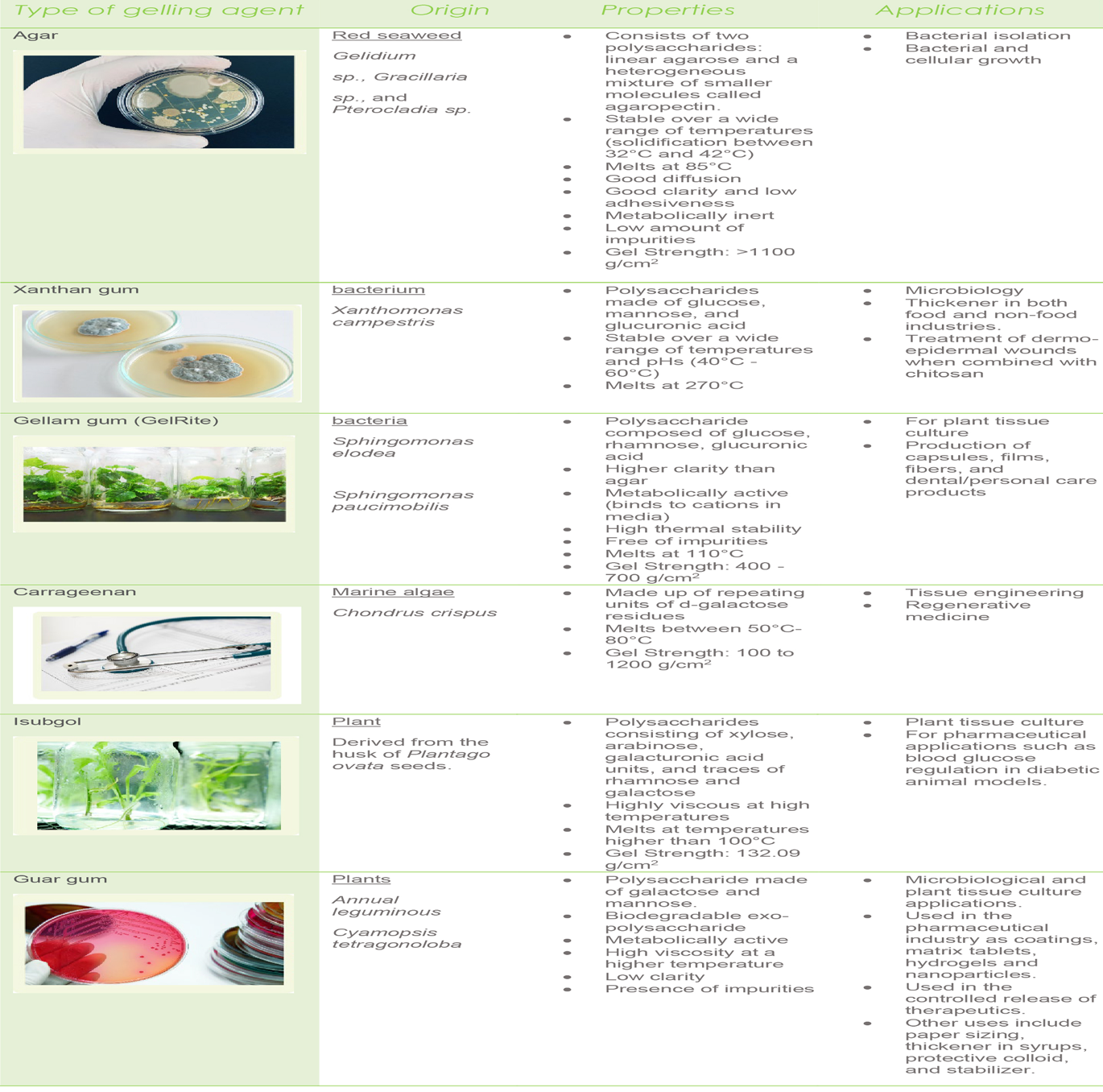
Additional gelling substances under investigation are cellulose, carbomer, potato starch, and cassava starch.
Pharmaceutical Gel
Gels are often made from a fluid stage that has been adjusted in thickness using different ingredients. Under the supervision of skilled gelling specialists such as HPMC, Carbopol, Sodium CMC, and others, they are often produced. Stabilisers, antimicrobial agents, and substances that prevent cancer are among the other components used in gel detailing [11]. Gelu, which means “ice,” and gel, which means “freeze” or “harden,” are the Latin roots of the terms “gel” and “jam,” from whence the name “gel” originates [12]. For a texture that doesn’t drift but is flexible and maintains certain fluid qualities, this introduction illustrates the fundamental idea of a fluid setup to main areas of strength [13]. Gels are defined as semi-unbending formations where a three-layered arrangement of solvated distributed section macromolecules or entangled waste products limits the expansion of the scattering medium [14]. Because they feature thicker actual bonds, more covalent crosslinks, or just less fluidity than jams, gels are sometimes thought of as being more stiff than jams [15]. As the stiffness rises, gel-shaping polymers produce materials with a range of rigidities, from a sol to an adhesive, jam, gel, and hydrogel [16].Some gel structures are almost as clear as water, whereas others are turbid because the chemicals inside they are either soluble or insoluble, or they may create totals that scatter light [17]. With few exceptions, the percentage of attention given to gelling specialists is usually significantly less than 10%, usually between 0.5 and 2.5 percent [18].
Advantages of Gel Formulations
Compared to traditional semisolid dosage formulations, the gel formulation offers a number of important advantages [19].
- Making gels is easier than with other formulas.
- Gel has an elegant, non-greasy formula.
- Gels have excellent adherence to the area of application.
- Gels are biocompatible and eco-friendly.
- Have extraordinary resilience in the face of adversity.
Disadvantages of Gel Formulation
Despite offering a multitude of advantages. There may be certain disadvantages to gel formulations [20].
- The action of gels is more consistent and gradual.
- Some persons may find the gelators or additives irritating.
- Water increases the possibility of a microbial or fungal attack on gel.
- The loss of solvent in the formulation dries to gel.
5. Flocculation can cause an unstable gel in some gel compositions.
When dissolved or dispersed in the proper medium, gelling agents are employed to create semisolid systems by creating a three-dimensional structural network with a high degree of physical/chemical cross-linking [21].
- Carbomer: Synthalen (3V Sigma); Carbopol (Lubrizol);
- Carrageenan: DuPont’s Gelcarin/Viscarin
- Chitosan: Chitopharm (Chitinor)
- Gelatin: Cryogel/Instagel (PB Leiner); Byco (Croda)
- Gellan gum: Kelcogel CG (CP Kelco)
- Genu Pectin: (CP Kelco)
- Poloxamer: Kolliphor P (BASF); Antarox F (Solvay);
- .Polyox (DuPont): poly (ethylene) oxide.
- .Noveon AA (Lubrizol), a polycarbophil
- Pullulan: Hayashibara Pullulan
- Additional ingredients: modified starch, povidone, agar, guar gum, tracaganth, HEC, HPMC, MC, alginates, and Na CMC.
Because topical gels have benefits over creams and ointments, they are frequently employed as a topical medication delivery dosage form in cosmetics and skin disease treatments [22]. Organ gels and hydrogels are two types of them that are created by combining a gelator, solvent, active medication, and other excipients [23]. The qualities of the gelators, solvents, drug, and excipients utilised determine how drugs are prepared and formulated.
The mixture of solvent and active component is combined with a gelator, also known as a gelling agent, to create pharmaceutical gels [24]. Polymers (natural, semi-natural, or synthetic) or tiny molecules with a low molecular weight can be utilised as gelators in gel formation. Aqueous, organic, inorganic, or a combination of solvents can all be utilised as a dispersion medium [25]. Topical gels are applied topically to act on or through the skin as a contact or transport medium for active pharmaceuticals [26]. The active drug molecules are transported to the region of action by becoming entangled in the gel’s three-dimensional mesh [27]. Features: In terms of swelling, syneresis, ageing, stiffness, and rheology, gels are unique among dosage forms [28]. Important parameters like appearance, odour, spreadability, extrudability, viscosity, pH, texture, possibility for microbial contamination, and bioavailability influence the formulation of topical gels. The purpose of the vehicle’s components should be to increase the drug’s ability to penetrate the skin surface [29].
The composition of the gel has an impact on properties like viscosity and consistency. Viscosity and consistency have an impact on the gel’s adhesion and retention qualities and are crucial for maintaining the gel’s retention at the application site and facilitating the efficient distribution of the medication [30]. Topical gel formulation components may be generically classified into four types: excipients, gelator, solvent, and medication.
Different Concentrations of Gelling Agents (Table 2)
| S.no | Gelling Agents | Concentration Used (%w/w) | Pharmaceutical Adaptability | Active Pharmaceutical Ingredient |
|---|---|---|---|---|
| 1 | Sodium CMC | 3-4% | Stand autoclaving hence suitable for sterile gels | Benzydamine |
| 2 | Carbopol-934 | 1% | Provide controlled release of API incorporated | Chlorphenesin |
| 3 | Carbopol-940 | 1% | Because of high viscous gel, provide controlled release of API incorporated | Mefenamic Acid |
| 4 | HPMC | 2.5% | Having good stability, microbial resistance | Clorphenesin |
| 5 | Combination of HPMC & Carbopol | 1.2% | Combination improve stability | Ketorolac, clotrimazole |
| 6 | Pluronic® F127 | 1-3% | Good clarity and better solubility in cold water | Piroxicam |
| 7 | Pemulen | 0.1-0.4% | Provide rapid release of oil phase, excellent stability | Flurbinprofen |
Table 1: Concentrations of Gelling Agents.
Gelling and Setting Agents
These components are used to provide thickness to both sweet and savory products. Different agents, or a mixture of them, are employed depending on how the dish is intended to be used and function. Various agents are employed for different types of desserts, including hot and cold ones, soups, sauces, sweets, and ice creams, depending on the intended outcome [31].
Natural Thickeners
The thickeners are extracted and then returned to their original form.
Egg Yolks
When combined with dairy or nondairy liquids and cooked gently, it functions similarly to starch, thickening the sauce or custard and creating a velvety, smooth texture that melts in your tongue. It must be tempered before use as it is not heat-resistant. The technique known as “tempering” involves whisking hot liquid into egg yolks to gradually raise their temperature [32].
Fruit Juice
The “natural pectin” found in the skins of several fruits, such as citrus, guava, cherries, etc., aids in the fruit sauce’s or pie filling’s self-thickening properties [33].
Pulses and Legumes
The epidermis of almost all pulses and legumes has starching and gelling qualities. The extent of it may differ. The most often used is Aquafina, a fantastic vegan egg replacement made from chickpeas. To do this, slowly boil the chickpeas for an extended period of time until the skin releases the “thickener,” which may then be sieved and utilised independently.
One well-known example is “Dal Makhni,” which is often thickened by slowly heating the dal, which allows the skin to contribute to the thickness of the combination [34].
Cheese and Cream
The lipids in both of these dairy products aid in thickening savory or sweet dishes. A dish containing cream or cheese should not be heated to a particularly high temperature in order to preserve its thickness.
Derived / Extracted Gelling Agents
Fruit Pectin
This is taken out of citrus and other fruit skins. It becomes active when combined with a liquid at room temperature. It loses its gelling qualities when heated. It doesn’t split even when frozen because, depending on its source, it has a powerful gelling ingredient that keeps it in place. Fruit jams and veggie and fruit jellies are made using it [35].
AGAR-AGAR
This seaweed has a great gelling ability. It is entirely vegetarian because it is a marine plant. It requires intense heating to become active.
Two or three varieties of agar exist: Strips (a): These must be soaked in hot water for a few minutes to soften them before being added to a liquid that boils to produce a gel. This will never function unless you immerse it in hot water first. “CHINA GRASS” is another name for this [36]. (b) Flakes - Same as previously. (c) Powder: This requires no soaking, in contrast to the flakes or strips. Before adding it to a liquid that will be cooked to activate the gelling capabilities of agar, it must be well combined with water or any other neutral liquid at room temperature. It will clump up and never dissolve if combined immediately with a heated liquid [37].
Carrageenan
This seaweed was also found in Ireland and is currently well-known worldwide. This must be activated by soaking it in warm water, and the liquid that results must be heated and set. Because it sets more slowly than its vegetarian counterpart, agar, you should use this instead of agar anytime you want a softer set. Fruit juices and other low-fat drinks don’t function as well with it as dairy items do. They’re widely present in foods like yoghurt, sour cream, and ice cream [38].
Gelatin
This is taken out of the skin and bones of certain fish, cattle, and other animals. This is definitely not vegetarian due to its source. Depending on the source, this can be added to a beverage at room temperature or cold. It is introduced to a heated liquid after it has swelled up or is gently melted before being placed to a liquid that needs to set. Heat causes gelatin to split. Pastry chefs worldwide use it as their go- to gelling/setting ingredient because of its extremely low melting point, which causes it to dissolve at body temperature in the mouth. It is available in two widely used varieties, each with a separate grade (bronze, silver, gold, and platinum), arranged in increasing strength order.
(a) Sheets: These are introduced straight to the hot liquid that has to set after being softened by soaking in cold water. (b) Powder: To activate, this must be combined with a liquid that is room temperature. then slowly melted before being added to the liquid that needs to solidify.
The word “gelatin” is most commonly associated with the substance used to set and create jellies. For this reason, businesses market pectin, carrageenan, and agar as “VEG GELATIN.” Please read the contents of the packaging to avoid confusion. **VEG GETLATIN DOES NOT EXIST. It’s only a marketing lingo used by businesses to connect with the general population [39]. It is comparable to marketing words such as “vegan egg,” “vegan sausage” (soy or tofu sausage), “eggless omelette,” “vegan milk” (used for liquid derived from oats, almonds or cashews), and “dark confection” (used for fake chocolate).
Derived / Extracted Thickeners
All types of starches come from their original source and can be thickened with an intern.
All Purpose Flour
This is often used to thicken sauces in savory cookery, particularly in French and Italian cuisine. To a liquid that has to be thickened, this is first added to fat and boiled off. The main reason for doing this is to mask the flour’s flavour. This starch breaks and releases water when used as the single starching component in a recipe; hence, it should not be frozen.
Corn Flour / Corn Starch
When thickening sweet or savory dishes, this is the starch that is most frequently utilised. So basically, this is heated starch. It becomes active when heated. Highly sugary, citrusy, or high-fat beverages don’t function with it. The liquid may split if the starch molecules are broken down by overheating or over freezing. Corn starch will not function unless there is enough liquid for it to thicken.
Starch Tapioca
From the cassava plant’s root, this is extracted. The starching power of this is high. When frozen, it doesn’t split since it is stronger than maize starch. When compared to maize starch, it has a far superior mouthfeel.
Potato Starch
This is potato starch purified. In a heated liquid, something comes to life. When heated, it becomes inactive. It is therefore an excellent finishing starch. Potato starch would be the greatest choice if you needed to thicken soup, caramel, fruit sauce, or anything else without having to cook it all over again [40].
Other varieties of GUMS and chemical thickeners/gelling agents exist as well.
- Alginates: Made up of the sticky gum that is generated by the cell walls of brown algae, they are salts of albinic acid. Fruit beverages, soups, sauces, jelly, and pastry fillings can all benefit from the thickening properties of gelling agent in food. (Refer to Faia.uk)
- Arabic Gum: A combination of saccharides and glycoproteins—proteins with sugar molecules attached—found in the sap of the acacia tree are used to make this. Middle Eastern and African countries utilize this to manufacture hard jelly candies.
• Guar Gum: Guar beans, which are mostly grown in India, are the source of this extraction. This kind of gum dissolves in water and mixes nicely with liquids that have a lot of sugar in them. This is why it’s used to make fondant and sugar paste stretchier. In industrial yoghurt and ice cream, this is also used as a stabiliser.
• Xanthan Gum: A bacteria called Xanthomonas campestris ferments glucose or sucrose to produce this. In addition to stabilizing the emulsion, it aids in keeping it from separating. Due to its ability to stop ice crystals from forming, this is very popular in cold sweets like ice cream.
• Sodium Carboxymethyl Cellulose better known as CMC: A derivative of acetic acid and cellulose are reacted to create this water-soluble semi-synthetic thickener. In order to stop ice crystals from forming, it is used as a stabilizer in ice creams and frozen treats.
Application of Gels
• Gels are employed in the cosmetic and medicinal sectors.
• Gels are administered directly to the skin, mucous membrane, or eye in order to provide local action.
• They serve as long-acting drug implants or intramuscular injections.
• Gelling retailers work well as binders in pill granulation, thickeners in oral liquids, colloids protectors in suspensions, and bases for suppository tablets.
• A variety of goods, including as shampoos, deodorants, dentifrices, and skin and hair care items, contain cosmetic gels.
• Medication containing anti-inflammatory steroids in gel form is used to treat scalp inflammations since the scalp is an area of the body where lotions and ointments are too greasy for patients to tolerate.
• Gels, which are strong, nonstick, require less electricity for component functioning, and have an attractive appearance, offer greater promise as a drug delivery method for topically administered pharmaceuticals than ointments.
Applications of Gel Documentation Systems?
DNA and RNA Electrophoresis
The examination of nucleic acids, such as DNA and RNA, is a fundamental application of Gel Documentation Systems. DNA or RNA fragments may be separated according to size using electrophoresis, a basic molecular biology method. In order for researchers to validate the outcome of PCR reactions, evaluate the caliber and volume of DNA samples, and spot genetic alterations, gel documentation systems are essential for seeing the resultant patterns.
The Electrophoresis of Proteins
Gel Documentation Systems are similarly important in the field of proteomics, or the study of proteins. They make it easier to see and measure proteins that have been separated using SDS-PAGE (Sodium Dodecyl Sulfate-Polyacrylamide Gel Electrophoresis). To help with the Characterisation of certain proteins and their roles, researchers can evaluate the molecular weight, purity, and effectiveness of protein extraction and purification techniques.
Use of Western Blotting
Proteins from an SDS-PAGE gel are transferred onto a membrane for immuno detection in western blotting, a crucial protein analysis method. These blot pictures are captured using Gel Documentation Systems, which enable researchers to examine protein-protein interactions, confirm antibody specificity, and assess protein expression. It is a vital tool in several domains, including immunology, neurology, and cancer research.
Genotyping and DNA Sequencing
Gel Documentation Systems are essential for genotyping and DNA sequencing in genomics research. They support the mapping of genes associated with certain features or disorders, the documentation and analysis of DNA sequences, and the discovery of genetic variants. These systems contribute to the study of human genetics, evolution, and illness diagnosis by improving the effectiveness and accuracy of genetic research.
Research on Microbes
Gel Documentation Systems are used by microbiologists to investigate the diversity and ecology of microorganisms. Through the visualization of DNA fragments derived from environmental samples, scientists may get valuable insights on the microbial communities found in many habitats, such as soil, water, and human digestive tracts. Understanding microbial interactions and their functions in biogeochemical cycles is made easier with the use of this information.
Gel Documentation System display
Quality Assurance and Food Safety
Gel Documentation Systems help with food safety and quality control in the food sector. They are used to identify foodborne pathogens and make sure food items adhere to safety regulations. These technologies also facilitate the investigation of food composition, the identification of allergens, and the confirmation of label claims.
Drug Development and Pharmaceutical Research
For a variety of uses, pharmaceutical research significantly depends on Gel Documentation Systems. They play a critical role in determining the stability and purity of medicinal compounds, examining the interactions between drugs and proteins, and validating the effectiveness of gene editing methods such as CRISPR-Cas9. Drug research and discovery procedures are accelerated by these platforms.
Research on the Environment
Gel Documentation Systems are used by environmental scientists to track and investigate changes in the environment. In biodiversity research, they use DNA fragments to identify and monitor species. They also investigate the effects of pollution on ecosystems and look at microbial communities in harsh settings like as deep-sea hydrothermal vents.
Medical Diagnostics
Gel Documentation Systems are utilized in clinical diagnostics in medical laboratories for diagnostic objectives. They support the identification of cancer biomarkers, infectious illnesses, and genetic abnormalities. The systems are essential to the visualization of genetic variants unique to each patient and the confirmation of diagnostic tests.
Education and Research
Gel Documentation Systems are crucial instructional aids in the fields of education and research institutes. Through the practice and learning of molecular biology techniques, they help researchers and students get a better knowledge of genetic principles and experimental processes.
Gel Electrophoresis Applications
The following uses electrophoresis to separate DNA:
- Utilize a molecular marker’s visual bands to genotype individual plants.
- Verify amplification by sequencing reactions or PCR.
- After DNA extraction, verify the amount and quality of genomic DNA.
- Divide up DNA pieces so you can clone a certain band.
- Comparison of the new and the current gel techniques.
- Comparing the Gel-Based Agglutination Test with the Conventional Tube Test.
Looking at the frequency of various feline blood types requires an understanding of breed-related blood type and local blood type epidemiology. In certain nations, for instance, certain breeds—like Ragdolls—have a higher prevalence of the uncommon AB blood type [3]. Additionally, by identifying breeds that may be recruited as blood donors more preferentially, blood type epidemiology statistics are helpful when setting up a blood bank. Big, peaceful, and predominantly A blood type, Maine Coon cats are rather common. Using a sensitive and precise test that can detect all three blood groups of the feline AB blood system, this data may be gathered by blood typing a large number of cats.
Both in-house and commercial laboratories can do blood typing. The card agglutination test and the immunochromatographic test are now the most popular commercial blood type kits used in-house. Utilizing the TUBE agglutination approach is typical for commercial laboratories and blood banks. Blood type is thought to be best achieved using the TUBE technique [8, 9]. Medical technicians with training execute the procedure, which calls for the use of antigen-specific antisera. Harmonizing the TUBE approach has been challenging, even though it is the gold standard for feline blood type. Red blood cells (RBCs) from the patient are treated in a tube with antibodies against a particular blood type, centrifuged, and then resuspended to check for hemolysis or agglutination.
Among its benefits are its adaptability to any type of practice and its lack of equipment requirements. A steady reaction cannot be produced, it takes a long time (at least one hour) to complete, needs sophisticated training, is susceptible to interpretation, and requires antigen-specific antisera. These are some of its drawbacks. For many years, blood typing in human medicine has made extensive use of gel technology as a means of overcoming some of these deficiencies. Using a chamber filled with polyacrylamide gel, the gel agglutination test (GEL) measures RBC antigen– antibody responses.
The gel functions as a trap: unbound, unagglutinated red blood cells remain at the top of the tube or become trapped in the gel (positive response); agglutinated red blood cells form pellets at the tube’s bottom (negative reaction). Compared to standard TUBE testing, GEL testing offers several significant benefits, especially when evaluating a large number of samples. They consist of quickness, ease of execution and analysis, standardization, stability, and lower sample amount. It does call for specific equipment, though.
In the past, there was also a GEL test for feline blood type. The most accurate bedside test for feline AB blood typing (99.4% accuracy in cats) was demonstrated in earlier investigations using a dextran-acrylamide gel matrix coated with an antibody against the blood type of interest [5, 8, 9]; sadly, this test is no longer accessible. In the past ten years, neutral human GEL columns containing certain anti-RBC blood type antigens, such as blood types 3, 4, 5, 7, Dal, and Kai reagents, have been employed and shown to be effective for canine blood typing.
Novelty of Gels Based on High Quality Research Papers, Parents
The effectiveness of new gels throughout the past few decades has been demonstrated by numerous articles. The established gel patents are explained in the present section. In patent 20210338211, an ocular device is employed for colorimetric detection of analytes in bodily fluids using aptamer and hydrogels cross-linked with DNA enzyme. In situ hydrogels, according to Patent 2021120395, offer prolonged medication release by supplying compounds with limited water solubility to a tissue. Ocular problems can be treated with hydrogels made of gelatin–hydroxyphenylpropionic acid (gelatin-HPA), hyaluronic acid–tyramine (HA-Tyr), catalyzer, cross-linker, or other combinations, according to Patent W/O/2021/113515. The patent 20210069496 covers hydrogels created by UV cross-linking among other polymeric compositions. The hydrogels function as a nasal stimulant in this instance, stimulating the lacrimal glands to simulate tear production electronically and alleviate dry eye symptoms. The ion-exchange polymeric hydrogel innovation for eye therapy is described in Patent WO/2021/038279.
In the context of patent 202121042889, Etoricoxib is described as a nanosponge hydrogel that is prepared for the purpose of managing arthritis through the process of emulsion solvent diffusion. This approach involves the use of an aqueous phase, a polymeric organic solvent, and ethyl cellulose Ugarit. The formulated Nano sponges were assessed using the following techniques: zeta potential, drug content, entrapment efficiency, viscosity, spreadability, in vitro diffusion, irritation test, and in vivo ant arthritic effect. Fourier-transform infrared spectroscopy (FTIR), polydispersity index (PDI), scanning electron microscopy (SEM), and differential scanning calorimetry (DSC) were also applied. This new approach to treating arthritic pain using a synthetic formulation appeared to be successful. For topical use in skin regeneration and wound healing, a cross-linked protein matrix hydrogel was created in patent 202031000910.
A technique of preparing conductive hydrogels with adhesiveness was developed and described in patent 112442194. Carbon nanotubes are modified with dopamine and grafted onto saccharides. Acrylamide is then mixed with the acrylamide and hydrogels are formed in the presence of an initiator and a cross-linking agent. Using modified carbon nanotubes dispersed in an aqueous solution to create hydrogen bonds and cross-link with the hydrogel’s supramolecular can improve the hydrogel’s structure, electrical conductivity, adhesiveness, and biocompatibility. Therefore, conductive hydrogels have applications in the biomedical domain, as well as in electronic skin and human body monitoring.
Thrombin-responsive hydrogels for extended heparin administration for regulated feedback auto-anticoagulant management are disclosed in Patent 20210023121. To prevent blood coagulation, the specially designed microneedle with a patch can release heparin and activate thrombin. By inserting a hydrogel-containing microneedle patch, blood coagulation may be sustainably controlled in response to thrombin without leaking.
In the realm of cancer therapies, patent 20210393780 reveals the efficacy of thermosensitive hydrogels based on polymers. Additives, colors, photothermic agents, and pharmaceuticals enhance the innovation. This led to a prolonged drug release for targeted distribution, and the invention’s subsequent success as a highly efficient, cost-effective, and thermosensitive method. The immunotherapy system for cancer treatment described in Patent WO/2021/174021 is a degradable hydrogel system that combines an extended- release anti-cancer medication with a hydrogel matrix to operate synergistically. In order to facilitate neural stem cell adhesion, proliferation, differentiation, and auto-healing, self- assembling peptides are used in hydrogels, as described in Patent 9758/CHENP/2012. In addition to avoiding bleeding and having a quicker rate of nerve regeneration, they are said to be non-toxic to central nervous systems. The central nervous system is investigated by patent 20140286865 using di-block co-polypeptide synthetic hydrogels.
Conclusion
An essay survey on medication gel structural effectiveness is included in this review. Drug gels are two-ease frameworks whereby large natural particles breakdown in the continual stage, irrationally looping in the flexible chains, while inorganic particles remain disseminated throughout the continuous stage. A fluid stage is often thickened with additional ingredients to create drug gels. Typically, appropriate gelling experts such as HPMC, Carbopol, Sodium CMC, and others are used in their production. The ingredients used to make drug gel include stabilizers, antibacterial compounds, and medicines that prevent cancer. All things considered, one of the most important qualities of any skin medication is its simple spreadability. In the unlikely event that Drug Gel spreads quickly across a surface, it is intended to be effective. A variety of physicochemical characteristics of the advanced gel will be examined, such as its pH, consistency, spreadability, extrudability, drug content, ex-vivo bio-glue test, in vitro drug dispersion, and skin bothersome test. According to the written survey conducted for this study, gel may be a very promising alternative to cutaneous or transdermal therapy. Review results show that medication gel has potentially beneficial effects on wound healing and mitigation.
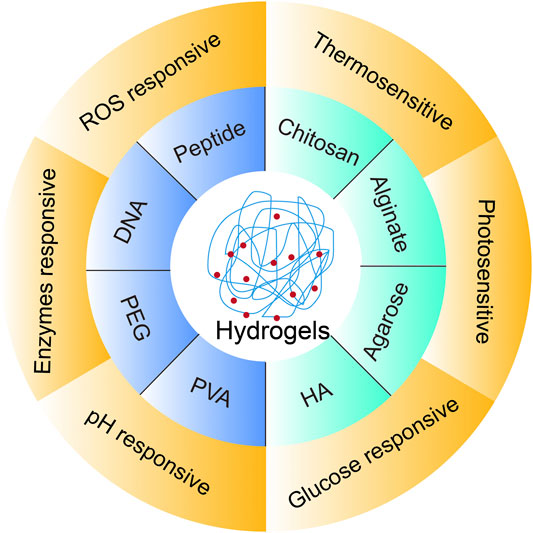
Recent developments in innovative gel-based drug delivery systems and their uses have been the authors’ main emphasis in this study. These new mechanisms have demonstrated effective delivery of certain medicinal moieties as well as desirable characteristics and abilities, such targeted selection, in recent times. In comparison with traditional drug delivery methods, the systems have several advantages, such as high drug loading, regulated drug release, biocompatibility and biodegradability, and improved patient compliance and comfort. Intelligent delivery systems, which react to stimuli like pH, temperature, enzymes, and so on, benefit greatly from the use of responsive gel technology. These mechanisms allow for the targeted release of medicinal compounds and are hence site-specific. While these systems have demonstrated their ability to transport drugs effectively, there is potential to investigate new polymers in order to create unique gels; as a result, the components that are now in use may be altered.
Additionally, new research has shown that the use of plant extracts in the creation of innovative delivery methods has made it possible to create a variety of non-toxic medication delivery methods. The use of natural chemicals in formulation offers the environment benefits of varying degrees. Green chemistry has developed over time to create more environmentally friendly processes with only slight negative effects on the environment. According to current research, green synthesized delivery methods outperform traditional systems in terms of outcomes. Green technology eliminates the need for common, dangerous chemicals. This method makes use of biocompatible and biological reagents instead. Furthermore, studies indicate that green technology distribution techniques are more stable than conventional ones. Green technology-created formulations using plant extracts and biomaterials, including proteins or peptides, produced extremely biocompatible and non-toxic systems, which addressed the most worrying problem with conventional delivery systems—toxicity. Green technology will be crucial in developing innovative delivery methods. We still need to learn more about how green technology is being developed for systems, though.
Conflict of Interest
We declare that we have no conflict of interest.
Acknowledgement
I appreciate that my mentor, Dr. Shendge R.S., recommended the subject. I also want to express my gratitude to the pharmacy department and all of my friends. Thanks to Principal Dr. Vipul Patel Sir for assistance and coordination.
References
-
Tadwee IK, Gore S, Giradkar P (2011) Advances in topical drug delivery system: a review. IJPRAS 1(1): 14-23.
-
Singh VK, Praveen KS, Sharma PK, Srivastava PK, Mishra A (2013) Formulation and evaluation of topical gel of acelofenac containing piperine. Indo American Journal of Pharmaceutical Research 3(7): 5266-5280.
-
Rathod HJ, Mehta DP (2015) A Review on Pharmaceutical Gel. Acta Scientifica International Journal of Pharmaceutical Science 1(1): 33-47.
-
Jain NK (2018) Pharmaceuticals product Development. 3rd(Edn.), CBS Publishers & Distributors Pvt. Ltd.
-
Murdan S (2005) Organogels in drug delivery. Expert Opin Drug Deliv 2(3): 489-505.
-
Vintiloui A, Leroux JC (2008) Orgnogels and their use in drug delivery: A reviw. J Control Release 125(3): 179- 192.
-
Harper D (1960) Online Etymology Dictionary.
-
Al-Khashab YEN, Al-Mulla HYMK, Hamadi SA, Al-Waiz MM (2010) Formulation and evaluation of ciprofloxacin as a topical gel. AJPS 8(2): 80-95.
-
Stanely S (2004) Transdermal drug delivery: PAST, PRESENT, FUTURE. Mol Interv 4(6): 308-312.
-
Girish C (2006) Transdermal drug delivery systems. A review.
-
Basha BN, Prakasam K, Goli D (2011) Formulation and evaluation of Gel containing Fluconazole-Antifungal Agent. International Journal of Drug Development & Research 3(4): 109-128.
-
Florence AT, Attwood D (1998) Physicochemical Principles of Pharmacy. Pharmaceutical Press, London, UK.
-
Cooper and Gunn (2000) Disperse systems. In: Carter SJ (Ed.), Tutorial Pharmacy. CBS Publishers and Distributors, pp: 68-72.
-
Sudhir B, Gupta GD, Sharma VK (2012) Topical Gel: A Novel approach for drug delivery. Journal of Chemical Biological and Physical Sciences 2(2): 856-866.
-
Loyd VA, Nicholas GP, Howard CA (2011) Ansel’s pharmaceutical dosage forms and drug delivery systems. 12th(Edn.), Lippincott Williams & Williams, Philadelphia.
-
Syeda AAUN, Muhammad AS, Sofia A, Nafeesa M, Iqbal A (2016) Pharmaceutical Gels: A Review. RADS JPPS 4(1): 40-48.
-
Suchithra AB, Jeganath S, Jeevitha E (2019) Pharmaceutical Gels and Recent Trends –A Review, Research J Pharm and Tech 12(12): 6181-6186.
-
Karande P, Mitragotri S (2009) Enhancement of transdermal drug delivery via synergistic action of chemicals. Biochemica et Biophysica Acta (BBA) Biomembranes 1788(11): 2362-2373.
-
Rakesh TK (2019) Basic fundamentals of drug delivery. Elsevier Inc.
-
Klein M, Poverenov E (2020) Natural biopolymer-based hydrogels for use in food and agriculture. J Sci Food Agric 100(6): 2337-2347.
-
Patil A, Ferritto MS (2013) Polymers for personal care and cosmetics: Overview. In: Patil A, et al. (Eds.), Polymers for Personal Care and Cosmetics. ACS Publications, Washington DC, USA, pp: 3-11.
-
Lochhead RY (2007) The Role of Polymers in Cosmetics: Recent Trends. ACS Publications, Washington, DC, USA.
-
Kulkarni Vishakha S, Butte Kishor D, Rathod SS (2012) Natural polymers–A comprehensive review. Int J Res Pharm Biomed Sci 3: 1597-1613.
-
Alonso-Sande M, Teijeiro-Osorio D, Remuñán-López C, Alonso MJ (2009) Glucomannan, a promising polysaccharide for biopharmaceutical purposes. Eur J Pharm Biopharm 72(2): 453-462.
-
Hamman JH (2008) Composition and applications of Aloe vera leaf gel. Molecules 13(8): 1599-1616.
-
Ahad HA, Kumar CS, Kumar AB, Amarnath RB, Chandra SA, et al. (2010) Development and in-vitro evaluation of Glibenclamide Aloe barbadensis Miller leaves mucilage controlled release matrix tablets. Int J Pharm Tech Res 2(2): 1018-1021.
-
Langer K, Balthasar S, Vogel V, Dinauer N, Briesen HV, et al. (2003) Optimization of the preparation process for human serum albumin (HSA) nanoparticles. Int J Pharm 257(1-2): 169-180.
-
Suhail M, Hsieh YH, Khan A, Minhas MU, Wu PC (2021) Preparation and In Vitro Evaluation of Aspartic/Alginic Acid Based Semi-Interpenetrating Network Hydrogels for Controlled Release of Ibuprofen. Gels 7(2): 68.
-
(1984) IUPAC-IUB Joint Commission on Biochemical Nomenclature. Nomenclature and Symbolism for Amino Acids and Peptides. Recommendations 1983. Eur J Biochem 138(1): 9-37.
-
Demchenko V, Rybalchenko N, Zahorodnia S, Naumenko K, Riabov S, et al. (2022) Preparation, Characterization, and Antimicrobial and Antiviral Properties of Silver- Containing Nanocomposites Based on Polylactic Acid– Chitosan. ACS Applied Bio Mater 5(6): 2576-2585.
-
Lev R, Long R, Mallonga L, Schnaram R, Reily W (1997) Evaluation of Carrageenan as Base for Topical Gels. Pharm Res 14: 42.
-
Kadajji VG, Betageri GV (2011) Water soluble polymers for pharmaceutical applications. Polymers 3(4): 1972- 2009.
-
Khalil HPSA, Tye YY, Saurabh CK, Leh CP, Lai TK, et al. (2017) Biodegradable polymer films from seaweed polysaccharides: A review on cellulose as a reinforcement material. Express Polym Lett 11(4): 244-265.
-
Dijk-Wolthuis VWNE, Hoogeboom JAM, Steenbergen VMJ, Tsang SKY, Hennink WE (1997) Degradation and release behavior of dextran-based hydrogels. Macromolecules 30(16): 4639-4645.
-
Jong SJD, Smedt SCD, Demeester J, Nostrum CFV, Kettenes- van DBJJ, et al. (2001) Biodegradable hydrogels based on stereocomplex formation between lactic acid oligomers grafted to dextran. J Control release 72(1-3): 47-56.
-
Jantrawut P, Ruksiriwanich W (2014) Carbopol®-guar gum gel as a vehicle for topical gel formulation of pectin beads loaded with rutin. Asian Journal of Pharmaceutical and Clinical Research 7(4): 231-236.
-
Hathout RM, Metwally AA (2019) Gelatin Nanoparticles. In: Weissig V (Ed.), Pharmaceutical Nanotechnology. Springer, pp: 71-78.
-
Cosgrove DJ (2005) Growth of the plant cell wall. Nat Rev Mol Cell Biol 6: 850-861.
-
Ying H, Zhou J, Wang M, Su D, Ma Q, et al. (2019) In-situ formed collagen-hyaluronic acid hydrogel as biomimetic dressing for promoting spontaneous wound healing. Mater Sci Eng C 101: 487-98.
-
Kwon MY, Wang C, Galaraaga JH, Pure E, Han L, et al. (2019) Influence of hyaluronic acid modification on CD44 binding towards the design of hydrogel biomaterials. Biomaterials 222: 119451.
- Sense, Gravity, Parity & Chirality in Mathematical Physics
- Quantum Lattice Simulations PHYSICS: Microcircuit Particle Formation and Observable Macroscopic Irreversible Time - A Discrete Lagrangian with Cellular Automata Framework
- Quantum Biology from Biomacromolecule to Cell, and Central Dogma Described by Quantum Theory
- Focus, Agility, Speed and Technology (FAST) for Sustainability and Growth
- Square Root Metric Geometry and Pati-Salam Model in Curved Space-Time
- A Simple System Demonstrating the Mpemba Effect in Classical Mechanics