
Control of Ectoparasitic Infestation by Vaccination-Alarming Note
Parasitic diseases cause severe economic losses in terms of reduced production, reduction in immunity levels and makes animals are more susceptible to other diseases.
Editorial
Parasitic diseases cause severe economic losses in terms of reduced production, reduction in immunity levels and makes animals are more susceptible to other diseases. Ectoparasitic infestation leads to severe irritation of the animals, discomfort, pyrexia, anaemia and transmits the different haemoprotozoan diseases. The main aim of the control of parasitic diseases is to increase the productivity and body weight of livestock. Most of the ectoparasites in a dairy cattle or buffaloes are controlled by the chemotherapeutic agents [1]. Indiscremative utilization and subtherapeutic dosage of the chemo therapeutic agents leads to the continuous development of the drug resistance in the parasites. Due to developed drug resistance organisms, the presence of drug residues in milk, meat and newly emerging pathogens causes severe economic losses to the farmers as well as for the national economy [2]. Due to the development of multidrug resistance ectoparasites in livestock there is a need of development of the vaccines against the ecto parasites. In the global market, different vaccines against bacteria and virus are available but vaccines against the ecto parasites are very low [3]. Vaccination is the most reliable method to control the parasitic infections as to well as improves the animal health and to prevent different vector born and zoonotic diseases [4]. Nature of the morphology and life cycle pattern of the external parasites leads to challenges in the vaccine development against the ectoparasites. Especially most of the ticks are large and spend their life cycle outside or on the surface of the host (Figures 1 and 2).
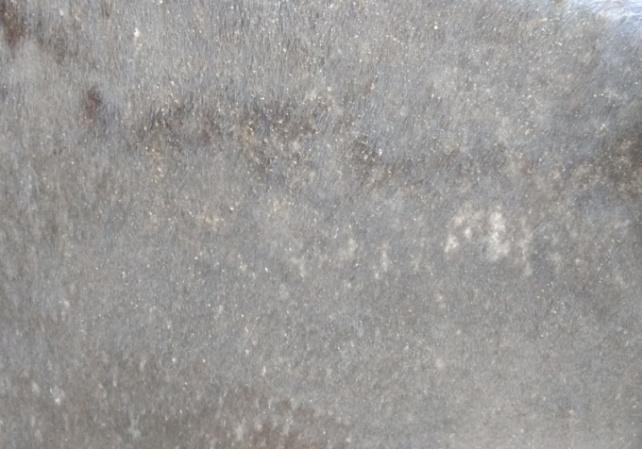
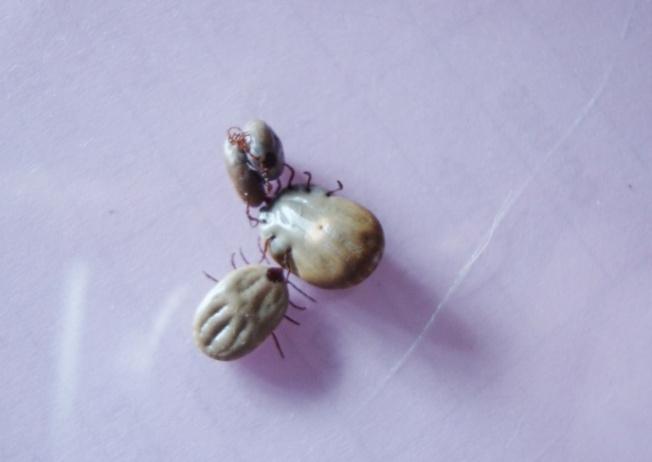
During the year 1994, in Australia, a recombinant vaccine was developed against Boophilus microplus. It was based on the Bm86 protein which was found on the surface of the tick gut wall. It stimulates the of high antibody levels in cattle against a tick gut membrane- bound proteins and acts over the ticks at the time bloodsucking nature by the ticks. Developed antibodies bind to the tick’s gut surface after a blood meal from a vaccinated cattle, causing the rupture of the gut wall which leads to the death of the ticks. By the repeated administration of the vaccination, immunity levels can be enhanced against the ticks [5, 6]. Further research studies are needed to find out the suitable vaccine against external parasites especially against ticks in Veterinary Science.
References
-
Reddy BS, Sivajothi S (2016) Clinical management of demodicosis in Ongole cattle. J Parasit Dis 40(4): 1311-1312.
-
Sivajothi S, Reddy BS (2016) Polypeptide profiles of diminazene aceturate resistant Trypanosoma evansi organisms isolated from a buffalo. J Veter Sci Med 4(1): 1-4.
-
Meeusen Els NT, Walker J, Peters A, Pastoret P, Jungersen G (2007) Current Status of Veterinary Vaccines. Clinical microbiology reviews 20(3): 489- 510.
-
Sutherland IA, Leathwick DM (2011) Anthelmintic resistance in nematode parasites of cattle: a global issue? Trends Parasitol 27(4): 176-181.
-
Willadsen P, Bird P, Cobon GS, Hungerford J (1995) Commercialization of a recombinant vaccine against Boophilus microplus. Parasitology 110: S43-S50.
-
Nuttall PA, Trimnell AR, Kazimirova M, Labuda M (2006) Exposed and concealed antigens as vaccine targets for controlling ticks and tick-borne diseases. Parasite Immunol 28(4): 155-163.
- hMPV: Is It Another Covid-19 Like Situation?
- Streptomyces: Sources of Novel Discoveries in Antibiotic Research to Combat Antimicrobial Resistance
- A Review of Mosquitoes (Diptera: Culicidae) and Their Biodiversity, Medical and Veterinary Importance
- Past and Current Immunotherapy in Cancer
- Hematological Cancer and Viral Infection
- The Growing Threat of Antimicrobial Resistance in India: Challenges and Solutions