
Stigmasterol in Health and Disease: A Review
Stigmasterol (STG) is steroid alcohol that belongs to the group of phytosterols of the plant. It has different biological properties and considered a popular medicinal compound throughout the world. STG has established and emerging health benefits including anti-inflammatory activity, immunomodulatory effect, antiviral, antimicrobial, antifungal activities, possess positive modulatory effect on CNS, anticancer effect, hepatoprotective, antioxidant, antidiabetic, acaricidal activities. STG also has some negative and toxic effects such as accumulation of STG causes cardiac injury thereby causing mortality. This review overall describes the structure, source, function, mode of action and various pharmacological properties so that it can serve as a reference tool for other investigators working in the area.
Introduction
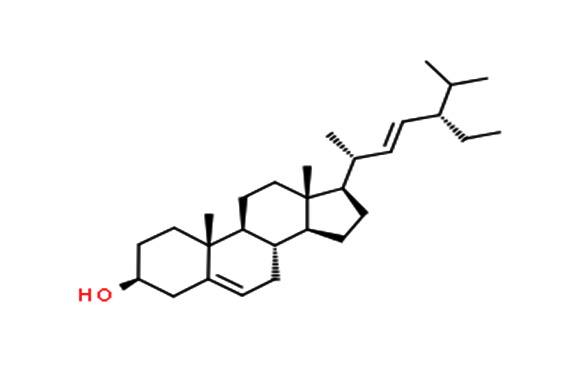
Steroid compounds are secondary metabolites, isolated from different plants and marine biota. Stigmasterol (STG) is one of the most essential steroid compounds that help in the metabolism of the body. STG was first discovered by the University of California physiologist Rosalind Wulzen (2015). It was found in many plants, like Sidaritis foetens, Butea monosperma in high concentrations, Parkia speciosa, and Calotropis gigantean, Edgeworthia gardneri, Kaur N, et al. [1], and in several foods like sunflower, spreads, and oils made from peanut, corn oil, and others [2]. The absorption of dietary cholesterol Batta AK, et al. [3] is reduced by STG and it has estrogenic effects [4]. STG, a phytosterol, and its chemical structure is almost similar to that of cholesterol but with some modifications. It is a 3 beta hydroxystigmastane that have double bonds at the 5,6- and 22,23-positions. It acts as a vitamin and a plant metabolite. STG is a 3-beta sterol, a 3 beta-hydroxy-Delta Kaur N, et al. [1], and a member of phytosterols (Figure 1).
This compound has a significant role in the synthesis of the hormones named progesterone, androgens, estrogens, and corticoids [1]. In addition, many studies have reported that the bioactivity of stigmasterol includes antidiabetic and it can inhibit the alpha-amylase enzyme [5, 6]. It also inhibits the growth of tumors i.e; the Human Umbilical Vein
Endothelial cell (HUVSC) Kangsamaksin T, et al., potential as a skin anticancer induced by DMBA [7, 8]. Therefore, this steroid derivative can be used as a potential drug in treatment of various diseases. However, there are no reports stating whether stigmasterol concentration fluctuates during the development and stress condition which alters cellular signaling.
Biological Properties of Stigmasterol
Stigmasterol (STG), a plant phytosterol, has become a vital compound due to its several pharmacological effects. Some of which are discussed below
Effect on Immune System
Anti-inflammatory activity of STG: Rheumatoid arthritis (RA), an autoimmune inflammatory disease increases cartilage and associated bone destruction with swelling and pain. Along with different factors i.e., TNF-α, IL-6, COX-2, etc, a transcription factor NF-kBp65 and p38 mitogen-activated protein kinase (p38MAPK) signaling module were established as a vital regulator of inflammation and downstream signaling events in RA [9, 10]. Stigmasterol (STG), a naturally occurring steroid alcohol was reported to have anti-inflammatory activities [11, 12]. Currently, its anti- osteoarthritic properties of STG were exhibited in rabbit [13]. However, the proper mechanism of anti-inflammatory effects has not been completely understood yet. The mechanism of anti-inflammatory effects of STG in RA treatment in Collagen- Induced-Arthritic (CIA) model, an experimental autoimmune model of human was reported by RA Brand DD, et al. [14] of arthritis was also studied. It was noticed that STG improves the clinical severity in CIA rats when compared to control. The improvements were related to histological alterations and reduced joint destruction. In addition, STG notably suppresses pro-inflammatory mediator’s expression (TNF-α, IL-6, IL-1β, iNOS, and COX-2) and increase the expression of anti-inflammatory cytokine (IL-10) through downregulating NF-kBp65 (inhibiting p-IKB-α activation) and p38MAPK in joints [15, 16]. Immunomodulatory Effect of STG: Asthma, chronic pulmonary disease, associated with airway hyperresponsiveness (AHR), airway obstruction, and inflammation. The pathophysiology of this airway disorder is characterized by submucosal fibrosis, severe inflammatory cell activation and accumulation, airway muscle hypertrophy, and production of excessive mucus that results in permanent airway remodeling [17]. Immunoglobulin E (IgE) antibodies are produced when cognate antigens sensitize patients on the first exposure in case of allergic asthma. These antibodies linger in the blood circulation or are attached to nasal mast cells or bronchial tissues and basophils. When they were re- exposed to the same antigen, cross-linking of bound IgE to surface receptors ensues [18]. In the early stage, this antigen- antibody reaction causes mast cells to release of cytokines such as the interleukins IL-4, IL-5, and IL-13, mediators (histamine, 5-hydroxytryptamine, prostaglandins), and the cysteinyl leukotrienes (LTB4, LTC4, and LTD4) [19]. It was also reported that these allergy mediators maintain the late or delayed phase of asthma Elias, et al. [20] and also activated leukocytes, eosinophils, basophils, and alveolar macrophages to secrete more of the ILs and LTs.
The potential benefits of stigmasterol (STG) in the treatment of asthma was reported by others where the immunomodulatory effect of ovalalbumin-induced asthma model of inflammation in guineapig was investigated and it was found to modulate positively. The effect of STG on inflammatory cell proliferation, oxidative stress, lung histopathology, and remodeling was also reported by other groups [21, 22]. Significant suppressive effects on ovalbumin- induced airway inflammatory damage were noted by the investigators. STG at 10–100 mg/kg, reduced proliferation of eosinophils, monocytes, lymphocytes, at the same time it decreased peribronchiolar, perivascular, and alveolar infiltration of inflammatory cells. It was also noted that STG preserved the histological architecture of the lungs and upturned collagen deposition which is a vital index of lung remodeling [23]. The ovalbumin provoked overexpression of serum vascular cell adhesion molecule-1 (VCAM-1) and ovalbumin-specific immunoglobulin E (OVA sIgE) thereby indicating that STG controlled the ovalalbumin challenge significantly. Altogether, it can be deduced that STG had significant anti-asthmatic properties and it suppressed the main pathways associated with allergen-induced asthma [24]. Antiviral activity of STG: Herpes simplex virus (HSV) has the ability to cause lifelong infections characterized by periods of latency followed by reactivation. The complications associated with HSV include hepatitis, keratitis, pneumonia, encephalitis, and esophagitis [25]. HSV vaccines, antiviral drugs such as acyclovir (ACV)
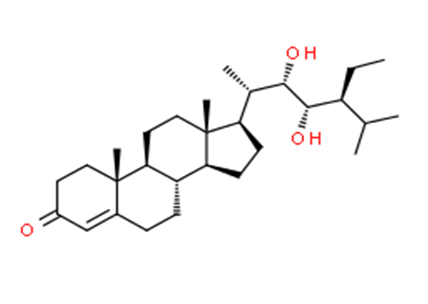
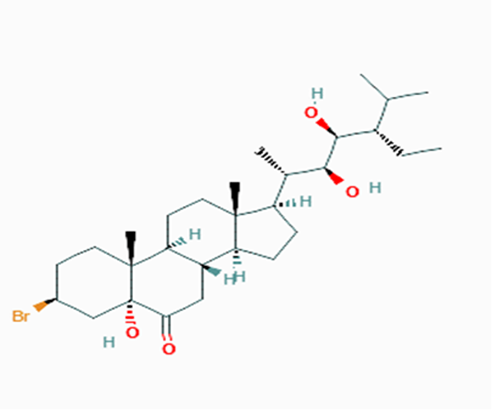
have assured a little success. Previously it was reported that polyfunctionalized stigmasterol (STG) derivatives, (22S,23S)-22,23-dihydroxystigmast-4-en-3-one (compound 1) and (22S,23S)-3𝛽-Bromo-5𝛼,22,23 trihydroxystigmastan- 6-one (compound 2) have antiviral activity Wachsman MB, et al. and Romanutti C, et al. [26, 27, 28] and inhibit herpes simplex virus type 1 (HSV-1) replication and prevents its spreading in human epithelial cells obtained from ocular tissues [29, 30]. Both the compounds decreased the incidence and severity of lesions in a murine model of herpetic stromal keratitis when administered in different treatment modalities [31]. In a study, the antiviral effect of both derivatives of STG on HSV-1 infected nervous cell lines was also reported [32]. In the three nervous cell lines both STG derivatives presented low cytotoxicity (Figures 2 & 3). In addition, both of the compounds prevented HSV-1 multiplication in all cases as well as virus propagation. Moreover, these compounds were found to have the ability to hamper interleukin-6 and Interferon-gamma secretion which was induced by HSV- 1 infection in Neuro-2a cells [30, 33]. The above stated compounds are interesting molecules as they have a dual antiviral and anti-inflammatory effect in HSV-1 infected nervous cell lines.
Antimicrobial activity of STG: In the past few years due to inappropriate use of antimicrobial agents, antimicrobial resistance (AMR) has become a global health issue [34, 35, 36]. Studies reported that natural products may continue to play an essential role in antimicrobial drug discovery. In recent years, isolation of stigmasterol (STG) and its characterization from the stem bark of N. macrophylla was reported [37]. The antimicrobial activity of STG which was isolated from the stem bark of N. macrophylla was investigated against representative gram-negative gram-positive bacteria and two fungi are also reported. STG was subjected to antimicrobial screening against methicillin-resistant Staphylococcus aureus (MRSA), vancomycin-resistant enterococci (VRE), S. aureus, Streptococcus faecalis, Escherichia coli, Salmonella typhimurium, Pseudomonas fluorescens, Klebsiella pneumonia, Candida albicans, and Candida krusei using agar diffusion and broth dilution methods. Results showed STG acts as an inhibitory compound, possess potent and broad spectrum antibacterial and antifungal properties and may be applied as a lead compound in the progress of novel antimicrobial drugs. Antifungal activity of STG: Some of the most toxigenic fungi worldwide are Aspergillus, Penicillium, and Fusarium species. These fungi generate a large association of mycotoxins and ochratoxins which are present in foodstuffs. Because they are heat resistant, they cannot be degraded by cooking or other common industrial processes [38]. Therefore, to find a solution against the toxigenic fungi researches extracted and quantified phytosterols, such as stigmasterol, sitosterol, and ergosterol from Bulbine natalensis by using some methods such as high-performance liquid chromatography and thin-layer chromatography. Bulbine natalensis Baker (Asphodelaceae) is generally used as a skin remedy. It is indigenous to only southern Africa and contains secondary metabolites having antibacterial properties. In a study, the extract was examined against Penicillium digitatum, Aspergillus flavus, and Fusarium verticilloides for antifungal activities. In a study, 1 ml of saponified extract contained 0.16 µg of stigmasterol, 0.07 µg of sitosterol, and 0.37 µg of ergosterol was used to find the efficacy as an anti-fungal agent and it was found that unsaponifiable, saponifiable, and crude extracts showed minimal activity against F. verticilloides, on the other hand, potent activity was exhibited against A. flavus. It could be noted through antifungal test that phytosterols have an antifungal potential. Thus, sterols such as stigmasterol and other phytosterols can be very useful and a potential source for arresting the growth and metabolic process of various pathogenic fungi [39].
Effect on CNS
Neurotrophic factors (NTF) play essential roles in the growth, survival, and maintenance of specific neuronal populations and their decrease is a major factor for neurodegenerative disorders [40, 41]. Therefore, NTFs are considered to be a promising candidates for slowing, stopping, or reversal of neurodegeneration [42, 43]. Stigmasterol (STG) is an important steroid derivative having a neuromodulatory role. It was stated that it activates glutamatergic neurotransmission and also inhibits the activity of acetylcholine esterase Khabazian I, et al. and Sultana N, et al. [44, 45] by crossing the blood-brain-barrier to accumulate in the brain. STG intake might be beneficial for ameliorating neurodegenerative diseases as it reduced amyloidogenic amyloid precursor protein levels in the mice brains [46, 47]. It induced differentiation of neuronal cells and upregulate NTFs, like, brain-derived neurotrophic factor and nerve growth factor and [48]. It was also suggested STG Suppressed scopolamine-induced memory impairment [49].
Anticancer Effect of STG
Skin cancer: Stigmasterol (STG), has anticarcinogenic activity which has not yet been fully explored. It was suggested by some investigators that cancer can be delayed by using chemopreventive agents such as STG [50]. It was investigated in a study that when mice were induced with skin cancer by 7, 12-dimethylbenz (a) anthracene (DMBA) and treated with oral administration of STG at a concentration of 200 mg/kg and 400 mg/kg 3 times per week for 16 weeks resulted in prevention of skin cancer [51]. The investigators noticed that tumor size reduced appreciably and there was a decrease in number of papillomas. The average latency period also increased significantly. There was a significant decrease in the serum activity enzymes, such as alkaline phosphatase, aspartate aminotransferase, alanine aminotransferase, and bilirubin upon administration with STG. On the other hand, STG increased glutathione, catalase, and superoxide dismutase as compared to control. It was further reported that STG inhibited lipid peroxide levels and DNA damage thereby suggesting chemopreventive role in an experimental model of skin cancer. Further the antigenotoxic properties were also reported by others [52]. Endometrial Cancer: Endometrial cancer is the main gynecological malignancy and mostly occurs in post- menopausal women [53]. It has increased in recent years especially in developing countries [54]. However, chemoresistance is a serious problem in endometrial cancer therapy [55]. Nrf2 is a molecule having multiple roles in cancer development including anti-apoptosis, chemoresistance, proliferation and it plays an important role in endometrial cancer development and chemoresistance activity [56]. It was reported that stigmasterol (STG) suppressed expression of Nrf2, HO1, and NQO1with a dose-dependent manner. It was also described that combinational therapy with cisplatin and STG treatment can inhibit the growth of endometrial cancer when compared to other drugs [57].
Hepatoprotective Activity of STG
In several studies, it was reported that phytosterol has apoptosis inductive effects in some carcinoma cell lines, like human prostate cancer cell (LNCaP), human breast cancer cell (MDA-MB-231), human colon cancer cell (HT-29) [50, 51, 52, 53, 54, 55, 56, 57, 58]. In a study, it was reported the ability of STG to induce apoptosis in a hepatocarcinoma cell line model. As it is evident that most of the cancer treatments except surgery inhibit cancer cells from further growing. Whereas induction of apoptosis in cancer cells eliminates those cancer cells Downie A, et al. [59] without causing any damage to normal cells. Therefore, it was considered as one of the phytoconstituents for cancer- preventive strategies. Experiments showed that STG isolated from Navicula incerta has the ability of induction of apoptosis in hepatocarcinoma (HepG2) cells. STG up-regulated the expression of pro-apoptotic gene expressions (p53, Bax), on the other hand it downregulated the anti-apoptotic genes (Bcl-2) expression. Along with the apoptotic inductive effect caspase-8 and caspase- 9 were activated using some methods such as, annexin V staining, Hoechst staining, and cell cycle analysis, DNA damage and increasing apoptotic cell numbers were also noticed. Those results proved that STG has an anti- cancer therapeutic potential against liver cancer [60].
Antioxidant Activity of STG
Clerodendrum inerme (L.) Gaertn. is a shrub that grows both in the wild and as a garden hedge in India and belongs to Family Verbenaceae. Leaves of this scrub are used in the treatment of chronic pyrexia, fever, cough, boils, and as an alternative, febrifuge, and even as a replacement for Swertia chirayita. The extract can stimulate uterine motility in rats and also inhibit intestinal motility [61]. Many hormones such as estrogens, progesterone, androgens, and corticoids are synthesized with the involvement of stigmasterol (STG). In an experiment, STG was isolated from chloroform leaf extract of Clerodendrum inerme by column chromatography and characterized by different studies like IR, 1H NMR, 13C NMR, and GCMS. In the study, the extracts and STG were investigated for their in vitro antioxidant activity for three different methods like DPPH radical, superoxide radical, and Hydroxyl radical scavenging assay. The ethanolic extract revealed in vitro antioxidant activity when compared to chloroform extract [62]. STG that was isolated from chloroform extract of Clerodendron inerme was found to have a significant antioxidant activity than both the other extracts.
Antidiabetic Activity of STG
The antidiabetic activity and potential mechanism of stigmasterol (STG), a phytosterol obtained from the edible soybean oil in vivo and in vitro. When STG was incorporated into the L6 cells, this phytosterol showed GLUT4
translocation activity by 1.44-fold. Significant effects on the enhancing glucose uptake were noticed in an experiment where L6 cells were treated with different concentrations of STG when administrated orally to the KK-Ay mice extensively alleviated their insulin resistance and oral glucose tolerance with reduced blood lipid indices such as triglyceride and cholesterol and also fasting blood glucose levels (Figure
4). Moreover, in L6 cells, white adipose tissue and skeletal muscle, the expression of GLUT4 had been also enhanced. It was also noticed that STG may have the potential favorable effects on the treatment of type-II diabetes mellitus with the probable mechanism in which GLUT4 glucose transporter is targeted, including GLUT4 translocation and hence it expression increased [5].
![Figure 4: Effect of Stigmasterol on KK-Ay Diabetic mice [5].](/fulltextimages/8994/fig_4.png)
Effect on Cardiovascular System
In previous studies, it was observed that cardiovascular disease is becomes the principal cause of death and accounts for over 15 million deaths worldwide in the year 2017 [63]. Cholesterol was identified as the primary reason for atherosclerosis and it is a key risk factor for cardiovascular disease. Though cholesterol level was controlled by the introduction of proprotein convertase subtilisin/Kexin type 9 inhibitors the morbidity and mortality rate due to cardiovascular disease remained very high. Therefore, the risk factors for cardiovascular disease were independent of cholesterol. Some authors reported that application of stigmasterol, β-sitosterol, campesterol results in phytosterolemia which is a disease characterized by elevated levels of dietary sterol stigmasterol (STG) in the blood [64, 65, 66, 67, 68, 69, 70]. In an experiment, it was noticed that accumulation of stigmasterol caused dysfunction of the ventricle, cardiac interstitial fibrosis, and macrophage infiltration without atherosclerosis, and thus increased mortality rate. Cardiac fibrogenesis was observed to be prevented by a pharmacological inhibitor of sterol absorption. Some investigation proposed that the pathological mechanism linking clinical sitosterolemia to cardiovascular outcomes primarily involves phytosterols induced cardiac fibrosis rather than cholesterol-driven atherosclerosis [64, 65, 66, 67, 68, 69, 70].
Synthesis of Female Sex Hormone-Progesterone
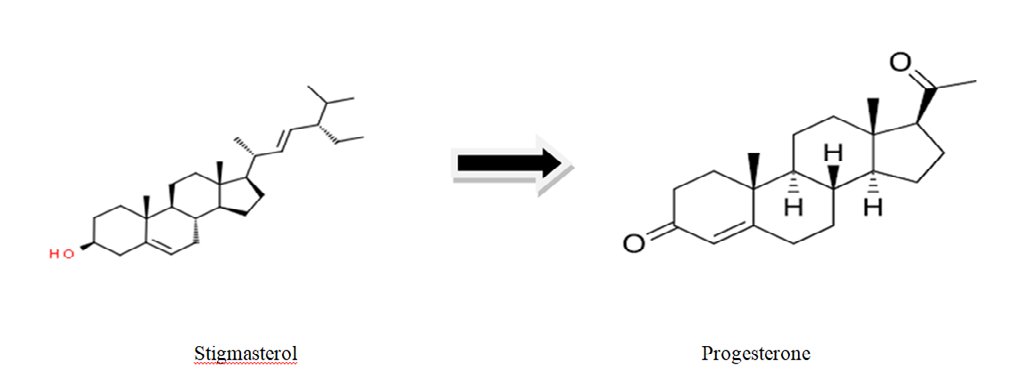
From stigmasterol (STG) production of progesterone takes place involving as the key step the high yield photooxygenation of the 20-aldehyde 5 to the 20-ketone, which is a significant manufacturing processes’ of the female sex hormone progesterone, which is also an important intermediate in the synthesis of corticosteroids that starts with STG. The final steps are involved the selective conversion of the aldehyde 3 to the 22-enamine 4 that is followed by the oxidation under a diversity of Conditions (ozonization, photooxidation) to progesterone (Figure 5).
Acaricidal Activity of STG
Botanical acaricides are gaining popularity as it has less toxicity, decompose easily and have less residue levels and maintains hormony within the ecosystem. On the other hand, during preventing and control of mites the chemical acaricides kill the natural enemies of mites and also damage other non-target organisms. By destroying/interrupting the ecological balance, it causes mite resurgence and chemical resistance Shi GL, et al. [71], and a vicious circle [72]. New acaricidal substance are immediately required. Tetranychus cinnabarinus, a carmine spider mite, of Tetranychidae family, is an economical pest worldwide that is harmful to vegetables, fruits, greenhouse plants, etc., [73, 75]. There are many plants, such as Kochia scoparia Shi GL, et al. [76], Stellera chamaejasme Shi GL, et al. [76] Juglans regia leaf Wang YN, et al. [77], etc., which contains substances with acaricidal activities have been reported by many domestic and international researches. Researches and mechanisms of action about the acaricidal activity of Inula britannica and stigmasterol are yet to be done. In a study, it was noticed that stigmasterol (STG) from the extract of petroleum ether of Inula britannica had better acaricidal activity when used with Tetranychus cinnabarinus. The mechanism of mite killing was discussed by determining the biological activity of STG against Tetranychus cinnabarinus. It was revealed in the results that STG mainly acts through the influence on different vital enzyme activity that are involved in the metabolic process to kill the mites, and it also had a major destructive effect on the ultrastructure of Tetranychus cinnabarinus cells. Finally, results of the study showed that stigmasterol isolated from Inula britannica are potentially new phytoconstituents for the development of potential botanical acaricides.
Insecticidal Properties of STG
In China the plant Eupatorium adenophorum was an invasive species which was harmful and fast-growing and destroys local ecology. Therefore, strong steps by the government were taken to control the harmful weed. Sesquiterpenoids isolated from this weed have reported to cause hepatotoxicity and also possess insect repellent and insecticidal activity [78, 79]. An experiment dealing with toxicity of STG against psoroptes cuniculi in vitro showed that STG was toxic under 0.5% concentration. It revealed that mite mortality was 16.67% within 12 h and 23.33% within 24 h. The insecticidal activity of stigmasterol was weaker when compared with that of ageraphorone compound obtained from E. adenophorum Spreng. Thus, the study confirmed the fact that STG has insecticidal activity and thorough research on the insecticidal molecular mechanism of STG was conducted since STG as nontoxic and pollution- free pesticides that can be introduced into the environment [80].
Conclusion
STG is a plant sterol and its various roles have been established through molecular understanding and advanced analytical approaches. The easy availability of STG in vegetable and plant foods has made them a favorite choice for cholesterol reduction and probable drug candidate. The various information suggested here showed that stigmasterol and its derivatives are essential compound and therefore more investigation are required for its modulatory role. Since it has an extensive natural occurrence in plants, it can be made available in diets for its potential health benefits, though cautious approach should be taken since it has some toxic effects and hence more pharmacological studies are required to evaluate the unexploited potential of this phytosterol. Consequently, the present review can serve as a reference tool for other workers working with stigmasterol.
References
-
Kaur N, Chaudhary J, Jain A, Kishore L (2011) Stigmasterol: a comprehensive review. Int Pharm Sci 2(9): 2259-2265.
-
Awad AB, Fink CS (2000) Phytosterols as anticancer dietary components: evidence and mechanism of action. J Nutr 130(9): 2127-2130.
-
Batta AK, Xu G, Honda A, Miyazaki T, Salen G (2006) Stigmasterol reduces plasma cholesterol levels and inhibits hepatic synthesis and intestinal absorption in the rat. Metabolism 55(3): 292-299.
-
Newill H, Loske R, Wagner J, Johannes C, Lorenz RL, et al. (2007) Oxidation products of stigmasterol interfere with the action of the female sex hormone 17β‐estradiol in cultured human breast and endometrium cell lines. Mol Nutr Food Res 51(7): 888-898.
-
Wang J, Huang M, Yang J, Ma X, Zheng S, et al. (2017) Anti-diabetic activity of stigmasterol from soybean oil by targeting the GLUT4 glucose transporter. Food Nutr Res 61(1): 1364117.
-
Kumar S, Kumar V, Prakash O (2013) Enzymes inhibition and antidiabetic effect of isolated constituents from Dillenia indica. Biomed Res Int 2013: 382063.
-
Kangsamaksin T, Chaithongyot S, Wootthichairangsan C, Hanchaina R, Tangshewinsirikul C, et al. (2017) Lupeol and stigmasterol suppress tumor angiogenesis and inhibit cholangiocarcinoma growth in mice via downregulation of tumor necrosis factor-α. PLoS One 12(12): e0189628.
-
Ali H, Dixit S, Ali D, Alqahtani SM, Alkahtani S, et al. (2015) Isolation and evaluation of anticancer efficacy of stigmasterol in a mouse model of DMBA-induced skin carcinoma. Drug Des Devel Ther 9: 2793-2800.
-
Mori T, Miyamoto T, Yoshida H, Asakawa M, Kawasumi M, et al. (2011) IL-1β and TNFα-initiated IL-6–STAT3 pathway is critical in mediating inflammatory cytokines and RANKL expression in inflammatory arthritis. Int Immunol 23(11): 701-712.
-
Okamoto K, Takayanagi H (2011) Regulation of bone by the adaptive immune system in arthritis. Arthritis Res Ther 13(3): 1-11.
-
Navarro A, Heras BDL, Villar A (2001) Anti-inflammatory and immunomodulating properties of a sterol fraction from Sideritis foetens Clem. Biol Pharm Bull 24(5): 470- 473.
-
Okoye FBC, Osadebe PO, Proksch P, Ebel RAE, Nworu CS, et al. (2010) Anti-inflammatory and membrane- stabilizing stigmastane steroids from Alchornea floribunda leaves. Planta Med 76(2): 172-177.
-
Chen WP, Yu C, Hu PF, Bao JP, Tang JL, et al. (2012) Stigmasterol blocks cartilage degradation in rabbit model of osteoarthritis. Acta Biochim Po 59(4): 537-541.
-
Brand DD, Latham KA, Rosloniec EF (2007) Collagen- induced arthritis. Nat Protoc 2(5): 1269-1275.
-
Brinckerhoff CE, Matrisian LM (2002) Matrix metalloproteinases: a tail of a frog that became a prince. Nat Rev Mol Cell Biol 3(3): 207-214.
-
Mengshol JA, Mix KS, Brinckerhoff CE (2002) Matrix metalloproteinases as therapeutic targets in arthritic diseases: Bull’s‐eye or missing the mark?. Arthritis Rheum 46(1): 13-20.
-
Maslan J, Mims JW (2014) What is asthma? Pathophysiology, demographics, and health care costs. Otolaryngol Clin North Am 47(1): 13-22.
-
Galli SJ, Wedemeyer J, Tsai M (2002) Analyzing the roles of mast cells and basophils in host defense and other biological responses. Int J Hematol 75(4): 363-369.
-
Gilfillan AM, Tkaczyk C (2006) Integrated signalling pathways for mast-cell activation. Nat Rev Immunol 6(3): 218-230.
-
Elias, Maurice J (2003) Academic and Social-Emotional Learning. Educational Practices Series.
-
Johnson LR, Kim EH, Pynn JSJ, Schulenberg SE, Balagaye H, et al. (2012) Ethnic Identity, Self-Efficacy, and Intercultural Attitudes in East African and U.S. Youth. J Adolesc Res 27(2): 256-289.
-
Ahmad A, Shameem M, Husain Q (2012) Relation of oxidant-antioxidant imbalance with disease progression in patients with asthma. Ann Thorac Med 7(4): 226-232.
-
Wynn TA (2015) Type 2 cytokines: mechanisms and therapeutic strategies. Nat Rev Immunol 15(5): 271-282.
-
Antwi AO, Obiri DD, Osafo N (2017) Stigmasterol modulates allergic airway inflammation in guinea pig model of ovalbumin-induced asthma. Mediators Inflamm 2017: 2953930.
-
Jiang X, Chentoufi AA, Hsiang C, Carpenter D,Osorio N, et al. (2011) The herpes simplex virus type 1 latency- associated transcript can protect neuron-derived C1300 and Neuro2A cells from granzyme B-induced apoptosis and CD8 T-cell killing. J Virol 85(5): 2325-2332.
-
Wachsman MB, Lopez EM, Ramirez JA, Galagovsky LR, Coto CE (2000) Antiviral effect of brassinosteroids against herpes virus and arenaviruses. Antivir Chem Chemother 11(1): 71-77.
-
Wachsman MB, Ramirez JA, Galagovsky LR, Coto CE (2002) Antiviral activity of brassinosteroids derivatives against measles virus in cell cultures. Antivir Chem Chemother 13(1): 61-66.
-
Romanutti C, Castilla V, Coto CE, Wachsman MB (2007) Antiviral effect of a synthetic brassinosteroid on the replication of vesicular stomatitis virus in Vero cellsInt. Int J Antimicrob Agents 29(3): 311-316.
-
Michelini FM, Ramirez JA, Berra A, Galagovsky LR, Alché LE (2004) In vitro and in vivo antiherpetic activity of three new synthetic brassinosteroid analogues. Steroids 69(11-12): 713-720.
-
Michelini FM, Berra A, Alche LE (2008) The in vitro immunomodulatory activity of a synthetic brassinosteroid analogue would account for the improvement of herpetic stromal keratitis in mice. J Steroid Biochem Mol Biol 108(1-2): 164-170.
-
Ramirez JA, Michelini FM, Galagovsky LR, Berra A, Alche LE (2013) United States Patent: 8,431,554. United States Patent and Trademark Office USA; pp: 1-19.
-
Wachsman MB, Castilla V, Talarico LB, Ramirez JA, Galagovsky LR, et al. (2004) Antiherpetic mode of action of (22S, 23S)-3β-bromo-5α, 22,23-trihydroxystigmastan- 6-one in vitro. Int J Antimicrob Agents 23(5): 524-526.
-
Michelini FM, Zorrilla P, Robello C, Alche LE (2013) Immunomodulatory activity of an anti-HSV-1 synthetic stigmastane analog. Bioorg Med Chem 21(2): 560-568.
-
Dryden M (2017) Reactive oxygen therapy: a novel therapy in soft tissue infection. Curr Opin Infect Dis 30(2): 143-149.
-
Laxminarayan R, Sridhar D, Blaser M, Wang M, Woolhouse M (2016) Achieving global targets for antimicrobial resistance. Sci 353(6302): 874-875.
-
World Health Organization (2002) Use of antimicrobials outside human medicine and resultant antimicrobial resistance in humans.
-
Yusuf AJ, Abdullahi MI, Haruna AK, Idris AY, Musa AM (2015) Isolation and Characterization of Stigmasterol and Bis-(5, 7-diacetyl-catechin-4’-α-rhamnopyranoside) from the Stem bark of Neocarya macrophylla (Sabine) Prance (Chrysobalanaceae). Nig J Basic Appl Sci 23(1): 15-22.
-
Sharma S, Pradhan K, Satya S, Vasudevan P (2005) Potentiality of earthworms for waste management and in other uses. A review. J Am Sci 1(1): 4-16.
-
Mbambo B, Odhav B, Mohanlall V (2012) Antifungal activity of stigmasterol, sitosterol and ergosterol from Bulbine natalensis Baker (Asphodelaceae). J Med Plants Res 6(38): 5135-5141.
-
Compagnone NA, Mellon SH (2000) Neurosteroids: biosynthesis and function of these novel neuromodulators. Front Neuroendocrinol 21(1): 1-56.
-
Mellon SH, Griffin LD (2002) Neurosteroids: biochemistry and clinical significance. Trends Endocrinol Metab 13(1): 35-43.
-
Hegarty SV, O’Keeffe GW, Sullivan AM (2014) Neurotrophic factors: from neurodevelopmental regulators to novel therapies for Parkinson’s disease. Neural Regen Res 9(19): 1708-1711.
-
Sullivan AM, O’Keeffe GW (2016) Neurotrophic factor therapy for Parkinson’s disease: past, present and future. Neural Regen Res 11(2): 205-207.
-
Khabazian I, Bains JS, Williams DE, Cheung J, Wilson JMB, et al. (2002) Isolation of various forms of sterol β‐d‐ glucoside from the seed of Cycas circinalis: neurotoxicity and implications for ALS‐parkinsonism dementia complex. J Neurochem 82(3): 516-528.
-
Sultana N, Khalid A (2010) Phytochemical and enzyme inhibitory studies on indigenous medicinal plant Rhazya stricta. Nat Prod Res 24(4): 305-314.
-
Burg VK, Grimm HS, Rothhaar TL, Grösgen S, Hundsdörfer B, et al. (2013) Plant sterols the better cholesterol in Alzheimer’s disease? A mechanistical study. J Neurosci Res 33(41): 16072-16087.
-
Vanmierlo T, Weingartner O, Pol SVD, Husche C, Kerksiek A, et al. (2012) Dietary intake of plant sterols stably increases plant sterol levels in the murine brain. J Lipid Res 53(4): 726-735.
-
Venkatesan J, Bhatnagar I, Manivasagan P, Kang KH, Kim SK (2015) Alginate composites for bone tissue engineering: a review. Int J Biol Macromol 72: 269-281.
-
Park HS, Bayram O, Braus GH, Kim SC, Yu JH (2012) Characterization of the velvet regulators in A spergillus fumigatus. Mol. Microbiol 86(4): 937-953.
-
Sharma P, Parmar J, Verma P, Sharma P, Goyal PK (2009) Anti-tumor activity of Phyllanthus niruri (a medicinal plant) on chemical-induced skin carcinogenesis in mice. Asian Pac J Cancer Prev 10(6): 1089-1094.
-
Roslida AH, Fezah O, Yeong LT (2011) Suppression of DMBA/croton oil-induced mouse skin tumor promotion by Ardisia crispa root hexane extract. Asian Pac J Cancer Prev 12(3): 665-669.
-
Ekins S, Williams AJ, Krasowski MD, Freundlich JS (2011) In silico repositioning of approved drugs for rare and neglected diseases. Drug Discov Today 16(7-8): 298- 310.
-
Satyaswaroop PG, Clarke CL, Zaino RJ, Mortel R (1992) Apparent resistance in human endometrial carcinoma during combination treatment with tamoxifen and progestin may result from desensitization following downregulation of tumor progesterone receptor. Cancer Lett 62(2): 107- 114.
-
Zivanovic O, Carter J, Kauff ND, Barakat RR (2009) A review of the challenges faced in the conservative treatment of young women with endometrial carcinoma and risk of ovarian cancer. Gynecol Oncol 115(3): 504- 509.
-
Chaudhry P, Asselin E (2009) Resistance to chemotherapy and hormone therapy in endometrial cancer. Endocrine- Related Cancer 16(2): 363-380.
-
Cho JM, Manandhar S, Lee HR, Park HM, Kwak MK (2008) Role of the Nrf2-antioxidant system in cytotoxicity mediated by anticancer cisplatin: implication to cancer cell resistance. Cancer Lett 260(1-2): 96-108.
-
Liao H, Zhu D, Bai M, Chen H, Yan S, et al. (2020) Stigmasterol sensitizes endometrial cancer cells to chemotherapy by repressing Nrf2 signal pathway. Cancer Cell Int 20: 480.
-
Holtz RLV, Fink CS, Awad AB (1998) β‐sitosterol activates the sphingomyelin cycle and induces apoptosis in LNCaP human prostate cancer cells. Nutr Cancer 32(1): 8-12.
-
Downie A, Fink CS, Awad AB (1999) Effect of phytosterols on MDA-MB-231 human breast cancer cell growth. FASEB J 13(4): A540-A540.
-
Hetz CA, Torres V, Quest AF (2005) Beyond apoptosis: nonapoptotic cell death in physiology and disease. Biochem Cell Biol 83(5): 579-588.
-
Husain A, Virmani OP (1992) Dictionary of Indian medicinal plants. Publisher Central Institute of Medicinal and Aromatic Plants. Central Institute of Medicinal and Aromatic Plants.
-
Shanthakumar B, Sathish M, Suresh AJ (2013) In vitro antioxidant activity of extracts and stigmasterol from leaves of Clerodendrum inerme Linn. Res J Pharm Biol Chem Sci 4(4): 1411-1418.
-
Benjamin EJ, Blaha MJ, Chiuve SE, Cushman M, Das SR, et al. (2017) Heart disease and stroke statistics-2017 update: a report from the American Heart Association. Circulation 135(10): e146-e603.
-
Sudhop T, Bergmann KV (2004) Sitosterolemia-a rare disease. Are elevated plant sterols an additional risk factor?. Z Kardiol 93(12): 921-928.
-
Salen G, Horak I, Rothkopf M, Cohen JL, Speck J, et al. (1985) Lethal atherosclerosis associated with abnormal plasma and tissue sterol composition in sitosterolemia with xanthomatosis. J Lipid Res 26(9): 1126-1133.
-
Koeijvoets KC, Net JBVD, Thie GMD, Steyerberg EW, Mensink RP, et al. (2009) ABCG8 gene polymorphisms, plasma cholesterol concentrations, and risk of cardiovascular disease in familial hypercholesterolemia. Atherosclerosis 204(2): 453-458.
-
Bhattacharyya AK, Connor WE (1974) β-Sitosterolemia and xanthomatosis: a newly described lipid storage disease in two sisters. J Clin Invest 53(4): 1033-1043.
-
Morganroth J, Levy RI, McMahon AE, Gotto Jr AM (1974) Pseudohomozygous type II hyperlipoproteinemia. J Pediatr 85(5): 639-643.
-
Belamarich PF, Deckelbaum RJ, Starc TJ, Dobrin BE, Tint GS, et al. (1990) Response to diet and cholestyramine in a patient with sitosterolemia. Pediatrics 86(6): 977-981.
-
Oh N, Park JH (2014) Endocytosis and exocytosis of nanoparticles in mammalian cells. Int J Nanomed 9(1): 51-63.
-
Shi GL, Liu SQ, Cao H, Zhao LL, Li J, et al. (2004) Acaricidal activities of extracts of Stellera chamaejasme against Tetranychus viennensis (Acari: Tetranychidae). J Econ Entomol 97(6): 1912-1916.
-
Hui H, Lilin Z, Guanglu S, Zhaohui L (2004) Studies on the acaricidic activity of the extracts of Kochia scoparia. Plant Prot Sci 30(3): 42-45.
-
Hazan A, Gerson U, Tahori AS (1974) Spider mite webbing. I. The production of webbing under various environmental conditions. Acarologia 16(1): 68-84.
-
Ho CC, Lo KC, Chen WH (1997) Spider mites (Acari: Tetranychidae) on various crops in Taiwan. Biochem Cell Biol 46(4): 333-346.
-
Wang XJ, Sun Z, Villeneuve NF, Zhang S, Zhao F, et al. (2008) Nrf2 enhances resistance of cancer cells to chemotherapeutic drugs, the dark side of Nrf2. Carcinogenesis 29(6): 1235-1243.
-
Shi GL, Zhao LL, Liu SQ, Cao H, Clarke SR, et al. (2006) Acaricidal activities of extracts of Kochia scoparia against Tetranychus urticae, Tetranychus cinnabarinus, and Tetranychus viennensis (Acari: Tetranychidae). J Econ Entomol 99(3): 858-863.
-
Wang YN, Shi GL, Zhao LL, Liu SQ, Yu TQ, et al. (2007) Acaricidal activity of Juglans regia leaf extracts on Tetranychus viennensis and Tetranychus cinnabarinus (Acari: Tetranychidae). J Econ Entomol 100(4): 1298- 1303.
-
Bharwaj R, Singh A, Sharma OP, Daura RK, Kurade NP, et al. (2001) Hepatotoxicity and cholestasis in rat induced by the sesquiterpene, 9-oxo-10, 11-dehydroageraphorone, isolated from Eupatorium adenophorum. J.Biochem Mol Toxicol 15(5): 279-286.
-
Li K, Lin W, Wu LJ, Qi Q, Shen GL, et al. (2015) Effect of intravenous arginine on the healing of human skin graft donor sites: A randomized controlled trial. Bangladesh J Pharmacol 10(4): 739-744.
-
Nong X, Yang YJ, Yang GY, Chen FZ, Tang M, et al. (2017) Toxicity of stigmasterol isolated from crofton weed, Eupatorium adenophorum Spreng. against a rabbit ear mite, psoroptes cuniculi. Pak J Zool 49(4): 1197-1200.
- Potential Medicinal Herbs and Secondary Metabolites in Combating Corona Virus
- Monkeypox and its Clinical Implications in Pregnancy
- Pharmacognostical Analysis of the Leaves of Important Nervine Medicinal Plant: Strychnos Nux-Vomica L
- Assessment of Antibacterial Activity of Various Solvent Extracts of Dictyota Dichotoma Against Multidrug Resistant Bacterial Strain
- An Insights of Bioactive Elements on Malignancy: Mechanistic Avenues
- Advances and Future Directions in Pharmacognosy and Chinese Medicine