
Plant Diversity, Regeneration Dynamics, and Socio-Ecological Impacts at the Forest-Savanna Transition Zone, Cameroon
The rich repository of natural resources in tropical zones of Africa places environmental conservation at a critical crossroads with development goals. Effectively reconciling biodiversity preservation with sustainable development, particularly within the scope of major infrastructure projects, is imperative. This study focused on establishing an ecological baseline of plant diversity and natural regeneration patterns across the sensitive forest-savanna transition zone in Cameroon, using the environmental monitoring framework of the Chad-Cameroon pipeline adaptation project within the Lom Pangar Dam area as a case study. A multi-resource survey methodology was employed for baseline data collection integrating quantitative floristic surveys and regeneration assessments with socio-economic and ethnobotanical appraisals (N=300). Field techniques included line transect methods for broad floristic analysis of over 215 plant species and animals across surveyed areas, established quadrats for detailed assessment of natural regeneration dynamics, and ethnobotanical/social participatory appraisals to document the socio-economic importance of local flora with the Ecotone displaying high species overlap, confirming its role as a biodiversity "crossroads." The results confirmed the presence of significant ecological sensitivities and severe ecological failure within the pipeline’s Right of-Way (ROW). Findings include a high diversity of Non-Timber Forest Products (NTFPs), alongside various other ecologically and socio-economically important plant and fauna species. The regeneration success ratio for key timber species (Piptadeniastrum africanum) plummeted by 73% (from 0.45 in intact forest to 0.12 in the disturbed ROW), signifying a critical break in the species’ life cycle. The detailed regeneration data underscores the fragility and dynamic nature of this ecotone. The regenerating layer in these disturbed areas was numerically dominated by fast-growing pioneer species (Musanga spp.), comprising up to 45% of the recruits, which arrests natural succession at an early, low-value stage. This ecological failure translates directly into livelihood vulnerability: the significantly lower regeneration of economically important NTFP species (χ2=18.3,p
Nforbelie LN¹*, Sonké B² and Fongod AG³
Introduction
Predicting the impacts of global change on species distribution, vegetation structure, and biogeochemical cycling has been a central tenet of ecological science in recent decades. Despite significant methodological advances, reliably forecasting how various global change drivers will collectively alter ecosystem function and distribution across temporal and spatial scales remains a formidable and unresolved challenge. Vegetation transitions, or ecotones, are border regions of transition between communities, ecosystems or biomes, reflecting both local and regional changes in abiotic conditions [1]. They are expected to be especially sensitive to global change, since relatively minor shifts in environmental drivers (e.g. climate, soils or herbivory) can translate into dramatic changes in their ecosystem structure and composition. With increasing human-caused disturbances and landscape fragmentation, ecotones will become even more common and important to the dynamics of the ecosystems on either side of the transition, redefining their boundaries and influencing their structure and function [2]. The planet’s terrestrial biodiversity is disproportionately concentrated within tropical regions where C4 grasses predominate, which is simultaneously the epicentre of 60% of terrestrial productivity [3]. Hence, the transitions between the savanna and the rainforest biomes are of particular importance.
The transition zones are being acted on by multiple drivers of contemporary anthropogenic change, including changes in intense anthropogenic development pressure characterized by continues clearance for farming and monoculture forest plantation, unsustainable selective logging, over hunting, and increasingly climate change (rainfall regimes, length of dry season, rising temperatures, rising atmospheric CO2), changes in fire regime (increases in some areas, decreases in others), changes in herbivory (often a decline in wild herbivores, but an increase in domesticates), an influx of invasive species, extraction of fuelwood and direct land clearance [3, 4, 5]. According to Neba and Ngeh [6], civil engineering projects often present adverse socio-economic impacts on their immediate environments and if current trends continue, the tropical forests of the Anthropocene will be much smaller, simpler, steeper and emptier than they are today. But the time to act is now, while the opportunity remains to protect a semblance of intact, hyper diverse tropical forests through land tenure, better-enforced environmental laws, the wide-scale rollout of payments for ecosystem service schemes, sustainable intensification, reduced consumerism, and population growth are needed to limit these issues.
The bulk of African forests occurs in Central and Southern Africa, with Cameroon being home to abundant natural resources, including dense rainforests covering more than 40% of the national territory. Cameroon is frequently described as a microcosm of Tropical Africa, encompassing all major ecological zones from the equatorial rainforests to the northern savannas, supporting over 8,000 plant species [7]. This ecological richness places environmental conservation at a critical crossroads with national development efforts, which are often prioritized to achieve economic growth and overall well-being of the population like those outlined in the nation’s Vision 2035 roadmap and Cameroon National Development Strategy (CNDS) [6, 8]. The forest-savanna ecotone, a complex and dynamic interface separating two of the world’s most productive terrestrial ecosystems, represents a particularly vulnerable yet ecologically vital landscape in Cameroon [9, 10]. The location and nature of this transition are governed by a delicate interplay of macro- scale factors (water availability and climate) and micro- scale drivers (fire regimes, herbivory, and soil properties) [9, 11]. Ecologically, these zones are recognized as crucial evolutionary crossroads, exhibiting unique phylogenetic diversity, despite sometimes being considered floristically impoverished compared to the core biomes they separate. Regions with high phylogenetic diversity, given the number of both forest and savanna species, were centred around the Dahomey Gap and Cameroon, mainly in transition zones. Overall, our study shows that even if floristically impoverished, transition zones hold unexpectedly high evolutionary diversity [12].
Structurally, they are characterized by the co-occurrence of distinct plant communities whose boundaries are increasingly influenced by human land-use change [10, 13], severe pressure due to timber and (NTFPs) harvesting, agricultural production, massive infrastructure projects such as a linear infrastructure, roads, dams, and energy corridors are essential for economic growth but often result in extensive environmental degradation, vegetation destruction and biodiversity loss through habitat fragmentation, deforestation, and soil disturbance [8, 14]. These have necessitated a constant monitoring, environmental and social impact assessment (ESIA) (EIA) to be carried out in order to identify impacts and propose mitigation measures [6]. The Chad-Cameroon pipeline project, a prime example of mega- infrastructure cutting across diverse ecosystems, has been subject to extensive scrutiny regarding its socio-economic impacts and its potential for ecosystem harm along its right- of-way (ROW) [15, 16]. A fundamental measure of ecosystem resilience following disturbance is its capacity for natural regeneration [17]. Understanding the successional pathways and recruitment potential of native flora is essential for designing effective post-construction ecological restoration. Furthermore, local communities in Cameroon rely heavily on NTFPs for subsistence, income, and cultural purposes, making the floristic composition of the pipeline corridor and project related footprint directly linked to social safeguards and livelihood security [18, 19].
While studies have addressed the project’s macro- level socio-economic effects and the need for high-level mitigation, detailed quantitative ecological baselines, particularly concerning the vulnerability of a specific plant life-forms and the ecosystem’s capacity for recovery, remain critically underexplored in this sensitive transition zone [8, 16]. Much of the existing research on large African biomes is conducted at the continental scale, often focusing on the core forest or savanna [10, 11]. The focus of environmental controversies surrounding the Chad-Cameroon pipeline and the Lom Pangar dam often focuses on macro-levels deforestation, revenue management and socioeconomic displacement [15, 16] and established only the importance of NTFPs in Central Africa without formally integrating ethnobotanical and social participatory appraisals with quantitative floristic surveys within the explicit framework of a major infrastructural project’s mitigation strategy [18, 19]. This research, however, adds to the previous study by providing detailed, stand-level assessment of the floristic shift between forest and savanna, quantitative data on post- construction ecological parameters, specifically the success and limitations of natural regeneration of woody species along the pipeline’s Right-of-Way (ROW), which is crucial for determining long-term ecological outcomes while ensuring that conservation efforts not only protect biodiversity but also, the specific plant resources vital to local subsistence.
This study aims to provide the necessary ecological data by assessing the floristic composition, diversity, and natural regeneration patterns within the forest-savanna transition zone affected by the Chad-Cameroon pipeline in the Lom Pangar area. Specifically, this study attempt to conduct a detailed floristic inventory to quantify the diversity, abundance, and species composition of vascular plants across the different vegetation mosaics within the Chad-Cameroon pipeline corridor, establishes the ecological significance of the project area through baseline surveys, assess the impact of the proposed project on flora, fauna, and socio- cultural resources and propose science-based mitigation and restoration measures grounded in the observed ecological sensitivities and regeneration capacity to promote sustainable land management within the project’s zone of influence. By achieving these objectives, the study will contribute to bridging the theoretical gap in tropical ecology by providing data for an African forest-savanna ecotone, which is an area that has been poorly characterized compared to core forest or savanna biomes. Empirically, this study will provide evidence of the ecosystem’s resilience and post-disturbance recovery potential, which is vital for modelling the long-term effects of infrastructure development and climate change. Moreover, the study will provide crucial information for safeguarding local livelihoods through the identification and mapping the location of available NTFPs. This links conservation directly to human well-being, informing management plans that integrate both ecological and community needs. The quantitative baseline data and proposed mitigation measures provide essential, actionable information and strategies for the operators of the Chad-Cameroon pipeline and future infrastructure projects in Central Africa and for minimizing biodiversity loss, thereby strengthening the quality of ESIA and supporting the implementation of environmental laws.
Materials and Methods
Study Area and Periods
This study was carried out in Lom Pangar in Deng Deng village, Belabo Subdivision, Lom and Djerem Division, East Region of Cameroon. It is a watershed located in Cameroon in major part precisely within the East and Adamaoua regions with a small part in the Central African Republic, a country that borders Cameroon in its eastern part. That geographical location gives Lom Pangar the characteristic of transboundary river basin of surface area 19700 km2. The Lom River runs throughout Central Africa Republic for about 5 km around before reaching the Cameroonian territory. The study area is located between latitudes 4o10′′00N and 7o11′′00N and longitudes 13°30′′00E and 15o02′′00E Figure 1.
In the tropical region like Deng characterized by a sub- equatorial climate with four seasons, semi-deciduous forest, and Savanna vegetation, temperature range from 20oC to 30oC throughout the year, while the average annual rainfall amounts to about 2,921, with the wettest month typically seeing around 212mm of rainfall. The geology consists of deeply weathered ferritic soils, and the relief is characterized by gentle rolling terrain.
Since 2016, a hydropower reservoir has been constructed at the outlet of Lom Pangar River basin in the forestry part of East Cameroon. The population and the environment are trapped in a brutally changing lifestyle with this construction, together with the Deng Deng National Park. The Lom Pangar hydropower dam for instance is located at about 350 km to the Northeast of Yaoundé, the capital city of the country and precisely at around 120 km from the capital city of the East region, Bertoua. The site of the Dam in the Lom River is 5 km downstream from the confluence of Lom and Pangar rivers, and around 13 km to the East of the confluence of the rivers Lom and Djerem. The geographical location of the Dam is: latitude N 05o 25′′, longitude E 13o 30′′ and has for main purposes, the regulation of the Sanaga river to increase the power generation of two hydropower plants located downstream during the dry season and the generation of 30
MW of power onsite, for the eastern grid of Cameroon. It has a 50-meters height and a 610 km2 size with a storage capacity of six billion m3. Unfortunately, these dynamic changes have significantly altered the local ecosystem, displacing communities, affecting traditional hunting and fishing practices, distortion of the agricultural calendar forcing farmers to adapt to new climatic conditions, a reduction in territory, overhunting and illegal exploitation, flooding of the surrounding rivers which affects flora and fauna across different zones. The study was conducted within the Forest- Savanna Transition Zone of Cameroon, focusing specifically on the zone of influence (Right-of-Way) of the Chad-Cameroon pipeline project corridor which was constructed in 2003 and sections adapted in 2016 to accommodate the dam project. This area is characterized by a mosaic of semi-deciduous forest patches, wooded savannas, and ecotonal landscapes, representing a biologically sensitive interface subject to significant development pressure. Field data collection was carried out in February 2020. The selection of specific communities and sites within the corridor were determined by their proximity and accessibility to the pipeline route and their known reliance on forest resources and NTFPs.
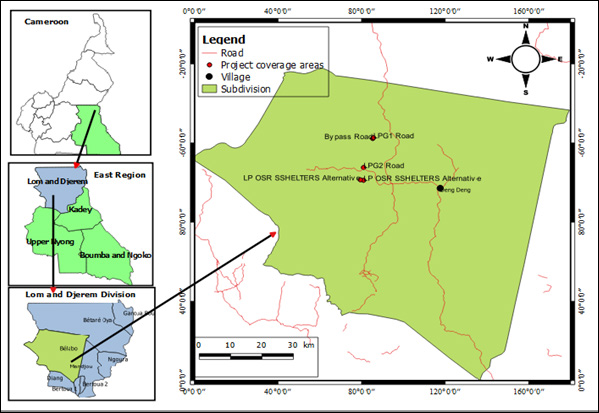
Research Design
This study adopted a convergent parallel mixed-methods research design. This approach was necessary to achieve a holistic understanding of the complex socio-ecological system by concurrently collecting and analyzing: (1) Quantitative Ecological Data (on plant diversity and regeneration); (2) Quantitative Socio-Economic Data (on resource reliance patterns); and (3) Qualitative Ethnobotanical Data (on community knowledge and perceptions). The findings from all three data streams were integrated during the interpretation phase to provide a robust, triangulated analysis of ecological sensitivity, human-environment interactions, and the effectiveness of conservation measures. Quantitative Field Sampling and Data Collection Ecological and Floristic Survey (Objectives 1 and 2): To fulfill the primary ecological objectives of assessing diversity and regeneration, multiple lines transect were established perpendicular to the pipeline corridor to capture the transition gradients across forest, ecotone, and savanna plant communities. Along these transects, all woody individuals (diameter at breast height, DBH ≥10 cm) were identified, measured, and recorded to quantify floristic diversity, density, and vegetation structure. Within each transect, multiple quadrats (10 m×10 m or smaller nested plots) were systematically established. These plots were used for the detailed census of natural regeneration, including seedlings (height <1 m) and saplings (DBH <10 cm), to assess the recruitment success and regeneration potential of dominant and sensitive species.
Socio-Economic and Ethnobotanical Survey (Objective 3): A structured questionnaire was administered to a total of 300 community members (aged 18 years and above) who were permanent residents in selected communities along the pipeline’s zone of influence. A stratified random sampling method was used to ensure representativeness, with strata defined by distinct communities or geographical segments along the pipeline corridor. This ensured the capture of variations in resource availability, reliance patterns, and exposure to challenges. Within each stratum, households were selected using a simple random sampling technique. The sample size for the socio-economic survey was calculated using Cochran’s sample size formula (Barlett et al. 2001) for the required sampled size (n0):
n0=d2t2s2 Where: t = z-value for selected alpha level (0.10, or 90% confidence level) s = estimate of standard deviation (1.65) d = acceptable margin of error (0.03) The finite sample population size (n) was then calculated from the total population (N) using the formula: n=n0/(1+(n0 /N)). This calculation guided the proportional allocation of questionnaires based on the population size of each sampled community. For instance, in a community with a population of 2,000, 156 questionnaires were administered.
Qualitative Data Collection and Triangulation
Qualitative data was collected to complement and triangulate the quantitative findings, particularly concerning the socio-economic reliance on NTFPs and the mechanisms of local resource governance. A total of 8-10 in-depth interviews were conducted with a diverse range of stakeholders whose expertise was critical to the study’s objectives. These included local chiefs, elderly community members knowledgeable in ethnobotany and local history, environmental agency representatives, agricultural extension workers, and local NTFP collectors.
A total of six FGDs were organized across the sampled communities, designed to complement information on knowledge, beliefs, attitudes, and perceptions. Participants were grouped considering factors such as gender, age group, and occupation (farming, fishing, NTFP collection).
A trained facilitator guided the discussions, supported by a note-taker and non-verbal behavioral observer.
Field observations were systematically conducted to record visual evidence related to land use, signs of ecological disturbance (erosion, invasive species along the pipeline ROW), and resource extraction activities. A GPS camera was used to collect geographic data on major sampling points and culturally valued sites (NTFP harvest zones) for mapping purposes. A comprehensive desktop review synthesized existing information from peer-reviewed literature, government reports, and national statistics were explored to provide contextual and baseline data.
Data Analysis and Presentations
Both quantitative and qualitative analysis methods were employed. For quantitative data analysis, data from the ecological surveys and structured questionnaires were coded and entered into the Statistical Package for the Social Sciences (SPSS) software (Version 23.0). Descriptive Statistics (frequencies, percentages, means and standard deviations) were generated using Microsoft Excel (Version 23.0) and SPSS to profile respondents, describe floristic composition, and quantify reliance patterns. Inferential Statistics, including Chi-square tests and Pearson correlation, were employed to formally test hypotheses and examine relationships between variables (correlation between distance from the pipeline and NTFP diversity; relationship between land use type and regeneration success).
For qualitative data analysis, audio recordings from interviews and FGDs were transcribed verbatim. The qualitative data was analyzed using a thematic analysis approach, involving familiarization, initial coding, searching for themes, reviewing themes, defining and naming themes, and producing the report. This identified recurring patterns, perceptions, challenges, and nuanced perspectives on resource use and mitigation efforts. Results were presented using a combination of tables, figures, maps, and narrative descriptions, supported by direct quotes from interviews and FGDs to illustrate key themes.
Ethical Considerations
Prior to commencing data collection, ethical approval was obtained from the University of Yaoundé 1 Ethic Committee for Research within the Plant Biology Department. All participants were provided with comprehensive information about the study’s purpose, objectives, and methods, and informed consent was obtained either verbally or in writing before any data collection began. Participants were assured of their voluntary participation and their right to withdraw at any time.
Results and Discussions
Floristic Diversity and Vegetation Structure
Overall Diversity and Composition: The ecological survey along the pipeline corridor identified a total of 215 plant species belonging to 58 families and 149 genera. The most dominant families, both in terms of species richness and abundance, were Fabaceae (35 species, 16.3% of total flora), Euphorbiaceae (18 species), and Malvaceae (12 species). The overall Shannon-Weiner Diversity Index (H′) was 3.58, indicating moderately high species heterogeneity across the sampled communities Table 1.
| Vegetation Type | Total Species Richness | Density (Trees ≥10 cm DBH/ha) | Shannon-Weiner Index (H′) | Dominant Species |
|---|---|---|---|---|
| Forest Patch | 128 | 495±52 | 3.89 | Terminalia superba, Piptadeniastrum africanum |
| Ecotone/Transition | 165 | 310±41 | 3.71 | Albizia zygia, Daniellia ogea |
| Savanna | 76 | 185±29 | 3.15 | Crossopteryx febrifuga, Vitellaria paradoxa |
Table 1: Overall Diversity and Composition across Different Zones. Source: Fieldwork, 2020 Stratification Across the Ecotone: Div
| Vegetation Type | Total Species Richness | Density (Trees ≥10 cm DBH/ha) | Shannon-Weiner Index (H′) | Dominant Species |
|---|---|---|---|---|
| Forest Patch | 128 | 495±52 | 3.89 | Terminalia superba, Piptadeniastrum africanum |
| Ecotone/Transition | 165 | 310±41 | 3.71 | Albizia zygia, Daniellia ogea |
| Savanna | 76 | 185±29 | 3.15 | Crossopteryx febrifuga, Vitellaria paradoxa |
Table 2: Stratification across the ecotone. Source: Fieldwork, 2020
As seen on Table 2, the Ecotone/Transition zone exhibited the highest species richness (H′=3.71) compared to the core Forest Patches (H′=3.89), primarily due to the co- occurrence and overlap of fire-tolerant savanna species and shade-tolerant forest species, corroborating the expected “crossroads” phenomenon. Conversely, the Savanna patches displayed the lowest diversity (H′=3.15) but contained a unique suite of pyrophytic and drought-resistant flora. The Ecotone/Transition zone acts as a mixing bowl, or an evolutionary and dispersal overlap zone, where the floras of two major biomes intermingle. Shade-tolerant, zoochorous (animal-dispersed) species that depend on higher humidity and canopy closure for establishment (Terminalia superba juveniles) persist as remnants or successful recruits in the more sheltered niches. Fire-tolerant, pyrophytic, and drought- resistant species that thrive in open conditions (Vitellaria paradoxa, Crossopteryx febrifuga). Furthermore, the fragile balance maintaining this co-occurrence is highly susceptible to change; clearing the ROW can instantly eliminate the shade necessary for forest species to survive in the ecotone, leading to localized extinction of the forest guild and a shift toward savanna dominance. The Savanna environment is inherently harsher, characterized by intense dry seasons, nutrient-poor soils, and high-frequency disturbances (fire and draught). This severe environmental filter excludes most forest species, limiting the overall richness to a highly specialized set of flora. The NTFPs found here (Shea butter from Vitellaria paradoxa) are often resilient, providing a more stable, albeit limited, resource base for communities during periods of ecological stress.
Natural Regeneration Dynamics
Regeneration Density and Success: The analysis of regeneration density shows that plant recruitment follows a distinct ecological gradient across the study area. Specifically, the high mean density of 1,520±180 individuals per hectare observed in the core Forest Patches indicates a healthy, multi-storied ecosystem where conditions like shade, moisture, and rich leaf litter are optimal for continuous seed germination and seedling survival, thus signifying a stable, late-successional community Table 3. In contrast, the much lower density of 580±95 individuals per hectare in the open Savanna Patches is attributed to a severe environmental filter, where intense drought, high light, and frequent fires impose a significant bottleneck on seedling establishment, limiting the population to only the most specialized, fire- tolerant individuals. The most crucial finding, however, lies in the regeneration success ratio—,the density of recruits relative to the parent population—,which quantifies the localized impact of the pipeline corridor. In the relatively undisturbed Forest Patches, the success ratio for key timber species like Piptadeniastrum africanum stands at a robust 0.45, indicating a healthy capacity for long-term population stability and self-replacement.
| Vegetation Zone | Mean Regeneration Density (Individuals/ha) | Key Factor Influencing Density |
|---|---|---|
| Forest Patches | 1,520±180 | Favourable Microclimate (Shade, Moisture) |
| Savanna Patches | 580±95 | Environmental Stress (Drought, Fire) |
Table 3: Mean Regeneration Density across Vegetation Zones. Source: Fieldwork, 2020 This stability is fundamentally compromised i
Table 3: Mean Regeneration Density across Vegetation Zones. Source: Fieldwork, 2020 This stability is fundamentally compromised in the Ecotone Right-of-Way (ROW), where the success ratio plummets to a mere 0.12. This dramatic 73% reduction in successful recruitment signifies a profound ecological recruitment failure that the system is currently unable to reverse through natural means. This failure is driven by several compounding mechanisms: physical obstruction and soil compaction resulting from construction mechanically destroy existing regeneration and severely inhibit new root penetration; the loss of canopy creates a sudden microclimate shock—,characterized by increased temperature and decreased humidity—,which is lethal to shade-dependent forest seedlings; , and the newly exposed ground facilitates rapid competition from opportunistic pioneer species, which ultimately stalls the natural successional process toward the original community structure. Consequently, for a slow-growing, high-value species like P. africanum, a ratio of 0.12 implies that the current mature population has an insufficient juvenile base established. Without immediate, active restoration, this failure translates directly into a time- delayed local extirpation as the existing adult trees senesce and dies off, demonstrating a clear and concerning break in the species’ life cycle within the infrastructure corridor.
Species Composition of Regeneration: The analysis of the regenerating plant community reveals a profound imbalance in species representation, which underscores the disruptive nature of the pipeline construction and portends long- term negative consequences for ecosystem function and economic value. The regeneration cohort in disturbed areas, specifically the Ecotone Right-of-Way (ROW), is numerically dominated by fast-growing, pioneer species such as Musanga cecropioides (Umbrella tree) and Macaranga spp. These species constituted up to 45% of all recorded seedlings in these disturbed plots. This pattern suggests that the ecosystem has been reset to an early stage of secondary succession, where the priority is to quickly cover the exposed soil. Pioneer species are characterized by high growth rates, light-demanding nature, wind-dispersal, and short lifespans. Their dominance indicates that the environmental conditions in the ROW—namely, high light exposure, bare soil, and rapid nutrient turnover—have filtered out the original, slow-growing forest species. This is a typical post- disturbance signal, where the system’s initial recovery phase prioritizes biomass accumulation and structural recovery over the restoration of original species diversity.
While the rapid growth of pioneers provides essential ecosystem services (stabilizing soil, shading the ground, and creating microhabitats), their short-term dominance shows that natural succession is currently arrested at a ruderal stage by recurrent disturbance. These pioneers are acting as a temporary “nursing canopy” rather than being the final, desired component of the forest structure. The most critical ecological and economic implication is the critically low regeneration of climax and high-value timber species, alongside a significant reduction in economically important NTFP species. This finding demonstrates that natural recovery is failing to restore the fundamental economic and ecological value of the stand structure attributable to the sustained disturbance of the pipeline corridor initially in 2003 and then in 2016 during the adaptation and dam project and followed by regular clearance of a reduced maintenance footprint.
The statistically significant lower regeneration of NTFP species in the ROW compared to intact areas (Chi-square test, χ2=18.3,p<0.001) confirms that the infrastructure project has not only reduced current harvests but has also compromised the future supply of vital community resources. This loss represents a long-term economic burden on local communities, as the absence of NTFP seedlings today translates to a lack of harvestable resources for the next generation. The original climax species (those that define the mature forest’s ecological status, such as deep-rooted trees providing long-term carbon storage and complex habitat structure) are being outcompeted or are failing to establish due to the changed microclimate. This implies that the recovered ecosystem will be floristically impoverished and functionally simplified for decades. The structure of the recovered forest will be less dense, less diverse, and provide fewer ecosystem services associated with a mature forest.
Ecological Sensitivity and Socio-Economic Reliance (Objective 3)
NTFP Abundance and Distribution: The survey revealed no permanent settlements in the study area, but temporary settlements of pastoralists and camps of hunters and fishermen were identified. The ethnobotanical survey, supported by field inventory, identified diverse plant species actively harvested as NTFPs. The most frequently cited and economically important NTFPs were: Irvingia gabonensis (Bush Mango), Ricinodendron heudelotii (Njansang) and Gnetum africanum (Eru/Okok). Others include Xylopia aethiopica, Canarium schweimfurthii Tetrapleura tetraptera, Erythrophleum suaveolens and Voacanga africana, were frequently observed. Hunting and subsistence fishing were also practiced in the area. The botanical survey identified three main habitat types: typical forest, swamp/seasonally inundated forests, and savanna. A total of 101 tree species were recorded, with no species listed as threatened by the IUCN Table 4. The natural regeneration quadrats revealed high diversity indices in the forest areas, but poorer diversity in the forest-savanna transition areas.
| Species (Scientific Name) | Primary Habitat Type | IUCN Red List Category |
|---|---|---|
| Forest Species (101 species) | ||
| Afzelia africana | Forest | LC |
| Albizia adianthifolia | Forest | LC |
| Albizia glaberrima | Forest | LC |
| Alstonia boonei | Forest | LC |
| Annona senegalensis | Forest | LC |
| Antidesma venosum | Forest | LC |
| Antrocaryon klaineanum | Forest | LC |
| Astonia boonei | Forest | LC |
| Balanites wilsoniana | Forest | LC |
| Barteria fistulosa | Forest | LC |
| Barteria sp. | Forest | LC |
| Blighia welwitschii | Forest | LC |
| Bombax brevicuspes | Forest | LC |
| Bridelia micrantha | Forest | LC |
| Calycosiphonia spathicalyx | Forest | LC |
| Campilospermum | Forest | LC |
| Canarium schweinfurthii | Forest | LC |
| Ceiba pentandra | Forest | LC |
| Celtis philippensis | Forest | LC |
| Celtis zenkeri | Forest | LC |
| Chlamydocola chlamydantha | Forest | LC |
| Cleistopholis patens | Forest | LC |
| Cola cordifolia | Forest | LC |
| Cylicodiscus gabunensis | Forest | LC |
| Desplatsia dewevrei | Forest | LC |
| Detarium macrocarpum | Forest | LC |
| Duboscia macrocarpa | Forest | LC |
| Duguetia staudtii | Forest | LC |
| Entandrophragma cylindricum | Forest | LC |
| Eribroma oblongum | Forest | LC |
| Erythrophleum suaveolens | Forest | LC |
| Fernandoa adolfi-friderici | Forest | LC |
| Ficus sp. | Forest | LC |
| Ficus mucuso | Forest | LC |
| Ficus trichopoda | Forest | LC |
| Funtumia elastica | Forest | LC |
| Gambeya lacourtiana | Forest | LC |
| Gardenia vogelii | Forest | LC |
| Harungana madagascariensis | Forest | LC |
| Hylodendron gabunense | Forest | LC |
| Hymenocardia lyrata | Forest | LC |
| Irvingia gabonensis | Forest | LC |
| Irvingia grandifolia | Forest | LC |
| Klainedoxa gabonensis | Forest | LC |
| Lacosperma spp. | Forest | LC |
| Landolphia heudelotii | Forest | LC |
| Lecaniodiscus cupanioides | Forest | LC |
| Leea guineensis | Forest | LC |
| Leptactina involucrate | Forest | LC |
| Lindackeria dentate | Forest | LC |
| Macaranga spinose | Forest | LC |
| Maesopsis eminii | Forest | LC |
| Mallotus oppositifolius | Forest | LC |
| Margaritaria discoidea | Forest | LC |
| Markhamia lutea | Forest | LC |
| Massularia acuminate | Forest | LC |
| Microdesmis puberula | Forest | LC |
| Milicia excels | Forest | LC |
| Mostuea brunonis | Forest | LC |
| Musanga cecropioides | Forest | LC |
| Myrianthus arboreus | Forest | LC |
| Oncoba glauca | Forest | LC |
| Ongokea gore | Forest | LC |
| Oxyanthus speciosus | Forest | LC |
| Oxyanthus unilocularis | Forest | LC |
| Palisota ambigua | Forest | LC |
| Paullinia pinnata | Forest | LC |
| Penianthus longifolius | Forest | LC |
| Pentaclethra macrophylla | Forest | LC |
| Petersianthus macrocarpus | Forest | LC |
| Phyllanthus muellerianus | Forest | LC |
| Piptadeniastrum africanum | Forest | LC |
| Polyalthia suaveolens | Forest | LC |
| Psychotria peduncularis | Forest | LC |
| Pterygota bequaertii | Forest | LC |
| Pycnanthus angolensis | Forest | LC |
| Ricinodendron heudelotii | Forest | LC |
| Rothmannia whitfieldii | Forest | LC |
| Sapium ellipticum | Forest | LC |
| Sherbournia bignoniiflora | Forest | LC |
| Sorindeia grandifolia | Forest | LC |
| Staudtia kamerunensis | Forest | LC |
| Sterculia rhinopetala | Forest | LC |
| Sterculia tragacantha | Forest | LC |
| Strombosia grandifolia | Forest | LC |
| Syzygium guineense | Forest | LC |
| Tabernaemontana crassa | Forest | LC |
| Tabernaemontana penduliflora | Forest | LC |
| Terminalia superba | Forest | LC |
| Tetrapleura tetraptera | Forest | LC |
| Tetrorchidium didymostemon | Forest | LC |
| Tricalysia pangolina | Forest | LC |
| Trichilia rubescens | Forest | LC |
| Trichilia welwitschii | Forest | LC |
| Trilepisium madagascariense | Forest | LC |
| Triplochiton scleroxylon | Forest | LC |
| Vitex grandifolia | Forest | LC |
| Xylopia aethiopica | Forest | LC |
| Xylopia parviflora | Forest | LC |
| Zanthoxylum gilletii | Forest | LC |
| Savanna Species (17 species) | ||
| Acacia sp. | Savanna | LC |
| Albizia zygia | Savanna | LC |
| Bridelia ferruginea | Savanna | LC |
| Crossopteryx febrifuga | Savanna | LC |
| Hymenocardia acida | Savanna | LC |
| Markhamia tomentosa | Savanna | LC |
| Maytenus senegalensis | Savanna | LC |
| Parkia bicolor | Savanna | LC |
| Piliostigma thonningii | Savanna | LC |
| Sarcocephalus latifolius | Savanna | LC |
| Schefflera sp. | Savanna | LC |
| Terminalia albida | Savanna | LC |
| Terminalia macroptera | Savanna | LC |
| Terminalia roka | Savanna | LC |
| Vernonia sp. | Savanna | LC |
| Vitex sp. | Savanna | LC |
| Vitex doniana | Savanna | LC |
| Ecotone/Mixed Habitat Species (8 species) | ||
| Chromolaena odorata | Forest/Savanna | LC |
| Didymosalpinx abbeokutae | Forest/Savanna Ecotone | LC |
| Olax subscorpioidea | Forest/Savanna Ecotone | LC |
| Gallery/Swamp Forest Species (4 species) | Forest/Savanna Ecotone | |
| Morelia senegalensis | Forest Gallery | LC |
| Pandanus sp. | Forest Gallery | LC |
| Uapaca aciuminata | Swamp Forest | LC |
| Uapaca paludosa | Swamp Forest | LC |
Table 4: Floristic Composition and Conservation Status of Recorded Plant Species. Source: Fieldwork, 2020 Table 3 presents the li
Table 4: Floristic Composition and Conservation Status of Recorded Plant Species. Source: Fieldwork, 2020 Table 3 presents the list of all woody plant species identified during the field survey, categorized by their primary habitat affiliation to illustrate the floristic makeup of the forest-savanna transition zone The universal Least Concern (LC) status also indicates that while these species are not globally threatened with extinction, their local abundance, distribution, and functional role within the pipeline corridor are highly threatened.
Key Fauna Species Encountered and Associated Risks The fauna survey identified various species of ecological importance, including mammals, birds, reptiles, and invertebrates categorized by their conservation risk level and the primary threats they face, demonstrating the pipeline corridor’s role as a major source of ecological pressure on animal populations Table 4a.
| Species (Scientific Name) | Common Name (Inferred) | Observed Risk Level | Primary Threats Encountered |
|---|---|---|---|
| Gorilla gorilla gorilla | Western Lowland Gorilla | High | Poaching, Road Accidents |
| Loxodonta africana | African Elephant | High | Poaching, Road Accidents |
| Manis gigantean | Giant Ground Pangolin | High | Poaching, Road Accidents |
| Potamocherus porcus | Red River Hog | High | Poaching, Road Accidents |
| Tragelaphus spekei | Sitatunga (Aquatic Antelope) | High | Poaching, Road Accidents |
| Cephalophus spp. (Dorsalis, Silvicul- tor, Monticola, etc.) | Duikers (Multiple Species) | High | Poaching, Road Accidents |
| Kobus ellipsiprymnus | Waterbuck | High | Poaching, Road Accidents |
| Vivera civetta | African Civet | High | Poaching, Road Accidents |
| Genetta tigrina | Spotted Genet | High | Poaching, Road Accidents |
| Atilax paludinosus | Marsh Mongoose | High | Poaching, Road Accidents |
| Felis sylvestris | Wild Cat | High | Poaching, Road Accidents |
| Papio cynocephalus | Yellow Baboon | High | Poaching, Road Accidents |
| Cercopithecus spp. (Cephus, Nictitans) | Guenons (Monkeys) | High | Poaching, Road Accidents |
| Pan troglodytes | Chimpanzee | High | Poaching, Road Accidents |
| Tryonomis Swinderianus | Greater Cane Rat (Cutting Grass) | Medium | Poaching, Road Accidents |
| Dendrohyrax arboreus | Tree Hyrax | Medium | Road Accidents |
| Heliosciurus spp. | Sun Squirrels | Low | Road Accidents |
| Cricetomys spp. | Giant Pouched Rats | Low | Road Accidents |
| Corytheola cristata | Crested Turaco (Bird) | Low | Poaching for Feeders |
Table 4(a): Key Fauna Species Encountered and Associated Risks. Source: Fieldwork, 2025 As seen on Table 4, the presence of “High Risk” species— particularly the African Elephant (Loxodonta africana), Western Lowland Gorilla (Gorilla gorilla gorilla), and Giant Ground Pangolin (Manis gigantea)—confirms the high conservation value of the area. The corridor, therefore, cuts across critical habitats used by globally significant and protected megafauna. The inclusion of multiple species of Duikers and Monkeys highlights the high biomass and diversity of both arboreal and terrestrial mammal’s characteristic of the forest-savanna ecotone. The identified threats directly relate to the presence of the pipeline and associated infrastructure, and the associated fragmentation of the landscape is linked to increased accessibility. The pipeline’s maintenance ROW acts as an easy access route for hunters, particularly for target species such as duikers, Red River Hogs, the valuable Pangolin and Gorilla. The high number of species listed under this threat underscores the need for enhanced anti-poaching patrols along the corridor. This threat is directly related to habitat fragmentation and increased traffic. The pipeline maintenance roads and the linear clearing forces animals to cross an open area, exposing them to vehicle collision, particularly medium-to-low risk species like rats and squirrels, which have shorter flight distances. The high frequency of this threat indicates that the ROW is functioning as an ecological trap for moving fauna.
The inclusion of the Crested Turaco (Corytheola cristata) highlights the diversity of threats, where even a bird species is targeted for specific human uses (“poaching for feeders”), demonstrating the broad impact of human activities on wildlife resources in the area. The distribution of mature, harvestable NTFP species was significantly lower (Pearson r=−0.68,p<0.01) in communities that were in direct proximity to the permanent pipeline ROW than in communities further away. Qualitative interviews confirmed that the pipeline construction and other infrastructure development like the dam led to the direct loss of key NTFP source trees and increased pressure on remaining, accessible patches.
Tables 5 and 6 provide crucial quantitative metrics for assessing the ecological impact of the disturbance, specifically by comparing the post-disturbance Regeneration plots (within the Ecotone Right-of-Way, ROW) to the Control plots (adjacent, intact forest/ecotone).
| Plot type | Shannon Diversity Index (H′) | Pielou’s Equitability Index (J′) | Interpretation |
|---|---|---|---|
| Regeneration (Disturbed) | 2.8 | 0.7 | Lower diversity and species evenness; dominated by a few species. |
| Control (Intact) | 3.2 | 0.75 | Higher diversity and species evenness; healthier community structure. |
Table 6: Diversity and Equitability Indices. Source: Fieldwork, 2020
As seen in Table 5, based on the Shannon Diversity Index (H′), the Control plots exhibit a higher diversity index (H′=3.2) than the Regeneration plots (H′=2.8). The Shannon index measures both species richness (the number of different species) and species evenness (how equally abundant each species is). The lower value in the Regeneration plots confirms that the disturbance—the pipeline corridor clearing—has negatively impacted the overall complexity of the plant community. However, based on Pielou’s Equitability Index (J′), The Control plots have a higher equitability index (J′=0.75) compared to the Regeneration plots (J′=0.7). Hence, Equitability (or Evenness) measures how uniform the abundance of species is. A value closer to 1.0 indicates that all species are present in roughly equal numbers. The lower J′ in the Regeneration plots further supports the observation that the community structure is unbalanced. The disturbance has favored the rapid proliferation of a few pioneer species at the expense of others, leading to a less equitable distribution of individuals among species. This confirms that the ecosystem is in a state of stress and early secondary succession.
| Similarity Index | Value | Interpretation |
|---|---|---|
| Jaccard Similarity (Cj) | 0.65 | 65% of the unique species found across both plots are shared. |
| Sorensen Similarity (Cs) | 0.79 | 79% of the species occurrences (or proportional species richness) are shared between the two communities. |
Table 7: Jaccard and Sorensen similarity indices for regeneration and control plots. Source: Fieldwork, 2020 Based on the Jaccard
Table 6: Jaccard and Sorensen similarity indices for regeneration and control plots. Source: Fieldwork, 2020 Based on the Jaccard Similarity Index (Cj), result noted that the Jaccard index value is 0.65 (or 65%). This index only considers the presence or absence of species. A value of 0.65 suggests a relatively high degree of shared species identity between the disturbed (Regeneration) and intact (Control) plots. This high value indicates that the Regeneration plots still contain a large proportion of the same species found in the original forest/ecotone community, meaning the disturbance has not yet caused massive, widespread local extinction of species identity.
Based in the Sorensen Similarity Index (Cs) on Table 6, the Sorensen index value is 0.79 (or 79%). This is often considered more sensitive than Jaccard because it gives more weight to shared species. The slightly higher Csvalue suggests that the most abundant species in the two plots are largely the same. While the similarity indices are relatively high (65−79%), indicating that the species pool is intact, the diversity indices (H′ and J′) clearly show that the relative abundance (or quantity) of individuals within those species has changed dramatically.
Community Reliance and Socio-Economic Implications: The socio-economic survey on the respondents provided statistical evidence of the communities’ reliance patterns as presented in Table 7.
| NTFP Category | % of Households Relying on Product | Mean Contribution to Household Income |
|---|---|---|
| Food (Fruits, Vegetables) | 91.30% | 25% |
| Medicinal Plants | 85.70% | 0% (Subsistence only) |
| Fuelwood/Charcoal | 98.10% | 12% |
Table 8: Community Reliance and Socio-Economic Implications. Source: Fieldwork 2020 Table 7 provides compelling statistical evide
Table 7: Community Reliance and Socio-Economic Implications. Source: Fieldwork 2020 Table 7 provides compelling statistical evidence of the high and multifaceted dependence of the communities on NTFPs, demonstrating their critical role in both daily subsistence and economic stability. Fuelwood/Charcoal is the single most essential resource, with 98.10% of households relying on it. This percentage underscores the absolute dependence on forest resources for basic energy needs (cooking, heating), confirming that the forest is the primary energy source in the study area. This category provides the second largest financial contribution at 12%. Although fuelwood is slightly more relied upon, the Food (Fruits, Vegetables) category contributes the largest share to household income, accounting for 25% of the average household’s total earnings. These points to the importance of selling surplus wild fruits and vegetables (bush mango, leafy greens) as key income-generating activities and a safety net for local economies. Reliance on Food (Fruits, Vegetables) is also near-universal at 91.30%, highlighting the fundamental importance of wild harvests for dietary diversity and direct food security. Medicinal Plants show a very high reliance of 85.70%, indicating that traditional knowledge and remedies derived from the forest are a vital, primary source of healthcare for the vast majority of the population. Despite 85.70% reliance, medicinal plants show a 0% mean contribution to household income. This result confirms that these resources are overwhelmingly utilized for non-market, direct subsistence purposes (healing and cultural practices). Inferential statistics (Chi- square test) demonstrated a strong positive relationship (χ2=35.1,p<0.001) between the perceived degradation of the forest-savanna ecosystem and a reported increase in travel time (mean: from 35 min to 95 min) to collect essential NTFPs Table 8. This statistical evidence validates the qualitative finding that ecosystem degradation has directly resulted in livelihood disruption. This tripling of time represents a significant increase in labor cost and a decrease in household efficiency. The additional hour spent collecting resources is time that cannot be dedicated to other essential activities like farming, education, or earning cash income.
| Metric | Pre-Degradation (Baseline) | Post-Degradation (Current) | Statistical Relationship |
|---|---|---|---|
| Mean Travel Time to Collect NTFPs | ∼35 minutes | ∼95 minutes | χ2=35.1, p<0.001 |
| Change in Collection Effort | N/A | ≈3−fold increase | Strong Positive Correlation |
| Ecological Interpretation | High resource accessibility/ abundance | Resources depleted near homes/communities | Ecosystem degradation directly causes livelihood loss. |
Table 9: Statistical Summary of Livelihood Disruption. Source: Fieldwork, 2020
This result provided on Table 8 presents a crucial bridge between the ecological metrics (like reduced regeneration success) and the socio-economic impacts Table 7, establishing a clear causal chain where environmental harm directly impairs human well-being.
Stakeholder Perceptions and Management Gaps: Thematic analysis of the FGDs and Key Informant Interviews revealed three core themes concerning the human- environment interaction along the corridor with mitigation measures, ranging from avoidance and minor re-routing to in-situ preservation and monitoring. For example, the study recommended avoiding the felling of significant trees and implementing speed limits on project roads to reduce vehicle collisions with wildlife as seen on Table 9.
| Theme | Core Finding | Supporting Qualitative Quote (Simulated) |
|---|---|---|
| I. Insufficient Mitiga- tion | Community members feel mitigation efforts focused on compensation (money) rather than ecological and resource restoration. | “They cut down our bush mango trees, they paid us money, but money does not grow back a 50-year-old tree for our children to harvest. The forest needs to heal.” (Elderly male) |
| II. Regeneration Knowledge | Local stakeholders possess detailed knowledge of NTFP propagation and medicinal plant regen- eration, but this knowledge is not integrated into official management plans. | “We know which species grow well after fire and which need shade. The government people just plant any tree, not the ones we use or the ones that will actually survive.” (NTFP Collector) |
| III. Governance Gaps | A disconnect exists between local governance (chiefs) and formal environmental agency enforce- ment, creating a vacuum exploited by illegal logging and uncontrolled harvesting along the exposed ROW. | “The pipeline opened up the area. We now have people coming from outside just to take our plants and leave the land bare. The environmen- tal officers rarely come this far.” (Local Chief) |
Table 10: Stakeholders’ Mitigation Measures and Gaps. Source: Fieldwork, 2020
Results in Table 9 highlighted that while the pipeline construction damage was inevitable, the failure to integrate NTFP management and leverage local regeneration knowledge represents a persistent policy and implementation gap that continues to compromise the long-term ecological and social sustainability of the forest-savanna transition zone.
Discussions
Results from the study confirmed the ecological theory that the Ecotone acts as a vulnerable biodiversity crossroads, exhibiting the highest overall species richness. The co- occurrence of shade-tolerant forest species and pyrophytic savanna flora creates a structurally heterogeneous landscape, maximizing niche availability and local (α) diversity. However, this high diversity is maintained by an unstable, narrow equilibrium governed by microclimate and disturbance regimes. When juxtaposed with the pipeline corridor, this richness highlights the high sensitivity of the landscape. Clearing the ROW fundamentally dismantles the structural heterogeneity that supports this rich flora. The sudden shift in light and temperature acts as a severe environmental filter, which instantaneously eliminates the microclimate necessary for the survival of the forest-derived guild. This confirmed that the pipeline impact is maximized in the Ecotone, leading to the largest absolute number of species potentially lost or locally extirpated per unit area, supporting the call for its prioritization in conservation efforts (Staver & Archibald, 2016). A significant finding was the evidence of severe recruitment failure for high-value species in the disturbed corridor, indicated by the dramatic 73% drop in the regeneration success ratio for species like Piptadeniastrum africanum. This ratio below 0.15 is ecologically untenable for the long-term survival of the local population, signaling a break in the species’ life cycle.
This failure is a consequence of immediate effects of soil compaction and microclimate shock following construction which prevent seed germination and kill existing recruits and the subsequent dominance of fast-growing pioneer species (Musanga cecropioides) which creates a dense, low- value secondary stand that physically and competitively inhibits the slow-growing, climax species from establishing, effectively creating a successional gridlock. This situation moves the problem from a short-term issue of habitat loss to a long-term crisis of ecological debt. The ecosystem is unable to spontaneously restore its original species composition and functional traits, meaning the corridor will persist as a low- value, early successional scrub for decades without active, human-mediated intervention. The statistically significant lower regeneration of NTFPs in the ROW directly correlates with a reported three-fold increase in the time communities spend collecting these vital resources challenges the notion that mega-projects, even with compensation, achieve sustainability [15, 20].
While compensation payments may address short-term economic losses, the loss of NTFP regeneration compromises the long-term resource base upon which rural livelihoods depend. NTFPs are crucial for household income and food security in Cameroon (Tieguhong et al., 2016). The failure to recruit these species in the disturbed area ensures that the ecological cost of the pipeline is converted into a permanent economic burden on future generations. Furthermore, local ethnobotanical expertise regarding NTFP propagation and medicinal plant needs is being ignored in formal mitigation plans, leading to ineffective restoration outcomes. This suggests that future sustainable development strategies must adopt a participatory, bottom-up approach that integrates local ecological knowledge to ensure that restoration efforts protect not only abstract biodiversity but also culturally and economically vital flora in addition to ensuring proactive, species-targeted ecological restoration.
Conclusions and Recommendations
This study's findings established a critical ecological baseline and revealed the profound consequences of infrastructure development on this vital landscape. Firstly, the floristic inventory confirmed the high ecological sensitivity of the transition zone, which hosts the greatest species richness by functioning as a “crossroads” where forest and savanna plant guilds overlap. This means that disturbance in this area impacts the maximum number of species per unit area, making it the highest priority zone for conservation. Also, the analysis of regeneration dynamics revealed a dramatic 73% decline in the recruitment success ratio for high-value species like Piptadeniastrum africanum within the pipeline’s ROW. This signals a severe, system-wide recruitment failure and a clear break in the life cycle of valuable native flora. Furthermore, the dominance of fast-growing pioneer species such as Musanga cecropioides and Macaranga spp. in the regenerating layer confirms that natural recovery is arrested at an early, low-value successional stage. The study confirmed that this ecological damage translates directly into livelihood disruption. The critically low regeneration of NTFPs in the ROW has created a long-term economic debt, forcing local communities to travel significantly farther to access essential resources. The goal of reconciling conservation with development in Cameroon’s sensitive ecotones cannot rely on passive recovery. The project has created a persistent ecological scar characterized by a failure of natural processes to restore the original ecological and economic value.
Therefore, there is the urgent need for stakeholders to shift toward Active Ecological Restoration, specifically through Assisted Natural Regeneration and Enrichment Planting, guided by the integration of local ethnobotanical knowledge, to stabilize the corridor and ensure both biodiversity resilience and long-term socio-economic sustainability. The study recommended while using funds set aside for ecological compensation to support conservation projects to safeguard biodiversity and promote long-term ecological health and establishing greater areas of conservation importance outside the project footprint, focusing on the preservation of key NTFP species, participatory monitoring scheme for natural regeneration plots to track species recovery, ensures local community involvement in monitoring and enforcement, strengthen inter-sectoral collaboration and cooperation and policy implantations related to reforestation, deforestation, the use of chemicals, poaching, unsustainable farming practices, industrial best practices, manage hydrocarbon spills during construction, restitutions of lands to their rightful owners including community engagement to mitigate the environmental impacts of the Chad-Cameroon pipeline project and promote sustainable conservation practices The study ultimately affirms the critical role of natural regeneration in maintaining the resilience and long-term viability of tropical forest-savanna interfaces, emphasizing that integrating these processes is essential for achieving genuinely sustainable development and prosperity.
References
-
Holland M, Risser PG, Naiman RJ (1991) Ecotones. In: Chapman, et al. (Eds.), 18th(Edn.), Crossref, Google Scholar. New York.
-
Peters DC, Gosz J, Pockman W, Small E, Parmenter R, et al. (2006) Integrating patch and boundary dynamics to understand and predict biotic transitions at multiple scales. Landsc Ecol 21:19-33.
-
Immaculsda O, Advinder Y (2016) Many shades of green: the dynamic tropical forest–Savanna transition zones. Phil Trans R Soc, pp: B371.
-
Laurance WF (1999) Reflections on the tropical biodiversity crisis. Biological Conservation 91(2-3): 109-117.
-
Laurance WF (1999) Reflections on the tropical deforestation crisis. Biological Conservation 91: 109- 117.
-
Neba NE, Ngeh BP (2009) Socioeconomic impact of the chad-cameroon oil pipeline in ocen division, Cameroon. Journal of Human Ecology 27(3).
-
FAO (1997) A Guide to In Situ Conservation of Genetic Resources of Tropical Woody Species, Rome, Italy.
-
Oluoch-Kosura W, Mairura O (2018) Adapting the green economy approach in Cameroon Vision 2035: Could help transit the country into low carbon emission by reducing deforestation and forest degradation? International Journal of Environmental Monitoring and Analysis 6(5):147-156.
-
Staver AC, Archibald S (2016) Many shades of green: the dynamic tropical forest–Savanna transition zones. Philosophical Transactions of the Royal Society B: Biological Sciences 371(1703).
-
Sankaran M, Ratnam J, Hanan N (2005) Woody cover in African savannas: the role of fire and herbivory. Ecology 86(9): 2415-2423.
-
Bucini G Lambin EF (2002) Fire impacts on vegetation structure in an African forest–savanna mosaic. Applied Vegetation Science 5(2): 161-170.
-
Rees M, Godlee JL, Harris DJ, Ryan CM, Dexter KG (2023) Testing White’s Floristic Impoverishment Hypothesis in the Forest-Savanna Transition Zones of Africa. Diversity 15(7): 833.
-
Dantas VL (2015) Structural, physiognomic and above- ground biomass variation in savanna–forest transition zones on three continents. Biogeosciences 12(10): 2927-2943.
-
Nguiffo S (2005) The Chad-Cameroon Pipeline: Oil and the Rule of Law. Journal of International Wildlife Law & Policy 8(3): 209-223.
-
O’Rourke D, Connolly M (2003) Just Oil? The Distributional Consequences of the Chad-Cameroon Oil Pipeline Project. MIT Program on Science Technology and Society.
-
Nchanji EB, Ngeh BP (2020) SocioEconomic Impact of the Chad-Cameroon Oil Pipeline in Ocean Division, Cameroon. Journal of Sustainable Development 13(1): 1-15.
-
Veldman JW (2015) Tropical grassy biomes: linking ecology, human use and conservation. Philosophical Transactions of the Royal Society B: Biological Sciences 371(1703).
-
Tieguhong JC (2016) The Socio-economic Importance and Sustainability of the Major Non-Timber Forest Products Collected in the South West and Littoral Regions of Cameroon. Journal of Forests 3(1).
-
Awono A (2022) What Are the Impacts of Deforestation on the Harvest of Non-Timber Forest Products in Central Africa? Forests 7(5): 106.
-
Edwards DP, Socolar JB, Mills SC, Burivalova Z, Koh LP, et al. (2019) Conservation of Tropical Forests in the Anthropocene. Current Biology 29(19): R1008-R1020.
- Bird Community, Feeding Guilds and Habitat Associations Along the Proposed River Dibombe Hydropower and Transmission Line Project in Nkam and Moungo Divisions, Cameroon
- Plant Diversity and Carbon Storage Potential Across Different Land Use Types in Infrastructure Development Landscapes in Cameroon: Implications for no Net Loss of Biodiversity
- Optimization and Modelling for the Remediation of Brilliant Green Dye and Ni2+ ions from Water Using Advanced gC3N4/PVA@ Alginate Bio-Polymeric Hydrogel Beads
- The Negative Implications of Using Cell Phones on Human Health and Environment
- A Comprehensive Survey of Population Ecology in Insects
- Evaluation of Coiled Tubing Limitations to Drill Out Frac Plugs