
Pandemics throughout History
Throughout history, the world has faced various diseases, some of which have become pandemics. A pandemic means a disease whose epidemic has spread beyond several continents. For example, the AIDS and Covid-19 pandemics have been the closest pandemics in the past years. Bacteria and viruses often cause these diseases. Some of these diseases that have become pandemics have been transmitted to humans by animals as carriers or mediators and have caused disease. These diseases are called zoonotic. The first disease that became pandemic can be mentioned as the plague disease first occurred during the rule of the Parthians. The battle between the Romans and the Parthians in the Tigris, region caused the Antonine plague pandemic that spread to Europe in 165-180 AD. Plague has always been among the diseases with the highest mortality. After that, other terrible diseases such as smallpox with 56 million deaths, or the Spanish flu with 50 million deaths appeared. The latest pandemic that we have been involved in is the COVID-19 pandemic, which was declared by the WHO as a new pandemic on March 11, 2020. We can study past pandemics and learn from them how to deal with future pandemics in order to have the lowest death rate. Maybe another pandemic is coming. According to the statistical data of the coronavirus family, from 1890 to 2019, they have been the cause of four pandemics, and in the last three pandemics, we have seen the distance between them decrease and they become stronger, the possibility of another epidemic in the next seven years from the family there is a coronavirus. By studying historical, statistical, and medical sources, this article examines and provides complete information regarding the pandemics that have existed in history.
Introduction
Nowadays, the expansion of trade and travel has increased the chances of infectious diseases becoming pandemic. Also, activities such as raising and keeping farm animals and pets and related activities such as buying and selling food for animals as well as the exotic animal trade, create a close relationship between humans and different species of animals. Each of these cases plays a huge role in causing zoonotic diseases [1]. The beginning of the great pandemics of history dates back to the time of the Second Peloponnesian War (431–404 BC), and its events were recorded by one of the survivors of the plague and we are currently facing a coronavirus pandemic, which is a zoonotic disease like the plague.
Despite the many advances that have taken place in science since the first pandemic of history (the plague), according to the World Health Organization (WHO), as of January 22, 2022, more than 126 million deaths have been reported in continental Europe, and more than 124 million deaths in the Americas due to the coronavirus pandemic [1, 2, 3, 4, 5]. These statistics are a warning to humanity that pandemics are developing faster than science. Statistics show that during the four years of the American Civil War (1861-1865), about 620,000 casualties were reported, indicating that pandemics suffered even more casualties from the wars [6].
![Figure 1: Timeline of pandemic [7-76].](/fulltextimages/11329/fig_1.png)
This article provides a brief overview of some of the great pandemics in history to warn that the coronavirus is not the last pandemic in the world and that the current science of the world should be able to predict pandemics like an earthquake or a tsunami. Coronavirus was not an unknown virus and its discovery dates back to 1960, but it was not predicted or researched that it could cause a pandemic in the future [77].
Education Strategy and Infection Susceptibility Models
Public health education strategies change simulator model change, for example in Bahrain Corona, public health education and behavior change was significantly seen. Billboards installed in the city for public health education were to prevent congestion such as reducing Employees’ working hours or admission to clients selling drugs safety drugs useful food use useful reduced traffic in the city and shutting down crowded places including behavioral strategies and behavioral changes to control patients. These factors can be used to control future pandemia. Overall, simulator models can be divided into three categories.
These models are defined by the body’s response to the disease:
- Model A: In which the person is safe from the disease and is not reinfected with the disease, for example, smallpox or measles are diseases that the person obtains immunity and does not get the disease again.
- Model B: In this model, the person is not safe from the disease and can return to the disease. Coronavirus and influenza are diseases that the person may be redeveloped and is not safe from the disease.
- Model C: The third factor is the base-based simulator model used as the main unit of the simulator. This model considers the effect of interactions between individuals. This mole contains a set of rules used to control the behavior of agents or diseases, for example. Perez used the base-based factor method to simulate measles expansion [78, 79, 80, 81, 82].
There are many effective factors in the prevalence of a pandemic. The most important of these is the population and imprisonment. The population is a factor that has a positive effect on the prevalence of pandemic outbreaks. The increasing population increases the prevalence of the epidemic. Taller, it causes everyone to happen faster, for example, the Coronavirus has a five day latency, so its prevalence increases [79, 83, 84, 85, 86].
Different Perspectives of a Pandemic
A pandemic from this point of view should be defined as critical and worrying. In the usual definition, a pandemic is a disease that affects many people in the world, but the real meaning is that a large number of innocent people in the world are sacrificed every day and many economic losses are inflicted on different countries. The definition of ordinary people is closer to reality than the scientific definition of a pandemic, for ordinary people, a pandemic means death, poverty, depression and the like effects of pandemics. If we understand pandemics in this sense, then we will understand the importance of research to predict and prepare for possible pandemic factors. There are various fields in science capable of working on predicting pandemics, including bioinformatics, biotechnology and various branches of biology.
Statistics of Pandemics
Pandemic diseases have always been accompanied by a lot of mortality and often cause fear and fear among people. As we go through the history, we see less more deaths as we have made it easier to control the pandemic with the advancement of modern medical science and equipment, and significant improvement in the diagnosis, confrontation, and construction of the vaccine has achieved significant progress. After the discovery of antibiotics, deaths from bacterial diseases decreased. For example, in the Ebola epidemic in 2014-2016, was successful and reduced, which would have prevented them from being killed if they were taken faster. The pandemics that left many dead, such as the Bubonic Plague, known as the Black Death, killing one -third of the European population, or diseases such as Spanish smallpox and influenza, left a lot of dead in popular journals such as Nature and Center for Disease Control and Prevention (CDC) sites & WHO has been mentioned. SARS, Mers, and Ebola, which are close to the pandemic, have fewer deaths [87]. Some of these pandemics can be seen in (Figure 2) and (Table 1).
![Figure 2: Mortality in major pandemics [88-94].](/fulltextimages/11329/fig_2.png)
| Reference | Information | Mortality | Year | Area | Sickness |
|---|---|---|---|---|---|
| [90] | It is believed to be either smallpox or measles | 5 M | 165-180 | World | Antonine Plague |
| [95] | In London, England alone, more than 320,000 people have died from smallpox since 1664. | 320 K | 1664- now | London | smallpox |
| [96] | A famous example of the almost exclusively infantile nature of smallpox mortality is in the north of England, Manchester, where Percival reported that of 589 smallpox victims in the period 1768-74, only one was 10 years of age or older. | 589 | 1768- 1774 | Manchester | smallpox |
| [97,98] | In May 1901, an outbreak of smallpox, initially undetected, was followed by a series of outbreaks in various Boston neighborhoods. From 1901 to 1903, there were 1,596 cases of smallpox (Figure 1), with 270 deaths, in a city with a population of approximately 560,900. The attack rate was 3 cases per 1000 people, with a mortality rate of 17%. | 207 | 1901- 1903 | Boston | smallpox |
| [99] | The 675,000 deaths attributed to the influenza epidemic represented 0.64 percent of the total population, a little over six per thousand. | 675 K | 1918 | USA | Spanish Flu |
| [100] | Estimates of deaths from the 1918 influenza pandemic vary considerably, with recent estimates suggesting that there were 50 million to 100 million deaths worldwide. | 50–100 M | 1918 | World | Influenza |
| [99] | In Pennsylvania, more than 30,000 people died from the epidemic in October 1918. | 30 K | 1918 | USA | Influenza |
| [99] | In New York City, more than 16,000 people died of influenza and pneumonia in October 1918. | 16 K | 1918 | USA | Influenza |
| [89,88] | The 1918-1919 influenza pandemic has been called “the greatest medical holocaust in history” and “the mother of all pandemics.” Preliminary research indicates that the global death toll during the pandemic exceeded 21.5 million | More than 21.5 million | 1918- 1919 | World | Influenza |
| [99] | However, in drawing these analogies from past epidemics, we must recognize that one of the most commonly reported facts in 1918-19, the death of 675,000 Americans, is based on limited, contradictory, and even speculative reports. | 675 K | 1918- 1919 | USA | Influenza |
| [88] | We estimate mortality from influenza pandemics in India using panel data models and Indian census data. New estimates indicate that for the districts included in the sample, the death rate was a maximum of 13.88 million people. | 13 million & 880 thousand | 1918- 1919 | India | Influenza |
| [99] | When Crosby calculated the death toll from the influenza epidemic, he counted the pneumonia and influenza deaths in the “recorded states” in 1919—approximately 549,000—and then simply added another 25 percent to his “best estimate.” That is, it gained 675,000 deaths. | 549 – 675K | 1919 | USA | Influenza |
| [101] | That is, approximately 206,037 AIDS-related deaths occurred between 1995 and 2002 (in the HAART era). | 206 K | 1995- 2002 | USA | AIDS |
| [102] | Severe acute respiratory syndrome (SARS) emerged in southern China in November 2002 and was transmitted to Hong Kong in February 2003. From Hong Kong, the disease spread rapidly around the world, but mostly to Asian countries. At the end of the epidemic in June, the global cumulative total was 8,422 cases with 916 deaths (11% case fatality rate). | 916 | 2002- 2003 | World | SARS |
| [103,104] | In 2003 alone, an estimated 590,000 to 810,000 children were newly infected with HIV. | 590 – 810K | 2003 | Africa | AIDS |
| [92] | Assessing the mortality impact of the 2009 H1N1 influenza A virus (H1N1pdm09) is essential to optimize public health responses to future pandemics. The World Health Organization reported 18,631 deaths from the pandemic, but the overall mortality burden of the pandemic was significantly higher. | 18631 | 2005- 2009 | World | Influenza |
| [92] | The researchers estimated that between 123,000 and 203,000 respiratory deaths from pandemic influenza occurred worldwide from April 1 to December 31, 2009. Most of these deaths (62- 85%) occurred in people less than 65 years old. | 123–203K | 2009 | World | Influenza |
| [105] | At all sites, crude mortality rates (19.1–35.4 deaths/1000 person- years) were higher than the expected baseline mortality rate for Haiti (9 deaths/1000 person-years). This finding represents more than 3,406 deaths (a 2.9-fold increase) for 4.4 percent of the Haitian population covered by these surveys, indicating a significantly higher cholera death rate than previously reported. | 3406 | 2010 | Haiti | cholera |
| [106] | More than 3 years have passed since the emergence of pandemic influenza A H1N1 virus in 2009, the associated global mortality remains unclear. Of the 18,500 laboratory-confirmed epidemic- related deaths identified during April 2009 to April 2010, 2010 | 18.5 K | 2009- 2010 | USA | Influenza |
| [107,108] | From 2012 to May 31, 2019, Middle East respiratory syndrome coronavirus (MERS-CoV) has infected 2,442 people and killed 842 people worldwide. | 842 | 2012- 2013 | World | MERS |
| [109] | As of August 8, WHO reported 1,779 cases of Ebola with 961 deaths. | 1779 | 2013 | Africa | Ebola |
| [91] | In 2013, there were 1.3 million (1.1 million to 1.6 million) AIDS- related deaths in the top 30 countries, accounting for 87% of global AIDS deaths. | 1.3 M | 2013 | World | AIDS |
| [110] | As of mid-August 2020, more than 170,000 US residents have died from the 2019 coronavirus. | 170 K | 2019- 2020 | USA | COVID- 19 |
| [99] | In contrast, the more than 500,000 deaths attributed to Covid-19 represent about 0.15 percent of the total population, or between one and two per thousand people. | 500 K | 2019- 2020 | USA | COVID- 19 |
| [111] | First, state-level census extrapolations from seven states indicate more than 3.4 million deaths. Second, using international estimates of age-specific infection- related mortality rates (IFRs) in Indian seroprevalence data suggests an additional loss of about 4 million. Third, our analysis of the Household Consumer Pyramid Survey, a longitudinal panel of more than 800,000 individuals in all states, estimated 4.9 million additional deaths. | 3.4–4.9M | 2019- 2021 | India | COVID- 19 |
| [94] | The severe acute respiratory syndrome coronavirus 2 (SARS- CoV-2) pandemic continues to evolve, killing at least 890,000 people worldwide and 175,000 in the United States in the 8 months since its identification. | 890 K | 2020 | World | SARS- CoV- 2 |
| [99] | As the United States reaches the grim milestone of nearly 550,000 deaths from Covid-19 and growing public recognition that hundreds of thousands of those deaths may have been preventable. | 550 K | 2021 | USA | COVID- 19 |
| [103,104] | Of the 2.5 to 3.5 million AIDS- related deaths worldwide per year, nearly one-sixth occur in children under the age of 15. | 2.5 –3.5M | Every year | World | AIDS |
Table 1: Important events in pandemics.
Plague
The Bacteria agent, Yersinia pestis, was discovered by Dr. Yersin in 1894. After an incubation period of 3 to 7 days, patients usually experience fever, tremors, headache, and vomiting [112, 113]. A Plague is an infection caused by Gram- negative bacteria [114]. It has caused highly contagious and dangerous diseases and epidemics, including the Plague of Justinian and the “Black Death” in the middle Ages, the causative agents of which have been confirmed using modern molecular testing [115, 116, 117]. The ability of this microorganism through aerosol transmission and making pneumonic plague to be used as a biological weapon [118].
Epidemiology and History of Plague
The Plague is endemic in many countries of America, Asia, and Africa. More than 90% of cases are currently reported from Africa [112, 113]. The plague is one of the oldest infectious diseases in Iran, which has had destructive effects on the human population of Iran throughout history [25]. After passing through Italy to Syria, Palestine, and Iraq in 543, the plague reached present-day Iran and infected the Iranian royal army and the people of that time [119]. In 544 CE, plague struck the Roman and Persian armies while they were at war [120].
In 627 CE, a major plague epidemic that killed more than 100,000 people was reported in Ctesiphon, the Sassanian capital, near Baghdad. Shortly after that, Kavad II, the king of Iran, died of the plague [121]. Another plague epidemic occurred from 634 to 642 CE in the region of Yazdegerd III, the “Great King” of Iran [122]. Plague epidemics in Iran usually originate in villages or places with poor sanitation, and rural epidemics have been known to persist for periods of 30 to 40 years without any official cases [123].
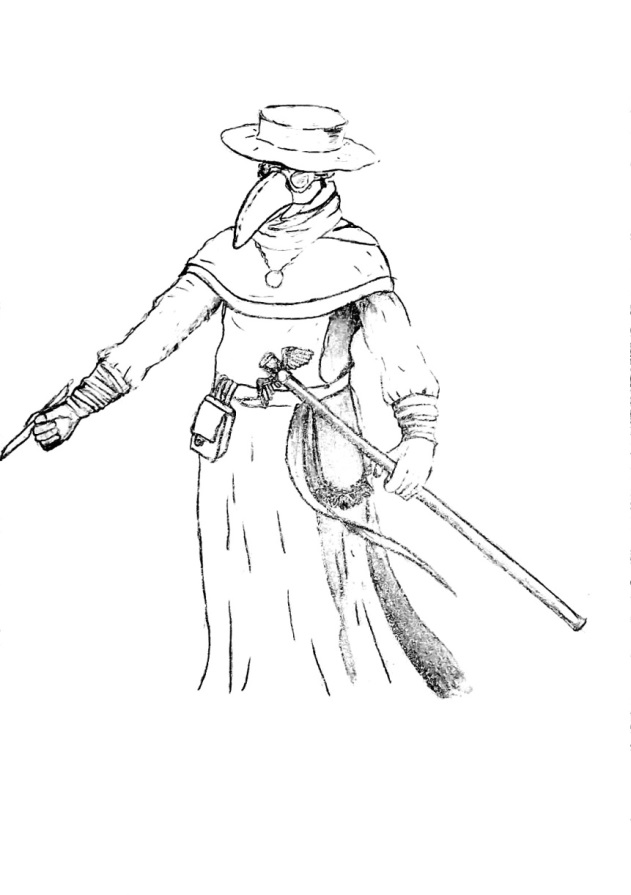
Plague Includes 5 Common Types
- Bubonic plague (Buboes): It is caused by a special type of bacteria called Yersinia pestis, and it is named bubonic plague because it causes swelling of the Lymph nodes (bubo). In this disease, the axillary lymph nodes, groin, and neck glands can grow to the size of an egg and secrete pus.
- Pneumonic plague (pulmonary): It is caused involvement of the lungs, pneumonic plague is less common than other types of plague, but because it can infect from person to person through very small respiratory droplets, it is considered the most dangerous type of this disease.
- Septicemic plague (Septicemia): This plague occurs when the bacteria’s pathogenic agent proliferates in the circulatory system.
- Plague Meningitis: This plague occurs when bacteria pass the blood-brain barrier and cause inflammation of the meninges.
- Pharyngeal Plague: It is an uncommon type of plague and has similar symptoms to tonsillitis (inflammation of the tonsils) [124]. The bubonic form (Buboes) is the most common form, which is caused by the bite of an infected Flea, it is common between humans and animals, but the type of pneumonia (pulmonary) is directly transmitted from human to human through inhalation of infected respiratory droplets [118]. In order, the most dangerous types of plague are pneumonic plague, followed by meningitis plague, septicemic plague, bubonic plague, and finally pharyngeal plague, which is very rare [125].
Treatment and Medicine
Immediate diagnosis and treatment are very important to reduce the risk of complications and death. Streptomycin, Tetracycline, and Sulfonamides are standard therapy but it should be noted that these drugs are not definitive treatments [112, 113]. Now a day the medicine Gepotidacin has been discovered as a treatment for pneumonic plague [126].
Vaccine and New Treatment Method: Currently, all vaccine has been un of, but one of the new methods is that the researchers used a mouse model in such a way that they first marked the target mice (created a mark on their tails), then Moore, Barry, and his colleagues transmit the amount of precursors Proteins that caused immunogenetic in mice) It creates immunity against Yersinia pestis. Then blood was taken from the mice every 14 days and their serum was separated and their immunogenicity was checked. Finally, it was found that the mice reached maximum immunity with the F1-V protein, then they used its antibody titer for vaccination in humans [127].
Smallpox
Smallpox is a contagious disease cause by variola virus (Orthopoxvirus). This virus can survive in the form of aerosol in cool dry environments [128, 129]. But it is sensitive to ultraviolet radiation and if it is in proximity it goes [130, 131]. The risk of mortality in the disease is estimated at 5%. Main sign of smallpox is widespread rashes and sudden fever with severe headache.
Epidemiology and History of Smallpox
Pandemic smallpox was very dangerous and left many victims [132]. It is estimated that smallpox had about 300 to 500 million victims [133, 134]. There are theories about the origin of smallpox, but it is said to be in the third century BC and from an Egyptian mummy and from where it originated. it is said that an Egyptian person was infected with the disease which has been prevalent after being mummified. Spread to the world [135]. Celebrities who died of smallpox include Rams Five, a king of ancient Egypt, Edward Sixth King of England Andrew Jackson, a king of the eighth art of other Kings of England [133, 134]. The arrival of smallpox in Iran occurred approximately between 1175 and 1304. During the Qajar royallness, smallpox seriously affected the country with its destructive effects. Of course, smallpox continued until after 1304, but it showed itself intermittently. The destructive effects of this disease continued until the Pahlavi period [136]. The oldest written work of third-century smallpox and the book of the treatise is al-Jadri. This book is written by Razi. It is interesting to know that before the vaccine arrives in Iran, the women of the stoning tribes who were from the Bakhtiari tribe dried the patient’s discharge. And they combined boiling water and injected in into people with a needle. Over time, this method became popular among the people so the vaccine was injected in public baths and hairdressers. Before the smallpox vaccine arrived in Iran during the Qajar reign, with the widespread support of Amir Kabir, a prominent Iranian minister of history, and Dr. Cromick, who was trusted by Amir Kabir, was controlled by Amir Kabir, the first person to be Launched vaccination against smallpox in Iran.
Cellular Properties and Pathogenesis
Smallpox consists of a variety of chickenpox. Most people are confused chickenpox with smallpox [137]. The disease has its first effects on the patient’s respiratory mucosa and initially involves the respiratory tract, then by the invasion of polymer cells virus into the spleen organs of the kidney liver and bone marrow, lesions are caused by lesions on the skin [130, 138]. After the respiratory tract involvement, other symptoms of the disease, such as excessive fever, lesions on the tongue, and oral abdominal pain. In this disease, most of the lesions appear on the back and chest area and their diameter is about 10.7 mm [130, 131, 138, 139]. As a result of the deterioration of the disease, severe skins bleeding of the disorder the abnormalities of the face become a severe pulmonary disorder of deafness. The toxins caused by the virus can lead to the patient’s death, the primary effects of which are the patient’s blood coagulation, which gradually continues to coagulate and lead the patient to death [130, 131, 138].
Latency and Laboratory Diagnosis
The incubation period or latency of this disease is between 10 and 14 days. In some cases, the patient will notice the disease after 19 days [140]. One of the most important laboratories to diagnose this disease is the real time-polymerase chain reaction (RT-PCR) test, which is taken from the patient in the early stages. According to this law, all people, especially children under the age of five, had to be vaccinated. According to the death toll, the vaccination was between 0 and 7 percent [141]. The last acquisition of smallpox occurred in the same year that the smallpox virus was legally kept in a high-security laboratory [142]. No effective drug has been identified for the treatment of the disease so far, but the disease is under control in childhood and adulthood. Chickenpox was one of the pandemics that left many victims. In fact, chickenpox is one of the most important types of pox, most of which people are confused with smallpox [133].
Treatment and Vaccination
These drugs can reduce pain and fever somewhat, but increase the recovery period, so taking these drugs increases the time of recovery. Finally, after the discovery of the latest natural sample of the WHO smallpox, he launched a vaccination plan to control the pandemic. The project began on May 14, 2009, and Edward Jenner was the first person to use the cow’s vaccine against human smallpox. Three years after this operation Edward Jenner, and Dr. Cromick, also launched a vaccination in Iran [143, 144, 145, 146, 147, 148].
Cholera
Cholera is a dangerous and fatal disease that spreads usually in poor health managements. This disease also known as blue death because the infected person loses so much fluid from his/her body through diarrhea which turns his/her skin color to blue-gray [149]. Vibrio cholerae is responsible for this disease. V.cholerae can cause severe watery diarrhea and dehydration. It has an incubation period of approximately twelve hours to five days for the person who has consumed the polluted food or water to show symptoms [150]. Cholera is not only a disease of adults, but it also affects children, and in severe cases that are not treated, it can cause death within a few hours [151, 152].
Epidemiology and History of Cholera
The origin of this disease was from India and the Ganges River Delta, where a large-scale epidemic occurred during the 19th century [153]. Cholera has been an epidemic disease 7 times and killed millions of people around the world. The 7th epidemic started in South Asia and reached America by Africa in 1991 [154]. The public health situation in Iran in the Qajar period (1796-1925) was poor. For example, in the 19th century, the infant mortality rate in Iran was more than 50% [155]. Between 1820 and 1903, seven major cholera epidemics with high mortality rates, especially among children, occurred in Iran as part of the global cholera epidemic. In Iran, this was generally due to the lack of an efficient health authority before 1904 to control the spread of deadly epidemics, and therefore effective preventive and quarantine measures were not used. Pilgrimage to Mecca and Iraqi shrines played a significant role in the spread of the disease among Iranian pilgrims during the epidemic [156].
Public unsanitary conditions, serious lack of safe water supply, ignorance, and poverty all played a major role in the emergence and spread of infectious epidemics in Iran during the nineteenth and early twentieth centuries. The first outbreak of cholera started in 1821 in Bushehr through the Persian Gulf and gradually appeared in Kazerun, Shiraz, Abadeh (Fars province), Isfahan, and central parts of Iran, after two years it spread to Russia through the Caspian coast [155, 157, 158].
Treatment and Transmission
Patients with mild consumption of cholera can recover and be treated using oral rehydration solution (ORS), but in people with more severe symptoms, you should refer to serum therapy and drug treatment centers [159, 160]. In terms of O blood type, Cholera is the most dangerous, while AB blood type is the least dangerous [161, 162]. In addition to spreading and causing disease through infected food and water, the V.cholerae bacterium can be spread by a sick person who has no symptoms in the environment [163]. Currently, the disease is very endemic [164].
Yellow Fever
Yellow fever, a disease that caused public panic in tropical regions of South America and Africa among 18 to 20th century for the first time officially reported in the cities of Yucatan and Guadeloupe in 1846. A Proper subset of flaviviruses that contain 10,500 to 11,000 nucleotides provides more than 70 types of Flaviviruses that cause a common disease between non-human mammals and blood-sucking mosquitoes (ticks) and humans [165, 166, 167, 168]. A pathogenic virus known as yellow fever due to the skin color change to yellow, referring symptoms are abdominal pain, vomiting, nausea and bleeding, anorexia, severe hepatitis, kidney failure, shock, and heart failure [165, 167, 168, 169, 170, 171]. Because of the similarities of the symptoms between this disease and malaria, it is difficult to have the right diagnosis in the beginning steps [171].
Transmission and Pathogenesis
According to new research, a specific type of yellow fever known as sylvatic yellow fever was transmitted to the human body by mosquitoes that bite infected monkeys and then bit young men who were working in the forest, and through the trade of African slaves entered the American continent by ship and quickly spread in North America and Europe the ships in which the disease was seen quarantined themselves and used a yellow flag to announce their infection to others [170, 172]. It is noteworthy that this disease is seldom found in Asia [165, 166, 168, 171]. Yellow fever is not limited to the sylvatic “forest” type, other types such as moderate yellow fever which occurs in humid and semi-humid areas of Africa, and urban and also yellow fever which is seen in crowd populated areas are other strains of this disease [171]. It is estimated that the mortality rate of yellow fever patients is about 15% to 30% [168, 171].
Treatment and Vaccination
Vaccination, which was officially and successfully introduced in 1937, deforestation, urbanization, population movement, and climate changes in the last two decades are the factors in decreasing number of people suffering from this dangerous disease [166, 170, 171, 172].
Influenza
Influenza is a fever disease that attacks the respiratory tract [173]. The first influenza virus was separated from the chicken with fowl plague in 1901 [174]. In 1997, the influenza virus (H5N1) was transmitted directly from chickens to humans [175, 176]. The influenza viruses were first separated in the 1930s [177].
Classification
In terms of ontogeny, influenza is divided into 4 categories A, B, C, and D [178, 179]. Pandemics are only caused by type A viruses [180]. Influenza epidemics occur seasonally in temperate climates and lead to significant morbidity and mortality [181]. Major influenza epidemics do not show any predictable course or pattern and are all different from each other [182]. In the 20th century alone, there were three pandemics in 1918, 1957, and 1968 caused by H1N1 (Spanish flu), H2N2 (Asian flu), and H3N2 (Hong Kong flu), respectively [183].
Epidemiology and History of Influenza
The first verified evidence of influenza in Iran dates back to the summer of 1833 when influenza occurred with great severity in Tehran. It’s said that this pandemic arrived via trade routes from Syria and Constantinople, part of a larger global epidemic that affected thousands of people in Asia and Europe. Every day, dozens of people lost their lives among the citizens of the capital, and bodies were found on the corners of the streets [184]. Dr.Cyril Elgood wrote in his book about this happening: “In the summer of 1833, a strange epidemic, probably influenza, broke out in Tehran. Even Fath-Ali Shah was attacked. His doctors reported that he had a high fever and ague [185].
Disease caused by the 1918 influenza pandemic, also known as the Spanish flu, spread rapidly. This was due to the influenza A (H1N1) virus [186]. Iran was one of the regions that suffered the most from this epidemic and the death rate was significantly higher than in other regions of the world. Although worldwide flu victims mostly lived in urban areas, it was the rural areas of Iran that suffered the most casualties [187]. The influenza epidemic come to Iran through the western border from Baghdad to Kermanshah and finally reached Tehran. Ashair tribes, especially healthy males, died of influenza. The reported mortality rate in the Qashqai nomadic tribe was up to 30%. At that time, the city of Shiraz had a population of 50,000, of which 5,000 died due to the Spanish flu [188].
Diagnosis and Treatment
Influenza is still an important disease in humans and animals [189]. Symptoms of flu include fever over 37.8 degrees, headache, myalgia, cough, or sore throat [190]. Vaccines, the most cost-effective primary prevention for influenza, are effective and readily available, but they have their limitations [191, 192]. Two antiviral agents with similar activity, amantadine hydrochloride, and rimantadine hydrochloride, have been available for many years to prevent and treat influenza [192, 193, 194, 195, 196]. However, both of these agents are only active against influenza type A and not influenza type B, and resistance of influenza A viruses to these drugs can be problematic [190].
![Figure 4: Designed by Mohammad Mahdi Bakhshian with permission [88,94,106].](/fulltextimages/11329/fig_4.png)
AIDS
Human Immunodeficiency Virus (HIV) has infected more than 75 million people in the world, and currently, about 34 million people are asymptomatic [197], whose disease is known as Acquired Immunodeficiency Syndrome (AIDS) [198, 199]. This disease is an immunodeficiency syndrome, it reduces the immune system of people against other diseases [200, 201, 202, 203].
History of AIDS
The ancient Egyptians identified AIDS contagious feature in 2300 BC but they didn’t figure out the nature of disease and couldn’t describe it. they investigated the ways of transmission and infection and realized that this disease could transmit through the sexual mucosal tract between partners [204, 205].
Therefore, they invented one of the first human surgeries. The ancient Egyptians performed male circumcision surgery to prevent the transmission of the disease [204, 206, 207]. The results show that circumcision can prevent the transmission and growth of the HIV virus in humans. They also made chemical condoms for prevention that were used by women. [204] Circumcision can be clearly seen in the images of papyrus and tablets extracted from Egypt [205, 208, 209].
Also, they frequently used AIDS in four papyri as follows: 28 times in Ebers, 12 times in Berlin papyrus, and 9 times in Hearst. In the London papyrus, they mentioned the disease directly and introduced it with the names: AAA, uxedu, and uha [205, 210, 211].
From the beginning, Egyptian doctors realized that AIDS is transmitted through semen, that’s why they called it semen. They hypothesized AIDS is a genetic disorder, but they observed it in infected women who have sexual relations with infected men, so named AIDS as semen in means of “poison” [205, 208].
Evidence has shown that HIV was transmitted from nonhuman mammals to humans during the 1900s [212, 213]. However, in the 1980s did the virus come to the world’s attention, in two homosexual men [214].
Epidemiology
This disease is most common in sub-Saharan Africa [215]. Currently, approximately 34 million people are living with HIV, with a total of 24 million AIDS-related deaths. With an estimated 6.1 million people living with HIV in South of Africa, South Africa’s epidemic remains the largest in the world [216, 217]. Over the past few decades, HIV has slowly spread throughout Africa and then to other parts of the world [218].
Transmission
In 2005, the Centers for Control and Prevention Disease (CDC) published data about AIDS, many cases of infection were caused by sexual transmission between infected people [219, 220, 221]. Also, the use of drugs with a common needle, transmission through blood (especially plasma), mucosal transmission or from mother to child during pregnancy, childbirth or breastfeeding are effective in the transmission of infection [222, 223, 224]. HIV infection in humans came from a type of chimpanzee in Central Africa. Studies show that HIV has been transmitted from chimpanzees to humans since the 1800s [218]. The chimpanzee version of the virus is called simian immunodeficiency virus (SIV). Probably, when humans hunted these chimpanzees, HIV came into contact with their infected blood, and this is how it spread to humans [45].
Laboratory Diagnosis
Antibody tests look for HIV antibodies in a person’s blood or oral fluid. Antibody tests can be used 23 to 90 days after exposure to the virus [225]. Most rapid tests and the only FDA- approved are antibody tests. In general, antibody tests that use blood from vessels can detect HIV soon after infection [226, 227, 228]. Antigen/antibody tests look for both HIV antibodies and antigens. Antibodies are produced by person’s immune system when they’re exposed to microorganisms. Antigens are virus cell surface proteins that activate the body’s immune system [227, 228, 229]. An antigen/ antibody test on blood from a vessel can usually detect HIV 18 to 45 days after exposure. There is also a rapid antigen/ antibody test available that is done with a finger stick. Tests done with blood from a finger stick can take 18 to 90 days after exposure [230, 231, 232]. Nucleic Acid Tests (NATs) look for the virus in the blood. This test should be considered for people who have had a recent exposure. A NAT can usually detect HIV 10 to 33 days after exposure [233].
Sign and Symptoms
Most people will have flu-like symptoms within 2 to 4 weeks of infection. These symptoms may last for days or weeks after infection [218]. HIV has three stages: Stage 1 (acute HIV infection): People have a large amount of HIV in their blood and are highly transmissible. At this stage, the symptoms are like the flu. Stage 2 (chronic HIV infection): This stage of infection is asymptomatic. The virus is still active and continues to multiply in the body. People at this stage either have no symptoms or become ill but can transmit HIV. Stage 3 (AIDS): People with AIDS have high amounts of the virus in their blood and easily transmit the virus to others. People with AIDS have a severely damaged immune system. Opportunistic infections occur strongly in their bodies [218, 234, 235].
Classification and Taxonomy
The HIV belongs to the genus Lentivirus in the family of Retroviridae, subfamily Orthoretrovirinae [236]. On the basis of genetic characteristics and differences in the antigens, HIV is classified into the types 1 and 2 (HIV-1, HIV-2). The HIV of non-human mammals (SIV) are also belong to the genus Lentivirus [45, 237].
Cellular Changes and Immunogenesis
HIV replication causes progressive loss of CD4+ T cells and immune abnormalities, leading to increased infectious complications. HIV primarily targets CD4+ T cells. After transmission in the body, HIV penetrates the mucous tissues and reaches the lymphatic organs within a few days [238].
During the primarily phase of HIV infection, specific CD4 T lymphocytes that respond best to HIV may be killed by the virus, permanently impairing the immune system’s ability to control HIV [239, 240].
Treatment and Vaccination
Currently, there is no vaccine approved by the US Food and Drug Administration (FDA) to treat and prevent HIV, but research is ongoing. Several unapproved vaccines have been introduced to health organizations, the most important of them are InnaVirVax – (a spin-off of INSERM, Evry, France) is developing VAC-3S, a vaccine designed to induce a humoral immune response against a highly conserved region. HIV- 1 gp41 envelope protein called 3S has been made [241, 242, 243]. Genetic Immunity (Budapest, Hungary) is developing DermaVir, a DNA vaccine encoding 15 HIV proteins administrated by skin patches [244]. So far, there is no effective treatment for HIV infection or AIDS [218]. There are several drugs targeting HIV infection that are used to slow down the disease and strengthen the immune system. One of the key treatment strategies is highly active antiretroviral therapy, or “cocktail AIDS,” which is a combination of several antiretroviral drugs designed to combat HIV. Since the beginning of this treatment, the life expectancy of patients has improved over two decades [245].
Ebola
Ebola is a viral disease that has attracted the world’s attention after its outbreak in West Africa [246, 247]. Ebola Virus Disease (EVD) is a hemorrhagic fever and caused by the Ebolavirus [248, 249, 250].
Epidemiology and History of Ebola
In 430 BC, Thucydides, a Roman historian, described the symptoms of the disease during the war between the two states of Athens and Sparta [251, 252]. The disease he told included symptoms such as fever, headache, pain, vomiting, and diarrhea. He also reported hands and feet necrosis probably due to gangrene. Identifying viral diseases before 1976 was impossible due to the lack of technics in science and it was not possible to discover the difference between diseases [253, 254]. Thucydides describes a terrible summer during the Peloponnesian War between two rival governments in ancient Greece [252, 255, 256]. The symptoms and duration of treatment or death which he describes, are the same as the symptoms of Ebola nowadays. But before Ebola was discovered as a virus, this disease was called Thucydides syndrome [251, 252, 257].
The first cases of EVD were reported in 1967 in South Sudan and the Republic of Congo (RC) [248]. For the first time, it was observed near the Ebola river in RC, Ebola took its name from this river [258]. Since the first EVD outbreak in Congo, at least 17 outbreaks of the virus have been reported in Gabon, Guinea, Zaire, and RC. until 2020, there have been 33,604 cases of infection and 14,742 deaths due to Ebola in the world [246, 259, 260]. The death rate of Ebola is about 40 to 90 percent [250, 261].
Reservoirs and Transmission
The main reservoir of the Ebolavirus is unknown, but it is believed that the virus is transmitted to other communities through carrier animals (e.g., fruit bats, chimpanzees, gorillas, monkeys, forest antelopes or porcupines) [262, 263, 264]. The transmission of Ebolavirus infection in human communities is through direct skin contact with the infection, blood transmission, body fluids transmission, and sexual transmission [265, 266, 267].
Sign and Symptoms
During the affliction of EVD, a sudden onset period of 2-21 days occurs [261, 268, 269]. Its clinical symptoms are non-specific, and it is generally diagnosed with fever, internal bleeding, diarrhea, and hematemesis (vomiting blood), and damage to organs or organ failure due to infection (e.g., liver, kidney and lung necrosis) [270, 271].
Classification and Taxonomy
Ebolavirus belongs to the Filoviridae family of Monjiviricetes class of viruses. So far, 12 genus of the Filoviridae family has been discovered, that 7 genus of them directly affects humans [246, 248]. Filoviridae which affects humans, belong to the Ebolavirus genus, which includes Bundibugyo virus (BDBV), Zaire ebolavirus (ZEBOV), Reston virus (RESTV), Sudan virus (SUDV), and Tai jungle virus (TAFV); or the genus Marburg virus (Marburg virus (MARV) and Raven virus (RAVV)) [247, 248, 272].
Laboratory Diagnosis
To make a correct diagnosis, the World Health Organization (WHO) has suggested blood sampling and swabs from the mucus of infected patients [273]. Real-time polymerase chain reaction (RT-PCR), and checking the level of immunoglobulin M (IgM) antibodies by using the enzyme- linked immune sorbent assay (ELISA) are effective for diagnosing the disease [249, 272, 274].
Cellular pathways and Pathogenesis
Ebolavirus creates the colony by surface receptors and mediators between the virus and the host’s body. After the molecular investigation, it was found that these receptors are membrane phospholipids and proteins [275]. Protein receptors bind with higher affinity to the surface glycoprotein of the Ebola virus. The virus uses attachment factors such as vitamin B9 and cell surface proteins to be recognized by receptors [276, 277]. On the other hand Ebola virus can release proteins that cause clots in bloodstream [278].
Treatment and Vaccination
There is no licensed treatment and vaccine to prevent EVD. However, attempts for production of a vaccine to lead found a vaccine in 2019 developed by Merck company in the united states for ZEBOV [279, 280]. The Center for Disease Control and Prevention (CDC) has suggested Inmazeb TM and Ebanga TM for control and treatment of ZEBOV [281].
One Family and Four Pandemics (SARS, MERS, CoVid)
In 1890, we saw the OC43 pandemic, and then 113 years later, in 2003, the SARS-CoV-1 pandemic was created, the third pandemic, MERS-CoV, was created with a gap of nine years (2012) compared to the second pandemic, and finally seven years later (2019) we witnessed the last pandemic, SARS-CoV-2 [282]. Considering the decreasing distance between pandemics and their epidemic rate and power of infection, it can be said that in less than seven years, we will see another epidemic of the coronavirus family.
First Afflictions and Spread
Severe acute respiratory syndrome (SARS) A type of acute disease caused by the SARS virus. In spring 2003, Asia was the epicenter of a potentially global health crisis. The advent of a new, deadly disease SARS, disrupted the lives of millions of people in China and its southeast Asian neighbors [283]. SARS disease or acute respiratory syndrome with a surprise appearance is a type of pneumonia with a viral agent from the family of viruses. The virus, which is transmitted by coming in contact with infected people, originated in the southernmost state of China and its final goal was to spread to 30 countries around the world [284].
In 2012, the first case of Middle East respiratory syndrome (MERS) was reported in Jeddah, Saudi Arabia [285, 286]. MERS is an endemic disease that has spread in 27 countries of the world by 2022, including Saudi Arabia, UAE, Bahrain, Jordan, Kuwait, Qatar, Oman, South Korea, etc [287, 288, 285]. The first reported case was a 60-year-old man in Saudi Arabia who had a 7-day history of fever, cough, sputum, and shortness of breath. Due to acute pneumonia and subsequent kidney failure, a coronavirus, which was later named HCoV-EMC, was isolated from his sputum [289, 290].
After that, in April 2012, the first outbreak of the disease occurred in the public hospital of Zarqa city in Jordan [291]. In December 2019, a pneumonia outbreak of unknown origin was reported in Wuhan, Hubei Province, China. Pneumonia cases were epidemiologically linked to Huanan Seafood Wholesale Market [292, 293]. Genome analysis of the virus showed that it is a new coronavirus related to SARS-CoV and therefore named SARS-CoV-2 (SARS-CoV-2). The global spread of SARS-CoV-2 and the death of thousands of people due to (COVID-19) caused the World Health Organization to declare this disease a pandemic on March 12, 2020. Acute respiratory syndrome coronavirus 2 (SARS-CoV-2) was discovered in Wuhan, Hubei Province, China, during a recent pneumonia epidemic in January 2020 [292].
Transmission and Reservoirs
Different species of bats are the natural hosts of coronaviruses, which were related to those that caused the SARS outbreak [294]. Therefore, it is said that it is most likely that MERS is a kind of zoonotic disease, which is believed to have originated from bats and then transferred to camels by examining different genomes of the virus. The route of virus transmission from animals to humans is not fully understood, but camels are the main reservoir host of MERS-CoV and the animal source of infection in humans [285, 295].
SARS-CoVs
SARS-related coronaviruses (SARSr-CoVs) have been discovered in their natural reservoir host, bats. Studies have shown that some bats are capable of transmitting SARSr- CoV to humans [296]. Genome analysis and comparison with previously known coronavirus genomes show that SARS- CoV-2 has unique characteristics that distinguish it from other coronaviruses, such as optimal affinity for the angiotensin- converting enzyme receptor 2 (ACE2) and a polybasic cleavage site at the S1/S2 spike junction that determines the amount of infectivity and the amount of host contamination. RaGT131 is approximately 96% similar to SARS-CoV-2, with some differences in the spike receptor binding domain (RBD) that could explain the difference in ACE2 affinity between SARS-CoV-2 and SARS-like coronaviruses [282, 293, 297]. On January 22, 2020, the Chinese Centers for Disease Control and Prevention (China CDC) reported that out of 585 swab samples taken from around the market, 33 were positive for SARS-CoV-2, and these samples were concentrated from the wild animal holding corridor. It is stated in this report that “It is highly doubtful that the current epidemic is related to the wild animal trade [298]. The discovery of possible intermediate hosts of the coronavirus can be crucial for better control of COVID-19. Genomic and evolutionary evidence of the occurrence of the novel coronavirus-like coronavirus- nCoV-2019 (called Pangolin-CoV) was found from dead Malayan pangolins. Pangolin-CoV is 91.02% similar to nCoV- 2019 and 90.55% similar to BatCoV RaTG13 at the whole genome level. Pangolin-CoV is the lowest common ancestor of nCoV-2019 and RaTG13. The S1 protein in Pangolin-CoV is closest to RaTG13. ACE2 in Pangolin-CoV was fully compatible with 2019-nCoV. This indicates that Pangolin-CoV has the same virulence ability as 2019-nCoV [299]. So far, several animals have been identified as reservoirs 1- Bat coronavirus of this virus, including camels, pigs, turkeys, mice, dogs, bats, cats, etc., among these animals, bats are the most well-known carriers of human infections [300]. According to the reports, the animal reservoir of SARS-CoV-2 can be considered to be Rhinolophus and Pangolin bats, which have the most genetic similarity [301].
Virus Spread & Epidemiology
We should say In about to the sudden outbreak of this disease that is in China’s southern province, an agricultural region of about 75 million people with a tropical climate, had to large start [297]. The unprecedented epidemic of SARS caught people of Hong Kong from March to May 2003. The outbreak in Guangdong was centered in the provincial capital of Guangzhou and its nearby Pearl River Delta area. At the beginning of March 2003, a professor from Guangzhou who had been treating atypical pneumonia cases in a Guangzhou Hospital visited Hong Kong and stayed at a hotel in the Kowloon district in Hong Kong. He was admitted to a local hospital with symptoms of acute respiratory disease. He later died of the disease. Arising from this index case, seven other people who stayed on the same floor of the hotel were affected by SARS. These included three visitors from Singapore, one visitor from Vietnam, two visitors from Canada, and one local person. All of them developed SARS and two people died of the disease. The epidemic in Hong Kong reached its peak at the end of March 2003 [283, 302].
The second outbreak in Hong Kong involved another guest visiting the same hotel floor. The index case was admitted to the Prince of Wales Hospital, where he, directly and indirectly, infected 138 hospital staff, patients, and visitors from March 11 to March 25, 2003. But in Vietnam, this severe acute respiratory syndrome was first identified on February 28 by World Health Organization epidemiologist Dr. Carlo Urbani, who later died of the disease in Thailand. On the same floor as the doctor from Guangdong. The Vietnamese government worked closely with the WHO to bring the disease under control very quickly. In Hanoi, the cumulative number of cases was only 63, and it was removed from the list of areas with localized outbreaks on April 28. As a matter of fact in another country like Singapore, the spears of this epidemic look like Hongkong because three guests from M Hotel returned to Singapore in late February. On March 6, 2003, three cases of pneumonia were reported to the Ministry of Health. These included two of the three passengers. The outbreak in Singapore was caused by hospital transfers from people who were not immediately diagnosed as having SARS. Wholesale market. Quick action by health authorities in contact tracing, implementing isolation, and quarantine limited the outbreak. Toronto was among the first areas where a guest of the M Hotel in Hong Kong returned home in late February. 13 Outbreaks in Toronto occurred early, as did Hong Kong and Singapore when the nature of the disease was unknown. Severe acute respiratory syndrome (SARS) spreads rapidly in hospitals and to the wider community when other patients, hospital visitors, and people close to staff become infected. Toronto had two outbreaks. The city was removed from the “areas of recent local transmission” list on May 14, only to return on May 26 when the virus emerged in another outbreak. The city was finally declared free of local transmission on July 2.13. The mortality rate in Canada is 17% [102].
Also, regarding the spread of the disease from Saudi Arabia to Bahrain, it is said that in 1986, a 25 km long passage was built from Bahrain to eastern Saudi Arabia, which is one of the busiest areas between the two countries, and the traffic statistics of 20 million passengers in 2013 has done This area was also one of the first areas of MERS outbreak [303].
Most cases of MERS outbreaks in other parts of the world are related to the Middle East region, and most of the cases were either in contact with camels or were present in hospital environments. Also, 80% of patients are reported by Saudi Arabia [303, 304, 305].
New Year and New Spread: The Chinese Lunar New Year holiday has coincided with the outbreak of Corona, people travel to their hometowns at this time. It is estimated that people will make 3 billion trips during this 40-day trip. About 5 million people will travel before the travel ban begins. On January 23, 2020, they left Wuhan, the capital of Hubei Province, the epicenter of the COVID-19 pandemic. About one-third of this population has traveled outside of Hubei province [306].
Sign and Symptoms
The duration of this disease is reported to be between 2 and 7 days and sometimes 10 days. At first, symptoms such as cold, fever of 38 degrees, muscle pain, and finally dry cough affect the patient, and then these symptoms change. A Lung photo shows unilateral or bilateral pneumonia symptoms in some patients. Laboratory symptoms can include lymphopenia, decreased blood oxygen, and increased CPK and LDH. By identifying the genome of the disease-causing virus, which is a new type of the coronavirus family. New molecular methods of virus detection in clinical samples using RT-PCR in a few hours are acceptable [284].
Based on available data, the CDC defines a suspected SARS case as someone who has a fever (temperature greater than 38 °C [100.4 °F]) and lower respiratory tract symptoms within 10 days of each It starts with them [307].
It has been observed in vivo and in vitro studies that the SARS-CoV-2 virus can cause infection in several organs. Histopathological features such as pulmonary involvement with alveolar diffusion damage with hyaline membrane formation and pulmonary microemboli are the most prominent acute histopathological findings. These features are often associated with elevated inflammatory cytokines and increased angiogenesis, which is fatal in some cases. The hyaline membrane is attributed to increased vascular permeability and the accumulation of hyaluronic acid in the alveolar space, which leads to the trapping of a large volume of water. The initial symptoms of the disease are similar to the flu. The patient can be asymptomatic or with symptoms such as self-limiting syndrome of fever, fatigue, myalgia, arthralgia, rhinorrhea, sore throat, or conjunctivitis. As the disease progresses, symptoms such as persistent fever, cough, hemoptysis, silent hypoxia, discomfort or chest pain, respiratory failure, or even multi-organ failure are mentioned. Also, the disorder in smell (hyposmia, anosmia, and parosmia) or taste (dysgeusia) is an important chemical disorder in COVID-19. Extrapulmonary symptoms include diarrhea, lymphopenia, thrombocytopenia, liver and kidney dysfunction, rhabdomyolysis, meningoencephalitis, stroke, convulsions, Guillain-Barré syndrome, cardiac arrhythmia or heart block, pancreatitis, skin diseases such as rhabdomyolysis or Kawasaki, thromboembolism, and acute thyroiditis. Mild and moderate cases get a partial recovery almost 10 days after the onset of symptoms, which coincides with a decrease in viral load and an increase in antibodies against protein N or S. “post-acute COVID-19 syndrome” are disorders that sufferers of COVID-19, which include fatigue or persistent muscle weakness, sleep problems, anxiety or depression, impaired smell or taste, palpitations, joint pain, dizziness, diarrhea, vomiting, and chest pain [282].
Diagnosis
Diagnosis of SARS-CoV-2 is done through reverse transcription PCR (rt-PCR), which uses nasopharyngeal swabs (NP) and oropharyngeal swabs (OP) for sampling. rt-PCR testing for SARS-CoV-2 may not be appropriate because it may be falsely negative due to early or late sampling or insufficient viral load, or technical errors such as transportation of test results. Cases have been reported of patients who, due to their negative rt-PCR test, doctors faced many suspicions regarding the diagnosis of SARS-
CoV-2 according to classical computed tomography (CT). WHO suggests that if the test result is negative if the clinical suspicion of the patient is still high, the test should be repeated, preferably from a lower respiratory tract. A few studies have suggested serological antibody testing, useful for patients with suspected viral RNA based on negative rt- PCR and those with asymptomatic infections [293].
Molecular Cell Properties
About this epidemic, we can say: that SARS-CoV is an enveloped, single, and positive- stranded RNA virus [308]. People at risk include elderly people, people who live with the patient, and health workers who are responsible for the care and treatment of these patients. Currently, researchers believe that despite the temporary stagnation of the disease, it is possible that with the arrival of the cold season, the re- spread of SARS will lead to a widespread epidemic in the world, therefore, increasing the awareness of the people of the society, especially the health workers, including nurses, can be very significant in preventing this epidemic [309].
Emerging and Concerns
Emerging infectious diseases are always at the forefront of continuous public health concerns. SARS advertisement emphasizes the focus of this concern. Of course, it cannot be denied that the hope of making a new vaccine is very effective in reducing the effect of the disease. However, often about SARS and in the early stages of this epidemic, its transmission should be prevented by minimizing contact with infected persons [310].
During the outbreak of such disease among the people present in the country’s population, there was an untimely fear due to its rapid transmission among the health care workers in the hospitals. At the same time, a surprising question arose in the minds of the general public, and that question did not originate from anything other than everyone’s fear and panic, and it implied the issue of whether this fear that exists among hospital employees affects their performance. Does it leave or not? It was these people who suffered from the prevailing atmosphere in the society in addition to the spread of disease. According to this question, human society was faced with a vital and at the same time astonishing challenge, which was how to eliminate the fear and panic among the health guardians of human societies. Nowadays with the promising process of vaccine production, the corona epidemic is still in everyone’s memory as the biggest challenge that has threatened human health. This situation is also threatening and dangerous for people who have underlying diseases as they are disproportionately affected and experience high morbidity and mortality. In addition, it seems that the increase of liver enzymes is a risk factor for the progression of the disease, even in the absence of underlying liver disease, while during the outbreak of SARS-CoV-2 infection, the mechanism of a large number of liver enzymes to It remains unknown to this day. It is well understood and known that coronavirus disease (COVID-19) is caused by the severe acute respiratory syndrome coronavirus 2 (SARS-CoV-2) infection, which is an ongoing epidemic. Health care workers play a key role in promoting flu vaccination, which can have a very good result [311]. At that time, the epidemic challenged China’s health system and challenged critical frameworks such as lack of emergency preparedness, lack of effective surveillance, poor communication between HDs, and reporting delays [283].
MERS is the helpless child of SARS. That’s why I use the word child, because both are descended from the Corona family and have a lot of genetic similarities, and the outbreak of MERS was after SARS. But the helplessness of MERS is that SARS is characterized by efficient human transmission and a relatively low mortality rate. In contrast, MERS is relatively inefficiently transmitted to humans but has a high mortality rate. People who get MERS have a 35% chance of dying, compared to only 1% for the SARS-CoV-2 pandemic that started in 2019. If the rate of transmission of MERS from one person to another was the same as the outbreak of SARS, a disaster worse than the mass killing of the SARS- CoV-2 pandemic would occur, even though according to the laboratory statistics recorded in who, in 27 countries of the world, MERS is only It was transmitted to 1979 people and caused death in 858 people [312, 313, 314, 315]. The HCoV-EMC virus, which is easily propagated in cell culture, is a beta- coronavirus [289]. Also, this virus is one of the closest relatives of HKU4 and HKU5 viruses, which were isolated from Tylonycteris pachypus and Pipistrellus abramus bats, respectively [289, 316].
Treatment and Vaccination for SARS-MERS
There is still no effective treatment and vaccine for the MERS virus. In the glycoprotein S of this virus, most of which consists of an alpha helix and has no allergic properties, in the RBD region, the S1 region has a high ability to stimulate the host’s immune system, and since it can be stable in the host’s immune system, It is a suitable candidate for vaccine design [317].
COVID-19
Coronaviruses are round and sometimes polymorph and their diameter is 80 to 120 nm. One of the most obvious characteristics of this virus is the nail-shaped bumps on its surface. These spikes have caused the state of the solar corona, which is also the name of the corona. Coronaviruses are sensitive to ultraviolet rays, heat, and disinfectants containing chlorine, peracetic acid, and 75% ethanol, which cause their inactivation, but they can be stored at -80 degrees Celsius for years [300, 318].
The origin of SARS-CoV-2 is not exactly known, so many theories have been proposed. According to the current evidence, WHO reports that the transmission of SARS-CoV-2 occurs through respiratory droplets and contact. Transmission by respiratory droplets occurs when an infected person with symptoms such as sneezing and coughing is exposed to respiratory droplets at a distance of 1 meter. At this distance, the person is at risk of getting infected through his mucous membranes, including the mouth, nose, and eyes, as well as transmission through indirect contact through fomites on the surfaces around the infected person. Symptoms usually appear between 4-5 days after contact with the virus. However, studies show that the incubation period may last up to 14 days. The asymptomatic infection has also been reported, and most of these patients had mild symptoms and experienced a mild illness. Asymptomatic infection is rare and has been seen in young people aged 18 to 29 years [293].
Origin of Covid-19 Pandemic: Most scientists think that SARS-CoV-2 has a natural origin and was transferred from an animal to humans, but they do not rule out the possibility of a laboratory leak and suspect that the virus originated from the Wuhan Institute of Virology (WIV) located in the city. Wuhan, China, where the first cases of COVID-19 were reported and emerged. For example, during the acute respiratory syndrome (SARS) epidemic of 2002–2004 and at the onset of the COVID-19 pandemic, Chinese government officials reportedly suppressed important public health data during both epidemics. Scientists do not have enough evidence regarding the origin of SARS-CoV-2, so they are unable to reject the laboratory leak theory or confirm the theory that the virus has a natural origin. Most researchers think that this virus that caused the pandemic can be similar to HIV epidemics, influenza epidemics, Ebola outbreaks, and the coronaviruses that caused the SARS epidemic in 2002 and the Middle East Respiratory Syndrome (MERS) outbreak in 2012 through An animal has been directly transmitted to humans, such as a bat, or it has been transmitted through an intermediary animal. Although laboratory leaks have never caused an epidemic, they have led to small outbreaks, for example in 2004, when two researchers were infected by the virus that causes SARS at a virology laboratory in Beijing studying the disease. They spread the infection to seven more people before the outbreak was contained. Investigations into the origin of outbreaks often take years, and some causes remain unknown. It took 14 years to determine the origin of the SARS epidemic, which began with a virus in bats and most likely spread to humans through civet cats, or the origin of the Ebola epidemics of 2013 and 2016, which remain unknown.
Several researchers have investigated whether SARS-CoV-2 is bioengineered. One of the first research teams, led by Mr. Christian Andersen, was carried out, which recognized the theory of laboratory design as (unlikely). After that, some pointed out that furin cleavage is not present in its closest relatives, referring to the location of furin cleavage, which helps the virus to enter the cell. The furin cleavage site is located in the spike virus and is important in infecting the cell. Of course, many coronaviruses have furin cleavage, such as the coronaviruses that cause colds. Stephen Goldstein, a virologist at the University of Utah in Salt Lake City, says viruses with sites are scattered throughout the coronavirus family tree, and not limited to a group of close relatives. Convergent evolution is a process in which unrelated organisms independently evolve similar traits as a result of adaptation to the environment, which is extremely common. WIV researchers identified hundreds of samples of bats living in the mine between 2012 and 2015, which were found because the miners contracted an unknown respiratory disease. Examination of the blood of the infected miners showed no antibodies against SARS-CoV-2, which means that the disease was probably not COVID-19 [319].
Also, the RBD sequence of the spike (S) protein suggests that it arose from a natural evolutionary process. Estimates of the most recent common ancestor of SARS-CoV-2 date the pandemic between late November 2019 and early December 2019, which is consistent with the first reported cases. Thus, human transmission occurred unnoticed after the zoonotic event and before the polybasic furin cleavage site was acquired [292]. The location of polybasic furin with four amino acids (PRRA) in the binding site of spike protein S1/S2 plays a role in virus infectivity, transmission, and host selection and is important [320].
Cellular Gene Structure: Viral gene detection by RT-PCR is the most reliable technique. CoV is positive enveloped single-stranded RNA viruses that have the largest viral RNA genomes, measuring 8.4–12 kDa. The 5’ end forms the major part of the genome that encodes the proteins responsible for virus replication. The 3ʹ terminus contains five structural proteins, namely spike protein (S), membrane protein (M), nucleocapsid protein (N), coat protein (E), and hemagglutinin esterase (HE) protein. Protein S is an intermediary protein. N protein is present in RNA complexes and helps in the transcription and assembly of the virus. Protein M also determines the shape and coat of the virus. Protein E is the smallest structural protein that is strongly expressed during the virus replication cycle in the infected cell. The HE protein is responsible for binding the receptor to a specific host [321]. ORF1a and ORF1b encode large polyproteins pp1a and pp1ab, respectively, which are then converted by viral proteases into 16 non-structural proteins (nsp1-nsp16) that play a role in viral RNA transcription and replication [322].
Variants and Recombinants: There are 4 types of coronavirus, alpha type (originally detected in the UK), beta type (originally detected in South Africa), gamma type (originally detected in Brazil), and delta type (originally detected in India) These 4 variants cause concern [323]. Omicron type has more than 50 mutations, of which 26-32 mutations are related to spike protein. Other types of Mojo in Latin America are Lambda (C.37-Peru) and mu (B.1.621- Colombia) which were created by changes in the genome on the characteristics of the virus such as transmissibility, the severity of the disease, and its ability to escape from the system Safety is affected [324]. The types that have been found show evidence that they are more transmissible and cause more severe/reduced disease. Variants are characterized by transmission, disease severity, and ability to evade humoral immunity. In the second quarter of 2021, the alpha type accounted for the most infected cases in the United States and many European countries. Epidemiological studies show that more than 50% of the species in the UK are contagious.
Also, air transmission has increased from 3-fold to 8-fold, and the death rate has increased by 50%. It is estimated that the beta type is about 50% more transmissible than the previous types. As of June 2021, more than 50% of infections in southern African countries are beta type. The gamma type was causing disease in an area of Brazil, and it is believed that those who were previously infected with other types may also be infected with this type. It is estimated that this type is responsible for 1.1-fold to 1.8-fold higher mortality. As of June 2021, Gamma has caused the most infections in South American and Caribbean countries. The delta type, which probably appeared in August and October 2020 and spread to 54 countries due to the high rate of spread, replaced alpha [323].
On November 26, 2021, the WHO announced that it had identified the delta variant of SARS- CoV-2 (B.1.1.529) as a variant of concern and named it Omicron, observations suggest that Omicron has multiple mutations that may are to affect its behavior [325]. The new type of SARS-CoV-2 (B.1.1.529) or Omicron has more than 50 mutations that have been effective in transmitting and escaping from the body’s immune system [326].
First spotted in South Africa in April 2022, the BA.4 and BA.5 variants are members of the growing Omicron family. This type causes less death and hospitalization than its previous types. Antibodies stimulated by vaccination have less effect on this type [327].
Treatment and Vaccines: We have used medicine for pandemic diseases in the last few decades, and we want to have an overview of them. The first drug we want to explain about is Tenofovir which we found in the last articles may be useful for corona virus but finally is not confirmed and the treatment is not definitive. Tenofovir has been shown to be effective against HIV, herpes simplex virus- 2, and hepatitis B virus [328].
Another drug is INMAZEB that used for EBOLA and it was effective. INMAZEB reduced mortality by 17% in subjects with EVD when administered at a dose of 3 mL/kg [329].
LEVOFLOXACIN drug is used for plague which In oral and intravenous formulations, levofloxacin is indicated in adults for the treatment of various infections caused by susceptible bacteria, including infections of the upper respiratory tract, lower respiratory tract, skin, skin structures, urinary tract, and prostate But because plague currently has no treatment, these drugs dont have much effect on the patient’s recovery process [330]. So far, no definitive treatment that can remove the HIV virus from the body has been discovered or invented, but some articles mention a ATAZNAVIR for AIDS .and the other articles mentioned ATV7’s ability to exert antiviral activity may be more beneficial for HIV patients. The analysis of molecular dynamics and binding energy also showed that the drug ATV7 can be more inhibitory ability than the Atazanavir drug [331, 332]. Influenza antiviral agents Amantadine or Rimantadine, Zanamivir and Oseltamivir can change the severity of the disease and reduce the duration of the disease by 1.5-2.5 days. Amantadine only inhibits influenza A. The neuraminidase inhibitors Zanamivir and Oseltamivir are effective against both influenza A and B [333]. And about SARS-CoV disease, Interferon β can be important and therapeutic alone or in combination with antiviral drugs [334]. And for MERS disease, treatments have been found, which are mentioned in the last articles, a series of protease inhibitors; Like Plpro, CLpro helicase, Spike And they also use monoclonal antibody and interferon. Echinacea purpurea widely inhibits the corona virus and SARS-CoV-2 only in laboratory conditions. In the treatment of Cholera, it has been suggested that the antibiotic should be selected based on the local antimicrobial resistance pattern [335, 336].
Antibiotics such as Tetracycline have been widely reported, and the most important treatment includes water and electrolyte replacement for severe water loss from the body [125].
For yellow fever interferon-α, polyICLC, antibodies, and other immunosuppressants are effective if administered after infection, otherwise, they are ineffective after the infection has developed [170]. The treatment of Smallpox is similar to monkeypox; Monkeypox has two oral medications, Brincidofovir and Tecovirimat, which have been approved and are effective in animals, but there is no virtual medicine for Monkeypox [337].
Conclusion
Considering the pandemics that have occurred throughout history, it can be clearly concluded that humans must acquire the ability to predict and deal with possible factors of future pandemics, and such a method may be a guide:
The first step in predicting epidemics is to identify the causes of common diseases between humans and animals. In the second stage, the pathogenic environment must be identified in terms of mutagenic factors. Now, with this information, we can predict mutations and examine whether these mutations are effective in transmitting these factors? And finally, an answer must be found to a question, what effect does a change in the transmission parameters of the pathogen have on its prevalence?
Acknowledgment
We would like to thank our dear professor Dr. Taher Mohammadian for his help in project management, and I would also like to thank the talented and hardworking young man, Mohammad Mahdi Bakhshian, who designed the image related to the plague.
References
-
Piret J, Boivin G (2021) Pandemics throughout history. Frontiers in microbiology 11: 631736.
-
Dziarski R (2006) Deadly plague versus mild-mannered TLR4. Nature immunology 7(10): 1017-1019.
-
Hamel D (2015) The Battle of Arginusae: victory at sea and its tragic aftermath in the final years of the Peloponnesian War. JHU Press, USA.
-
Huremović D (2019) Brief history of pandemics (pandemics throughout history). Psychiatry of pandemics, pp: 7-35.
-
York A (2020) Novel coronavirus takes flight from bats? Nature Reviews Microbiology 18(4): 191.
-
Neill O (2022) Number of military fatalities in all major wars involving the United States from 1775 to 2023.
-
Horgan J (2019) Antonine plague. Ancient History Encyclopedia.
-
Conway-Pearson L (2019) The Plague of Justinian: Yersinia pestis and the 6th Century Mediterranean World. Aceso.
-
McEvedy C (1988) The bubonic plague. Scientific American 258(2): 118-23.
-
Unrau WE (2012) Epidemic disease and the impact of the Santa Fe Trail on the Kansa Indians. Heritage of the Great Plains 17: 2.
-
Strassburg MA (1982) The global eradication of smallpox. American journal of infection control 10(2): 53-59.
-
Langer WL (1976) Immunization against Smallpox before Jenner. Scientific American 234(1): 112-117.
-
Suvaković UV, Baljosević SZ, Obradović ZV (2014) Smallpox and globalization or the first achieved plannetary goal. Vojnosanitetski pregled 71(3): 301-306.
-
Nada KK (2004) Smallpox-past or not past? Srpski arhiv za celokupno lekarstvo 132(7-8): 272-276.
-
Habicht ME, Pate FD, Varotto E, Galassi FM (2020) Epidemics and pandemics in the history of humankind and how governments dealt with them A review from the Bronze Age to the Early Modern Age. Rivista Trimestrale Di Scienza Dell’Amministrazione 2020(2): 32.
-
Eroshenko GA, Nosov NY, Krasnov YM, Oglodin YG, Kukleva LM, et al. (2017) Yersinia pestis strains of ancient phylogenetic branch 0. ANT are widely spread in the high-mountain plague foci of Kyrgyzstan. PloS one 12(10): e0187230.
-
Damgaard PDB, Marchi N, Rasmussen S, Peyrot M, Renaud G, et al. (2018) 137 ancient human genomes from across the Eurasian steppes. Nature 557: 369-374.
-
Deen J, Mengel MA, Clemens JD (2020) Epidemiology of cholera. Vaccine 38: A31-A40.
-
Pollitzer R (1959) Cholera: with a chapter on world incidence. World Health Organization.
-
Harris JF, LaRocque RC, Qadri F, Ryan ET, Calderwood SB, et al. (2012) Cholera. Lancet 379(9835): 2466-2476.
-
Bramanti B, Dean KR, Walløe L, Stenseth N (2019) The third plague pandemic in Europe. Proceedings of the Royal Society B 286(1901): 20182429.
-
Liu Y (2000) “The” Atlas of Plague and Its Environment in the People’s Republic of China. Science press.
-
Tan J, Liu Y, Shen E, Zhu W, Wang W, et al. (2002) Towards<< the atlas of plague and its environment in the People’s Republic of China>>: idea, principle and methodology of design and research results. Huan jing ke xue 23(3): 1-8.
-
Proust A (1897) La Défense de l’Europe contre la peste et la Conférence de Venise de: Masson.
-
Shahraki AH, Carniel E, Mostafavi E (2016) Plague in Iran: its history and current status. Epidemiology and Health 38: e2016033.
-
Perry RD, Fetherston JD (1997) Yersinia pestis--etiologic agent of plague. Clinical microbiology reviews 10(1): 35- 66.
-
World Health Organization (1999) Plague manual: epidemiology, distribution, surveillance and control.
-
Lynteris C (2019) Pestis minor: The history of a contested plague pathology. Bulletin of the History of Medicine 93(1): 55-81.
-
Mutebi J-P, Barrett ADT (2002) The epidemiology of yellow fever in Africa. Microbes and infection 4(14): 1459-1468.
-
Carter HR (1931) Yellow Fever. An Epidemiological and Historical Study of Its Place of Origin.
-
Augustin G (1909) History of yellow fever. Searcy & Pfaff.
-
Staples JE, Monath TP (2008) Yellow fever: 100 years of discovery. Jama 300(8): 960-962.
-
Brüssow H (2021) What we can learn from the dynamics of the 1889 ‘Russian flu’pandemic for the future trajectory of COVID‐19. Microbial Biotechnology 14(6): 2244-2253.
-
Brüssow H, Brüssow L (2021) Clinical evidence that the pandemic from 1889 to 1891 commonly called the Russian flu might have been an earlier coronavirus pandemic. Microbial Biotechnology 14(5): 1860-1870.
-
Gottfredsson M (2008) The Spanish flu in Iceland 1918. Lessons in medicine and history. Laeknabladid 94(11): 737-745.
-
Gavrilova NS, Gavrilov LA (2020) Patterns of mortality during pandemic: An example of Spanish flu pandemic of 1918. Population and economics 4(2): 56-64.
-
Berche P (2022) The Spanish Flu. La Presse Médicale, pp: 104127.
-
Trilla A, Trilla G, Daer C (2008) The 1918 “Spanish Flu” in Spain. Clinical Infectious Diseases 47(5): 668-673.
-
Barry JM. The great influenza: The story of the deadliest pandemic in history. Penguin; 2005.
-
Radusin M (2012) The Spanish flu, part I: The first wave. Vojnosanitetski pregled 69(9): 812-817.
-
Jackson C (2009) History lessons: the Asian flu pandemic. British journal of general practice 59(565): 622-623.
-
Yoshikura H (2014) Spanish flu, Asian flu, Hong Kong flu, and seasonal influenza in Japan under social and demographic influence: review and analysis using the two-population model. Japanese Journal of Infectious Diseases 67(4): 245-257.
-
Peckham R (2020) Viral surveillance and the 1968 Hong Kong flu pandemic. Journal of Global History 15(3): 444- 458.
-
Merson MH (2006) The HIV–AIDS pandemic at 25-- the global response. New England Journal of Medicine 354(23): 2414-2417.
-
Sharp PM, Hahn BH (2011) Origins of HIV and the AIDS pandemic. Cold Spring Harbor perspectives in medicine 1(1): a006841.
-
Greene WC (2007) A history of AIDS: looking back to see ahead. European journal of immunology 37(S1): S94-S102.
-
Control CDC (1981) Kaposi’s sarcoma and Pneumocystis pneumonia among homosexual men-New York City and California. Mmwr 30(25): 305-308.
-
Cherry JD, Krogstad P (2004) SARS: the first pandemic of the 21st century. Pediatric research 56(1): 1-5.
-
World Health Organization (2003) Consensus document on the epidemiology of severe acute respiratory syndrome (SARS).
-
Hon E, Li A, Nelson E, Leung C (2003) Severe acute respiratory syndrome (SARS). In: Feigin RD, et al. (Eds.), Textbook of Paediatric Infectious Diseases. WB Saunders Co Philadelphia, USA.
-
Peiris JS, Yuen KY, Osterhaus AD, Stöhr K (2003) The severe acute respiratory syndrome. New England Journal of Medicine 349(25): 2431-2441.
-
Hsu LY, Lee CC, Green JA, Ang B, Paton NI, et al. (2003) Severe acute respiratory syndrome (SARS) in Singapore: clinical features of index patient and initial contacts. Emerging infectious diseases 9(6): 713-717.
-
Lew TW, Kwek TK, Tai D, Earnest A, Loo S, et al. (2003) Acute respiratory distress syndrome in critically ill patients with severe acute respiratory syndrome. Jama 290(3):374-380.
-
Booth CM, Matukas LM, Tomlinson GA, Rachlis AR, Rose DB, et al. (2003) Clinical features and short-term outcomes of 144 patients with SARS in the greater Toronto area. Jama 289(21): 2801-2809.
-
Peiris JS, Chu CM, Cheng VC, Chan KS, Hung IF, et al. (2003) Clinical progression and viral load in a community outbreak of coronavirus-associated SARS pneumonia: a prospective study. The Lancet 361(9371): 1767-1772.
-
Low DE, McGeer A (2003) SARS—one year later. New England Journal of Medicine 349(25): 2381-2382.
-
Mazzulli T, Farcas GA, Poutanen SM, Willey BM, Low DE, et al. (2004) Severe acute respiratory syndrome– associated coronavirus in lung tissue. Emerging infectious diseases 10(1): 20-24.
-
Sit SC, Yau EK, Lam YY, Ng DK, Fong NC, et al. (2003) A young infant with severe acute respiratory syndrome. Pediatrics 112(4): e257.
-
Fong NC, Kwan YW, Hui YW, Yuen LK, Yau EK, et al. (2004) Adolescent twin sisters with severe acute respiratory syndrome (SARS). Pediatrics 113(2): e146-e149.
-
Babyn PS, Chu WC, Tsou IY, Wansaicheong GK, Allen U, et al. (2004) Severe acute respiratory syndrome (SARS): chest radiographic features in children. Pediatric radiology 34(1): 47-58.
-
Keil U, Schönhöfer P, Spelsberg A (2011) The invention of the swine-flu pandemic. European journal of epidemiology 26(3): 187-190.
-
Isaacs D (2010) Lessons from the swine flu: Pandemic, panic and/or pandemonium? Journal of paediatrics and child health 46(11): 623-626.
-
Al Hajjar S, McIntosh K (2010) The first influenza pandemic of the 21st century. Annals of Saudi medicine 30(1): 1-10.
-
Everts J (2013) Announcing swine flu and the interpretation of pandemic anxiety. Antipode 45(4): 809-825.
-
Wu Z, Harrich D, Li Z, Hu D, Li D, et al. (2021) The unique features of SARS‐CoV‐2 transmission: Comparison with SARS‐CoV, MERS‐CoV and 2009 H1N1 pandemic influenza virus. Reviews in medical virology 31(2): e2171.
-
Peeri NC, Shrestha N, Rahman MS, Zaki R, Tan Z, et al. (2020) The SARS, MERS and novel coronavirus (COVID-19) epidemics, the newest and biggest global health threats: what lessons have we learned? International journal of epidemiology 49(3): 717-726.
-
Diseases TLI (2013) Need for global cooperation in control of MERS-CoV. The Lancet Infectious Diseases 13(8): 639.
-
Wit ED, Doremalen VN, Falzarano D, Munster VJ (2016) SARS and MERS: recent insights into emerging coronaviruses. Nature Reviews Microbiology 14(8): 523-534.
-
Murray MJ (2015) Ebola Virus Disease: A Review of Its Past and Present. Anesthesia & Analgesia 121(3): 798- 809.
-
Zeng JH, Liu YX, Yuan J, Wang FX, Wu WB, et al. (2020) First case of COVID-19 complicated with fulminant myocarditis: a case report and insights. Infection 48(5): 773-777.
-
Huang C, Wang Y, Li X, Ren L, Zhao J, et al. (2020) Clinical features of patients infected with 2019 novel coronavirus in Wuhan, China. The lancet 395(10223): 497-506.
-
Guan WJ, Ni ZY, Hu Y, Liang WH, Ou CQ, et al. (2020) Clinical characteristics of coronavirus disease 2019 in China. New England journal of medicine 382(18): 1708- 1720.
-
LaFee S (2021) Novel Coronavirus Circulated Undetected Months before First COVID-19 Cases in Wuhan. China.
-
Worobey M (2021) Dissecting the early COVID-19 cases in Wuhan. Science 374(6572): 1202-1204.
-
World Health Organization (2021) WHO-convened global study of origins of SARS-CoV-2: China Part.
-
Hodlevska V (2020) Epidemics in the History of Humanity and Their Consequences. European Journal of Tranformation Studies 8: 121-33.
-
Kahn JS, McIntosh K (2005) History and recent advances in coronavirus discovery. The Pediatric infectious disease journal 24(11): S223-S227.
-
Dadlani A, Kumar MS, Murugan S, Kim K (2014) System dynamics of a refined epidemic model for infection propagation over complex networks. IEEE Systems Journal 10(4): 1316-1325.
-
Holland J, Miller J (1991) Artificial adaptive agents in economic theory. The American economic review 81(2): 365-370.
-
Ivanov D (2018) The great leveler: violence and the history of inequality from the stone age to the twenty- first century by Walter Scheidel. Princeton University Press, United States, pp: 528.
-
Rakowski F, Gruziel M, Bieniasz-Krzywiec Ł, Radomski JP (2010) Influenza epidemic spread simulation for Poland—a large scale, individual based model study. Physica A: Statistical Mechanics and its Applications 389(16): 3149-3165.
-
Tabasi M, Alesheikh AA (2017) Modeling Spatial Spread of Epidemic Diseases using Agent-based Simulation (Case Study: Seasonal Influenza). Journal of Geomatics Science and Technology 6(4): 75-86.
-
Bian L, Liebner D (2007) A network model for dispersion of communicable diseases. Transactions in GIS 11(2): 155-173.
-
Cliff AD, Haggett P (1989) Spatial aspects of epidemic control. Progress in Human Geography 13(3): 315-347.
-
Rajabi M, Pilesjö P, Shirzadi MR, Fadaei R, Mansourian A, et al. (2016) A spatially explicit agent-based modeling approach for the spread of cutaneous leishmaniasis disease in central Iran, Isfahan. Environmental modelling & software 82: 330-346.
-
Rhodes CJ, Anderson RM (1997) Epidemic thresholds and vaccination in a lattice model of disease spread. Theoretical Population Biology 52(2): 101-118.
-
Keeling MJ, Gilligan CA (2000) Metapopulation dynamics of bubonic plague. Nature 407(6806): 903-906.
-
Chandra S, Kuljanin G, Wray J (2012) Mortality from the influenza pandemic of 1918–1919: the case of India. Demography 49(3): 857-865.
-
Taubenberger JK, Morens DM (2006) 1918 Influenza: the mother of all pandemics. Revista Biomedica 17(1): 69-79.
-
LePan N (2020) Visualizing the history of pandemics. Visual Capitalist 14.
-
Granich R, Gupta S, Hersh B, Williams B, Montaner J, et al. (2015) Trends in AIDS deaths, new infections and ART coverage in the top 30 countries with the highest AIDS mortality burden; 1990–2013. PloS one 10(7): e0131353.
-
Simonsen L, Spreeuwenberg P, Lustig R, Taylor RJ, Fleming DM, et al. (2013) Global mortality estimates for the 2009 Influenza Pandemic from the GLaMOR project: a modeling study. PLoS medicine 10(11): e1001558.
-
Chan-Yeung M, Xu RH (2003) SARS: epidemiology. Respirology 8: S9–S14.
-
Gerberding JL (2020) Measuring pandemic impact: vital signs from vital statistics. Annals of Internal Medicine 173(12): 1022-1023.
-
Krylova O, Earn DJD (2020) Patterns of smallpox mortality in London, England, over three centuries. PLoS biology 18(12): e3000506.
-
Davenport RJ, Boulton J, Schwarz L (2016) Urban inoculation and the decline of smallpox mortality in eighteenth‐century cities—a reply to R azzell. The Economic history review 69(1): 188-214.
-
Albert MR, Ostheimer KG, Breman JG (2001) The last smallpox epidemic in Boston and the vaccination controversy, 1901–1903. N Engl J Med 344(5): 375-379.
-
Service USPH (1904) Annual Report of the Supervising Surgeon General of the Public Health and Marine- Hospital Service of the United States. US Government Printing Office.
-
Ewing ET (2021) Measuring Mortality in the Pandemics of 1918–19 and 2020–21. Health Affairs Blog.
-
Spreeuwenberg P, Kroneman M, Paget J (2018) Reassessing the Global Mortality Burden of the 1918 Influenza Pandemic. American Journal of Epidemiology 187(12): 2561-2567.
-
Holtgrave DR (2005) Causes of the decline in AIDS deaths, United States, 1995–2002: prevention, treatment or both? International journal of STD & AIDS 16(12): 777-781.
-
Chan‐Yeung M, Xu RH (2003) SARS: epidemiology. Respirology 8: S9-S14.
-
Newell ML, Brahmbhatt H, Ghys PD (2004) Child mortality and HIV infection in Africa: a review. Aids 18: S27-S34.
-
Marie-Louise N (1998) Mechanisms and timing of mother-to-child transmission of HIV-1. Aids 12(8): 831-837.
-
Luquero FJ, Rondy M, Boncy J, Munger A, Mekaoui H, et al. (2016) Mortality rates during cholera epidemic, Haiti, 2010–2011. Emerging infectious diseases 22(3): 410-416.
-
Viboud C, Simonsen L (2012) Global mortality of 2009 pandemic influenza A H1N1. The Lancet infectious diseases 12(9): 651-653.
-
Donnelly CA, Malik MR, Elkholy A, Cauchemez S, Kerkhove MDV, et al. (2019) Worldwide reduction in MERS cases and deaths since 2016. Emerging infectious diseases 25(9): 1758-1760.
-
Ramadan N, Shaib H (2019) Middle East respiratory syndrome coronavirus (MERS-CoV): A review. Germs 9(1): 35-42.
-
Gostin LO, Lucey D, Phelan A (2014) The Ebola epidemic: a global health emergency. Jama 312(11): 1095-1096.
-
Kiang MV, Irizarry RA, Buckee CO, Balsari S (2020) Every body counts: measuring mortality from the COVID-19 pandemic. Annals of internal medicine 173(12): 1004- 1007.
-
Anand A, Sandefur J, Subramanian A (2021) Three new estimates of India’s all-cause excess mortality during the COVID-19 pandemic.
-
Stenseth NC, Atshabar BB, Begon M, Belmain SR, Bertherat E, et al. (2008) Plague: past, present, and future. PLoS medicine 5(1): e3.
-
Carlson CJ, Bevins SN, Schmid BV (2022) Plague risk in the western United States over seven decades of environmental change. Global Change Biology 28(3): 753-769.
-
Gage KL, Kosoy MY (2005) Natural History OF Plague: Perspectives from. Annu Rev Entomol 50: 505-528.
-
Raoult D, Mouffok N, Bitam I, Piarroux R, Drancourt M, et al. (2013) Plague: history and contemporary analysis. Journal of Infection 66(1): 18-26.
-
Glatter KA, Finkelman P (2021) History of the plague: An ancient pandemic for the age of COVID-19. The American journal of medicine 134(2): 176-181.
-
Poland JD, Quan T, Barnes AM (2019) Plague. CRC Press, Handbook of zoonoses, pp: 93-112.
-
Evans C (2022) Pneumonic Plague: Incidence, Transmissibility and Future Risks. Hygiene 2(1): 14-27.
-
Procopius P (2019) History of the Wars, Books I-II: BoD–Books on Demand.
-
Smith CA (1996) Plague in the ancient world. A study of Thucidides to Justinian. The student Historical Journal 28(1): 19.
-
Zarrinkoub A (2006) History the Iranian people. Amirkabir, Tehran, pp: 110-128.
-
Bray RS (2004) Armies of pestilence: the impact of disease on history. ISD LLC.
-
Tholozan J (1882) Two small outbreaks of plague in Khorassan. CR Acad Sci 94(94): 114-117.
-
Li J, Gao J, Feng B, Jing Y (2022) PlagueKG: A plague knowledge graph based on biomedical literature mining. Research Square 1: 1-27.
-
Riedel S, Morse SA, Mietzner TA, Miller S (2019) Jawetz Melnick & Adelbergs Medical Microbiology 28E. McGraw Hill Professional.
-
Jakielaszek C, Hossain M, Qian L, Fishman C, Widdowson K, et al. (2022) Gepotidacin is efficacious in a nonhuman primate model of pneumonic plague. Science Translational Medicine 14(647): eabg1787.
-
Moore BD, Macleod C, Henning L, Krile R, Chou YL, et al. (2022) Predictors of survival after vaccination in a pneumonic plague model. Vaccines 10(2): 145.
-
Thomas G (1974) Air sampling of smallpox virus. Epidemiology & Infection 73(1): 1-8.
-
Harper GJ (1961) Airborne micro-organisms: survival tests with four viruses. Epidemiology & Infection 59(4): 479-486.
-
Fenner F, Henderson DA, Arita I, Jezek Z, Ladnyi ID (1988) Smallpox and its eradication. World Health Organization, Geneva.
-
Dixon CW (1962) Smallpox. J & A Churchill Ltd, london, UK, pp: 5-56.
-
Feigin RD, Demmler GJ, Cherry JD, Kaplan SL (2004) Textbook of pediatric infectious diseases 5th(Edn.), Saunders, Liverpool, United Kingdom, pp: 1686.
-
Ghadiri K, Reza A, Mandana A, Siavash V (2008) Third Attacks of Chicken Pox in a Leukemic Child. Iranian Journal of Pediatrics 18(1): 77-80.
-
Shane AL (2006) Red book: 2006 report of the committee on infectious diseases 27th (Edn.), American Academy of Pediatrics, Illinois, USA, pp: 992.
-
Keely CB (1971) Effects of the Immigration Act of 1965 on selected population characteristics of immigrants to the United States. Demography 8(2): 157-169.
-
Pollock Y (1989) Pollock’s Logbook [Iran and Iranians]. In: Jahandari K, et al. (Eds.), Kharazmi Publications, Tehran, Iran.
-
Henderson DA (2003) Smallpox and vaccinia. 3rd(Edn.), Vaccines.
-
Martin DB (2002) The cause of death in smallpox: an examination of the pathology record. Military medicine 167(7): 546-551.
-
Shchelkunov SN, Totmenin AV, Loparev VN, Safronov PF, Gutorov VV, et al. (2000) Alastrim smallpox variola minor virus genome DNA sequences. Virology 266(2): 361-386.
-
Ricketts TF (1966) The diagnosis of smallpox. US Department of Health, Education, and Welfare, Public Health Service.
-
World Health Organization (1980) The global eradication of smallpox: final report of the Global Commission for the Certification of Smallpox Eradication, Geneva.
-
Arabian S, Mashak KA, Saber SSE (2018) Investigating the diagnosis, treatment and prevention of Smallpox in the Persian medicine books. Journal of Islamic and Iranian Traditional Medicine 9(2): 175-85.
-
Choo PW, Donahue JG, Manson JE, Platt R (1995) The epidemiology of varicella and its complications. Journal of infectious diseases 172(3): 706-712.
-
Economou N (2017) Victoria July to December 2016. Australian Journal of Politics & History 63(2): 297-302.
-
Koplow DA (2003) Smallpox: the fight to eradicate a global scourge. 1st (Edn.), Univ of California Press, pp: 274.
-
Skokanova Z (2016) Historie, Současnost A Budoucnost Antivirové Terapie.
-
Massie Rk (2012) Catherine the Great: Portrait of a Woman. Random House Trade Paperbacks, pp: 672.
-
Doorn-Khosrovani SBVWV, Doorn LAFBVWV, Eskandari MM, Tahmāsbpūr MR (2003) Qajar era health, hygiene and beauty. International Qajar Studies Association in Co-Operation With Barjesteh Van Waalwijk Van Doorn & Co’s Uitgeversmaatschappij, Rotterdam, Netherlands, pp: 130.
-
Colwell RR (1996) Global climate and infectious disease: the cholera paradigm. Science 274(5295): 2025-2031.
-
Mutreja A, Kim DW, Thomson NR, Connor TR, Lee JH, et al. (2011) Evidence for several waves of global transmission in the seventh cholera pandemic. Nature 477(7365): 462-465.
-
Nations MK, Monte CM (1996) “I’m not dog, no!”: Cries of resistance against cholera control campaigns. Social Science & Medicine 43(6): 1007-10024.
-
Whitman WB, Rainey F, Kampfer P, Trujillo M, Chun J, et al. (2015) Bergey’s manual of systematics of Archaea and Bacteria. Wiley Online Library.
-
Briggs CL (2003) Stories in the Time of Cholera: University of California Press, USA.
-
Codeço CT (2001) Endemic and epidemic dynamics of cholera: The role of the aquatic reservoir. BMC Infectious diseases 1(1): 1-14.
-
Floor WM (2004) Public Health in Qajar Iran. Mage Publishers Washington DC, USA.
-
Afkhami AA (1999) Defending the guarded domain: Epidemics and the emergence of an international sanitary policy in Iran. Comparative Studies of South Asia, Africa and the Middle East 19(1): 122-36.
-
Azizi MH, Azizi F (2010) History of Cholera Outbreaks in Iran during the 19th and 20th Centuries. Middle East journal of digestive diseases 2(1): 51-55.
-
Pirnia D, Khansari P, Gozaresh E, Edareh Y, Jamea YS, et al. (1976) The Public Health Department of League of Nations.
-
Oliver J (2005) Wound infections caused by Vibrio vulnificus and other marine bacteria. Epidemiology & Infection 133(3): 383-391.
-
Louis VR, Russek CE, Choopun N, Rivera IN, Gangle B, et al. (2003) Predictability of vibrio choleram in chesapeake bay. Applied and environmental microbiology 69(5): 2773-2785.
-
Wright AC, Hill RT, Johnson JA, Roghman MC, Colwell RR, et al. (1996) Distribution of Vibrio vulnificus in the Chesapeake Bay. Applied and environmental microbiology 62(2): 717-724.
-
Morris Jr JG (1990) Non-O group 1 Vibrio cholerae: A look at the epidemiology of an occasional pathogen. Epidemiologic reviews 12: 179-191.
-
Shapiro R, Altekruse S, Hutwagner L, Bishop R, Hammond R, et al. (1998) The role of Gulf Coast oysters harvested in warmer months in Vibrio vulnificus infections in the United States, 1988– 1996. Journal of Infectious Diseases 178(3): 752-759.
-
DuPont HL (1997) Guidelines on acute infectious diarrhea in adults. American College of Gastroenterology 92(11): 1962-1975.
-
Monath TP (2001) Yellow fever: An update. The Lancet infectious diseases 1(1): 11-20.
-
Barrett AD, Higgs S (2007) Yellow fever: A disease that has yet to be conquered. Annual review of entomology 52(1): 209-229.
-
Monath TP, Vasconcelos PF (2015) Yellow fever. Journal of clinical virology 64: 160-173.
-
WHO (1998) Quality control methods for medicinal plant materials: World Health Organization.
-
Robertson SE, Hull BP, Tomori O, Bele O, LeDuc JW, et al. (1996) Yellow fever: A decade of reemergence. Jama 276(14): 1157-1162.
-
Monath TP (2008) Treatment of yellow fever. Antiviral research 78(1): 116-124.
-
WHO (2014) Yellow fever. World Health Organization. Regional Office for the Eastern Mediterranean.
-
Barrett AD, Teuwen DE (2009) Yellow fever vaccine- how does it work and why do rare cases of serious adverse events take place? Current opinion in immunology 21(3): 308-313.
-
Nicholson K (1992) Clinical features of influenza. Seminars in respiratory infections 7(1): 26-37.
-
Shahab SZ, Glezen WP (1994) Influenza virus: Viral diseases in pregnancy. Springer, pp. 215-223.
-
Blumenshine P, Reingold A, Egerter S, Mockenhaupt R, Braveman P, et al. (2008) Pandemic influenza planning in the United States from a health disparities perspective. Emerging infectious diseases 14(5): 709- 715.
-
Monto AS (2005) The threat of an avian influenza pandemic.
-
Monto AS, Fukuda K (2020) Lessons from influenza pandemics of the last 100 years. Clinical Infectious Diseases 70(5): 951-957.
-
Hause BM, Collin EA, Liu R, Huang B, Sheng Z, et al. (2014) Characterization of a novel influenza virus in cattle and Swine: Proposal for a new genus in the Orthomyxoviridae family. mBio 5(2): e00031-14.
-
Mostafa A, Abdelwhab EM, Mettenleiter TC, Pleschka S (2018) Zoonotic potential of influenza A viruses: A comprehensive overview. Viruses 10(9): 497.
-
Memorandum W (1980) A revision of the system of nomenclature for influenza viruses: a WHO memorandum. Bull World Health Organ 58(4): 585- 591.
-
Coburn BJ, Wagner BG, Blower S (2009) Modeling influenza epidemics and pandemics: Insights into the future of swine flu (H1N1). BMC medicine 7(1): 1-8.
-
Kilbourne ED (2006) Influenza pandemics of the 20th century. Emerging infectious diseases 12(1): 9-14.
-
Hsieh YC, Wu TZ, Liu DP, Shao PL, Chang LY, et al. (2006) Influenza pandemics: Past, present and future. Journal of the Formosan Medical Association 105(1): 1-6.
-
Hatami H (2026) History of influenza: Pandemics in Iran and the world. Briefland 3(4): e36672.
-
Elgood C (2010) A Medical History of Persia and the Eastern Caliphate: From the earliest times until the year AD 1932. Cambridge University Press.
-
Saunders HPR, Krewski D (2016) Reviewing the history of pandemic influenza: Understanding patterns of emergence and transmission. Pathogens 5(4): 66.
-
Afkhami A (2003) Compromised constitutions: the Iranian experience with the 1918 influenza pandemic. Bulletin of the History of Medicine 77(2): 367-392.
-
Azizi MH, RAEIS JGA, Azizi F (2010) A history of the 1918 Spanish influenza pandemic and its impact on Iran.
-
Palese P (2004) Influenza: Old and new threats. Nature medicine 10(12): S82-S87.
-
Monto AS, Gravenstein S, Elliott M, Colopy M, Schweinle J (2000) Clinical signs and symptoms predicting influenza infection. Archives of internal medicine 160(21): 3243-3247.
-
Glezen WP (1999) Influenza control-unfinished business. Jama 281(10): 944-945.
-
Mossad SB (1999) Underused options for preventing and treating influenza. Cleveland Clinic journal of medicine 66(1): 19-23.
-
Dolin R, Reichman RC, Madore HP, Maynard R, Linton PN, et al. (1982) A controlled trial of amantadine and rimantadine in the prophylaxis of influenza A infection. New England Journal of Medicine 307(10): 580-584.
-
Blut A (2009) Influenza virus. Transfusion Medicine and Hemotherapy 36(1): 32-38.
-
Hayden FG, Treanor JJ, Betts RF, Lobo M, Esinhart JD, et al. (1996) Safety and efficacy of the neuraminidase inhibitor GG167 in experimental human influenza. Jama 275(4): 295-299.
-
The Mist (1998) Randomised trial of efficacy and safety of inhaled zanamivir in treatment of influenza A and B virus infections. The Lancet 352(9144): 1877-1881.
-
Abubakar I, Tillmann T, Banerjee A (2015) Global, regional, and national age-sex specific all-cause and cause-specific mortality for 240 causes of death, 1990- 2013: A systematic analysis for the Global Burden of Disease Study 2013. Lancet 385(9963): 117-171.
-
Barre SF, Chermann JC, Rey F, Nugeyre MT, Chamaret S, et al. (1983) Isolation of a T-lymphotropic retrovirus from a patient at risk for acquired immune deficiency syndrome (AIDS). Science 220(4599): 868-871.
-
Gallo RC, Sarin PS, Gelmann E, Robert GM, Richardson E, et al. (1983) Isolation of human T-cell leukemia virus in acquired immune deficiency syndrome (AIDS). Science. 220(4599): 865-867.
-
Chiu CG, Smith D, Salters KA, Zhang W, Kanters S, et al. (2017) Overview of cancer incidence and mortality among people living with HIV/AIDS in British Columbia, Canada: Implications for HAART use and NADM development. BMC cancer 17(1): 270.
-
Hogg R, Heath K, Yip B, Craib KO, Shaughnessy MV, et al. (1998) Improved survival among HIV-infected individuals following initiation of antiretroviral therapy. JAMA 279(6): 450-454.
-
Montaner JS, Reiss P, Cooper D, Vella S, Harris M, et al. (1998) A randomized double blind trial comparing combinations of nevirapine didanosine and zidovudine for HIV infected patients the INCAS Trial Italy the Netherlands Canada and Australia Study. Jama 279(12): 930-937.
-
Palella JFJ, Delaney KM, Moorman AC, Loveless MO, Fuhrer J, et al. (1998) Declining morbidity and mortality among patients with advanced human immunodeficiency virus infection HIV Outpatient Study Investigators. New England Journal of Medicine 338(13): 853-860.
-
UNAIDS (2007) Male circumcision and HIV a web special series.
-
Von DH, Grapow H, Westendorf W (1958) Worterbuch der medizinischen Texte. Akademie Verlag, 1: 1109.
-
Auvert B, Taljaard D, Lagarde E, Sobngwi TJ, Sitta R, et al. (2005) Randomized controlled intervention trial of male circumcision for reduction of HIV infection risk the ANRS 1265 Trial. Plos Medicine 3(5): e226.
-
Szabo R, Short RV (2000) How does male circumcision protect against HIV infection. BMJ 320(7249): 1592- 1594.
-
Ablin RJ (1996) Aids déjà vu in ancient Egypt. Emerging Infectious Diseases 2(3):242.
-
Ghalioungui P (1963) Magic and Medical Science in Ancient Egypt. Med Hist 8(4): 391-392.
-
Ablin RJ, Gonder M, Immerman R (1985) AIDS a disease of ancient Egypt. New York State Journal of Medicine 85(5): 200-201.
-
Bryan CP, Smith GE (1930) Ancient Egyptian medicine the papyrus ebers. Ares Publishers, Chicago, USA, pp: 1-216.
-
Faria NR, Rambaut A, Suchard MA, Baele G, Bedford T, et al. (2005) The early spread and epidemic ignition of HIV-1 in human populations. Science 346(6205): 56-61.
-
Keele BF, Van HF, Li Y, Bailes E, Takehisa J, et al. (2006) Chimpanzee reservoirs of pandemic and nonpandemic HIV-1. Science 313(5786): 523-526.
-
Gottlieb MS, Schroff R, Schanker HM, Weisman JD, Fan PT, et al. (1981) Pneumocystis carinii pneumonia and mucosal candidiasis in previously healthy homosexual men evidence of a new acquired cellular immunodeficiency. New England Journal of Medicine 305(24): 1425-1431.
-
Deeks SG, Overbaugh J, Phillips A, Buchbinder S (2015) HIV infection. Nature reviews Disease primers 1(1): 1-22.
-
Reliefweb (2011) Uniting for universal access towards zero new HIV infections zero discrimination and zero AIDS related deaths report of the Secretary General.
-
Who U (2013) UNICEF Global Report UNAIDS Report on the Global AIDS Epidemic. Geneva UNAIDS.
-
World Health Organization (2022) Prevent HIV transmission.
-
Leynaert B, Downs AM, Vincenzi IDE (1998) HIV ESGoHTo Heterosexual transmission of human immunodeficiency virus variability of infectivity throughout the course of infection. American journal of epidemiology 148(1): 88-96.
-
Smith DK, Grohskopf LA, Black RJ, Auerbach JD, Veronese F, et al. (2005) Antiretroviral postexposure prophylaxis after sexual injection drug use or other non occupational exposure to HIV in the United States recommendations from the US Department of Health and Human Services. Morbidity and Mortality Weekly Report Recommendations and Reports 54(2): 1-20.
-
Varghese B, Maher JE, Peterman TA, Branson BM, Steketee RW (2002) Reducing the risk of sexual HIV transmission quantifying the per act risk for HIV on the basis of choice of partner sex act and condom use. Sexually transmitted diseases 29(1): 38-43.
-
Hudgens MG, Longini JIM, Halloran ME, Choopanya K, Vanichseni S, et al. (2001) Estimating the transmission probability of human immunodeficiency virus in injecting drug users in Thailand. Journal of the Royal Statistical Society Series C Applied Statistics 50(1): 1-14.
-
Hudgens MG, Longini JIM, Vanichseni S, Hu DJ, Kitayaporn D, et al. (2002) Subtype specific transmission probabilities for human immunodeficiency virus type 1 among injecting drug users in Bangkok Thailand. American journal of Epidemiology 155(2): 159-168.
-
Kaplan EH, Heimer R (1992) A model based estimate of HIV infectivity via needle sharing. Journal of acquired immune deficiency syndromes 5(11): 1116-1118.
-
World Health Organization (2022) WHO HIV testing service.
-
Cordes RJ, Ryan ME (1995) Pitfalls in HIV testing application and limitations of current tests. Postgraduate Medicine 98(5): 177-189.
-
Schable C, Pau C, Hu D, Dondero T, Schochetman G, et al. (1994) Sensitivity of United States HIV antibody tests for detection of HIV-1 group O infections. The Lancet 344(8933): 1333-1334.
-
Skolnik HS, Phillips KA, Binson D, Dilley JW (2001) Deciding where and how to be tested for HIV what matters most. Journal of acquired immune deficiency syndromes 27(3): 292-300.
-
Koku EF (2011) Desire for and uptake of HIV tests by Ghanaian women the relevance of community level stigma. Journal of community health 36(2): 289-299.
-
Branson BM (2000) Rapid tests for HIV antibody. AIDS rev 2(1): 76-83.
-
Greenwald JL, Burstein GR, Pincus J, Branson B (2006) A rapid review of rapid HIV antibody tests. Current infectious disease reports 8(2): 125-131.
-
Pavie J, Rachline A, Loze B, Niedbalski L, Delaugerre C, et al. (2010) Sensitivity of five rapid HIV tests on oral fluid or finger-stick whole blood a real time comparison in a healthcare setting. Plos One 5(7): e11581.
-
(2022) Disease tCfCaP. HIV testing.
-
Hernandez VEA, Middleton RH (2013) Modeling the three stages in HIV infection. Journal of theoretical biology 320: 33-40.
-
Longini JIM, Clark WS, Byers RH, Ward JW, Darrow WW, et al. (1989) Statistical analysis of the stages of HIV infection using a Markov model. Statistics in medicine 8(7): 831-843.
-
Huff J, Eberle R, Capitanio J, Zhou S, Barry PA (2003) Differential detection of B virus and rhesus cytomegalovirus in rhesus macaques. Journal of General Virology 84(1): 83-92.
-
Gao F, Bailes E, Robertson DL, Chen Y, Rodenburg CM, et al. (1999) Origin of HIV 1 in the chimpanzee Pan troglodytes troglodytes. Nature 397(6718): 436-441.
-
Haase AT (2005) Perils at mucosal front lines for HIV and SIV and their hosts. Nature Reviews Immunology 5(10): 783-792.
-
Rosenberg ES, Altfeld M, Poon SH, Phillips MN, Wilkes BM, et al. (2000) Immune control of HIV-1 after early treatment of acute infection. Nature 407(6803): 523- 526.
-
Rosenberg ES, Billingsley JM, Caliendo AM, Boswell SL, Sax PE, et al. (1997) Vigorous HIV 1 specific CD4+ T cell responses associated with control of viremia. Science 278(5342): 1447-1450.
-
Vieillard V, Le GR, Dausset J, Debré PA (2008) A vaccine strategy against AIDS an HIV gp41 peptide immunization prevents NKp44L expression and CD4+ T cell depletion in SHIV infected macaques. Proceedings of the National Academy of Sciences 105(6): 2100-2104.
-
Vieillard V, Strominger JL, Debré P (2005) NK cytotoxicity against CD4+ T cells during HIV-1 infection: a gp41 peptide induces the expression of an NKp44 ligand. Proceedings of the National Academy of Sciences 102(31): 10981-10986.
-
Pollard RB, Rockstroh JK, Pantaleo G, Asmuth DM, Peters B, et al. (2014) Safety and efficacy of the peptide- based therapeutic vaccine for HIV-1 Vacc-4× a phase 2 randomised double blind placebo controlled trial. The Lancet infectious diseases 14(4): 291-300.
-
Rodriguez B, Asmuth DM, Matining RM, Spritzler J, Jacobson J, et al. (1999) Safety Tolerability and Immunogenicity of Repeated Doses of Derma Vir a Candidate Therapeutic HIV Vaccine in HIV Infected Patients Receiving Combination Antiretroviral Therapy Results of the ACTG 5176 Trial. Journal of acquired immune deficiency syndromes 64(4): 10.
-
Voshavar C (2019) Protease inhibitors for the treatment of HIV/AIDS Recent advances and future challenges. Current topics in medicinal chemistry 19(18): 1571- 1598.
-
Jacob ST, Crozier I, Fischer WA, Hewlett A, Kraft CS, et al. (2020) Ebola virus disease. Nature reviews Disease primers 6(1): 1-31.
-
Leroy EM, Baize S, Volchkov V, Fisher HS, Georges CM, et al. (2000) Human asymptomatic Ebola infection and strong inflammatory response. The Lancet 355(9222): 2210-2215.
-
Kuhn JH, Amarasinghe GK, Basler CF, Bavari S, Bukreyev A, et al. (2019) ICTV virus taxonomy profile Filoviridae. The Journal of general virology 100(6): 911.
-
Hasan S, Ahmad SA, Masood R, Saeed S (2019) Ebola virus a global public health menace A narrative review. Journal of family medicine and primary care 8(7): 2189-2201.
-
Gupta S, Gupta N, Yadav P, Patil D (2021) Ebola virus outbreak preparedness plan for developing Nations: Lessons learnt from affected countries. Journal of Infection and Public Health 14(3): 293-305.
-
Page DL (1953) Thucydides description of the great plague at Athens. The Classical Quarterly, Cambridge University Press 3(3-4): 97-119.
-
Thucydides T (2019) The history of the Peloponnesian war. The Project Gutenberg eBook, pp: 656.
-
Berger M (2015) Influenza not Ebola More Likely the Cause of 430 BCE Athenian Outbreak. Clinical Infectious Diseases 61(9): 1492-1493.
-
Peters CJ, Peters J (1999) An introduction to Ebola the virus and the disease. The Journal of Infectious Diseases 179(S1): 9-16.
-
Gregory D (1994) Geographical imaginations. 1st(Edn.), Wiley Blackwell, pp: 456.
-
Snowden FM (1970) Blacks in antiquity Ethiopians in the Greco Roman experience. Belknap Press An Imprint of Harvard University Press, pp: 364.
-
Kagan D (1969) The outbreak of the Peloponnesian war. Cornell University Press, pp: 420.
-
Weyer J, Grobbelaar A, Blumberg L (2015) Ebola virus disease history epidemiology and outbreaks. Current infectious disease reports 17(5): 480.
-
Bowen E, Platt G, Lloyd G, Baskerville A, Harris W, et al. (1977) Viral haemorrhagic fever in southern Sudan and northern Zaire Preliminary studies on the aetiological agent. Lancet 1(8011): 571-573.
-
Pattyn S, Jacob W, Vander GG, Piot P, Courteille G (1977) Isolation of Marburg-like virus from a case of haemorrhagic fever in Zaire. Lancet 1(8011): 573-574.
-
Feldmann H, Geisbert TW (2011) Ebola haemorrhagic fever. The Lancet 377(9768): 849-862.
-
Bray M (2003) Defense against filoviruses used as biological weapons. Antiviral research 57(1-2): 53-60.
-
Meyers L, Frawley T, Goss S, Kang C (2015) Ebola virus outbreak 2014 clinical review for emergency physicians. Annals of emergency medicine 65(1): 101- 108.
-
Salvaggio MR, Baddley JW (2004) Other viral bioweapons Ebola and Marburg hemorrhagic fever. Dermatologic clinics 22(3): 291-302.
-
Del RC, Guarner J (2015) Ebola implications and perspectives. Transactions of the American Clinical and Climatological Association 126: 93-112.
-
Franz DR, Jahrling PB, Friedlander AM, Mc CDJ, Hoover DL, et al. (1997) Clinical recognition and management of patients exposed to biological warfare agents. Jama 278(5): 399-411.
-
Yamin D, Gertler S, Ndeffo MML, Skrip LA, Fallah M, et al. (2015) Effect of Ebola progression on transmission and control in Liberia. Annals of internal medicine 162(1): 11-17.
-
Del Rio C, Mehta AK, Lyon GM, Guarner J (2014) Ebola hemorrhagic fever in 2014 the tale of an evolving epidemic. American College of Physicians 161(10): 746-748.
-
Kayem ND, Benson C, Aye CY, Barker S, Tome M, et al. (2022) Ebola virus disease in pregnancy a systematic review and meta analysis. Transactions of The Royal Society of Tropical Medicine and Hygiene 116(6): 509- 522.
-
Fauci AS (2014) Ebola underscoring the global disparities in health care resources. New England Journal of Medicine 371(12): 1084-1086.
-
Shimizu K, Checchi F, Warsame A (2022) Disparities in health financing allocation among infectious diseases in Ebola virus disease EVD affected countries 2005- 2017. Healthcare basel 10(2): 179.
-
Bebell LM, Oduyebo T, Riley LE (2017) Ebola virus disease and pregnancy A review of the current knowledge of Ebola virus pathogenesis maternal and neonatal outcomes. Birth defects research 109(5): 353- 362.
-
WHO (2021) WHO Diagnosis Ebola Virus Disease.
-
Broadhurst MJ, Brooks TJ, Pollock NR (2016) Diagnosis of Ebola virus disease past present and future. Clinical microbiology reviews 29(4): 773-793.
-
Liu X, Pappas EJ, Husby ML, Motsa BB, Stahelin RV, et al. (2022) Mechanisms of phosphatidylserine influence on viral production: a computational model of Ebola virus matrix protein assembly. Journal of Biological Chemistry 298(7): 102025.
-
Kummer S, Lander A, Goretzko J, Kirchoff N, Rescher U, et al. (2022) Pharmacologically induced endolysosomal cholesterol imbalance through clinically licensed drugs itraconazole and fluoxetine impairs Ebola virus infection in vitro. Emerging Microbes & Infections 11(1): 195-207.
-
Zhang Q, Yang J, Tillieux S, Guo Z, Natividade RDS, et al. (2022) Stepwise Enzymatic Dependent Mechanism of Ebola Virus Binding to Cell Surface Receptors Monitored by AFM. Nano Letters 22(4): 1641-1648.
-
Mc EA (2015) Understanding bleeding in ebola virus disease. Clinical advances in hematology & oncology 13(1): 29-31.
-
Matz KM, Marzi A, Feldmann H (2019) Ebola vaccine trials: progress in vaccine safety and immunogenicity. Expert review of vaccines 18(12): 1229-1242.
-
Medaglini D, Siegrist CA (2017) Immunomonitoring of human responses to the rVSV-ZEBOV Ebola vaccine. Current opinion in virology 23: 88-94.
-
(2021) CDC tCfDCaP. Treatment of Ebola Virus Disease.
-
To KKW, Sridhar S, Chiu KHY, Hung DLL, Li X, et al. (2021) Lessons learned 1 year after SARSCoV2 emergence leading to COVID-19 pandemic. Emerging microbes & infections 10(1): 507-535.
-
De VSJ, Feng D, Cooper BS, Fang LQ, Cao WC, et al. (2009) The impact of public health control measures during the SARS epidemic in mainland China. Tropical Medicine & International Health 14: 101-104.
-
Ghaneei M, Karami A, Hosseini DSR, Abou AH, Hosseini S, et al. (2003) severe acute respiratory syndrome SARS. Journal of military medicine 4(4): 265-272.
-
Alnuqaydan AM, Almutary AG, Sukamaran A, Yang BTW, Lee XT, et al. (2021) Middle East Respiratory Syndrome MERS virus pathophysiological axis and the current treatment strategies. AAPS Pharm Sci Tech 22(5): 1-23.
-
Bleibtreu A, Bertine M, Bertin C, Houhou FN, Visseaux B (2020) Focus on Middle East respiratory syndrome coronavirus (MERS-CoV). Medecine et maladies infectieuses 50(3): 243-251.
-
World Health Organization (2019) Middle East respiratory syndrome coronavirus (MERS-CoV).
-
World Health Organization (2022) Middle East respiratory syndrome.
-
Zaki AM, Van BS, Bestebroer TM, Osterhaus AD, Fouchier RA (2012) Isolation of a novel coronavirus from a man with pneumonia in Saudi Arabia. New England Journal of Medicine 367(19): 1814-1820.
-
De GRJ, Baker SC, Baric RS, Brown CS, Drosten C, et al. (2013) Middle east respiratory syndrome coronavirus (mers-cov) announcement of the coronavirus study group. Journal of virology 87(14): 7790-7792.
-
Hijawi B, Abdallat M, Sayaydeh A, Alqasrawi S, Haddadin A, et al. (2013) Novel coronavirus infections in Jordan April 2012 epidemiological findings from a retrospective investigation. Eastern Mediterranean Health Journal 19(S 1): 12-18.
-
Ciotti M, Ciccozzi M, Terrinoni A, Jiang WC, Wang CB, et al. (2020) The COVID-19 pandemic. Critical reviews in clinical laboratory sciences 57(6): 365-388.
-
Chams N, Chams S, Badran R, Shams A, Araji A, et al. (2020) COVID-19 a multidisciplinary review. Frontiers in public health 8: 383.
-
Li W, Shi Z, Yu M, Ren W, Smith C, et al. (2005) Bats are natural reservoirs of SARS like coronaviruses. Science 310(5748): 676-679.
-
Memish ZA, Mishra N, Olival KJ, Fagbo SF, Kapoor V, et al. (2013) Middle East respiratory syndrome coronavirus in bats Saudi Arabia. Emerging infectious disease 19(11): 1819-1823.
-
Zhou P, Yang XL, Wang XG, Hu B, Zhang L, et al. (2020) A pneumonia out break associated with a new coronavirus of probable bat origin. Nature 579(7798): 270-273.
-
Panahi M (2003) SARS a global problem. Medical Journal of Mashad University of Medical Sciences 45(78): 93-97.
-
Maxmen A (2022) Scientists struggle to probe COVID’s origins amid sparse data from China. Nature 603(7903): 773-775.
-
Zhang T, Wu Q, Zhang Z (2020) Probable pangolin origin of SARS-CoV-2 associated with the COVID- 19 outbreak. Current biology 30(7): 1346-1351.
-
Khan M, Adil SF, Alkhathlan HZ, Tahir MN, Saif S, et al. (2020) COVID-19 a global challenge with old history epidemiology and progress so far. Molecules 26(1): 39.
-
Temmam S, Vongphayloth K, Baquero E, Munier S, Bonomi M, et al. (2022) Bat coronaviruses related to SARS-CoV-2 and infectious for human cells. Nature 604(7905): 330-336.
-
Lee SH (2003) The SARS epidemic in hong kong. Journal of Epidemiology & Community Health 57(9): 652-654.
-
Seddiq N, Al-Qahtani M, Al-Tawfiq JA, Bukamal N (2017) First confirmed case of middle east respiratory syndrome coronavirus infection in the Kingdom of Bahrain: in a Saudi gentleman after cardiac bypass surgery. Case Reports in Infectious Diseases 2017: 1262838.
-
Group WMCR (2013) State of knowledge and data gaps of Middle East respiratory syndrome coronavirus (MERS-CoV) in humans. PLoS currents 5.
-
Cho SY, Kang JM, Ha YE, Park GE, Lee JY, et al. (2016) MERS-CoV outbreak following a single patient exposure in an emergency room in South Korea: an epidemiological outbreak study. The Lancet 388(10048): 994-1001.
-
Chen S, Yang J, Yang W, Wang C, Bärnighausen T, et al. (2020) COVID-19 control in China during mass population movements at New Year. The Lancet 395(10226): 764-766.
-
Sampathkumar P, Temesgen Z, Smith TF, Thompson RL (2003) SARS: epidemiology, clinical presentation, management, and infection control measures. Mayo Clinic Proceedings 78(7): 882-890.
-
Bell D, Roberton S, Hunter PR (2004) Animal origins of SARS coronavirus: possible links with the international trade in small carnivores. Philosophical Transactions of the Royal Society of London Series B: Biological Sciences 359(1447): 1107-1114.
-
Shahgholian N, Moghadasi J (2004) Sars A Novel Disease. Iran Journal Of Nursing Ijn 17(37): 23-26.
-
Becker NG, Glass K, Li Z, Aldis GK (2005) Controlling emerging infectious diseases like SARS. Mathematical biosciences 193(2): 205-221.
-
Chang HJ, Huang N, Lee CH, Hsu YJ, Hsieh CJ, et al. (2004) The impact of the SARS epidemic on the utilization of medical services: SARS and the fear of SARS. American journal of public health 94(4): 562-564.
-
Lu L, Liu Q, Du L, Jiang S (2013) Middle East respiratory syndrome coronavirus (MERS-CoV): challenges in identifying its source and controlling its spread. Microbes and infection 15(8- 9): 625-629.
-
Peiris J, Lai S, Poon L, Guan Y, Yam L, et al. (2003) Coronavirus as a possible cause of severe acute respiratory syndrome. The Lancet 361(9366): 1319- 1325.
-
Zhong N, Zheng B, Li Y, Poon L, Xie Z, et al. (2003) Epidemiology and cause of severe acute respiratory syndrome (SARS) in Guangdong, People’s Republic of China, in February, 2003. The Lancet 362(9393): 1353- 1358.
-
Cunha CB, Opal SM (2014) Middle East respiratory syndrome (MERS) A new zoonotic viral pneumonia. Virulence 5(6): 650-654.
-
Woo PC, Lau SK, Li KS, Poon RW, Wong BH, et al. (2006) Molecular diversity of coronaviruses in bats. Virology 351(1): 180-187.
-
Hasanshahi Z, Dehghani B, Hashempour T (2020) Study of Structural and Immunological Properties of Glycoprotein S of the East Respiratory Syndrome Coronavirus (MERS-CoV). Pathobiology Research 23(1): 33-39.
-
Yang P, Wang X (2020) COVID-19: a new challenge for human beings. Cellular & molecular immunology 17(5): 555-557.
-
Maxmen A, Mallapaty S (2021) The COVID lab-leak hypothesis: what scientists do and don’t know. Nature 594(7863): 313-315.
-
Hossain MG, Tang YD, Akter S, Zheng C (2022) Roles of the polybasic furin cleavage site of spike protein in SARS‐CoV‐2 replication, pathogenesis, and host immune responses and vaccination. Journal of Medical Virology 94(5): 1815-1820.
-
Umakanthan S, Sahu P, Ranade AV, Bukelo MM, Rao JS, et al. (2020) Origin, transmission, diagnosis and management of coronavirus disease 2019 (COVID-19). Postgraduate medical journal 96(1142): 753-758.
-
Shi FS, Yu Y, Li YL, Cui L, Zhao Z, et al. (2022) Expression Profile and Localization of SARS- CoV-2 Nonstructural Replicase Proteins in Infected Cells. Microbiology Spectrum 10(4): 0074422.
-
Tao K, Tzou PL, Nouhin J, Gupta RK, Oliveira TD, et al. (2021) The biological and clinical significance of emerging SARS-CoV-2 variants. Nature Reviews Genetics 22(12): 757-773.
-
Poudel S, Ishak A, Perez-Fernandez J, Garcia E, León- Figueroa DA, et al. (2022) Highly mutated SARS-CoV-2 Omicron variant sparks significant concern among global experts–What is known so far. Travel medicine and infectious disease 45: 102234.
-
Kumar S, Thambiraja TS, Karuppanan K, Subramaniam G (2022) Omicron and Delta variant of SARS‐ CoV‐2: A comparative computational study of spike protein. Journal of medical virology 94(4): 1641-1649.
-
Zhao H, Lu L, Peng Z, Chen LL, Meng X, et al. S(2022) ARS-CoV-2 Omicron variant shows less efficient replication and fusion activity when compared with Delta variant in TMPRSS2- expressed cells. Emerging microbes & infections 11(1): 277-283.
-
Callaway E (2022) What Omicron’s BA. 4 and BA. 5 variants mean for the pandemic. Nature.
-
Kim S, Chen J, Cheng T, Gindulyte A, He J, et al. (2021) PubChem in 2021: new data content and improved web interfaces. Nucleic acids research 49(1): D1388-D1395.
-
Sivanandy P, Jun PH, Man LW, Wei NS, Mun NFK, et al. (2022) A systematic review of Ebola virus disease outbreaks and an analysis of the efficacy and safety of newer drugs approved for the treatment of Ebola virus disease by the US Food and Drug Administration from 2016 to 2020. Journal of Infection and Public Health 15(3): 285-292.
-
Kullar R, Wenzler E, Alexander J, Goldstein EJ (2022) Overcoming Stenotrophomonas maltophilia Resistance for a More Rational Therapeutic Approach. Open Forum Infectious Diseases 9(5): 095.
-
Yoosefian M, Moghani MZ, Juan A (2022) In silico evaluation of atazanavir as a potential HIV main protease inhibitor and its comparison with new designed analogs. Computers in Biology and Medicine 145: 105523.
-
Yamamoto K, Kaido T, Yokoi T, Shimada G, Takeda T, et al. (2022) Implementation of advance care planning decision aids for patients undergoing high-risk surgery: A field-testing study. BMC Palliat Care 21(1): 179.
-
Sarker A, Gu Z, Mao L, Ge Y, Hou D, et al. (2022) Influenza-existing drugs and treatment prospects. European Journal of Medicinal Chemistry 232: 114189.
-
Cinatl J, Morgenstern B, Bauer G, Chandra P, Rabenau H, et al. (2003) Treatment of SARS with human interferons. The Lancet 362(9380): 293-304.
-
Nicolussi S, Ardjomand-Woelkart K, Stange R, Gancitano G, Klein P, et al. (2022) Echinacea as a Potential Force against Coronavirus Infections? A Mini-Review of Randomized Controlled Trials in Adults and Children. Microorganisms 10(2): 211.
-
Nascimento JAC, Santos AM, Quintans LJ, Walker CIB, Borges LP, et al. (2020) SARS, MERS and SARS-CoV-2 (COVID-19) treatment: a patent review. Expert opinion on therapeutic patents 30(8): 567-579.
-
Adler H, Gould S, Hine P, Snell LB, Wong W, Houlihan CF, et al. (2022) Clinical features and management of human monkeypox: a retrospective observational study in the UK. The Lancet Infectious Diseases 22(8): 1153-1162.
- Epidemiological and Clinical Aspects of Intestinal Parasitoses Among Students in the City of Bocaranga, Central African Republic
- Artificial Intelligence Empowers Global Infectious Disease Prevention and Control: Opportunities and Challenges
- Factors that Affect the Incidence of Babesia and Blood Donor Testing in Select States: A Regression Analysis
- Neuro-TB: The Battle between Tuberculosis and the Nervous System
- The Biological and Health Implications of Cat Fleas (Ctenocephalides felis): Assessing Zoonotic Risks and Hygiene Strategies
- Biostatistical Analysis of Medicinal Plants for Treating Schizophrenia