
Risk Behind the Glamour: Lipstick and its Health Impacts
Lipstick has been a beloved cosmetic for centuries, enhancing the beauty of women worldwide. Lipstick has long been a symbol of beauty and femininity, but beneath its glamorous facade lies potential health risks that deserve attention. This mini review aims to provide a comphrensive overview of the health impacts associated with lipstick use, shedding light on the potential dangers of certain ingredients and the need for consumer awareness. One of the primary concerns surrounding lipstick is the presence of heavy metals. Studies have shown that many lipsticks contain trace amounts of lead, cadmium, and other heavy metals, which can be absorbed through the skin and potentially harm the body overtime. These metals have been linked to various health issues, including reproductive problems and neurotoxicity. Furthermore, the prolonged use of lipstick can lead to unintentional ingestion of harmful metals, posing additional risks. In addition to heavy metals, certain lipsticks may contain parbens, a type of preservative commonly used in cosmetics. Parabens have been associated with hormonal disruption and have raised concerns about their potential links to breast cancer. While the evidence is not conclusive, the presence of parabens in lipsticks warrants further investigation and caution use. However, it’s not all doom and gloom. Many reputable cosmetic brands are taking steps to prioritize safety and offer lipstick options that are free from heavy metals and harmful chemicals. These brands employ rigorous testing and adhere to stricter regulations to ensure the safety of their products. Consumers can make more informed choices by opting for lipstick brands that prioritize safety and transparency in their ingredients lists. In conclusion, while lipstick may enhance our appearance and boost confidence, it’s crucial to be aware of the potential health impacts associated with its use. The presence of heavy metals and potentially harmful ingredients should not be overlooked. By staying informed, choosing safer lipstick options, and advocating for stricter regulations, we can enjoy the glamour of lipstick while minimizing potential health risks and additionally, it provides a comprehensive guide to natural home remedies that can help prevent these side effects. By understanding the potential risks, we can make informed choices about our beauty routines, maintaining healthy, beautiful lips while embracing the love for lipstick.
Introduction
Lipstick is a cosmetic product used for coloring and enhancing the appearance of lips. It’s typically made of pigments, oils, waxes, and other ingredients that help it adhere to the lips. Lipstick is a popular beauty product that allows individuals to express their personal style and add touch of glamour to their look. Lipstick is the most popular cosmetic. Lipsticks are dispersion of colouring matter in a suitable blend of oil, fats and waxes with suitable perfumes and flavours moulded in the form of sticks. The lipstick name originally applied to the baton (stick) of material, within a tubular container it is around 10mm diameter and 50mm in length the term has now generally transposed to the material itself, regardless of method preparation [1].
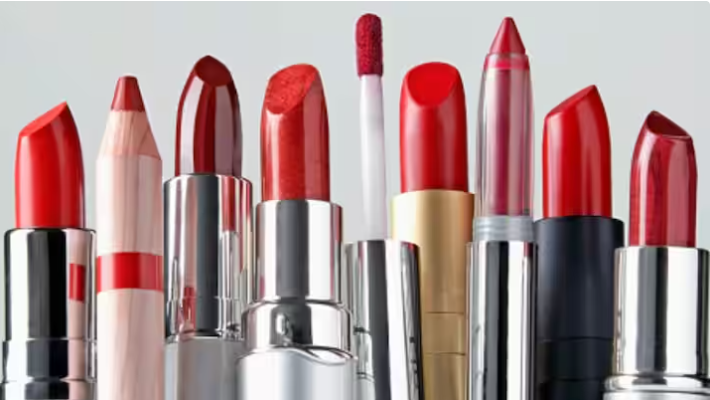
Heavy Metals contents in the lipstick have been an international health concern. This is because lipstick is the daily product that is used in the face makeup application, in addition to foundations, eye shadows, blush and face powder. Although consumers of lipsticks are exposed to minor levels of heavy metals, they do so over an extended period of time, which increases the chance of developing chronic health issues. When consumers eat and drink after applying lipstick to their lips, they may be exposed to a very little amount of the lipstick. [2].
Numerous studies have highlighted the prevalence of potentially harmful substances in lipsticks, such as lead, cadmium, and various synthetic compounds. These contaminants often found as impurities in color additives raise concerns due to their toxicological profiles and potential cumulative effects over time. Consequently, the chronic use of lipsticks may expose individuals to a spectrum of health risks, including but not limited to dermatological reactions, systemic toxicity and in some cases long term adverse health outcomes [3].
Recently, concerns have been raised regarding the health impact associated with the presence of Pb and other heavy metals in cosmetic products such as lipstick. Several studies have shown that Pb is present at measurable levels in many lipstick brands, very few quantitative exposure analyses have been conducted to evaluate the potential Pb exposures and health risks associated with lipstick use [4].
The average Pb contents in lipstick, according to several papers Al-Saleh I, et al. [3, 5, 6, 7], range from 0.36 to 1.84 ppm. Pb tissue burdens rise with cumulative exposure when consumed in sufficient amounts (Needleman, Philip, Gerson). It has also been proposed that daily use of Pb-containing cosmetics may result in significant cumulative exposures for both the user and those in contact with the user (e.g., children). Possible exposure pathways include accidental ingestion (by adults applying lipstick), transfer from the mother to the foetus, and small children inadvertently consuming lipstick materials [4].
As consumers increasingly prioritize cosmetic products in their daily routines, it becomes imperative to scrutinize the potential health impacts associated with routine lipstick application. This exploration into the darker side of the beauty industry aims to raise awareness among consumers, regulators, and manufactures alike, encouraging a more informed approach to the use and production of lipsticks. By understand the risks beneath the glamorous façade, individuals can make empowered choices about their beauty regimens, and the industry can work towards safe formulations that prioritize both aesthetic appeal and consumer well-being.
The European Union’s Restriction on dangerous compounds (ROHS) directive and the US Food and Drug Administration (FDA) have both recently reported that certain materials used in human cosmetics include dangerous compounds. For these reasons, there is increasing worry that certain cosmetic items used by humans include potentially harmful ingredients [8].
The constant quest of personal beauty combined with a significant increase in product ads in electronic media has led to an alarming global increase in the usage of cosmetic items throughout time. Human skin is directly touched by the majority of these cosmetic products. Despite the skin’s excellent barrier of defence, many substances found in cosmetics have the ability to pass through it and enter the body through the systemic circulation, reaching important interior organs. Cosmetic products—like lipsticks and other lip products—that are applied to mucosal membranes pose a much greater risk. Lipsticks also increase the possibility of oral consumption, which exacerbates the harmful effects of the chemicals in the product [8].
Consumers are exposed to small amounts of metals over long periods of time, which can lead to chronic health risks [9], and have no way to perceiving it, since cosmetics companies are not required to report on this kind of impurities [9, 10].
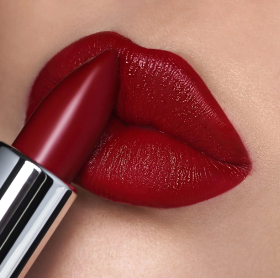
Side Effects of Lipsticks
The mineral oils which are used in lipsticks block the skin pores and they are responsible for the many permanent harmful effects. Lipstick is a versatile cosmetic product that is not only popular among women but also among men working in the film and modeling industries. Lipsticks come with the some dangerous side effects, many of the lipsticks contains the lead, which is immensely harmful and causes the health damage. They cause the irritation, allergy and chapping on the lips and surrounding skin. Those harmful chemicals and the heavy metals can also cause cancer [11].
This article brings attention about the potential side effects of using lipsticks. Some lipsticks may contain harmful ingredients such as lead, which can cause health damage and lead to issues like irritation, allergy, and chapping of the lips and surrounding skin. Furthermore, harmful chemicals and heavy metals have been linked to cancer risks.
Some of the harmful side effects of using the lipsticks regularly explained below:
Preservatives which are used in lipsticks cause cancer: The preservatives which are used in lipsticks are parabens and formaldehyde that are known carcinogens. Lipsticks that utilize these preservatives cause the irritation of the eyes and skin. The mineral oils which are used in the lipsticks blocks the skin pores and are responsible for the harmful effects.
Lead is harmful to nervous system: Lead it is a common constituent in most of the lipsticks. Lead it is a neurotoxin that has a harmful effect on the nervous system. It can also cause brain damage, infertility and hormonal imbalance [11].
Heavy metals cause the renal failure: Lipsticks contain dangerous heavy metals like cadmium, magnesium and chromium. All of these heavy metals can cause dangerous diseases and organ damage. High amounts of cadmium can increase risk of renal failure. Generally while eating the food the lipstick can goes into stomach by applying lipstick frequently cause severe stomach tumours.
Lipstick increases toxin ingestion: Lipsticks are usually cautioned. Including when eating out. Women ingest them accidently while eating, long after they are applied. This increases the impact of toxins attendance in lipsticks. The lipsticks or lip gloss result in women exceeding the daily intake permitted for cadmium, chromium, aluminum and manganese.
These are accumulated in the body over time and cause the toxicity. The intake of these metals is more than 20 percent of their accepted daily intake (ADI) limits. ADI it is the maximum amount of a toxin that a person can be bare to without any major health risk.
Petrochemicals may affect the growth: Most of the lipsticks have petrochemicals as a common ingredient, which have damaging side-effects. Petrochemicals are by product of crude oil and natural gas. It can cause endocrine disruption that works as an obstacle for growth, reproduction, development and intelligence.
Chemicals in the lipstick harm the body: Though bismuth oxychloride is a chemical which is used to preserve the lipstick, it is extremely harmful for the body. The harmful effects of lipsticks are due to the carcinogenic property of this ingredient. Propylparabens act as preservatives just like the formaldehyde [11]. The next time while wear your lipstick, make sure you wear one that does not contain the lead, petrochemicals, etc. harmful ingredients.
Choosing natural home remedies to improve your lip health and colour is the better choice instead of using lipsticks which contains harmful ingredients. Here are some natural home remedies for lip care:
- Exfoliate: Mix some honey and sugar to create a gentle lip scrub. Massage Gently on your lips to remove the dead skin cells.
- Moisturize: Apply a thin layer of coconut oil, shea butter or almond oil to keep your lips hydrated and soft.
- Hydrate: Drink plenty of water to keep your body and lips hydrated from within.
- Protect: Use a lip balm with SPF to shield your lips from the harmful effects of the sun.
- Natural ways to get pink lips: Apply beetroot juice on your lips before going to bed. Its natural pigments can help enhance the pink color of your lips.
- Pomegranate: Crush some pomegranate seeds and mix them with milk cream to create a paste. Apply this paste on your lips and leave it on for about 15 minutes before rinsing it off. Pomegranate has natural properties that can help lighten and brighten your lips.
Remember, while trying natural remedies consistency is a key.
**Quality of Good Lipsticks**
The ideal requirements for the good lipstick are given below:
- It should impact a gloss to lips which would last long.
- It should able to maintain the intensity of colour.
- It should be non-irritant and non-toxic.
- It should possess good thixotropic property.
- It should not be gritty.
- It should physically and chemically stable.
- The stick should possess even firmness and should maintain its strength at varying temperature up to 55°C.
- It should possess required plasticity throughout the storage period [12, 13].
**Precautions**
When it comes to applying lipstick, there are few precautions that everyone can take to ensure safe and enjoyable experiences.
- Check the expiration date: Make sure to use lipstick within their recommended shelf life to avoid any potential bacterial growth.
- Check the ingredients list: Checking for harmful ingredients in lipstick is an important step in ensuring safety. Like look for lipsticks that are labeled as lead-free or low in heavy metals. Opting paraben-free lipsticks is a choice that can make. If consumer has sensitive skin, consider choosing fragrance free lipsticks or one with natural fragrances. Some lipsticks may contain petrochemicals like mineral oil or petroleum jelly. These ingredients can create a barrier on the lips, but they may not provide any nourishing benefits. Preferring natural alternatives like look for lipsticks made with plant based oils or waxes.
- Patch test new products: If anyone trying out a new lipstick or brand, it's a good idea to do a patch test on a small area of their skin to check for the any allergic reactions are occurs or not.
- Avoid sharing lipsticks: Sharing lipsticks can transfer bacteria and increase the risk of infections. It's best to use own lipsticks and avoid sharing them with others.
- Keep your lips clean: Before applying lipstick, ensure that your lips are clean and free from any dirt or oils. You can gently exfoliate lips to remove any dead skin for smoother application.
- Hydrate your lips: It's always a good choice to keep lips moisturized, especially for the consumers who frequently wear lipstick. Apply a lip moisturizer before applying lipstick to prevent dryness.
- Remove lipstick properly: At the end of the day, make sure to remove lipstick using a gentle makeup remover or cleanser. This helps prevent any reside buildup and keep the lips healthy.
Remember, these precautions can help ensure a safe and enjoyable lipstick application experience.
**Discussion**
However, some research points to a possible connection between certain health issues with parabens and heavy metals in lipsticks. While we are worried about potentially dangerous substances, it is best to look into natural or organic lip balms as alternatives. Selecting lipsticks from reliable manufacturers who have an emphasis on safety might also help to reduce any possible hazards.
For example, look for reliable brands, read labels, and stay away from products that have parabens and other dangerous chemicals, as well as heavy metals like lead, cadmium, or mercury. Look for natural substitutes, such as colours made from plants and components that come from natural sources. Keep up with the most recent findings and information about the safety of lipstick.
Consumers, regulators, and manufacturers all need to be more aware of the existence of pollutants like lead, cadmium, and other synthetic substances in lipsticks. The need for stricter quality control procedures in the cosmetics sector is highlighted by studies showing the prevalence of chemicals like lead, parbens, cadmium, etc. It is critical to understand the fine line that separates aesthetics from health in order to encourage consumers to make thoughtful and informed cosmetic decisions, as they look for items to improve their beauty rituals.
Conclusion
In this mini review highlights the few of the many concerns involved in lipstick use which pose a threat to ones health and wellbeing. Keeping in view the frequent everyday use of lipstick on a mass level, one can thus understand the importance of the chemicals involved. The presence of various metal substances like lead, chromium, cadmium and zinc in the lipstick are harmful for the consumers which leads to severe health damages. The review also discusses the criteria used to evaluate lipstick. Thus, using natural components is a step in the direction of healthier cosmetics that women can use with great enjoyment.
References
-
Komal D (2021) Lipstick.
-
Zakaria A, Bin Ho Y (2015) Heavy metals contamination in lipsticks and their associated health risks to lipstick consumers. Regulatory toxicology and pharmacology 73(1): 191-195.
-
Piccinini P, Piecha M, Torrent SF (2013) European survey on the content of lead in lip products. Journal of pharmaceutical analysis 76: 225-223.
-
Monnot AD, Christian WV, Abramson MM, Follansbee MH (2015) An exposure and health risk assessment of lead (Pb) in lipstick. Food and Chemical Toxicology 80: 253-260.
-
Al-Saleh I, Al-Enazi S, Shinwari N (2009) Assessment of lead in cosmetic products. Regulatory toxicology and pharmacology 54(2): 105-113.
-
Gunduz S, Akman S (2013) Investigation of lead contents in lipsticks by solid sampling high resolution continuum source electrothermal atomic absortption spectrometry. Regulatory toxicology and pharmacology 65(1): 34-37.
-
Liu S, Hammond SK, Rojas-Cheatham A (2013) Concentrations and potential health risks of metals in lip products. Environ Health Perspect 121(6): 705-710.
-
Gondal MA, Seddigi ZS, Nasr MM, Gondal B (2010) Spectroscopic detection of health hazardous contaminants in lipstick using laser induced breakdown spectroscopy. Journal of hazardous materials 175(3): 726-732.
-
Salama AK (2015) Assessment of metals in cosmetics commonly used in Saudi Arabia. Environ Monit Assess 188(10): 553.
-
Lara-Torres S, Figueiredo D, Paz S, Gutierrez AJ, Rubio C, et al. (2021) Determination and risk assessment of toxic metals in lipsticks from Europe and china. Journal of trace elements in medicine and biology 67: 126792.
-
(2017) Side effects of lipstick.
-
Shalini S (2019) Lipsticks. Text book of Industrial pharmacy, pp: 183-187.
-
Gaurav KS, Jayesh G, Meenakshi D (2018) lipsticks. Textbook of cosmetic formulations, pp: 5-14.
- Capacity Constraints in Pediatric Inpatient Psychiatric Care: A Cross-Sectional Analysis of Bed Availability and Geographic Access in North Carolina
- Why Healthcare Analytics Still Optimizes the Wrong Things
- Coding, Coverage, and Care: The Infrastructure of Transgender Health Inequities
- The Effect of Classroom Attendance on Academic Achievement of Management and Leadership Discipline of Nursing Students at Instituto Superior Cristal and Universidade de Dili, Timor-Leste, 2024: A Case Study
- The Role of Social Bonds in Facilitating Shared Investments and Resource Allocation: Addressing the “Wrong Pocket Problem” in Public Health and Healthcare
- Social-Cultural Factors Contributing to Antimicrobial Resistance in Livestock Farmers and Community Households in Kayonza District, Rwanda