
Depression, Quality of Life and Participation Level of People with Post-Hansen’s Disease Living in Selected States in SouthEast, Nigeria.
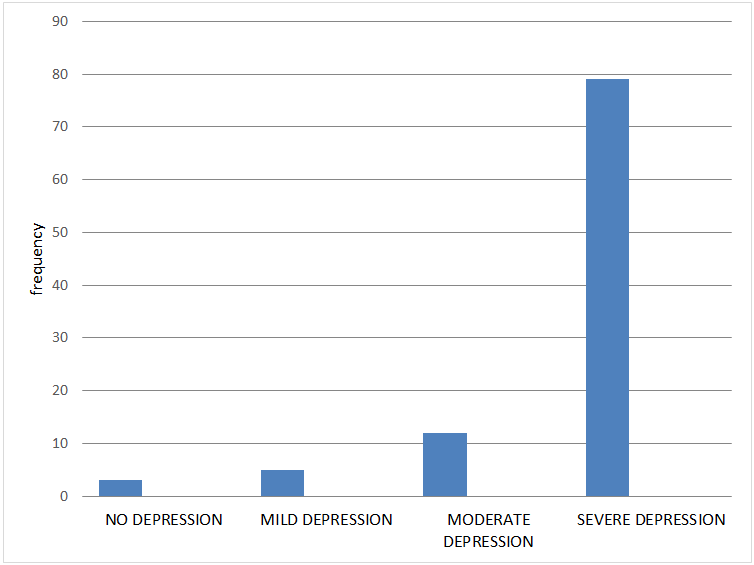
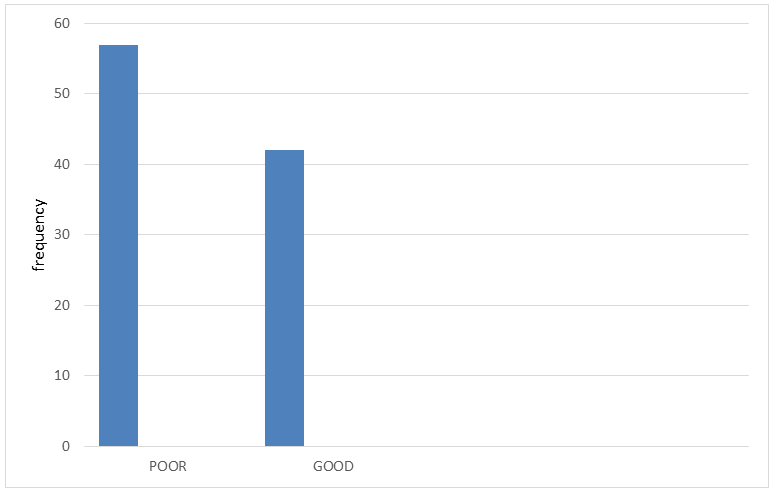
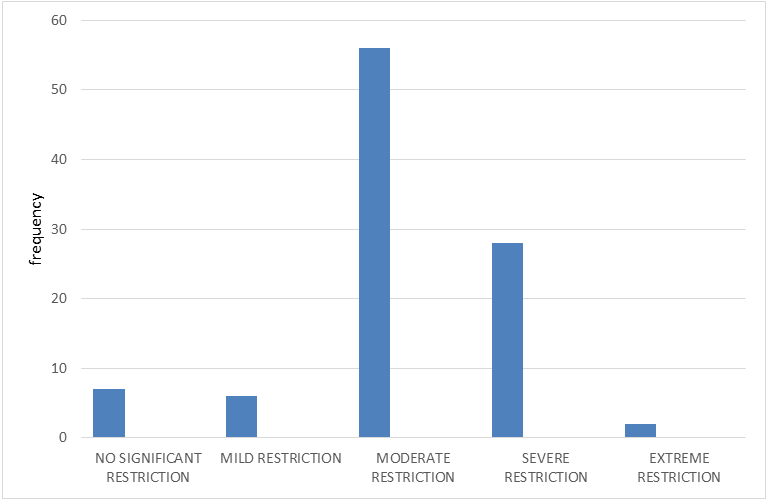
Background: Hansen’s disease is a disease that causes not only physical problem but also psychological and social problems. Too much emphasis on medical care can lead to neglect in the holistic rehabilitation of post-Hansen’s disease persons. Aim: This study was carried out to assess the level of depression, quality of life and participation level of post-Hansen’s disease persons living in South-East Nigeria. Methods: A cross-sectional survey was conducted among the post-Hansen’s disease persons using the Major Depression Inventory for level of depression, SF-12 Health Survey for quality of life, and Participation Scale for participation level. The obtained data was summarized using descriptive statistics of frequency distribution tables and charts, mean and standard deviation, and analyzed using inferential statistics of Spearman’s rank correlation and Chi-square test. Alpha level was set at 0.05. Results: A total of 99 persons (51 males, 48 females) within 22-88 years participated in this study. The results of this study showed that majority of the participants were severely depressed (79.8%), majority had poor quality of life (57.6%), and majority were moderately restricted in participation (56.6%). There was no significant correlation among the level of depression, quality of life and participation level. Age and gender did not significantly influence their level of depression, quality of life and participation level (p>0.05). Conclusion: The outcome of this study showed that majority of post-Hansen’s disease persons living in South-East Nigeria are depressed with a poor quality of life.There is a need to implement measures that would improve the psychosocial and socio-economic rehabilitation services for post-Hansen’s disease persons.
Background of Study
Hansen’s disease, also known as leprosy, is one of the oldest disabling diseases known to man [1]. It is a chronic granulomatous disease caused by Mycobacterium leprae (an acid fast, rod-shaped bacillus) principally affecting the peripheral nerves, mucosa of the respiratory tract and skin of human beings [2]. The bacterium was first identified in 1873 by the Norwegian physician, Gerhard HenrickArmauer Hansen, hence the name of the disease [3]. There is a high degree of misunderstanding and misconceptions about the cause, methods of transmission, and treatment [4]. In endemic areas, the majority of individuals infected with mycobacterium leprae do not develop the disease, and it is believed that the disease development is associated with close and prolonged contact with untreated people with multibacillary disease [5]. Since the inception of multi-drug therapy (MDT) in 1982, there has been at least 85% reduction in global prevalence of Hansen’s disease [6]. Hence, Hansen’s disease is no longer the dreaded disease it used to be and its sufferers face a far better future than rejection and exclusion from the society [7]. However, the social image of Hansen’s disease is not greatly changed in many parts of the world; this is all too well reflected in the attitude of the community, particularly towards individuals disabled due to the disease.
Leprosy has a great probability of causing a permanent and progressive physical disability if left untreated [8]. These impairments and disabilities cause stigma and discrimination among the leprosy affected patients [9]. The stigma when internalized anticipated or experienced in the society leads to depression [9]. These negative social attitudes towards Hansen’s disease can cause more distress to patients and their relatives than the disease itself, as it unnecessarily exposes the sufferers to risks and adds a social and economic burden to the physical burden of the illness [10]. The patients tend to lack in their aspirations because of the depression and the feeling of hopelessness and loss of self-actualization.
Depression is a mood disorder characterized by persistently low mood and a feeling of sadness and loss of interest [11]. Depression is a common illness worldwide with more than 300 million people affected, and at its worst, can lead to suicide [12]. Some forms of depression are slightly different, or they may develop under unique Ibikunle PO, et al. Depression, Quality of Life and Participation Level of People with Post-Hansen’s Disease Living in Selected States in South-East, Nigeria. Clin Dermatol J 2019, 4(1): 000173.
circumstances, such as: Persistent depressive disorder (also called dysthymia), postpartum depression, psychotic depression, seasonal affective disorder, bipolar disorder, disruptive mood dysregulation disorder and premenstrual dysphoric disorder (PMDD) (National Institute of Mental Health [13]. Depression is said to be the most common psychiatric disorder among people with leprosy [14]. In some societies in Nigeria, people with leprosy are completely banished from the community. People with leprosy living in isolated camps are at greater risk of depression because they have been displaced from their place of abode as a result of their desire to stay away from people because of the embarrassment they experience or due to outright rejection by those they normally live with because of the perceived infectivity of the illness [14].
World Health Organization (WHO) defines Quality of Life as individuals’ perception of their position in life in the context of the culture and value systems in which they live and in relation to their goals, expectations, standards and concerns [15]. It is a broad ranging concept affected in a complex way by the person’s physical health, psychological state, level of independence, social relationships, personal beliefs and their relationship to salient features of their environment [15]. Leprosy has an impact on patients’ quality of life [16]. Studies show that individuals affected by leprosy had low quality of life scores in the physical and psychological health domains [17]. Leprosy subjects are strongly affected not only by physical issues such as peripheral neuropathy but also by massive social exclusion that may be related to quality of life impairment [18]. A study revealed that factors potentially contributing to the deteriorated quality of life of leprosy patients were the presence of perceived stigma, fewer years of education, the presence of deformities, and a lower annual income [19]. Mekowulu [20] stated that the male participants’ quality of life was higher than those of the female participants. A study conducted in Ghana demonstrated low quality of life among the sampled elderly people affected by leprosy at the selected leprosoria, thus stressing the need for measures that could improve their health and socio-economic status within the settlements [16].
Participation is a person’s involvement in a life situation [21]. Participation restrictions are often Copyright© Ibikunle PO, et al.
considered 'social problems' and are often caused by impairment, activity limitation, self-stigmatization, disease-related money problems, absence of equipment, support/relationship, attitude and systems, environment, policies or law (WHO, 2001). In a study carried out in Oji River, Enugu State Nigeria, it was concluded that Post- Hansen’s disease persons had on the average, severe participation restriction [22]. During the testing phase in the development process of the Participation Scale, P- scores were shown to be significantly higher when physical impairment was observed [23, 24]. Addressing the issues of stigma and social reintegration and rehabilitation of persons affected by leprosy is an urgent need [25].
Leprosy is a disease that causes not only physical problem but also mental and social problems [26]. It was found that too much emphasis on medical care led to neglect of psycho-socio-economic rehabilitation with a resultant poor quality of life [27]. The lower the socio- economic status and the severe the level of deformity of the respondents, the extreme is the level of participation restriction among them [28]. The patients may experience withdrawal due to depression, loss of hope and lack of quota to the society or even suicidal tendencies. The aims of the study are:
- To determine the level of depression, quality of life and participation level among post-Hansen’s disease persons living in South-East Nigeria.
- To determine the relationship among the level of depression, quality of life and participation level among post-Hansen’s disease persons living in South-East Nigeria.
- To determine if age and gender will correlate with the level of depression, quality of life and participation level among post-Hansen’s disease persons living in South-East Nigeria.
Materials and Method
The research was a cross-sectional survey.
The population for this study comprised post-Hansen’s disease persons resident in the currently operational leprosy rehabilitation hospitals/centers in selected states in South-East Nigeria: The Leprosy settlement, Oji River, Enugu State and Leprosy home, Okija, Anambra State.
Participants of this study included post-Hansen’s disease persons who had completed the prescribed multidrug therapy and were residing in the currently Ibikunle PO, et al. Depression, Quality of Life and Participation Level of People with Post-Hansen’s Disease Living in Selected States in South-East, Nigeria. Clin Dermatol J 2019, 4(1): 000173.
operational leprosy rehabilitation hospitals/centers in selected states in South-East Nigeria. Participants that were excluded from this study included: i. Post-Hansen’s disease persons who are not well oriented in time, place and person. ii. Post-Hansen’s disease persons who had communication impairment.
A sample size of 99 had an 87% power to detect a medium effect size of 0.3 at alpha level of significance 0.05. Sample size was calculated using G* Power 3.0.10.
The centers for this study were purposively selected. In each center, each consenting participant was consecutively recruited.
Research Instruments
- Major Depression Inventory: Major Depression Inventory (MDI) is used to estimate the severity of depression among the participants. This is a 10-item scale. Each item is rated on a 6-point scale from 0 (at no time) to 5 (all of the time). Individual item scores are summed to provide the total score. Higher scores depict higher level of depression. MDI has a high content validity for measuring severity of depression, supported both with classical and modern psychometric tests [29]. The sensitivity of the MDI algorithms for major depression varied between 0.86 and 0.92; the specificity varied between 0.82 and 0.86; the Cronbach’s coefficient was 0.94 [30].
- SF-12: The SF-12 is a multipurpose short form survey with 12 questions, all selected from the SF-36 Health Survey. The questions were combined, scored and weighted to create two scales that provide glimpses into mental and physical functioning and overall health- related quality of life. Both Mental Component Summary Scores (MCS) and Physical Component Summary Scores (PCS) were shown to have high internal consistency reliability (alpha > 0.80). The Physical and Mental Health Composite Scores (PCS & MCS) are computed using the score of twelve questions and range from 0 to 100, where a zero score indicates the lower level of health measured by the scales and 100 indicates the highest level of health. The data obtained with the SF-12 has been developed, tested and validated by Quality Metric Incorporated [31].
• Participation scale: The Participation Scale (P- scale), developed in 2006, is a standardized tool used to quantify perceived participation restrictions. This Copyright© Ibikunle PO, et al.
instrument is based on the participation domains of the International Classification of Functioning, Disability and Health of the World Health Organization. P-scale is reliable and valid to measure client-perceived participation in people affected by leprosy or disability [32]. The 18-item instrument was developed in seven languages. Crohnbach’s alpha was 0.92, intra-tester stability 0.83 and inter-tester reliability 0.80 [32]. The Participation scale (Annex 1) is an 18-item interview- based instrument which covers eight out of nine major life domains which includes: learning and applying knowledge, communication, mobility, self-care, domestic life, interpersonal interactions, major life areas, and community, social and civic. The scale is pre-coded and the scores to each response are already assigned in the response boxes. The item score will each be between 0-5, while the sum score will be between 0-90. Individual item scores are summed to provide the total score [33]. The IGBO translation is a valid translation and is recommended for use among the Igbo-speaking group in Nigeria [34].
Procedure for Data Collection
Ethical approval was obtained from the Ethical Review Committee of Faculty of Health Sciences and Technology, College of Health Sciences, Nnamdi Azikiwe University, Nnewi before the commencement of the study.
A letter of introduction was collected from the Department of Medical Rehabilitation, College of Health Sciences, Nnamdi Azikiwe University, Nnewi Campus by the researchers, to introduce the researchers to the Heads of the leprosy centers requesting their consent to carry out the research.
The prospective participants were approached, the aim of the study was explained to them and they were encouraged to volunteer. The instruments were administered only to those who volunteered to participate in the study after obtaining their informed consent.
Data Analysis
The obtained data was summarized using descriptive statistics of frequency distribution tables, mean and standard deviation; while the inferential statistics of Spearman’s rho correlation test and Chi-square test were used to analyze the obtained data. Level of significance was set at 0.05.
Ibikunle PO, et al. Depression, Quality of Life and Participation Level of People with Post-Hansen’s Disease Living in Selected States in South-East, Nigeria. Clin Dermatol J 2019, 4(1): 000173.
Results and Discussion
Participants’ Profile
The level of depression, quality of life and participation level of post-Hansen’s disease persons were evaluated in this study. A total of 99 (51 males, 48 females) within the range of 22-88 years (mean age 50.73 ± 16.26 years) participated in the study.
Table 1 and figure 1 show the frequencies and percentage distribution of participants’ age group and gender respectively.
| Cumulative | |||||||||||
|---|---|---|---|---|---|---|---|---|---|---|---|
| Age group | Frequency | Percentage | |||||||||
| Percent | |||||||||||
| 20-29 | 7 | 7.1 | 7.1 | ||||||||
| 30-39 | 21 | 21.2 | 28.3 | ||||||||
| 40-49 | 23 | 23.2 | 51.5 | ||||||||
| 50-59 | 13 | 13.1 | 64.6 | ||||||||
| 60-69 | 17 | 17.2 | 81.8 | ||||||||
| 70-79 | 14 | 14.1 | 96 | ||||||||
| 80-89 | 4 | 4 | 100 | ||||||||
| Total | 99 | 100 |
Table 1: Frequencies and percentage distribution of participant’s age group.
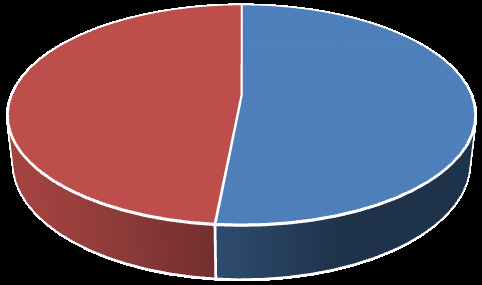
51.51 48.49 male female Figure 1: Pie chart showing gender of the participants.
Distribution of the Frequencies and Mean Scores of Participants in the Level of Depression, Quality of Life and Participation Level
The level of depression among the participants was found to be severe with mean score of 33.21±5.62; the Copyright© Ibikunle PO, et al.
quality of life of the participants was poor with mean score of 46.68±10.78, while the participation level of the participants was moderate with mean score of 28.43±9.69.
Figures 2, 3 and 4 shows the frequency and percentage distribution of participants in the level of depression, quality of life and participation level respectively.
Table 2 shows the participants mean scores for the level of depression, quality of life and participation level.
Ibikunle PO, et al. Depression, Quality of Life and Participation Level of People with Post-Hansen’s Disease Living in Selected States in South-East, Nigeria. Clin Dermatol J 2019, 4(1): 000173.
Copyright© Ibikunle PO, et al.
| Variables | N- statistics | Minimum | Maximum | Mean±SD | ||||||||||
|---|---|---|---|---|---|---|---|---|---|---|---|---|---|---|
| Level of Depression | 99 | 8 | 40 | 33.21±5.62 | ||||||||||
| Quality of Life | 99 | 18.75 | 73.75 | 46.68±10.8 | ||||||||||
| Participation Level | 99 | 0 | 64 | 28.43±9.69 |
Table 2: Descriptive statistics of participants in the level of depression, quality of life and participation level
| Variables | Level of Depression | Quality of Life | Participation Level | ||||||||
|---|---|---|---|---|---|---|---|---|---|---|---|
| Age group | |||||||||||
| 20-29 | 61.36 | 48.29 | 39.86 | ||||||||
| 30-39 | 55.48 | 45.43 | 45.48 | ||||||||
| 40-49 | 50.39 | 55.41 | 52.43 | ||||||||
| 50-59 | 43.15 | 50.96 | 42.12 | ||||||||
| 60-69 | 45.47 | 47.47 | 50.41 | ||||||||
| 70-79 | 41.96 | 50.25 | 56.21 | ||||||||
| 80-89 | 68.75 | 52.62 | 79.62 | ||||||||
| Gender | |||||||||||
| Male | 46.23 | 48.26 | 46.29 | ||||||||
| Female | 53.05 | 50.84 | 52.98 |
Table 3: Distribution of the mean rank of scores in level of depression, quality of life and participation level across age group
Ibikunle PO, et al. Depression, Quality of Life and Participation Level of People with Post-Hansen’s Disease Living in Selected States in South-East, Nigeria. Clin Dermatol J 2019, 4(1): 000173.
Copyright© Ibikunle PO, et al.
Correlation between Scores in the Level of Depression, Quality of Life and Participation Level
Correlation. There was no significant correlation between the level of depression and quality of life, the level of depression and participation level, quality of life and participation level, age and the level of depression, age and quality of life, age and participation level with p>0.05 in all cases.
- Table 4 shows the correlation between scores in the level of depression, quality of life and participation level.
- The obtained data was analyzed using Spearman Rank
- Variable
- Test
- Level of Depression
- Quality of Life
- Participation Level
- Level of Depression σ-value
- 1
- -0.18
- 0.02 p-value
- 0.07
- 0.86
- Quality of Life σ-value
- -0.18
- 1
- -0.04 p-value
- 0.07
- 0.7
- Participation Level σ-value
- 0.02
- -0.04
- 1 p-value
- 0.86
- 0.7
- Age σ-value
- -0.15
- 0.02
- 0.17 p-value
- 0.15
- 0.85
- 0.1
Table 4: Correlation between scores in the level of depression, quality of life and participation level using Spearman Rank
Association between Different Variables and Scores in the Level of Depression, Quality of Life and Participation Level
Table 5 shows the association between different variables and scores in the MDI, SF-12, and P-scale. The obtained data was analyzed using Chi-square test. There was no significant association between age and the level of depression, age and quality of life, age and participation level, gender and the level of depression, gender and quality of life, gender and participation level, with p>0.05 in all cases.
| Variable | Test | Level of Depression | Quality of Life | Participation Level | ||||||||
|---|---|---|---|---|---|---|---|---|---|---|---|---|
| AGE | X2 | 10.84 | 0.96 | 32.42 | ||||||||
| p-value | 0.9 | 0.99 | 0.12 | |||||||||
| GENDER | X2 | 3.8 | 0.75 | 3.09 | ||||||||
| p-value | 0.7 | 0.69 | 0.93 |
Table 5: Association between different variables and scores in the level of depression, quality of life and participation level u
This study was conducted with the aim of investigating the level of depression, quality of life and participation level of post-Hansen’s disease persons living in leprosy rehabilitation homes in selected states in South East, Nigeria. A total number of 99 (51 males, 48 females) post- Hansen’s disease persons within the age range of 22-88 years participated in the study.
Depression
The outcome of this study revealed that affected persons had severe depression. This concurs with the Ibikunle PO, et al. Depression, Quality of Life and Participation Level of People with Post-Hansen’s Disease Living in Selected States in South-East, Nigeria. Clin Dermatol J 2019, 4(1): 000173.
In this study, the female participants were severely depressed than the male counterparts. This aligns with the fact that in general population, depression and anxiety Copyright© Ibikunle PO, et al.
disorders are more frequent in women than in men [14, 35]. Several factors may increase a woman’s risk of depression; some of these are; coping with menstrual cycles, pregnancy, menopause, the prevalence of victimization of women and the tendency of women to ruminate over their problems [36, 37].
Although the participants in the age range of 40-49 had the highest score of depression, the age did not correlate with and was not associated with depression. A study revealed that age of the patients (young or old) was not significantly associated with both depression and anxiety disorder [14].
Quality of Life
The result of this study shows poor quality of life among the participants. This agrees with studies that show that individuals affected by leprosy had low quality of life scores in the physical and psychological health domains [17]. Pain is highly prevalent among leprosy patients and is associated with low quality of life [38]. Multiple regression analysis of a study revealed that factors potentially contributing to the deteriorated quality of life of leprosy patients were the presence of perceived stigma, fewer years of education, the presence of deformities, and a lower annual income [39].
The result of this study reveals that age did not correlate with, and was not associated with quality of life of post-Hansen’s disease persons. This agrees with the result of a recent study which reveals that age has no significant relationship on quality of life [16].
Gender of the participants did not correlate with the quality of life. However, the female participants had a higher quality of life score than the male participants. This agrees with a study which reveals that women had higher quality of life scores than men in almost every domain, and this perhaps implied a greater readiness among women to accept their situation, in line with their secondary role in the society [40]. However, recent studies reported a lower quality of life score in males than females affected by leprosy [16].
Participation Level
The findings of this study showed that there was moderate participation restriction among the participants. In South-east Nigeria, severe participation restrictions were found among post-Hansen’s disease persons [22].
Ibikunle PO, et al. Depression, Quality of Life and Participation Level of People with Post-Hansen’s Disease Living in Selected States in South-East, Nigeria. Clin Dermatol J 2019, 4(1): 000173.
Another study also revealed that leprosy affected patients had extreme participation restriction [19].
The findings of this study showed that there were no significant differences between gender and participation level of the participants. This concurs with a study conducted in India on the participation level of leprosy patients which revealed that there was no significant difference between gender and participation restriction level of the respondents [28]. This study shows a ratio of 29 males: 26 females (moderate participation restriction level) and 15males: 13 females (severe participation restriction level) among the participants. A gender-wise determination of the patients’ participation level revealed that males outnumbered females both in moderate and severe participation restriction level [28].
This study also shows that age of post-Hansen’s disease persons was not associated with their participation level. A study conducted by Ibikunle and Nwokeji [22] showed that age did not significantly influence the social participation of the affected persons. Another study shows that there was no significant association between age and participation level among patients in a Basic Health Unit (BHU) diagnosed with leprosy [41, 42, 43, 44].
Conclusion
From this study, it was concluded that:
- Post-Hansen’s disease persons in selected states in South-East Nigeria were severely depressed.
- The overall quality of life of post-Hansen’s disease persons in selected states in South-East Nigeria was poor.
- Post-Hansen’s disease persons in selected states in South-East Nigeria had moderate participation restriction.
- There was no significant correlation between level of depression, quality of life and participation level.
- Age did not significantly correlate with level of depression, quality of life and participation level.
- Gender was not significantly associated with level of depression, quality of life and participation level.
Recommendations
Based on this study, the following recommendations were proposed: 1. Further studies should be conducted across different regions in Nigeria on a larger population of post- Hansen’s disease persons.
Copyright© Ibikunle PO, et al.
2. Further studies should be done to compare the level of depression, quality of life and participation level of post-Hansen’s disease persons who dwell in rehabilitation homes and those who dwell outside the rehabilitation homes. 3. There is an urgent need to implement measures that would reduce the depression, improve the quality of life and participation level of post-Hansen’s disease persons. 4. There is also a need to improve the psycho-social and socio-economic rehabilitation services for post- Hansen’s disease persons.
References
-
Kaur H, Brakel VW (2002) Rehabilitation of leprosy- affected people-a study on leprosy-affected beggars. Leprosy Review 73: 346-355.
-
Ajibade BL, Okunlade JO, Olawale F (2013) Prevalence, management and perceived psychological impact of leprosy disease in national tuberculosis and leprosy training Centre, Saye village, Zaria (2005- 2010). International Organization of Scientific Research, Journal of Pharmacy and Biological Sciences 8(4): 09-12.
-
Sasaki S, Takeshota F, Okuda K, Ishii N (2001) Mycobacterium leper and leprosy: A compendium. microbiology and immunology 45(11): 729-736.
-
Adhikari B, Kaehler N, Chapman RS, Raut S, Roche P (2014) Factors Affecting Perceived Stigma in Leprosy Affected People in Western Nepal. PLoS Neglected Tropical Disease 8(6): 2940.
-
Goulart, LR, Goulart IM (2009) Hansen’s disease pathogenetic background: a review and lessons from other mycobacterial diseases. Archives of Dermatological Research 301: 123-137.
-
Curtiss R, Sally B, Kevin C, David R, Samuel S, et al. (2001) Leprosy research in the post genome era. Leprosy Review 72(1): 8-22.
-
Deepak S (2008) Consequences and socio-economic rehabilitation. Hansen’s disease Review 71: 418-419.
-
Lockwood DN (2004) Commentary: leprosy and poverty. International Journal of Epidemioloy 33: 269-270. Ibikunle PO, et al. Depression, Quality of Life and Participation Level of People with Post-Hansen’s Disease Living in Selected States in South-East, Nigeria. Clin Dermatol J 2019, 4(1): 000173.
-
Sathish P, Sisodia M, Selvasekar A (2013) Role of stigma and depression in influencing the leprosy affected person’s quality of life. Symposium: Social aspects and self-care.
-
Gussow Z, Tracy GS (1970) Stigma and the Hansen’s disease phenomenon: the social history of a disease in the nineteenth & twentieth centuries. Bulletin of the History of Medicine 44(5): 425-449.
-
Markus M (2017) Depression: Tests, symptoms, causes and treatment.
-
WHO (2018) Depression. World Health Organization.
-
NIMH (2018) Depression. National Institute of Mental Health.
-
Bakare AT, Yusuf AJ, Habib ZG, Obembe A (2015) Anxiety and depression: A study of people with leprosy in Sokoto, North-Western Nigeria. Journal of Psychiatry.
-
WHOQOL (1997) Measuring quality of life. World Health Organization, Geneva.
-
Bello AI, Dengzee S, Iyor FT (2013) Health related quality of life amongst people affected by leprosy in South Ghana: a needs assessment’. Leprosy review 84: 76-84.
-
Savassi LC, Bogutchi TR, Lima AC, Modena CM (2014) Quality of life of leprosy sequel patients living in a former leprosarium under home care. Qual Life Res 23(4): 1345-1351.
-
Borges-de-Oliveira R, Rocha-Leite CI, Araujo-de- Freitas L, Queiroz DA, Machado PR, et al. (2015) Perception of social exclusion, neuropathy, and quality of life among Hansen's disease patients. International Journal of Psychiatry Medicine 49(3): 176-186.
-
Tsutsumi A, Izutsu T, Islam AM, Maksuda AN, NATO H, et al. (2007) The Quality of life, mental health and perceived stigma of leprosy patients in Bangladesh. Soc Sci Med 64(12): 2443-2453.
-
Mekowulu UC (2011) qualities of life of persons post Hansen’s disease in the South-Eastern Geopolitical zone in Nigeria. A dissertation submitted to the department of Medical Rehabilitation Copyright© Ibikunle PO, et al. (Physiotherapy), Faculty of Health Sciences, NnamdiAzikiwe University, Nnewi Campus, pp: 1-45.
-
WHO (2001) International classification of functioning, disability and health, final draft. World Health Organization. Geneva.
-
Ibikunke PO, Nwokeji SC (2017) Assessment of stigma among people living with Hansen's disease in Southeast Nigeria. Leprosy Review 88: 43-57.
-
Anderson AM (2008) Participation scale development program, phase 3- Psychometric testing. Pokhara, Nepal, pp: 4-18.
-
Lesshaff H, Heukelbach J, Barbosa JC (2009) History and current life in a former leprosy colony in Ceara State, Brazil: social and physical sequels. Cad Saú de Colet 17: 175-194.
-
Sihombing B, Wilder-Smith A, Hernani D, Yulihane R, Kasim M, et al. (2009) Disability in people affected with leprosy: Stigma, social participation and discrimination. Tropical Medicine and International Health 14: 69-70.
-
Prakashkumar MD, Ebenezer M, Richard J (2014) Measurement of change in the knowledge and attitude about leprosy in Physiotherapy students undergoing intensive one week training in leprosy. Indian Journal of Leprosy 86(3): 99-104.
-
Briden A, Magure E (2003) An assessment of knowledge and attitudes towards leprosy/Hansen’s disease amongst healthcare workers in Guyana. Leprosy Review 74(2): 154-162.
-
Singh S, Sinha AK, Banerjee BG, Jaswal N (2009) Participation level of the leprosy patients in society, Indian Journal of Leprosy 81: 181-187.
-
Olsen LR, Jensen DV, Noerholm V, Martiny K, Bech P (2003) The internal and external validity of the Major Depression Inventory in measuring severity of depressive states. Psychological Medicine 33(2): 351- 356.
-
Bech P, Rassmussen NA, Olsen LR, Noerholm V, Abildgaard W (2001) The sensitivity and specificity of the Major Depression Inventory using the Present State Examination as the index of diagnostic validity. J Affect Disord 66(2-3): 159-64. Ibikunle PO, et al. Depression, Quality of Life and Participation Level of People with Post-Hansen’s Disease Living in Selected States in South-East, Nigeria. Clin Dermatol J 2019, 4(1): 000173.
-
Utah Health Status Survey (2001) Interpreting the SF-
-
Utah Department of Health.
-
Brakel WH, Anderson AM, Mutatkar RK, Bakirtzief Z, Nicholls PG (2006) The Participation Scale: Measuring a key concept in public health. Disability Rehabilitation 28: 193-203.
-
Brakel WH (2010) Participation Scale User’s Manual Version 6.0. Amsterdam, Netherlands. KIT Leprosy Unit, pp: 5-9.
-
Ibikunle PO, Oladipo SE, Chukwu JN, Okeke AI (2016) Establishing the psychometric properties of the Igbo version of the Participation Scale. Leprosy review 87: 396-404.
-
Smith DE, Thompson JK, Raczyniki JM, Hilner JE (1999) Body image among men and women in a biracial cohort: the CARDIA study. International Journal of Eating Disorder 25(1): 71-82.
-
Arbabi M, Naista Z, Zahra S (2009) Psychiatric Comorbidity and Quality of life in patients with Dermatological Diseases. Iran Journal of Psychiatry 4: 102-106.
-
Raju MS, Kopparty SNM (2009) Impact of knowledge of leprosy on the attitude towards leprosy patients: a community study. Indian Journal of Leprosy 57: 620- 623.
-
Santos VS, Santana JC, Castro FD, Oliveira LS, Feitosa VL, et al. (2016) Pain and Quality of life in leprosy patients in an endemic area of Northeast Brazil. Infect Dis Poverty 5:18.
-
Tsutsumi A, Izutsu T, Kato S, Islam AM, Yamada H, et al. (2006) Reliability and validity of the Bangla version of WHOQOL-BREF on an adult population in Dhaka, Bangladesh. Psychiatry and Clinical Neurosciences 60(4):493-498.
-
Geetha AJ, Rao PS (1999) Impact of leprosy on quality of life. Bulletin of the World Health Organization, 77(6): 515-517.
-
Reis BM, Castro SS, Fernandes LFRM (2017) Limitation of activity and restriction of social participation in relation to age range, gender, and education in people with leprosy. An Bras Dermatol 92(3): 335-339. Copyright© Ibikunle PO, et al.
-
Geetha K, Dhanalakshmi A, Judie A (2015) A study to assess the impact of leprosy on quality of life among leprosy patients in Government Rehabilitation Home at Paranus. International Journal of Pharmaceutical and Clinical Research 7(6): 466-468. Ibikunle PO, et al. Depression, Quality of Life and Participation Level of People with Post-Hansen’s Disease Living in Selected States in South-East, Nigeria. Clin Dermatol J 2019, 4(1): 000173.
-
Smith DS (2018) Hansen’s disease: overview.
-
Yawalkar SJ (2009) Leprosy for medical and paramedical workers. Novartis foundation for sustainable developments, pp: 10-90. Copyright© Ibikunle PO, et al.
- Epithelioid Granuloma; 3cases with Different Clinical Features
- Advancing Representation in Dermatology Clinical Trials: Ethical, Scientific, and Regulatory Imperatives for Inclusion Across all Fitzpatrick Skin Types
- A Case of Atopic Dermatitis with Concurrent Psoriasis Vulgaris: Successful Treatment with Upadacitinib
- Innovation Lifting Eyeshadow: A Synthesis of Makeup and Optical Illusion
- Distinguishing Superficial Actinic Porokeratosis from Actinic Keratosis with UVF Dermoscopy: A Case Report
- High Mobility Group Box 1 (HMGB1) in Cutaneous Inflammation: An Immune Modulator Bridging Cellular Stress, Ferroptosis and Danger Signaling