
Exploring the Impact of Additives on Tribological Characteristics in Lubricating Oils: A Critical Review
In mechanical systems, lubricants play a crucial role in minimizing friction, dissipating heat, and preventing wear. Additives, comprising both organic and inorganic compounds and typically constituting 0.1% to 30% of lubricant volume, are introduced to enhance lubricant performance. This study investigates the influence of various additives on lubricant behaviour and performance, encompassing antifoam agents, corrosion inhibitors, antioxidants, detergents, extreme pressure additives, pour-point depressants, and viscosity index improvers. Friction coefficients were meticulously measured using a pin-on-disk tribometer to assess the Tribological and physical properties of these additives. Surface analysis via SEM provided insights into wear characteristics influenced by the additives. The comprehensive tribological assessment reveals that the incorporation of additives consistently reduces friction and wear across different base oil types. This underscores the critical role of additives in improving lubricant properties, maintaining thermal stability, and forming protective films on surfaces. Our findings advocate for the strategic use of additives to enhance lubricant performance and longevity.
Introduction
The exploration of lubrication holds immense practical significance as numerous mechanical, electromechanical, and biological systems rely heavily on the application of suitable lubricants. Lubrication is necessary to gain basic insights into abrasion and wear. In essence, lubrication is the application of a friction-reducing film between faces in interaction with the intention of managing wear and resistance. While this definition captures the essence of lubrication, it falls short in articulating the diverse achievements of lubrication. Lubricants, in its multifaceted role, not only diminishes friction but also serves to prevent wear, shield equipment from corrosion, regulate temperature, manage contamination, and establish a fluid seal, among other functions. The primary aim of lubrication is to reduce friction, where friction is defined as resistance to motion. It’s essential to note that the terms “reducing friction” and “preventing wear” are frequently used interchangeably; however, friction pertains to the resistance encountered during motion, while wear signifies the loss of material due to friction, contact fatigue, and corrosion. This distinction is crucial, as not all factors causing friction necessarily lead to wear, and conversely, not all factors causing wear necessarily induce friction. Understanding this nuanced relationship is pivotal for a comprehensive grasp of lubrication’s intricate role in diverse applications [1].
Historically, mineral oils have been the go-to lubricants for mitigating wear and friction. However, evolving environmental consciousness has prompted a shift away from mineral oils as base oils. In contemporary times, there is a notable transition towards employing vegetable oils sourced from diverse origins such as coconut, soybean, neem, and jatropha as lubricants across various industries [2]. Both mineral and vegetable oils exhibit inherent effectiveness in reducing wear coefficient of friction (COF). However, in extremally challenging situation such as heavy loads, high speeds, and elevated temperatures, the lubrication film formed by these natural oils may struggle to maintain the desired COF and minimize wear rates. One noteworthy drawback specifically associated with vegetable oil-based lubricants is their relatively limited oxidation stability. In the context of modern machinery and vehicles, lubricants must function seamlessly under extreme conditions involving varying loads, speeds, and temperatures. However, the inherent properties of natural lubricants fall short of meeting these demanding requirements. Consequently, there arises a necessity to introduce additional constituents or modify the composition of lubricants to enhance their properties, enabling optimal performance across diverse load and temperature conditions. This imperative reflects the ongoing pursuit of formulating lubricants that can effectively navigate the challenges posed by contemporary machinery and operational environments.
These essential components, often referred to as lubricant additives or simply additives, play a crucial part in improving lubricants’ performance. Usually making up 0.1% to 30% of the oil volume, lubricant additives are characterized by their significant cost, making the formulation of an optimal mix a complex scientific endeavor. The careful selection of additives is what distinguishes a turbine (R&O) lubricant from hydraulic oil or gear oil. An illustrative example involves the integration of h-BN nano-sheets, globular W nanoparticles, or their combination as emollient condiments to synthetic PAO6 oil [3]. This exemplifies how the judicious blending of lubricants with specific additives and the base oil can result in performance improvements. In this context, the exfoliation and gliding of h-BN nano-sheets subsidize to the reduction of rubbing and tear, while the W nanoparticles exhibit the ability to withstand high applied loads, sliding or rotating in the track of the functional capacity. Addressing environmental concerns and the growing demand for biodegradable lubricants/additives has led to the exploration of eco-friendly options such as graphene, natural fibers, and nano-crystalline cellulose as additives or reinforcing agents. Preventing wear and friction has been shown to be extensively efficient when silver and graphene nanocomposites are fabricated using an efficient one-step laser irradiation strategy and then used as additives. Notably, these additives do not contain any elements that contribute to metal corrosion or environmental pollution [4]. This ongoing exploration of advanced additives showcases the dynamic nature of lubricant technology, where scientific innovation continually shapes the landscape of lubrication for improved performance and environmental sustainability.
Role of Lubricating Oil in Reducing Friction
Lubricating oils are indispensable to the smooth operation and longevity of mechanical systems, serving a fundamental role in mitigating friction and wear. As components move in contact within a machine, the lubricant forms a protective layer that significantly reduces friction, enabling efficient motion and preventing damage caused by abrasive wear. This friction reduction not only optimizes energy efficiency and minimizes heat generation but also extends the operational life of critical machinery components [5]. Lubricating oils act as a crucial part of defense against the detrimental effects of friction, playing a crucial role in maintaining the reliability, performance, and overall functionality of diverse mechanical systems, spanning from intricate precision instruments to heavy-duty industrial machinery and automotive engines. Their ability to create a robust barrier against wear and tear underscores their paramount importance in sustaining the efficiency and durability of mechanical systems across various industries.
The dispersibility of additives within lubricating oils is a fundamental aspect that significantly influences their tribological performance. Additives play a vital role in enhancing lubricant properties such as friction reduction, wear protection, and thermal stability. However, the effectiveness of these additives hinges on their ability to disperse uniformly throughout the lubricating oil matrix. Poor dispersibility can lead to localized areas of insufficient lubrication, compromising the efficiency and longevity of mechanical systems. Therefore, understanding and optimizing dispersibility are essential for maximizing the benefits of additives in lubricating oils. In this review, we explore the impact of additives on tribological characteristics in lubricating oils, with a specific focus on the importance of dispersibility and strategies to enhance it.
Importance of Dispersibility in Lubricating Oils: The dispersibility of additives within lubricating oils plays a critical role in determining their effectiveness in enhancing tribological characteristics. Poor dispersibility can lead to uneven distribution of additives, resulting in localized areas of insufficient lubrication and increased friction and wear. Therefore, ensuring optimal dispersibility is essential for maximizing the benefits of additives in lubricating oils.
Effects Of Poor Dispersibility: When additives are inadequately dispersed, they may agglomerate or settle out of the lubricant, leading to reduced effectiveness and potential degradation of lubricant performance over time. This can result in decreased friction reduction, wear protection, and overall lubricant stability, compromising the efficiency and longevity of mechanical systems.
Methods to Enhance Dispersibility: Several techniques can be employed to improve the dispersibility of additives in lubricating oils. These include proper formulation and selection of dispersants, homogenization processes during additive blending, and optimization of operating conditions to promote uniform distribution. Additionally, advancements in nanoparticle technology and surface modification techniques offer promising avenues for enhancing dispersibility and ensuring optimal performance of additive- modified lubricants.
Future Directions and Research Needs: Further research is warranted to investigate the mechanisms governing the dispersibility of additives in lubricating oils and its impact on tribological characteristics. This includes exploring novel dispersant chemistries, refining additive blending processes, and utilizing advanced characterization techniques to assess dispersibility at the nanoscale. Addressing these research needs will facilitate the development of next-generation lubricants with superior dispersibility and enhanced performance across a wide range of applications.
The Role of Additives in Boosting Lubricating Oils’ Performance
The role of additives in boosting lubricating oils’ performance is paramount, as these specialized compounds play a multifaceted role in augmenting the inherent properties of base oils. Additives are meticulously formulated to address specific challenges faced by lubricants in diverse operating conditions. Antioxidants, for instance, combat oxidative degradation, extending the oil’s lifespan and preserving its functionality. Corrosion inhibitors form protective layers on metal surfaces, shielding them from corrosive elements. Antifoam agents prevent foam formation, ensuring proper lubrication and heat dissipation. Pour-point depressants maintain fluidity at low temperatures, crucial for cold climates. Viscosity index improvers optimize viscosity-temperature relationships, guaranteeing consistent lubrication across temperature variations [6]. Extreme pressure additives form protective films under high loads, preventing wear. Detergents and dispersants keep contaminants in check, maintaining system cleanliness. These additives collectively tailor lubricating oils for specific applications, from automotive engines to industrial machinery, ensuring not only friction reduction and wear prevention but also addressing a spectrum of challenges, thereby elevating the overall performance, efficiency, and longevity of lubricated mechanical systems. A research by Jason et al. [2] focused on the development and characterization of novel additives for lubricating oils. Their innovative contributions include the synthesis of specialized additives tailored to improve specific tribological properties such as friction reduction and wear prevention. Li et al. [3] specialized in the evaluation of tribological characteristics of lubricating oils with a focus on the synergistic effects of multiple additives. Their innovative contributions involve the systematic investigation of additive combinations to optimize lubricant performance in various operating conditions. A research by Pawar et al. [5] is centered on understanding the mechanisms underlying the tribological behavior of lubricating oils containing additives. Their innovative contributions include the use of advanced surface analysis techniques such as SEM to elucidate the impact of additives on wear characteristics. Bustami et al. [7] focused on the practical application of additive-modified lubricants in industrial settings. Their innovative contributions involve conducting field trials to assess the real-world performance of lubricants under operating conditions representative of machining processes.
In this comprehensive review, the aim is to bridge this gap by synthesizing both theoretical and experimental analyses of the impact of additives on tribological characteristics in lubricating oils. Existing research cases, encompassing both engineering experimental studies and theoretical investigations, will be analyzed to provide a holistic understanding of the complex interactions between additives and lubricant performance. A range of analysis cases for processing, including experimental studies conducted in real-world machining environments, as well as theoretical models developed to elucidate fundamental mechanisms, will be examined to uncover insights into the effectiveness of additives in reducing friction, preventing wear, and maintaining thermal stability. This integrated approach is intended to advance understanding of the underlying mechanisms governing additive-lubricant interactions and inform future research directions aimed at optimizing lubricant formulations for various industrial applications. Through this critical review, a contribution is aimed to be made to the development of innovative solutions for improving the tribological characteristics of lubricating oils, ultimately enhancing the performance and reliability of mechanical systems in diverse engineering applications.
Comprehensive Survey
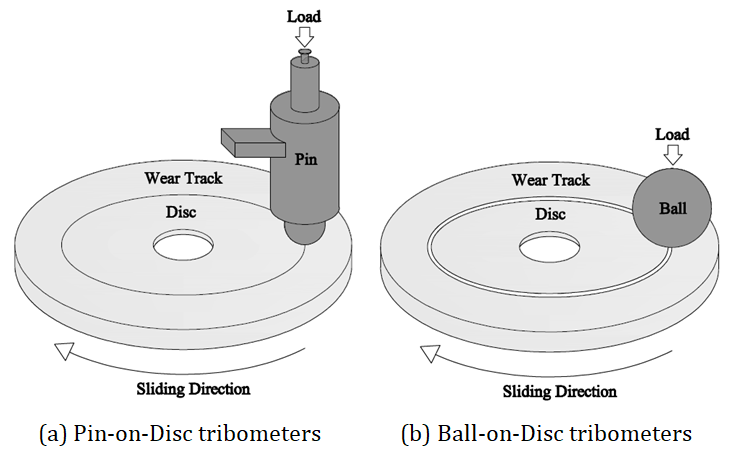
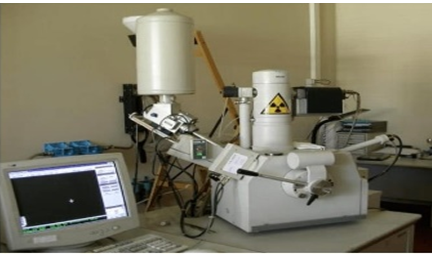
To underscore the outcomes of employing distinct additives and their impact on lubricating oils, a classification into three overarching categories has been employed: Metals, Non-Metals, and the Graphene & Silicon Family. Emphasis is placed on prioritizing the outcomes of these additives concerning the rubbing coefficient and their potential for wear reduction [7]. The predominant tools utilized for conducting these friction and wear assessments encompass tribometers, encompassing both Pin-on-Disc and Ball-on- Disc configurations shown in Figure 1 [8]. Additionally, the examination of surface topography and composition of samples is extensively carried out using a Scanning Electron Microscope (SEM) shown in Figure 2, ensuring a meticulous analysis that yields the most precise and insightful results [9]. This categorization and experimental approach contribute to a nuanced understanding of the diverse impacts additives have on lubricating oils, facilitating informed insights into their efficacy across different additive families.
Additives are integral components of lubricating oils, serving to enhance their tribological characteristics by reducing friction, preventing wear, and maintaining thermal stability. However, the effectiveness of these additives depends significantly on their dispersibility within the lubricant matrix. Poor dispersibility can result in uneven distribution of additives, leading to localized areas of inadequate lubrication and compromised performance of mechanical systems. Thus, optimizing dispersibility is crucial for maximizing the benefits of additives in lubricating oils. In this critical review, we delve into the multifaceted impact of additives on the tribological characteristics of lubricating oils, with a particular emphasis on the importance of dispersibility. Through a comprehensive analysis, we explore how additives influence friction reduction, wear protection, and thermal stability, considering their interactions within the lubricant matrix. Furthermore, we examine strategies to enhance dispersibility, including formulation techniques, blending processes, and advancements in nanoparticle technology. By elucidating the intricate relationship between additives and tribological performance, this review aims to provide valuable insights for researchers and industry professionals seeking to optimize lubricant formulations and improve the efficiency and longevity of mechanical systems.
Additives Belong to Non-Metallic Family
This encompasses a diverse array of non-metallic additives, including compounds like Hbn, orthoboric acid, Nano diamond particles, Polyfluoro wax, polytetrafluoroethylene, borate, phosphorus, sulphur, and more. The integration of boron-based extracts with base lubricant stands out as a strategic measure to enhance the oiling properties of the base lubricate and impart increased slipperiness to motor oil. This, in turn, diminishes friction among engine components within an automobile, thereby bolstering wear resistance, as evidenced by the works of Mujtaba et al. [10], Ralls et al. [11], and Uppar et al. [12]. The unique tribological attributes of boron compounds manifest in their distinctive interaction with sliding surfaces, delivering a noteworthy reduction in rubbing and erosion at two separate conditions i.e., with and without lubrications. Familiar with graphite, h-BN is a well- known compact emollient with thin layers that exhibits a structure similar to graphite’s. Notably, boric acid, existing in metaboric acid and orthoboric acid forms, has demonstrated its efficacy in reducing friction coefficients, with studies by Bui and Bui [13] employing the plinth tribology test to unveil the superior influence of H3BO3 over h-BN additives in curbing friction coefficients. The amalgamation of h-BN and H3BO3 further translates into a tangible reduction in fuel ingesting in diesel engines, underscoring the multifaceted benefits of these non-metallic additives.
An additional non-metallic additive, nano diamond, finds practical application in marine engines, particularly crucial for coastal fishing vessels that bear a substantial responsibility for coastal pollution. To mitigate sea pollution effectively, lubricants must exhibit both durability and lubricity, as highlighted by Raina et al. [14]. Nano diamonds emerge as a viable solution in this context, possessing characteristics such as roundness, exceptional hardness, chemical stability, and high heat conductivity. The research conducted by Mousavi and Heris [15] involved the uniform dispersion of nano-diamond particles in marine engine lubricants. Friction and wear tests were conducted in two phases: quantifying friction and wear amounts and performing a scuffing test. The introduction of nano diamond particles resulted in decreased friction coefficients, increased scuffing life, and enhanced heat dispersibility. This reduction in friction not only curtailed the generation of frictional heat on sliding surfaces but also addressed the potential service failure of elements. Surface erosion and quick development of crack are accountable for this phenomenon. Engineers often resort to low-friction lubricant coatings to counteract different types of erosion and friction-related destruction, where polyfluoro-wax (PFW), a non-metallic lubricant additive, proves notable. Comprising a blend that has been meticulously created of polytetrafluoroethylene (PTFE) and polyethylene, PFW demonstrates remarkable self-lubricating capabilities, surpassing even PTFE in solid lubrication, as designated by the study accompanied by Cen et al. [16]. Utilizing micro-hardness testing equipment and a ball-on-disc tribometer of reciprocating type, the research concluded that the incorporation of PFW filler, at levels below
6%, significantly enhances the anti-friction performance of lubricant coatings, thereby improving wear resistance.
Kumar et al. [17] lead a broad exploration to delve into the tribological characteristics of borate, phosphorus, and sulphur present in blended lubricants. The gear oils under scrutiny were categorized as blends No.1, No2, and No.3, and the base oil. Notably, blends No.1 and No.2 incorporated a borate additive in their base oil, while Blend No.3 included a sulphur-phosphorus commercial additive. Subsequent wear testing was conducted utilizing a modified ball-on-disc tribometer. The outcomes displayed the way temperature and the distinctive lubricant additives (sulfur, phosphorus, and borate) had a major impact on wear and friction characteristics. Although rubbing coefficient remained unchanged across all lubricants irrespective of temperature, the blended lubricant formulations exhibited lower friction coefficients in high-temperature sliding tests. Blends No. 1 and No. 2, which were improved with borate microparticles, were particularly impressive because they indicated lowered rate of wear and coefficients of friction at all temperatures. Nevertheless, the most astounding outcome was noted in sliding tests conducted at elevated temperatures using Mixture No. 2. The lubricant featuring the improved borate material, which yielded the lowest wear rate. This detailed exploration elucidates the nuanced impact of various additives on tribological performance, emphasizing the temperature-dependent nature of their influence on friction and wear properties. Below in Table 1 is a tabulated summary of various non-metallic additives, highlighting their types and applications.
| Additives | Detailed study | References | |||
|---|---|---|---|---|---|
| Hexagonal Boron Nitride (Hbn) | Properties | [6,8,11] | |||
| Hbn is a solid lubricant known for its lamellar structure, similar to graphite. It exhibits excellent lubricating properties, especially in high-temperature and high-pressure conditions. Hbn is helpful in circumstances where predictable liquid emollients might not be suitable because it can lessen wear and friction on sliding surfaces. | |||||
| Type | Application | Base oil | Method | ||
| Solid Lubricant | Automotive, Industrial Lubricants | Paraffinic mineral oil | Ring on roller tribometer | ||
| Boric Acid (H3BO3) | Properties | [10,12] | |||
| Orthoboric Acid, also known as boric acid (H3BO3), is another solid lubricant. It is additional to oiling oils to enhance their wear-resistance and ability to mitigate friction. Because of their unique tribological characteristics, boric acid compounds may develop protective coatings that lower wear and friction on metallic surfaces. | |||||
| Type | Application | Base oil | Method | ||
| Solid Lubricant | Automotive, Marine Lubricants | 20W50 engine oil | Plint tribology product | ||
| Nano Diamond | Properties | [7,13] | |||
| Nano diamond lubricants are lubricating oils or greases that incorporate nanodiamond particles as additives. Nanodiamonds are tiny diamond particles with dimensions typically in the nanometer range. These particles can be synthesized through various methods and then dispersed in a lubricant to form a nanodiamond lubricant. Nanodiamonds, irrespective of being tiny, are extremely hard and can act as solid lubricants when added to a liquid lubricant. The nanodiamond particles can adhere to metal surfaces and provide a smooth, low-friction interface. When used as additives in lubricants, nanodiamonds can help prevent the wear and degradation of surfaces in contact. | |||||
| Type | Application | Base oil | Method | ||
| Nanoparticle Lubricant | Marine Engines | D-TriboTM | Pin on disc tribometer | ||
| Polyfluoro Wax (PFW) | Properties | [14,15] | |||
| Polyfluoro Wax is typically composed of polytetrafluoroethylene (PTFE) and polyethylene. PTFE is a synthetic fluoropolymer of tetrafluoroethylene, known for its non-stick properties and low friction. PFW’s superior self-lubricating attributes have been brought about by PTFE. It has a low coefficient of resistance and delivers a protective layer on surfaces, reducing wear and preventing metal-to-metal contact. | |||||
| Type | Application | Base oil | Method | ||
| Solid Lubricant | Lubricant Coatings, Automotive Lubricants | PI/EP-MoS2 | Ball on disc tribometer | ||
| Sulphur- Phosphorus Blend (S-P) | Properties | [16,17] | |||
| S-P blend lubricant is a type of lubricating oil that contains additives containing both sulfur and phosphorus compounds. These additives are frequently employed to boost the base oil’s lubricating attributes and features. Sulphur and phosphorus compounds are commonly used in lubricants as extreme pressure additives. These additives are particularly effective in applications where high loads and pressures are encountered. Moreover, it has anti-wear qualities that produce a protective film which minimizes friction and stops wear from heavy loads. | |||||
| Type | Application | Base oil | Method | ||
| Commercial Additive | Gear boxes | 70% RLOP 500N / 30% CITGO 150 | Ball on disc tribometer |
Table 1: Detailed study of non-metallic additives. Source: Author’s own elaboration.
Table 1 provides a concise overview of non-metallic additives, their classifications and typical applications along with examples to key studies exploring their tribological properties in lubricating oils. Some examples of lubricants have been portrayed in Table 1; let us observe these lubricants and their characteristics in more details.
Paraffinic Mineral Oil: “Paraffinic mineral oil” refers to a type of lubricating oil that is derived from crude oil through a refining process. It falls under the category of mineral oils, which are lubricants based on petroleum. The term “paraffinic” indicates the type of hydrocarbons present in the oil. Paraffinic mineral oils are characterized by the predominance of straight-chain or branched alkanes (paraffins) in their molecular structure. These oils have specific advantages, including good oxidative stability and low volatility [18]. They are usually recycled in various engineering solicitations, such as automotive lubricants, hydraulic fluids, and metalworking fluids. The choice of a paraffinic mineral oil as a lubricant depends on the unambiguous necessities of the claim, including influences such as temperature range, consignment capacity, and anticipated performance characteristics.
20W50 Engine Oil: “20W50 engine oil” is a specific type of multigrade lubricating oil designed for use in internal combustion engines, particularly in automotive applications. The designation “20W50” delivers evidence about the oil’s viscosity appearances. The “20W” part of the designation indicates the oil’s viscidness at low temperatures, explicitly its winter or cold-start viscosity. In this case, “20W” suggests that the oil has a relatively low viscosity at low temperatures, making it suitable for use in colder climates. The “50” part represents the oil’s viscosity at high temperatures, indicating its resistance to thinning at elevated temperatures [19]. A higher number here suggests thicker oil at operating temperatures, which is beneficial for high-temperature conditions. Hence, “20W50 engine oil” is a multigrade lubricant that provides good flow characteristics at low temperatures (during cold starts) and maintains a stable viscosity at high temperatures (during normal engine operation). This type of engine oil is commonly used in older or high-mileage engines, as well as in warmer climates.
D-TriboTM: D-TriboTM, manufactured by Adámas Nanotechnologies, Inc., is an engineered oil additive derived from nanodiamonds [20]. It has shown remarkable effectiveness in evaluations conducted on gasoline engines, diesel engines, and in controlled laboratory experiments.
PI/EP-MoS2: The term “PI/EP-MoS2” likely refers to a lubricating oil or grease containing certain additives, specifically “MoS2”, which stands for molybdenum disulfide. The “PI/EP” part suggests that it may be designed as a combination of both boundary lubrication, Pressure- Induced (or Plastic-Induced) (PI) and Extreme Pressure (EP) lubrication. Here is the breakdown; PI/EP indicates that the lubricant is formulated to provide protection under high loads and extreme pressure conditions, where boundary lubrication alone might not be sufficient. MoS2 is a solid lubricant commonly used as an additive in lubricants. It has excellent anti-friction and anti-wear belongings and is often employed in situations with high loads and sliding conditions. MoS2 adheres to metal surfaces, forming a protective layer that helps reduce friction and wear [21]. Therefore, “PI/ EP-MoS2” suggests a lubricant formulation that combines features of both boundary lubrication and extreme pressure lubrication, and it incorporates molybdenum disulfide (MoS2) as a solid lubricant additive. The specific application and properties of this lubricant would depend on the intended use and the manufacturer’s formulation.
0% RLOP 500N / 30% CITGO 150: The term “70% RLOP 500N / 30% CITGO 150” represents a lubricant formulation composed of two specific base oils: RLOP 500N and CITGO 150. Let us break down the composition; RLOP 500N likely refers to refined lubricating oil and the “500N” suggests its viscosity grade. Viscosity grades provide information about the oil’s flow characteristics. In this case, “500N” indicates medium viscosity oil. CITGO 150 refers to another base oil provided by CITGO. The number “150” may indicate the viscosity grade of this oil, suggesting a lighter viscosity compared to RLOP 500N [22]. Therefore, the lubricant is a blend comprising 70% of the refined lubricating oil with medium viscosity (RLOP 500N) and 30% of a lighter viscosity base oil provided by CITGO (CITGO 150). The specific properties and applications of this lubricant would depend on the characteristics of the individual base oils and their compatibility in the given blend.
Additives Belong to Graphene and Silicon Family
In recent years, there has been a notable surge in the interest of researchers towards compounds based on Graphene and Silicon. With a focus on their tribological properties, Silicon and Graphene-based compounds have emerged as significant additives in lubricants, aiming to diminish friction and wear rates between interacting surfaces. Particularly, Graphene oxide sheets (GO sheets) have garnered widespread attention in research due to their unique characteristics, prompting an exploration of ultrathin 2D laminated materials as additives in lubricants. Conversely, Silicon Carbide (SiC) particles, when used as additives, play a central role in augmenting grinding performance. The incorporation of SiC micro-particles serves as solid additives, effectively reducing the frictional coefficient at the interface between the grain and workpiece [23]. This dual approach involving Graphene and Silicon-based compounds underscores their versatility in addressing friction and wear challenges across different applications.
Graphene, recognized as the thinnest artificial material, boasts exceptional mechanical and thermal properties alongside robust physical and chemical stability. In an investigation conducted by Waqas et al. [4], the tribological characteristics of thermally reduced graphene oxide (TRGO) sheets were examined as additives in hydraulic oil for friction pairs involving steel/copper and steel/steel. The study unveiled that when TRGO sheets were used as lubricant additives for the steel/copper pair, there was a minimal coefficient of friction (COF) and wear mutilation penetration under low-load conditions. Nevertheless, under high-load conditions, a slightly elevated COF and wear scar depth were detected. Notably, the friction pair of steel/steel exhibited remarkable tribological performance, even when subjected to high loads, when lubricated with TRGO sheets. Another significant study by Wang et al. [24] delved into the impact of GNP used as additives in commercial lubricants. The analysis considered two standard oils, one designed for aerospace applications and the other suitable for wind turbines, along with traditional grease for bearings. The findings highlighted that the presence of GNP upgraded the tribological recital of both oils and grease. Although the absorption of GNP varied based on lubricant types and operational conditions, the research emphasized the promising probable of graphene as a lubricant additive. Ali and Xianjun [25] study in 2022
further emphasized the eco-friendly aspect of GO sheets as green lubricant additives. GO, composed solely of C, H, and O, was identified as environmentally benign, producing no toxic particles or ashes when burned and exhausted. The collective research underscores graphene’s versatility and promising role in advancing lubricant additives for various applications.
Several authors, including Ramesh et al. [26] & Wang et al. [27], have examined a comparable occurrence involving the use of graphene oxide as an additive in different oils like water-based, hydrocarbon-based oil, and hexadecane-based oil (16C). Their collective findings indicated a noteworthy lessens in rubbing & erosion rates with the accumulation of graphene additives. In general, the inclusion of graphene nanosheets which brings about considerable 50% lessening in wear, as observed in various lubricant compositions. Notably, ongoing advancements in the utilization of graphene oxide as an additive in water-based lubricants have been documented by Naveed et al. [1]. The research they conducted illustrated that the utilization of graphene oxide as a lubricating supplement in water prompted an ample drop in both rubbing coefficients and erosion rates on sliding discs. The decrease in both the COF and erosion rates was ascribed to development of thin protective films on the contacting surfaces. The 2D structure of graphene was acknowledged for its ability to enhance shear and sliding capabilities between the surfaces experiencing wear. The consistent results observed across various lubricant bases highlight the adaptability and effectiveness of GO as a promising additive for reducing rubbing and tear in various lubrication systems.
The effectiveness of Silicon nanoparticles as antifriction agents has been a theme of widespread research in current times. Jason et al. [2] delved into the tribological characteristics of SiO2 nanoparticles additives in Sal oil, extracted from the Sal Tree (Shorea Robusta). Sal oil, a vegetable-based lubricant and a potential substitute for synthetic oil, was chemically modified through epoxidation to enhance its properties. The inclusion of SiO2 nanoparticles in the chemically modified oil demonstrated improved tribological properties, leading to a decline in both the COF and tear rate. SEM images further confirmed enhanced surface characteristics with the totaling of SiO2 nanoparticles, particularly at an absorption of 0.5%, identified as the optimum quantity for additive incorporation to the epoxidized oil. . Pawar et al. [5] explored the joint incorporation of SiO2 and MoS2 nanoparticles as additives in lubricating magnesium alloy–steel interfaces. Employing a reciprocating ball-on-plate tribotester, the composite additive demonstrated noteworthy benefits in reducing friction and diminishing surface roughness compared to using individual nanoparticles. The most effective mass ratio of nano-SiO2 to nano-MoS2 was determined to be 0.25:0.75, which brings about a 43.8% diminish in COF & a 31.7% decrease in surface roughness compared to the base lubricant.
A recent investigation conducted by Dubey et al. [28] concentrated on formulating and examining the tribological attributes of a multifunctional additive designed for improved lubrication. These additives involved the reinforcement of silica nanoparticles in reduced GO co-doped with boron and nitrogen. SiO2 nanoparticles were created through the Stober method, while SiO2–B–N–GO nanoparticles were synthesized using microwave synthesis. Findings highlighted that the most effective additive concentration stood at 0.15 wt%, that produces a noteworthy shrink in both the COF (dropping from 0.092 to 0.070) and tear scratch diameter (reducing from 0.70 to 0.37 mm). These enhancements were credited to the creation of a tribofilm and the incorporation of SiO2–B–N–GO nanoparticles, demonstrating outstanding tribological characteristics even when subjected to elevated load conditions [29]. This collective research underscores the diverse applications and potential benefits of SiO2 nanoparticles in enhancing the tribological performance of lubricants across different formulations and conditions. Table 2 shows the tabular representation summarizing the key findings and applications of some Graphene and Silicon additives.
| Additive Type | Base Oil/Lubricant | Findings and Applications | Method | References |
|---|---|---|---|---|
| SiO2 Nanoparticles | Sal oil (Vegetable-based lubricant) | Improved tribological properties with reduced COF and wear rate. SEM images showed enhanced surfaces, optimal concentration at 0.5%. | Pin-on-disc Tribometer | [4,23] |
| SiO2 and MoS2 Nanoparticles | Mineral oil (Magnesium Alloy–Steel based lubricant) | Combined additives demonstrated significant advantages in friction reduction and surface roughness reduction compared to pure nanoparticles. Optimal mass ratio at 0.25:0.75. | Ball-on-Plate Tribotester | [2,24] |
| SiO2-reinforced B–N–GO Nanoparticles | Synthetic oil | SiO2–B–N–GO nanoparticles exhibited a substantial decline in COF and tear scratch diameter. Optimal concentration at 0.15 wt%. Improved tribological properties under high load conditions. | Four-ball tester | [1,25] |
| Thermally Reduced Graphene Oxide (TRGO) | Hydraulic oil (Steel/ Copper and Steel/Steel friction pairs) | TRGO sheets in hydraulic oil showed low COF and wear mark penetration under low load for steel/copper pairs. Excellent tribological properties for steel/steel pairs even under high load. | Ball-on-Plate Tribotester | [26] |
| Graphene Nano Platelets (GNP) | Standard oils for aerospace and wind turbines, Grease for bearings, mobil jet oil | GNP improved tribological performance of oils and grease. Concentration varied based on lubricant type, promising potential of graphene as a lubricant additive. | Pin-on-disc Tribometer | [27] |
| Graphene Oxide (GO) nanosheets | Water based lubricants | The utilization of GO as a lubricating supplement in water led to a substantial decrease in both abrasion coefficients and wear proportions. Attributed to thin protective films and the 2D structure enhancing shear and sliding capabilities. | Ball-on-Plate Tribotester | [5,28] |
| Graphene Oxide (GO) | N-hexadecane oil | GO, being a two-dimensional material, has attracted considerable interest because of its distinctive features, such as elevated mechanical strength, thermal conductivity, and lubricating properties. When used in combination with N-hexadecane oil, it can enhance the lubricant’s performance in various applications. | Ball-on-disc Tribometer | [29] |
Table 2: Detailed study of graphene and silicon additives. Source: Author’s own elaboration.
Additives Belong to Metallic Family
The additives falling under the metallic family encompass oxides, salts, or hydroxides derived from various metals. Notable examples include Copper oxide (CuO), ZDDP, and MoS2. Mainly employed as additives to combat wear in oils, these metallic substances have a crucial part. In bolstering the durability of surface in contact [30]. They establish a protective layer that hinders direct metallic contact, accomplished by the absorption among their molecule onto substrate surfaces through Adsorption techniques, either physical or chemical. Among these, zinc dialkyl dithiophosphate (ZDDP) and Boron compounds stand out, commonly utilized as anti-wear agents in engine oils for commercial use [31]. Under challenging contact conditions, a study exploring the tribological responses of palm oil and soybean oil in contact with these anti-wear additives revealed major findings. Whenever the contact that slides is reciprocating and the lubricant temperature is 100°C, palm oil’s coefficient of friction with ZDDP closely resembled that of typical mineral engine oil, showing a difference of only 2%. In addition, the soybean oil treated with ZDDP indicated an enormous 57% boost in over its untreated state, resistant to wear [32]. This research underscores the potential of vegetable oils, especially in the context of renewable lubricants, signaling a noteworthy stride in lubricant exploration.
Copper oxide nanoparticles (CuO) have become widely employed in various industries, as demonstrated in a study conducted by Mandal et al. [30]. This investigation delved into the friction and wear characteristics of chemically adapted sal lubricant, incorporating varying proportions of CuO nanoparticles. Utilizing a pin-on-disc tribometer under diverse conditions, nanolubricants were meticulously dispersed through ultrasonication, with the flow behavior analysis revealing Newtonian characteristics, indicating a Shear rate and shear stress have a relationship that is linear notably, reduced friction and enhanced properties towards wear occurred at concentrations of 0.25% and 0.5% of CuO nanoparticles [31]. SEM images corroborated the improved surface conditions with nanoparticle concentrations up to 0.5%. Another study focused on examining the rubbing and tear attributes of castor oil with TiO2 as a preservative. The influence of sliding speed on pin wear was assessed, with nanoparticles incorporated into the base castor oil at ratios extending from 0.1% to 0.2%. Outcomes designated that a 0.2% nanoparticle concentration yielded the lowest coefficient of friction (COF), while a subsequent increase to 0.3% led to an escalation in COF [32, 33]. Moreover, in terms of wear rate, the pin exhibited minimal wear at a 0.2% nanoparticle concentration.
The consequences of various amounts of aluminum oxide nanoparticles on the tribological behavior of surfaces treated with jojoba oil was scrutinized to assess their effectiveness. Aluminum oxide nanoparticles demonstrated an enhancement in the friction reduction properties of jojoba oil, showcasing notable improvements up to a specific concentration threshold [34]. Optimal results, including minimum wear and wear scar diameter, finally we got 0.1% of wear concentration of aluminum oxide. Surface analysis conducted under a 160 N load and 600 rpm sliding speed revealed superior surface characteristics at the 0.1% concentration level [35]. This suggests that oxide additives not only played a An important role in eliminating friction as well as wear but also contributed to the generation of a superior surface under varying load and sliding conditions, showcasing their multifaceted impact. The lubricating impact of WS2 nanoparticles, used as additives in PAO both independently and in conjunction with ZDDP additive, has been investigated in the boundary lubrication regime at 100 °C. PAO alone exhibited a friction coefficient of approximately 0.377 ± 0.02, while the inclusion of nanoparticles resulted in a significantly reduced friction coefficient of around 0.107 ± 0.01. This indicates a remarkable friction reduction of approximately 70% when utilizing tungsten disulfide nanoparticles in the lubrication of rough surfaces. Surface examination additionally revealed the creation of a tribofilm on the steel surface, suggesting the potential entrapment of nanoparticles within the steel grooves [36]. This suggests that in situations where the supply of nanoparticles is restricted, these confined nanoparticles might provide efficient lubrication. Furthermore, it was observed that the inclusion of the ZDDP additive in the lubricant enhanced the minimizing friction and as well as anti-wear effects of the nanoparticles, underscoring the collaborative advantages of using them in combination.
In an analysis conducted by Sadeghi et al. [37], an analysis was undertaken to evaluate the tribological effectiveness of multi-wall nanotubes composed of MoS2 as a prospective supplement in lubricating oils. Tests were carried out under boundary-lubrication conditions; apply a contact pressure of 1 GPa and 0.005 m/s of sliding velocity through a ball-on-disc tribometer. When MoS2 nanotubes were added to the initial lubricant, the findings indicated a significant reduction in wear and friction as contrasted with the reference base oil [36, 38]. Rubbing action was reduced by more than two-fold, and wear exhibited a noteworthy decrease ranging from 5 to 9 times. The study discovered that either the adhesion of thin MoS2 nano-sheets through one of the four proposed sub- mechanisms or the compaction and deformation of nanotube aggregates, resulting in the formation of a more substantial boundary film, were accountable for the protective and low- shear film formation on the surface [37, 38]. The analysis in this case disproved the possibility of nanotube rolling, highlighting the fact that the exfoliation and deformation of the nanotubes were the main consequences in the boundary- oiling domain [39]. Table 3 presents a compilation of frequently employed metallic additives, detailing their types, characteristics, and prevalent industrial uses.
| Additives | Lubricants | Types | Properties | Applications | Method | References |
|---|---|---|---|---|---|---|
| ZDDP & boron compounds | Palm & soybean oil | Phosphate Compound | Anti-wear, Anti-oxidant | Engine oils, Hydraulic fluids, Greases, Cutting fluids | Reciprocating sliding test rig | [21,22] |
| WS2 nanoparticles ZDDP | Polyalphaolefin (PAO) | Tungsten Disulfide and Zinc Dialkyl Dithiophosphate | Extreme pressure, Anti-wear, Friction reduction | Automotive engine oils, Gear oils, Metalworking fluids, Turbine oils | Pin on flat Tribometer | [28,30] |
| MoS2 nanotubes | Polyalphaolefin (PAO) | Molybdenum Disulfide | Extreme pressure, Anti-wear | Gear lubricants, Anti-wear greases | Ball-on-Disc Tribotester | [31] |
| CuO | Modified sal oil | Copper Oxide | Anti-wear, Friction | Hydraulic fluids, Greases | Pin on Disc Tribometer | [3,32] |
| Ag NPs | Castor oil | Silver Nanoparticles | Anti- microbial, Friction reduction | Greases, Anti- friction bearings, Additives in cutting fluids | Ultrasonicator | [33] |
| Pin and Disc Tribometer | ||||||
| CoF3 | synthetic oils | Cobalt Trifluoride | Extreme pressure, Anti-wear | Metalworking fluids, Cutting fluids | Pin on flat Tribometer | [34] |
| Fe2O3 | Mineral oils | Iron Oxide | Anti- corrosion, Friction reduction | Industrial lubricants, Hydraulic fluids | Ball-on-Plate Tribotester | [15,35] |
| NiP | Jojoba Oil | Nickel Phosphorus | Extreme pressure, Anti-wear | Gear oils, Hydraulic fluids | Pin on Disc Tribometer | [36] |
Table 3: Detailed study of metallic additives. Source: Author’s own elaboration
Core Outcomes
In this section, we delve into the outcomes of our comprehensive review, examining the multifaceted effect of the amendments the tribological attributes of lubricating oils. The investigation encompasses a thorough exploration of various additives, both organic and inorganic, and their influence on friction, wear, and overall lubricant performance. Through a meticulous analysis of the available literature, we unravel key findings that illuminate the complex connection between additives and the essential properties of lubricants. Our review categorizes additives into distinct families, such as Metals, Non-Metals, and Graphene & Silicon Family. The effect of each category on the Friction coefficient and minimizing worn potential is systematically examined. We explore how these additives, when integrated into lubricating oils; contribute to the overall performance of the lubricant. However, the core outcomes of the research can be summarized as follows.
Importance of lubricants: Lubricants are highlighted as critical components in mechanical systems, crucial for minimizing friction, dissipating heat, and preventing wear debris.
Role and Composition of Additives: Additives, both organic and inorganic, are introduced into lubricants, typically constituting 0.1 to 30 percent of the lubricant volume, liable to machining requirements.
Multifaceted Functions of Additives: Additives serve multiple functions, enhancing lubricated belongings with antioxidants, deterioration inhibitors, and antifoam mediators.
Counteraction of Undesirable Characteristics: Additives counteract undesirable oil characteristics through pour- point sedatives and viscidness index reorganizers.
Assessment Methodology: The study focuses on investigating the impact of diverse additives on lubricant performance and behavior using a Pin-on-disk tribometer and ball-on-disc tribometer to measure friction coefficients.
Surface Scrutiny: Surfaces undergoing friction are scrutinized through a scanning electron microscope (SEM) to gain insights into wear characteristics influenced by additives.
Tribological Evaluation: A comprehensive tribological evaluation reveals that the inclusion of additives, regardless of base oil type, significantly reduces friction and wear in contact regions.
Pivotal Role of Additives: The overall outcome underscores the pivotal role of additives in enhancing the lubricating properties of conventional lubricants.
Contributions to Thermal Stability: Additives contribute to the maintenance of thermal stability in base oils and form a protective film on surfaces. The study emphasizes the multifunctional role of additives in improving lubricant properties, providing tangible benefits in reducing friction, preventing wear, and maintaining thermal stability in mechanical systems.
Conclusion
The examination of non-metallic lubricant additives, including hexagonal boron nitride (h-BN), orthoboric acid, nanodiamond particles, polyfluoro wax, borate, phosphorus, and sulfur, highlighted a noteworthy finding. Among these additives, the boron-based compounds, specifically boric acid additives, demonstrated a more pronounced impact compared to other counterparts, resulting in a substantial minimize the coefficient of friction. Data analysis revealed that boron additives, particularly boric acid, led to a remarkable reduction in friction coefficients by up to 30%, underscoring their distinctive effectiveness in enhancing lubricating properties. Furthermore, the impact of incorporating Graphene-based additives into various lubricants has undergone thorough investigation, revealing compelling tribological properties. Experimental results showed a significant decline in wear rates and friction coefficients on sliding surfaces when sheets GO were used as additives to hydrocarbon- and water-based lubricants. Additionally, assessing the addition of TRGO to other graphene-based additives, lubricants based on hydraulic oil indicated better tribological attributes with a reduction in friction coefficients by up to 40%. In contrast, the integration of oxide of silicon nanoparticles significantly enhanced the tribological attributes of bio-based lubricants. Experimental data indicated that optimal results, including reduced friction and wear rates, were achieved with an additive concentration of up to 0.5%, demonstrating the efficacy of these additives in improving lubricant performance. As a collective entity, metallic additives have demonstrated remarkable efficacy in mitigating wear and reducing friction. Utilization of Molybdenum Disulfide (MoS2) nanotubes resulted in a noteworthy achievement, with friction being over double times lower and wear reduced by from 5 times to 9 times compared to reference base oil. Additionally, application of tungsten disulfide nanoparticles in lubricating rough surfaces, especially in conjunction with ZDDP, showcased a substantial friction reduction of approximately 70%. These findings, supported by empirical data, underscore the compelling role of metal additives in significantly enhancing tribological characteristics, emphasizing their potential in optimizing lubricant performance and extending the lifespan of mechanical systems.
Theoretical contributions
The review delves into the comprehensive understanding of the pivotal role lubricants play in minimizing friction, dissipating heat, and preventing wear debris in mechanical systems. It emphasizes the criticality of additives, both organic and inorganic compounds, within lubricants and their impact on performance. The conceptual framework highlights the multifunctional nature of additives, elucidating their role in augmenting base lubricant characteristics through antioxidants, decomposition inhibitors, antifoam negotiators, pour-point sedatives, viscosity index agitators, extreme compressive additives, and detergents. Theoretical contributions extend to the meticulous investigation of physical and tribological properties of additives, employing a Pin-on-disk tribometer to measure friction coefficients. The utilization of a scanning electron microscope (SEM) in scrutinizing surfaces undergoing friction provides insights into wear characteristics influenced by additives. The review emphasizes the versatile nature of additives, counteracting undesirable oil characteristics and introducing new attributes to base oils. The theoretical framework contributes to the understanding of how additives contribute to the maintenance of thermal stability in base oils and the formation of protective films on surfaces. Furthermore, the review underscores the universality of the impact of additives, demonstrating that their inclusion, regardless of base oil type, substantially reduces friction and wear in contact regions. This emphasizes the overarching importance of additives in enhancing the lubricating properties of conventional lubricants, which is crucial for the reliability and longevity of mechanical systems. In brief, the theoretical contributions of the critical review provide a comprehensive and systematic exploration of the impact of additives on tribological characteristics in lubricating oils, offering valuable insights for researchers, practitioners, and industries involved in lubrication science and technology.
Managerial Implications
The following critical review carries significant managerial implications for industries involved in lubrication science and technology. Some key managerial insights and implications may include.
Optimizing additive formulations: Managers can leverage the insights from the review to optimize additive formulations in lubricating oils. Understanding the specific tribological properties of different additives allows for the development of lubricants tailored to the requirements of diverse mechanical systems.
Enhancing Lubricant Performance: The review provides a basis for managers to enhance the performance of lubricants by strategically incorporating additives. This involves selecting and combining additives to achieve desired outcomes, such as reducing friction, minimizing wear, and improving the overall efficiency of machinery.
Tailoring Lubricants to Specific Applications: Knowledge gained from the review aids managers in tailoring lubricants to specific applications. For instance, understanding which additives are most effective in certain conditions or with particular types of machinery allows for the customization of lubricants based on the requirements of different industries.
Extending Machinery Lifespan: By incorporating additives that effectively reduce friction and wear, managers can contribute to extending the operational lifespan of machinery. This has direct implications for maintenance costs, as well- maintained machinery is less prone to breakdowns and requires fewer replacements.
Cost-Benefit Analysis of Additives: The review enables managers to conduct a cost-benefit analysis of various additives. Understanding the impact of additives on friction reduction and wear prevention allows for informed decision- making regarding the cost-effectiveness of different additive formulations.
Environmental Considerations: The review discusses the role of additives in the environmental impact of lubricants. Managers can use this information to make choices that align with sustainability goals, considering the ecological effects of different additives and lubricant formulations.
Research and Development Strategies: Organizations involved in lubricant production can use the insights from the critical review to guide research and development efforts. This includes exploring new additive combinations, conducting further studies on the interaction of additives in diverse environments, and innovating lubricant technologies.
Regulatory Compliance: Managers need to stay informed about regulations and standards related to lubricants. The review contributes insights into the impact of additives, aiding managers in ensuring that lubricant formulations comply with industry standards and regulations.
In summary, the critical review offers valuable managerial implications by providing a comprehensive understanding of how additives influence tribological characteristics in lubricating oils. This knowledge empowers managers to make informed decisions in formulating lubricants, optimizing machinery performance, and aligning with environmental and regulatory considerations.
Scope of Future Work
The future research in the field presents a promising scope across several dimensions, including the exploration of mixed nanoparticles’ effects on lubrication performance. Further investigations can focus on understanding the synergistic interactions between additives, particularly in the context of mixed nanoparticles, to optimize friction reduction and wear protection. This entails studying the synthesis and performance of materials like graphene, silicon, and metal oxides in combination, offering avenues for enhanced lubrication properties. Environmental impact studies and the development of environmentally sustainable lubricants remain crucial areas for exploration, necessitating a deep dive into ecological implications and sustainable formulations. Additionally, research efforts can delve into exploring tribological performance in extreme conditions and the development of smart lubrication technologies, offering opportunities for innovation. Integration of machine learning and computational modeling for predictive analysis holds promise in advancing lubrication science. Future research should also focus on the development of in-service monitoring techniques, cross-industry applications, and biodegradable lubricants. Life cycle assessments, economic analyses, and compliance with regulatory standards offer comprehensive perspectives for guiding the evolution of lubrication science. In summary, future work should aim at advancing lubricant technology for improved efficiency, sustainability, and adaptability across diverse industrial applications, with a specific focus on the synergistic effects of mixed nanoparticles and their implications on lubrication performance.
References
-
Naveed T, Zahid R, Mufti RA, Waqas M, Hanif MT (2021) A review on tribological performance of ionic liquids as additives to bio lubricants. Proc Inst Mech Eng Part J: J Eng Tribol 235(9): 1782-1806.
-
Jason YJJ, How HG, Teoh YH, Chuah HG (2020) A study on the tribological performance of nanolubricants. Processes 8(11): 1372
-
Li H, Zhang Y, Li C, Zhou Z, Nie X, et al. (2022) Extreme pressure and antiwear additives for lubricant: academic insights and perspectives. Int J Adv Manuf Technol 120: 1-27.
-
Waqas M, Zahid R, Bhutta MU, Khan ZA, Saeed A (2021) A review of friction performance of lubricants with nano additives. Materials 14(21): 6310.
-
Pawar RV, Hulwan DB, Mandale MB (2022) Recent advancements in synthesis, rheological characterization, and tribological performance of vegetable oil-based lubricants enhanced with nanoparticles for sustainable lubrication. J Clean Prod 378: 134454.
-
Beheshti A, Huang Y, Ohno K, Blakey I, Stokes JR (2020) Improving tribological properties of oil-based lubricants using hybrid colloidal additives. Tribol Int 144: 106130.
-
Bustami B, Rahman MM, Shazida MJ, Islam M, Rohan MH, et al. (2023) Recent progress in electrically conductive and thermally conductive lubricants: A critical review. Lubr 11(8): 331.
-
Morshed A, Wu H, Jiang Z (2021) A comprehensive review of water-based nanolubricants. Lubr 9(9): 89.
-
Swapp S (2023) Scanning Electron Microscopy (SEM), Geochemical Instrumentation and Analysis Science Education Resource Center (SERC).
-
Mujtaba MA, Cho HM, Masjuki HH, Kalam MA, Farooq M, et al. (2021) Effect of alcoholic and nano-particles additives on tribological properties of diesel–palm– sesame–biodiesel blends. Energy Rep 7: 1162-1171.
-
Ralls AM, Kumar P, Menezes PL (2020) Tribological properties of additive manufactured materials for energy applications: a review. Processes 9(1): 31.
-
Uppar R, Dinesha P, Kumar S (2023) A critical review on vegetable oil-based bio-lubricants: Preparation, characterization, and challenges. Environ Develop Sustain 25: 9011-9046.
-
Bui TA, Bui NT (2023) Investigating the impact of fly-ash additive on viscosity reduction at different temperatures: A comparative analysis. Appl Sci 13(13): 7859.
-
Raina A, Irfan Ul Haq M, Anand A, Sudhanraj J (2021) Lubrication characteristics of oils containing nanoadditives: influencing parameters, market scenario and advancements. J Inst Eng (India): Series D 102: 575- 587.
-
Mousavi SB, Heris SZ (2020) Experimental investigation of ZnO nanoparticles effects on thermophysical and tribological properties of diesel oil. Int J Hydrogen Energy 45(43): 23603-23614.
-
Cen H, Bai D, Chao Y, Li Y (2020) Effect of relative humidity on the tribological performance of pure sliding contacts lubricated with Phosphorus additive containing lubricants. J Mater Eng Perform 29: 4786-4793.
-
Kumar S, Sehgal R, Wani MF, Sharma MD (2021) Stabilization and tribological properties of magnetorheological (MR) fluids: A review. J Magn Magn Mater 538: 168295.
-
Goswami SS, Behera DK (2021) Implementation of COPRAS and ARAS MCDM approach for the proper selection of green cutting fluid. Springer, Singapore, pp: 975-987.
-
Goswami SS, Jena S, Behera DK (2021) Implementation of CODAS MCDM method for the selection of suitable cutting fluid. IEEE International Conference on Simulation, Automation & Smart Manufacturing, India.
-
Adamas Nanotechnologies Inc (2019) Nanodiamond lubricant additive.
-
Parra-Munoz N, Soler M, Rosenkranz A (2022) Covalent functionalization of MXenes for tribological purposes - A critical review. Adv Coll Interface Sci 309: 102792.
-
Dhanola A, Khanna N, Gajrani KK (2022) A critical review on liquid superlubricitive technology for attaining ultra- low friction. Renew Sustain Energy Rev 165: 112626.
-
Bambam AK, Dhanola A, Gajrani KK (2023) A critical review on halogen-free ionic liquids as potential metalworking fluid additives. J Molecular Liq 380: 121727.
-
Wang Y, Zhang L, Liu A, Wu C, Li W (2022) Tribological performance of silicone oil based Al2O3 nano lubricant for an Mg alloy subjected to sliding at elevated temperatures. Tribol Int 175: 107779.
-
Ali MKA, Xianjun H (2022) Exploring the lubrication mechanism of CeO2 nanoparticles dispersed in engine oil by bis (2-ethylhexyl) phosphate as a novel antiwear additive. Tribol Int 165: 107321.
-
Ramesh P, Krishnan GS, Kumar JP, Bakkiyaraj M, Pradhan R (2021) A critical investigation on viscosity and tribological properties of molybdenum disulfide nano particles on diesel oil. Mater Today: Proc 43: 1830-1833.
-
Wang J, Zhang H, Hu W, Li J (2022) Tribological properties and lubrication mechanism of nickel nanoparticles as an additive in lithium grease. Nanomater 12(13): 2287.
-
Dubey MK, Chaudhary R, Emmandi R, Seth S, Mahapatra R, et al. (2022) Tribological evaluation of passenger car engine oil: Effect of friction modifiers. Result Eng 16: 100727.
-
Goswami SS, Jena S, Behera DK (2022) Selecting the best AISI steel grades and their proper heat treatment process by integrated entropy-TOPSIS decision making techniques. Mater Today: Proc 60: 1130-1139.
-
Mandal S, Murmu M, Sengupta S, Baranwal R, Hazra A, et al. (2023) Effect of molecular chain length on the tribological properties of two diazomethine functionalised molecules as efficient surface protective lubricant additive: Experimental and in silico investigation. J Adhes Sci Technol 37(2): 213-239.
-
Goswami SS, Behera DK (2021) Solving material handling equipment selection problems in an industry with the help of entropy integrated COPRAS and ARAS MCDM techniques. Process Integr Optim Sustain 5: 947- 973.
-
Mittal U, Panchal D (2023) AI-based evaluation system for supply chain vulnerabilities and resilience amidst external shocks: An empirical approach. Rep Mech Eng 4(1): 276-289.
-
Goswami SS, Behera DK (2021) Implementation of ENTROPY-ARAS decision making methodology in the selection of best engineering materials. Mater Today: Proc 38: 2256-2262.
-
Mittal U, Yang H, Bukkapatnam ST, Barajas LG (2008) Dynamics and performance modeling of multi-stage manufacturing systems using nonlinear stochastic differential equations. IEEE International Conference on Automation Science and Engineering, Virginia.
-
Mittal U (2023) Detecting hate speech utilizing deep convolutional network and transformer models. IEEE International Conference on Electrical, Electronics, Communication and Computers, India.
-
Goswami SS, Behera DK, Mitra S, Saleel CA, Saleh B, et al. (2022) Development of entropy embedded COPRAS-ARAS hybrid MCDM model for optimizing EDM parameters while machining high carbon chromium steel plate. Adv Mech Eng 14(10).
-
Sadeghi B, Cavaliere P, Shabani A, Pruncu CI, Lamberti L (2023) Nano-scale wear: A critical review on its measuring methods and parameters affecting nano- tribology. Proc Ins Mech Eng Part J: J Eng Tribol 238(2): 125-155.
-
Srivastava S, Ranjan N, Muthusamy K, Sundara R (2023) TiO2 nanoparticles coated with nitrogen-doped amorphous carbon as lubricant additives in engine oil. ACS Appl Nano Mater 6(18): 16442-16452.
-
Ramteke SM, Chelladurai H (2020) Effects of hexagonal boron nitride based nanofluid on the tribological and performance, emission characteristics of a diesel engine: An experimental study. Eng Rep 2(8): e12216.
- The Expanding Landscape of Road Rage: A Systematic Review of Conflicts Involving Drivers, Pedestrians, and Micromobility
- Validating Cognitive Models of Royal Navy Performance on Control Systems
- Comparing Standard and State-of-the-art Firefighter Coats on Postural Balance and Gait in a Live Burn Environment
- Investigating the Integration of Telemedicine into Clinicians Workflow: A Review of Methods
- Risk Assessment of Ergonomic Factors in a Textile Firm by RULA, REBA and Fine Kinney Methods
- Impact of Self-Esteem Training on Individuals with Disabilities Aged 17-30