
Challenges and Opportunities in Navigating the Intersection of AI and Ergonomics in the Indian Market
The integration of Artificial Intelligence (AI) with ergonomics is revolutionizing workplace design and efficiency. AIdriven systems analyze human biomechanics and task repetition, providing data to optimize workspaces and minimize musculoskeletal disorders (MSDs). In manufacturing, AI-powered automation reduces physical strain and employs predictive analytics to preempt ergonomic issues. The IT sector benefits from AI-enhanced workstation optimization, especially in remote setups. Healthcare uses AI to refine equipment design and reduce strain through task automation. Construction leverages AI for hazard mitigation and efficient task scheduling. Challenges include high costs, limited expertise, cultural resistance, and infrastructure constraints. Overcoming these requires targeted incentives, education, and scalable solutions. Careful integration is crucial to address new ergonomic risks and ensure AI complements human roles, particularly in the Indian context.
Abbreviations
AI: Artificial Intelligence; MSDs: Musculoskeletal Disorders; IT: Information Technology; DIPAS: Defence Institute of Physiology and Allied Sciences; OHS: Occupational Health and Safety; MNCs: Multinational Corporations; SMEs: Small and Medium-Sized Enterprises; VR: Virtual Reality; R&D: Research and Development.
Introduction
In the early 21st century, the concept of ergonomic innovation has emerged as a crucial element in the strategic planning of contemporary organizations, literature often associates innovation with progressiveness. However, within specific fields, the adaptation of techniques and operational procedures in the creative processes of goods and services holds substantial importance, as it enhances the efficient use of available resources for businesses. This gives particular weight to innovations. In contemporary times, innovation is linked to a broad spectrum of activities aimed at fostering improvements that drive modernity and economic competitiveness [1]. The concept of innovation has been the focus of scholarly debates for years. Modern entrepreneurs consider innovations such as new products or services, cutting-edge technology, and changes in manufacturing, organizational structures, and marketing strategies as vital. Among these, ergonomic innovations stand out as creative approaches that emphasize the interaction between economics and the human experience with a product. These
innovations involve applying new solutions in manufacturing by considering anthropocentric, social, biotic, and technical factors to enhance the attributes of products, such as size, quality, modernity, and efficiency. Ergonomic innovations, therefore, represent the integration of new solutions within the industrial process, aimed at optimizing both the user experience and the overall efficiency of products [2].
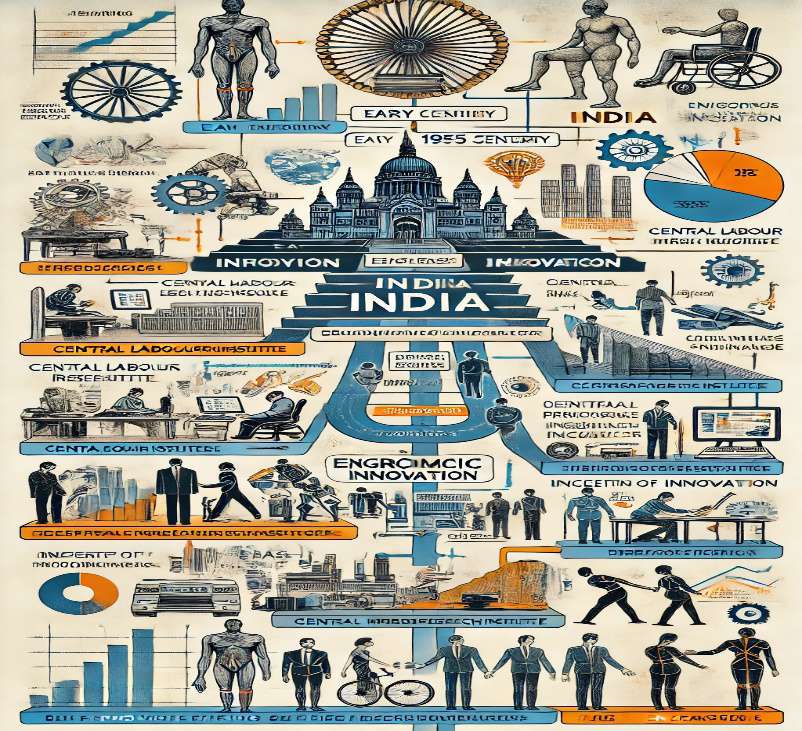
Ergonomics as a research discipline in India was first introduced in the Physiology department of Presidency College, Calcutta (now Kolkata) around 1955. Initial studies conducted there focused on various aspects such as the energy metabolism of rickshaw pullers and the body surface areas of Indian adults. Significant academic contributions in the field were also made by the Physiology department of the Central Labour Institute in Mumbai, the Work Physiology and Ergonomics division of the Central Mining Research Institute in Dhanbad, and the Defence Institute of Physiology and Allied Sciences (DIPAS) in Delhi, particularly concerning research and development for the Indian Armed Forces [3, 4, 5, 6]. Given the unique factors influencing the nature, extent, and diversity of ergonomic challenges in India—such as climate, population, work methods, infrastructure, and technological and financial resources—it is essential to integrate ergonomic research into various sectors including agriculture, industry, defense, and domestic life. While extensive efforts in these areas have been undertaken across different regions of the country, there is now a pressing need to unify these endeavors. Streamlining recommendations and developing ergonomic guidelines tailored to specific populations and occupations is crucial. Over the past five decades, ergonomics research in India has covered a wide range of areas. These include studying physical work capacities and stresses across various occupations, analyzing the diverse anthropometry of the Indian population, examining load-carrying techniques, exploring biomechanics, and utilizing simulation and human modeling. Additionally, research has focused on improving working conditions in challenging environments—such as hot, humid, cold, and high-altitude areas—enhancing agricultural practices, reducing the drudgery of women in both household and agricultural tasks, and addressing ergonomic issues in product design, electronics, and the information technology (IT) sectors [2] (Figure 1).
Background of the Concept: Ergonomics
Ergonomics, often referred to as human factors engineering, is the science of designing and arranging things so that people can use them safely and efficiently. It considers the physical and psychological capabilities and limitations of the user to enhance productivity, reduce discomfort, and prevent injuries. In the global market, the adoption of ergonomic principles has been widely recognized for its benefits, particularly in workplaces. However, the adoption of ergonomics in the Indian market is still in its nascent stages but is gaining momentum. Ergonomics is the study of how people interact with their environment and the tools they use. It involves designing products, processes, and environments to fit the user, thereby improving efficiency and reducing the risk of injury. Ergonomics aims to create workspaces that complement the physical strengths and limitations of workers. It reduces the likelihood of musculoskeletal disorders (MSDs), increases productivity, and improves overall worker satisfaction. Countries like the United States, Japan, and Germany have been pioneers in adopting ergonomic practices across various industries, recognizing the long-term benefits of investing in ergonomic designs and workplace practices [7].
Humans are a central element in all engineering design processes. Given the demands that systems place on individuals, any potential consequences of overloading that may impact human performance must be recognized. When engineers lack training in understanding the human factors involved in their design choices, it can lead to flawed designs. This issue is further compounded when design tasks are assigned to individuals who are unfamiliar with the working environment. Poor design not only reduces productivity but can also lead to the rejection of the final product, resulting in wasted resources, time, and money. In the context of ergonomics, the importance of considering human factors becomes even more critical [7]. Ergonomics is concerned with optimizing design to align with human capabilities and limitations, ensuring that systems are not only functional but also safe, comfortable, and efficient for users. Ignoring these principles can have significant negative consequences, highlighting the need for a thorough understanding of ergonomic principles in the engineering design process.
The Role and Impact of Ergonomic Innovation in Contemporary Organizations
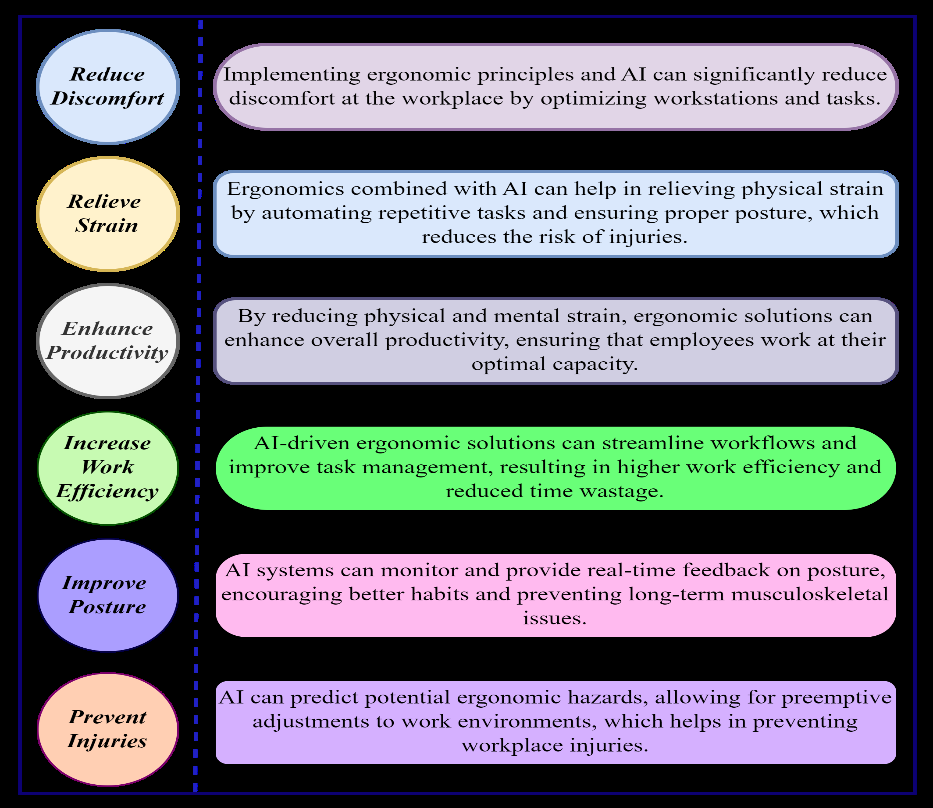
The primary motivations driving these innovations are largely economic and social, aimed at creating favorable conditions for the successful implementation of long-term strategic goals. These goals are often centered around meeting the evolving demands of a dynamic environment, where businesses must continuously adapt to remain competitive. Ergonomic innovations are a response to the need for improved interaction between technology, economics, and human engagement with products. These innovations focus on enhancing user experience and safety by integrating ergonomic principles into various aspects of design and manufacturing. The goal is to create products and work environments that are better suited to the physical and psychological needs of users, thereby improving efficiency and reducing the risk of injury. The implementation of ergonomic innovations requires a systematic approach that draws on a wide range of disciplines within the human sciences, including work physiology, psychology, anthropometry, and occupational hygiene. This interdisciplinary approach is essential for developing solutions that are not only technically sound but also align with the needs and capabilities of users. In addition to these human sciences, technical and organizational sciences—such as quality management, work economics, and technological engineering—play a crucial role in the successful application of ergonomic principles. Ergonomic innovations within organizations involve applying strategies, technologies, and changes to the work environment that are tailored to the psychophysical capacities of workers. These modifications are designed to improve workers’ health and safety, leading to better overall productivity. The emphasis is on enhancing safety, quality, modernity, and efficiency through anthropocentric, social, biotic, and technical knowledge. The practice of customizing the work environment to meet the specific needs and preferences of employees is a key aspect of ergonomic innovation. This approach not only enhances the comfort and safety of workers but also boosts their productivity and job satisfaction. Organizations that successfully implement ergonomic principles often see a significant improvement in the quality of work, reduction in absenteeism, and lower turnover rates.
The process of implementing ergonomic innovations typically follows several distinct stages, each contributing to the overall effectiveness of the innovation. The first stage involves conceptualizing and developing technical and organizational solutions with a strong focus on the interaction between potential users and the product. This is followed by the incorporation of ergonomic principles into the design process, ensuring that the solutions are user- friendly and effective. In the third stage, a prototype is created to represent the proposed modifications accurately. This prototype is then subjected to rigorous testing and continued use to achieve the highest level of ergonomic refinement. The fourth stage involves the proper administration of the facility or product, incorporating ergonomic concepts that enhance both the quality of work and user safety. The final stage, as outlined by experts like Nowacka, may involve the decision to either dismantle the innovation or renew its selected components. This stage underscores the importance of continuous evaluation and adaptation in the field of ergonomic innovation. The implementation of ergonomic innovations offers numerous benefits, including improved working conditions, enhanced safety, and increased efficiency in work activities. These innovations contribute to a reduction in work-related incidents, lower accident rates, decreased absenteeism due to illness, and a reduction in occupational illnesses. Furthermore, they lead to lower labor costs, reduced employee turnover, and better maintenance of tools and equipment, all of which contribute to the overall efficiency and profitability of an organization. Ergonomic innovations also play a significant role in enhancing employee welfare and motivation. By creating a work environment that is tailored to the needs and preferences of workers, organizations can increase engagement, reduce mental strain, and mitigate interpersonal conflicts. These improvements not only benefit the employees but also contribute to a more harmonious and productive workplace (Figure 2).
An Overview of Indian Market
The Industrial Revolution, which began in the United Kingdom between 1750 and 1850 A.D., is often hailed by historians as one of the most transformative events in human history, comparable only to the domestication of animals and plants. This period marked the birth of the modern capitalist economy, with Britain at the forefront of this economic transformation. India’s role in this revolution was crucial, providing the capital, raw materials, and markets that fueled Britain’s industrial growth. However, while India played a key role in accelerating the Industrial Revolution in Britain, its own economy suffered greatly as a result. Despite some economic progress during the period from 1860 to 1913, where India’s performance was relatively comparable to that of Italy, Japan, and Russia, the country experienced economic stagnation during both the interwar and post-World War II periods. Today, with one of the lowest per capita incomes globally, India’s economy is still grappling with the lasting negative impacts of its prolonged colonial subjugation.
Ergonomics in the Healthcare Sector: A Proactive Approach
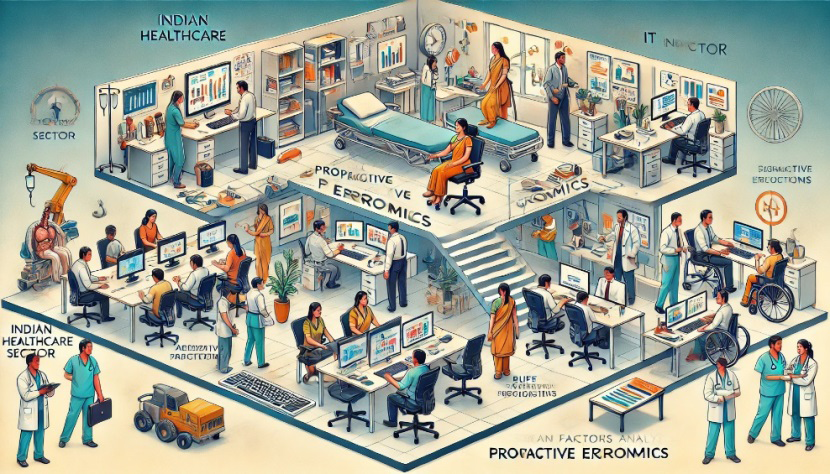
In today’s rapidly evolving healthcare environment, the application of ergonomic principles is not just beneficial but essential. However, the focus should not merely be on traditional ergonomics; a more rigorous approach, termed proactive ergonomics, is now needed. This involves integrating ergonomic considerations right from the design phase of healthcare systems and environments. By planning ahead and conducting thorough risk assessments and ergonomic analyses, we can address problems that have often been overlooked. Proactive ergonomics can tap into the unexploited potential of the healthcare workforce, leading to significant improvements in performance levels and job satisfaction. When healthcare professionals are satisfied with their work environment, productivity increases, safety is enhanced, and the overall quality of care improves. It is crucial that resource constraints do not hinder performance or place undue stress on healthcare professionals. Physical discomfort in the workplace can be a significant source of stress, impacting both the providers’ well-being and the quality of care they deliver. Reducing fatigue and stress through ergonomic design not only enhances the effectiveness of healthcare providers but also positively affects patient outcomes. When tasks, functions, and environments are designed with a deep understanding of user capabilities and limitations, resources are allocated optimally, and desired outcomes are achieved without compromising health or safety. In the healthcare sector, the application of human factors knowledge can lead to processes that are better aligned with the needs of doctors and nurses. For instance, human factors analysis can improve safe prescribing practices, facilitate better team communication, and ensure more effective handovers between healthcare professionals. As healthcare services and systems become increasingly complex, a more focused approach to how providers interact with their environment is essential to reduce errors and enhance care quality. A human factors system should be designed to support healthcare professionals in their work, rather than placing blame on individuals for errors that are often a result of poorly designed systems. By adopting a systematic approach, we can develop systems that minimize potential risks and prevent future errors. This approach can be applied to a wide range of scenarios, from the design of a single medical device to the entire care delivery process or even the organizational structure, including leadership and supply chain management. Human factors engineering involves a comprehensive study of all elements that impact system performance, including the physical environment, tasks, tools, technologies, and organizational conditions. In the context of the Indian healthcare market, where the demand for quality care is rising, integrating ergonomic principles into the design and operation of healthcare systems can lead to better outcomes, both for healthcare providers and patients. By adopting proactive ergonomics, the Indian healthcare sector can ensure that its workforce is not only more efficient and effective but also healthier and more satisfied, ultimately leading to a more resilient and capable healthcare system [8].
Ergonomics in the Indian IT Industry: Enhancing Worker Well-being and Productivity
India’s Information Technology (IT) industry is a global powerhouse, known for its large workforce and significant contributions to the country’s economy. However, the rapid growth of this sector has brought with it a range of ergonomic challenges. The IT industry is characterized by long hours of computer usage, repetitive tasks, and sedentary work environments, all of which can lead to a variety of musculoskeletal disorders (MSDs) and other health issues if not properly managed. Ergonomics in the IT industry focuses on designing workspaces and work processes that promote the health and well-being of employees while enhancing productivity. This includes the design of workstations, the selection of appropriate furniture, and the arrangement of computer monitors, keyboards, and other equipment to minimize strain on the body. Proper ergonomic practices can help reduce the risk of common issues such as back pain, neck strain, eye strain, and carpal tunnel syndrome, which are prevalent among IT professionals. The implementation of ergonomic principles in the IT sector involves more than just physical adjustments; it also encompasses organizational strategies that address mental and emotional well-being. For instance, incorporating regular breaks, encouraging movement, and promoting a balanced work-life dynamic are crucial aspects of an ergonomic approach. Additionally, the rise of remote work has introduced new challenges, as employees often work from less-than-ideal environments at home, making the need for ergonomic awareness even more critical. Companies in the Indian IT sector are increasingly recognizing the importance of ergonomics and are taking steps to create healthier work environments. This includes offering ergonomic assessments, providing adjustable chairs and desks, and educating employees on proper posture and movement techniques. Moreover, the integration of advanced technologies, such as AI-driven ergonomic assessment tools and wearable devices, is helping organizations to monitor and enhance the ergonomics of their workspaces continuously. The benefits of implementing effective ergonomic practices in the IT industry are manifold. Improved ergonomics leads to higher employee satisfaction, reduced absenteeism, and lower healthcare costs, all of which contribute to increased productivity and profitability. In a highly competitive industry like IT, where talent retention is key, providing a healthy and comfortable work environment can also be a significant factor in attracting and retaining top talent. As the Indian IT industry continues to evolve, the integration of ergonomics into workplace design and management practices will be essential for maintaining the health and well-being of its workforce. By prioritizing ergonomics, companies can not only protect their employees from potential health risks but also foster a more productive, innovative, and sustainable work environment. Historically, workplace safety and health have not been prioritized in India, with more emphasis placed on production and output. However, with the rise in awareness of occupational health and safety (OHS) standards, there has been a gradual shift towards adopting better workplace practices, including ergonomics (Figure 3).
Current Status of Ergonomics in India
Awareness about ergonomics among Indian businesses and workers is still relatively low. However, there is a growing recognition of its importance, particularly in multinational corporations (MNCs) and larger Indian companies that adhere to global standards. The Indian government has begun to take steps to incorporate ergonomic principles into workplace safety regulations. However, these are still in the early stages and are not as comprehensive as those in developed countries. Ergonomics in manufacturing is slowly being adopted, especially in sectors like automotive and electronics, where precision and worker safety are crucial. The IT sector in India has seen a faster adoption of ergonomic principles, with companies investing in ergonomic furniture and workstations to improve employee comfort and productivity. The healthcare industry is beginning to recognize the importance of ergonomics in reducing the physical strain on healthcare workers, particularly in nursing and surgical roles. The market for ergonomic products such as chairs, desks, and accessories is growing in India, driven by increasing awareness among businesses and consumers about the benefits of ergonomic solutions.
The Intersection of Artificial Intelligence and Ergonomics across Industries
In today’s rapidly evolving industrial landscape, the integration of Artificial Intelligence (AI) with ergonomic principles is transforming how work environments are designed, tasks are executed, and productivity is maximized. While ergonomics traditionally focuses on optimizing the interaction between humans and their work environments, the advent of AI introduces new dimensions to this relationship, enhancing both safety and efficiency across various sectors.
AI in Ergonomics: Revolutionizing the Workplace
AI-driven systems are increasingly being employed to analyze and improve ergonomic conditions in the workplace. These systems can process vast amounts of data related to human movement, posture, and repetitive tasks, providing insights that help in designing workspaces that minimize the risk of musculoskeletal disorders (MSDs) and other health issues. For instance, AI can monitor employees in real-time, detecting any deviations from optimal ergonomic practices and providing instant feedback to correct posture or adjust seating positions. This proactive approach not only prevents injury but also enhances overall productivity. AI can assist in the design phase of workstations and tools by simulating various ergonomic scenarios, allowing designers to optimize configurations before implementation. This predictive capability ensures that workspaces are tailored to the needs of the workforce, reducing the likelihood of costly redesigns and modifications.
AI and Ergonomics in the Manufacturing Sector
In manufacturing, AI and ergonomics work hand-in-hand to create safer and more efficient production environments. AI-powered robots and automated systems can take over tasks that are physically demanding or repetitive, reducing the strain on human workers. By analyzing data on worker movements and task efficiency, AI can also suggest ergonomic improvements to the layout of assembly lines, the design of tools, and the scheduling of shifts to minimize fatigue and enhance productivity. AI systems can also predict potential ergonomic issues before they become problems. For example, by analyzing data from wearable devices that monitor workers’ physical conditions, AI can identify early signs of fatigue or strain, prompting interventions such as task rotation or micro-breaks. This predictive approach not only safeguards workers’ health but also ensures that production remains uninterrupted.
AI and Ergonomics in the IT Industry
The IT industry, characterized by long hours of sedentary work and repetitive tasks, is ripe for the application of AI in ergonomics. AI-driven tools can analyze employees’ work patterns, identifying when breaks are needed and suggesting exercises to reduce strain. Additionally, AI can optimize the configuration of workstations by adjusting the height of desks, the position of monitors, and the alignment of chairs based on real-time data about the user’s posture and movements. In the context of remote work, which has become increasingly prevalent, AI can play a crucial role in maintaining ergonomic standards. By analyzing video feeds or sensor data from home offices, AI can provide personalized recommendations to improve the home office setup, ensuring that workers remain healthy and productive even outside traditional office environments.
AI and Ergonomics in the Healthcare Sector
The healthcare sector presents unique ergonomic challenges, particularly due to the physical demands placed on healthcare providers. AI can be a powerful tool in addressing these challenges by optimizing the design of medical equipment, workspaces, and workflows. For instance, AI-driven ergonomic assessments can help design operating rooms and patient care areas that minimize the risk of injury to healthcare workers while ensuring that they can provide the highest level of care. AI can also be integrated into healthcare teams as a “virtual assistant,” helping to manage tasks that are ergonomically challenging for human workers. By taking over data entry, scheduling, and other repetitive tasks, AI allows healthcare professionals to focus on more complex and patient-centered activities, reducing their physical and mental strain. AI’s role in healthcare extends beyond individual tasks; it is increasingly seen as a member of the healthcare team, contributing to decision- making processes and patient care. This shift necessitates a new approach to ergonomics, where the interaction between human workers and AI systems is optimized to ensure that both can work together effectively and safely.
AI and Ergonomics in the Construction Industry
The construction industry is another area where the integration of AI and ergonomics can lead to significant improvements in safety and efficiency. Construction sites are inherently hazardous, with workers often exposed to physically demanding tasks and dangerous conditions. AI can help mitigate these risks by monitoring worker movements, predicting potential safety hazards, and suggesting ergonomic interventions. For instance, AI can analyze the physical demands of specific construction tasks and recommend the use of assistive technologies such as exoskeletons, which can reduce the strain on workers’ bodies. AI can also optimize the scheduling of tasks to ensure that workers are not overexerted, reducing the likelihood of accidents and injuries. AI can contribute to the design and planning of construction projects by simulating various ergonomic scenarios and suggesting layouts that minimize physical strain and maximize efficiency. By incorporating ergonomic principles into the design phase, construction companies can create safer and more productive work environments.
While the integration of AI and ergonomics offers significant benefits, it also presents challenges that must be addressed. One of the primary concerns is that AI systems may take over tasks that require a human touch, leading to a potential loss of job satisfaction and human connection in certain industries. For example, in healthcare, patients may feel uncomfortable with AI-driven systems managing their care without sufficient human interaction. To overcome these challenges, it is essential to approach AI as a valuable member of the team rather than a replacement for human workers. This perspective allows for the design and implementation of AI systems that complement human abilities rather than supplant them. By focusing on collaboration between AI and human workers, industries can maximize the utility of AI while maintaining the human touch that is essential in many sectors. Another challenge is the potential for AI to introduce new ergonomic risks. For instance, the use of AI-driven tools and technologies may lead to new forms of physical strain or mental stress if not carefully managed. Continuous monitoring and redesign are necessary to anticipate and mitigate these risks, ensuring that AI contributes to a healthier and safer work environment.
Challenges to Ergonomic Adoption in India
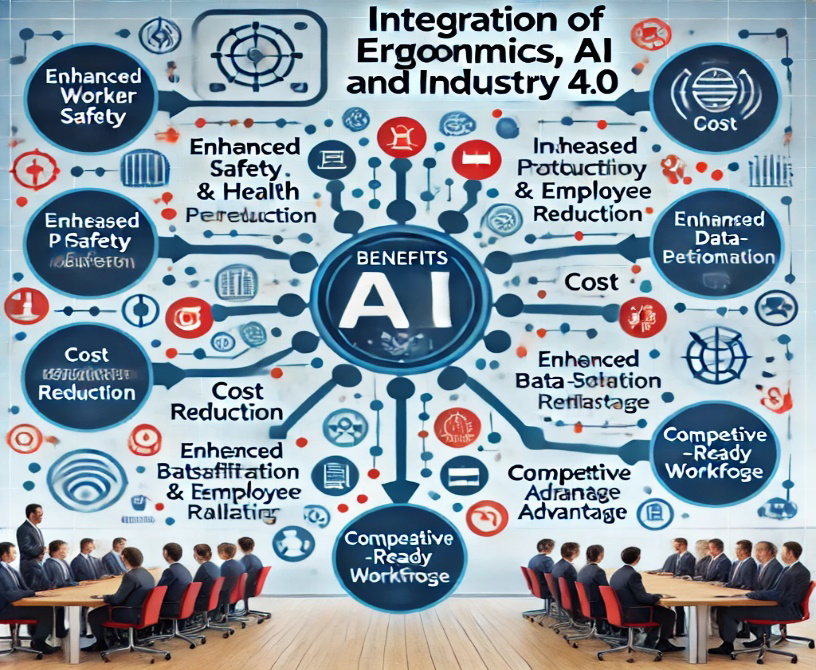
One of the primary barriers to the widespread adoption of ergonomics in India is the perceived high cost of ergonomic solutions. Many businesses, particularly small and medium- sized enterprises (SMEs), are hesitant to invest in ergonomic products and training due to budget constraints. There is a shortage of trained ergonomists in India, which limits the ability of companies to effectively implement ergonomic practices. Most ergonomic interventions are driven by external consultants, which may not be sustainable for all businesses. There is a cultural mindset in India that often prioritizes hard work over physical comfort. This can lead to resistance from workers and employers alike when it comes to implementing ergonomic changes that may initially be seen as unnecessary. In many industries, particularly in traditional manufacturing and agriculture, the existing infrastructure may not be conducive to implementing ergonomic practices. Retrofitting old equipment and facilities to meet ergonomic standards can be challenging and costly. While there is increasing attention to workplace safety, the regulatory framework for ergonomics in India is still underdeveloped. There are few mandatory guidelines, and enforcement is often weak. The rise in work-related injuries and musculoskeletal disorders has prompted many companies to consider ergonomic solutions as a preventive measure. As businesses realize the long-term cost savings from reduced absenteeism and improved productivity, the adoption of ergonomics is likely to increase. The presence of multinational companies in India has brought international standards and practices to the Indian market. MNCs often implement global ergonomic standards in their Indian operations, which influences local companies to follow suit. As the focus on employee well-being grows, many Indian companies are starting to include ergonomics as part of their health and wellness programs. This includes providing ergonomic assessments, training, and products to employees. Advances in technology have made ergonomic products more accessible and affordable. The availability of ergonomic software, adjustable workstations, and wearable devices has made it easier for companies to adopt ergonomic practices. Indian universities and technical institutions are beginning to include ergonomics in their curricula, particularly in engineering and design courses. This will help create a new generation of professionals who are aware of the importance of ergonomics in workplace design (Figure 4).
Recommendations for Promoting Ergonomics in India
Promoting ergonomics in India requires a comprehensive strategy that involves government intervention, education, industry collaboration, and public awareness. The government should take a leading role by developing and enforcing ergonomic regulations tailored to different industries. These regulations should establish minimum standards for workplace design and safety, with mechanisms for regular audits to ensure compliance. To encourage adoption, the government could also offer financial incentives, such as tax benefits and subsidies, particularly for small and medium- sized enterprises (SMEs) that may struggle with the initial costs of implementing ergonomic solutions.
Education and training are crucial for building local expertise in ergonomics. This can be achieved by integrating ergonomics into the curricula of engineering, design, and medical programs and expanding existing training programs for ergonomists. Establishing centers of excellence dedicated to ergonomics would further support research and innovation, providing businesses with the expertise needed to implement ergonomic practices effectively. Offering continuing education and certification programs for professionals will ensure the workforce remains updated on the latest advancements.
Raising awareness and changing cultural attitudes toward ergonomics is also essential. Nationwide campaigns should target both employers and employees, emphasizing the productivity, safety, and well-being benefits of ergonomics. Using traditional and social media, as well as grassroots outreach, these campaigns can effectively communicate the long-term cost savings and health benefits of ergonomic practices. Highlighting successful case studies from organizations that have implemented ergonomics will help other businesses see the value in following suit.
Collaboration between government agencies, industry associations, academic institutions, and NGOs is key to advancing ergonomics. These partnerships can drive research and development of ergonomic solutions tailored to India’s unique industrial and environmental conditions. Joint ventures between public and private sectors can also help scale the production and distribution of affordable ergonomic products, making them accessible to businesses of all sizes. Developing cost-effective ergonomic tools, such as adjustable furniture, low-cost wearables, and simple software solutions, is critical to ensuring that the benefits of ergonomics reach a broader segment of the workforce.
Technology can play a significant role in advancing ergonomics in India. The integration of digital tools, like ergonomic assessment software, wearable devices, and virtual reality (VR) simulations, can enhance the accuracy and efficiency of ergonomic interventions. Wearable devices, for instance, can provide real-time feedback on posture, helping workers adjust and prevent injury. Establishing centers of excellence for research and innovation, along with integrating ergonomics into broader occupational health and safety regulations, will further embed ergonomic considerations into workplace safety management. By building a culture of safety and well-being within organizations, supported by leadership commitment and public policy, India can foster the widespread adoption of ergonomics, leading to a healthier, more productive workforce.
Conclusion
Advancing ergonomics in India requires a strategic approach involving education, regulation, research, and industry collaboration. Increasing awareness of ergonomic principles across sectors like manufacturing, IT, healthcare, agriculture, and construction is crucial. This can be achieved through targeted educational initiatives such as industry- specific seminars, workshops, and certification programs that highlight the direct link between ergonomic interventions and improved occupational health, safety, and productivity. Integrating ergonomics into undergraduate and graduate curricula is essential for creating a workforce proficient in ergonomic design and human factors engineering. Academic institutions should offer specialized courses and establish interdisciplinary research centers to foster innovation and develop solutions tailored to India’s unique workforce needs. Government bodies, in collaboration with industry leaders, should proactively formulate and enforce ergonomic standards tailored to India’s diverse occupational environments. These regulations must consider factors such as climate, demographics, cultural practices, and technological infrastructure, with regular audits to ensure compliance. Investment in research and development (R&D) is vital for addressing specific ergonomic challenges in India, such as the ergonomics of agricultural tools, sedentary work in the IT sector, and manual labor in construction. Collaborative research initiatives can lead to evidence-based solutions that enhance workforce well-being and efficiency.
Establishing a national body dedicated to ergonomics would coordinate efforts, disseminate research, provide training, and advocate for integrating ergonomics into policymaking and industry practices. Financial incentives, such as tax breaks and subsidies, should be offered to organizations that implement ergonomic improvements, making these interventions more attractive and accessible. Public-private partnerships can accelerate the adoption of ergonomics by sharing resources and expertise across industries. Developing ergonomic assessment tools tailored to the Indian context is also crucial for identifying risks and implementing targeted interventions. Incorporating ergonomics into the broader framework of occupational health and safety (OHS) regulations will ensure that ergonomic considerations are embedded in workplace safety management. Ongoing training for ergonomics practitioners and OHS professionals will equip them with the skills to implement effective interventions, creating safer and more productive work environments. A strong focus on human- centered design in products, systems, and environments is essential for aligning workspaces, tools, and technologies with the physical and cognitive capabilities of users. Promoting ergonomics in India requires a coordinated effort across education, research, regulation, and industry. By raising awareness, fostering education, developing tailored standards, and incentivizing adoption, India can prioritize the health, safety, and productivity of its workforce. Through collaboration and innovation, significant improvements in occupational health and safety can be achieved, contributing to a more prosperous and sustainable economy.
References
-
Kottala SY, Sahu AK (2024) Evaluating ergonomics and financial distress in manufacturing organization behavior: resiliency framework from operations and strategic management. The Learning Organization 31(5): 765-788.
-
Sanjog J, Patnaik B, Patel T, Karmakar S (2016) Context- specific design interventions in blending workstation: an ergonomics perspective. Journal of Industrial and Production Engineering 33(1): 32-50.
-
Sen A (1984) The living standard. Oxford economic papers 36(Supp): 74-90.
-
Wisner A (1985) Ergonomics in industrially developing countries. Ergonomics 28(8): 1213-1224.
-
Cott HPV (1985) High technology and human needs. Ergonomics 28(8): 1135-1142.
-
Ganguly K, Carmena JM (2009) Emergence of a stable cortical map for neuroprosthetic control. PLOS Biology 7(7): e1000153.
-
Chidambaram V, Gopalsamy MM, Kanchan BK, Mouleeswaran S (2023) A holistic methodology for mitigating awkward postural risks: Evidence from South Indian small-scale industries. Work: 77(3): 1031-1045.
-
Kumar B, Prasad N (2024) Human Factor and Ergonomics the Need of the Hour in Healthcare Sector of India. International Journal of Preventative & Evidence Based Medicine 2(3): 9-15.
- The Expanding Landscape of Road Rage: A Systematic Review of Conflicts Involving Drivers, Pedestrians, and Micromobility
- Validating Cognitive Models of Royal Navy Performance on Control Systems
- Comparing Standard and State-of-the-art Firefighter Coats on Postural Balance and Gait in a Live Burn Environment
- Investigating the Integration of Telemedicine into Clinicians Workflow: A Review of Methods
- Risk Assessment of Ergonomic Factors in a Textile Firm by RULA, REBA and Fine Kinney Methods
- Impact of Self-Esteem Training on Individuals with Disabilities Aged 17-30