
Biogenic Degradation of Lignite Coal from Pakistani Coal Mine and Extraction of Humic Acid through Pretreatment Strategies by Fungal Isolate
The utilization of white rot fungal strain for degradation of low rank coal from coal environments is considered to be the best choice for converting raw coal into different kinds of valuable by products. NF-1, a fungal strain was isolated from coal mine of Thar region of Pakistan. For enhancing the process of biodegradation, the indigenous fungal isolate was used in the study. The lignite (low rank) coal sample degradation initiated by NF-1 strain were undergone through optimization process and had shown considerable production of organics at 1.5% Glucose, 1% coal loading ratio and 7 days of incubation period. The FTIR analysis of untreated coal and treated coal after solubilization was performed in order to observe changes in structural pattern by NF-1 fungal isolate. NF1 has the ability to break down the aromatic side linkages and attacking the amine and carboxyl groups. Scanning electron microscopy (SEM) of the coal treated by NF-1 strain was analyzed to investigate the attachment and adherence of the fungal mycelium on the coal surface. At 200μm the NF-1 isolate hyphae has clearly entrapped the coal particles showing erosion and up to 50μm colonization and visible changes on the coal surface can be observed clearly. Moreover, the residual coal after fungal pretreatment was processed for extraction of humic acid as a byproduct for defining the effect of such biological pretreatments. The produced humic acid was analyzed on the basis of E4/E6 ratio and FTIR. The fungal pretreated humic acid has shown more improvement in E4/E6 ratio as well as presence of functional groups related to humic acid through FTIR. This explains that the isolate NF1 have ability to speed up the biodegradation process and shows an aptitude of producing valuable by products i.e. humic acid as an alternative fuel.
Introduction
Globally, coal mining sector is playing an important impact on social, economic and biophysical environment. Energy playing a potential role for considering social and economic progress of any country [1]. Amongst many countries, Pakistan has been facing a worst energy crisis since many years that severely effects industrial, economic, and agricultural and many other sectors. It has been observed that the current energy generating systems are becoming unsustainable due to increase in population and industrialization. On the other hand, serious steps are being taken in order to create improvement in the development of infrastructure for power generation. There is a need to pay attention towards some alternative energy resources to meet the goals and targets generated by the national development plan. Globally, the coal reserves are estimated 929 billion tons that are comparatively higher than crude oil resources. Worldwide about 38% of coal is being used in generation of electricity. Pakistan in spite having 186 billion tons coal reserves that are enough to reach country future demand [2]. Pakistan is facing intense energy crises over last several years despite of abundant natural energy resources. Coal is considered to be a complex and heterogeneous material in its chemical composition and it contains a variety of organic compounds present in it with attached side chains while their chemical composition is still lacking [3].
The low rank coal also known as lignite has structure similar to peat. It is considered as a first product that is formed during coal formation process. Its color ranges from brown to black and it is formed under the medium pressure from peat. It carries very low level of fixed carbon (25-35%) with high moisture content (20-40%) and is highly reactive. The lignite deposits were found to be approximately 45% of the world coal deposits. These lignite coal deposits still have not been explored significantly because of its low storage stability and heating value as compared to other types of coal [4]. Biological coal transformation for alternative fuels and value-added products is the best options that meet environmental concern as well [1, 5]. A lot of studies already reported on coal bio-solubilization, liquefaction and gasification using microorganisms. Usually, biodegradation of coal leads to black liquid formation having aliphatic and aromatic groups that can further be used in process of fermentation, having ability of producing energy and many other extracted valuable by products [5, 6, 7]. Coal biosolubilization technology is more feasible and attractive due to ambient temperature operation, cost effective and environmentally friendly [3].
Microbial solubilization of coal is an effective process in terms of producing wide variety of smaller organic molecules from coal matrix. These aliphatic and aromatic substances can be used for alternative fuel and humic substances [8]. Different mechanisms like surfactants, chelators, alkaline substances and enzymes are involved in microbial transformation of coal. Various microbes are already reported for coal degradation which includes: Bacillus cereus, [9] Pseudomonas aeruginosa [10], Trametes versicolor [11] Rhodococcus Fasicans, Trichoderma atroviridae, Penicillium chrysogenum, Neurospora [3] and Rhizopus oryzae [5]. Aerobic microbes can biosolubilize/ degrade complex aromatic hydrocarbon linkages such as toluene, benzene, ethyl benzene etc. present in coal matrix [3]. In this study, we isolated and screened out best indigenous fungal strains from THAR coal mine, Sindh, Pakistan, that carries ability to degrade lignite coal. Different optimizing parameters were applied for enhancing the degrading ability in vitro. The spectroscopic, IR analysis and SEM was conducted to investigate the depolymerizing ability of selected microbes. Humic acid was extracted as a byproduct from filtrate and treated coal produced after biosolubilization phenomenon.
Materials and methods
Samples
The coal samples were collected from coal field of THAR (Desert), Sindh province of Pakistan at a depth of 650 feet. The samples were sealed in sterilized polyethylene bag for transportation. The samples were crushed and ground to 0.2-0.5mm particles and used for degradation study and isolation of microorganisms (bacterial and fungal) in Environmental Microbiology lab, Quaid-I- Azam University, Islamabad, Pakistan. The proximate and ultimate analysis, calorific value and vitrinite reflectance were determined according to ASTM standard designated as lig B. The coal has ash 8.3%, volatile matter 42.7%, fixed carbon 36.9% fixed carbon and moisture content 12.1%. The elemental composition of the selected coal was 55.8%C, 5.3%H, 0.8% N, 0.5% S and 29.3%O on a dry ash free basis. The vitrinite reflectance index and heating value was 0.27% and 10,640 (Btu/lb).These results show that the coal is Lignite B in rank as reported in Aneela, et al. [12].
Fungal Strain Screening and Selection
Qualitative Screening: Malt extract agar medium (MEA) plates were prepared and inoculated with the 2ml suspension from 5 to 7 days of fungal isolates. Malt extract broth (MEB) hyphal cultures were prepared by resuspending in sterile distilled water and shaking it with glass beads for breaking hyphae of fungal isolates. The inoculated fungal plates were incubated for 5-7 days at 25-30°C or until the proper growth of fungal hypha was observed. Almost 0.3-0.5 g of coal was sprinkled on the surface of fungal hyphae mat and observed until coal solubilization was observed over time. The brownish black or dark colored liquid produced at the surface of coal or in a medium was estimated visually and qualitative assessment as the degree of bio solubilization was calculated.
Microbial Strain Selection: NF-1 isolate had shown maximum potential of coal degradation and were screened out as the potential coal solubilizing isolate. The strain was already present at Environmental Microbiology Laboratory, Quaid-i-Azam University, and Islamabad, Pakistan and was isolated from indigenous coal sample of Thar Coal mine, Sindh.
Coal Biodegradation and Optimization
The NF-1 fungal isolate was pre-cultured in a solution supplemented with 0.1% glucose and 2% (w/v) pre- autoclaved coal as the primary source of carbon. The culture was incubated at 30 °C for 7 days on a rotary shaker at 120 rpm before use. The low rank coal was initially tested for biosolubilization study on solid medium (petri plates). For performing this experiment, NF-1 fungal isolate was point inoculated at the center of malt extract agar media and incubated for 5 days at 30ºC.After obtaining growth, at 5th day, 1g or ground coal having particle size of 0.5mm were evenly distributed on the MEA medium surface and incubated again for about 12-15 days.
The petri plate with MEA media and coal but without the NF-1 strain was used as the control [6]. Biosolubilization products were collected for analyses. The biosolubilization potential of the NF-1 strain was determined with Eq. (1) [13]. P= (1 - W1/W0) × 100…………………………………………………………… (1) Where, P the percentage of biosolubilization; W0 the initial weight of coal in gram; W1 the weight of coal after incubation in gram.
Incubation time, coal loading ratio, and glucose concentration were optimized to maximize the release of organic substances in triplicate according to Sabar, et al. the released products analyzed with a SPECORD 200 Analytik UV–Vis Spectrophotometer (Jena, Germany) at 200–600nm. Medium having fungal inoculation and no coal and medium with no fungal strain but coal was used as a control.
FTIR and SEM Analyses
The produced fungal mycelium was removed from coal and washed thoroughly with distilled water and dried at ambient temperature for 24 h. The released liquid was concentrated with a rotary evaporator. Pellets for FTIR were prepared by mixing the sample with 200mg of KBr powder and pellets were obtained by pressing later. The FTIR analysis was conducted with a Spectrum-65 FT-IR spectrometer (Perkin Elmer, USA). Scanning electron microscopy model MIRA3 TESCAN (Japan) located at Institute of Space and Technology, Pakistan, fitted with Energy dispersive X-ray analyzer and energy dispersive spectroscopy EDS were used to study the microbial colonization, adherence and erosion created by the NF-1 isolate on the coal surface. The fungi treated coal was removed from the medium and thoroughly washed with sterilized minimal salt medium. The fungal mycelium attached to the coal surface were fixed with silver nitrate in a potassium phosphate buffer and dried using a hot air gun. The dried samples were coated with gold and observed under the electron microscope.
Extraction of Humic Acid from Fungi Treated Coal and Raw Coal
Both the raw coal and fungi-treated coal were used for extracting humic acid with a method described by Haider, et al. 2g of coal powder (treated and untreated) were suspended in 100ml of 0.1M NaOH solution at 20° C with stirring for 24 hours. The suspension was transferred to centrifuge tubes and centrifuged at 6000×g for 15 min. The pH of the supernatant was adjusted to 1.8 with a 6M HCl solution. The solution was allowed to settle for 12 hours before centrifugation at 8000 rpm for 5 min to recover humic acid as precipitates. The humic acid was washed with double distilled water 3 to 4 times dried at 60° C, and stored at 4° C. The humic acids were dissolved in 0.05 M NaHCO3 and characterized by a UV-Vis Spectrophotometer in a range between 200 to 700nm. An FTIR analysis of the extracted humic acids was also conducted.
Results and Discussion
The NF-1 fungal isolate appeared to be white in color initially and turn into fur- like balls after 5 to 6 days of incubation. The colonies on a Malt extract agar plate appeared to be velvety and fur- like. It forms a septate hypha. While viewing under microscope it shows conidial spores’ formation with branches. The sequences of the ITS region have shown similarity maximum Identity of 97%) with Debaromyeces hensani. The Debaromyeces Hensani_i species have already been studied for antimicrobial activity of mycocin [14], biological control of pathogenic fungi in food, biocatalysis in the asymmetric reduction of substituted acetophenones [15], and in production of flavor compounds in cheese [16] as well. Current study indicates that _Debaromyeces Hensenii is being firstly reported for coal solubilization process. It is expected that this fungal strain can degrade coal as it was isolated from natural coal habitats. Black liquid formation and growth onto the surface of coal has unequivocally demonstrated its capability of coal degradation.
Optimization Studies of Biosolubilization
The Lignite (low rank coal) was selected because of its enhanced ability of undergoing biological attacks. Low rank coal contains aromatic links having oxygen bridges that facilitates the production of organic compounds because of fungal attack. Various studies have investigated the biosolubilization of coal either by fungal or bacterial strains with favorable findings [17, 18]. Some other studies have reported the degradation of low rank coal through fungus that resembles more with lignin and is more susceptible to microbial attack [19, 20]. As compared to low rank coal high grade coal contain higher aromatic ring condensation that cause inhibition for microbial attacks and growth that results in the lower degradation and solubilization of coal. The fungal strain NF-1 started solubilization of low-grade coal promptly at 5 days of incubation, about 1.2ml of black liquor were collected from coal of 0.1mm and about 0.55ml from 0.5mm of coal particles. The sample was collected for about 11 days and experiment was run in triplicates. The solubilization content is presented in Table 1.
| Test | Day 5 | Day 11 | ||||||||||
|---|---|---|---|---|---|---|---|---|---|---|---|---|
| 0.1mm | 0.5mm | 0.1mm | 0.5mm | |||||||||
| 1 | 2 | 3 | 4 | 5 | 6 | 7 | 8 | 9 | 10 | 11 | 12 | |
| Initial Mass(g) | 1.03 | 1.01 | 1.01 | 1.02 | 1.01 | 1.03 | 1.01 | 1.01 | 1.00 | 1.02 | 1.01 | 1.03 |
| Final Mass(g) | 0.79 | 0.77 | 0.79 | 0.79 | 0.75 | 0.80 | 0.63 | 0.64 | 0.67 | 0.72 | 0.74 | 0.75 |
| Solubilization % | 23.4 | 23.8 | 21.8 | 22.6 | 22.4 | 25.8 | 37.7 | 36.7 | 36 | 29.5 | 27.2 | 26.8 |
Table 1: Result of coal Biosolubilization at day 5 and day 7 by fungal isolate NF-1.
Foe enhancing the process of release of organic compounds from coal, fungal treatment of coal was optimized. Different kind of parameters that could affect the fungal growth and coal solubilization were investigated. These parameters include incubation time, glucose concentration and ratio of coal loading. The above-mentioned parameters are vital factors that could potentially affect the solubilization process of coal. For determining the organics release by fungal strain the UV-Vis at 240nm were used. The intensity of UV- Vis at 240nm for optimization studies and degrading potential are mentioned in Table 2. It is observed that the size of coal particles plays a very important role in process of solubilization. The range of particles in size from 500-700 µm undergoes less degradation as compared to particle size 150- 300 µm that have shown increased degradation [19]. The absorbance in the range of 200-300nm shows the presence of chemical bonds (unsaturated) in the released products while the absorption spectra range between of 250-300nm indicates the presence of aromatic compounds in released organics [18, 21]. The concentration of organic compounds release in the range of 220-300nm shows the liberation of humic acid and aromatics that were negligible in the control containing only coal while some peaks were observed for the control containing only NF-1 strain without the presence of coal that might relates the growth of fungus in MSM medium. On the other hand, at 240nm the peak intensity -was negligible in both the controls while comparing fungal treatment with coal that shows the absence or the production of very small number of fractions of organics. In low rank coal structure, the aromatic rings are linked with complex crosslinked structures. After biosolubilization, the exposure of aromatic structure in the liquid shows that NF strain has ability to break some cross linkages.
| Glucose | Intensity (240nm) | Incubation (Days) | Intensity (240nm) | Coal Loading (%) | Intensity (240nm) | Degrading experiment | Intensity (240nm) |
|---|---|---|---|---|---|---|---|
| 0.1 | 0.58 | 5 | 1.545 | 0.1 | 1.7845 | Release of organic compound | 3.894 |
| 0.5 | 1.311 | 7 | 2.0134 | 0.5 | 3.098 | Medium (without coal) | 0.8345 |
| 1 | 1.9768 | 11 | 1.336 | 1 | 1.876 | Medium without Inoculation | 0.2311 |
| 1.5 | 3.617 | 14 | 1.477 | 1.5 | 2.956 |
Table 2: UV–Vis Intensity at 240nm of optimizing parameters and degrading experiments.
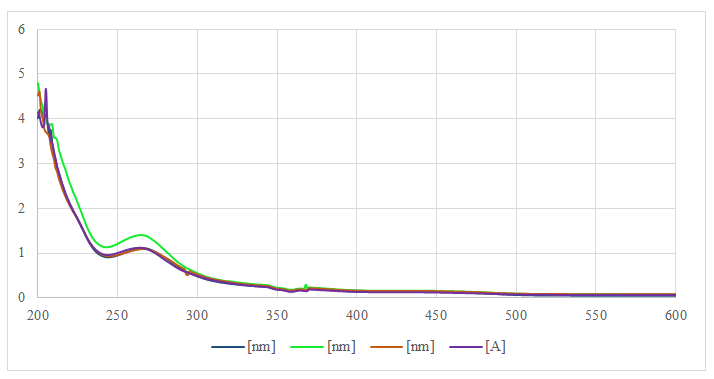
Effect of Glucose: Glucose act as a complementary source of carbon with various concentrations i.e. (0.1%, 0.5%, 1%, and 1.5% (w/v) were supplied to investigate the organic release of compounds. The coal concentration of 1% was added for 7 days of incubation period (Figure 1). The coal pretreatment was also carried out without adding glucose. The concentration of glucose i.e., 1.5% has shown the maximum organics release at 240nm. The enhanced degradation of coal was reported in the presence of glucose concentration as a source of carbon in the presence of fungal strains [17]. In the absence of glucose concentration in a medium, the degradation process was very slow which suggest the effect of glucose on coal degradation process along with fungus. It was notified that glucose may initially be involved in the growth of fungal strain for coal degradation but afterwards the condition with limited glucose and rich coal could stimulate the production of extracellular enzymes for enhanced use of coal in the medium [22, 23]. In some studies, about 0.5% of glucose (w/v) concentration was stated for bio solubilization of coal while in other about 0.1% of glucose was reported for degradation process [8]. In the present study about 1.5% glucose concentrations were involved for NF-1 fungal strain for enhanced degradation of coal. While higher concentration of glucose in a medium produces clumps of fungal dense growth that reduces the solubilization activity as the clogged surface of coal by fungal growth does not allow the enzymes to attack the coal surface properly.
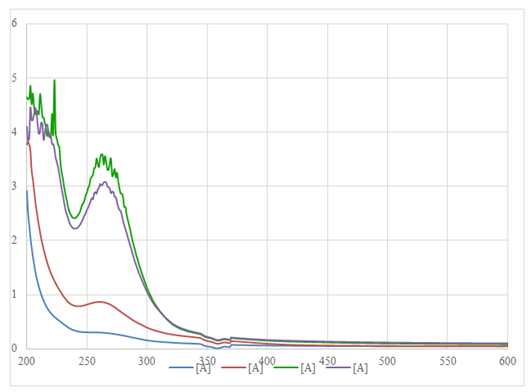
Effect of Coal Loading Ratio: The solubiliztion process of coal can be affected by various ratios of coal loading i.e., 0.1%, 0.5%, 1.0% and 1.5% (w/v). The above-mentioned concentrations were observed by treating them with NF-1 fungal strain (Figure 2). Among all the coal loading ratios,
1.0% coal loading ratio were optimum for release of organics. While, by increasing the coal loading ration, the inhibitory effect was shown by fungal growth. Hence between the wavelengths 210-300nm the peaks suppression occurs in released organics. The higher coal loading ratio causes cell damage. In different studies the optimum coal loading ratio of 0.5% were reported for coal solubilzation by strain pacileomyeces. In other studies, the 1% coal loading ration was reported for release of by products such as humic acid from coal [8, 22, 24]. For rhizopus oryae 0.5% coal loading ratio were reported by Adnan, et al. [5].
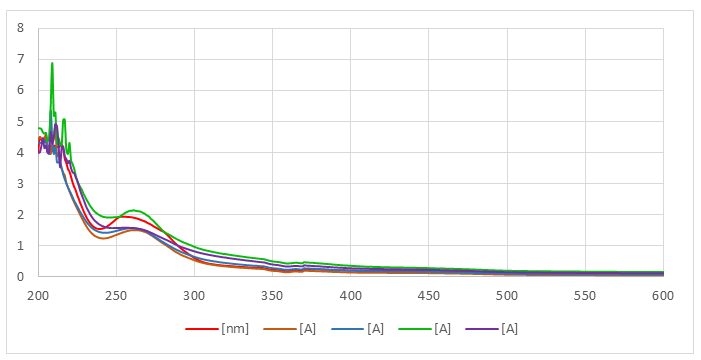
Effect of Incubation Time: The NF 1 fungal strain was allowed to incubate for 5, 7, 11 and 14 days with added coal for observing the optimum time of exposure for degradation. By extending the time of incubation, the process of release organics can be enhanced. The absorbance intensity within range of 220-260nm reduces after 11 days of incubation while at 7 days of incubation very low intensity were observed between 220-300nm. In optimization experiment of incubation time 1% and 1.5% concentration of glucose as sole source of carbon were added in a media MSM. After incubating for 7 days of pretreatment, the release of organics increased continuously but substantial drop of peaks was investigated in the range of 210-300nm when compared with other incubation time periods. While at 14 day of incubation experiment, reduction in absorption peaks were investigated that shows the decline in release of organics that possibly indicate the uptake of organics by NF-1 fungal strain. The intensity at 250nm was lower in 7 and 14 days while comparing with 11 days of incubation time experiment. Such reduction in intensities was observed in other studies. In Adnan, et al. experiment, the reduction in peaks were observed in 14 days of incubation while in other studies [18] the reduced 240nm intensity were observed by increasing the time of incubation from 9 to 15 days, while maximum and optimum solubilization took place at 12
days of incubation time. In Tao, X et al. [22] experiment, the maximum absorption reduction in 200-300nm were observed in 14 days pretreatment and absorbance were shown to be absent at 240nm when compared to 7 days. It may be because of the fact that NF-1 fungal strain utilizes the coal and its activity was enhanced by the release of organics. Though these released organics might be used afterwards for its own growth and lessen down the rate of solubilization yields (Figure 3).
FTIR Analysis
The IR spectra is a technique that is used to attain the infrared spectrum of the functional group’s arrangement and nature present in complicated structures like coal. The IR spectra of the untreated coal as well as the coal left over after treatment is shown below in Figure 4. The major absorbance bands of untreated coal were found to be aromatic side chain rings (500-1000 cm−1), carbonyl group (1630 cm−1), alcohols (3650 cm−1), secondary alcohols (1114.2 cm−1), amine group (1024.5 cm−1), halogen group (612.5 cm−1) and benzene derivatives (769.3 cm−1). The treated coal with fungal strain NF-1 shows absorbance peaks at 3281.6 cm−1 and 2162.23 cm−1 containing hydroxyl groups and Azide group that were absent in untreated coal used as reference. The similar result was reported by adnan et al, 2019 in his study showing strong stretches of hydroxyl group at 3276 cm−1. In another study [13, 22] Tao X, et al. and Yin S, reported by solubilization of wood decaying fungal strain by using lignite coal shows presence of OH group at 3400 cm−1, while peaks at 3000 cm−1 and 2800 cm−1 indicates C-C stretches. The untreated coal used as control shows presence of strong C=O and C=C stretches of aromatic compounds that seems to be absent in treated coal sample. This shows the degradation of aromatic compounds performed by NF-1 fungal strain and the same activity were reported by Fusarium Oxysporum producing enzyme laccases undergoing biosolubilization of lignite coal [25].
In coal treated with fungal strain NF-1 shows the infrared spectrum at peak 1016.2 cm−1 showing presence of Sulphoxide group while untreated coal lacks this peak. It means the strain NF-1 has the ability of desulpharization of lignite coal. Similar result was reported in degradation of lignite coal by Fusarium Oxysporum [25]. The residual coal after treatment with NF-1 strain shows peaks from region 1000-500 cm−1 that suggest the presence of aromatic side chains. This indicated that during bio-solubilization process of low rank coal, NF-1 fungal strain possesses capability of breaking down aromatic ring structure and releases aromatic products into liquid. Adnan, et al. also reported the same study showing ability of fungal strain Rhizopus Oryzae of breaking down aromatic side linkages and releases different products into liquid medium. In coal (control), a primary amine group were detected to be present at 3318 cm−1 which seems to be absent or present in little amount in residual (treated) sample. This shows that Debaromyeces Hensenii have capability of attacking amine group for bio solubilizing low rank lignite coal. This study was reported by Adnan, et al. [5] in which the fungal strain has ability of attacking the primary amine group in residual coal while the peak was present in reference coal at 3619 cm−1.
In comparison of treated and untreated coal spectrum, the residual coal has shown more peaks in the region 1500- 2200 cm−1 as compared to untreated coal (control). The treated coal shows more functional groups such as oxygen, C=O stretches, C=C stretches, carboxylic groups, amide groups and C=N stretching, while the intensity of these groups were very low in untreated coal sample. This shows that theNF-1 strain has ability of degrading particular groups present in coal when compared with studies conducted before [13, 22] Figure 4.
![Figure 4: The major absorbance bands of untreated coal were found to be aromatic side chain rings (500-1000 cm−1), carbonyl group (1630 cm−1), alcohols (3650 cm−1), secondary alcohols (1114.2 cm−1), amine group (1024.5 cm−1), halogen group (612.5 cm−1) and benzene derivatives (769.3 cm−1). The treated coal with fungal strain NF-1 shows absorbance peaks at 3281.6 cm−1 and 2162.23 cm−1 containing hydroxyl groups and Azide group that were absent in untreated coal used as reference. The similar result was reported by adnan et al, 2019 in his study showing strong stretches of hydroxyl group at 3276 cm−1. In another study [13,22] Tao X, et al. and Yin S, reported by solubilization of wood decaying fungal strain by using lignite coal shows presence of OH group at 3400 cm−1, while peaks at 3000 cm−1 and 2800 cm−1 indicates C-C stretches. The untreated coal used as control shows presence of strong C=O and C=C stretches of aromatic compounds that seems to be absent in treated coal sample. This shows the degradation of aromatic compounds performed by NF-1 fungal strain and the same activity were reported by Fusarium Oxysporum producing enzyme laccases undergoing biosolubilization of lignite coal [25].](/fulltextimages/12813/fig_4.png)
SEM Analysis of Coal Solubilized by NF-1
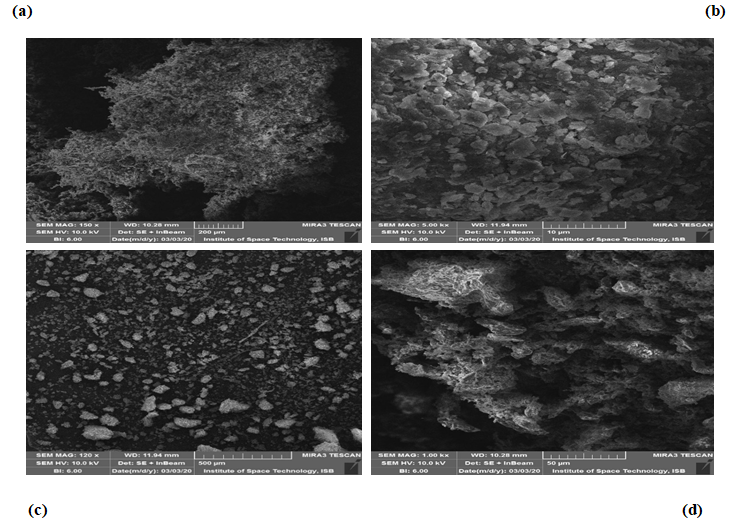
Scanning electron microscopy is a technique that is used to investigate the adherence and microorganism attachment on surface of coal. The untreated (control) coal surface has shown clear coal particles at 500µm and 50µm. In Figure 5, SEM revealed a very clear change on the coal surface when compared with untreated (control) coal sample. The hyphae of strain NF-1 has entrapped the coal particles very clearly and creating erosion on the surface of coal at 200µm. The SEM imaging on treated samples up to 50µm also exhibited extensive colonization and adherence of Debaromyeces Hensenii on coal surface and particles causing visible changes on the coal structure. It is due to the fact that the coal is of Lignite B type and due to small sized of coal particles the fungal mycelium can easily stick and adhere to the surface of coal so that the degradation of coal take place in an effective way. In one of the studies investigated by Aneela, et al. [3], the hyphae of phanerochaete sp. and trichoderma sp. exhibited very clear changes on coal surface and attachment of fungal mycelium on the coal particles. In another study of Aneela, et al. [12], methanogenic incubations show the attachment of different kinds of microorganisms on the coal surface in representative SEM micrographs. In 1999 Monistrol and Laborda also reported the growth of bacterial and fungal strain by SEM imaging on coal surface supporting bioaccumulation and biosolubilization of coal samples. In study of Lerato Mary, et al. SEM investigated the coal particles entrapment by fungal mycelium.
Extraction and Characterization of Humic Acid
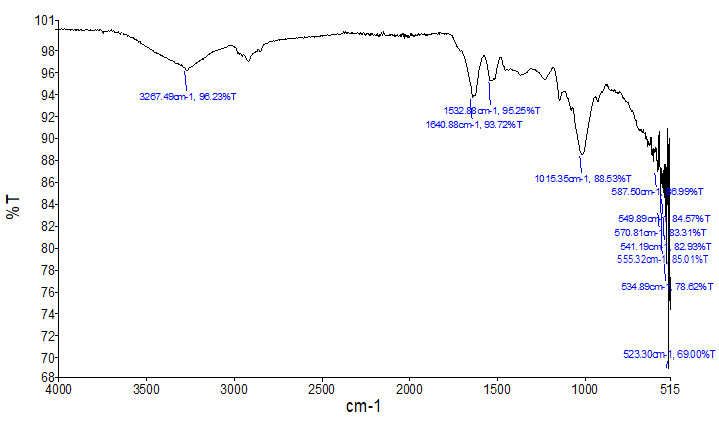
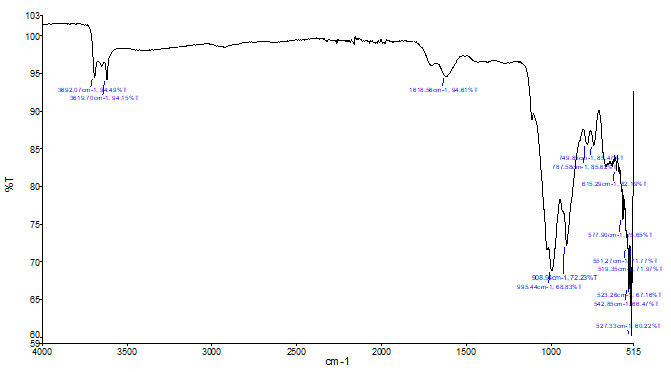
The Humic acid was extracted by using two methodologies. One of the approaches were native coal sample treatment with alkali and later on extraction of humic substances by acidifying it with HCL and it results in almost 60% yield of humic acid. In another approach the coal samples were pretreated with fungal isolate NF-1 coal after pretreatment were filtered and experimented further for extracting humic acid. The native coal solubilized with alkali was named as NHA and fungal pretreated humic acid were named as FHA (humic acid from pretreated fungal strain). Both samples of humic acid have shown the presence of organic functional groups present in humic ingredients. The infrared spectrum of fungal pre-treated coal has shown very clearer peak intensities as compared to native coal. The peaks represented at 3267 cm−1 that shows aliphatic group stretching, while the peak at 1640 cm−1shows COOH stretches and presence of alkyl aryl ether linkages showing C-O stretching at peak 1015 cm−1.
One of the studies conducted by Haider et al, 2015 had observed peaks at 1607-1698 cm−1 showing presence of COOH and ketones, aliphatic stretching (2917 cm−1-3335 cm−1) and ether groups at 1197 cm−1. In 2006 Dong et al had also investigated the aliphatic (C-H) stretch presence at 2930 cm−1 and stretching of C=O at 1720 cm−1 in produced humic acid from low grade coal that was firstly treated with Penicillium sp. In various studies the pretreatment strategies with fungal strain has been reported that shows the presence of functional groups around the produced humic acid moieties and these kinds of modifications results in increased bioactivity of the molecules [26]. The presence of carboxyl (-COOH) and Hydroxyl (-OH) functionalities in the humic acid molecules will be very significant in increasing the chelation capabilities of humic acid molecules. The treatment of Thar lignite coal by NF-1 fungal strain showed its effectiveness in increasing the peak absorption relating to humic materials that includes COOH and C=O stretching in their functional groups. The treatment of coal with NF-1 strain causes transformation in the structure of coal those results in the distribution of functional moieties containing oxygen molecules. Most often the biological treatment of fungi through aerobic mean results in the low grade oxidation of coal producing oxidized lignite that is considered to be a very enriched and suitable raw material for extracting humic acids, as highly oxidized lignite known as leonardite is known as one of the enriched raw materials for extracting out soil conditioning agents.
Another benefit of pretreating coal by biological mean produces humic acid that ranges in pH value from 7 to 9 while the humic acid produced directly from native and virgin coal results in production of Humate that have pH values ranges from 10-13. This pH is considered to be very high for its application in soil in Pakistan, as its application resulted into the increased basic condition of soil that ultimately decreases the nutrient availability to plants, water infiltration and decreased plant growth. While the humic acid produced from fungal pretreatment does not createsany such harmful effects to soil condition and quality and when applied to soil results in the improved quality of soil, nutrient uptake and easy availability and overall increased plant growth Figure 6 & 7.
UV-Vis Spectrophotometry of Humic Acid
In UV/Vis spectrophotometric studies the E4/E6 was increased in case of fungal pretreated humic acid in comparison with raw coal. With the increasing pattern of E4/E6, the aromaticity and molecular mass decreases. This shows enhancement in molecular bioactivity of the molecule. In the present study, fungal pretreated humic acid showed increased bioactivity as compared to humic acid produced from native coal. It is because of the effect of the fungal pretreatment that aids in the reduction of aromatic rings or side chain and formation of some more new functional moieties in the acidic molecules. In one of the studies reported by Haider, et al. 2015 [8], there was an increased E4/E6 estimation of the fungal pretreated humic acid as compared to the humic acid produced from native coal. The study conducted by Adnan, et al. [12, 27, 28, 29, 30, 31, 32, 33, 34, 35] showed the raw coal-derived HA, greater E4/E6 ratio of 2.1196 than others Table 3.
| UV-Vis Spectrum of Humic Acid | Humic Acid of Native Coal | Humic Acid from Fungal Pretreated Coal |
|---|---|---|
| E4/E6 | 2.309 | 3.374 |
| 2.321 | 3.431 | |
| 2.421 | 3.525 | |
| Mean E4/E6 | 2.3503 | 3.443 |
Table 3: E4/E6 UV-Visible spectrum of humic acid.
Conclusion
In present study, we explored the depolymerization and biosolubilization of lignite (Low Rank Coal) by indigenously isolated fungal strain NF-1 Debaromyeces Hensenii. The analytical investigation revealed that the isolated fungal strain has capability of breaking and depolymerizing the side aromatic chains from coal and produce various types of single chain aliphatics, cyclic nitrogenous aromatic compounds and have ability of decarboxylation and deamination. This shows that the strain NF-1 have ability to degrade complex aromatics and produces different useful kinds of byproducts i.e. Humic acid, biofules, plant and soil conditioning products as well as fulvic materials. The liquid produced during the biosolubilization process can be used for producing biogas that is considered to be a sustainable source of energy to fossil fuels. It is concluded that the indigenous fungal strain isolated from coal have capability to undergo biodegradation and have potential to produce different kind of by products as alternative fuels from lignite type of coals.
References
-
Sekhohola LM, Igbinigie EE, Cowan AK (2013) Biological Degradation and Solubilisation of Coal. 24(3): 305-318.
-
Warwick PD, Shakoor T (1988) Preliminary report on coal characteristics in the Salt Range area of north-central Pakistan. USGS Publications Warehouse, Pakistan.
-
Aneela YM, Muhammad IA, Asif J, Uzma F, Nazia K, et al. (2016) Coal biomethanation potential of various ranks from Pakistan: A possible alternative energy source. Journal of Cleaner Production 255: 120177.
-
Liu F, Guo H, Wang Q, Haider R, Urynowicz MA, et al. (2019) Characterization of organic compounds from hydrogen peroxide-treated subbituminous coal and their composition changes during microbial methanogenesis. Fuel 237: 1209-1216.
-
Sabar MA, Ali MI, Fatima N, Malika AY, Jamal A, et al. (2019) Degradation of low rank coal by Rhizopus oryzae isolated from a Pakistani coal mine and its enhanced releases of organic substances. 253: 257-265.
-
Haider R, Ghauri MA, SanFilipo JR, Jones EJ, Orem WH, et al. (2013) Fungal degradation of coal as a pretreatment for methane production. Fuel 104: 717-725.
-
Huang Z, Urynowicz MA, Colberg PJS (2013) Bioassay of chemically treated subbituminous coal derivatives using Pseudomonas putida F1. Inter J Coal Geol 115: 97-105.
-
Haider R (2017) Coal degradation through fungal isolate RHC2 from Romanian brown coal sample. Energy Sources, Part A: Recovery, Utilization, and Environmental Effects 39(16): 1785-1790.
-
Jamal Q, Ahmed I, Rehman SU, Abbas S, Kim KY, et al. (2014) Isolation and Characterization of Bacteria from Coal Mines of Dara Adam Khel, Pakistan. Geomicrobiology Journal 33(1): 1-9.
-
Haritash AK, Kaushik CP (2009) Biodegradation aspects of polycyclic aromatic hydrocarbons (PAHs): A review. J Hazard Mater 169(1-3): 1-15.
-
Veitch NC (2004) Horseradish peroxidase: a modern view of a classic enzyme. Phytochemistry 65(3): 249- 259.
-
Sabar MA, Alia MI, Fatimaa N, Malik AY, Jamal A, et al. (2020) Evaluation of humic acids produced from Pakistani subbituminous coal by chemical and fungal treatments. Fuel 278: 118301.
-
Yin SD, Tao XX, Shi KY (2009) Biosolubilisation of Chinese lignite II: protein adsorption onto the lignite surface. Mining Science and Technology (China) 19(3): 363-368.
-
Al-Qaysi SAS, Al-Haideri H, Thabit ZA, Al-Kubaisy WHAAR, Ibrahim JAAR (2017) Production, Characterization, and Antimicrobial Activity of Mycocin Produced by Debaryomyces hansenii DSMZ70238. Int J Microbiol 2017: 2605382.
-
Sahin E (2017) Debaryomyces hansenii as a new biocatalyst in the asymmetric reduction of substituted acetophenones. Biocatalysis and Biotransformation 35(5): 363-371.
-
Gori K, Sørensen LM, Petersen MA, Jespersen L, Arneborg N (2012) Debaryomyces hansenii strains differ in their production of flavor compounds in a cheese‐surface model. Microbiologyopen 1(2): 161-181.
-
Gokcay CF, Kolankaya N, Dilek FB (2001) Microbial solubilization of lignites. Fuel 80(10):1421-1433.
-
Tao XX, Chen H, Shi KY, Lv ZP (2018) Identification and biological characteristics of a newly isolated fungus Hypocrea lixii and its role in lignite bioconversion. Afr J Microbiol Res 12(12): 1-7.
-
Oboirien BO, Burton SG, Cowan D, Harrison STL (2008) The effect of the particulate phase on coal biosolubilisation mediated by Trichoderma atroviride in a slurry bioreactor. Fuel Process Technol 89(2): 123-130.
-
Mutambanengwe CCZ (2010) The Biotechnology of Hard Coal Utilization as a Bioprocess Substrate. Rhodes University, South Africa.
-
Duval C, Svehla G, Růžička J, Starý J (1976) Thermal methods in analytical chemistry: Substoichiometric analytical methods. Elsevier Science Ltd.
-
Tao XX, Pan LY, Shi KY, Yin SD, Luo ZF, et al. (2009) Bio- solubilization of Chinese lignite I: extra-cellular protein analysis. Min Sci Technol, China 19(3): 358-362.
-
Selvi AV, Banerjee R, Ram LC, Singh G (2009) Biodepolymerization studies of low rank Indian coals. World J Microbiol Biotechnol 25: 1713-1720.
-
Faison BD, Lewis SN (1989) Production of coal- solubilizing activity by Paecilomyces sp. during submerged growth in defined liquid media. Appl Biochem Biotechnol 20: 743-752.
-
Kwiatos N, Jędrzejczak-Krzepkowska M, Strzelecki B, Bielecki S (2018) Improvement of efficiency of brown coal biosolubilization by novel recombinant Fusarium oxysporum laccase. AMB Express 8: 133.
-
Dong LH, Yuan Q, Yuan H (2006) Changes of chemical properties of humic acids from crude and fungal transformed lignite. Fuel 85(17-18): 2402-2407.
-
Igbinigie EE, Aktins S, Breugel YV, Dyke SV, Davies- Coleman MT, et al. (2008) Fungal biodegradation of hard coal by a newly reported isolate, Neosartorya fischeri. Biotechnol J 3(11): 1407-1416.
-
Igbinigie EE, Mutambanengwe CCZ, Rose PD (2010) Phyto-bioconversion of hard coal in the Cynodon dactylon/coal rhizosphere. Biotechnol J 5(3): 292-303.
-
Srivastava KC, Walia DS (1997) Biological production of humic acid and clean fuels from coal. Google Patents.
-
Medina-Córdova N, Rosales-Mendoza S, Hernández- Montiel L, Angulo C (2018) The potential use of Debaryomyces hansenii for the biological control of pathogenic fungi in food. Agricultural and Food Sciences, Biology, Environmental Science, pp: 216-222.
-
Fakoussa RM, Hofrichter M (1999) Biotechnology and microbiology of coal degradation. Appl Microbiol Biotechnol 52(1): 25-40.
-
Younas MA (2018) Isolation and Characterization of Coal Solubilizing Aerobic Microorganisms. Quaid-i-Azam University, Islamabad, Pakistan.
-
Haider R, Ghauri MA, Akhtar K (2015) Isolation of Coal Degrading Fungus from Drilled Core Coal Sample and Effect of Prior Fungal Pretreatment on Chemical Attributes of Extracted Humic Acid. Geomicrobiology Journal 32(10): 944-953.
-
Jiang F, Li Z,Lv Z, Gao T, Yang J, et al. (2013) The biosolubilization of lignite by Bacillus sp. Y7 and characterization of the soluble products. Fuel 103: 639- 645.
-
Willmann G, Fakoussa RM (1997) Extracellular oxidative enzymes of coal attacking fungi. Fuel Proc Technol 52(1- 3): 27-41.
- Antifungal Activity of New Acetophenone Derivatives
- Interconnected Microbiomes Human Health Within an Environmental Framework
- Silkworm-Based Vaccine Production for H5N1: A One Health Approach to Pandemic Preparedness
- Microbial Diversity and Lipolytic Activity of Bacteria and Fungi from Oil-Contaminated Sites in Makurdi Metroplois
- Antibiotic Resistance Profile of Bacteria Isolated at the Central Laboratory of the National Hospital Center of Nouakchott
- Epidemiology and Sensitivity to Antibiotics of Germs Isolated from Blood Cultures in the Laboratory of the National Hospital Center of Nouakchott-Mauritania