
Chlorpyrifos Induced Alterations in the Status of White Cells Profile: Protective Role of Nigella sativa Seed Extract
Objective: The aim of this study is to evaluate the protective role of Nigella sativa seed extract in chlorpyrifos-induced changes in the status of white cells profiles of Wistar albino rats. Methodology: An experimental study. Total sixty four healthy adult rats of either gender were taken for this experimental study. The animals were divided into A, B, C, D groups and each was further divided into two sub-groups on the basis of 3 weeks and 6 weeks of treatment protocol. Control group A1 and A2 were given only distilled water. Group B1 and B2 were given chlorpyrifos 4.2 mg/kg.bw; 1/20 of LD50 orally. Animals of group C1, C2 and D1, D2 were the combination groups and were treated with low dose 250mg/kg.bw and high dose 500mg/kg.bw of Nigella sativa seed extract to these chlorpyrifos – induced group of rats respectively. After treatment 5CC blood sample were taken out from each group of animals through cardiac puncture for the evaluation of white cell profile. The parameters under evaluation were total leucocytes count and differential leucocytes counts such as neutrophils, eosinophils, basophils, lymphocytes and monocytes respectively. Data was analyzed using SPSS version 21. Results: The findings revealed that significant reduction in white cells profile were noted in chlorpyrifos-induced animals with p-value <0.001. Significant improvement was also seen in the animals of group C and D when treated with low and high dose of Nigella sativa orally. Conclusion: Based on the results of this study it is concluded that Nigella sativa seed oil has a potent phytotherapeutic role due to having antioxidant characteristics thus providing beneficial preventive role in ameliorating the alterations in the white cell profile status due to chlorpyrifos-induced toxicity
Introduction
All pesticides are potentially toxic and hazardous to human beings. Pesticides on one side are beneficial in agriculture for crop protection if used according to the standard protocol but if used indiscriminately may cause considerable health problems to the general population and can affect the environment and to the surrounding as well [1, 2, 3]. One of the most important group of organ phosphorus which is widely used in agriculture sector is the chlorpyrifos which is considered to be potential for pest control because of having quick action and produced minimum hazardous effects in the environment [4, 5]. Chlorpyrifos is a broad spectrum chlorinated group of pesticide structurally and chemically resembling as [0,0 diethyl 0-3,5,6-trichloro -2 pyridinol) phosphorothionate] commonly used in residential and agricultural sectors [6, 7, 8]. Several studies have shown that chlorpyrifos which is a well known acetyl cholinesterase inhibitor causes the accumulation of acetylcholine thus resulting in the stimulation of postsynaptic receptors with related sign and symptoms of toxicity and poisoning [9, 10]. It has also been reported in many studies that some other mechanism beside this also involved in the inhibition of acetyl cholinesterase (AChE) because of the toxicity caused by the oxidative stress [11, 12, 13]. Considering the toxic nature of chlorpyrifos, some phytochemically related products and extracts have been used therapeutically to minimize the adverse effects of pesticides [14, 15, 16]. Among the most prominent medicinal plant used therapeutically to treat various illness is the Nigella sativa commonly called as black seed or black cumin. It is an amazing herb belonging to the family Renunculaceae used as a traditional phytochemical drug in folk medicine to treat many diseases and ailments [17, 18, 19]. It has also been reported in some studies that the seed oil of Nigella sativa contains some active ingredients named as thymoquinone, dihydrothymoquinone, thymo- hydroquinone and thymol. Among them thymoquinone is the most active ingredient causing oxidative stress through the involvement of oxidative enzymes and immunity [20]. Another study reported that thymoquinone which is the most active component also has a phytotherapeutic involvement in health related problems such as hypertension, hyperglycemia and dyslipidemia. Similarly recent studies also reported that this active ingredient thymoquinone also has a prominent role in the treatment of various ailments such as asthma, diabetes, bronchitis, nephritis and hematological related disturbances [21, 22]. Keeping the adverse effects and toxicity caused by chlorpyrifos exposure, present study in this regard was carried out to investigative the preventive role of Nigella sativa seed extract in minimizing the disturbances in the status of white cells profile caused by chlorpyrifos toxicity.
Methodology
Study Design
An experimental study that was conducted to determine the effect of chlorphyrifos on the status of white cell profile as well as in ameliorating the effect of Nigella sativa seed extract_._
Study Setting
This experimental study was performed at Al-Tibri Medical College, Isra University Karachi Campus, Pakistan.
Duration of Study
It was two years study period extending from January 2013 to January 2015.
Experimental
Chemicals
Different materials such as chlorpyrifos 40EC, Nigella sativa seed extract distilled water and deionized water were used. Herbal product Nigella sativa seed were collected from local market of Karachi city Sindh Pakistan. The seeds were identified by a Botanist, Faculty of Science University of Karachi, Sindh – Pakistan.
Preparation of working solution
Chlorpyrifos: 4.2mg/kg bw; 1/20th LD50 was prepared accordingly [23].
Nigella sativa seed extract
250mg/kg. bw low dose and 500mg/kg. bw high dose were prepared accordingly [24].
Experimental Animals
The study was carried out on albino rats of either gender having weight 150180 grams. They were obtained from the animal house of Al-Tibri Medical College Isra University Karachi Campus. The animals were kept in a quiet room under standard laboratory condition of 12hrs dark-light cycle at 23oC to 24oC. They were fed on standard rat pellets and water was provided ad libitum.
Groping of animals
Group A: Control group A1: Rats given distilled water only for 3 weeks A2: Rats given distilled water only for 6 weeks Group B: Chlorpyrifos – treated group B1: Rats given chlorpyrifos at a dose of 4.2mg/kg. bw 3 weeks B2: Rats given chlorpyrifos at a dose of 4.2mg/kg. bw 6 weeks Group C: Low dose Nigella sativa treated group (combination group) C1: Rats given chlorpyrifos + low dose 250mg/kg. bw of Nigella sativa for 3 weeks C2: Rats given chlorpyrifos + high dose 250mg/kg. bw of Nigella sativa for 6 weeks Group D: High dose Nigella sativa treated group (combination group) D1: Rats given chlorpyrifos + high dose 500mg/kg. bw of Nigella sativa for 3 weeks D2: Rats given chlorpyrifos + high dose 500mg/kg. bw of Nigella sativa for 6 weeks Chlorpyrifos (4.2mg/kg. bw) was given orally through feeding tube to all groups of rats for 3 weeks and 6 weeks. In the combination group Nigella sativa seed extract was given two hours later to chlorpyrifos-treated rats daily for 3 weeks and 6 weeks respectively.
Extraction procedure
The procedure for extraction is based on different steps that include dryness, checking level of dryness, sifting and lastly storage of extract for experimental work. The extract was prepared accordingly with slight modification in the procedure [25]. After collection the seeds were immediately washed with distilled water. All the seeds were kept in an open air for complete dryness prior to grinding. After checking the dryness level the seeds were grinded into fine powder which was then placed in 95% ethanol solution for extraction which was carried out by using soxhlet apparatus. The mixture thus obtained was kept in a glass jar without cover at room temperature overnight for complete evaporation of ethanol. The resultant material obtained after evaporation dissolved in distilled water and the final extracted material was then used for experimental work.
Animal Scarification
Each animal was anesthetized by giving deep ether anesthesia in a glass jar after the end of 3 weeks and 6 weeks of treatment and animal was sacrificed separately.
Collection of Blood Sample
Before the collection of blood samples, thoracic cage of each animal was cut and retracted. Tissues were cleared and heart was exposed. Blood sample 5CC was collected via cardiac puncture from each rat with the help of syringe in heparinized tubes and was sent immediately to the laboratory for the analysis of white cell profile.
Statistical Analysis
The data will be collected and reported as mean ± standard deviation. One way ANOVA SPSS version 21 was used to find out the significant result Turkey-Multiple Comparison post HOC test was applied to check the pair wise comparison at 5% level of significance (95% confidence interval C1).
Results
The results of low and high dose of Nigella sativa seed (NSS) extract were studied in the present era. The data obtained after three and six week of assessment of white blood cells profile are presented in the form of mean ± standard deviation. The results were then compared between the control and treated groups of animals i.e., chlorpyrifos-induced group and low or high dose of Nigella sativa seed (NSS) extract treated groups.
Effect of NSS on Total Leucocyte count (TLC) (103/mm3)
The effects of oral administration of low and high dose of NSS extract on total leucocyte count in chlorpyrifos- induced group of animals during 3 weeks and 6 weeks of assessment are presented in (figure 1a, 1b). Compared with control group significant reduction in TLC was noted in the chlorpyrifos - induced group of animals during both 3 week and six week of assessment (p<0.00 at C1 of 95%). In case of NSS extract when low dose 250mg/kg.bw were given, also significant reduction on TLC was seen in 3 weeks and non-significant reduction was noted in 6 weeks of treatment. In addition a non-significant reduction in TLC count was noted in chlorpyrifos with high dose 500mg/kg. bw during both 3 weeks and 6 weeks of treatment (Table 1) (Figures 1a & 1b).
| Three Week Assessment | Six Week Assessment | ||||
| Mean ± SD of group | Mean ± SD of group | ||||
| A1 9.7 ± 1.5077 | A2 9.7 ± 1.5354 | ||||
| B1 5.952 ± 1.5077 | B2 5.725 ± 1.5354 | ||||
| C1 8.725 ± 1.5077 | C2 8.825 ± 1.5354 | ||||
| D1 8.9125 ± 1.5077 | D2 9.1375 ± 1.5354 |
Table 1: Effect of NSS on TLC (103/mm3) during 3 weeks and 6 weeks of treatment.
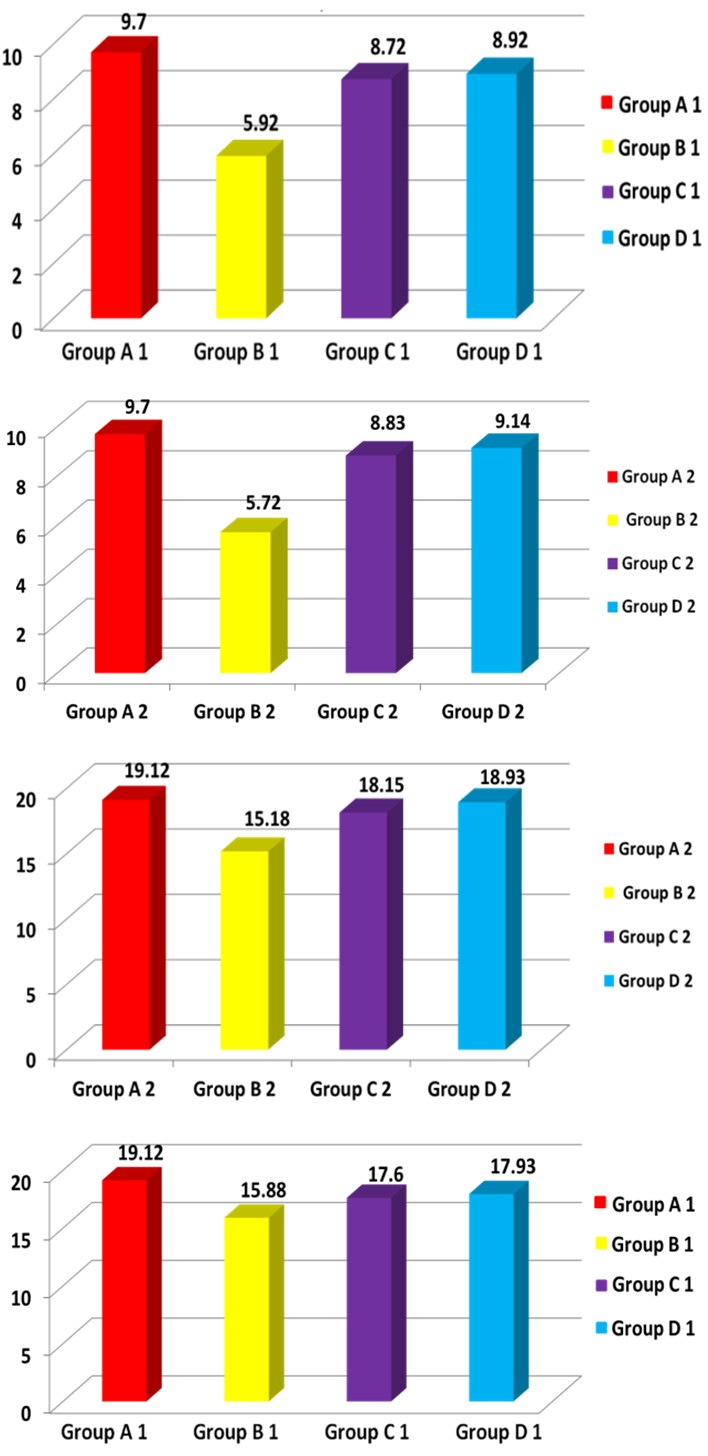
Figure 1a: Bar chart showing mean number of TLC 103/mm3. Figure 1b: Bar chart showing mean number of TLC 103/mm3.
Effect of NSS Extract on Neutrophil (%) Count
Effect of NSS extract on neutrophil count was also noted in chlorpyrifos – induced group of animals. When compared with control group significant reduction with ρ-value 0.00 at C1 95% was seen in the group of rats treated with chlorpyrifos during 3 weeks and 6 weeks of treatment (Table 2) (Figure 2a, 2b). When animal were treated with low dose 250mg/kg.bw of NSS extract, significant reduction and non-significant reduction was noted during 3 weeks and 6 weeks of treatment respectively. On the other hand non-significant decrease in neutrophil count was also noticed with high dose
500mg/kg. bw during 3 week and 6 weeks of assessment.
| Three Week Assessment | Six Week Assessment | ||||
| Mean ± SD of group | Mean ± SD of group | ||||
| A1 19.1125 ± 1.3299 | A2 19.1125 ± 1.662 | ||||
| B1 15.887 ± 1.3299 | B2 15.1817 ± 1.662 | ||||
| C1 17.612 ± 1.3299 | C2 18.5 ± 1.662 | ||||
| D1 17.937 ± 1.3299 | D2 18.925 ± 1.662 |
Table 2: Effect of NSS extract on Neutrophil (%) Count during 3 weeks and 6 weeks of treatment.
Figure 2a: Bar chart showing mean number of Neutrophils (%). Figure 2b: Bar chart showing mean number of Neutrophils (%).
Effect of NSS extract on Eosinophil (%) Count
As presented in (figure 3a, 3b) eosinophil count was significantly reduced in the chlorpyrifos treated group compared to control group during 3 weeks and 6 weeks treatment with ρ-value 0.00 at C1 95%. Oral administration of NSS at the dose of 250mg/kg.bw significant reduction was seen during 3 weeks and 6 weeks of treatment but with high dose 500mg/kg.bw of NSS extract non-significant reduction was seen in eosinophil count (Table 3) (Figure 3a, 3b).
| Three Week Assessment | Six Week Assessment | ||||
|---|---|---|---|---|---|
| Mean ± SD of group | Mean ± SD of group | ||||
| A1 0.375 ± 0.1653 | A2 0.375 ± 0.206 | ||||
| B1 0.0075 ± 0.1653 | B2 0.00125 ± 0.206 | ||||
| C1 0.2 ± 0.1653 | C2 0.3 ± 0.206 | ||||
| D1 0.2125 ± 0.1653 | D2 0.3125 ± 0.206 |
Table 3: Effect of NSS extract on Eosinophil (%) Count during 3 weeks and 6 weeks treatment with ρ-value 0.
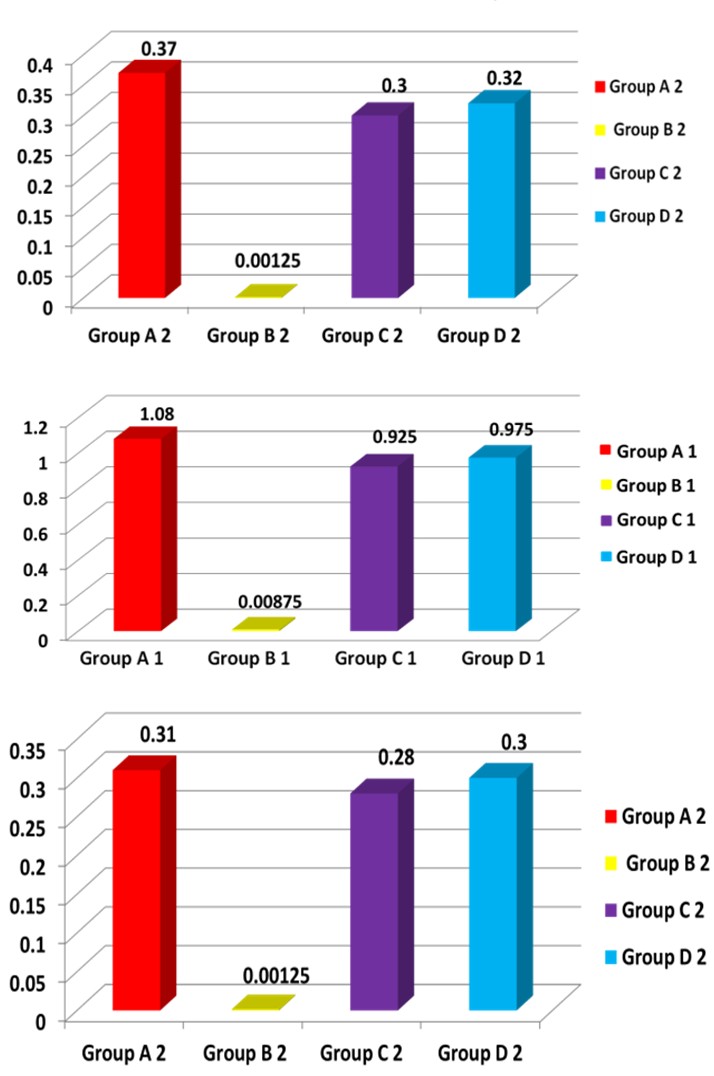
Figure 3a: Bar chart showing mean number of Eosinophil (%). Figure 3b: Bar chart showing mean number of Eosinophil (%).
Effect of NSS extract on Basophil (%) Count
As shown in (figures 41, 4b)significant of basophil count significant was observed in chlorpyrifos treated groups with ρ-value 0.00 at C1 95% as compared to control group. In comparison between control group and chlorpyrifos-treated group with low dose 250mg/kg.bw, non-significant reduction was seen in both 3weeks and 6 weeks of treatment. The same finding was also noticed when treated with high dose 500mg/kg.bw during assessment (Table 4) (Figures 4a, 4b).
| Three Week Assessment | Six Week Assessment | ||||
|---|---|---|---|---|---|
| Mean ± SD of group | Mean ± SD of group | ||||
| A1 0.3125 ± 0.1537 | A2 0.3125 ± 0.1822 | ||||
| B1 0.00875 ± 0.1537 | B2 0.00125 ± 0.1822 | ||||
| C1 0.221 ± 0.1537 | C2 0.2825 ± 0.1822 | ||||
| D1 0.2375 ± 0.1537 | D2 0.3 ± 0.1822 |
Table 4: Effect of NSS extract on Basophil (%) Count during 3 weeks and 6 weeks treatment.
Figure 4a: Bar chart showing mean number of Basophils (%). Figure 4b: Bar chart showing mean number of Basophils (%).
Effect of NSS Extract on Monocyte (%) Count
Effect of NSS extract on monocyte count was also seen in chlorpyrifos-induced group. As compared with control show in (figures 5a, 5b), significant reduction was noted in chlorpyrifos-treated group (ρ-value 0.00 at C1 of 95%) during 3 week and 6 week of treatment. In comparison with control group and treated group at low dose 250mg/kg.bw, non-significant reduction of monocyte count was seen. Similarly with dose 500mg/kg.bw of NSS extract non-significant reduction in monocytic count was also noticed during the treatment protocol (Table 5) (Figure 5a, 5b).
| Three Week Assessment | Six Week Assessment | ||||
|---|---|---|---|---|---|
| Mean ± SD of group | Mean ± SD of group | ||||
| A1 1.0875 ± 0.6298 | A2 1.0875 ± 0.621 | ||||
| B1 0.00875 ± 0.6298 | B2 0.00875 ± 0.621 | ||||
| C1 0.925 ± 0.6298 | C2 1.05 ± 0.621 |
Table 5: Effect of NSS extract on Monocyte (%) Count during 3 week and 6 week of treatment.
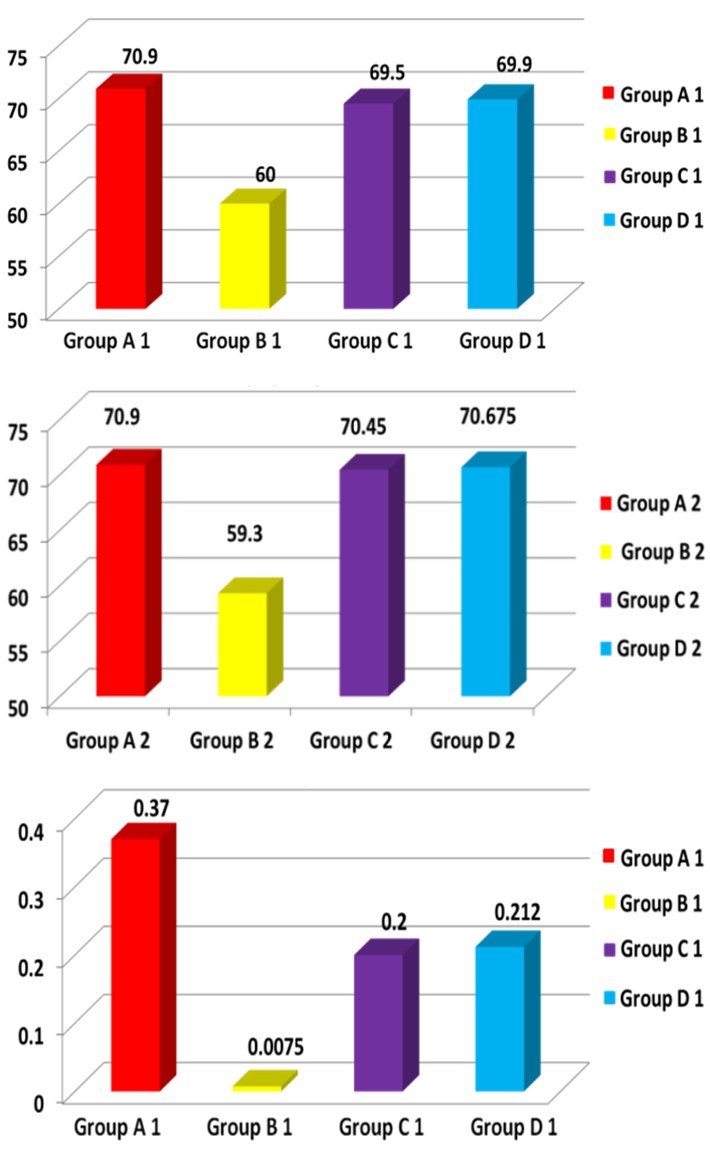
Figure 5a: Bar chart showing mean number of Monocyte (%). Figure 5b: Bar chart showing mean number of Monocyte (%).
Effect of NSS extract on Lymphocyte (%) Count
In comparison with control group as shown in (figures 6a and 6b) significant reduction with ρ–value 0.00 at C1 95% in lymphocytic count was seen during 3 week and 6 week of treatment. When chlorpyrifos induced group was treated with low dose 250mg/kg. bw of NSS and high dose 500mg/kg.bw of NSS, non-significant reduction in lymphocytic count was noted during both 3 weeks and 6 weeks of treatment procedure (Table 6) (Figure 6a, 6b).
| Three Week Assessment | Six Week Assessment | ||||
| Mean ± SD of group | Mean ± SD of group | ||||
| A1 70.9125 ± 4.722 | A2 70.9125 ± 4.722 | ||||
| B1 60.075 ± 4.722 | B2 60.075 ± 4.722 | ||||
| C1 69.5 ± 4.722 | C2 69.5 ± 4.722 | ||||
| D1 69.925 ± 4.722 | D2 69.925 ± 4.722 |
Table 6: Effect of NSS extract on Lymphocyte (%) Count during 3 week and 6 week of treatment.
Figure 6a: Bar chart showing mean number of Lymphocyte (%). Figure 6b: Bar chart showing mean number of Lymphocyte (%).
Discussion
Nigella sativa is an amazing herb mainly found in the Indian sub-continents. Its seed extract in particular has been used traditionally as a phytochemical drug in folk medicine for treating many diseases [25]. In our study, the NSS extract has been used to assess its preventive role against the disturbances in white cell profile caused by chlorpyrifos which is an important class of organ phosphorus group of pesticide. The increased levels of some of the white cell parameters were detected in treated group which confirm that chlorpyrofos has successfully disturbed the profile of white cell parameters. After confirmation of the developmental changes in white cell profile, then potential phytotherapeutic effect of NSS extract in chlorpyrifos- induced changes in white cells were evaluated. The present study investigated some of the parameters of leucocytes like total leucocyte count and differential leucocyte count. The overall results showed that NSS extract successfully causes significant and non-significant reduction in almost all the parameters of white cells during 3 weeks and 6 weeks of treatment. The same findings were also noted in a study where significant reduction in neutrophil count was seen when animals were exposed to chlorpyrifos. In another study the total leucocyte count, lymphocyte and monocyte counts were significantly increased when the animals were treated with another organophosphorus pesticide like diazinon [26]. These inconsistent changes might be an important element that disturbed the first line of defense mechanism which may be due to the rupture of some of the neutrophils during the immune process. Thus, neutrophil count was consistently decreased during treatment with different doses of NSS extract. The result of the present study also agreed with the findings of other studies as reported in the literature [27, 28]. Currently it is best to know that the primary mechanism involved in the organophosphate compound is the inhibition of acetyl cholinesterase (AChE) through phosphorylation. This mechanism is common for all the insecticide of this group of compound irrespective to the differences in their chemical structure or due to the effectiveness as inhibitor of acetyl cholinesterase [29, 30]. This inhibition increases the level of endogenous acetylcholine in the living subjects thus resulting in its binding to muscarinic and nicotinic receptors in both peripheral and central nervous system. Chlorpyrifos which is used in the present study act in the same way as other organophosphate that leads to the accumulation of acetylcholine and therefore results in the stimulation of postsynaptic receptors that ultimately causes the signs of toxicity [31]. Some previous studies also reported that when animals were treated with diazinon and aluminum causes reduction in some of the hematological parameters but when NSS extract were given orally in diazinon and aluminum-treated rats during 3 weeks and 6 weeks of treatment marked protective effects were seen in hematological parameters. The result of these studies are almost same to the present study when Nigella sativa seed extract was given orally in a dose of 250mg/kg.bw and 500mg/kg.bw also giving ameliorating effects but not seen markedly which may be due to the nature of chemical structure or the ability of effectiveness of the pesticide used in this study to induce the rats in causing the disturbances in hemopoietic system. The exact mechanism by which Nigella sativa seed extract produces its protective role against chlorpyrifos – induced toxicity is still unknown but in some studies it has been clearly reported that NSS extract that contains some quinone-like active ingredients such as thymoquinone, dithymoquinone, thymohydroquinone and thymol have prominent free radical scavenging characteristics [32, 33]. However, some recent reports explained that thymoquinone is considered to be the most pharmacologically active component of the black seed oil or extract having phytotherapeutic role in folk medicine because of possessing characteristic antioxidant properties [34, 35].
Conclusion
Based on the findings of this study it is concluded that oxidative stress plays a vital role in chlorpyrifos-mediated injury but the treatment with Nigella sativa seed extract ameliorated chlorpyrifos-induced alterations in hematological parameters partly due to its antioxidant ability or partly by increasing the immune system by possessing the most active phytotherapeutic agent thymoquinone in the seed extract of Nigella sativa.
References
-
Waliszevski SM, Pardio Sedus VT, Waliszevski KN (1996) Detection of some organochlorine pesticides in Cow’s milk. Food Addi Contam 13(2): 231-235.
-
Imran H, Dilshad KA (2011) Adverse health effects of pesticide exposure in agricultural and industrial workers of developing countries. Impacts of pesticide exposure. InTech Open Croatia 155-178.
-
Azmi MA, Naqvi SNH (2011) Pesticide pollution, resistance and health hazards. Pesticides: The impacts of pesticide exposure. InTech 1-24.
-
Aardema H, Meertens JHJM, Ligtenberg JJM, Peter- Polman OM, Tullenken JE, et al. (2008) Organophoshorus poisoning cases and developments. Netherland J Med 66 (4): 149-153.
-
Leibson T, Lifshutz M (2008) Organophosphate and Carbamate poisoning: Review of the current literature and summary of clinical and laboratory experience in Southern Israel Med Ass J 10(11): 767- 770.
-
Cox C (1995) Chlorpyrifos, Part 2: human exposure. J Pest Ref 15(1): 14-20.
-
Mitra NK, Siong NH, Nadarajah VD (2008) Evaluation of neurotoxicity of repeated dermal application of chlorpyrifos on hippocampus of adult mice. Ann Agric Evn Med 15(2): 211-216.
-
Mehta A, Verma RS, Srivastava N (2009) Chlorpyrifos induced alteration in the level of hydrogen peroxide, nitrate, nitrite in rat brain and liver. Pestic Biochem Phys 94(2-3): 55-59.
-
Zheng Q, Oliver K, Won YK, Pope CN (2000) Comparative cholinergic neurotoxicity of chlorpyrifos exposure in preweaning and adult rats and adult rats. Toxicol Sci 55(1): 124-132.
-
Al-Badrany YMA, Mohammad FK (2007) Effect of acute and repeated exposure on an open field activity in chicks. Toxicol Lettr 174(1-3): 110-116.
-
Gultekin F, Patat S, Akca M, Akdogan M, Altuntas I (2006) Melatonin can suppress the cytotoxic effect of chlorpyrifos on human Hep G2 cell lines. Hum Exp Tox 25(2): 47-55.
-
Ambali SF, Akanbi D, lgbokwe N, Shittu M, Kawu M _et_ _al._ (2007) Evaluation of sub-chornic chlorpyrifos exposure in mice and the protective effect of vitamin C. J Toxicol Sci 32 (2): 111-120.
-
Durak DK, Uzun FG, Uzunhisarcikli M, Kalender S, Kalender Y _et al._ (2008) Melathion-induced oxidative stress in human erythrocyte and the protective effect of vitamin C and E _in vitro_ Env Toxicol 24(3): 235- 242.
-
Hoffman MA (2003) Animal self medication and ethno-medicine: exploration and exploitation of the medicinal properties of plants. Proc. Nutr Soc 62(2): 371-381.
-
Miller KL, Liebowitz RS, Newby LK (2004) Complementary and alternative medicine in cardiovascular disease: a review of biologically-based approaches. Am Heart J 147(3): 401-411.
-
Adherene AS, Joseph P, Kerry JK, O’Brien NM (2007) Effect of plant extracts on antioxidant status and oxidant-induced stree Caco-2 cells. Br J Nutr 97(2): 321-328.
-
Ali BH, Blunden G (2003) Pharmacological and toxicological properties of _Nigella_ _sativa._ Phytotherapy Res 17 (4): 299-305.
-
Salem ML (2003) Immunomodulatory and therapeutic properties of _Nigella sativa_ L Seed. Int Immunopharmacol 5(13-14): 1749-1770.
-
Demis H, Kanter M, Coskun O, Yildiz A (2006) Effect of black cumin (_Nigella_ _sativa)_ on heart rate, hematological values and pancreatic beta cell damage in cadmium-treated rats. Boil Trace Element Res 110(2): 151-162.
-
Lee E, Amar Z (2000) Ethnopharmacological survey of traditional drugs sold in Israel at the end of 20th century. J Ethnopharmacol 72(1-2): 191-205.
-
Razavi BM, Hosseinzadeh H (2014) A review of the effects of _Nigella sativa_ L. and its constituent thymoquinone in metabolic syndrome. J Endocrinol Invest 33(11): 1031-1040.
-
Amin B, Hosseinzadeh H (2016) Black cumin _Nigella_ _sativa_ and its active constituent thymoquinone: An overview on the analgesic and anti-inflammatory effects. Planta Med 82(1-2): 08-16.
-
Ambali SF, Orieji C, Abubakar WO, Shittu M, Kawu MU (2011) Ameliorative effect of vitamin C on alterations in thyroid hormones concentrations induced by subchronic coadministration of chlorpyrifos and lead in Wistar rats. J Thyroid Research 10: 1-6.
-
Nehar S, Kauser H, Rani P, Alam I. 2015. Effects of _s_ _sativa_ Seed extract on insulin resistant non-insulin dependent diabetic guinae pigs. Am J Ethnomedicine 2 (1): 58-67.
-
Hadjzadeh MAR, Khoei A, Hadjzadeh Z, Parizady M (2007) Ethanolic extract of _Nigella sativa_ L Seeds on ethylene glyeol-induced kidney calculi in rats. Urol J 4 (2): 86-90.
-
Al-Attar AM, Al-Taisan WA (2010) Preventive effect of Black Seed (_Nigella sativa)_ extract on Sprague Dawley rats exposed to Diazinon. Aust J Basic Appl Sci 4(5): 957-968.
-
Haratym M (2002) Hematological alterations after parathyroid poisoning in mice. Ann Agric Environ Med 9(2): 199-206.
-
Kulcinski P, Hrycek A, Kossmann S, Tustanowski J, Eriedek D, et al. (1996) Humoral and cellular immunity rates in chemical plant workers employed in the production of liquid pesticides. Int J Occup Med Environ Health 9(2): 103-110.
-
Lotti M (2001) Clinical toxicity of acctylcholinesterase agents in human. Hand book of Pesticided Toxicology. 2nd Edn. Academic Press USA. pp: 1043-1045.
-
Balali-Mood M, Balali-Mood K (2008) Neurotoxic disorders of organphosphorus compounds and their managements. Arch Iran Med 11(1): 65-89.
-
Al-Badrany YMA, Mohammad FK (2007) Effect of acute and repeated oral exposure on open field activity in chicks. Tox Lett. 174(1-3): 110-116.
-
Ghosheh OA, Houdi AA, Crooks PA (1999) High performance liquid chromatographic analysis of the pharmacological active quinones and related compounds in the oil of black Seed (_Nigella sativa L._). J Pharm Biomed Anal 19(5): 757-762.
-
Burits M, Bucar F (2000) Antioxidant activity of _Nigella sativa_ essential oil. Phytother Res 14 (5): 323- 328.
-
Tekeoglu I, Dogen A, Demiralp L (2006) Effects of thymoquinone (volatile oil of black cumin) on rheumatoid arthiritis in rat models. Phytother Res 20(10): 869-871.
-
Khattab MM, Naqi MN (2007) Thymoquinone Supplementation attenuates hypertension and renal damage in nitric oxide deficient hypertensive rats. Phytother Res 21(5): 410-414.
- Acido Labile or Gastro Irritant Apis and Enteric Release in Galenic Practice: An Overview
- A Study on Knowledge, Attitude and Practice of Hand Hygiene among Healthcare Professionals at a Tertiary Care Hospital, India
- Influence of Inoculum Concentration on In Vivo Incubation Period of Emmia lacerata, Pathogenesis and Management of Wilt in Pepper (Capsicum annuum L.)
- Vanilla’s Chemistry
- Marine Anti-Cancer Compounds and Adverse Effects of Global Warming on Oceans: An Overview
- Serological Investigation of Chikungunya Virus Antibody among Malaria-Suspected Febrile Patients in Some Healthcare Facilities in Rivers State