
Environmental Biotechnology for Medical Waste Management: A Review of Current Practices and Future Directions
The increasing environmental and human health concerns associated with medical waste have led to the development of environmental biotechnology as a means of mitigating its negative effects. This review paper discusses the various types of medical waste generated in healthcare facilities, as well as the potential environmental and health impacts of improper handling and disposal. It also provides an overview of the different environmental biotechnologies that have been developed to treat medical waste, including bioreactor systems, microbial treatment, and composting. The benefits and drawbacks of these technologies are also discussed. Bioremediation is a promising environmental biotechnology that can be used to treat medical waste contaminated with hazardous chemicals. Case studies from around the world demonstrate the successful application of environmental biotechnologies to medical waste management. These case studies highlight the challenges encountered, the methods used, and the results obtained. The findings of this review paper highlight the need for a comprehensive strategy for managing medical waste that includes environmental biotechnologies. Further research and development are needed to improve the effectiveness, efficiency, and sustainability of medical waste management.
Introduction
In the healthcare sector, managing medical waste properly is a major concern because it can seriously endanger the environment and the general public [1]. The classification of medical waste as infectious, dangerous, or non-hazardous necessitates distinct methods of treatment and disposal [1]. According to the World Health Organization (WHO), the total amount of waste generated in 2020- 2021 by healthcare activities was 87 thousand tonnes of PPE (personal protective equipment), 0.73 million litres of chemical waste, and 0.15 million tonnes of additional medical waste over 8 billion vaccine doses. Solid medical waste generation of the top 50 countries has been depicted in Figure 1. WHO also reported that about 85% is general, non-hazardous waste comparable to domestic waste while the remaining 15% is considered hazardous material that may be infectious, chemical, or radioactive [2]. These wastes can have adverse impacts on the environment and human health if not properly treated and disposed of. For example, open burning and incineration of healthcare wastes can result in the emission of dioxins, furans, and particulate matter, which are carcinogenic and can cause respiratory diseases. Moreover, improper disposal of sharps waste (such as syringes, needles, disposable scalpels, and blades) can lead to injuries and infections among health workers and waste handlers. Furthermore, pharmaceutical waste (such as expired, unused, and contaminated drugs and vaccines) can contaminate water sources and soil, affecting aquatic life and crops [3]. Additionally, radioactive waste (such as products contaminated by radionuclides including radioactive diagnostic material or radiotherapeutic materials) can pose long-term risks of radiation exposure to humans and animals. Further, the amount and composition of healthcare wastes vary depending on the source (such as hospitals, laboratories, and blood banks), the level of development (such as high- income or low-income countries), and the type of treatment (such as conventional or alternative medicine). Hence, there is no one-size-fits-all solution for waste management. Rather, a combination of different methods may be required depending on the local context and conditions.
![Figure 1: WHO also reported that about 85% is general, non-hazardous waste comparable to domestic waste while the remaining 15% is considered hazardous material that may be infectious, chemical, or radioactive [2]. These wastes can have adverse impacts on the environment and human health if not properly treated and disposed of. For example, open burning and incineration of healthcare wastes can result in the emission of dioxins, furans, and particulate matter, which are carcinogenic and can cause respiratory diseases. Moreover, improper disposal of sharps waste (such as syringes, needles, disposable scalpels, and blades) can lead to injuries and infections among health workers and waste handlers. Furthermore, pharmaceutical waste (such as expired, unused, and contaminated drugs and vaccines) can contaminate water sources and soil, affecting aquatic life and crops [3]. Additionally, radioactive waste (such as products contaminated by radionuclides including radioactive diagnostic material or radiotherapeutic materials) can pose long-term risks of radiation exposure to humans and animals. Further, the amount and composition of healthcare wastes vary depending on the source (such as hospitals, laboratories, and blood banks), the level of development (such as high- income or low-income countries), and the type of treatment (such as conventional or alternative medicine). Hence, there is no one-size-fits-all solution for waste management. Rather, a combination of different methods may be required depending on the local context and conditions.](/fulltextimages/10594/fig_1.png)
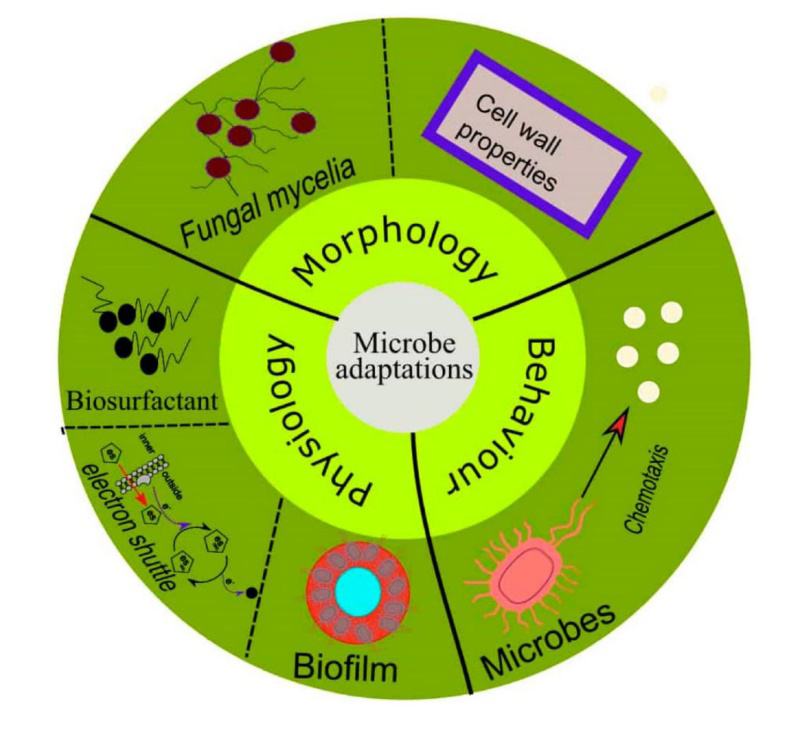
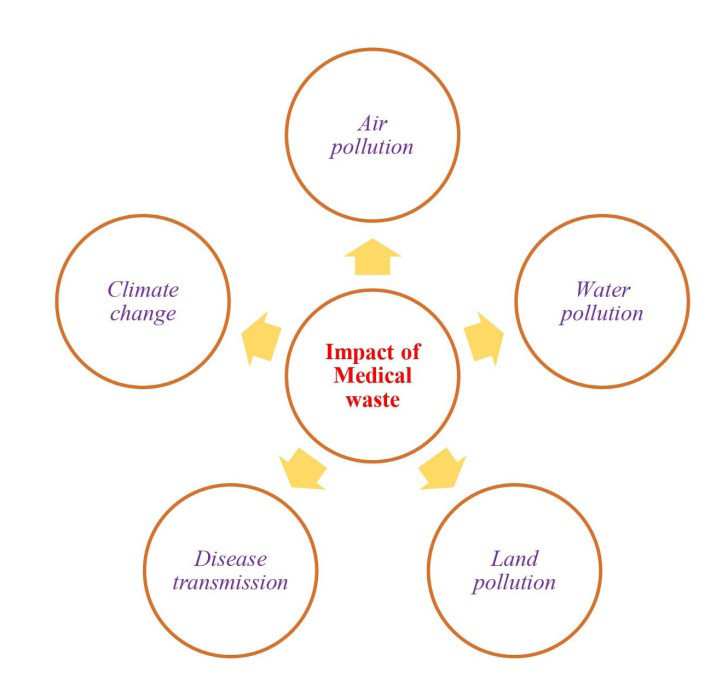
Although lots of research and development on the removal of medical waste are continuously published. However, medical waste management is a critical issue that requires continuous research and development. The type and amount of medical waste are increasing due to the advancement of medical instruments and the emergence of epidemic and pandemic diseases in recent years [4], such as SARS-CoV-2 in 2019 [5], SARS-CoV in 2003 [6], and influenza A (H1N1) in 2009-10 [7]. Therefore, the guidelines and practices of medical waste removal need to be updated regularly. Otherwise, the environmental damage and health risks for all living organisms, including animals and humans, would be severe due to the pollution of air, water, and land [8]. In the discipline of environmental biotechnology, biological processes are used to reduce pollution, restore the environment, and promote sustainable growth. It has shown promise in lessening the negative effects of medical waste on the environment [9]. Based on this, the review paper offers a recent comprehensive overview of medical waste management and the role of environmental biotechnology in reducing the negative impact of medical waste on the environment. It covers various aspects of waste management, including generation, segregation, collection, transportation, treatment, and disposal, and highlights the importance of environmental biotechnology at each stage. Furthermore, the review examines different environmental biotechnologies that can be employed for managing medical waste, such as composting, anaerobic digestion, microbial fuel cells, and phytoremediation. It delves into the advantages, drawbacks, and potential uses of each technology. It also explores the social and economic implications of using environmental biotechnology to manage medical waste. Overall, this review discussed using environmental biotechnology to reduce medical waste’s environmental impacts and examines current management practices and biotechnology’s role in solving this issue (Figures 2 & 3).
Impact of medical waste on the Environment
If handled improperly, medical waste, which includes any kind of waste produced by healthcare facilities like hospitals, clinics, and laboratories, can have a substantial negative influence on the environment. The following are some ways that medical waste may harm the environment [10, 11].
- Air pollution: When medical waste is burned, hazardous chemicals like dioxins, furans, and mercury can be released into the atmosphere, causing air pollution, and perhaps endangering the health of adjacent communities [2, 12].
- Water pollution: If medical waste is not properly disposed of, it may contaminate water sources, posing major health dangers to both humans and wildlife [2].
- Land pollution: Medical waste can contaminate the soil and landfills, endangering the environment and endangering human health [8].
- Disease transmission: Infectious agents including viruses, germs, and parasites can be carried by medical waste and spread illness to both people and animals [13, 14].
- Climate change: By releasing greenhouse gases that cause global warming, improper medical waste disposal can exacerbate climate change [15, 16].
Biotechnology in Managing Medical Waste
Biotechnology is the application of organisms, cells, or molecular analogues for products and services. Among various applications, one of its promising uses is in waste management, where biological methods can treat and dispose of different types of waste, such as infectious, chemical, pharmaceutical, or radioactive waste [17]. These
methods can also reduce the environmental and health impacts of waste by preventing the emission of harmful substances, such as dioxins, furans, and heavy metals, into the air, water, and soil. However, biotechnology in waste management is not without challenges and limitations, such as ethical, social, economic, and regulatory issues [18]. The study identified the following factors as the most important for reducing medical waste: medical waste management (26.6%), operational management issues (21.7%), training for medical waste management procedures (17.8%), raising awareness (17.5%), and environmental assessment (16.4%) [19]. In this review paper, one of the key factors of medical waste, management, is explained in detail as follows:
Bioremediation
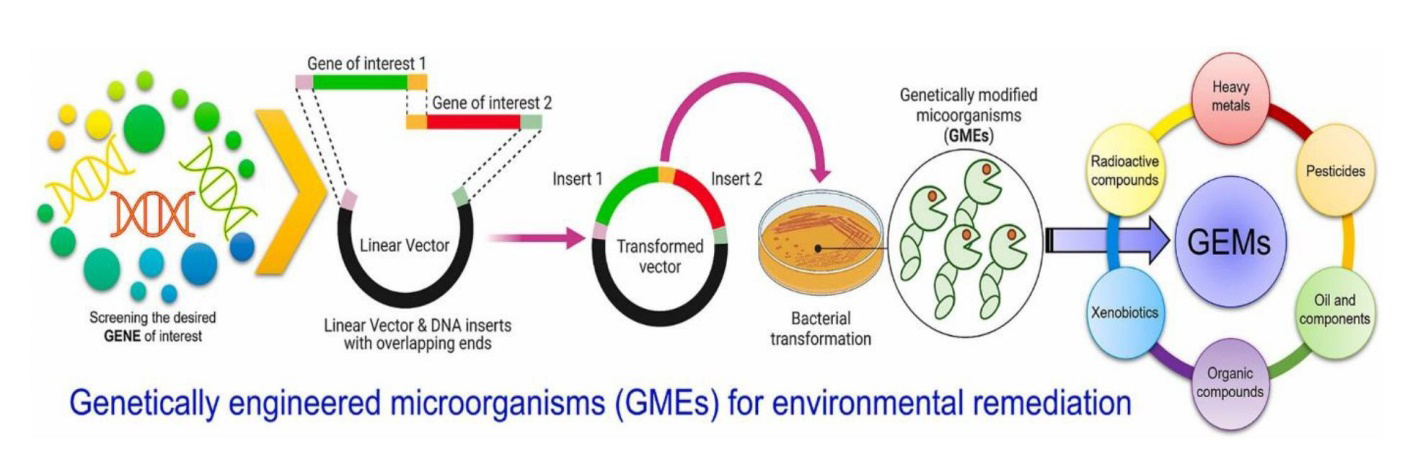
Utilizing living things or their by-products to degrade or eliminate environmental toxins is known as bioremediation. Recombinant enzymes, which are enzymes that have been genetically altered to increase their activity or stability, can be used in bioremediation to treat medical waste [20, 21]. Horseradish peroxidase (HRP) is an illustration of a recombinant enzyme that can be utilized for the bioremediation of medical waste. HRP, which contains heme, is capable of catalyzing the oxidation of a variety of organic contaminants, such as phenols and polycyclic aromatic hydrocarbons (PAHs), which are frequently found in medical waste. To enable its usage in bioremediation applications, recombinant HRP can be created via genetic engineering techniques and immobilized on the solid support [22, 23]. Laccase is another illustration of a recombinant enzyme that can be utilized for the bioremediation of medical waste. The oxidation of many organic molecules, including lignin, a complex polymer that is present in plant material and a significant portion of some medical waste streams, can be facilitated by laccase, an enzyme that contains copper [24]. By applying genetic engineering methods to create recombinant laccase, lignin in medical waste can be broken down, lowering the environmental impact. Lipases, proteases, and cellulases are other recombinant enzymes that can be employed for the bioremediation of medical waste since they can break down lipids, proteins, and cellulose, respectively. It might be able to successfully bioremediate a variety of medical waste streams by combining these enzymes [25] (Figure 4).
Composting
Medical waste can be managed naturally and sustainably via composting. It involves the microbial breakdown of organic waste products to create a nutrient-rich soil amendment that may be applied to agriculture and gardening. Composting can be utilized to manage a range of items when it comes to medical waste, including food waste from hospitals, clinics, and labs, as well as outdated pharmaceuticals and other organic waste products [26]. By producing an environment that is perfect for microorganisms to grow, composting works.
Microorganisms such as bacteria, fungi, and actinomycetes are in charge of decomposition. The organic material is broken down by these bacteria into less complex substances including carbon dioxide, water, and organic acids. The heat from the procedure also aids in killing any germs that could be present in the waste [27]. Bacillus subtilis is one type of bacterium used in composting. This bacterium can degrade a wide range of organic substances and is frequently found in soil. It is frequently used in composting to hasten decomposition and create high-quality final products [28, 29]. Another illustration is the fungus Aspergillus niger, which is frequently employed in the pharmaceutical and food industries due to its capacity to manufacture enzymes. A. niger can aid in the composting process by reducing complex organic molecules like lignin and cellulose into less complex ones that are more easily utilized by other bacteria in the compost pile [30]. Composting medical waste can reduce the quantity of the garbage that is dumped in landfills and create an important soil amendment that can be utilized to enhance the fertility and health of the soil. When done properly, it is a secure and organic method of treating medical waste that can help stop the discharge of dangerous toxins into the environment [31].
Cellulase is one type of recombinant enzyme that can be utilized in the composting of medical waste. One of the main ingredients of medical waste including bandages, gauze, and cotton swabs is cellulose, which is broken down by the enzyme cellulase. Cellulase use can hasten the decomposition process, reducing waste volume and producing nutrient-rich compost in the process [32]. Lipase is another illustration. This enzyme breaks down the lipids and fats in medical waste such as soiled bandages and surgical drapes. By using lipase, these materials can decompose more quickly, which reduces their volume and the risk of environmental pollution [33]. In addition to lipase and cellulase, protease is a third enzyme that can be employed to digest proteins in medical waste, including biological fluids like blood. Protease usage can aid in the breakdown of these substances and lower the risk of infection [34].
Phytoremediation
In the process of removing or detoxifying contaminants from the environment, phytoremediation, a type of bioremediation, uses plants and the microorganisms that live in and on them. Phytoremediation has demonstrated significant promise in the clean-up of medical waste in the area of environmental biotechnology. Hazardous waste includes different chemicals, germs, and other pollutants, and medical waste is one example of this. If not effectively controlled, these pollutants may be dangerous to both human health and the environment [35]. For the clean-up of medical waste, phytoremediation can provide a secure, affordable, and long-lasting alternative. Vetiver grass is one type of phytoremediation agent that has been applied to the clean-up of medical waste (Chrysopogon zizanioides). It has been demonstrated that vetiver grass is good at removing pathogens, organic pollutants, and heavy metals from medical waste. Its extensive root system enables it to absorb and store contaminants in its tissues, delaying their evaporation into the environment. Additionally, vetiver grass might encourage the development of advantageous soil microbes, further accelerating the clean-up procedure [36]. Willow is a different phytoremediation agent that has demonstrated potential in the remediation of medical waste. (Salix spp.). Willow has been used to clean up polluted air, water, and soil.
It can effectively absorb and store toxins in its tissues and has a high tolerance for them. Additionally, willow can encourage the development of advantageous soil microbes, which can speed up the detoxification process [37, 38].
Genetic Engineering
Particularly in the area of bioremediation, genetic engineering has a big function to play in controlling medical waste which is utilized microorganisms to transform contaminants, especially medical waste, into non-toxic chemicals. This strategy can be applied to particular contaminants, is economical, and is favourable to the environment [39]. We may now increase the efficiency and effectiveness of microorganisms’ capacity to break down toxins thanks to genetic engineering. The biodegradation of polyethylene terephthalate (PET), a common plastic used in medical equipment, is one example of how genetic engineering is applied in the bioremediation of medical waste. Because PET is resistant to biodegradation, it can withstand the environment for a very long time. But scientists have discovered a bacterium called Ideonella sakaiensis that can degrade PET. Researchers have improved this bacterium’s capacity to break down PET by tinkering with its DNA, making it a more useful bioremediation tool [40].
Another illustration is the employment of fungi that have undergone genetic modification to break down polycyclic aromatic hydrocarbons (PAHs), a category of contaminant that is present in medical waste. Humans can develop cancer from PAHs, which are hazardous. A fungus known as Phanerochaete chrysosporium has been found to be able to break down PAHs. They have improved this fungus’ capacity to break down PAHs through the use of genetic engineering, making it a more effective and efficient bioremediation technique [41, 42].
Waste to Energy (WTE) Conversion of Medical Waste
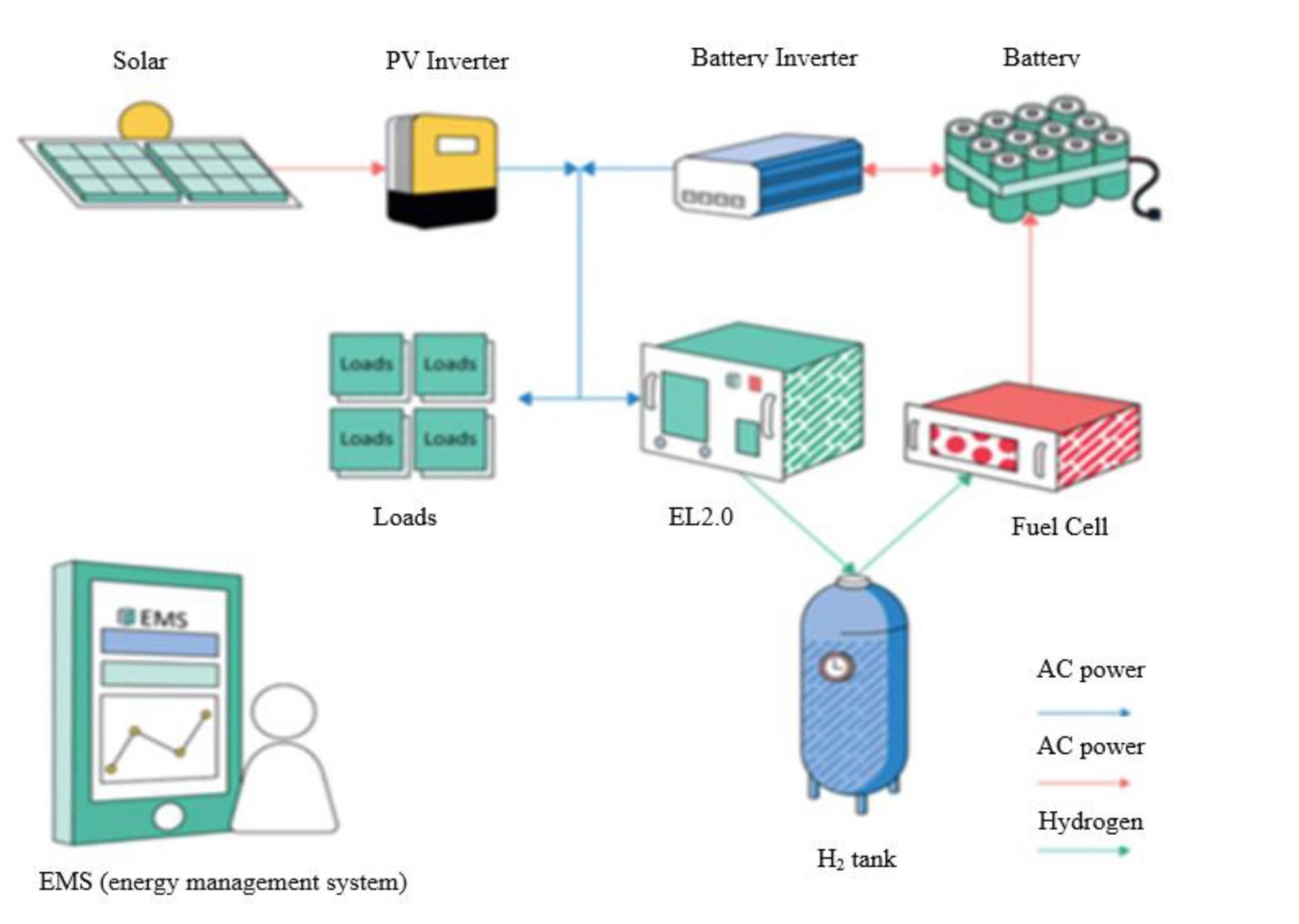
In the waste-to-energy (WTE) conversion of medical waste, the waste is converted into a renewable energy source. Medical waste like spent needles, expired drugs, and biological materials is produced, if this garbage is not properly disposed of, there is a significant risk to both the environment and public health. WTE conversion, which turns waste into energy using a variety of technologies, is one efficient means of getting rid of medical waste. Incineration is a popular technique that involves burning trash at high temperatures in order to produce steam and heat that may be used to create power or heat. The trash is heated in the absence of oxygen in a process known as gasification, which produces a gas that can be utilized to produce power Figure 5.
The conversion of medical waste using WTE has a number of advantages. First of all, it lessens the amount of waste that is dumped in landfills, lowering the chance of pollution and environmental harm. Additionally, by producing power from a renewable source, it might aid in meeting the rising energy demands. By preventing the release of methane and other hazardous gases that are created when waste decomposes in landfills, WTE conversion also lowers greenhouse gas emissions [43]. WTE conversion of medical waste is not without its difficulties, though. One thing to be worried about is the potential release of hazardous chemicals during the combustion or gasification process, which could have a severe impact on the local population’s health. The expense of putting in place and maintaining the required technologies and infrastructure for WTE conversion presents another difficulty [44].
Discussion
a. The healthcare industry faces a serious issue in managing medical waste since inappropriate disposal poses serious health and environmental dangers. Environmental biotechnology provides creative ways to manage medical waste sustainably, but there are many obstacles that must be overcome before it can be put into practice successfully [45]. b. The lack of knowledge and comprehension of the dangers posed by medical waste among healthcare professionals, waste handlers, and the general public is one of the main issues. Due to inappropriate handling and disposal procedures, diseases may spread and the environment may get contaminated. To increase awareness and encourage safe handling and disposal methods, it is, therefore, necessary to implement effective communication and teaching programs [46, 47]. c. The complexity and diversity of medical waste streams present another difficulty. Medical waste may contain substances that are radioactive, toxic, infectious, non- infectious, or infectious that must each be handled and disposed of according to specific rules. To ensure adequate management of the various waste streams, efficient segregation, collection, and treatment techniques are needed [48]. d. Furthermore, implementing sustainable medical waste management practices can be expensive, which can be particularly difficult for healthcare organizations with low resources. As a result, simple-to-use and maintain innovative and affordable solutions are required [19].
e. The development of scalable, sustainable technologies that meet the aforementioned difficulties is one of the future avenues for managing medical waste in the field of environmental biotechnology. This may entail treating and managing medical waste using cutting- edge technologies like plasma gasification, microbial degradation, and waste-to-energy conversion [49, 50]. f. The management of medical waste must also be incorporated into the larger healthcare sustainability framework, which emphasises resource efficiency, community engagement, and a reduction in the environmental impact of healthcare facilities [19].
Conclusion
Environmental biotechnology offers a promising way to lessen the harm that medical waste causes to the environment. This study has demonstrated that a variety of technologies, including microbial treatment, composting, and phytoremediation, can effectively treat medical waste and lessen its impact on the environment. Further enhancing the efficacy of environmental biotechnology in waste management is the use of biodegradable materials and the adoption of sustainable practices in healthcare facilities. Stakeholders in the healthcare sector, decision-makers, and researchers must work together to develop more creative and long-lasting solutions to the problem of managing medical waste. We can lessen the negative effects of medical waste on the environment and safeguard public health by using environmental biotechnology solutions.
• Acknowledgements: The authors acknowledge the contributions of individuals and institutions that have assisted in the completion of this study.
References
-
Buyukgungor H, Gurel L (2009) The role of biotechnology on the treatment of wastes. African Journal of Biotechnology 8(25): 7253-7262.
-
(2023) Health-care waste. World Health Organization.
-
Ye J, Song Y, Liu Y, Zhong Y (2022) Assessment of medical waste generation, associated environmental impact, and management issues after the outbreak of COVID-19: A case study of the Hubei Province in China. PLoS One 17(1): e0259207.
-
Torres MJA, Badarau FC, Diaz Pavez LR, Martinez ZL, Wacker KM (2022) A global dataset of pandemic- and epidemic-prone disease outbreaks. Scientific Data 9(1): 1-12.
-
Yadav P, Yadav A (2023) Interferon Production and Potentiality as a therapeutic drug for SARS-CoV-2. Advance in Pharmacoepidemiology and Drug Safety 12(1): 1-5.
-
Heymann DL (2004) The international response to the outbreak of SARS in 2003. Philos Trans R Soc Lond B Biol Sci 359(1449): 1127-1129.
-
Viboud C, Simonsen L (2012) Global mortality of 2009 pandemic influenza A H1N1. The Lancet Infectious Diseases 12(9): 651-653.
-
Manzoor J, Sharma M (2019) Impact of Biomedical Waste on Environment and Human Health. Environmental Claims Journal 31: 311-334.
-
Selvasembian R, Ponnusami V, Singh P (2023) Biotechnological approaches in waste management. In: 1st (Edn.), CRC Press, pp: 278.
-
Wei Y, Cui M, Ye Z, Guo Q (2021) Environmental challenges from the increasing medical waste since SARS outbreak. J Clean Prod 291: 125246.
-
Lenzen M, Malik A, Li M, Fry J, Weisz H, et al. (2020) The environmental footprint of health care: a global assessment. Lancet Planet Health 4(7): 271-279.
-
Manisalidis I, Stavropoulou E, Stavropoulos A, Bezirtzoglou E (2020) Environmental and Health Impacts of Air Pollution: A Review. Front Public Health 8: 14.
-
Rajak R, Mahto RK, Prasad J, Chattopadhyay A (2022) Assessment of bio-medical waste before and during the emergency of novel Coronavirus disease pandemic in India: A gap analysis. Waste Manag Res 40(4): 470-481.
-
Das AK, Islam MN, Billah MM, Sarker A (2021) COVID-19 pandemic and healthcare solid waste management strategy A mini-review. Science of the Total Environment 778: 146220.
-
Thaweeporn AK (2023) From managing medical waste to measures to mitigate impact of climate change, Ms Napapan shows the way. World Health Organization.
-
Raila EM, Anderson DO (2017) Healthcare waste management during disasters and its effects on climate change: Lessons from 2010 earthquake and cholera tragedies in Haiti. Waste Management Research 35(3): 236-245.
-
Englande AJ, Jin G (2006) Application of biotechnology in waste management for sustainable development: An overview, Management of Environmental Quality. An International Journal 17: 467-477.
-
Parmieka (2020) Biomedical Waste Management in India-A Review Article. International Journal of Science and Research 11(1): 654-658.
-
Lee SM, Lee DH (2022) Effective Medical Waste Management for Sustainable Green Healthcare. Int J Environ Res Public Health 19(22): 14820.
-
Humer D, Ebner J, Spadiut O (2020) Scalable High Performance Production of Recombinant Horseradish Peroxidase from _E. coli_ Inclusion Bodies. Int J Mol Sci 21(13): 4625.
-
Kumar V, Misra N, Goel NK, Thakar R, Gupta J, et al. (2016) A horseradish peroxidase immobilized radiation grafted polymer matrix: a biocatalytic system for dye waste water treatment. RSC Advance 6(4): 2974-2981.
-
Ahmed M, Mavukkandy MO, Giwa A, Elektorowicz M, Katsou E, et al. (2022) Recent developments in hazardous pollutants removal from wastewater and water reuse within a circular economy. Npj Clean Water 5: 1-25.
-
Na SY, Lee Y (2017) Elimination of trace organic contaminants during enhanced wastewater treatment with horseradish peroxidase/hydrogen peroxide (HRP/ H2O2) catalytic process. Catalysis Today 282: 86-94.
-
Singh D, Gupta N (2020) Microbial Laccase: a robust enzyme and its industrial applications. Biologia 75: 1183-1193.
-
Yadav AN, Suyal DC, Kour D, Rajput VD, Rastegari AA, et al. (2022) Bioremediation and Waste Management for Environmental Sustainability. Journal of Applied Biology & Biotechnology 10: 1-5.
-
Li H, He T, Yan Z, Yang Z, Tian F, et al. (2023) Insight into the microbial mechanisms for the improvement of spent mushroom substrate composting efficiency driven by phosphate-solubilizing Bacillus subtilis. J Environ Manage 336: 117561.
-
Qamar SA, Ferreira LFR, Franco M, Iqbal HMN, Bilal M, et al. (2022) Emerging biotechnological strategies for food waste management: A green leap towards achieving high-value products and environmental abatement. Energy Nexus 6: 100077.
-
Duan M, Zhang Y, Zhou B, Qin Z, Wu J, et al. (2020) Effects of _Bacillus subtilis_ on carbon components and microbial functional metabolism during cow manure-straw composting. Bioresour Technol 303: 122868.
-
Mahapatra S, Yadav R, Ramakrishna W (2022) _Bacillus_ _subtilis_ impact on plant growth, soil health and environment: Dr. Jekyll and Mr. Hyde. J Appl Microbiol 132(5): 3543-3562.
-
Searca R, Dela Cruz JP, Ballesteros FC, Undan JR, Lou L, et al. (2022) Porciuncula, Assessment of _Aspergillus niger_ and _Aspergillus flavus_ in Inoculant Induced Composting to Remove Antibiotics in Poultry Manure. Eco Env Cons 28(2): 677-684.
-
Taiwo AM (2011) Composting as a sustainable waste management technique in developing countries. Journal of Environmental Science and Technology 4(2): 93-102.
-
Khan MN, Luna IZ, Islam MM, Sharmeen S, Salem KS, et al. (2016) Rahman, Cellulase in Waste Management Applications, New and Future Developments in Microbial Biotechnology and Bioengineering. Microbial Cellulase System Properties and Applications, pp: 237-256.
-
Patel N, Rai D, Shivam D, Shahane S, Mishra U (2019) Lipases: Sources, Production, Purification, and Applications. Recent Pat Biotechnol 13(1): 45-56.
-
Semarang UM (2018) Isolation of Lipase-and Protease- Producing Bacteria Potential as Bioremediation Agent from Liquid Biomedical Waste of Puskesmas Halmahera in Semarang City Biodiversity of Hydrolytic Bacteria Isolated from Hospital Liquid Biomedical Waste View project Protein Denaturation Evaluation of Indonesian, Local, Protein-Rich Foods Due to Various Food- Processing Based on SDS-PAGE Analysis View project Stalis Norma Ethica.
-
Ansari AA, Naeem M, Gill SS, AlZuaibr FM (2020) Phytoremediation of contaminated waters: An eco- friendly technology based on aquatic macrophytes application. The Egyptian Journal of Aquatic Research 46(4): 371-376.
-
Liu Z, Tran KQ (2021) A review on disposal and utilization of phytoremediation plants containing heavy metals. Ecotoxicol Environ Saf 226: 112821.
-
Jiang Y, Lei M, Duan L, Longhurst P (2015) Integrating phytoremediation with biomass valorisation and critical element recovery: A UK contaminated land perspective. Biomass Bioenergy 83: 328-339.
-
Jonsson A, Haller H, Waterlot C, Landberg T, Greger M (2022) Phytoremediation Using Willow in Industrial Contaminated Soil. Sustainability 14(4): 8449.
-
Kaur M, Sodhi HS (2023) Genetically Engineered Microorganisms for Bioremediation Processes. Microbial Bioremediation, pp: 91-107.
-
Ebah E, Yange I, Ohie I, Inya O (2022) Application of Genetically Modified Organisms in Waste Management – A Review. Stamford Journal of Microbiology 12: 15-20.
-
Srivastava S, Kumar M (2019) Biodegradation of polycyclic aromatic hydrocarbons (PAHs): A sustainable approach. Sustainable Green Technologies for Environmental Management, pp: 111-139.
-
Alao MB, Adebayo EA (2022) Fungi as veritable tool in bioremediation of polycyclic aromatic hydrocarbons- polluted wastewater. J Basic Microbiol 62(3-4): 223-244.
-
(2023) The Pros and Cons of Waste-to-Energy. Rts.
-
Chen H, Li J, Li T, Xu G, Jin X, et al. (2022) Performance assessment of a novel medical-waste-to-energy design based on plasma gasification and integrated with a municipal solid waste incineration plant. Energy 245: 123156.
-
Mishra K, Sharma A, Ayub S, Abdul A (2016) A Study: Biomedical Waste Management in India. IOSR Journal of Environmental Science 10(5): 64-67.
-
Thakur V, Ramesh A (2015) Healthcare waste management research: A structured analysis and review (2005-2014). Waste Manag Res 33(10): 855-870.
-
Mugabi B, Hattingh S, Chima S (2018) Assessing knowledge, attitudes, and practices of healthcare workers regarding medical waste management at a tertiary hospital in Botswana: A cross-sectional quantitative study. Niger J Clin Pract 21(12): 1627-1638.
-
Windfeld ES, Brooks MSL (2015) Medical waste management-A review. J Environ Manage 163: 98-108.
-
Singh N, Ogunseitan OA, Tang Y (2021) Medical waste: Current challenges and future opportunities for sustainable management. Critical Reviews in Environmental Science and Technology 52(11): 2000- 2022.
-
Ayilara MS, Olanrewaju OS, Babalola OO, Odeyemi O (2020) Waste Management through Composting: Challenges and Potentials. Sustainability 12(11): 4456.
- Origin, Evolution, and Functional Impact of Short Insertion- Deletion Variants in Human Genomes: A Review
- Harnessing Molecular Glues for Next-Generation Vaccine, Cancer and Cardiovascular Disease Drug Development: A Comprehensive Review
- Lateral Cervical Epidermal Inclusion Cyst in a Paediatric Patient: A Rare Case Report
- Malarial Plasmodium Falciparum with Hepatitis B and C Virus Infections among Blood Donors in Ife Central Local Government Area, Ile Ife, Osun State, Nigeria
- Withanolides and Withaferin A- What’s next in Ashwagandha Research
- Designing of Dual Pulse Photoacoustic Tomography for Imaging of Drug-Response and Tumor Growth