
Weight Management and Its Natural Solutions: A Review
Growing interest has been shown in natural remedies as possible adjunctive treatments for overweight. Numerous herbs include bioactive substances that have been shown to affect several facets of appetite control, metabolism, and fat accumulation. Numerous researches have looked into the potential of particular herbs to help with weight loss and improve metabolic health, while the scientific evidence for their effectiveness is still developing. Green tea (Camellia sinensis) is one herb that has drawn a lot of interest in the context of treating obesity. Catechins found in green tea, especially epigallocatechin gallate (EGCG), have been demonstrated to have fat-oxidizing and thermogenic effects. Green tea drinking may result in slight weight loss and improvements in body composition, according to clinical trials. Natural treatments provide a supplemental and comprehensive viewpoint on weight loss and enhanced metabolic health, even though traditional methods of managing obesity remain essential. We can learn more about natural remedies and how they can help fight obesity by investigating the possibilities of herbs. To determine the effectiveness, safety, and best application of herbal remedies in the context of managing obesity, more study is necessary. People of all ages and socioeconomic backgrounds are affected by the worldwide obesity epidemic.
Introduction
The prevalence of obesity has increased to epidemic levels in recent years, making it a serious worldwide health concern. It is typified by an excessive build-up of body fat, which raises the risk of chronic illnesses like heart disease, type 2diabetes, and some types of cancer, among other health issues. The necessity for efficient prevention and treatment measures is underscored by the World Health Organization’s (WHO) recognition of obesity as a major public health concern [1]. Treatment is based on conventional methods of managing obesity, such as bariatric surgery, medication, physical exercise, and dietary changes. Nonetheless, a growing investigation into herbal treatments as supplemental therapies for obesity has been spurred by the growing interest in natural cures. Herbs, which are made from plants and utilized in many traditional medical systems around the world, provide a distinctive viewpoint on the complex issue of obesity. Herbs have long been prized for their therapeutic qualities and have been a part of conventional medical methods for generations. They have a wide range of bioactive substances that could affect the body’s physiology. Although herbs cannot be used as a weight loss aid on their own, they can enhance traditional methods and leads to better results [2].
This chapter attempts to give a thorough introduction to obesity and explore how herbal remedies might be used to cure it. We’ll start by looking at the fundamental causes of obesity, which include a complicated interaction between lifestyle, environmental, and hereditary variables. Changes in food habits, sedentary lifestyles, and socioeconomic issues are some of the causes of the global increase in obesity. Developing successful treatment plans requires an understanding of these reasons. In addition to improving weight management, tackling obesity can lower the chance of acquiring certain related medical disorders. The effectiveness of traditional strategies for managing obesity has varied. Key elements of weight loss regimens include dietary interventions including balanced nutrition and calorie restriction. Strength training and aerobic exercise are two forms of physical activity that are essential for improving energy expenditure and advancing general health. For people with co morbidities associated to obesity, pharmacotherapy including prescription drugs may be advised. Bariatric surgery may be a viable option for long-term weight loss in extreme circumstances. These therapies might have drawbacks, though, and more approaches are required to improve therapy results [3] (Figure 1).
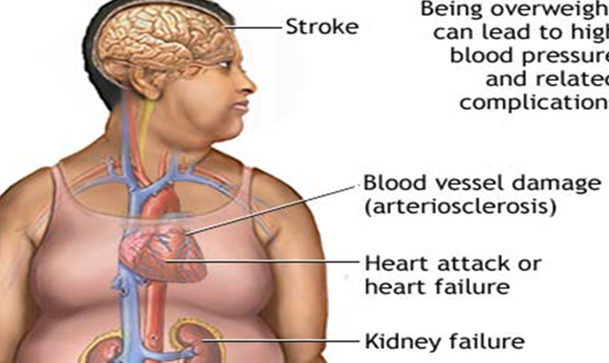
Obesity is associated with a wide range of health consequences, affecting nearly every organ system in the body. Excess body fat not only alters physical appearance but also contributes to numerous chronic diseases and health conditions [4].
Cardiovascular disorders, including hypertension (high blood pressure), coronary artery disease, and stroke, are more prevalent in individuals with obesity. The excess body fat increases the workload on the heart, leading to elevated blood pressure and an increased risk of atherosclerosis (hardening of the arteries) [5].
Type 2 diabetes is strongly associated with obesity, particularly abdominal obesity. Adipose tissue, or fat cells, release hormones and inflammatory substances that interfere with insulin signaling and glucose metabolism, leading to insulin resistance and the development of diabetes [6].
Obesity is also a significant risk factor for certain types of cancer, including breast, colorectal, and endometrial cancer. Adipose tissue produces hormones and growth factors that can promote tumor growth and metastasis [6].
Other health consequences of obesity include respiratory disorders (such as sleep apnea and asthma), musculoskeletal disorders (such as osteoarthritis), liver disease (including non-alcoholic fatty liver disease [7].
Traditional Methods for Managing Obesity
A thorough and multifaceted strategy that addresses many facets of weight loss, enhanced metabolic health, and long-term weight maintenance is required to manage obesity. Traditional methods of managing obesity include dietary changes, exercise, medication, lifestyle adjustments, and, in extreme situations, bariatric surgery [7].
Nutritional Measures
Nutritional Measures are a fundamental component of obesity management. They focus on achieving energy balance by reducing caloric intake, improving the quality of the diet, and promoting sustainable changes in eating habits. The goals of Nutritional measures include weight loss, improvement in metabolic parameters, and long- term weight maintenance. Calorie restriction is often a key strategy in dietary interventions. It involves reducing overall energy intake through portion control, moderation of high-calorie foods, and the incorporation of nutrient-dense foods. A balanced approach that emphasizes a variety of whole foods, including fruits, vegetables, whole grains, lean proteins, and healthy fats is recommended. Specific dietary patterns have shown effectiveness in promoting weight loss and improving metabolic health. The Mediterranean diet, characterized by high consumption of fruits, vegetables, whole grains, legumes, and healthy fats (such as olive oil), has been associated with favourable outcomes in weight management and cardiovascular health. Behavioural strategies, such as mindful eating, portion control, and self- monitoring, are often integrated into dietary interventions to promote long-term adherence and sustainable changes in eating behaviors [8].
Physical Activity
Being physically active on a regular basis is essential for managing obesity. Physical activity and exercise raise energy expenditure, encourage weight loss, strengthen the heart, and improve general health. Muscle-strengthening exercises should be performed two or more days a week in addition to 150 minutes of moderate-intensity aerobic activity or 75 minutes of vigorous-intensity aerobic activity, according to the American Heart Association and other organizations [8]. To maximize weight loss, maintain muscle mass, and enhance metabolic function, a mix of resistance training (e.g., bodyweight exercises, weightlifting) and aerobic exercise (e.g., running, cycling, brisk walking) is advised. To improve adherence and long-term maintenance of exercise habits, behavioral tactics including goal-setting, self-monitoring, and social support may also be incorporated into physical activity programs [9].
Pharmacotherapy
For obese patients who have not lost enough weight with lifestyle changes alone, pharmacotherapy may be an additional therapeutic option. Approved medications for the treatment of obesity work to decrease food consumption, suppress appetite, or prevent the absorption of fat. For short- term use under medical supervision, prescription drugs including orlistat, liraglutide, and phentermine/topiramate are available. These drugs are designed for those with a BMI of 30 or higher, or those with a BMI of 27 or higher who have comorbidities associated to obesity. Usually, they are recommended in conjunction with lifestyle changes [9].
It is important to note that pharmacotherapy is not a standalone solution for obesity management. The use of medications should be carefully monitored by healthcare professionals, and potential side effects and contraindications should be considered [10].
Herbal Treatments for Weight Management
The possibility of herbal medicines as supplemental therapy for the treatment of obesity has drawn more attention in recent years. Bioactive chemicals found in herbs, which are sourced from plants and used in traditional medical systems worldwide, may have physiological effects related to weight management. Herbal treatments may enhance traditional methods and lead to better results, but they are not a stand- alone cure for obesity. Several herbs that have demonstrated promise in scientific research for their possible anti-obesity properties will be covered in this section [11].
Green Tea (Camellia Sinensis)
Green tea, derived from the leaves of Camellia sinensis, is one of the most widely consumed beverages worldwide. It contains bioactive compounds, including catechins, particularly epigallocatechin gallate (EGCG), which have been studied for their potential role in weight management [12]. Green tea catechins have been found to enhance energy expenditure and fat oxidation. They may also inhibit enzymes involved in fat synthesis and stimulate thermogenesis, thereby promoting weight loss. Furthermore, green tea has antioxidant and anti-inflammatory properties, which may be beneficial for overall metabolic health [11].
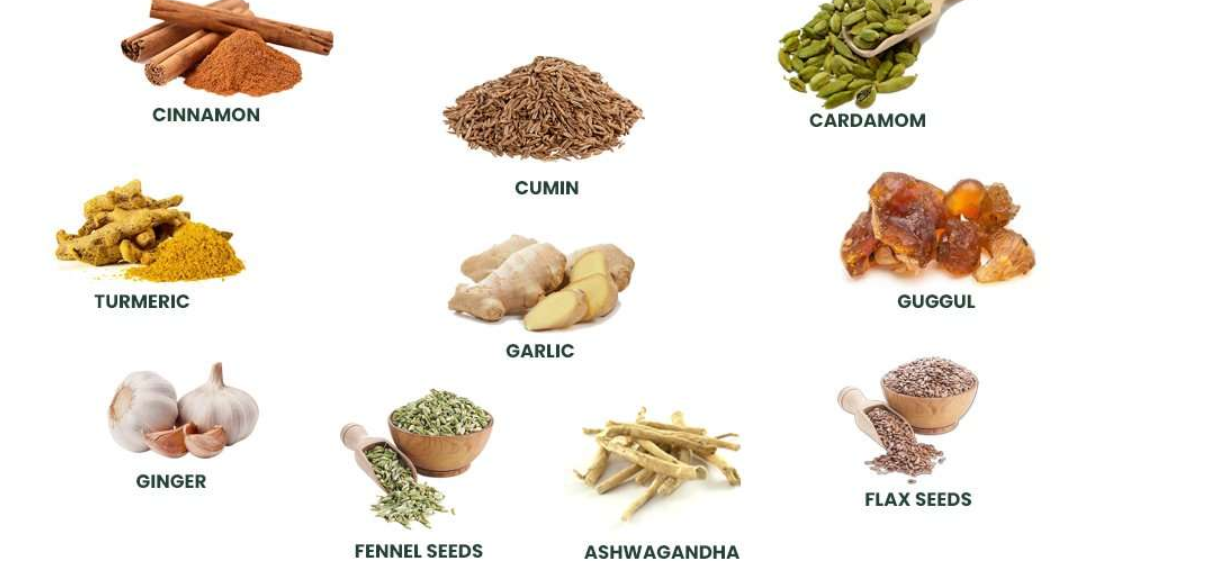
Clinical Evidence: Numerous studies have examined the effects of green tea catechins on body weight and body composition. Some studies have reported modest reductions in body weight, body mass index (BMI), and waist circumference with green tea consumption. However, the overall evidence is still limited and inconsistent, with variations in study designs, dosages, and participant characteristics [11]. Safety Considerations: Green tea is generally considered safe for consumption as a beverage. However, high doses of green tea extract or supplements containing concentrated catechins should be used with caution due to potential hepatotoxicity and interactions with certain medications [11] (Figure 2).
Cinnamon (Cinnamomum Verum)
Cinnamon is a spice derived from the bark of Cinnamomum verum or Cinnamomum cassia trees. It has been used for its culinary and medicinal properties for centuries. Cinnamon contains various bioactive compounds, including cinnamaldehyde, which have been studied for their potential effects on blood sugar regulation and weight management. Mechanisms of Action: Cinnamon has been found to improve insulin sensitivity and enhance glucose metabolism. It may also delay gastric emptying, leading to increased feelings of fullness and reduced appetite. Additionally, cinnamon may have anti-inflammatory effects that could be beneficial for metabolic health [12].
Clinical Evidence: Several small-scale studies have explored the effects of cinnamon supplementation on weight loss and metabolic parameters. While some studies have reported improvements in body weight, body fat percentage, and metabolic markers such as blood glucose and lipid levels, the evidence is limited and inconsistent. Further well-designed studies are needed to establish the efficacy of cinnamon as an anti-obesity remedy [12].
Safety Considerations: Cinnamon is generally safe for consumption as a spice in food amounts. However, high doses of cinnamon supplements or prolonged use of cinnamon oil may be associated with potential side effects, including liver toxicity and allergic reactions. Individuals with liver disease or taking medications should exercise caution and consult with a healthcare professional before using cinnamon supplements [12].
Turmeric (Curcuma Longa)
Turmeric, derived from the root of Curcuma longa, is a spice commonly used in Asian cuisine and traditional medicine. It contains the bioactive compound curcumin, which has been studied for its potential anti-inflammatory and metabolic effects. Curcumin has been found to modulate various molecular targets involved in obesity and metabolic regulation. It may help reduce inflammation, enhance insulin sensitivity, and inhibit fat cell differentiation. Curcumin may also increase thermogenesis and fat oxidation, leading to potential weight loss effects.
Clinical Evidence: Studies investigating the effects of curcumin on weight loss and metabolic health have shown promising results in preclinical and small-scale human studies. Some studies have reported improvements in body weight, body fat percentage, and metabolic markers such as blood glucose and lipid levels. However, larger and well-controlled studies are needed to confirm these findings and establish the efficacy of curcumin as an anti-obesity agent [13].
Safety Considerations: Turmeric and curcumin are generally considered safe when consumed as part of the diet. However, high doses of curcumin supplements may cause gastrointestinal discomfort and interactions with certain medications. Individuals with gallstone disease, bleeding disorders, or taking anticoagulant medications should exercise caution and consult with a healthcare professional before using curcumin supplements [13].
Garcinia Gummi- Gutta (Garcinia Cambogia)
Garcinia Cambogia, also known as Malabar tamarind, is a tropical fruit commonly used in traditional culinary practices. The active ingredient in Garcinia Cambogia is hydroxyl citric acid (HCA), which has been studied for its potential effects on appetite suppression and fat metabolism. HCA is believed to inhibit an enzyme called citrate lyase, which plays a role in converting excess carbohydrates into fat. By inhibiting this enzyme, HCA may reduce fat synthesis and promote fat oxidation. HCA may also increase serotonin levels in the brain, potentially reducing appetite and food cravings [12].
Clinical Evidence: Studies investigating the effects of Garcinia Cambogia on weight loss have shown mixed results. Some studies have reported modest reductions in body weight and body fat percentage, while others have found no significant differences compared to placebo. The overall evidence is limited, and larger, well-designed studies are needed to determine the effectiveness of Garcinia Cambogia as an anti-obesity agent [12]. Safety Considerations: Garcinia Cambogia is generally considered safe when consumed as part of a balanced diet. However, high doses of HCA or the use of Garcinia Cambogia supplements may cause gastrointestinal discomfort, headache, and in rare cases, hepatotoxicity. Individuals with liver disease or taking medications should exercise caution and consult with a healthcare professional before using Garcinia Cambogia products [12].
Ginger (Zingiber Officinale)
Ginger is a widely used spice and herbal remedy derived from the rhizome of Zingiber officinale. It has a long history of traditional use for its various health benefits, including potential effects on weight management. Ginger contains bioactive compounds, such as gingerol and shogaol, which have been studied for their potential thermogenic and appetite- suppressing effects. Ginger may increase thermogenesis, which can lead to increased calorie expenditure and fat burning. It may also influence satiety and reduce food intake [12].
Clinical Evidence: Several small-scale studies have explored the effects of ginger supplementation on body weight and metabolic parameters. While some studies have reported modest reductions in body weight, waist circumference, and appetite, the overall evidence is limited and inconsistent. Further research is needed to determine the effectiveness of ginger as an anti-obesity remedy.
Safety Considerations: Ginger is generally considered safe when consumed as part of the diet or used as a spice. However, high doses of ginger supplements may cause gastrointestinal discomfort, heartburn, and interactions with certain medications. Individuals with gallstone disease, bleeding disorders, or taking anticoagulant medications should exercise caution and consult with a healthcare professional before using ginger supplements [12].
Fenugreek (Trigonella Foenum-Graecum)
Fenugreek is an herb commonly used in traditional medicine and culinary practices. It contains various bioactive compounds, including soluble fiber, galactomannan, and saponins, which have been studied for their potential effects on weight management. Fenugreek may help regulate blood sugar levels and improve insulin sensitivity, which can have implications for weight management. It may also increase feelings of fullness and satiety, reducing overall food intake. Additionally, fenugreek may inhibit fat accumulation and promote fat oxidation.
Clinical Evidence: Several small-scale studies have explored the effects of fenugreek supplementation on body weight, body composition, and metabolic parameters. Some studies have reported modest reductions in body weight, body fat percentage, and waist circumference with fenugreek consumption. However, the overall evidence is limited and further research is needed to establish the efficacy of fenugreek as an anti-obesity remedy [13]
Safety Considerations: Fenugreek is generally considered safe for consumption in food amounts or as a spice. However, high doses or prolonged use of fenugreek supplements may cause gastrointestinal discomfort, maple syrup-like odor in urine, and interactions with certain medications. Pregnant women should avoid fenugreek supplementation due to potential effects on uterine contractions [14].
Conclusion
It is crucial to remember that although herbal medicines could help manage obesity, they are not a stand-alone remedy. Individuals may respond differently to herbal remedies, and further study is required to pinpoint the precise subgroups that stand to gain the most. Moreover, it is imperative to exercise caution when using herbal treatments, taking into account elements like the absence of standardization, possible interactions between herbs and drugs, and the requirement for appropriate regulation and quality control [14].
To sum up, herbal medicines have demonstrated potential in promoting weight loss and enhancing metabolic health. Although the scientific evidence for their usage is still developing, they could be useful supplemental treatments in the overall treatment of obesity. Before including herbal treatments in an obesity treatment plan, it is advised to speak with a healthcare provider, particularly if the patient has underlying medical concerns or is on medication [15].
Challenges and Future Directions
There are a number of issues and concerns with using herbal medicines as supplemental therapy to address obesity. Lack of standardization, possible herb-drug interactions, regulation and quality control, mixing herbal therapy with conventional methods, and the need for additional study are some of these difficulties. A more thorough understanding and application of herbal remedies in the control of obesity will result from addressing these issues and investigating potential future paths [16].
References
-
Wang YC, McPherson K, Marsh T, Gortmaker SL, Brown M (2011) Health and economic burden of the projected obesity trends in the USA and the UK. The Lancet 378(9793): 815-825.
-
The GBD 2015 Obesity Collaborators, Afshin A, Forouzanfar MH, Reitsma MB, Sur P, et al. (2017) Health Effects of Overweight and Obesity in 195 Countries over 25 Years. New England Journal of Medicine 377(1): 13- 27.
-
Landsberg L, Aronne LJ, Beilin LJ, Burke V, Igel LI, et al. (2013) Obesity-related hypertension: Pathogenesis, cardiovascular risk, and treatment—a position paper of the obesity society and the American society of hypertension. Obesity 21(1): 8-24.
-
Zaman K (1989) Medicinal Plants with Hypoglycemic Activity. Journal of Ethnopharmacology 26(1): 1-55.
-
Sharma PC, Yelne MB, Dennis TJ, Joshi A (2000) Database on Medicinal Plants Used in Ayurveda. Central Council for Research in Ayurveda and Siddha, India.
-
Gogte VM (2002) Medicinal Plants, Part III in Ayurvedic Pharmacology and Therapeutic Uses of Medicinal Plants (Dravyagunavignyan). Bhartiya Vidya Bhavan, Mumbai, India.
-
Misra, Vaisya R (2005) Bhavaprakasha Nigantu. Chaukamba Sanskrit Sansthan, Varanasi, India 29.
-
Yun JW (2010) Possible Anti-Obesity Therapeutics from Nature—A Review. Phytochemistry 71(14-15): 1625- 1641.
-
He RR, Chen L, Lin BH, Matsui Y, Yao XS, et al. (2009) Beneficial effects of oolong tea consumption on diet- induced overweight and obese subjects. Chinese Journal of Integrative Medicine 15(1): 34-41.
-
Chen X, Yang L, Oppenheim JJ, Howard OMZ (2002) Cellular pharmacology studies of shikonin derivatives. Phytotherapy Research 16(3): 199-209.
-
Rahman U, Zaman K (1989) Medicinal Plants with Hypoglycemic Activity. Journal of Ethnopharmacology 26(1): 1-55.
-
Kim JJ, Tarnoff ME, Shikora SA (2003) Surgical Treatment for Extreme Obesity: Evolution of a Rapidly Growing Field. Nutrition in Clinical Practice 18(2): 109-123.
-
Su M, Huang W, Zhu B (2016) Acetylshikonin from Zicao prevents obesity in rats on a high-fat diet by inhibiting lipid accumulation and inducing lipolysis. PLoS One 11(1): e0146884.
-
Geller F, Reichwald K, Dempfle A, Illig T, Vollmert C, et al. (2004) Melanocortin-4 receptor gene variant I103 is negatively associated with obesity. Am J Hum Genet 74(3): 572-581.
-
Heymsfield SB, Wadden TA (2017) Mechanisms, pathophysiology, and management of obesity. N Engl J Med 376(3): 254-266.
-
Wang JH, Kim BS, Han K, Kim H (2017) Ephedra- treated donor-derived gut microbiota transplantation ameliorates high fat diet-induced obesity in rats. International Journal of Environmental Research and Public Health 14(6): 555.
- Effects of 5-HTP and Melatonin on the Sleep Cycle of Medical Students
- Adsorption of Bisphenol A on NH4OH- Modified Rice Husk and Sugar Cane Bagasse Biochar
- Comparative Assessment of the Reinforcement Efficiency of Palm Fruit Fibre and Coconut Fibre in High Density Polyethylene (HDPE) Matrix Composite
- Importance of Bio Compounds Naturally Present in Food with Functionality in Animal Metabolism
- Sub-Acute Study on the Cardiotoxic Effects of Monosodium Glutamate Ingestion in Albino Rat
- Pharmacokinetics of the Tyrosine Kinase Inhibitor, Alectinib