
The Role of Micronutrients in Skin Health
Micronutrients play a crucial role in maintaining the skin health, one of the most complex and largest organs in the human body. Skin health can be influenced by proper nutritional intake including vitamins and minerals. Despite their requirement in small quantities, micronutrients are fundamental to maintain structural integrity and function of the skin. Micronutrient deficiencies are precursor to various dermatological conditions such as xerosis and other skin diseases. Dermatologists are key in identifying and handling these nutrition-related problems. As awareness towards the importance of nutrition for skin health grows, understanding the role of micronutrients has become increasingly relevant in modern dermatology. This review aims to thoroughly examine the roles and implications of micronutrients in dermatological conditions arising from deficiencies.
Abbreviations
UV: Ultraviolet; WHO: World Health Organization; ROS: Reactive Oxygen Species.
Introduction
Skin is the largest organ in human body. The skin is a complex of epithelial and mesenchymal tissues consist of stratified epidermis, adnexal structures similar to hair follicles, perspiratory glands, sebaceous glands, and the dermis, which contains collagen, elastic fibers, and underlying subcutaneous fat. Understanding the structural and functional role of the skin is significant to comprehend the normal skin biology and the pathophysiology of skin diseases [1, 2, 3].
Skin healthiness may be maintained through nutritional compliances necessary for the skin itself. Nutrition is a series complex of events experienced by living organisms in consuming and assimilating nourishment and nutrients to live, grow, and maintain homeostasis. The optimal nutrition is achieved through the balanced intake of major macronutrients along with essential micronutrients. Nutrition with tremendous demand required as metabolism fuel and substrate provider for constructing and maintaining cellular structure are recognized as macronutrients, while vitamin and minerals, which are demanded in small quantities for wellness maintenance, are identified as micronutrients [4].
Proportional nutrient intake complements endogenous factors in regulating the functional role of the skin barrier [5, 6]. Key nutrients, such as calcium and vitamin C, have significant roles in the differentiation process of keratinocytes, the primary cell type in the epidermis. Nutritional deficiencies can incrementally affect the structural and biological functions of the skin, potentially resulting in dermatological conditions, including xerosis (dry skin) [6].
Based on World Health Organization (WHO) report in 2006, there were approximately more than 2 billion individuals suffered from key vitamins and minerals deficiency globally, although the percentages of adults with daily consumption of vitamin supplements as therapeutic and chronic disease preventative has risen in the past few years [7, 8].
In the process of investigating this topic, this literature review aims to discuss the principal topics addressed within the field of dermatology. Scientific publications available through PubMed and Google Scholar, along with reports from research centers and governmental organizations focused on skin health, were gathered, evaluated, and synthesized to summarize the potential roles of micronutrients in maintaining skin health and function, as well as dermatological disorders that may arise due to deficiencies and insufficiencies of these micronutrients.
Micronutrients Beneficial Effect in Skin Healthiness
Vitamins
• Vitamin A Vitamin A and its derivates plays significant roles in maintaining skin health, systemically and topically. Retinoids constitute a class of chemical compounds that regulate cellular dynamics by inhibiting cell division during instances of excessive proliferation, while promoting cellular activation when the proliferative processes are abnormally reduced or delayed. Vitamin A contributes actively in protein synthesis, cellular metabolism, and cell division. Retinoids affect skin thickness and pigmentation, sebaceous gland function regulation, limit the production of sebum, and are essential for hair and nails growth [6, 9].
Vitamin A and its biologically active forms, retinoids, are implemented in skincare for mitigating the signs of photoaging, and consecutively utilized in the treatment of several dermatological conditions including seborrheic disorders such as acne vulgaris and rosacea, viral infections, proliferative cancerous or pre-cancerous lesions such as keratoacanthoma and oral leukoplakia, autoimmune disorders such as lupus or lichen sclerosus, or papulosquamous dermatoses such as psoriasis or lichen planus. Retinoids are implemented in the management of genodermatoses disorders involving keratinization such as congenital/hereditary ichthyosis or Darier’s disease [10].
• Vitamin B Vitamin B represents a group of water-soluble vitamins found in a wide array of natural foods (e.g., bananas, potatoes, lentils, tuna) and is involved in cellular metabolism. This group includes vitamin B1 (thiamine), vitamin B2 (riboflavin), vitamin B3 (niacin or nicotinamide), vitamin B5 (pantothenic acid), vitamin B6 (pyridoxine), vitamin B8 (biotin), vitamin B9 (folate), and vitamin B12 (cobalamin). Among the aforementioned subtypes, vitamin B3 is particularly significant for skin health, as it plays a key role in DNA repair, cellular energy metabolism, and the regulation of transcriptional processes. Vitamin B has been shown to delay skin aging, primarily through its anti-inflammatory properties and its ability to prevent hyperpigmentation [7, 11].
• Vitamin B1 Thiamine, also recognized as vitamin B1, serves as a crucial cofactor in multiple metabolic pathways, particularly those involved in carbohydrate metabolism and energy production. Daily thiamine requirements are determined relative to an individual’s optimal caloric intake, with current guidelines recommending an intake of 0.5 mg per 1,000 kcal [4].
• Vitamin B2 Vitamin B2, or riboflavin, plays a critical role in cellular turnover and collagen maintenance within the body. Additionally, riboflavin contributes to the preservation of skin structural integrity, exerts anti-inflammatory effects on the skin, and accelerates wound healing processes. Its involvement in these functions highlights its importance in skin homeostasis and repair mechanisms [8].
• Vitamin B3 Vitamin B3, also known as niacinamide or vitamin PP, plays a crucial role in stabilizing the skin barrier by reducing trans-epidermal water loss and stimulating the synthesis of key proteins such as filaggrin, keratin, and involucrin, as well as ceramides. This makes it particularly beneficial in the treatment of atopic dermatitis. Additionally, several studies have demonstrated the anti-aging properties of vitamin B3, highlighting its ability to reduce the appearance of fine lines and wrinkles through its regulatory effects on skin barrier function and cellular regeneration [7].
• Vitamin B6 Vitamin B6, commonly referred to as pyridoxine, is instrumental in facilitating the production of several key hormones, including serotonin, which is associated with the regulation of mood and the enhancement of feelings of well-being; melatonin, which plays a vital role in promoting restful sleep; and norepinephrine, which is involved in the modulation of stress responses. The synthesis of these hormones underscores the significance of vitamin B6 in maintaining both emotional and physiological homeostasis [8].
• Vitamin B8 Vitamin B8, also known as vitamin B7, vitamin H, or biotin, is integral to the production of keratin, thereby contributing significantly to the health of hair and nails. Several case reports have indicated that oral biotin supplementation may effectively improve hair loss and stimulate nail growth in individuals experiencing both acquired and inherited biotin deficiencies. This highlights the vitamin’s role not only in keratin biosynthesis but also in the maintenance of integumentary system integrity [12].
• Vitamin C Vitamin C, also known as ascorbic acid or L-ascorbic acid, plays a critical role in the synthesis of collagen and elastin. Ascorbic acid acts as a cofactor for prolyl and lysyl hydroxylases, enzymes that catalyze the formation of hydroxyproline and hydroxylysine, essential for collagen stability. Furthermore, ascorbate regulates the transcription of type I and III collagen genes. In vitro studies have demonstrated that fibroblasts stimulated with ascorbic acid exhibit enhanced expression of collagen genes. Notably, senescent human skin fibroblasts can increase their proliferative capacity when treated with sufficient concentrations of ascorbic acid. Additionally, the activity of vitamin C in normalizing lipid profiles, including glucosylceramides and ceramides within the stratum corneum barrier, has also been suggested [7].
• Vitamin D Vitamin D3, commonly referred to as cholecalciferol, plays a pivotal role in the regulation of the immune system by modulating the activity of T regulatory lymphocytes, influencing cytokine synthesis, and participating in the modulation of cellular apoptosis processes. Its multifaceted involvement in immune regulation underscores the importance of vitamin D3 in maintaining immune homeostasis and potentially mitigating autoimmune responses [7, 11]. Several studies have highlighted the protective effects of vitamin D in delaying chronological skin aging and photo aging [13, 14]. Keratinocytes, fibroblasts, and sebocytes have shown capabilities in local activation of cholecalciferol and exhibits multiple attenuation such as photoprotection and immunosuppression [15].
• Vitamin E Vitamin E comprises eight naturally available forms, including alpha, beta, gamma, and delta tocopherols, along with tocotrienols. Notably, alpha-tocopherol concentrations are significantly higher in the epidermis (31 nmol/g) compared to the dermis (16 nmol/g). Vitamin E serves as a critical inhibitor in the production of reactive oxygen species (ROS) and acts as the first line of defense against lipid peroxidation which in turns maintaining cellular membrane integrity. These potent antioxidant properties of vitamin E highlight the significances as prophylaxis of cutaneous aging and therapeutic efficacy in a range of dermatological conditions, including melasma, scar prevention, and atopic dermatitis. Furthermore, the topical application of vitamin E has been demonstrated minimal incidence of mild adverse effects and irritation [7].
• Vitamin K Studies have demonstrated the roles of vitamin K in acute and chronic wound healing on skin tissue [16]. A randomized clinical trial investigated the role of vitamin K in wound healing process on skin tissue through the application of 1% topical vitamin K on 36 individuals. The aforementioned study found significant reduction in wound healing process on skin with the treatment of topical vitamin K [17]. The acceleration observed on the wound healing process may attributed to the capabilities of vitamin K in enhancing wound contraction, epithelization reconstructive processes, as well as the formation of fibroblasts, collagen fibers, and blood vessels. Additionally, vitamin K promotes wound healing through its antioxidant properties, which facilitate the elimination of reactive oxygen species (ROS). This reduction in oxidative stress not only aids in the healing process but also contributes to the overall integrity of the wound microenvironment, thereby enhancing tissue repair mechanisms [16, 17].
Ubiquinone
Ubiquinone (coenzyme Q10; CoQ10), has protective effects against lipid peroxidation; however, its efficacy in shielding against ultraviolet (UV) radiation is not as established as that of vitamins E and C. However, CoQ10 has the potential to reduce oxidized forms of vitamin E, possibly enhancing the substantial antioxidant defense mechanism. CoQ10 is more concentrated in the epidermis than in the dermis surface, but its concentrations are substantially lower in the skin compared to those of vitamins C and E [18].
Although CoQ10 have similar structure to vitamin K, CoQ10 is naturally available within the human body. CoQ10 also contributes in the metabolism process of energy on cellular level. CoQ10 concentration in skin decreases incrementally with aging process and this decrease has been hypothesized to be associated with mitochondrial dysfunction, cellular senescence of fibroblasts in dermal, and oxidative stress, which cascaded into the disruption of cellular homeostasis [19].
Minerals
• Selenium Selenium (Se) is essential for skin to maintain its functionality, offering protective effects and acting as a potent free radical scavenger. Selenium protects the skin against oxidative stress induced by ultraviolet (UV) radiation exposure by stimulating the activation of selenium-dependent antioxidant enzymes, such as glutathione peroxidase and thioredoxin reductase. Selenium supplementation has also attributed to mitigation of wrinkle formation properties by repairment of UV-induced damage and anti-aging properties [10, 20].
• Zinc Zinc (Zn) is crucial in the process of cellular division and differentiation, particularly in apoptosis and aging process. Zinc significantly affects structural constituent and functionality in the skin and mucous membranes. This element is actively involved in mitosis and basal cell differentiation, while stabilizing cellular membrane and maintaining the livelihood of keratinocytes [10]. In the skin, zinc is more abundant in the epidermis, with concentrations of approximately 60 μg/g of tissue, compared to 40 μg/g in the dermis [21]. Zinc also influences the activity of enzymes such as 5α-reductase types 1 and 2, thereby exerting an anti- androgenic effect and enhancing the wound healing process, contributing to tissue repair and regeneration [22].
Recent studies have shown the association of low serum zinc concentration in individuals with pemphigus vulgaris, which may indicates the causality association between decreased zinc level and the pathogenesis of pemphigus vulgaris [23, 24]. Recent meta-analysis findings have reported lower erythrocyte zinc levels on individuals with atopic dermatitis [25].
• Iron Iron is an essential mineral required to support a variety of physiological functions, ranging from the management of anemia and enhancement of immune function to the maintenance of maternal and fetal health during pregnancy [26]. The iron concentration in human skin ranges up to 0.15–0.275 mg/g (26). This element is excreted during the process of epidermal exfoliation via stratum corneum. Iron penetrates the stratum corneum which composed of keratinocytes [27].
Exposure of UVA radiation to fibroblasts activates the production of ROS, which causes oxidative damage on cellular level. This damage is attributed to the loss of cell membrane integrity and ATP, which consecutively leads to the death of skin cell [21]. Recent studies have demonstrated excessive iron deposits in tissues and iron metabolism disorders may contributed to hair loss. In contrast, iron deficiency results in temporary depigmentation of hair attributed to melanin deficits in the hair shaft [28, 29].
• Cooper Copper (Cu) is a vital trace element necessary for the maintenance of organismal homeostasis, playing a key role in various biochemical processes essential for cellular function and overall physiological balance [30]. Cooper induces dermal-fibroblasts proliferation and is involved in the stabilization of extracellular matrix (ECM) protein and angiogenesis. Copper serves as a cofactor for tyrosinase, the primary enzyme involved in the synthesis of the skin pigment melanin. Copper ions have been applied into the formulation of cosmetics and are utilized as active ingredients in facial creams, particularly for the treatment of dull or oily skin [10].
• Silicon Silicon (Si) is the third most plenty trace element in human body [31]. Silicon contributes significantly in maintaining the structural integrity of the skin, promoting neo-collagenesis, enhancing the strength of connective tissue, and reducing the risk of alopecia. Silicon interventions have also shown keratin structural restoration on hair and nails and reduce brittleness. Furthermore, silicon supplementation in bioavailable forms may be employed for skin rejuvenation purposes [10].
Micronutrient Formulations
Oral Micronutrients Formulation Vitamin A and its derivates, when applied systemically, have profound impact on skin health. Vitamin C increases epidermal and collagen barrier formation in dermis, protect from excessive oxidation, and promotes anti-aging. Vitamin E is a primary lipid-soluble anti-oxidant in human body. Due to its anti-oxidative properties and its ability to scavenge free radicals into part of the lipid structure.
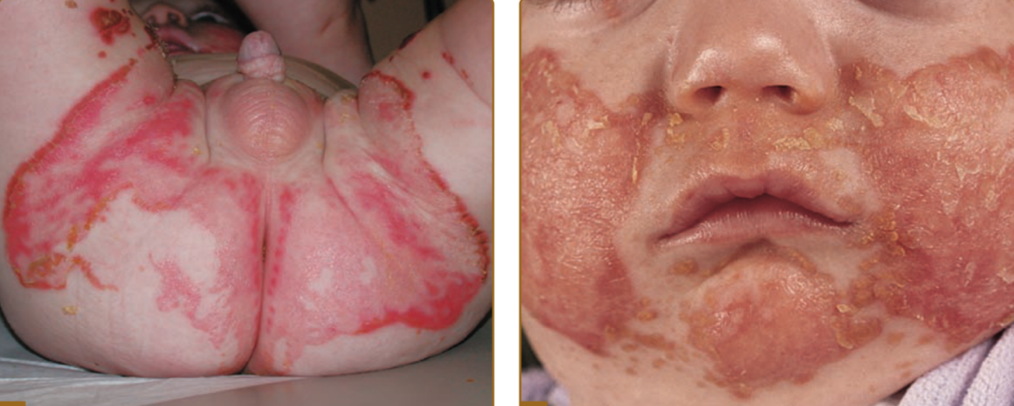
Minerals required by the human body like selenium supplementation is one of many mechanisms wrinkled skin. This mechanism is attributed to selenium capabilities to reverse the damage induced by ultraviolet radiation exposure and selenium may act as anti-aging agents in skin. Zinc supplementation on acrodermatitis enteropathica yield excellent results as shown in Figure 1 [4].
Topical Micronutrients Formulation The anti-oxidative properties of vitamin E in protecting oxidative damage towards the skin has been extensively studied throughout the history. Topical administration of vitamin E have demonstrated several beneficial effects such as decreased incidence of UV-exposure-induced malignancy of the skin, DNA damage, and photoaging. However, topical formulation of vitamin E is limited due to its molecular instability. Therefore, vitamin E conjugates are utilized to enhance the stability of vitamin E applied topically on the skin, which allows the penetration of vitamin E into the skin barrier [18].
Apart from vitamin E, past studies have demonstrated the benefits of vitamin C topical administration in enhancing skin health. Due to its water-soluble nature and charged molecular structure, vitamin C is retained by the lipid barrier over upper epithelial layers. Although the structure vitamin C does not allow its penetration, vitamin C can be converted into ascorbic acid in low pH threshold in the skin is achieved. Topical application of vitamin C has been proven to reverse- engineer the anatomical structure of epidermal-dermal junction in skin and increases the nutrient capillary loop count on papillar dermis in skin [18].
Other micronutrients have been applied topically to prevent skin damage caused by outdoor physical stressors. Out of all these micronutrients, carotenoids which have been proven with their capabilities in protecting the skin from oxidative damage and photoaging. Four of the primary carotenoids which has been identified are β-carotene, lutein, zeaxanthin, and lycopene. β-carotenes are red-to-orange pigments often found in plants and fruits. Topical application of β-carotenes has been proven to prevent damage induced by infrared radiation and reconstitute skin pigmentation. Due to the topical β-carotenes protective nature in preventing endogenous carotenoids thinning, sunscreen formulations are recommended to include antioxidants [18].
Although topical micronutrients application as skin- health enhancing agents has been thoroughly studied, the stratum corneum functional capability as barrier prevents substances/nutrients to be absorbed into lower layers of epidermis and dermis. Topical applications are also limited due to the fact that most of the substances have short half- time, even the esterified derivates of vitamin C and E may utilized to increase the half-time. However, to ensure the optimal delivery of the substances/nutrients into the dermis and lower epithelial layer, the delivery of the micronutrients must be supported through blood flow distribution, which may be achieved through food modulation [18].
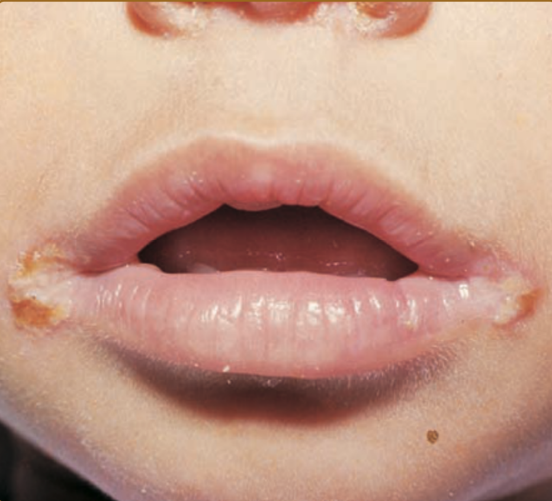
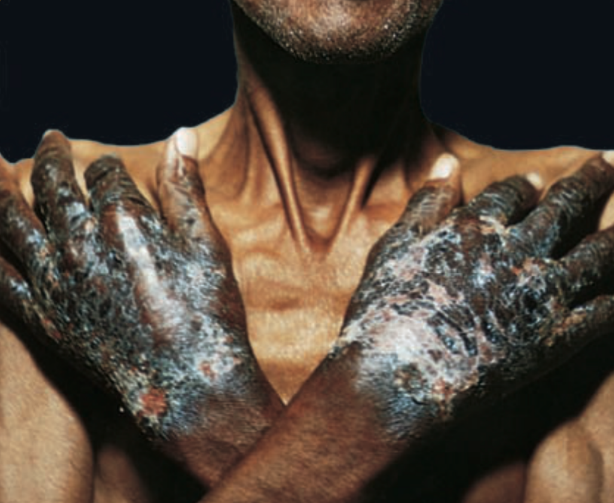
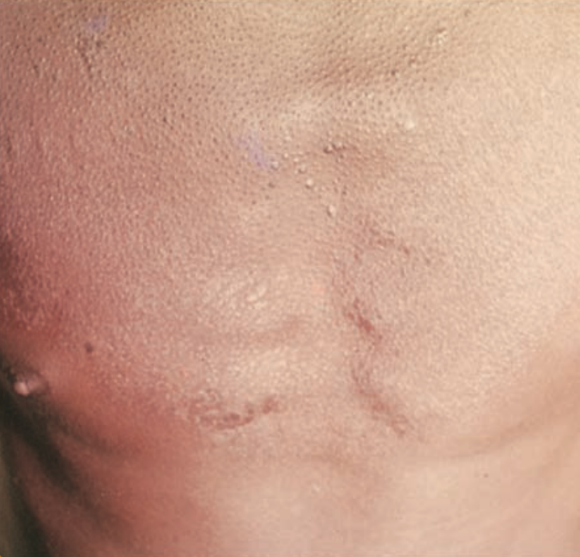
Detrimental Effects of Micronutrients Deficiency Micronutrients, including vitamin and minerals, are non-caloric necessities to allow enzymatic function and homeostasis in the human body. Micronutrients promote various processes including metabolism process, immunomodulation, and tissue regeneration. Nutritional dermatoses frequently present with overlapping clinical features, resulting in the infrequent testing for specific micronutrient deficiencies. Throughout the process of dermatoses evaluation, targeted testing for micronutrient deficit comorbidities is essential along with a comprehensive metabolic panel, complete blood count, and inflammatory markers. Prolonged inflammatory state and usage of oral contraceptive may skew the biomarkers of micronutrient results. Histopathological findings in nutritional dermatoses are mostly unspecific but may reveal spongiosis, hyperkeratosis, parakeratosis, vacuolization, or necrolysis [8] (Table 1). Several clinical manifestations on nutritional dermatoses of the patients with micronutrients deficiency may be observed in Figures 2-4.
| Location | Cutaneous Manifestation and the Associated Nutrients Deficiency |
| Scalp | Alopecia (zinc, cooper) |
| Scalp | Hair casts (vitamin A) |
| Scalp | Hair hypopigmentation (selenium, cooper) |
| Scalp | Pili torti (cooper) |
| Oral/mucosal organs | Angular stomatitis, angular cheilitis (vitamin B2, zinc) |
| Oral/mucosal organs | Gingival hypertrophy (vitamin C) |
| Oral/mucosal organs | Gingival (vitamin C) |
| Face | Blepharitis (zinc) |
| Face | Follicular papules with central keratin plugs (vitamin A) |
| Face | Generalized leukoderma (selenium, cooper) |
| Face | Seborrheic dermatitis (cooper) |
| Face | Periorificial erythematosus plaque (zinc) |
| Trunk | Corkscrew hair (vitamin C) |
| Trunk | Follicular papules with central keratin plugs (vitamin A) |
| Trunk | Leukoderma generalized (selenium, cooper) |
| Trunk | Perifollicular bleeding (vitamin C) |
| Trunk | Perifollicular hyperkeratosis papules (vitamin C) |
| Extremities | Pellagra (vitamin B3) |
| Extremities | Plaque eczema and scaly lesions on extremities (zinc) |
| Extremities | Corkscrew hair (Vitamin C) |
| Extremities | Follicular papules with central keratin plugs (Vitamin A) |
| Extremities | Leukoderma generalized (selenium, cooper) |
| Extremities | Perifollicular hyperkeratosis papules (vitamin C) |
| Extremities | Perifollicular hyperkeratosis papules (vitamin C) |
| Nails | Dystrophy (zinc) |
| Nails | Leukonychia (selenium) |
| Nails | Paronychia (selenium) |
| Intertriginous and Anogenital area | Plaque eczema and scaly lesions (zinc) |
Table 1: Cutaneous Manifestations of Micronutrients Deficiency based on The Predilection.
Micronutrients as Therapy in Skin Diseases Vitamins are essential organic nutrients required in small quantities for a variety of biochemical functions. Since the human body is incapable of synthesizing most vitamins, they must primarily be obtained from dietary sources. A summary of the reported mechanisms through which vitamins affect the skin is presented in Table 2 [7].
The application of minerals in the field of dermatology are not limited to cosmetic use, but can be implemented as therapeutic and prophylaxis agents on several skin diseases. The summary of the effects of various minerals on the skin is detailed in Table 3 [10].
| Mechanism of Action | Roles in Skin Diseases | |
|---|---|---|
| A | Regulating keratinocytes differentiation process and attenuate the secretion and size of sebaceous glands. | Therapy for psoriasis, acne vulgaris, photoaging and photo damage, and skin malignancy prevention. |
| B3 | Anti-inflammatory effect, promotes protein synthesis, ceramide as skin protection, and reduce excessive trans-epidermal evaporation; contributes in DNA structural restoration. | Therapy for acne vulgaris, atopic dermatitis, actinic keratosis, photoaging, and skin malignancy prevention. |
| B8 | Contributes in keratin production and multiple metabolic pathways (gluconeogenesis, lipid acid synthesis, amino acid katabolism) | Therapy for seborrheic dermatitis and several hair and nail disorder. |
| C | Restrict the accumulation of ROS; contributes in collagen synthesis | Therapy and prevention for photoaging and photo-carcinogenesis. |
| D | Immunomodulator; regulation of keratinocytes proliferation and calcium homeostasis; attenuates UV-induced DNA damages. | Therapy for psoriasis dan non-melanoma skin cancer prevention. |
| E | Anti-oxidative activities and diminish lipid-peroxidation. | Therapy for scleroderma, yellow nail syndrome, acne vulgaris, and melasma. Prevention on skin senescence. |
| K | Involved in activation process of several coagulation factors and anti-oxidative activities | Therapy for acute and chronic dermal wound and laser-induced purpura. |
| Co-enzyme Q10 | Anti-oxidative activities against environment aggression; mitochondrial respiratory chain component | Therapy for skin senescence. |
| Minerals | Mechanism of Action | Roles in Skin Diseases |
| Selenium | Acts as antioxidant; Attenuates inflammation and ROS-mediated DNA damages; protects the skin from UV-induced oxidative-stress. | Anti-aging properties, aging-related diseases prevention, and addressing various dermatological conditions, including psoriasis, acne vulgaris, and atopic dermatitis |
| Zinc | Prevents UV-induced skin damage and provides protection against photodamage; contributes in skin morphogenesis, repair, and maintenance; and modulates the activity of 5α-reductase. | Therapy for acrodermatitis enteropathica, atopic dermatitis, and epidermolysis bullosa |
| Cooper | Exhibits antimicrobial activity, stimulates collagen maturation, and modulates melanin synthesis | Therapy for Menkes kinky hair disease includes addressing symptoms: hypopigmentation of the skin and hair, sparse, short, brittle scalp hair, and pale, mottled skin. |
| Silicon | Crucial for collagen, elastin, and GAG synthesis; enhances mechanical properties of the skin improves keratin structure; and strengthens nails and hair | Prevents premature wrinkles, brittle nails, and accelerates wound healing. |
Table 2: The Therapeutic Potential of Minerals on Skin Diseases.
Conclusion
Micronutrients modulate various biological functions which influences skin health and recognized as important agents in cosmetic products due to their fundamental role as antioxidants in combatting the formation of free radicals and support the endogenous antioxidant pathways which intervene the process of cellular aging and the development of certain pathological skin conditions. Nutritional disorders are commonly caused by nutrient deficiencies, but not limited to either imbalances or excesses. Due to significant role of micronutrients in a wide range of biochemical pathways, these disorders often present with clinical manifestations on multiple organ systems. The key to skin health is by understanding various potential roles of micronutrients, enabling the application of micronutrients beyond the purpose of cosmetics through the implementation of micronutrients as therapeutic or preventive agents in the field of dermatology.
References
-
Duan J, Greenberg EN, Karri SS, Andersen B (2021) The circadian clock and diseases of the skin. FEBS Lett 595(19): 2413-2436.
-
Danby SG, Andrew PV, Kay LJ, Pinnock A, Chittock J, et al. (2022) Enhancement of stratum corneum lipid structure improves skin barrier function and protects against irritation in adults with dry, eczema‐prone skin. Br J Dermatol 186(5): 875-886.
-
Liu S, Wu J, Chen Z, Zou M, Teng Y, et al. (2022) Insight into the role of dermal white adipose tissue loss in dermal fibrosis. J Cell Physiol 237(1): 169-177.
-
Kang S, Amagai M, Bruckner AL, Enk AH, Margolis DJ, et al. (2019) Fitzpatrick Dermatology. 9th (Edn.), McGraw- Hill Education.
-
Godswill AG, Somtochukwu IV, Ikechukwu AO, Kate EC (2020) Health benefits of micronutrients (vitamins and minerals) and their associated deficiency diseases: A systematic review. Int J Food Sci 3(1): 1-32.
-
Polcz ME, Barbul A (2019) The role of vitamin A in wound healing. Nutr Clin Pract 34(5): 695-700.
-
Dattola A, Silvestri M, Bennardo L, Passante M, Scali E, et al. (2020) Role of vitamins in skin health: A systematic review. Curr Nutr Rep 9(3): 226-235.
-
Nosewicz J, Spaccarelli N, Roberts KM, Hart PA, Trinidad JC, et al. (2022) The epidemiology, impact, and diagnosis of micronutrient nutritional dermatoses part 1: Zinc, selenium, copper, vitamin A, and vitamin C. J Am Acad Dermatol 86(2): 267-278.
-
Ferreira R, Napoli J, Enver T, Bernardino L, Ferreira L (2020) Advances and challenges in retinoid delivery systems in regenerative and therapeutic medicine. Nat Commun 11(1): 4265.
-
Michalak M, Pierzak M, Kręcisz B, Suliga E (2021) Bioactive compounds for skin health: A review. Nutrients 13(1): 203.
-
Cao C, Xiao Z, Wu Y, Ge C (2020) Diet and skin aging- From the perspective of food nutrition. Nutrients 12(3): 870.
-
Almohanna HM, Ahmed AA, Tsatalis JP, Tosti A (2019) The role of vitamins and minerals in hair loss: a review. Dermatol Ther (Heidelb) 9(1): 51-70.
-
Haussler MR, Haussler CA, Whitfield GK, Hsieh J, Thompson PD, et al. (2010) The nuclear vitamin D receptor controls the expression of genes encoding factors which feed the “Fountain of Youth” to mediate healthful aging. J Steroid Biochem Mol Biol 121(1-2): 88- 97.
-
Bocheva G, Slominski RM, Slominski AT (2021) The Impact of Vitamin D on Skin Aging. Int J Mol Sci 22(16): 9097.
-
Slominski AT, Kim TK, Li W, Tuckey RC (2016) Classical and non-classical metabolic transformation of vitamin D in dermal fibroblasts. Exp Dermatol 25(3): 231-232.
-
Tang S, Ruan Z, Ma A, Wang D, Kou J (2022) Effect of Vitamin K on Wound Healing: A Systematic Review and Meta-Analysis Based on Preclinical Studies. Front Pharmacol 13: 1063349.
-
Pazyar N, Houshmand G, Yaghoobi R, Hemmati AA, Zeineli Z, et al. (2019) Wound Healing Effects of Topical Vitamin K: A Randomized Controlled Trial. Indian J Pharmacol 51(2): 88-92.
-
Woodby B, Penta K, Pecorelli A, Lila MA, Valacchi G (2020) Skin Health from the Inside Out. Annu Rev Food Sci Technol 11(1): 235-254.
-
Lain ET, Agrawal N, Ruvolo E, Weise JM, Callender VD (2024) The Role of Coenzyme Q10 in Skin Aging and Opportunities for Topical Intervention: A Review. J Clin Aesthet Dermatol 17(8): 50-55.
-
Cai Z, Zhang J, Li H (2019) Selenium, Aging and Aging- Related Diseases. Aging Clin Exp Res 31(8): 1035-1047.
-
Podgorska A, Kicman A, Naliwajko S, Muczynska M, Niczyporuk M (2024) Zinc, Copper and Iron in Selected Skin Diseases. Int J Mol Sci 25(7): 3823.
-
Rodriguez-Tomas E, Gaya G, Castane H, Arenas M, Camps J, et al. (2021) Trace Elements under the Spotlight: A Powerful Nutritional Tool in Cancer. J Trace Elem Med Biol 68: 126858.
-
Serra LL, Salathiel AM, Trevilato TMB, Alves RIS, Segura SI, et al. (2019) Trace Element Profile in Pemphigus Foliaceus and in Pemphigus Vulgaris Patients from Southeastern Brazil. J Trace Elem Med Biol 51: 31-35.
-
Esmaeili N, Soori T, Nooraei Z, Karimi A (2015) Serum levels of copper and zinc in patients with pemphigus vulgaris admitted to Razi Hospital, Tehran, Iran in 2012 and 2013.
-
Gray NA, Dhana A, Stein DJ, Khumalo NP (2019) Zinc and Atopic Dermatitis: a systematic review and meta- analysis. J Eur Acad Dermatol Venereol 33(6): 1042- 1050.
-
Coger V, Million N, Rehbock C, Sures B, Nachev M, et al. (2019) Tissue concentrations of zinc, iron, copper, and magnesium during the phases of full thickness wound healing in a rodent model. Biol Trace Elem Res 191(1): 167-176.
-
Yokouchi M, Kubo A (2018) Maintenance of tight junction barrier integrity in cell turnover and skin diseases. Exp Dermatol 27(8): 876-883.
-
Daszkiewicz M (2021) The role of nutrition in the prevention and therapy of selected skin diseases. Aesth Cosmetol Med 10(4): 175-179.
-
Behrangi E, Baniasadi F, Esmaeeli S, Hedayat K, Goodarzi A, et al. (2015) Serum iron level, ferritin and total iron binding capacity level among nonpregnant women with and without melasma. J Res Med Sci 20(3): 281-283.
-
Vetchy MPJVKKD (2018) Biological role of copper as an essential trace element in the human organism. Ceska Slov Farm 67(4): 143-153.
-
Araujo LA, Addor F, Campos PMBGM (2016) Use of silicon for skin and hair care: an approach of chemical forms available and efficacy. An Bras Dermatol 91(3): 331-335.
- Epithelioid Granuloma; 3cases with Different Clinical Features
- Advancing Representation in Dermatology Clinical Trials: Ethical, Scientific, and Regulatory Imperatives for Inclusion Across all Fitzpatrick Skin Types
- A Case of Atopic Dermatitis with Concurrent Psoriasis Vulgaris: Successful Treatment with Upadacitinib
- Innovation Lifting Eyeshadow: A Synthesis of Makeup and Optical Illusion
- Distinguishing Superficial Actinic Porokeratosis from Actinic Keratosis with UVF Dermoscopy: A Case Report
- High Mobility Group Box 1 (HMGB1) in Cutaneous Inflammation: An Immune Modulator Bridging Cellular Stress, Ferroptosis and Danger Signaling