
Understanding Ergonomics in Nanotechnology Workspaces: Ergonomics in Nanotechnology
The success of ergonomics in the future will be determined by how well the field handles the difficulties posed by new fields that call for scientific study and how successfully the findings are applied in real-world settings. The field of nanotechnology has advanced more quickly than our understanding of the potential consequences of such advancements. As a result, many of the same questions that surround any new technology are also raised by nanotechnology, such as toxicity and the effects of nanomaterials on the environment. Employees in businesses connected to nanotechnology may be exposed to materials that are specifically manufactured with nanoscale sizes, shapes, and physicochemical qualities. At this time, nothing is known about the main pathways of exposure, the possible exposure thresholds, and the material toxicity of nanomaterials. This finding suggests that both our understanding of nanomaterials and our capacity to guard against the risks associated with nanotechnology are lacking. The employee's brain or other organs may get infected with the nanoparticles due to the nanomaterial's incredibly tiny sizes and properties. Hence, accurate hazard assessment of the relevant work areas should be a part of effective exposure control systems. This review explains about managing nanotechnology exposures in the workplace, as well as other important controls as handling or working with nanotechnologies and nanomaterials, ergonomic approaches which would be effective to improve safety and health issues in the nanotechnology industry.
Introduction
There are many different workplaces where workers may be exposed to nanoparticles, notwithstanding current worries about their health. Understanding exposures in light of human involvement in these changes continues to be a critical concern with nanotechnologies. This article’s goal is to comprehend nanoparticle exposure scenarios, their causes, and the tools available to address them [1]. This insight was attained by the precise measurement of aerosolized nanoparticles in conjunction with an examination of work activity (i.e., actions taken and physical strain) inside the rubber industry. The display of real-time data in conjunction with the work scenario movie that was shown during Confrontation interviews become a tool for making work activities visible, analysing and changing them from the perspectives developed by the stakeholders in the firm. Thus, described “typical exposure situations” function as conversation starters and create fresh forums for discussion, illustrating the ways in which innovation influences work and results in improved preventative initiatives [2].
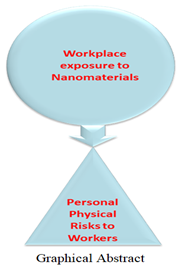
Understanding Ergonomics in Nanotechnology Workspaces
In order to ensure the safety and efficiency of workers in nanotechnology workspaces, it is essential to understand the principles of ergonomics and apply themappropriately. This can include designing workstations and equipment that promote proper posture, minimizing repetitive movements, providing adequate lighting and ventilation, and considering the ergonomic needs of workerswith different body types and abilities. By implementing ergonomics in nanotechnology workspaces, companies can not only prioritize the health and safety of their employees, but also enhance productivity and quality of work. Ergonomics in Nanotechnology: Designing Workspaces for Safety and Efficiency [3]. By implementing ergonomics principles in nanotechnology workspaces, companies can ensure the safety and well-being of their workers while also maximizing productivity and efficiency. Understanding and applying ergonomics principles in the workplace will reduce the physical stress on the body and eliminate serious, disabling work-related musculoskeletal disorders. Ergonomics in nanotechnology workspaces is crucial for ensuring the safety and efficiency of workers. Understanding and applying ergonomics principles in the workplace will reduce the physical stress on the body and eliminate serious, disabling work-related musculoskeletal disorders [4].
The Impact of Ergonomic Design on Nanotech Laboratories
Ergonomic design plays a crucial role in creating efficient and safe working environments in various industries, including nanotechnology laboratories. By applying principles of ergonomics to the design of nanotech laboratories, scientists and researchers can optimize the layout and arrangement of equipment, workstations, and tools to enhance productivity and minimize potential health risks [5]. Furthermore, ergonomic design in nanotech laboratories also promotes collaboration and teamwork among researchers. It can help create flexible and adjustable workstations that accommodate different tasks and promote proper posture and body mechanics, reducing the risk of musculoskeletal injuries [6]. Additionally, ergonomic design can impact the overall efficiency and accuracy of experiments and data collection in nanotech laboratories. For example, ergonomic design can ensure that equipment and instruments are easily accessible, reducing the time and effort required to set up experiments or make adjustments [7]. By considering the physical and cognitive human factors in the design process, ergonomics can improve the usability and functionality of laboratory equipment and software interfaces. Furthermore, ergonomic design in nanotech laboratories can also contribute to sustainability goals by promoting energy efficiency and reducing waste. By incorporating ergonomics into the design of nanotech laboratories, researchers can maximize work output while minimizing the risk of physical harm to workers [8].
Innovations in Nanotechnology: The Role of Ergonomics
Ergonomics plays a crucial role in the development and application of innovations in nanotechnology. By considering the interaction between humans and nanotechnology devices or materials, ergonomics ensures that these innovations are user-friendly, safe, and efficient [9]. Additionally, ergonomics helps to optimize the design and functionality of nanotechnology devices, making them more intuitive and comfortable for users to operate. This ultimately leads to improved productivity, reduced errors, and enhanced user satisfaction. Furthermore, ergonomics also addresses the potential health and safety risks associated with nanotechnology, such as exposure to nanoparticles or repetitive strain injuries [10]. By integrating ergonomic principles into the development and use of nanotechnology, we can minimize these risks and create a safer working environment for researchers and operators. In summary, the role of ergonomics in nanotechnology is essential for ensuring user-friendly, safe, and efficient innovations. By considering user interactions, ergonomics ensures that nanotechnology innovations are designed to be user-friendly, safe, and efficient. Additionally, ergonomics helps to optimize the design and functionality of nanotechnology devices, making them more intuitive and comfortable for users to operate. Furthermore, ergonomics addresses potential health and safety risks associated with nanotechnology, minimizing these risks and creating a safer working environment for researchers and operators [11].
Ergonomic Challenges and Solutions in Nanotechnology Settings
In the field of nanotechnology, engineers are faced with both opportunities and challenges in designing and handling nanoparticles. One of the main challenges is finding relevant engineering tasks outside the traditional process industry. This means that engineers must think outside the box and consider new approaches and methods to control nanoparticle design and handling. One potential solution to overcome this challenge is to collaborate with experts from different fields, such as materials science, chemistry, and biology [12]. Another challenge is the importance of mixing reactants effectively. This is essential to ensure uniformity and consistency in the synthesis process. To address this challenge, engineers can explore innovative mixing techniques, such as microfluidics, which allow for precise control of fluid flow and mixing at the micro-scale. Additionally, obtaining monodisperse particles is another challenge in nanotechnology. This refers to the need for nanoparticles to have a uniform size and shape, as variations can affect their properties and applications. One potential solution to achieving monodispersity is the development of controlled synthesis methods, such as templated growth or self-assembly techniques. Another challenge in nanotechnology is gaining efficient control via electric forces. Electric forces can be used to manipulate and control nanoparticles, but it requires precise understanding and control of the electrical properties of the particles and their surrounding environment [13].
Nanoscale Manufacturing and Its Implications for Industry
Ergonomic Challenges and Solutions in Nanotechnology Settings With the growth of nanotechnology and its increasing presence in various industries, there are specific ergonomic challenges that need to be addressed. These challenges arise due to the unique characteristics and requirements of working with nanoscale materials and devices. Some of the key ergonomic challenges in nanotechnology settings include:
- Ensuring proper safety measures to prevent exposure to nanomaterials and minimize health risks for workers [14, 15].
- Implementing appropriate engineering controls to minimize physical strain and injury associated with manipulating small-scale materials.
- Providing training and education to workers on proper ergonomic practices in nanotechnology settings.
- Developing tools and equipment that are ergonomically designed for working with nanoscale materials. Additionally, it is crucial to establish guidelines and standards for ergonomic design in nanotechnology settings to ensure the well-being and productivity of workers. Therefore, it is necessary to address these challenges by implementing proper safety measures, engineering controls, training programs, and the development of ergonomically designed tools and equipment [16, 17]. Nanoscale Manufacturing and Its Implications for Industry Nanoscale manufacturing has revolutionized various industries, but it also comes with implications that need to be carefully considered [18].
Promoting Worker Health and Safety through Ergonomics in Nanotech
Nanotechnology has brought about significant advancements in various industries, allowing for smaller and more precise technologies. However, along with these advancements comes the need to ensure the health and safety of the workers involved in nanotech processes [19, 8]. One effective way to promote worker health and safety in nanotech is through the implementation of ergonomics. By considering human factors and designing workspaces, equipment, and tasks to fit the capabilities and limitations of workers, ergonomics can help prevent musculoskeletal disorders and repetitive strain injuries [18]. By implementing proper ergonomics practices in nanotech workplaces, workers can feel more comfortable and secure, ultimately reducing the risk of musculoskeletal disorders. Another advantage of developing ergonomically acceptable jobs in nanotech companies is the potential for employing individuals with physical limitations. By designing jobs that accommodate physical limitations, companies can avoid the idleness of physically limited employees and ensure their active participation in the workforce [20]. Additionally, proper ergonomics in nanotech workplaces can contribute to increased productivity. By improving the design of tables, chairs, and other furniture, as well as adjusting work positions and avoiding odd positions, workers can perform their tasks more efficiently and comfortably, reducing the chances of errors. Proper ergonomics implementation in nanotech workplaces is crucial for promoting worker health and safety.
Ergonomics without Nanotechnology
- Ergonomics focuses on traditional tasks like office work, manufacturing, etc.
- Primarily addresses risks of musculoskeletal disorders (MSDs) from repetitive tasks.
- Involves designing ergonomic furniture and equipment for comfort and safety.
- Compliance with established health and safety regulations is common.
- Considered a necessary investment to improve productivity and prevent injuries [21].
Ergonomics with Nanotechnology
- Extends ergonomics to address unique challenges of working with nanoscale materials.
- Focuses on minimizing exposure risks to nanomaterials and ensuring precision and control.
- Requires specialized training on safe handling of nanomaterials and ergonomic practices.
- Faces regulatory challenges due to the relatively recent emergence of nanotechnology.
- Integrates ergonomic design principles with nanotechnology practices for safer and more efficient work environments [22].
The Intersection of Nanotechnology and Ergonomic Best Practices
Nanotechnology has emerged as a promising field that offers numerous opportunities to improve ergonomics in various industries. The integration of nanotechnology into ergonomic practices has the potential to revolutionize workplace design, equipment usability, and employee safety. By leveraging the unique properties and capabilities of nanomaterials, ergonomic best practices can be enhanced to ensure optimized comfort, efficiency, and overall well- being of workers [23, 24]. This integration can involve the use of nanomaterials in the design of ergonomic furniture and equipment, such as chairs with improved cushioning or adjustable desks with advanced nanomaterial-based height adjustment mechanisms. Furthermore, nanotechnology can be utilized to develop smart wearables that monitor and analyze worker movements, posture, and physiological data in real-time. By combining nanotechnology with ergonomic best practices, companies can create a more supportive and conducive work environment, reducing the risk of musculoskeletal disorders and promoting worker productivity and satisfaction. The integration of nanotechnology into ergonomic practices can lead to improved workplace design, equipment usability, and employee safety [25].
Advantages of ergonomics in Nanotechnology Work spaces
Enhanced Comfort: Ergonomically designed workspaces reduce physical strain and discomfort, promoting better posture and reducing the risk of musculoskeletal disorders (MSDs) among workers [26].
Increased Productivity: Comfortable work environments lead to improved focus and concentration, resulting in higher productivity levels among nanotechnology researchers and technicians. Reduced Injury Risk: Ergonomic design minimizes repetitive strain injuries (RSIs) and other occupational hazards associated with nanotechnology tasks, such as pipetting, microscopy, and fine manipulation of tools [27]. Optimized Workflow: Well-designed workstations improve workflow efficiency by ensuring that tools, equipment, and materials are easily accessible and positioned for optimal use. Customization: Ergonomic principles allow for customization of workspaces to accommodate the unique needs and preferences of individual workers, enhancing their overall satisfaction and well-being. Long-term Health Benefits: By prioritizing ergonomics, organizations can mitigate the long-term health risks associated with prolonged exposure to nanomaterials and nanotechnology processes [28].
Disadvantages of ergonomics in Nanotechnology Work spaces
Cost: Implementing ergonomic features and equipment can incur initial costs for organizations, especially for smaller nanotechnology research facilities or startups with limited budgets. Space Limitations: Some ergonomic solutions may require additional space, which could be a constraint in already crowded or compact nanotechnology laboratories [29]. Training Requirements: Workers may require training to properly utilize ergonomic equipment and adjust to ergonomic work practices, which could require time and resources. Resistance to Change: Resistance from management or workers accustomed to traditional work setups could hinder the adoption of ergonomic practices, slowing down the transition process [30]. Complexity: Designing ergonomic workspaces tailored to the specific requirements of nanotechnology tasks may involve complexity and require expertise in both ergonomics and nanoscience. Maintenance: Ergonomic equipment and furniture may require regular maintenance to ensure optimal functionality, adding to the operational overhead of nanotechnology facilities [31, 32].
Assessing the Ergonomic Needs of Nanotechnology Professionals
Nanotechnology professionals work in a field that requires precision and attention to detail. They often perform intricate tasks and operate advanced equipment, which can put a strain on their bodies if not ergonomically designed. Implementing proper ergonomics in their workplaces is crucial for nanotechnology professionals. By incorporating ergonomic principles, nanotechnology professionals can reduce the risk of musculoskeletal disorders and increase their overall comfort and productivity. Additionally, considering the specific needs of nanotechnology professionals in terms of their work processes and equipment, such as the use of microscopes, nanoscale manipulation tools, and cleanroom environments, is essential in meeting their ergonomic needs. By conducting an ergonomic evaluation of the activities, methods, facilities, and tools used by nanotechnology professionals, organizations can identify potential risks and implement interventions toimprove the ergonomic conditions and enhance the overall well- being of these professionals [33]. Furthermore, taking into account the recommendations and guidelines provided by industry organizations and research studies on ergonomic best practices can also aid in designing workspaces and equipment that adequately support the ergonomic needs of nanotechnology professionals. In conclusion, addressing the ergonomic needs of nanotechnology professionals is crucial to ensure their well-being, productivity, and overall job satisfaction. Ergonomic interventions can greatly benefit nanotechnology professionals by reducing the risk of musculoskeletal disorders and increasing comfort and productivity.
Conclusion and Future Advancements in Ergonomics for Nano scale Research Environments
The paper discusses the importance of implementing ergonomic improvements in nanoscale research environments. It emphasizes the need to consider factors such as proper posture, equipment design, and workplace layout to ensure the safety and well-being of researchers and optimize their performance. The study highlights the advancements in ergonomics specifically tailored for nanoscale research environments. These advancements include the development of specialized equipment and tools, ergonomic guidelines for handling nanoscale materials, and recommendations for minimizing the risk of musculoskeletal injuries and other health hazards. By incorporating ergonomic improvements in nanoscale research environments, researchers can enhance their safety, well-being, and performance [23]. Ergonomic considerations in nanoscale research environments are crucial for ensuring the safety and well-being of researchers. These environments involve working with extremely small materials and equipment, which can pose unique challenges in terms of posture, movement, and precision. The study emphasizes the importance of implementing ergonomic improvements in nanoscale research environments to optimize the safety, well-being, and performance of researchers. Ergonomic improvements in nanoscale research environments are essential for the safety and well-being of researchers [24]. By considering factors such as proper posture, equipment design, and workplace layout, researchers can minimize the risk of musculoskeletal injuries and other health hazards.
References
-
Akita M (1991) Design and ergonomics. Ergonomics 34(6): 815-824.
-
Nasirzadeh N, Shekaftik S, Keshavarz Z (2023) Benefits of nanotechnology for occupational ergonomic design: A positive step toward more protection of workers’ health. Human Factors and Ergonomics in Manufacturing & Service Industries 33(6): 490-498.
-
Pinto MR, Medici SD, Sant CV, Bianchi A, Zlotnicki A, et al. (2000) Technical note: Ergonomics, gerontechnology, and design for the home-environment. Applied ergonomics 31(3): 317-322.
-
Chapanis A (1995) Ergonomics in product development: a personal view. Ergonomics 38(8): 1625-1638.
-
Kim I-J (2014) The Current Trends in Ergonomics. Journal of ergonomics 4(1): 1-2.
-
Parker SS (2022) Ergonomics in the Dental Office. 1st (Edn.), John Wiley & Sons, US, pp: 1-52.
-
Wilson J (2000) Fundamentals of ergonomics in theory and practice. Applied ergonomics 31(6): 557-567.
-
Hendrick HW (1991) Ergonomics in organizational design and management. Ergonomics 34(6): 743-756.
-
Karwowski W (2005) Ergonomics and human factors: the paradigms for science, engineering, design, technology and management of human-compatible systems. Ergonomics 48(5): 436-463.
-
Gupta R, Mahto OP, Kumar P, Rakesh (2014) Ergonomics: Application in Industries. IOSR Journal of Mechanical and Civil Engineering 11(5): 100-105.
-
Mohanty PP, Mahapatra SS, Mohanty A, Sthitapragyan (2018) A novel multi-attribute decision making approach for selection of appropriate product conforming ergonomic considerations. Operations Research Perspectives 5: 82-93.
-
Fulder T (2005) Ergonomically designed workstation based on simulation of worker’s movements. International Journal of Simulation Modelling 4(1): 27-
-
Paschoarelli LC (2022) Ergonomic Design-a Research Line in Human-Technology Interfaces. AHFE International.
-
Wu CM, Motora KG, Kuo DH, Lai CC, Huang BR, et al. (2021) Cesium tungsten bronze nanostructures and their highly enhanced hydrogen gas sensing properties at room temperature. International Journal of Hydrogen Energy 46(50): 25752-25762.
-
Wu CM, Motora KG, Chen GY, Kuo DH, Gultom NS (2022) Highly efficient MoS2/CsxWO3 nanocomposite hydrogen gas sensors. Frontiers in Materials 9: 831725.
-
Wu CM, Motora KG, Chen GY, Chu JP, Cheng Y, et al. (2023). Development of p-type zinc oxide nanorods on zirconium-based metallic glass nanotube arrays by facile hydrothermal method for gas sensing applications. Chemical Engineering Journal 463: 142381.
-
Wu CM, Motora KG, Chen GY, Kuo DH, Gultom NS, et al. (2023) Highly efficient reduced tungsten oxide-based hydrogen gas sensor at room temperature. Materials Science and Engineering: B 289: 116285.
-
Whitfield D (1983) Ergonomics: designing for the user. IET Digital Library 130(4): 162-166.
-
Dempsey PG, Kocher LM, Nasarwanji MF, Pollard JP, Whitson AE (2018) Emerging Ergonomics Issues and Opportunities in Mining. International Journal of Environmental Research and Public Health 15(11): 2449.
-
Dul J, Neumann WP (2009) Ergonomics Contributions to Company Strategies. Applied Ergonomics 40(4): 745- 752.
-
Martin JL, Norris BJ, Murphy E, Crowe JA (2008) Medical device development: the challenge for ergonomics. . Applied ergonomics 39(3): 271-283.
-
Kawakami T, Kogi K (2005) Ergonomics support for local initiative in improving safety and health at work: International Labour Organization experiences in industrially developing countries. Ergonomics 48(5): 581-590.
-
Bin WS, Richardson S, Yeow PHP (2010) An Ergonomics Study of a Semiconductors Factory in an IDC for Improvement in Occupational Health and Safety. International Journal of Occupational Safety and Ergonomics 16(3): 345-356.
-
Lorenzini M, Lagomarsino M, Fortini L, Gholami S, Ajoudani A (2023) Ergonomic human-robot collaboration in industry: A review. Frontiers in Robotics and AI 9: 813907.
-
Stojchev T, Mirakovski D, Hadzi-Nikolova M, Doneva N (2016) Ergonomic methods and techniques. Natural Resources and Technology 10(10).
-
Kogi K (1997) Ergonomics and technology transfer into small and mediumsized enterprises. Ergonomics 40(10): 1118-1129.
-
Kaplan M (1995) The culture at work: cultural ergonomics. Ergonomics 38(3): 606-615.
-
Arico AS, Bruce P, Scrosati B, Tarascon JM, Schalkwijk WV (2005) Nanostructured materials for advanced energy conversion and storage devices. Nature Materials 4: 366-377.
-
Pacheco-Torgal, F Jalali S (2011) Nanotechnology: Advantages and drawbacks in the field of construction and building materials. Construction and Building Materials 25(2): 582-590.
-
Welch CM, Compton RG (2006) The use of nanoparticles in electroanalysis: a review. Analytical and Bioanalytical Chemistry 384: 601-619.
-
Mendonca G, Mendonca DBS, Aragao FJL, Cooper LF (2008) Advancing dental implant surface technology- from micron- to nanotopography. Biomaterials 29 (28): 3822-3835.
-
Parveen K, Banse V, Ledwani L (2016) Green synthesis of nanoparticles: Their advantages and disadvantages. AIP Conference proceedings 1724(1): 020048.
-
Rai PK, Kumar V, Lee S, Raza N, Kim K-H, et al. (2018) Nanoparticle-plant interaction: Implications in energy, environment, and agriculture. . Environment international 119: 1-19.
- The Expanding Landscape of Road Rage: A Systematic Review of Conflicts Involving Drivers, Pedestrians, and Micromobility
- Validating Cognitive Models of Royal Navy Performance on Control Systems
- Comparing Standard and State-of-the-art Firefighter Coats on Postural Balance and Gait in a Live Burn Environment
- Investigating the Integration of Telemedicine into Clinicians Workflow: A Review of Methods
- Risk Assessment of Ergonomic Factors in a Textile Firm by RULA, REBA and Fine Kinney Methods
- Impact of Self-Esteem Training on Individuals with Disabilities Aged 17-30