
The Challenges Facing Global Biodiversity in Response to Climate Change
Climate change is one of the primary factors contributing to the loss of biodiversity worldwide. The purpose of this review paper was to give serious thought about the present and future impacts of climate change on biodiversity, even though we are not aware of its synergistic effects on biological populations. In order to fully understand the biota's reactions to these climatic changes, we also concentrated on how these changes impact their phenology and physiology. This review article's subjects are covered in a non-random order to make it easier for readers to understand the connections between biodiversity and climate change. We also discussed about how 1.1°C of global warming brought about by human activity has altered the Earth's climate in ways never seen before and negatively impacted human health. We covered how to safeguard our biota by implementing practical conservation strategies at the end of this review article in order to reduce the effects of climate change on it. We hope that one day, because research on climate change and biodiversity protection is interdisciplinary and spans many different scientific areas, we will be able to address all these concerns and preserve our biota from their terrible consequences.
Introduction
Biodiversity includes the range of flora, fauna, fungus, and even microorganisms such as bacteria that inhabit our natural surroundings. Together, these various species and organisms form complex ecosystems that resemble webs, maintaining balancing and providing support for life. Biodiversity supports all that we need to survive in the natural world, such as food, fresh water, medicine, and shelter [1]. As humans put more and more strain on the planet by using and consuming more resources than ever before, we face the risk of upsetting natural balances and losing biodiversity. The WWF’s 2022 Living Planet Report says that, on average, there are 69% fewer mammals, fish, birds, reptiles, and amphibians worldwide since 1970.
According to the groundbreaking 2019 Global Assessment Report of the Intergovernmental Platform on Biodiversity and Ecosystem Services, 1 million plant and animal species- the greatest number in human history—are currently in risk of going extinct [2]. The IPBES has identified five primary causes of biodiversity loss: changes in land and marine use, direct exploitation of natural resources, pollution, climate change, and introduction of alien species. The Guardian questioned multiple experts on each of these drivers. Kevin Hicks, Senior Research Fellow at SEI York, was asked about the impact of nitrogen pollution on biodiversity decrease [3]. Approximately 80% of nitrogen utilized by humans for transportation, energy production, food production, industrial activities, and wastewater treatment ends up wasted and polluting the environment. He went on to point out that reaching the pollution reduction targets currently being debated at COP15 in Kunming, China, will require halting the enormous amounts of nitrogen fertilizer that are wasted in agriculture [4].
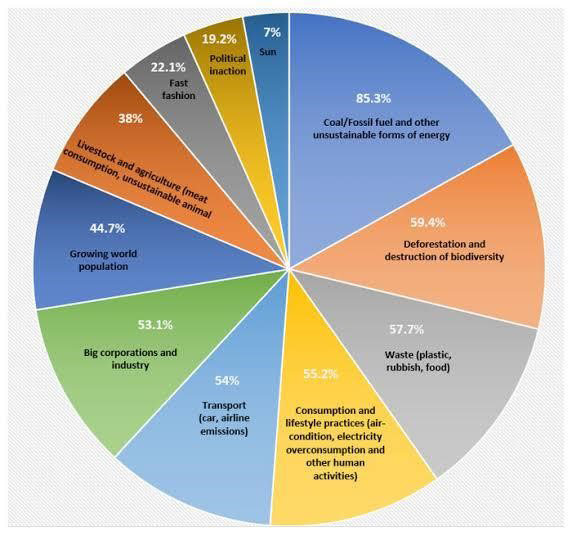
One of the primary reasons for a loss in biodiversity is climate change. Climate change is an expression used to describe long-term variations in temperature and weather patterns. Significant volcanic eruptions or shifts in the sun’s activity may cause such swings. However, human activity has been the main cause of climate change since the 1800s, particularly the burning of fossil fuels like coal, oil, and gas [5]. Greenhouse gas emissions from the burning of fossil fuels cover the earth like a blanket, trapping solar heat and raising temperatures. The two main greenhouse gases that cause climate change are carbon dioxide and methane. When burning coal or gasoline to heat a building, for example, these are created. Clearing land and trees can also release carbon dioxide into the atmosphere. Agriculture and the production of gas and oil are the primary sources of methane emissions. Energy, industry, transportation, building, agriculture, and land use are the main businesses that emit greenhouse gases [6].
Attention will be paid to the negative consequences of climate change on biodiversity in this article, but it’s important to remember that biodiversity is also capable of reducing the effects of climate change. For example, grassland soils in places with high plant diversity store more carbon than those in areas with little plant variety [7]. The probability of a species going extinct rises with each degree of global warming. The likelihood of marine and coastal ecosystems disappearing permanently is increased by rising ocean temperatures. For instance, during the previous 150 years, the quantity of living coral reefs has dropped by about half, and additional warming poses a threat to nearly all of the remaining reefs [8]. The effects of the climatic changes caused by climate change are still unknown, but they are harming natural habitats and animals. There are signs that climate change is affecting biodiversity, and changes in rainfall patterns, harsh weather, and ocean acidification are putting pressure on species that are already under stress from other human activities [9].
Healthy ecosystems have the ability to lessen the effects of climate change, even though it is predicted that the threat to biodiversity would increase. Higher global temperatures also have the potential to alter ecosystems over longer time periods by altering what can grow and thrive there [10]. Research indicates that the amount of water vapor in the atmosphere has decreased since the 1990s, which has led to significant browning and slowed growth rates in 59% of vegetated locations worldwide. Marine species are impacted by ocean temperatures rising. Ocean acidification can make it more difficult for shellfish and corals in the upper ocean to build shells and rigid skeletons, making them particularly sensitive to warming oceans [11].
The whole global is facing the huge risk of having climate change disrupt our efforts to protect and use biodiversity sustainably. We must help species adapt to shifting temperatures and water supplies in addition to preventing, reducing, and balancing any potential harm to biodiversity coming from adaptation and mitigation efforts to climate change [12]. Maintaining biodiversity will help us better adapt to climate change. According to Booth [13], ecosystems that are in good health will be better able to endure the effects of climate change and maintain the flow of services that are vital to human prosperity.
In this review we will discuss the recent and future impacts of climate change on biodiversity, how these impacts affect the phenology and physiology of biota, how these biotas respond to such impacts in different regions, and finally how to limit these impacts.
Recent Effect of Climate Change on Biodiversity
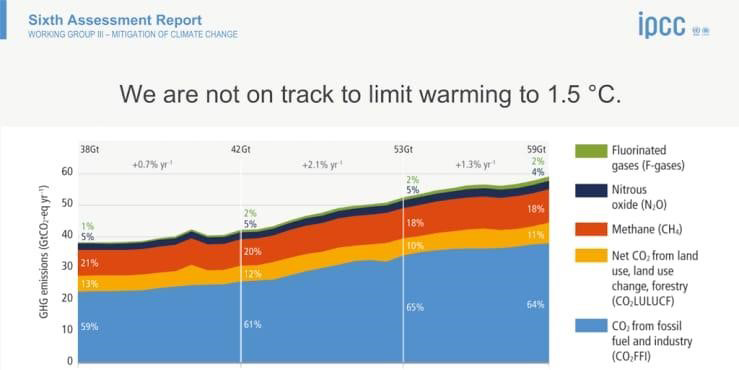
The arctic summer sea ice cover is rapidly decreasing, which is indicative of a recent change in climate. There is currently more thermal activity in the water. Globally, the average sea level has increased by almost 16 centimeters (6 inches) since 1901. Both the expansion of warmer ocean water and the melting of land-based glaciers and ice sheets are to blame for this rise. Furthermore, the Sixth Assessment Report of the IPCC, published in 2022, discovered that human emissions of gases that trap heat have already warmed the climate by nearly 2 degrees Fahrenheit (1.1 degrees Celsius) since the start of the Industrial Revolution in 1750 [14]. Worldwide temperatures are rising as a result of greenhouse gasses trapping more heat in the atmosphere. Droughts are becoming harsher and spreading over the world. As ocean temperatures rise, tropical hurricane intensity also rises. As temperatures rise, there is less snowfall and it melts more quickly in mountain ranges and Polar Regions. Glaciers are generally melting faster. The increasing temperatures are causing the sea ice in the Arctic Ocean to melt faster. Melting permafrost is releasing methane, one of the strongest greenhouse gases, into the atmosphere. Estuarine habitats and coastal communities are under risk due to rising sea levels [15].
Climate change is already having a significant impact on species abundances and distributions. Climate change poses a persistent and growing danger to biodiversity. It affects individual species and their interactions with other living things and their environment, which in turn affects the structure and function of ecosystems and the goods and services that natural systems provide to society [16]. Rising global temperatures, an increase in wildfires, and increasing ocean acidity are all having a negative impact on animals and their habitats. For example, devastating wildfires in Australia in late 2019 and early 2020 claimed the lives of almost 3 billion animals, including over 60,000 koalas, or forced them to flee their homes. The Australian government formally designated koalas as an endangered species earlier this year. One million wombats, five million kangaroos and wallabies, five million bats, 39 million possums and gliders, and fifty million native mice and rats were among the 143 million mammals affected.
Impacts of Climate Change on Phenology
Numerous researches from all over the world have connected phenological changes in autumnal and springtime occurrences to an increase in temperature [17]. There is strong evidence of phenological alterations due to the extensive observation of early migration and earlier nesting in migratory birds [18, 11]. As a result of temperature increases and changing precipitation patterns. Seasonal aquatic and marine abiotic factors have shown discernible, directional alterations in timing, with early temperature transitions from winter to spring as well as earlier ice melting and runoff. The timing of yearly cycles in plants and animals is known as phenology, and it is highly susceptible to variations in climate. We are aware that plants and animals may time phenological events like tree flowering or animal migration differently in response to changes in the weather [19].
Such abiotic changes may cause marine phytoplankton to react rapidly changing the timing of phytoplankton blooms [20]. This might cause a mismatch with secondary consumers and affect the structure of the food web [19]. Changes in the winter spawning phenology of Coho (Oncorhynchus kisutch) and chum salmon (O. keta) in the Pacific Northwest have affected the phenology of bald eagle (Haliaeetus leucocephalus) populations. Phenological alterations have also been observed in freshwater and riparian environments. Higher temperatures cause plants to develop more quickly, which accelerates the shift to the next ontogenetic stage. Over the past century, the Earth’s climate has warmed by about 0.6°C [21].
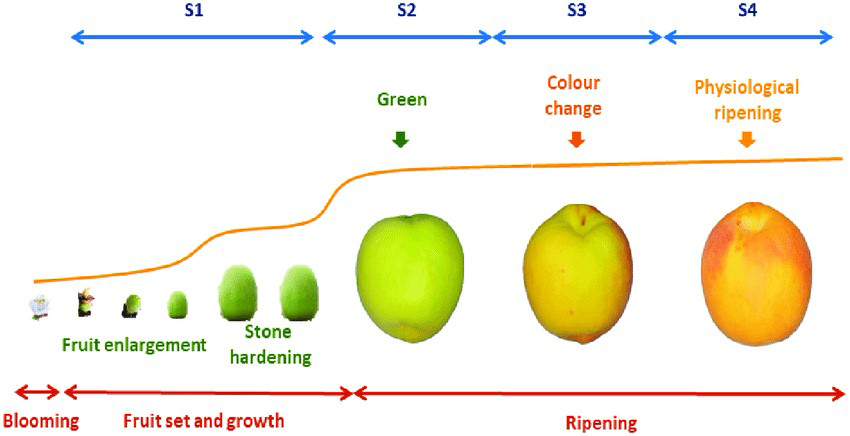
Apricot trees would bloom earlier (up to a difference of 50 days between 1950 and 2100) under climate change. The changing climate is also bringing severe droughts and flooding. These changes make fruit trees susceptible to poor growing seasons, pests, fungal diseases, and more. Lednice, in southern Moravia, a part of the Czech Republic, has had an increase in average yearly temperature of 0.9°C and an increase in average spring temperature of 1.2°C during the past 60 years. The dates of the beginning of the apricot tree’s (Prunus armeniaca L.) blossoming and its full blooming advanced by 13.7 and 11.7 days during the observed period. Due to the early blooming period, there is a greater chance that young fruits or flowers will be damaged during full bloom. It is therefore far more crucial than ever to choose late and commercially attractive cultivars [22].
Impacts of Climate Change on Physiology
Ecosystems are greatly impacted by climate change. A major difficulty facing modern research understands the physiology of differentiating the effects of climate change on species. More recent large increases in carbon emissions are expected to have a greater impact on crops. Physiological responses in crops include increased growth rate and, depending on the species, small changes in development, such flowering and fruiting. For example, an increase in average temperature of 0.2°C is predicted to cause a significant decrease in agricultural output. Heat stress totally lowers grain production during blossoming [23]. Growing data indicates that C3 crops will likely yield more products that can be harvested and that both C3 and C4 crops will probably need less water when atmospheric [CO2] rises in the absence of stressful conditions [24].
The distribution of plant viruses may be impacted by potential changes in host plants and insect vector populations brought on by climate change. The ability of individual plants to combat viral infections can also be influenced by changes in plant physiological processes that are relevant to their molecular interactions with viruses, such as changes in metabolism and leaf temperature, as well as their effects on some processes, such as the temperature-sensitive antiviral resistance based on RNA silencing. Due to the diversity of plant viruses, adjustments to the host, vector, or plant virus due to variations in CO2 concentration, temperature, and water availability can have positive, negative, or neutral impacts on the onset and severity of disease [25].
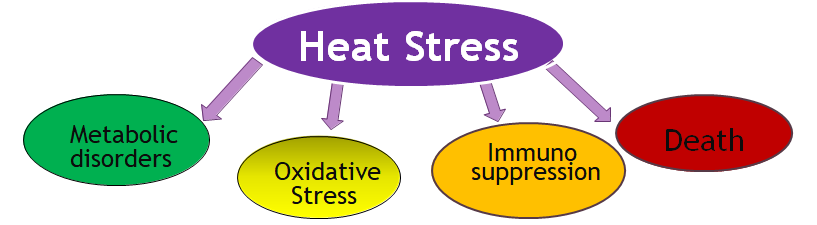
The direct effects of climate change on animal physiology may be attributed to increasing temperatures and more frequent and intense heat waves. These effects are mediated through the creation of heat stress conditions. Heat stress can cause oxidative stress, change an animal’s metabolism, weaken their immune system, or even kill them. Climate change presents challenges for the cattle industry, such as the need to adapt to changing weather patterns and the requirement to reduce greenhouse gas emissions. Moreover, studies have shown that high temperatures during a cow’s pregnancy can reduce milk yield across a number of generations [26].
Biotic Response to Climate Change
One of five possible responses by a species to climatic change is dispersal, extinction, macroevolution, microevolution, or stasis. A biological state known as stasis has been defined by no change. Based on fossil data, the range of (Neotoma floridana), the Eastern woodrat, has not changed significantly during the last 20,000 years. The creation of new species capable of adapting to changing environmental conditions is the aim of macroevolution. Generally speaking, it takes hundreds of thousands or millions of years for a species to diverge into a new one. Given how quickly the late Quaternary environment changed and how quickly the climate is predicted to change in the future, there is not enough time for new species to emerge. Evolution may be able to explain the long-term adaptations to climate change [27].
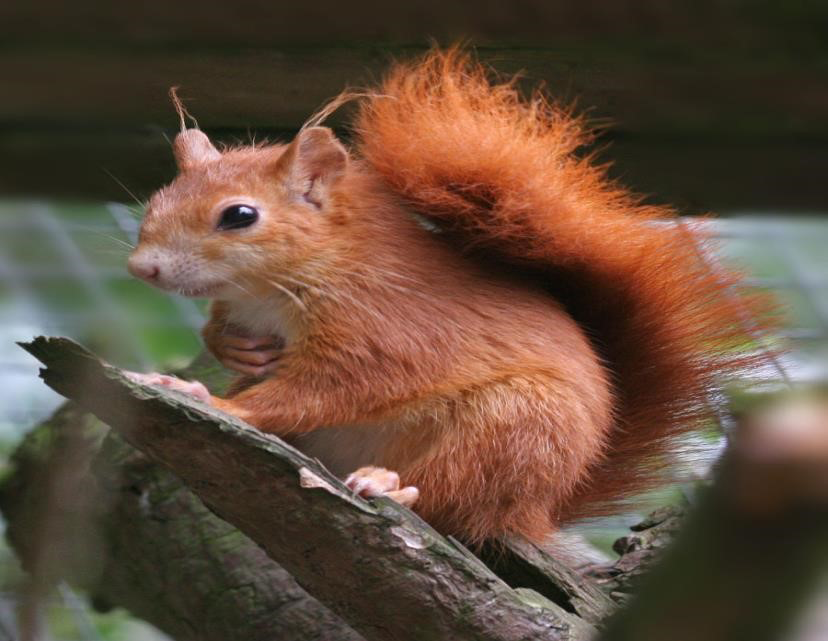
According to Carón [28], microevolution involves making small changes to morphological traits like body size and tooth morphology or phenological responses like the timing of an animal’s breeding cycle or plant eruption and flowering to adapt to changing environmental conditions. However, microevolution does not result in the emergence of new species. Certain research indicates that gophers’ (Thomomys talpoides) body size has changed over the past 4,000 years due to temperature fluctuations in the Yellowstone region. Although genetic shifts have been noted, analyses have revealed that this was an adaptation within a local population rather than a change in geographic distribution. In reaction to warmer temperatures and earlier food availability, Red Squirrels (Tamiasciurus hudsonicus) in the Yukon, Canada, have advanced their breeding to earlier in the spring across several generations, demonstrating biological selection and consequently an evolutionary (genetic) response to climate change [27].
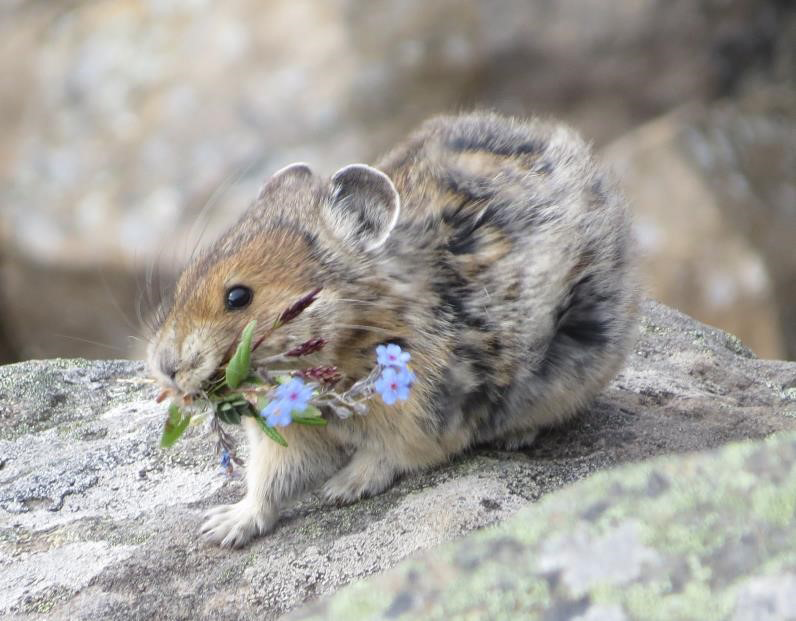
The process of animals moving their geographic range to areas better suited to their way of life is known as dispersal. Dispersal is a more “permanent” shift in range as opposed to migration, which is a seasonal shift. A species of caribou known as (Rangifer tarandus) spends the winter months migrating from the tundra to the northern boreal forest, where it returns in the summer. A little relative of the rabbit, the pika (Ochotona princeps) is suited to live on steep talus slopes in the cold alpine climate. When exposed to temperatures more than 78° F, they become exceedingly sensitive to the heat and will perish within a few hours. Due to rising temperatures, pikas’ range in California, Oregon, and Nevada has shrunk by about 30%, and in some places they are now extinct [29].
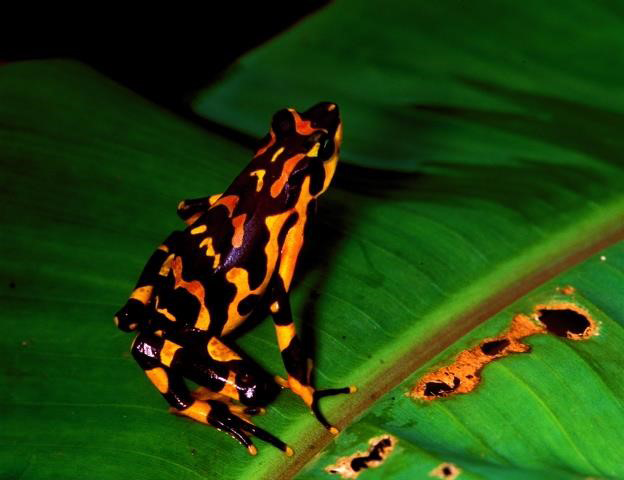
A species may go extinct if climate change creates an environment outside of its ecological niche. This is known as species extinction. A species is more likely to become extinct if it has a small population and a restricted geographic range. Some factors that lead to extinction include being too hot, too cold, too dry, or too moist for their physiology or reproduction. It’s possible that certain foods are no longer available. Another theory is that they have lost access to the physiognomic features needed to build their nests, conceal themselves from predators, and other needs in their current environment. Finally, climate change may open a region to new predators or illnesses against which the species has weak defenses. For instance, a fungus that multiplied owing to rising temperatures has driven the Monteverde harlequin frog (Atelopus varius) to the brink of extinction [30].
Polar Biotic Response to Climate Change
Climate change is a persistent threat to polar biodiversity. Although range shifts are a documented consequence of climate warming leading to changes in regional communities, little is known about how species places themselves within their climatic niches [31]. According to the theory, species diversity might increase over the North Temperate and Frigid Zones if temperature constraints are lifted at northern range limits. This would be due to the immigration and proliferation of species from warmer regions [32]. According to the theory, species diversity could increase over the North Temperate and Frigid Zones if temperature constraints are lifted at northern range limits. This would be due to the immigration and spread of species from warmer regions [32].
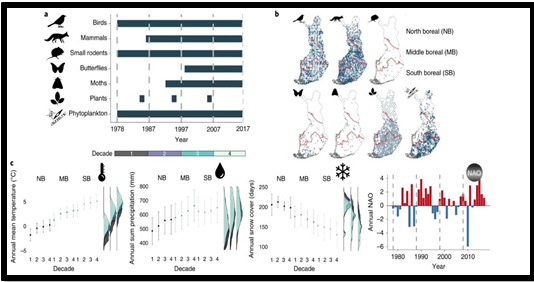
Over a period of four decades, they studied 1,478 species of plants, animals, butterflies, moths, birds, and phytoplankton along a 1,200 km high latitudinal gradient. The relative positions of the species inside their climatic niche significantly changed across decades, despite the fact that there was little change in the species themselves. A greater proportion of species reacted at higher latitudes when climate changes were more noticeable [33]. Polar biota may adapt locally, shift or reduce their ranges, move, or eventually decrease and go extinct in response to climate change. It is anticipated that most animals that have adapted to frigid climates would see their ranges reduced as a result of climate change. As polar communities are disproportionately exposed to faster climatic change, these responses were particularly amplified at higher latitudes. They assess the loss of genetic diversity under increasing range loss for 27 northern plant species using published and novel amplified fragment length polymorphism (AFLP) data along with a randomization approach, and they investigate the impact of various species features [33].
Tropical Biotic Response to Climate Change
Significant efforts are being made to mitigate the effects of climate change on tropical rainforests. However, the interactions between climatic changes and human land use-possibly the biggest threats to tropical biodiversity- remain poorly understood. The main problems are that aridity stress can exacerbate the effects of fire, aggravate the biological consequences of habitat disturbance, and make previously inaccessible or distant regions more accessible [34]. In a tropical ecosystem undisturbed by human activity, the response of biodiversity to long-term warming may be less negative than is commonly imagined, at least for some components of biodiversity. For instance, the fast warming of the Paleocene-Eocene Thermal Maximum event (PETM; 56.3 million years ago) resulted in a rapid rise in floral diversity, and this event was accompanied by significant radiations in epiphytic orchids and ferns [35].
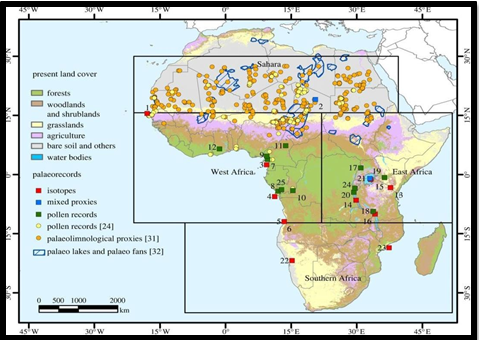
Tropical species differ in their life cycles and physiologies, and the composition of ecological communities varies according to latitude. As a result, compared to temperate and Polar Regions, tropical organisms and communities may respond to climate change differently [46]. In tropical Africa, biotic reactions to climate change often rely on two types of models: dynamic vegetation models and bioclimatic species envelope models. One important finding is that the Socalled “greening of the Sahara” occurred when warmer and wetter circumstances prevailed in the past, leading to a significant increase in biomass and a range dispersion of woody plants up to 400–500 km north of their current location. In contrast, as climates became warmer and drier, woody vegetation decreased in many areas and grassland/savanna-dominated landscapes become more prevalent. Although there is little evidence of widespread extinctions, the rapid rate of climate warming leading up to the current interglacial caused a dramatic increase in community turnover. With, in some cases, completely disparate reactions to the same climatic trigger, there is, nevertheless, a striking variety in biotic response in both place and time [37].
Temperate Biotic Response to Climate Change
Since temperatures are moderate and rainfall is moderate, temperate areas are comfortable places to live. The Polar Regions are exceedingly cold, whereas deserts are arid (dry) and hot. Temperate regions get year-round high temperatures and precipitation. Warmer temperatures are predicted to cause the fungi to produce more spores and infect more frequently in temperate and boreal woods [38]. The distribution of plant species will shift as the planet’s climate warms, and this will be most noticeable where biomes converge. At the continental scale, temperature has the greatest influence on where ecotones are located, and many, notably the boreal forest-temperate forest ecotone (BTE), are predicted to move to higher latitudes as a result of climate change. Many ecotones’ fine-scale drivers that determine biome boundaries at the sub-continental scale are poorly understood [39].
Variations in temperature and atmospheric CO2 levels have an impact on the growth, development, and functionality of plants. Pre-industrial CO2 levels of 280 parts per million have significantly increased to 390 parts per million in recent years. By the end of this century, atmospheric CO2 is predicted to continue growing and reach 700 parts per million. In addition, it is predicted that since the turn of the century, the global mean surface temperature will rise by 0.6–4.8 degrees Celsius. The dynamics of ecosystems and plant growth are significantly impacted by these variations in temperature and CO2 levels [40].
At increasing biodiversity levels, it is predicted that changes in vegetation communities brought about by climate will have an impact on the integrity of biomes. The Millenium Ecosystem Assessment projects changes to 5–20% of Earth’s terrestrial ecosystems, with cold conifer forests, tundra, scrublands, savannahs, and boreal forests being the most affected. Special worry is the “tipping points” where environmental thresholds may result in permanent alterations to biomes [40].
In this section, it would be briefly go over how to analyze the Normalized Difference Vegetation Index (NDVI) for China’s temperate grasslands through time. Over the course of the study period, the average NDVI of the study area increased at rates of 0.5% yr-1 for the growing season (April to October), 0.61% yr-1 for the spring (April and May), 0.49% yr-1 for the summer (June to August), and 0.6% yr-1 for the autumn (September and October). The humped-shape pattern between the coefficient of correlation (R) of the growing season NDVI to precipitation and the growing season precipitation documents different responses of grassland growth to changing precipitation, whereas the decreased R values of the growing season NDVI to temperature with increase of temperature implies that increased temperature declines sensitivity of plant growth to changing temperature [41].
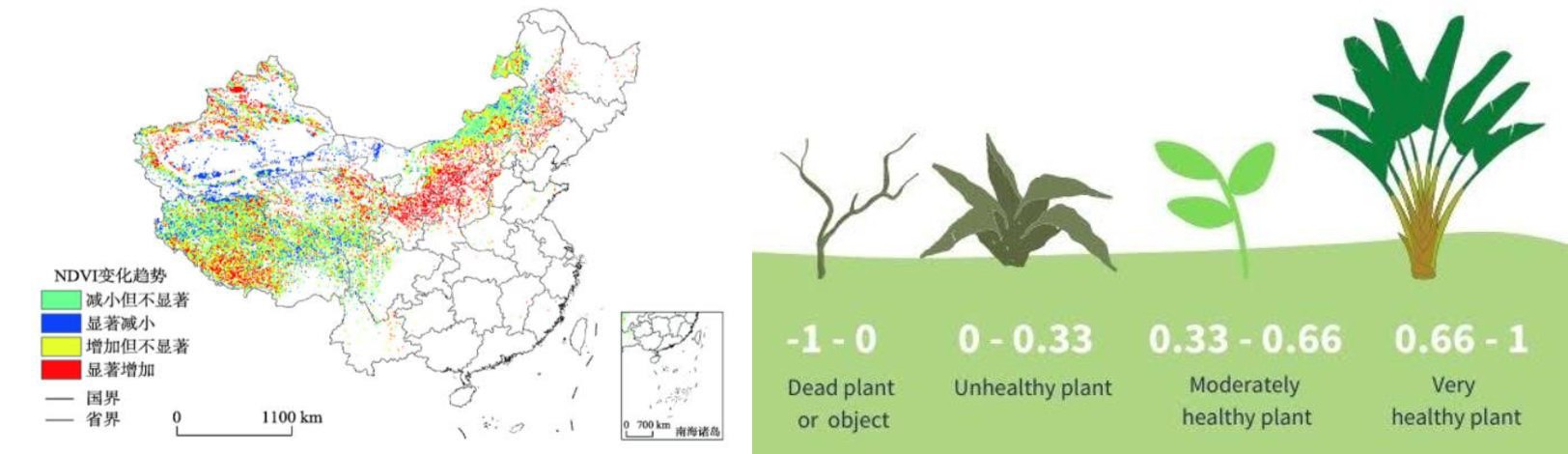
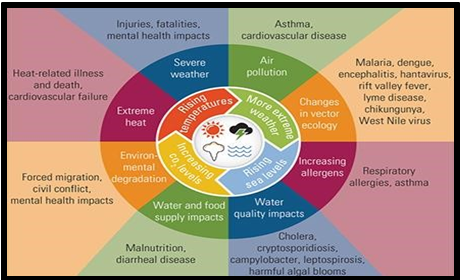
Figures 11 & 12: NDVI records about climate change impacts on grasslands of china. Impacts of Climate Change on Human Health The two primary ways that climate change affects people’s health are by altering the severity or frequency of existing health issues as well as by causing brand-new or unexpected health issues in populations or regions where they have never existed before. The negative effects of climate change on health include respiratory and heart conditions, illnesses brought on by pests like West Nile Virus and Lyme Rising sea levels and an increase in the frequency or intensity of some extreme weather occurrences are all consequences of climate change. Our health is put at risk by these effects on the food we eat, the water we drink, the air we breathe, and the weather. A person’s behavior, age, gender, and socioeconomic level will all have an impact on the degree of these health risks, as will the ability of public health and safety institutions to manage or foresee these changing threats. Depending on a person’s location, degree of exposure to the consequences of climate change, sensitivity to health hazards, and ability to adapt to change, the effects will vary [40].
A person’s susceptibility to the effects of climate change is influenced by three main variables. The first of these is exposure to the fact that various persons would experience climate dangers. Exposure will vary depending on where, how long, and what activities people engage in. For instance, those who spend a lot of time outside can be more susceptible to intense heat [43]. Second, some people are more sensitive than others to the dangers of the climate because of things like age and health. Children and adults who have asthma, for instance, are more susceptible to air pollution and wildfire smoke. The last component is adaptive ability, or how well individuals can cope with or exploit the risks associated with climate change. The capacity to adapt may be influenced by a person’s income, age, living circumstances, availability to medical treatment, and a variety of other factors [44].
Future of Biodiversity
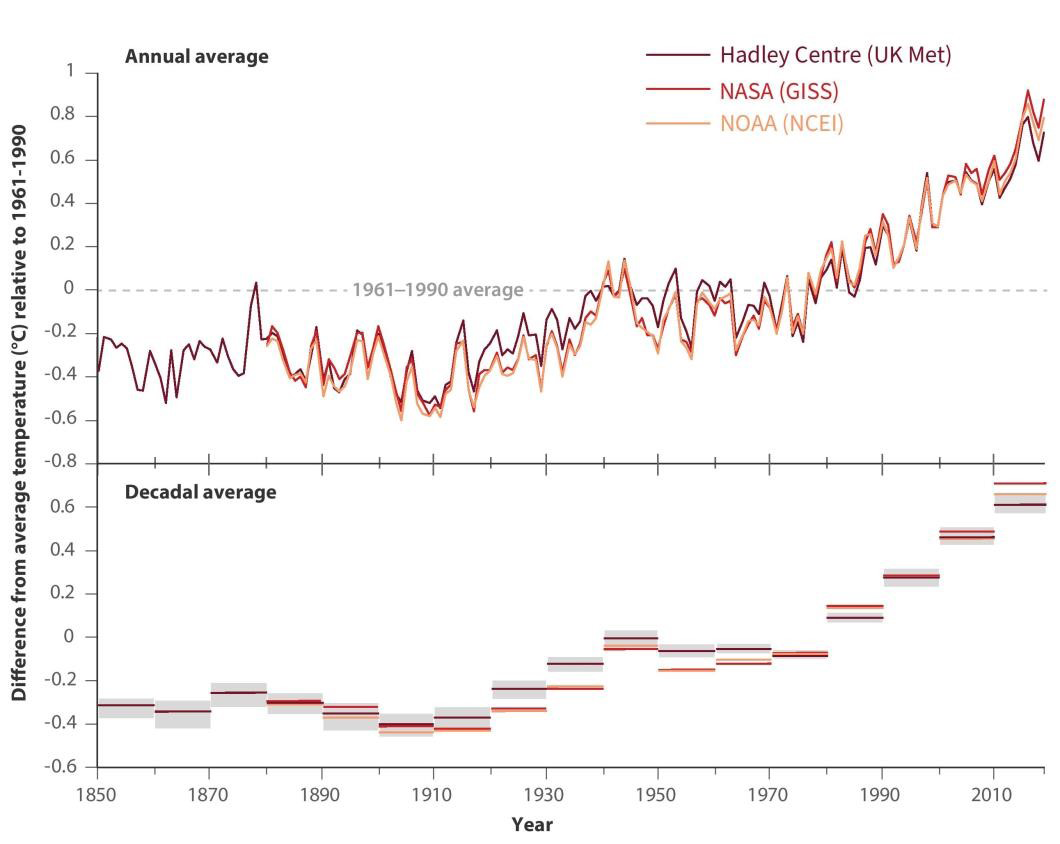
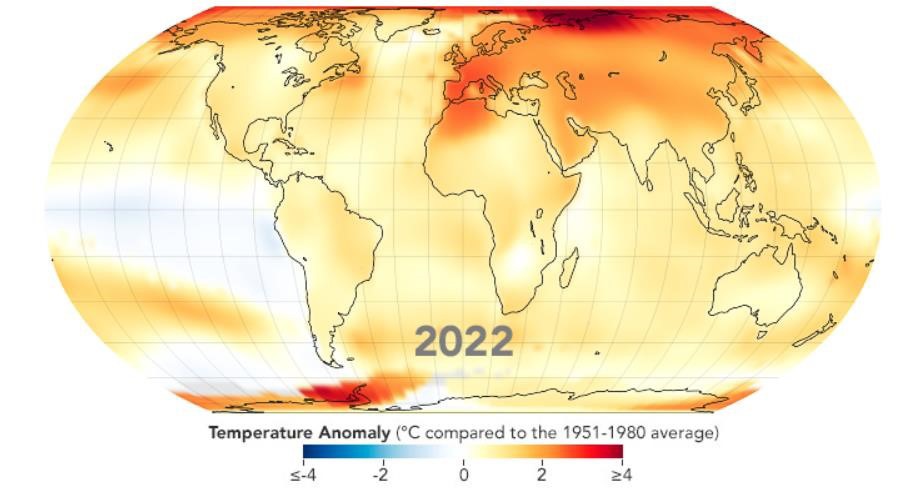
The last nine years have been the warmest nine on record, and the year 2022 is tied for the fifth warmest year on Earth since 1880. NASA examines the various ways that heat was represented globally in 2022. Katherine Gaeta, Goddard Space Flight Centre, NASA. According to a NASA estimate, the Earth’s average surface temperature in 2022 effectively tied with 2015 as the fifth warmest year on record. According to researchers from NASA’s Goddard Institute for Space Studies (GISS) in New York, global temperatures in 2022 were 1.6 degrees Fahrenheit (0.89 degrees Celsius) higher than the average for the baseline period (1951-1980), continuing the planet’s long-term warming trend. NASA Administrator Bill Nelson said, “This warming trend is alarming.” Forest fires are getting worse, storms are getting stronger, droughts are wreaking havoc, and sea levels are rising as a result of our changing climate. NASA is reaffirming its commitment to playing a role in combating climate change. To help humanity deal with the planet’s changing climate, our Earth System Observatory will provide cutting-edge data to support our climate modelling, analysis, and projections. Since the start of modern recordkeeping in 1880, the last nine years have been the warmest on record. This means that compared to the late 19th century norm, Earth was 1.11 degrees Celsius (or roughly 2 degrees Fahrenheit) warmer in 2022 (“NASA Says 2022 Fifth Warmest Year on Record”).
If current rates of warming continue, by 2030 global temperatures could increase by more than 1.5°C (2.7°F) compared to before the industrial revolution. A major impact of climate change on biodiversity is the increase in the intensity and frequency of fires, storms, or periods of drought. But still, there’s no well-established understanding of how global climate change affects biodiversity and its many levels of response. But the existing evidence are sufficient to cause serious concern for the sustainability and future of biodiversity. The different possible effects of climate change that can operate at individual, population, species, community, ecosystem and biome scales, notably showing that species will respond to climate change future challenges by shifting their climatic niche along three non- exclusive axes: time (e.g., phenology), space (e.g., range) and self (e.g., physiology) [16]. Robust and reliable predictions of the effects of climate change on biodiversity are required in formulating conservation and management strategies that best retain biodiversity into the future. Significant challenges in modelling climate change impacts arise from limitations in our current knowledge of biodiversity [45].
Through a variety of anthropogenic activities, biodiversity is being lost and steadily threatened throughout the world. These changes can have a variety of effects on biodiversity, such as altering life cycles, shifting species distribution and ranges, altering overpopulation, altering migration patterns, and altering the frequency and severity of irritation and illness flare-ups. A major global threat that can be seen to have an impact on biodiversity and regular biological processes is climate change. The average global temperature has grown by 0.7°C during the last 100 years, and it is expected to continue to rise. Over the past 100 years, the average amount of precipitation on Earth has increased by 2%, and this trend is likely to continue in the future [46]. Africa is massively wealthy in biodiversity and contains a gauge of one-fifth of all known types of warm-blooded creatures, birds, and plants, as well as one-6th of herpers. The substance’s species make the world’s most different and naturally significant environments like savannahs, tropical woodlands, coral reef, One-fifth of all known species of warm-blooded animals, birds, and plants, as well as one- sixth of all humans, are estimated to be found in Africa, which is also extremely rich in biodiversity. The species of the material provide the most diverse and important natural ecosystems on earth, including savannahs, tropical forests, coral reefs, marine and freshwater regions, wetlands, and montane biological systems [16].
Limiting Climate Change Effects on Biodiversity
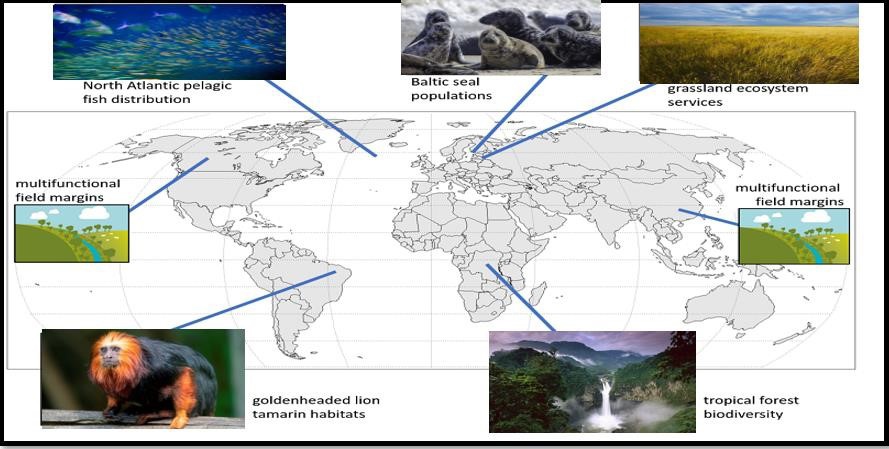
Conserving threatened species by ensuring its protection through effective conservation techniques is one of the most crucial answers to the issue of biodiversity loss. Identifying threatened habitats and removing those risks to conserve the natural space is an essential part of habitat protection, which is a measure to protect biodiversity. Additionally, wildlife will be preserved, especially their breeding and nesting grounds, and the habitat for wildlife can be improved by creating artificial havens for birds and bats [47]. Governments should be pushed to create, pass, and enforce laws that safeguard biodiversity. Every government should work to foster a setting where intergovernmental organizations and global decision-makers encourage cooperative advocacy on biodiversity concerns [48].
The oceans have been impacted by human activity. Marine life has been influenced by pollution and climate change, but overfishing has had the greatest impact on ecosystems. As a consequence of the extensive overfishing of oysters and other sea creatures, current fishing methods involve disturbing the seafloor, catching a variety of unintended species, and damaging habitat all at once. These gardens reduce the need to sweep the ocean floor with heavy nets and can even supply fish and seals with food. The fact that the algae and shellfish produced by vertical sea farming technologies don’t need freshwater, feed, or fertilizer reduces the overall environmental effect and lowers expenses [49].
Biodiversity loss results from our direct actions, so it is important to make informed choices to make sustainable and biodiversity-friendly choices. There are many solutions to biodiversity loss, but remember to make small choices, e.g., taking your bag to the supermarket and using a metal straw. If each person made a small change in their lifestyle, the collective impact of those changes would be monumental [50].
Recommendations
Here are some ideas for how to mitigate the effects of climate change. Instead of using fossil fuels, which has a huge influence on the lives of all life on Earth, we might employ more renewable energy sources like wind and solar energy [51]. The environment is significantly impacted by our way of living. Our choices have an impact. Two thirds of the greenhouse gas emissions in the world come from private residences. A person’s consumption of power, food, transportation, and other purchases all have an impact on their “carbon footprint,” which is the quantity of greenhouse gas emissions connected to their daily activities [52]. Start with these ten recommendations to help address the climate catastrophe. Save energy at home.
- Walk, bike, or take public transport.
- Eat more vegetables.
- Consider your travel.
- Throw away less food.
- Reduce, reuse, repair, recycle.
- Change your home’s source of energy.
- Switch to an electric vehicle.
- Make your money count.
- Speak up.
Conclusion
Climate change effect on biodiversity is drastically increasing. This is as climate change cause widespread of disasters as ocean acidification, flooding, and wildfires. This alternatively will affect the structure and function of ecosystem as well as species abundance and diversity. Biodiversity is also being lost and progressively undermined through a scope of anthropogenic activities [53]. Our research focused on studying the impacts of climate change on phenological and physiological changes on affected organisms in polar, tropical, and temperate regions as well as studying their impacts on human health. We found out that population variation was potentially more prevalent in groups that have been more exposed to the impacts caused by climate change. There were some factors that correlated with climate change, but the correlation was inconsistent across nations. Even though research on climate change and biodiversity conservation has been conducted all over the world, there are still few minorities nations and regions that must be urgently included in future studies to fully comprehend how climate change impacts biodiversity loss, which has the potential to have an impact on the entire planet. Research on climate change and biodiversity conservation is interdisciplinary and involves many different scientific fields. So, more study is required to fill the significant information gap regarding humans, climate change, biodiversity, and ecosystem functioning worldwide.
References
-
Probstl F, Paulsch A, Zedda L, Noske N, Santos C, et al. (2023) Biodiversity policy integration in five policy sectors in Germany: How can we transform governance to make implementation work? Earth System Governance 16: 100175.
-
Cuff M (2022) Wildlife populations are declining on a ‘devastating’ scale, says WWF. New Scientist 256(3409): 23.
-
Simoncini R, Ring I, Sandstrom C, Albert C, Kasymov U, et al. (2019) Constraints and opportunities for mainstreaming biodiversity and ecosystem services in the EU’s Common Agricultural Policy: Insights from the IPBES assessment for Europe and Central Asia. Elsevier 88.
-
Borie M, Gustafsson KM, Obermeister N, Turnhout E, Bridgewater P (2020) Institutionalising reflexivity? Transformative learning and the Intergovernmental science-policy Platform on Biodiversity and Ecosystem Services (IPBES). Environmental Science & Policy 110: 71-76.
-
Youssoufa MB, Jean SD, Anne-Marie T (2015) Adapting the Congo Basin forests management to climate change: Linkages among biodiversity, forest loss, and human well-being. Forest Policy and Economics 50: 1-10.
-
Byomkesh T, Nilanjana G, Richard M, Vanloon GW, Hipel KW, et al. (2022) Climate change accelerated ocean biodiversity loss & associated planetary health impacts. The Journal of Climate Change and Health.
-
Filho LW, Nagy GJ, Setti AFF, Sharifi A, Donkor FK, et al. (2023) Handling the impacts of climate change on soil biodiversity. Sci Total Environ 869: 161671.
-
Sudakov I, Vakulenko SA, Bruun JT (2022) Stochastic physics of species extinctions in a large population. Physica A: Statistical Mechanics and its Applications 585: 126422.
-
Kabir M, Habiba UE, Khan W, Shah A, Rahim S, et al. (2023) Climate change due to increasing concentration of carbon dioxide and its impacts on environment in 21st century; a mini review. Journal of King Saud University - Science 35(5): 102693.
-
Omann I, Stocker A, Jager J (2009) Climate change as a threat to biodiversity: An application of the DPSIR approach. Ecological Economics 69(1): 24-31.
-
Weiskopf SR, Rubenstein MA, Crozier LG, Gaichas S, Griffis R, et al. (2020) Climate change effects on biodiversity, ecosystems, ecosystem services, and natural resource management in the United States. Sci Total Environ 733: 137782.
-
Laurent GPS, Oakes LE, Cross M, Hagerman S (2022) Flexible and comprehensive criteria for evaluating climate change adaptation success for biodiversity and natural resource conservation. Environmental Science & Policy 127: 87-97.
-
Booth TH (2012) Biodiversity and Climate Change Adaptation in Australia: Strategy and Research Developments. Advances in Climate Change Research 3(1): 12-21.
-
Colombini S, Graziosi AR, Galassi G, Gislon G, Crovetto GM, et al. (2023) Evaluation of Intergovernmental Panel on Climate Change (IPCC) equations to predict enteric methane emission from lactating cows fed Mediterranean diets. JDS Communications 4(3): 181-185.
-
Hietala S, Usva K, Nousiainen J, Vieraankivi ML, Vorne V, et al. (2022) Environmental impact assessment of Finnish feed crop production with methodological comparison of PEF and IPCC methods for climate change impact. Journal of Cleaner Production 379: 134664.
-
Bellard C, Bertelsmeier C, Leadley P, Thuiller W, Courchamp F (2012) Impacts of climate change on the future of biodiversity. Ecol Lett 15(4): 365-377.
-
Khanduri VP, Sharma CM, Singh SP (2008) The effects of climate change on plant phenology. Environmentalist 28: 143-147.
-
Lehikoinen A, Linden A, Karlsson M, Andersson A, Crewe TL, et al. (2019) Phenology of the avian spring migratory passage in Europe and North America: Asymmetric advancement in time and increase in duration. Ecological Indicators 101: 985-991.
-
Post E (2017) Implications of earlier sea ice melt for phenological cascades in arctic marine food webs. Food Webs 13: 60-66.
-
Wasmund N, Nausch G, Gerth M, Busch S, Burmeister C, et al. (2019) Extension of the growing season of phytoplankton in the western Baltic Sea in response to climate change. Mar Ecol Prog Ser 622: 1-16.
-
Mantua N, Tohver I, Hamlet A (2010) Climate change impacts on stream flow extremes and summertime stream temperature and their possible consequences for freshwater salmon habitat in Washington State. Climatic Change 102: 187-223.
-
Krska B, Bauer Z (2020) The impact of climate change on the selection of well adapted apricots. Acta Hortic, pp: 217-220.
-
Kumar SPJ, Chintagunta AD, Reddy YM, Rajjou L, Garlapati VK, et al. (2021) Implications of reactive oxygen and nitrogen species in seed physiology for sustainable crop productivity under changing climate conditions. Current Plant Biology 26: 100197.
-
Matta FMD, Grandis A, Arenque BC, Buckeridge MS (2010) Impacts of climate changes on crop physiology and food quality. Food Research International 43(7): 1814-1823.
-
Trebicki P (2020) Climate change and plant virus epidemiology. Virus Research 286: 198059.
-
Stranden I, Kantanen J, Lidauer MH, Mehtio T, Negussie E (2022) Animal board invited review: Genomic-based improvement of cattle in response to climate change. Animal 16(12): 100673.
-
Song Y, Tian Y, Yu J, Algeo TJ, Luo G, et al. (2022) Wildfire response to rapid climate change during the Permian- Triassic biotic crisis. Global and Planetary Change, pp: 103872.
-
Caron MM, Frenne DP, Brunet J, Chabrerie O, Cousins SAO, et al. (2015) Divergent regeneration responses of two closely related tree species to direct abiotic and indirect biotic effects of climate change. Forest Ecology and Management 342: 21-29.
-
House AR, Thompson JR, Acreman MC (2016) Projecting impacts of climate change on hydrological conditions and biotic responses in a chalk valley riparian wetland. Journal of Hydrology 534: 178-192.
-
Magyari E (2012) Biotic and abiotic responses to rapid Lateglacial climate change in the subalpine belt of the S Carpathians (Romania) - multi-proxy results from the PROLONGE project. Quaternary International 18.
-
Edlund MB, Almendinger JE, Fang X, Hobbs JMR, Meulen DDV, et al. (2017) Effects of Climate Change on Lake Thermal Structure and Biotic Response in Northern Wilderness Lakes. Water 9(9): 678.
-
Vasiliev D, Greenwood S (2021) The role of climate change in pollinator decline across the Northern Hemisphere is underestimated. Sci Total Environ 775: 145788.
-
Antao LH, Weigel B, Strona G, Hallfors M, Kaarlejarvi E, et al. (2022) Climate change reshuffles northern species within their niches. Nature Climate Change 12(6): 587- 592.
-
Brodie J, Post E, Laurance WF (2012) Climate change and tropical biodiversity: a new focus. Trends Ecol Evol 27(3): 145-150.
-
Kriticos DJ, Sutherst RW, Brown JR, Adkins SW, Maywald GF (2003) Climate change and biotic invasions: a case history of a tropical woody vine. Biological Invasions 5: 147-165.
-
Sheldon KS (2019) Climate Change in the Tropics: Ecological and Evolutionary Responses at Low Latitudes. Annual Review of Ecology, Evolution, and Systematics 50: 303-333.
-
Willis KJ, Bennett KD, Burrough SL, Fauria MM, Tovar C (2013) Determining the response of African biota to climate change: using the past to model the future. Philos Trans R Soc Lond B Biol Sci 368(1625).
-
Romeiro MN, Joyce, Eid T, Fernandez CA, Kangas A, et al. (2022) Natural disturbances risks in European Boreal and Temperate forests and their links to climate change – A review of modelling approaches. Forest Ecology and Management 509: 120071.
-
Evans P, Brown CD (2017) The boreal–temperate forest ecotone response to climate change. Environmental Reviews 25(4).
-
Moustafa A, Elganainy R, Mansour S (2023) Insights into the UNSG announcement: The end of climate change and the arrival of the global boiling era, July 2023 confirmed as the hottest month recorded in the past 120,000 years. Catrina: The International Journal of Environmental Sciences 28(1): 43-51.
-
Piao S, Mohammat A, Fang J, Cai Q, Feng J (2006) NDVI- based increase in growth of temperate grasslands and its responses to climate changes in China. Global Environmental Change 16(4): 340-348.
-
Teasdale MN and Panegyres PK (2023) Climate Change in Western Australia and Its Impact on Human Health. The Journal of Climate Change and Health 12: 100243.
-
Wang Y, Wang H, Wang P, Zhang X, Zhang Z, et al. (2023) Cascading impacts of global metal mining on climate change and human health caused by COVID-19 pandemic. Resour Conserv Recycl 190: 106800.
-
Patz JA, Lendrum DC, Holloway T, Foley JA (2005) Impact of regional climate change on human health. Nature 438(7066): 310-317.
-
Mokany K, Ferrier S (2011) Predicting impacts of climate change on biodiversity: a role for semi-mechanistic community-level modelling. Diversity and Distributions 17: 374-380.
-
Krause B, Farina A (2016) Using ecoacoustic methods to survey the impacts of climate change on biodiversity. Biological Conservation 195: 245-254.
-
Watson JEM (2016) Human Responses to Climate Change will Seriously Impact Biodiversity Conservation: It’s Time We Start Planning for Them. A Journal of Society for Conservation and Biology 7(1): 1-2.
-
Nunez S, Arets E, Alkemade R, Verwer C, Leemans R (2019) Assessing the impacts of climate change on biodiversity: is below 2 °C enough? Climatic Change 154: 351-365.
-
Midgley GF, Hannah L, Millar D, Thuiller W, Booth A (2003) Developing regional and species-level assessments of climate change impacts on biodiversity in the Cape Floristic Region. Biological Conservation 112(1): 87-97.
-
Sharma S, Sharma V, Chatterjee S (2023) Contribution of plastic and microplastic to global climate change and their conjoining impacts on the environment - A review. Sci Total Environ 875: 162627.
-
Fouad AM, Moustafa A, Zaghloul M, Arnous M (2023) Unraveling the Impact of Global Warming on Phragmites australis Distribution in Egypt. Catrina The International Journal of Environmental Sciences 27(1): 59-73.
-
Lany, Nina K, Ayres MP, Erik ES, Sillett, et al. (2016) Breeding timed to maximize reproductive success for a migratory songbird: the importance of phenological asynchrony. Oikos 125(5): 656-666.
-
(2023) NASA Says 2022 Fifth Warmest Year on Record, Warming Trend Continues.
- Lessons to Learn: Trees are More than the Lungs of the World
- Community Forestry Enterprises as a Model for Sustainable Forest Development: The Case Of The "Baja Tarahumara" in Chihuahua, Mexico
- Ecological and Socio-Economic Impacts of Chromolaena odorata and Mesosphaerum suaveolens, Two Invasive Alien Species in Central and Southern Benin, West Africa
- Epigenetic Sustainability: Modeling the Human Factor as a Natural Resource through Science 4.0 and the NR3C1 Biological Pilot
- Growth-at-Risk: A Framework for Assessing Economic Vulnerability
- The Rural Territory as a Socioecological System for the Management of Public Policy for Sustainable Rural Development