
Traditional Gender Roles of Men and Women in Surface Water Management: A Case Study of Mimili Ezekoro, Anambra State, Nigeria
Adoption of traditional gendered roles in managing streams in most Nigerian communities, have raised concerns over its sustainability. Using the concepts of gender analysis and sustainable water management (SWM), we examined the traditional roles played by men and women in managing Ezekoro stream in Achina, Anambra State, Nigeria. Qualitative, laboratory and secondary data analysis were used in the study. We adopted purposive sampling to recruit a total of 24 community members between18 to 60 years and above:12 women and men for FGD (6 each group), 2 key informants were interviewed (oral histories)-the oldest man and woman leader in the community and 10 participants randomly selected for in-depth interviews. Also, photographs and physiochemical and biological analysis of water samples from Ezekoro stream were used. Findings unveil that traditional sanctions were used to separate. Ezekoro stream into male and female sections. Females carried out domestic activities in their section while the male section was preserved for drinking. Again, sanctions restricting human actions such as farming, sand mining, wood logging, open defecation, around the stream area were not effective. Elderly and unmarried women found it difficult to access drinking water from the male section of the stream. Further, water samples from the female section indicated that phosphorus, fluoride, copper and total coliform, bacteria count and fecal coliform were above the permissible NESREA standard while sample from the male section had traces of total coliform, signifying the presence of disease-causing organisms. Obviously, the practiced gender separation was ineffective, since there were traces of pollutants in drinking water sourced from the male section. For optimal results, we recommend inclusiveness and gender equality, maximize youth efforts and intensify awareness on water quality protection. Also, developing adaptive capacity for floods, integrating regular water quality assessments to checkmate possible health risks.
Abbreviations
SWM: Sustainable Water Management; LGA: Local Government Area; FGDs: Focus Group Discussions; EC: Electrical Conductivity; TDS: Total Dissolved Solids; DO: Dissolved oxygen; Pb: Lead; Zn: Zinc; Fe: Iron; Cu: Copper; As: Arsenic; Cd: Cadmium; Cr: Chromium; NESREA: National Environmental Standards and Regulations Enforcement Agency; IUPAC: International Union of Pure and Applied Chemistry.
Introduction
Freshwater is unarguably the most critical resource for life on earth particularly for all ecosystem services [1]. Streams and rivers in developing countries have great environmental, and socioeconomic values; also they possess huge cultural and spiritual significance. Increasing water challenges around the globe have raised concerns about gender participation in sustainable water management (SWM), particularly in marginalized and underserved communities in Global South. This has led to increased studies that examine the ties between gender and sustainable water management [2, 3]. In the pursuit of SWM in Nigeria, communities adopt diverse means of managing their streams though their traditions greatly influence the roles played by men and women; posing huge risks on sustainability of streams and rivers.
Sustainable development is defined by the Brundtland Report [4], as meeting the needs of the present generation without compromising the ability of future generations to meet their own needs. Human needs are complex and interrelated, so that reaching a harmony across managing social, economic, and environmental resources within generations, added to multi- competitive interests laced with diverse cultural and society value system, will require a combination of global and local collaborations, policy transformation, gender equality, inclusiveness and many more [5]. Sustainable water management (SWM) means using water in a way that meets current, ecological, social, and economic needs without compromising the ability to meet those needs in the future. Interestingly, SWM should contribute to the objectives of society and maintain ecological, environmental, and hydrologic integrity [6].
Addressing water management issues surrounding local streams exposes relationships, challenges and roles played/or downplayed by individuals or various groups. It is therefore pertinent to examine their practices, in order to integrate the goals of sustainability into local management systems [7, 8].
In Nigerian communities, tradition has been a determining factor on how natural resources like water is managed. Traditions are dynamic living entities that have generational impact influencing the thoughts and actions of people overtime [9]. They are guidelines serving socially valuable functions, adopted as byelaws that determine communal lifestyles and judgements, when managing surface water systems such as rivers, streams among others.
Most communities recognize the role(s) of women and men in water usage though men make major decisions concerning water management being major custodians of tradition. According to Akpabio ME, et al. [7], men have total control, entitled to all environmental resources including water; while women can only have access to water for domestic uses as their wives. Notably, it is expedient to examine traditional values and belief systems that shape marginalized groups, observing that it can affect sustainable water management.
Gender is an essential aspect of water sustainability considering that communal norms and structures affect the use of water resources and possibly their quality. Gender is defined as socially structured norms and ideologies that characterize the lifestyle of men and women (WDR). Adopting gender analysis as a lens in this present study is essential, since it employs a mixed method approach to understand relationships between men and women, their access to resources, their activities and the constraints they face relative to each other (http://www.international. gc.ca/world-monde/funding-financement/gender_analysis- analyse_comparative.aspx?lang=eng). Studying the link between gender and water is crucial, additionally concerns over cultural impacts should not be neglected since they can determine levels of gender involvement in a community [10].
The study area, Achina is located on the Southern part of Aguata Local Government Area (LGA) of Anambra State, Nigeria. It is bounded in the East by Enugu Umuonyia and Umuomaku towns in Orumba North LGA, on the West by Amesi and Akpo towns, in the North by Onneh and Ogboji towns in Orumba North LGA and on the South by Umuchu town. Its population is estimated at 40,193 people in 1991 [11].
Achina experiences two climatic seasons – a wet season of abundant rainfall which begins in late March and ends in late November while the dry season sets in from late November, to mid-March. The hottest months are between January and March. Achina is blessed with the famous Mimili Ezekoro stream, richly supplied by a spring water source named after the community deity Alusi-Ezekoro.
Achina is similar to most rural areas, heavily dependent on fresh water supplies from Ezekoro stream and the water is used for diverse purposes ranging from drinking, domestic, personal purposes that places a lot of demand on its supply and quality. Additionally, in most communities, streams and rivers serve as major sources of water supply during the dry season when the wet season (rain) is irregular or absent [12]. More so, people who dwell in remote areas in Nigeria suffer from severe shortage of water supply.
Since there is absence of municipal water supply, people rely on unprotected boreholes and streams to meet their water demands [13].
Investigating the traditional practices adopted in surface water management in Achina is vital; in order to examine gender disparity, and its effects on water use, supplies and quality. This may provide a framework to balance participation of men and women while leveraging on the knowledge/skills that indigenous men and women can contribute. This may lead to greater access, sustainable livelihoods, human well- being and socio-economic development. From the foregoing, there is need to examine how traditional gender roles affect SWM in Ezekoro stream. Hence, the following objectives were pursued:
- To assess the traditional gender system in Ezekoro stream and its impacts on gender water needs of the community.
- To assess the effectiveness of traditional regulation of human activities around Ezekoro stream.
- To assess the physico-chemical and bacteriological parameters of samples from Ezekoro stream in comparison to NESERA standards.
- To proffer solution(s) for sustainable water management of Ezekoro stream.
Gender Analysis, a key to Sustainable Water Management
Sustainable Water Management is a critical component of sustainable development, and accounts for similar issues as sustainability. Mays L [14] defined Sustainable Water Management (SWM) as meeting current water demands for all water users without impairing future supply. Specifically, SWM should contribute to the objectives of society and maintain ecological, environmental, and socio-economic balance. The ability to manage water as a crucial natural resource entails a comprehensive set of concerns such as ecological, economical, technical and societal acceptance and gender roles played by men and women.
According to European Commission (2001) Gender analysis provides the necessary data and information to integrate a gender perspective into policies, programmes and projects. This methodology describes existing gender relations in a particular environment ranging from within households of firms to a larger scale of community, ethnic group or nation [15]. It involves collecting and analyzing sex- disaggregated data and other qualitative and quantitative information [16]. Also, it organizes and interprets in a systematic way, information about gender relations to make clear the importance of gender differences for achieving development objectives (http://gender.jhpiego.org/ analysistoolkit/gender-concepts-and-definitions/).
The adoption of the concept of gender analysis as a tool in sustainable water management is important if local water supplies must be secured and protected. Notably, sustainable development is central to achieving the objectives of SDGs, (UN, SDG). Considering that, this present study covers five out of seventeen Development Goals. This includes but not limited to, Goal 6 “ensuring availability and sustainable management of water and sanitation’’, Goal 3, “health and wellbeing”, Goal 5, “gender equality”; Goal 16, “enabling an environment of peace and security” and Goal 13 “climate action for all by 2030”. The interconnection of these five (5) goals makes this study relevant as it resonates well with the thrust of this study, which seeks to examine traditional roles of men and women in water quality management. This brings to attention the positive aspects of these local practices that should be studied. So that, the efforts and initiatives related to accessing safe water, hygiene and sanitation can be implemented [17].
There are huge differences between men and women with regard to their demands, access and control over water resources and failure to recognize this, constitutes an issue in water management. The various needs and practices for the men and women in a community have to be considered for sustainable results to be achieved in SWM [18]. Optimal management and development of strategies and plans presents unique opportunities for enhancing equal participation, representation and rights particularly of women in the water sector [19].
According to WHO [20], in 2022, 2.2 billion people suffered limited access to safely managed services of water, this included, a population of 296 million accessing water from unprotected wells and springs; and 115 million collecting untreated surface water from lakes, ponds, rivers and streams for various purposes. Most community streams and rivers face high risks of contamination and pollution. Water pollution has undermined the economic growth as well as the physical and environmental health of billions of people indicating the need for sustainable water strategies. This calls for collaborative efforts to cope with these challenges while securing scarce water resources [21].
It is expedient to examine the significant link between gender and SWM. This is because women and men can influence environmental sustainability in different proportions and by different means as they have different uses of, access to, control over water and interests in water management. Therefore, SWM covers gender analysis and provides a systematic process for continuously improving management policies and practices through learning from the consequences of implemented management strategies.
Materials and methods
Data Collection and Sampling
We engaged in an exploratory qualitative based study that examined the gender roles practiced and its efficiency in water quality management of Ezekoro stream in Achina community. We used culturally safe approaches, such as partnering with community peer translators to empower their voices and knowledge, as well as paying attention to our positionalities while adopting a reflexive lens for assessment and outcomes [22]. Partial community-based research principles were used to incorporate meaningful engagement of Achina community as well.
We generated data using images, narratives and field notes from semi-structured interviews and focus group discussions (FGDs). We used convenient purposive samples to recruit community members:12 women and men for FGD (6 each), 2 key informants-the oldest man and women leader in the community and 10 for in-depth interviews totaling 24 participants between the ages of 18 to 60 years and above [23, 24]. Mobile phone camera was used to capture photos in the study area. Interviews were carried out using Igbo and English languages. Effective interpretation into English lauage was carried out. In-depth interviews and FGD were carried out within 20 and 60 minutes respectively [25]. To ensure credibility and trustworthiness for this study, we subjected our interpretations to the responses of our participants known as ‘’member checking’’ [26]. We also analyzed physiochemical and biological water samples from Ezekoro stream as a means triangulation of data and findings. Secondary sources include review of literature from internet, studies on fresh water management, sustainable water protection and government newsletters.
Water Quality Sampling
The water samples were collected in clean plastic bottles ensuring that foreign substances were not introduced into the samples. Also, the plastic bottles were washed with water from the stream before collection. Two samples were collected differently from the men and women sections of Ezekoro stream in Achina. The sampling water was labelled samples A and B where sample A was taken from the male section while sample B was taken from the female section. The parameters analyzed were pH, Temperature, Turbidity, Odour, Nitrate, BOD, Electrical Conductivity (EC), Total dissolved solids (TDS), Dissolved oxygen (DO), Lead (Pb), Zinc (Zn), Iron (Fe), Copper (Cu), Arsenic (As), Cadmium (Cd), Chromium (Cr), Faecal and Total coliform count.
Results and Discussion
Demographic variables for our study include gender, age, education, marital status, household, adherence levels to the gender roles and limiting levels of activities around the stream. Photographs and participants’ responses from interviews and focus group discussions were also recorded, analyzed and presented.
Table 1 shows the summary of the core characteristics of our participants and their responses. Subjects between ages 40 to 59 years were the highest participants (50%), followed by 18 to 39 years (42%). More than half of the studied population, (58%) identified as females; 63% were married, 42% had completed basic primary education while 21% obtained NCE/OND from a tertiary institution.
| S/N | Variable | Percentage % |
|---|---|---|
| 1 | Gender | |
| Male | 42 | |
| Female | 58 | |
| 2 | Age (years) | |
| 18-39 | 42 | |
| 40- 59 | 50 | |
| 60 &above | 8 | |
| 3 | Education | |
| FSLC | 42 | |
| SSCE/WAEC | 29 | |
| NCE/OND | 21 | |
| BSc /HND | 8 | |
| MSc | 0 | |
| 4 | Marital Status | |
| Single | 37 | |
| Married | 63 | |
| 5 | Household Sizes | |
| 1 – 4 | 33 | |
| 4 – 7 | 50 | |
| 7 & above | 17 | |
| 6 | Activities along the stream | |
| Farming | 50 | |
| Wood logging | 33 | |
| sand harvesting | 17 | |
| 7 | Adherence levels to gender roles | |
| Stream adopted gender sectioning | 100 | |
| Domestication of women section of stream | 100 | |
| Drinking water from male section | 100 | |
| Limiting activities around stream area | 40 | |
| Men fetching drinking water | 80 | |
| Women fetching drinking water | 20 | |
| Women responsible for domestic activities in the stream | 100 |
Table 1: Characteristics of Study Population.
Source: Researchers Analysis, 2023. Table 1: Characteristics of Study Population.
Majority of the participants 50% had households’ sizes of 4-7 members while 17% had more than 7 household members. As shown in Table 1, farming was the predominant activity along the stream 50%, followed by wood logging (33%), and sand mining, (17%).
Table 1 shows that all the categories of adults were included in the study, the greater part (92%) comprising the physically active ones: young and middle aged adults (18- 50 years) in addition to older adults. This study targeted age inclusivity to engage diverse participants’ education, marital status, household sizes and knowledge of traditional gender roles in the community to reflect diversity and optimal representation. This recognizes their complexities, experiences and perspectives, noting that age of participants has a significant impact on water usage [27]. Also, youths and middle age groups were given rights of contributing their voices to reflect their social realities in communal gendering roles of water use [28, 29, 30]. Interestingly, more women were willing to participate and contribute their voices to the study.
The oldest aged-group (60 years and above) had indigenous historical knowledge of their traditions which is critical in understanding the influence of cultural norms in use of Ezekoro stream. Overall, these groups contributed to this study’s validity, transparency, increased discussion generating multilevel insights, balancing power differentials to obtain varied views, perception, create interest and connection while having an enriched contribution for this study [31].
Assessing traditional gender roles in Ezekoro stream and its impact on the water needs of the community.
Our results from interviews as shown in Table 1, reported that the level of participants’ adherence to traditional regulations was 100%, particularly to the different uses of the sections of stream by men and women. Accordingly, focus group discussions, interviews and Key informant interviews indicated that gender water needs were aligned to their spiritual beliefs embedded in traditional regulations that dictate water usage in Achina. According to Congar, traditions are ideas, beliefs or behaviours passed down within a group or society with symbolic meaning or significance originating from the past. Obviously, understanding the history behind the stream will definitely unveil its spiritual and cultural significance. One of our key informants, who is the oldest surviving Elder, Sir A.C Dike Akunne, a hundred and eleven (111) years revealed in his interview, about Ezekoro stream.
Based on communal spiritual awareness, the community have great concerns over the stream protection noting that the male section is supplied by a spring water source. The spiritual beliefs guarding the use of Ezekoro stream has become a major defining factor shaping its gender roles and uses. Stream sections is an ancient practice initiated by the ancestors of Achina community, regarding men as titled chiefs, (an honor not given to women), so that the distinction is reflected in separate sections of the stream. Basically, women monthly cycle was seen as a potential source for polluting the water, thereby dishonoring its spiritual identity and the beliefs of the people. Ultimately, its spiritual identity is not only a mark for gender distinction, but water quality protection as well.
He stated that based on spiritual beliefs, Ezekoro stream is known to be dedicated to a spiritual guardian; this is practiced in most rural areas where markets or streams are located. They were dedicated to a spiritual identity for its protection. He cited examples of other areas where such practices where observed, such as the market in Oye Uga, which is dedicated to an idol called Oye Udo.
Similarly, in Ekwulobia, the spirit that the market is dedicated to is called Eke, so the market is called Eke Ekwulobia. Also, in Umuchu, the spirit named after Umuchu is called Uchu, so the market is named Nkwo Uchu. Notably, the spirit identity over Achina community (study location) is called Eze, hence, the stream is named Ezekoro. Further, he informed that the stream had separate sections identified for male and female uses and activities (See Plate1), however, the spiritual beliefs over the male section of Ezekoro stream forbids taking photographs. Before and after the European colonization, women were not given access to the male section. Presently, female defaulters would pay a huge sum of 100,000 naira if the rule was broken and this is enforced by a resident Chief Priest (See Plate 2). Similarly, Akpabio EM, et al. [7] confirmed in his study that in most communities in Nigeria, Zimbabwe, Rwanda and Congo, women obtain access to water, based on laws determined by men, so that most traditions deny women access to the stream during their menstrual period and ban them from using the stream.
Further, he informed that during the colonial rule, there was a staircase constructed with concrete slabs by the local government with the help of the early Europeans who developed access and safety to the stream though the steps had dilapidated. He mentioned that the Europeans arrived at Egbule town between 1961-1963 after the Nigerian independence in 1960 and obtained permission to develop the steps at Nwa Achina.
The community believes that Ezekoro stream has medicinal healing powers since the stream flows along the roots of the trees that formed the thick forest area. Hence, herbs prepared from the roots of trees in the stream have been known to possess medicinal abilities. These findings have exposed the critical role of tradition on gender roles in the use of Ezekoro stream. According to WBG and GWSP [3], gender exerts a significant influence on water usage. This signifies the need to carefully analyze the impacts of this gender differences in accessing Ezekoro stream.
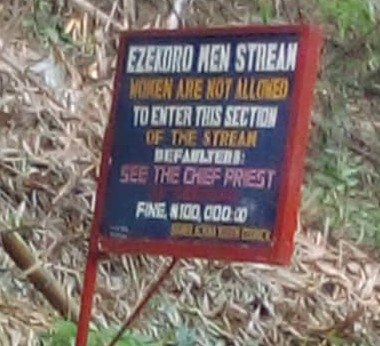
Source: Authors, 2023. Figure 1: Showing a notice retracting women from accessing the male section where defaulters will pay a fine of 100,000 naira.
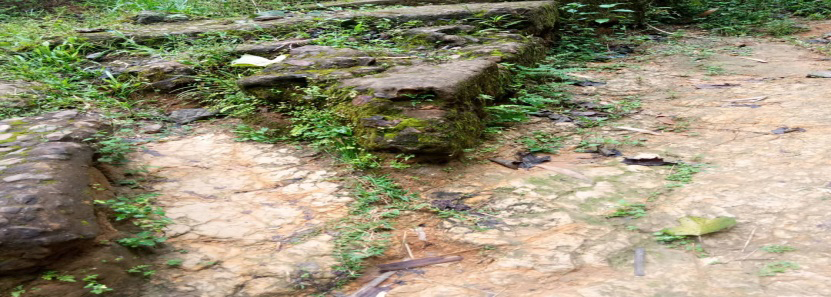
Source: Authors, 2023. Figure 2: Showing some of the damaged staircases.
Our findings from discussions and interviews indicated that majority of the female participants had used the stream for up to 20 years. Further, all the women indicated that their section was used for domestic activities while each of the male participants indicated that drinking water was sourced from their section.
Additionally, discussions confirmed that the female section was used for all domestic activities/purposes such as washing of clothes, bathing, cleaning of bitter leaf and breadfruit, cassava sifting, fishing and gardening. This places a high demand for water, for diverse uses. More than half (63%) of the studied married women population had children to aid in either fetching water or carrying out domestic works at the stream (Plate 3). Large household sizes indicate high demand on water supplies noting that 83% of the studied population had 1 to 7 children. Notably, collecting water was physically demanding, especially for pregnant and elderly women, increasing their constant visits to the stream. Also, our findings show that in Achina community, their traditions confer male supremacy and female subordination; women were not involved in the traditional decisions regulating the stream usage and their contributions in water supply and domestic activities are assumed insignificant.
Notably, this is an acceptable practice in Achina and other communities in Nigeria and developing countries, where decision making power over environmental resource use are unequally shared between men and women [32]. According to Trivedi A [18], females exhibited the highest household water demands and most communal families had large family sizes that exerted high demands of water for domestic and personal uses [33]. Women and girls are major water users and managers, yet they make up less than 17% of policymakers in developing economies [34].
Importantly, all women and strangers in the community were notified not to use the male section of the stream using a notice board as a means of information spread (See plate 1) to ensure the men stream section was not polluted. The women leader reported that… “We are greatly involved in domestic activities that involves fetching and managing a lot of water, this makes us visit Ezekoro stream severally. We are faced with the responsibility of fetching water for specific domestic purposes: namely, cooking, washing, cleaning, bathing, gardening…” (2).
Our findings showed that the efforts made by the women to fulfil these basic water needs on a daily basis has made women experienced and knowledgeable about managing their section of the stream.
The male section also habours a spring water located within the stream fulfilling both spiritual and drinking water purposes. It was reported that the men spend time in their section for short conservations over spiritual matters. Further, accounts from interviewees revealed that the major sources of water supply in the community were Ezekoro stream, boreholes and water vendors. One of the women interviewed reported that… “There is increased use of boreholes during dry seasons when the stream levels are low, however, the wet season makes water supply at the stream abundant; considering our large family sizes that require large amounts of water”. The spring water is perceived to be safe, but not accessible since it is located within the male section,…. (3).
Further, 80% of the studied male participants are responsible for fetching drinking water for their households from their section since women were not allowed to do so, while 20% of the women participants fetched drinking water with the help of either a young male, their male children or husbands. Most, women would wait at their section for a male coming from the male section to fetch drinking water and keep it at the bank of the women section for them, since the female section is the entrance to the male section which is located further inside the stream area. Most married women reported that they enjoyed the support from their husbands and male children who have the responsibility of providing drinking water at home while they focused on other domestic activities with the female children reducing their regular visits to the stream.
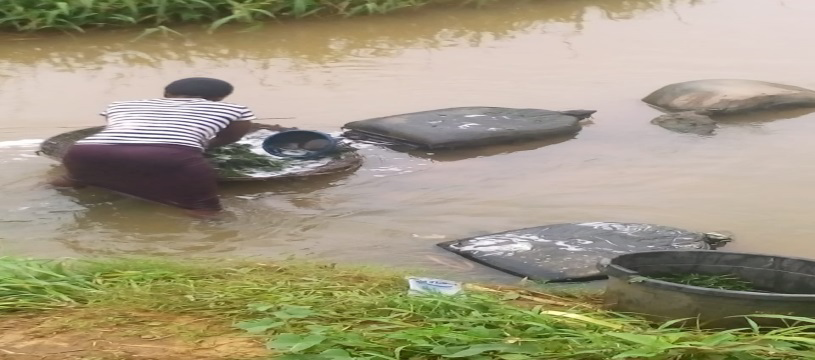
Figure 3: Women at their section of Ezekoro Stream carrying out domestic activities. However, females who are single/unmarried and without males in their family face difficulty in accessing drinking water without the help of a husband, male child/ children or brothers. Most of them complained about delays in getting males to help them fetch drinking water from the male section. Most times they have to pay some money or use gifts such as sharing a meal, cooking or other errands for them to access drinking water through a male. One of the interviewed unmarried women reported that... “I prefer buying drinking water from boreholes or water vendors in order to avoid delays or participate in performing errands for males…” (4).
Similar studies have proven that water collection and management by women have various deleterious consequences for women and girls particularly, the physical burden of carrying water and the health risks [21, 35, 36, 37]. On the other hand, single men did not have issues with domestic work since it was primarily designated for women though most of them provided drinking water and also fetched from the female stream since men were not restricted from fetching water from the female section. Findings from this study showed that men perceived their section of the stream as a religious/spiritual resource that should be preserved for drinking while women are involved in the management of water for household/domestic use at their section.
To assess the effectiveness of traditional sanctions of human activities around Ezekoro stream
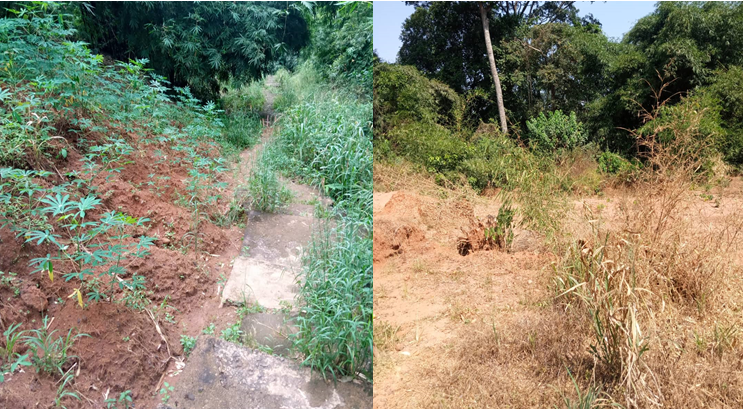
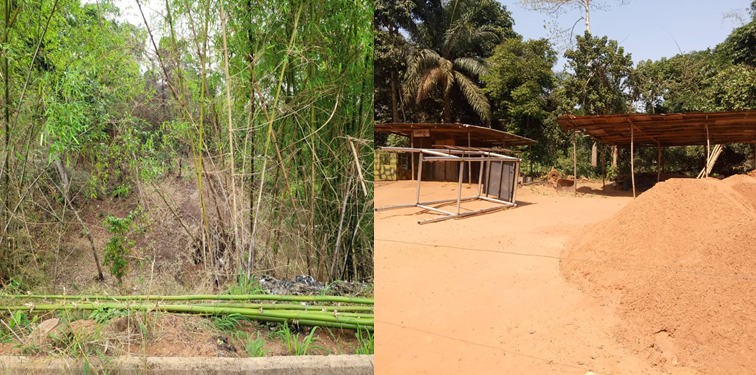
Our findings revealed that Achina youths’ council promote water quality security in the community by enforcing traditional regulations to ensure that women and community members do not engage in activities that will affect the quality of the stream particularly the male section utilized for drinking purposes. These regulations include; prohibition of sacrifices, dumping of refuse, deforestation, farming and open defaecation (See Plate 4). However, our findings from discussions, interviews and observation showed that these community regulations have been violated. Table 1 showed that farming activities was the highest land use activity (50%) followed by wood logging (33%), and sand mining (17%) which all takes place within the stream area and a refuse dump was observed along the stream (See Plate 5,6 & 7). Also, our findings from interviews revealed that open defecation was still practiced in bushes within the stream area and deforestation was still active. Accordingly, during an interview session with one of the youth leaders, he reported that… “We have been able to stop the performance of sacrifices at the female section of the stream. Unfortunately, illegal deforestation is still predominant at Ezekoro forest adjoining the stream area since firewood production and new development of buildings in the community demand the logging of wood…” (5).
Notably, only 40% of these activities were restricted (Table 1). The principal occupation of Achina people is farming and petty trading making the populace dependent on agriculture and commerce as sources of income and livelihood. They cultivate farm products like vegetables, pepper, garden eggs, cocoyam, maize, yam, cassava, melon, oil palm trees and raffia palm in commercial quantities considering that the area is located within the tropical rainforest which provides its ecological basis for extensive agricultural production, hence, agriculture is the largest land use activity particularly occurring within the stream area. Apart farming activities being the highest land activity around the river, wood logging and mining play major roles as well. Notably, selected members of the youth councils are involved in controlling deforestation activities by disciplining defaulters. One of the youth council members informed that… “Ezekoro stream used to be surrounded by a thick forest area, however, due to increased deforestation, cutting down of bamboo tress, farming and mining has allowed the stream to be flooded during wet seasons. The flood waters wash a lot debris into the stream.….” (6).
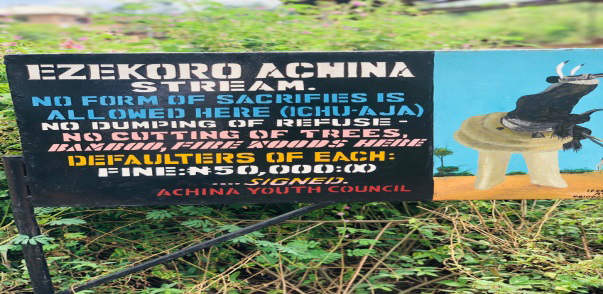
Source: Authors, Research, 2023. Figure 4: Showing the signpost by the Achina youth council.
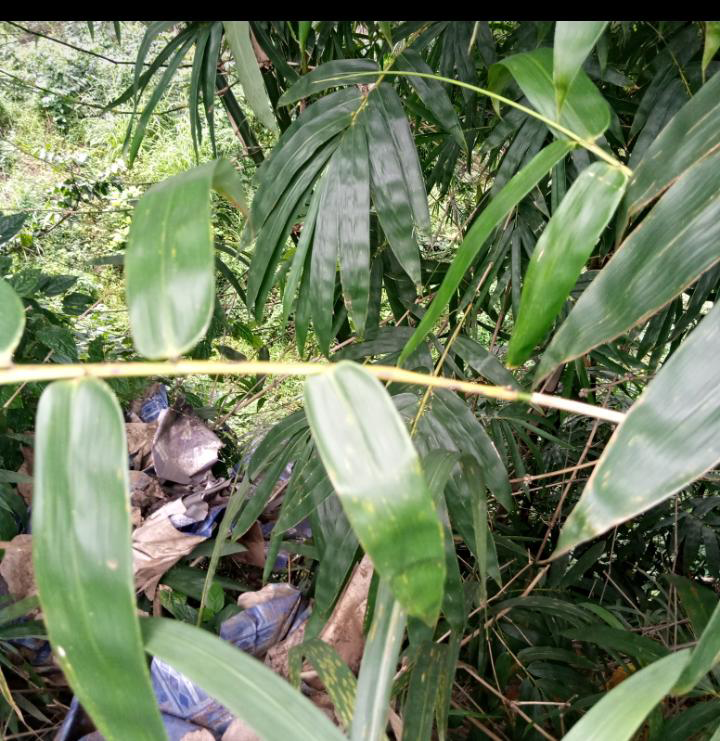
Source: Authors, Research, 2023. Figure 7: Showing refuse dump along the stream area.
Consequently, these human activities around the stream may affect the quality of the stream since farming along the stream loosens the soil particles causing soil erosion around the river bank. This could lead to siltation of the stream channel thereby polluting the water. Similarly, deforestation activities expose the soil surface around the stream during the wet season leading to runoff and clogging of the stream channel.
To assess the physico-chemical and bacteriological parameters of samples from stream and compare to National Environmental Standards and Regulations Enforcement Agency (NESREA)
The summary of physico – chemical and bacteriological characteristics of Ezekoro Stream is presented in Table 2. Water samples A and B were collected from male and female sections of the stream channel respectively and their levels of concentration were compared to the NESREA standard for surface water in Nigeria. The results revealed that water quality of female section were above NESREA standard of drinking water quality in Phosphorus, Fluoride, Copper and total coliform count and fecal coliform. Male section only showed slight deviation in total coliform count.
The temperatures of analyzed water samples from the male and female sections of Ezekoro stream were 25.2oC and 29.3oC respectively. The temperature of the sample from the male section was within the ambient temperature as defined by International Union of Pure and Applied Chemistry (IUPAC) (1997) to be 25 o C (77 o F, 298.15k). This is normal for water in the tropics attributed to weather conditions of the study area characterized by hot dry season and cold wet season [38]. However, the sample from the female section was slightly above the NESREA permissible limit of ambient temperature where high water temperature enhances the growth of microorganisms and may lead to taste, odour, colour and corrosion problems. Evidently, the pH values for both samples are within the maximum allowable limit of 6.5 – 8.5 required by NESREA. This implies that the pH values of the water samples were within the acceptable limit.
Electrical conductivity (EC) in natural waters is the normalized measure of the ability of the water to conduct electricity. Electrical conductivity (EC) values of samples from male and female sections of Ezekoro stream were 12.2 and 13.4 μs/cm respectively. The samples were within NESREA limit of 500 μs/cm. According to Ephraim, et al. waters with EC values less than 250 μs/cm were considered as excellent waters.
The sampled water value for copper from the men section (0.01mg/L) was within the acceptable standard but the water sampled from the female section (0.15mg/L) was slightly above the NESREA allowable limit of 0.01mg/l. Copper concentration can give rise to taste problems at concentrations above 5mg/L staining laundry and sanitary ware at concentrations above 1mg/L.
| Parameters/Units | Sample A (Male section) | Sample B (Female Section) | NESREA standards | |
|---|---|---|---|---|
| Physico – Chemical Parameters | Temp 0C | 25.2 | 29.3 | Ambient |
| Ph | 7.12 | 7.18 | 6.5-8.5 | |
| Conductivity ug/cm | 12 | 13.4 | 500 | |
| Chloride (mg/l) | 8 | 23 | 200 | |
| Phosphorus (mg/kg) | 2.5 | 4.2 | 3.5 | |
| Nitrate (mg/l) | 2.3 | 5.3 | 10 | |
| Calcium (ppm) | 0.5 | 0.6 | 180 | |
| Potassium (ppm) | 1 | 1.4 | 50 | |
| Magnesium (ppm) | 0.4 | 0.6 | 40 | |
| Fluoride (mg/l) | 0.9 | 8.2 | 1.5 | |
| Heavy metals | ||||
| Zinc (ppm) | 0.01 | 0.02 | 0.2 | |
| Manganese (ppm) | 0.001 | 0.006 | 0.05 | |
| Iron (ppm) | 0.01 | 0.023 | 0.5 | |
| Copper (ppm) | 0.01 | 0.15 | 0.01 | |
| Microbiological Parameters | Total coliform count | 0.1 | 25 | 0 |
| Faecal Coliform | 0 | 6 | 0 | |
| Total Bacterial count | 1.30 x 10⁴ | 1.14 x 10⁴ |
Table 2: Result of Physico-chemical and Bacteriological Analysis of Ezekoro Stream.
Source: Fieldwork, 2023. Table 2: Result of Physico-chemical and Bacteriological Analysis of Ezekoro Stream.
The values of Iron, Chloride, Calcium, Potassium, Magnesium and Manganese in both water samples from the sampled points in the study area were within the recommended limits of NESREA.
The NESREA value for fluoride in water is 1.5mg/L, fluoride, concentrations from the female section was above the recommended value 8.2mg/L. This implies that there may be associated risks of dental fluorosis and higher concentrations can lead to skeletal fluorosis [39]. In some African countries where the soil is rich in fluoride-containing minerals, levels in drinking water can be very high. However, this may not be endangering since only water from the male section is used for drinking, and sample from male section recorded 0.9mg/L, is which is within limits of NESREA.
The NESREA set the permissible limit for phosphorous concentration in surface water to be 3.5mg/L. The phosphorus level in the sample collected from the male section was 3.539mg/L, whereas, the phosphorous concentration for the female section was 4.25mg/L. Oluyemi, et al. reported that persistent high concentration of phosphate for a long time can lead to eutrophication of the water.
The results of the water quality assessment showed that the water from the men section was within acceptable NESREA standard except for the total coliform count. The presence of total coliform bacteria in the sampled water from the male section, which is used for drinking purposes, indicates that the stream is contaminated.
The contamination may be from fecal matter (animal/ human) or other sources such as soil. Total coliform bacteria are generally harmless and are commonly found in the environment (soil and vegetation). Since only total coliform bacteria were found in the male section, the source is probably environmental; fecal contamination is not likely. However, their presence in the drinking water indicates that disease-causing organisms (pathogens) could be in the water and may cause water-borne diseases when ingested.
Ideally, water meant for domestic usage should not contain any microorganisms known to be pathogenic – capable of causing disease – or any bacteria indicative of faecal pollution [20]. However, results showed that the total coliform count was extremely higher in the sampled water from the female section (25mg/L) compared to the acceptable standard. While the sampled water from the male section was 0.1mg/L count slightly above the NESEREA acceptable limits (0.0mg/L).
The detection of faecal coliform in the female section, points to recent faecal contamination (human or animal waste); this could be attributed to violation of sanctions against open defecation. According to WHO the greatest public health threat from microorganisms in water is the consumption of drinking water contaminated by human and animal faeces; it represents a serious health risk because of the high likelihood of the existence of pathogens in the faecal waste. Following guideline values for verification of microbial quality as given in NESREA, for all water directly intended for domestic usage, fecal coliform must not be detectable in any 100ml sample.
This fecal contamination in the female section is a huge concern as the water, though not used for drinking, is used for other domestic purposes including washing of utensils and processing of foods such as breadfruit and bitter leaf as reported by the indigenes. Most fecal coliforms are harmless but some can cause diseases such as acute diarrheal disease, cholera, dysentery, typhoid fever, polio and hepatitis. Obviously, the presence of coliform in the sampled water from the male and female sections is an indication of contamination.
Clearly, traditional regulation of activities in Achina community was not completely effective especially at the male section meant for drinking water, observing from analysis that it had traces of the total coliform bacteria.
Based on observation the topography of the area of study allows for runoff of pollutants from manure/fertilizer used in the farming activities in the forest of Ezekoro which can facilitate stream contamination. A recent study by Joe- Ikechebelu Ngozi, et al. [40] confirmed that there have been aggressive deforestation activities at Ezekoro forest which can cause increased risks on health and climate.
Clearly, the practice of traditional gender roles and regulations in Achina revealed men, youths and women respectively as key actors engaged directly/indirectly, in collecting, using, managing and controlling Ezekoro stream, though women were denied access to the male sections (males can access women section), even as contributors in both water collection and performance of domestic duties. Undoubtedly, there is need to address these existing difficulties to create balance and make water supply and quality more equitable [41, 42, 43].
Our findings noted of the possible health outcomes that may further affect our study community, if immediate interventions are not carried out to address local power dimensions in water governance, and empower women as equal actors in decision making process to accommodate water equity. According to recent reports by WHO, a global population of 1.7 billion drink water contaminated with faeces posing severe health risk of transmittable diseases such as diarrhoea, cholera, dysentery, typhoid and polio with high risk estimates to cause about 505 000 diarrhoeal deaths annually.
Globally, in 2020, two billion people are still unable to access safely provided drinking water, over four billion populations are unable to access clean sanitation infrastructures (Sustainable Development Goals Report). Additionally, the prevailing state of communal women and girls being disproportionately affected by the practice of unequal gender distribution related to the use and control of water collection, pre-determined by traditional gender roles in this study is disturbing. Besides, the cost of treating waterborne diseases is expensive and not affordable, disproportionately affecting vulnerable women populations, who are poor, marginalized, and based in rural communities, are often excluded from basic services and infrastructure [44, 45, 46, 47, 48, 49].
Way Forward: Leveraging on Youths, Men, Women Groups to Balance Power Relations in Accessing Ezekoro stream
Our findings in this study revealed critical aspects of Ezekoro stream particularly factors such as ecological, spiritual, and traditional significance that determine its use and how it affects men and women differently. Despite the traditional gender practices, there has been minimal level of success, since water quality is contaminated and community women face difficulty in accessing drinking water based on unequal gender-based power relationships.
This indicates the need for interventions to balance water supply for domestic, personal and drinking purposes, minimize gender-based discrimination while promoting inclusiveness. To achieve an all- inclusive access in Ezekoro stream requires collaborative efforts from all the significant groups in the community namely; youths, men and women as well as, identifying and maximizing the strengths of the traditional regulations. Also, by checkmating its weaknesses to accommodate the inputs of every group particularly to promote women involvement in decision making over drinking water.
Achina Youth Council
About half (42%) of the studied population were youths aged 18-39 years, identified as part of the Achina Youth Council, responsible for enforcing regulations over the use of Ezekoro stream. They have been able to restrain human activities that serve as point sources of pollution to a 40 per cent level, targeted at protecting drinking water quality at the male section and human activities such as deforestation, farming, mining, open defecation and sacrifices.
Youths in Achina community serve as volunteer promoters of water security and sanitation for Ezekoro stream. Obviously, they have taken ownership of controlling human actions in the community and also developed technical and communication skills, team work strategies, cooperative learning and campaigns. For example, Achina youths have identified that their actions can influence the quality of water, this is a strength that can be cultivated to pursue gender balance and inclusiveness.
Youths can be informed and equipped to adopt innovative and more inclusive approaches in the formulation of solutions and decision making over the management of Ezekoro stream. The future is for the youths and they should be given opportunities to risk confronting conventional structures and ensure sustainability, considering that sustainable development seeks to protect their interest over inheriting the earth. Environmental programmes promoting gender equality, environmental justice, girls and women rights at the community levels can expose, prepare and involve youths as environmental ambassadors to execute action over concerns on gender equality, volunteerism, availability and access to information.
Female and Male Groups in Achina
Notably, the gender with the highest frequency is the female (58%), 63% were married or partnered, and 50%
had completed secondary and tertiary education. Findings showed that women are partially involved in the use and management of the stream but restraining order(s) limited their involvement only to their section. Though half of the studied women population were educated, they were not involved in making decisions concerning traditional regulations like the men. On the other hand, 42% of the studied population were men; male inclusion was critical to capture the unique views of the men and thus, identify areas of intervention for effective stream use.
Water equity will require adopting policies that promote women empowerment in order, to balance culturally- gender-based biases and adjusting practices that limit women’s contributory roles. There are unattended gender issues that underrepresent women in Achina, where only males (elders and youths) are decision makers. Hence, women need to be effectively incorporated into all aspects of community policies, activities, and programmes supported by the council of elders. Recognizing that many women depend on environmental resources to meet their economic and social needs, necessity demands that promoting women inclusiveness in water management and governance is critical. This is a fundamental target in order to achieve SDG 5 on Gender Equality, as well as an integral factor for the achievement of SDG 6 on Clean Water and Sanitation [49, 50, 51, 52, 53, 54, 55].
Conclusion
Application of the concept of gender analysis in this study was aimed at examining the gender roles used in managing Ezekoro stream, as determined by the traditional means of stream separation into male and female sections. This examined and monitored the different human activities carried out by men and women in order, to protect the stream. Findings from this study showed that the traditional gender roles of water use were only effective to 40 per cent level indicating noticeable traces of total coliform in the male section used for drinking water while excess phosphorus, copper, fluoride and microbial content were found in the women section of the stream used for domestic uses. Also, women were faced with increased demand for water particularly drinking water for their households and they spent more time than men collecting water. Sustainable efforts to manage Ezekoro stream must meet the huge water demands of women as marginalized group, by balancing equality and accessibility, protecting water quality, and reducing health risks. This can be achieved through education, knowledge translation, empowerment and optimal collaboration of all concerned groups namely youths, men and women groups in the community in order to, maximize the ecological, spiritual, social and economic benefits of the stream.
References
-
UNESCO World Water Assessment Programme (2018) The United Nations world water development report 2018: nature-based solutions for water pp: 1-154.
-
Dickin S, Caretta MA (2022) Examining water and gender narratives and realities. WIREs Water 9(5): 1- 10.
-
World Bank Group (2019) Women in water utilities. Breaking barriers.
-
United Nations World Commission on Environment and Development (1987) Report of the World Commission on Environment and Development: Our Common Future.
-
Haider H (2019) Climate change in Nigeria: Impacts and responses. K4D Helpdesk Report pp: 1-38.
-
Loucks D, Gladwell J (1999) Sustainability Criteria for Water Resource Systems; Cambridge University Press pp: 1-6.
-
Akpabio EM, Udofia ES, Takara K (2017) The nexus of water and socio-spatial inequality in sub-Saharan Africa: Legacies, strands and agenda for research. Waterlat- Gobacit Network Working Paper 4(2): 41-77.
-
Wang C, Pan J, Yaya S, Yadav RB, Yao D (2019) Geographic inequalities in accessing improved water and sanitation facilities in Nepal. International Journal of Environmental Research and Public Health 16(7): 1269.
-
Birner (2014) Popper and Hayek on the reason and tradition. Philosophy of the social Sciences 44(3): 263- 81.
-
Varsha Khandker, Vasant P, Gandhi, Nicky Johnson (2020) Gender Perspective in Water Management. The Involvement of women in Participatory Water Institutions of Eastern India. Water 12(1): 196.
-
National Population Commission (NPC) (2006) Population Census Figures for 50 1991. Abuja: Official Gazette.
-
Akanwa AO (2020) Rural Harvested Rainwater: Effect of Roof Types and Its Design on Water Quality and Health: A Case for CBPR Approach in Anambra State.
-
Akanwa AO, Okonkwo AU (2017) Challenges of Water and Sanitation. Water Science 35(1): 127-134.
-
Mays L (2006) Water Resources Sustainability; McGraw- Hill Professional: New York, NY, USA.
-
Vernooy, Ronnie (2006) Social and gender analysis in natural resource management: learning studies and lessons from Asia.
-
USAID (2008) Gender Analysis Frameworks.
-
UN-Water (2021) Summary progress update 2021: SDG 6 – water and sanitation for all.
-
Trivedi A (2018) “Women Are the Secret Weapon for Better Water Management”, World Resources Institute.
-
Grant M (2017) Gender equality and inclusion in water resources management – Action Piece. Global Water Partnership.
-
WHO (2023) Drinking water: Key Facts. World Health Organisation Fact Sheets.
-
Geere J, Cortobius M, Geere JH, Hammer CC, Hunter PR (2018) Is water carriage associated with the water carrier’s health? A systematic review of quantitative and qualitative evidence. BMJ Global Health 3: e000764.
-
Lenette C (2022) Cultural Safety in Participatory Arts- Based Research; How Can We Do Better? Journal of Participatory Research Methods 3(1): 1-15.
-
Cresswell J (2007) Qualitative Inquiry and Research Design: Choosing among five approaches. Sage, Thousand Oaks.
-
Saunders M (2012) Choosing Research Participants, in Symons G, Cassell C (eds). The Practice of Qualitative Organizational Research: Core Methods and Current Challenges London: Sage pp: 37-55.
-
Shazia J (2014) Qualitative Research Methods- Interviewing and observation. Journal of Basic Clinical Pharmacy 5(4): 87-88.
-
Lincoln YS, Guba EG (1985) Naturalistic Inquiry. Newbury Park, CA: Sage Publications.
-
Hu Z, Yan L, Yingfeng L (2019) Research on water distribution characteristics used by basic domestic related to the family size: financial survey on household consumption in urban China. Popul Econ pp: 106-116.
-
Checkoway B (2011) What is Youth Participation. Children and Youth Services Review 33(2): 340-345.
-
Flemming J (2010) Young People Involvement to Research: Still a long way to go. Qualitative Social Work 10(2): 207-223.
-
Flores KS (2008) Youths Participatory Evaluation: Strategies for Engaging Young People. JSTOR 17(3): 251- 253.
-
Mawn L, Welsh P, Stain HJ, Windebank P (2015) Youth Speak: Increasing Engagement of Young People in Mental Health Research. Journal Mental Health 24(5): 271-275.
-
Gebreegzabher A (2018) Women’s Participation in Water Resource Management, in Case of Enderta District, Tigray Region, Ethiopia. Journal of Water Resource and Protection 10(11): 1047-1060.
-
Shrestha S, Chapagain PS, Ghimire M (2019) Gender Perspective on Water Use and Management in the Context of Climate Change: A Case Study of Melamchi Watershed Area, Nepal. Sage Open 9(1): 1-9.
-
International Water Management Institute (IWMI) (2015) IWMI Annual Report 2014.
-
Nounkeu CD, Dharod JM (2022) Water fetching burden: A qualitative study to examine how it differs by gender among rural households in the west region of Cameroon. Health Care for Women International 43(9): 1023-1041.
-
Truelove Y (2019) Rethinking water insecurity, inequality and infrastructure through an embodied urban political ecology. WIREs Water 6(3): e1342.
-
Truelove Y, Ruszczyk HA (2022) Bodies as urban infrastructure: Gender, intimate infrastructures and slow infrastructural violence. Political Geography 92: 102492.
-
Akpan-Idot AU, Ibrahim A, Udo JA (2012) Water Quality assessment of Okpauku Otamirioche River for Drinking and Irrigation uses in Yala Cross Otamiri-oche River State, Nigeria. Research Journal of Environmental Science 6(6): 210-221.
-
Kumar NA (2007) View on Freshwater Environment. Journal of Ecology, Environment and Conservation 3(3): 386-393.
-
Joe-Ikechebelu NN, Oyilieze AA, David AC, Jane OK, Keyna D, et al. (2023) Deforestation activities in Ezekoro Forest, Chapter 3: Implications for climate change risks in Anambra State, southeast Nigeria, In: Raj A, Jhariya MK, et al. (Eds.), Land and Environmental Management through Forestry, Scrivener Publishers.
-
UN Water (2019) UN-Water Policy Brief on Climate Change and Water.
-
UN-United Nations (2019b). Ensure availability and sustainable management of water and sanitation for all.
-
UNICEF, WHO (2019) Progress on household drinking water, sanitation and hygiene 2000-2017.
-
United Nations (2017) IAEG-SDGs tier classification for global SDG indicators.
-
Water.org (2022) A Women’s Crisis.
-
Adeoti O (2021) Barriers to mainstreaming gender in water resources management in Nigeria. Water Science 35(1): 127-134.
-
EMAN (2017) Coverage in Nigeria: Implications for Best Practice. On Transforming Nigeria through the Sustainable Development Goals: Options for Environmental Management. Environmental Management Association of Nigeria, Nigeria.
-
Akpabio ME, Wilson NU, Umoh EC, Udofia ES, Udo II, et al. (2024) Women, water and access: inscribing gender power in and through a place. J Water Health 22(3): 627- 638
-
Ali J (2012) An Assessment of the Water Quality of Ogunpa River Ibadan, Nigeria. University of Ibadan, Nigeria, pp: 32-41.
-
Fan L, Tong Y, Nui H (2019) Promoting Consumer adoption of Water-Efficient Washing Machines in China: Barriers and countermeasures. Journal of Cleaner Production 209: 1044-1051.
-
Flint RW (2004) Sustainable Development: What Does Sustainability Mean to Individuals in the Conduct of Their Lives and Businesses. Public Administration and Public Policy-New York, 108: 67-88.
-
Russo T, Alfredo K, Fisher J (2014) Sustainable Water Management in Urban, Agricultural, and Natural Systems. Water 6(12): 3934-3956.
-
UN (2022) Water and Gender: Fact Sheets. United Nations.
-
UN (2021) UN-Water monitoring SDG 6 on water and sanitation. Roles and responsibility. United nations.
-
World Health Organization (2017) Water related diseases – Methaemoglobinemia.
- Lessons to Learn: Trees are More than the Lungs of the World
- Community Forestry Enterprises as a Model for Sustainable Forest Development: The Case Of The "Baja Tarahumara" in Chihuahua, Mexico
- Ecological and Socio-Economic Impacts of Chromolaena odorata and Mesosphaerum suaveolens, Two Invasive Alien Species in Central and Southern Benin, West Africa
- Epigenetic Sustainability: Modeling the Human Factor as a Natural Resource through Science 4.0 and the NR3C1 Biological Pilot
- Growth-at-Risk: A Framework for Assessing Economic Vulnerability
- The Rural Territory as a Socioecological System for the Management of Public Policy for Sustainable Rural Development