
The Market of the Minimally Processed Fresh Produce Needs of Safer Strategies for Improving Shelf Life and Quality: A Critical Overview of the Traditional Technologies
The market of minimally processed fresh produce have grown rapidly in the last years as a result of consumer attitudes change due to their increasing use in prepared mixed salad for fresh, healthy and convenient food. Handling and mechanical operations of cutting and peeling induce release of on-site cellular contents which promote the growth of harmful microbes. Chlorine has been widely adopted in disinfection washing due to its low cost and high efficacy against a broad spectrum of microorganisms. Continuous replenishment of chlorine into high organic wash water can promote the formation of suspected carcinogenic compounds. Although advanced methods and chemicals can be proposed to achieve significant reduction of microorganism count without the production of harmful compounds, nor compromising the quality of fresh produce, fewer amount of them have gained widespread acceptance by the food industry. The aim of this paper was to give an upgraded level of critical understanding of the traditional technologies to address future researches in order to resolve certain novel issues that nowadays limit the shelf-life and quality of minimally processed fruit and vegetable for a modern food industry.
Introduction
Fruit and vegetable consumption is growing rapidly in recent years. Associated with the new consumer’s profile ‘‘rich in cash/poor in time’’, there is a demand for ready to eat products. For this reason, the market of minimally processed fruits and vegetables has grown rapidly in recent decades as a result of changes in consumer attitudes. There is mounting evidence to support the The Market of the Minimally Processed Fresh Produce Needs of Safer Strategies for Improving Shelf Life and Quality: A Critical Overview of the Traditional Technologies alleviation of many degenerative diseases including cardiovascular disease, cancer and ageing by the consumption of fruit and vegetables. These beneficial effects of fruit and vegetable have been attributed to the presence of antioxidants that act as receptors of free radicals. Ascorbic acid and beta-carotene are the antioxidants present in the greatest quantities in fruit and vegetable. However, increase in consumption has let to an increase frequency of food borne illnesses associated with J Agri Res
raw foods and vegetables. Minimal processing techniques have emerged to meet the challenge of replacing traditional methods of preservation while retaining nutritional and sensory quality. Minimally processed fruits and vegetables, also called ready-to-use, fresh-cut or pre-cut produce, are raw materials that have been washed, peeled, sliced, chopped or shredded into 100% usable product that is bagged or packaged to offer consumers high nutrition, convenience and flavor, while still maintaining its freshness. Minimal processing of raw fruit and vegetable has two purposes. First, it is important to keep the produce fresh, yet supply it in a convenient form without losing its nutritional quality. Second, the product should have a shelf life sufficient to make its distribution feasible to its intended consumers. The microbiological, sensory and nutritional shelf life of minimally processed fresh produce should be at least 4-7 days, but preferably even longer, up to 21 days depending on the market [1]. It is well-known that processing promotes a faster physiological deterioration, biochemical changes and microbial degradation of the commodity even when only slight processing operations can be used resulting in degradation of the colour, texture and flavour. While conventional food-processing methods extend the shelf- life of fresh produce, the minimal processing to which fresh-cut fruit and vegetables are subjected renders products highly perishable, by requiring chilled storage (<5oC), chemical based washing treatments, physical treatment and good packaging system to ensure a reasonable store life. Because these products are produced without a pasteurization or equivalent inactivation step, non spore-forming as well as spore- forming pathogens should be considered as potential hazards. Presence of pathogenic bacteria, viruses and parasites in the product can be prevented by Good Agricultural Practices and Good Manufacturing Practices [2]. New techniques for maintaining quality by inhibiting undesired microbial growth is demanded in all the steps of the production and distribution chain. The aim of this work was to give a guideline of the most recent advancements related to use of chlorine dioxide, ozone, calcium-based solutions, antioxidants and antimicrobials, electrolyzed water, heating, irradiation, ultraviolet light and ultrasound, including the use of advanced packaging systems, as well as to use of combined technologies (hurdles). The challenge of this paper was to provide an exhaustive level of understanding to implement the existing issues that still limit a wider use of minimally processed fresh produce in food industry.
Background
Production/Processing Guideline
Minimally processed fruit and vegetable includes peeled and sliced potatoes; shredded lettuce and cabbage; washed and trimmed spinach; chilled peach, mango, melon, and other fruit slices; vegetable snacks, such as carrot and celery sticks, and cauliflower and broccoli florets; packaged mixed salads; cleaned and diced onions; peeled and cored pineapple; fresh sauces; peeled citrus fruits; etc. Ready-to-use vegetables and fruits can be manufactured on the basis of many different working principles (Table 1). If the principle is that the products are prepared today and they are consumed tomorrow, then very simple processing methods can be used. Most fruits and vegetables are suitable for this kind of preparation. Then, the products are suitable for catering, but not for retailing. The greatest advantage of this principle is the low level of investment. If the products need a shelf life of several days up to one week or even more, as is the case with the products intended for retailing, then more advanced processing methods and treatments using the hurdle concept are needed, as well as correctly chosen raw material which is suitable for minimal processing. Not all produce is suitable for this kind of preparation. A characteristic feature in minimal processing is an integrated approach where raw material, handling, processing, packaging and distribution must be properly considered to make shelf life extension possible [1]. A basic flow diagram for the production of minimally processed vegetables is depicted in Figure 1. The first step is the selection of raw material, it is self-evident that vegetables or fruit intended for pre-peeling and cutting must be easily washable and peelable, and their quality must be first class. The results revealed that not all varieties of a particular vegetable can be used to manufacture prepared vegetables. The correct choice of variety is particularly important in the case of carrot, potato, rutabaga and onion. For instance, carrot and rutabaga varieties that give the juicier grated product cannot be used in the production of grated products that need to have a shelf life of several days, whereas poor colour and flavour become problems if the variety of potato is wrong. Furthermore, the results showed that climatic conditions, soil conditions, agricultural practices, including the use of fertilizers and the harvesting conditions can also significantly affect the behavior of vegetables, particularly that of potatoes during minimal processing [1]. The state of maturity of the processed fruits and vegetables has been shown to greatly influence the damage inflicted by mechanical operations on the cut produce tissues. The existing studies on this matter show that the more advanced the ripeness stage, more susceptible the fruit is to wounding during processing. So, it becomes necessary to harvest fruits and vegetables at proper maturity stage [3].
Correct and proper storage of vegetable and careful trimming before processing are vital for the production of prepared vegetable of good quality. Raw materials generally stored in a cold condition. Incoming vegetables are covered with soil, mud or sand, they should be carefully cleaned before processing. This is followed by peeling, slicing or shredding based on customer needs. The vegetables are thoroughly washed with a disinfectant chemical and excess water is removed. Once dried, the vegetables are visually inspected on table under light. Vegetables are filled in a package and weighted and then packaging is done as per requirement [4]. The packaged vegetables are stored at refrigerated temperature to extend shelf-life and slow microbial growth.
Many studies confirm that cutting and shredding must be performed with knives or blades that are as sharp as possible, these being made from stainless steel. Sharp blade slicing or rotary cutting of lettuce were both superior to either dull blade slicing or chopping. Carrots cut with a razor blade were more acceptable from both a microbiological and a sensory point of view than carrots cut using various commercial slicing machines. It is clear that slicing with dull knives impairs the retention of quality because it ruptures cells and releases tissue fluid to a great extent. Mats and blades that are used in slicing operations can be disinfected, for example, with a 1% hypochlorite solution. A slicing machine must be installed securely because vibrating equipment may impair the quality of sliced surfaces [1].
The newest tendency is called the immersion therapy. Cutting a fruit while it is submerged in water will control turgor pressure, due to the formation of a water barrier that prevents movement of fruit fluids while the product is being cut. Additionally, the watery environment also helps to flush potentially damaging enzymes away from plant tissues. On the other hand, ultraviolet light (UV-C) has been also used while cutting fruit to cause a hypersensitive defense response to take place within its tissues, reducing browning and injury of in fresh-cut products. Another alternative could be the use of waterjet cutting, a non-contact cutting method which utilizes a concentrated stream of high-pressure water to cut through a wide range of foodstuffs [5].
The key factors in the processing of ready-to-use fruits and vegetables are the following:
- Raw material of good quality (correct cultivar/variety, correct cultivation, harvesting and storage conditions)
- Strict hygiene and good manufacturing practices, HACCP
- Low processing temperatures
- Careful cleaning and/or washing before and after peeling
- Washing water of good quality (sensory, microbiology, pH)
- Mild additives in washing for disinfection or browning prevention
- Gentle spin drying after washing
- Gentle peeling
- Gentle cutting/slicing/shredding
- Correct packaging materials and packaging methods
- Correct temperature and humidity during distribution and retailing Raw Materials Pre-Cooling Manual trimming and preliminary washing (Removal of outer layer, soil, and dirt) Peeling, Slicing or shredding Washing and/or disinfection (e.g. 100-150 ppm chlorine solution) Moisture removal (Centrifugal drying) Visual Inspection Packaging Storage at refrigerated temperatures (2-8°C) Figure 1: A flow diagram for the production of minimally processed fruits and vegetables (Modified from [4]).
| Shelf life at 5°C | Examples of suitable | |||||||||||||
|---|---|---|---|---|---|---|---|---|---|---|---|---|---|---|
| Working principle | Demands for processing | Customers | ||||||||||||
| (days) | fruits and vegetables | |||||||||||||
| Preparation today, consumption tomorrow | - Standard kitchen hygiene and tools | Catering industry | 1-2a | Most fruits and vegetables | ||||||||||
| -No heavy washing for peeled and shredded produce; potato is an exception | Restaurants | |||||||||||||
| Schools | ||||||||||||||
| - Packages can be returnable container | Industry | |||||||||||||
| Preparation today, the customer uses the product within 3-4 days | - Disinfection | Catering industry | 3-5a | Carrot, cabbages, iceberg lettuce, potato, beetroot, acid fruits and berries | ||||||||||
| -Washing of peeled and shredded produce at least with water | Restaurants | |||||||||||||
| Schools | ||||||||||||||
| - Permeable packages; potato is an exception | Industry | |||||||||||||
| Products are also intended for retailing | - Good disinfection | Retail shops, in addition to the customers listed above | 5-7a | Carrot, Chinese cabbage, red cabbage, potato, beetroot, acid fruits and berries | ||||||||||
| - Chlorine or acid washing for peeled and shredded produce | ||||||||||||||
| - Permeable packages; potato is an exception | ||||||||||||||
| - Additives |
Table 1: Requirements for the commercial manufacture of pre-peeled and/or sliced, grated or shredded fruits and vegetables [1].
aIf longer shelf life is required, up to l4 days, the storage temperature must be 1-2°C.
Quality Change
As a result of peeling, grating and shredding, produce will change from a relatively stable product with a shelf life of several weeks or months to a perishable one that has only a very short shelf life, even as short as l-3 days at chilled temperatures. Minimally processed produce deteriorates because of physiological ageing, biochemical changes and microbial spoilage, which may result in degradation of the color, texture and flavor of the fresh produce. During peeling and grating operations, many cells are ruptured and intracellular products such as oxidizing enzymes are released [1].
Physiological and Biochemical Change
Wounding and other minimal processing cause physiological effects, including ethylene production, increase in respiration, membrane deterioration, water loss, susceptibility to microbiological spoilage, loss of chlorophyll, formation of pigments, loss of acidity, increase in sweetness, formation of flavour volatiles, ketones. Ethylene production can also increase following minimal processing and because ethylene contributes to the biosynthesis of enzymes involved in fruit maturation. It may be partially responsible for bringing about physiological changes in sliced or shredded fruits and vegetables, such as softening. Furthermore, the respiration activity of minimally processed produce will increase 1.2-7.0 fold or even more depending on the produce, cutting grade and temperature. If packaging conditions are anaerobic, this leads to anaerobic respiration and thus the formation of ethanol, ketones and aldehydes [1].
Microbiological Change
During peeling, cutting and shredding, the surface and nutritious internal tissue fluid of produce is exposed to microorganism and thereby accelerated growth and spoilage. According to Garg N, et al. major sources of in- plant contamination are the shredders used to prepare chopped lettuce and cabbage for coleslaw [6]. In the case of minimally processed vegetable, most of which fall into the low-acid category (pH 5.8-6.0), the high humidity and the large number of cut surfaces can provide ideal conditions for the growth of microorganisms. The bacterial populations found on fruit and vegetables vary widely. The predominant microflora of fresh leafy vegetables are Pseudomonas and Erwinia species, with an initial count of approximately 105 colony-forming units (cfu) per gram, although low numbers of moulds and yeasts are also present. During cold storage of minimally processed leafy vegetables, pectinolytic strains of Pseudomonas are responsible for bacterial soft rot. An increase in the storage temperature and the carbon dioxide concentration in the package will shift the composition of the microflora such that lactic acid bacteria tend to predominate. Even the initial total counts of various bacteria were high in vegetables for soup packed in modified atmospheres, approximately 108 cfu/g, 5.6 x 10⁶cfu/g, 1.5 x 10⁷cfu/g and 106cfu/g for aerobic bacteria, coliforms, Pseudomonas species, and lactic acid bacteria, respectively. It is concluded that the high level of initial microbial flora of vegetables for soup was probably due to machinery, environment, as well as human and natural contamination. It is also found that high initial counts for psychrotrophic bacteria and total mesophilic bacteria, exceeding even 108cfu/g, in various commercial vegetable salads. Mixed salads and carrots were on average found to be more contaminated than either red or green chicory. Because minimally processed fruit and vegetables are not heat treated, regardless of the use of additives or packaging, they must be handled and stored at refrigeration temperatures to achieve a sufficient shelf life and ensure microbiological safety. However, some pathogens such as Listeria monocytogenes, Yersinia enterocolitica, Salmonella species and Aeromonas hydrophila may still survive and even proliferate at low temperatures [1].
Nutritional Change
Most studies on fresh and minimally processed fruit and vegetables have been concerned with market quality as determined objectively and subjectively by colour, flavour and texture measurements as well as by microbiological determinations. Little information is available about the nutritive value that is, the vitamin, sugar, amino acid, fat and fibre contents of minimally processed produce [1]. The ascorbic acid content in kiwifruit slices is influenced by various atmosphere conditions. Vitamin content of slices stored under 0.5, 2 and 4 kpa O2 decreased by 7, 12 and 18% respectively after 12 days storage. Studies in fresh cut pears, apples, kiwifruit and melon found that sugar level do not vary substantially under refrigerated storage. No significant changes were observed in citric acid, malic acid and amino acid content of fruit samples stored under refrigeration [3].
Chemical-Based Washing Treatments
It is clear that if incoming vegetables or fruit are covered with soil, mud or sand, they should be carefully cleaned before processing. Usually, a second washing step must be performed after peeling and/or cutting. Chinese cabbage and white cabbage must be washed after shredding; however, carrot must be washed before grating. Washing after peeling and/or cutting removes microorganisms and tissue fluid by reducing microbial growth and enzymatic oxidation during subsequent storage. Washing the produce in flowing or air-bubbling water is preferable to simply dipping it in water. Both the microbiological and the sensory quality of the washing water must be good. The recommended quantity of water that should be used is 5-l0 l/kg of product before peeling and/or cutting and 3 l/kg after peeling and/or cutting [1]. Product wash water, not treated with a chemical disinfectant, can become a source of microbial contamination if reused, highlighting the need for chemical disinfectants in wash water systems. The addition of a chemical disinfectant to the wash water further reduces the microbial load and retard enzymatic activity, thereby improving both the shelf life and sensory quality of the product. The use of a chemical disinfectant in wash water provides a barrier to cross contamination of produce and is effective in removing disease-causing organisms from the surface of minimally processed produce [7].
Chlorine
Chlorine is the most widely used sanitizer in reducing microbial load in fresh fruit and vegetable wash water. Chlorine-based chemicals, particularly liquid chlorine and hypochlorite are most widely used sanitizers for decontaminating fresh produce. For chlorine to disinfect produce the recommended usage level is 50-200 ppm, at pH values between 6.0 and 7.5 and with typical contact times of less than 5 min. Washing with chlorinated water has been traditionally applied to decontaminate vegetables, but several reports have questioned its efficacy [2]. The bactericidal activity of chlorine is dependent on amount of hypochlorous acid (HOCl) present in the water that comes into contact with the microbial cells, water pH and temperature, presence of organic matter and contact time. Percentage of HOCl in chlorine solution increases with decrease in pH; the percentages of chlorine as HOCl at pH 6.0 and 8.0 are about 97% and 23%, respectively. But at lower pH values (less than 6) the solution may become corrosive to factory equipment. The results demonstrate that despite the chlorine concentrations, the maximum reduction was ≤ 2 logs in minimally processed vegetable if treated for less than 3 min. These results create the need for research using alternative chemical disinfectants. There is a controversy about the formation of suspected carcinogenic chlorinated compounds in water as chloramines and trihalomethanes, often calling into question the use of chlorine [8]. Future regulatory restrictions on the use of chlorine are likely and will require the development of functional alternatives. In some European countries including Germany, Netherlands, Switzerland and Belgium the use of chlorine in fresh products is prohibited. As a consequence, several innovative approaches have been explored for the decontamination of minimally processed vegetables. There is a growing number of alternative water sanitizing compounds, which are used to reduce microbial populations in fresh-cut produce, including chlorine dioxide, ozone, electrolyzed water, calcium based solution, organic acids, peroxyacetic acid, etc. [2].
Chlorine Dioxide
Chlorine dioxide (ClO2) is used as an antimicrobial for produce wash and is approved for use on uncut produce followed by potable water rinse. A maximum of 200 ppm ClO2 is allowed for sanitation of processing equipment and 3 ppm is allowable for contact with whole produce. In addition, treatment of produce with ClO2 must be followed by a potable water rinse or blanching, cooking, or canning. Chlorine dioxide produces fewer potentially carcinogenic chlorinated reaction products than chlorine. Because the sanitizer is explosive at concentrations above 10% active ingredient or at temperatures above 266°F (130°C); ClO2 is shipped frozen or generated on site by sodium chlorite reacting with gaseous chlorine (Cl2 (g)), hypochlorous acid (HOCl) or hydrochloric acid (HCl) [7]: 2NaClO2 + Cl2 (g) 2ClO2 (g) + 2NaCl 2NaClO2 + HOCl 2ClO2 (g) + NaCl + NaOH 5NaClO2 + 4HCl 4ClO2 (g) + 5NaCl + 2H2O The disinfecting power of ClO2 is relatively constant within a pH of 6 to 10 and is effective against most microbes at concentrations of 3 to 5 ppm in clean water. However, the need for on-site generation, specialized worker safety programs and closed injections systems for containment of concentrate leakage and fumes from volatilization makes ClO2 relatively expensive for produce applications. Chlorine dioxide in gaseous or aqueous form is among the sanitizers with demonstrated efficacy in killing vegetative cells and spores of food borne pathogens and spoilage microorganisms [9]. Unlike chlorine, ClO2 has the ability to break down phenolic compounds and remove phenolic tastes and odors in water, does not hydrolyze in water, is unaffected by pH changes between 6 to 10 and is capable of eliminating cyanides, sulfides and mercaptan from wastewater. In addition, ClO2 does not react with nitrogen-containing compounds or ammonia to form dangerous chloramines, as does chlorine. Furthermore, ClO2 is less reactive towards organic compounds, which makes its application as a sanitizer in the food industry of greater significance than chlorine. Gas treatment (1.24 ppm) by ClO2 was an effective sanitation technique to achieve more than 5 log reductions of E. coli O157:H7 on green peppers [7]. Authors have compared the effectiveness of chlorine dioxide at 3 and 5 ppm to inactivate L. monocytogenes, E. coli O157:H7, mesophilic bacteria, yeast and molds from whole and shredded/sliced fresh produce [10]. The results confirmed that there is less reduction in the microbial population of shredded lettuce versus whole lettuce. Therefore, chlorine dioxide proved highly effective against L. monocytogenes and E. coli O157:H7 on surface inoculated whole produce, but not shredded or sliced produce [10]. It is reported that a 10 min exposure of shredded lettuce to 5 ppm ClO2 caused a maximum 1.1
and 0.8 log reduction of L. monocytogenes at 4 and 22°C, respectively. Based on these results, the researchers concluded that the efficacy of ClO2 did not prove to be exceptionally effective against L. monocytogenes [7].
Ozone
Ozone (O3) results from the rearrangement of atoms when oxygen molecules are subjected to high-voltage electric discharge [11]. Ozone is a blue gas at ordinary temperature, but at the concentrations at which it is normally produced, the color is not noticeable. However, at -112°C, ozone condenses to a dark blue liquid. The oxidizing power of ozone is up to 3,000 times faster than chlorine. Unfortunately, this oxidizing power has the negative effect of causing deterioration and corrosion on metal and other types of surfaces. Ozone can react with contaminants directly as molecular ozone or indirectly as ozone-derived free radicals. Ozone is readily detectable by human smell at 0.01 to 0.04 ppm; increased concentration to 1 ppm produces a pungent, disagreeable odor and irritation to the eyes and throat; and can be lethal to humans with prolonged exposure at concentrations above 4 ppm [7]. Ozone has been declared in many countries to have potential use for food processing and declared in the US as Generally Recognized as Safe (GRAS). In 2001, the US Food and Drug Administration (US FDA) approved the use of ozone on as an antimicrobial agent for the treatment, storage, and processing of foods in gas and aqueous phase, in direct contact with foods, including raw and minimally processed fruit and vegetable. Ozone is highly unstable in water and decomposes to oxygen in a very short time and does not leave any toxic residues [7]. Ozone has to be generated on site because of its instability. It is partially soluble in water and solubility increases with decrease in temperature. It has an oxidizing potential 1.5 times stronger than that of chlorine and has been shown to be effective over a much wider spectrum of microorganism than chlorine and other disinfectants. The half-life of ozone in distilled water at 20°C is generally considered to be from 20 to 30 min [11]. The stability of ozone in aqueous solutions depends on the source of water. Water used in food processing or beverages generally contains readily oxidizable organic and inorganic substances. These substances may react rapidly with ozone, considerably decreasing the shelf-life. The inactivation of bacteria by ozone as a complex process because ozone attacks numerous cellular constituents including proteins, unsaturated lipids and respiratory enzymes and nucleic acids in the cytoplasm, and proteins and peptidoglycan in spore coats and virus capsids [11]. More recently, most studies confirmed that ozone destroys microorganisms by the progressive oxidation of vital cellular components. According to Rivera EV, pathogenic bacteria such as Listeria monocytogenes, Staphylococcus aureus, Bacillus cereus, Enterococcus faecalis, Salmonella Typhimurium, and Yersinia enterolitica are sensitive to treatment with 20 ppm ozone in water [7]. Several researches have shown that treatment with ozone appears to have a beneficial effect in extending the store life of fresh non-cut commodities such as broccoli, cucumber, apple, grapes, oranges, pears, raspberries and strawberries by reducing microbial populations and by oxidation of ethylene [2]. Many pathogens use wounds on the fruit surface, that usually occur at harvest, to initiate infections that are visible days afterward, an example is green mold of citrus, caused by Penicillium digitatum. The control of pathogens inoculated into wounds on fruit, a common mode of infection for the spores of many fungi, fails even after prolonged treatment with very high ozone concentrations in water, although the spores are killed very quickly in ozonated water (Figure 2). Pathogens present in wounds are even more protected from ozone than microbes that reside on the product surface. Presumably, because of reduced ozone penetration into the wounds, the leakage of ozone-reactive substances that reduced ozone dosage inside the wounds, or antioxidants that protected the spores [12]. Authors state that the decontamination of produce by ozone depended, among other factors, on the number and kind of contaminating microorganisms, physiology of vegetables, reactor design, water quality, temperature and pH [13]. When ozonated water was used without turbulence on lettuce treatment, minimal elimination of contaminants was observed. However, bubbling ozone (1.3 ppm) in water lettuce mixture for 3 min inactivated 1.2 and 1.8 log cfu/g mesophilic and psychrotrophic microorganisms, respectively. Hence, bubbles and agitation likely enhanced the efficacy of ozone by breaking cell clusters [10]. When the duration of the treatment was extended to 5 min, populations of mesophilic and psychtrotrophic microorganisms were reported to decrease 3.9 and 4.6 log cfu/g, respectively. Moreover, in the same study, ozone treatment (from 3 to 10 ppm) was ineffective in reducing Pseudomonas fluorescens inoculated (24 h prior to treatment) on lettuce, resulting in <1 log reduction. The number of aerobic organisms on lettuce decreased only 1.5 log following a 10-min exposure at 5 ppm ozone [14]. The findings demonstrate that despite the ozone concentrations, the maximum reduction at 3 min was ≤ 1.8 logs in minimally processed vegetable products when agitated (bubbling). Higher reductions were achieved with longer treatment times; however, they are impractical in food applications.
![Figure 1: The first step is the selection of raw material, it is self-evident that vegetables or fruit intended for pre-peeling and cutting must be easily washable and peelable, and their quality must be first class. The results revealed that not all varieties of a particular vegetable can be used to manufacture prepared vegetables. The correct choice of variety is particularly important in the case of carrot, potato, rutabaga and onion. For instance, carrot and rutabaga varieties that give the juicier grated product cannot be used in the production of grated products that need to have a shelf life of several days, whereas poor colour and flavour become problems if the variety of potato is wrong. Furthermore, the results showed that climatic conditions, soil conditions, agricultural practices, including the use of fertilizers and the harvesting conditions can also significantly affect the behavior of vegetables, particularly that of potatoes during minimal processing [1]. The state of maturity of the processed fruits and vegetables has been shown to greatly influence the damage inflicted by mechanical operations on the cut produce tissues. The existing studies on this matter show that the more advanced the ripeness stage, more susceptible the fruit is to wounding during processing. So, it becomes necessary to harvest fruits and vegetables at proper maturity stage [3].](/fulltextimages/3308/fig_1.png)
| Attribute | Hypochlorite | Ozone | ||||||
|---|---|---|---|---|---|---|---|---|
| Microbial Potency | Kills plant pathogens and microbial saprophytes effectively. Some human pathogenic, spore-forming protozoa resistant. Maximum allowable rates under regulatory control | Kills plant pathogens and microbial saprophytes effectively, including Spore- forming protozoa. Maximum rate limited by ozone solubility, difficult to exceed about 10 μg/ml | ||||||
| Cost | Chemical cost low. Repeated delivery required, sometimes pH and concentration controller systems needed, minor maintenance and energy costs, chlorine storage issues | Variable: no chemical cost, but high initial capital cost for generator, usually needs filtration system when water re-used, modest maintenance and energy costs | ||||||
| Influence of Ph | Efficacy diminishes as pH increases, above pH 8, pH adjustment may be needed. | Potency not influenced very much by pH, but ozone decomposition increases at high pH | ||||||
| Disinfection byproducts | Some regulatory concern, tri-halo compounds, particularly chloroform, of some human safety concern | Less regulatory concern, small increase in aldehydes, ketones, alcohols and carboxylic acids created from organics | ||||||
| Worker safety Issues | Chloramines can form and produce an irritating vapor, chlorine gas systems require on-site safety measures, OSHA limit for chlorine gas: 1 μg/ml | Off-gas ozone from solutions an irritant and must be managed. OSHAa limit for ozone gas: 0.1 μg/ml |
Table 2: Critical comparison of various aspects of hypochlorite and ozone use in water washing [12].
| Persistence in Water | Persists hours in clean water, reduced persistence to minutes in dirty water | Persists minutes in clean water, reduced persistence to seconds in dirty water |
|---|---|---|
| Use in warm Water | Increases potency, some increase in vapors | Not practical, rapidly accelerates ozone decomposition, increases off gassing, decreases ozone solubility |
| Influence on product quality | Little risk of injury at recommended rates. Some injury possible above 50 μg/ml on tree fruits. Off-flavors on some products at high rates | In brief water applications, risk of product injury low. Stem calyx and leaf tissue more sensitive than fruits. |
| Impact on water quality | Minor negative impact: water salt concentration increases somewhat, may interfere with fermentation used to reduce Biological Oxygen Demand, some pesticides inactivated, discharge water dechlorination may be required | Mostly positive impact: does not increase salt in water, many pesticides decomposed, Biological/Chemical Oxygen Demand may be reduced, flocculation and biodegradability of many organic compounds enhanced, precipitates iron, removes color and odors |
| Corrosiveness | High, particularly iron and mild steel damaged | Higher, particularly rubber, some plastics, yellow metals, aluminum, iron, zinc and mild steel corroded |
Table 3: Critical comparison of various aspects of hypochlorite and ozone use in water washing [12].
aOccupational Safety and Health Administration. Table 2: Critical comparison of various aspects of hypochlorite and ozone use in water washing [12].
Electrolyzed water is produced by the electrolysis of a dilute (0.1–0.2%) sodium chloride (NaCl) solution utilizing a commercially available apparatus. The electrolysis apparatus usually electrolyzes at a low level of 10–20 V in a two-cell chamber separated by a diaphragm (Figure 3). In the anode cell, water reacts on the anodic electrode and produces oxygen and hydrogen ion. Chlorine ion also reacts on the electrode and generates chlorine gas. Chlorine gas reacts with water and generates HOCl. As a result, a low pH solution containing a low concentration of HOCl is produced in the anode cell. This solution is called acidic electrolyzed water (AcEW) that contains HOCl, dissolved chlorine gas and some activated chemical species. On the other hand, in the cathode cell, water reacts on the cathode electrode and produces hydrogen and hydroxide ion. A high pH solution is produced in the cathode cell. This solution is called alkaline electrolyzed water (AlEW) [15]. The EPA has given electrolyzed water approval for washing raw foods that are to be consumed without processing [7].
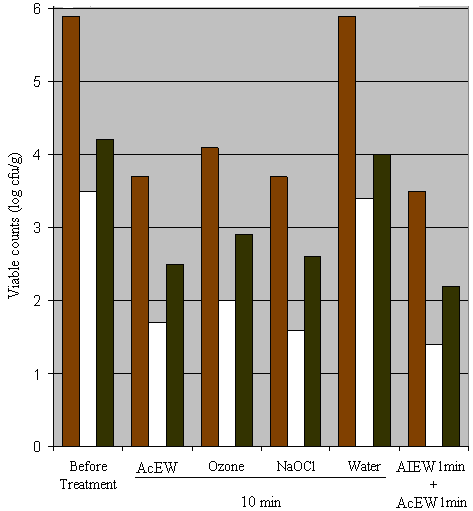
Figure 3: A schematic representation on generation of electrolyzed water [15]. Disinfectant properties of electrolyzed water solutions with higher pH have been showed no adverse effects on surface colour, pH or general appearance of fresh-cut vegetable. The use of neutral electrolyzed water offers the advantage over acidic electrolyzed water that the first does not affect the pH, surface colour or general appearance of the product treated [2]. The microorganisms on the lettuce treated with various sanitizers were enumerated (Figure 4). AcEW and NaOCl solution reduced the viable aerobic bacteria on the lettuce by 2 log cfu/g within 10 min. For lettuce washed with AlEW for 1 min and then treated with AcEW for 1 min (this treatment is referred to as 1+1 treatment), viable aerobic mesophilic bacteria on the lettuce were reduced by 2 log cfu/g. On the other hand, treatment with ozonated water reduced the viable aerobic mesophilic bacteria on the lettuce by 1.5 log cfu/g within 10 min. Tap water did not decrease aerobic bacteria in the lettuce. Coliform bacteria populations were reduced to less than 2 log cfu/g by all treatments except for tap water. There were little differences in the bactericidal effect among the treatments. Although the difference in bactericidal effect between AcEW and NaOCl solution was not significant, the effect of ozonated water was smaller than the other two treatments significantly. Fungal populations were reduced by 1.5 log cfu/g by the treatment with AcEW, NaOCl and 1+1. Treatment with ozonated water reduced molds and yeasts by about 1 log cfu/g [12].
![Figure 3: A schematic representation on generation of electrolyzed water [15]. Disinfectant properties of electrolyzed water solutions with higher pH have been showed no adverse effects on surface colour, pH or general appearance of fresh-cut vegetable. The use of neutral electrolyzed water offers the advantage over acidic electrolyzed water that the first does not affect the pH, surface colour or general appearance of the product treated [2]. The microorganisms on the lettuce treated with various sanitizers were enumerated (Figure 4). AcEW and NaOCl solution reduced the viable aerobic bacteria on the lettuce by 2 log cfu/g within 10 min. For lettuce washed with AlEW for 1 min and then treated with AcEW for 1 min (this treatment is referred to as 1+1 treatment), viable aerobic mesophilic bacteria on the lettuce were reduced by 2 log cfu/g. On the other hand, treatment with ozonated water reduced the viable aerobic mesophilic bacteria on the lettuce by 1.5 log cfu/g within 10 min. Tap water did not decrease aerobic bacteria in the lettuce. Coliform bacteria populations were reduced to less than 2 log cfu/g by all treatments except for tap water. There were little differences in the bactericidal effect among the treatments. Although the difference in bactericidal effect between AcEW and NaOCl solution was not significant, the effect of ozonated water was smaller than the other two treatments significantly. Fungal populations were reduced by 1.5 log cfu/g by the treatment with AcEW, NaOCl and 1+1. Treatment with ozonated water reduced molds and yeasts by about 1 log cfu/g [12].](/fulltextimages/3308/fig_3.png)
$$ \begin{array}{l} \mathrm {A e r o b i c B a c t e r i a, \square C o l i f o r m, \mathrm {F u n g i}} \\ \end{array} $$ Figure 4: Comparison of bactericidal effect on the lettuce treated with acidic electrolyzed water (AcEW), ozonated water (Ozone), NaOCl and tap water (Water) for 10 min, and washed with alkaline electrolyzed water (AlEW) for 1 min and then treated with acidic electrolyzed water (AcEW) for 1 min [12].
Calcium-Based Solutions
Calcium-based treatments have been used to extend the shelf-life of fruit and vegetable. Calcium helps to maintain the vegetable cell wall integrity by interacting with pectin to form calcium pectate. Calcium is reported to maintain firmness by cross-linking with cell wall and middle lamella pectins. Thus, fruits and vegetables treated with calcium generally remain firmer than controls during storage. The use of calcium-based treatments has also been reported effective in reducing chlorophyll and protein loss and inhibiting plant tissue senescence. Calcium can also help to keep longer the fresh-like appearance of minimally processed fruits and vegetables by controlling the development of browning. Control of the flesh browning has been observed in fruits in different studies, e.g. in peaches and pineapple. In apples it has been reported to reduce respiration and increase firmness retention as well as reducing in general the incidence of physiological disorder and decay [2].
Different calcium salts have been studied for decay prevention, sanitation and nutritional enrichment of fresh fruits and vegetables. Calcium carbonate and calcium citrate are the main calcium salts added to foods in order to enhance the nutritional value. Other forms of calcium used in the food industry are calcium lactate, calcium chloride, calcium phosphate, calcium propionate and calcium gluconate, which are used more when the objective is the preservation and/or the enhancement of the product firmness. The selection of the appropriate source depends on several factors: bioavailability and solubility are the most significant, followed by flavour change and the interaction with food ingredients. The concentrations of the calcium salts used as washing treatments are usually within a range of 0.5–3% and dipping time ranges 1-5 minutes [17]. Calcium chloride has been widely used as preservative and firming agent in the fruits and vegetables industry for whole and fresh-cut commodities. However, the use of calcium chloride is associated with bitterness and off- flavours, mainly due to the residual chlorine remaining on the surface of the product. Calcium lactate has been widely used for delicate fruit and products with a high senescence index, such as grapefruit, peaches, fresh-cut cantaloupes and apples. Calcium lactate (0.5–2%) has been used as a firming agent for fruit such as cantaloupes, strawberry and others. It has been reported to be a good alternative to calcium chloride because it avoids the bitterness or off-flavours associated with this salt. Antibacterial properties have been reported for calcium propionate for the treatment of honeydew melon, due to its ability to uncouple microbial transport processes. Also the use of calcium salts other than calcium chloride could avoid the formation of chloramines and trihalomethanes. Calcium lactate was tested as fresh-cut lettuce and carrots sanitizer and compared with chlorine. As alternative to chlorine, calcium lactate showed no differences in affecting the quality of the product, and both treatments showed similar effectiveness in reducing and keeping the microbial load. Iceberg lettuce is highly appreciated by the consumer because of its characteristic crispy texture. Crispness of lettuce samples treated with calcium lactate was significantly higher than crispness of samples washed with chlorine. Microstructural analysis showed a loss of turgor (shrinkage) of the tissue cells in the lettuce samples washed with chlorine, an effect less evident when using calcium lactate [17].
The use of calcium-based treatments present a further advantage; in some cases the final product can significantly increase the calcium content which might enhance the appreciation of these products due to the fact that the awareness of consumers on the benefits of calcium is relatively high. Some of the purified calcium sources might result to be expensive, but the fact that the treatment is also adding value to the product is an advantage to balance the cost/benefit rate [2].
Organic Acids
In the case of fruit and vegetables, such as pre-peeled and sliced apple and potato, for which the main quality problem is browning, which causes a particularly poor appearance, washing with water is not effective enough to prevent discoloration. Traditionally, sulphites have been used to prevent browning; however, their use has some disadvantages. In particular, they can cause dangerous side effects for people with asthma. For this reason, the US FDA partly restricted the use of sulphites. At the same time, interest in substitutes for sulphites is increasing [1]. Organic acids (e.g. lactic acid, citric acid, acetic acid, tartaric acid, sorbic acid) have been described as strong antimicrobial agents against psychrophilic and mesophilic microorganisms in fresh-cut fruit and vegetables. The antimicrobial action of organic acids is due to pH reduction in the environment, disruption of membrane transport and/or permeability, or a reduction in internal cellular pH by the dissociation of hydrogen ions from the acid. The un-dissociated form of acid is responsible for the antimicrobial activity, which is highly dependent by pH [7]. Organic acid containing only one -COOH group such as lactic acid have been found to be less active than those containing an additional -COOH group like citric acid [18]. Citric acid (CA) and ascorbic acid (AA) were used to reduce microbial populations on salad vegetables. Ascorbic acid (L-ascorbic acid) and its various neutral salts and other derivatives have been the leading GRAS antioxidants for use on fruit and vegetable and in fruit juices, for the prevention of browning and other oxidative reactions. Ascorbic acid also acts as an oxygen scavenger, removing molecular oxygen in polyphenol oxidase reactions. PPO inhibition by ascorbic acid has been attributed to the reduction of enzymatically formed o- quinones to their precursor diphenols (Figure 5).
![Figure 4: Comparison of bactericidal effect on the lettuce treated with acidic electrolyzed water (AcEW), ozonated water (Ozone), NaOCl and tap water (Water) for 10 min, and washed with alkaline electrolyzed water (AlEW) for 1 min and then treated with acidic electrolyzed water (AcEW) for 1 min [12].](/fulltextimages/3308/fig_4.jpeg)
apricot, kiwifruit, avocado and bananas [2]. In 1986, the FDA approved the use of peroxyacetic acid as a food- grade sanitizer at concentrations not to exceed 100 ppm. Moreover, unlike chlorine and ozone, peroxyacetic acid is noncorrosive, unaffected by changes in temperature and remains effective in the presence of organic matter. Peroxyacetic acid is a strong oxidizer formed from hydrogen peroxide and AA [10]. Authors reported approximately 1 log cfu/g reduction of L. monocytogenes inoculated on shredded lettuce and romaine lettuce pieces when treated with 80 ppm peroxyacetic acid at 3 to 4ºC for 15 sec [7].
Physical-Based Treatments
Heating
The high temperature short time (HTST) concept is based on the fact that the inactivation of microorganisms primarily depends on the temperature of the heat treatment, whereas many undesirable quality changes depend primarily on the duration time of the heat treatment. High temperatures will give the rapid inactivation of microorganisms and enzymes required in pasteurization or sterilization, and short times will give fewer undesired quality changes. Effective process control is critical if product quality is not to be compromised [2]. The use of blanching as a decontaminant treatment operation in the minimally processed vegetable industries is well established [23]. Blanching consists of heating at high temperature, generally in water at 85–100°C. Short times of exposure are effective to reduce the incidence of degradation reactions during storage. Blanching not involving any chemical treatment can reduce initial mesophilic counts of leafy salads by more than 3 log cfu/g and Enterobacteriaceae counts by less than 1 log cfu/g.
However, blanching itself introduces deleterious changes in the product by the loss of nutrients through thermal degradation, diffusion and leaching, increases power consumption and generates effluents. Texture and colour can be affected by blanching, but if it is applied previously to minimal processing, can help to preserve colour, as it has been shown with strawberries, by inactivation of PPO. Authors have found that a 15 sec water treatment at 80 or 95°C was sufficient to produce a 5 log reduction in E. coli O157:H7 level on apple surface [24]. Steam treatment effectively controlled surface discoloration on minimally processed carrot sticks. Lignin content and enzymes associated with lignin formation were retarded by steam treatment which indicated lignification may be important in surface discoloration. Heat inactivation of PAL and POD also occurred [25]. Heat-shock is a HTST method which usually implies a washing step at a temperature ranging 45–70°C for a few minutes, usually less than 5 min. This way can be very useful as a quality preservation agent. Authors reported that heat-shock treatment at 50–60°C repressed the enzymatic browning of cut lettuce [2]. Heat-shock prevented the browning in fresh-cut lettuce, repressing the accumulation of phenolics and also improved organoleptic properties of the vegetable. In tissue with initial low levels of preformed phenolic compounds (e.g. celery, lettuce) browning results from the induced synthesis and subsequent accumulation of phenolic compounds. A heat-shock treatment that reduces browning in fresh-cut lettuce (e.g. 90 s at 45°C) may work by redirecting protein synthesis away from the production of wound-induced enzymes of phenolic metabolism and toward the production of innocuous heat-shock proteins. Heat-shock prevents quality deterioration, helping to maintain texture and colour qualities longer. Therefore, there is a necessity of combining this heat-shock with a sanitizing method, such as washing with chlorine or an alternative antimicrobial agent, e.g. calcium lactate. Other methods for the application of heat to products are infrared radiation and electric heating. Infrared radiation has been tested as a minimal heat process before freezing carrots. Electric heating (dielectric heating and microwave heating) directly heats the whole volume of the food and is a method that may overcome HTST limitations caused by the low heat diffusivity of foods [26].
Irradiation
Irradiation is an effective and safe method of preserving food by exposing it under controlled condition, to ionizing energy. Irradiation can supplement or replace some of the traditionally food processing technologies to reduce post-harvest losses caused by insects, microorganisms and physiological processes and can contribute to public health by controlling food-borne pathogenic microorganisms and parasites which cause illness in humans. It consumes less energy and is environmentally clean. Unlike chemicals irradiation leaves no residue in the food. It does not raise product temperature and preserves heat sensitive commodities in their natural form. Radiation destroys microbes and insects contaminating food by the partial or total inactivation of the genetic material of the living cells in food, either by its direct effects on DNA or through the production of radicals and ions that attack DNA [27]. Low-dose gamma irradiation is very effective reducing bacterial, parasitic, and protozoan pathogens in raw foods. Irradiation was approved by the US FDA for use on fruit and vegetable at a maximum level of 1.0 kGy. In some instances, the produce quality is extended while in others it results in a loss of quality attributes. The irradiation of minimally processed carrots improved their colour and flavour, although impaired the texture. In minimally processed lettuce, doses of up to 0.5 kGy have been proved not to affect quality, and quality was affected at irradiation levels of 0.81-1.1 kGy. Microbiological studies carried out in cantaloupes showed than samples irradiated had a lower and more stable rate of respiration than non-irradiated samples over about 20 days and total plate counts were significantly higher in non-irradiated control samples through storage [2]. Table 3 listed the effect of irradiation on some minimally processed fruits and vegetables. Irradiation dose of 0.03-0.15 kGy is used to inhibit sprouting of potato, onion, garlic and ginger to extend the shelf life. 0.25-0.75 kGy dose is used for banana, mango and papaya to delay of ripening to extend the shelf life and use as a quarantine treatment for insect disinfestations. Treatment of Florida grape fruit with gamma radiation at a dose of 0.3 kGy has been reported to delay ripening and increase fruit firmness without damaging fruit quality. Researchers reported perceptible changes in aroma and texture as well as an increase in number of brown blemishes in the skin of irradiated grapefruits and oranges after 4-6 weeks [27]. The cost of food depends upon many variables, and one of them is cost of processing. But processing results into a number of benefits to consumers in terms of availability, storage life, distribution and improved hygiene of food. Irradiation can have a stabilizing effect on market price of foods by reducing storage losses resulting in increased availability of produce. The cost could be brought down in a multipurpose facility treating a variety of products around the years.
| Treatment/Dose | Product | Microbial Reduction | Reference | ||||||||
|---|---|---|---|---|---|---|---|---|---|---|---|
| Gamma irradiation (1 kGy) | Pre-cut bell peppers | 4 log reduction of L. monocytogenes | [7] | ||||||||
| Gamma irradiation (1 kGy) | Carrot cubes | 5 log reduction of L. monocytogenes | [7] | ||||||||
| Gamma irradiation (0.35 kGy) | Cut romaine lettuce | 1.5 log reduction of aerobic plate count | [28] | ||||||||
| Irradiation (1 kGy) | Broccoli, Cabbage and Tomato | 4.14 to 5.25 log reduction of L. monocytogenes | [29] |
Table 4: Effect of irradiation on some minimally processed fruits and vegetables (Adaptation of the author).
Ultraviolet Light
Ultraviolet light (UV) acts as an antimicrobial agent directly due to DNA damage and indirectly due to the induction of resistance mechanisms in different fruit and vegetable against pathogens. Exposure to UV also induces the synthesis of health-promoting compounds such as anthocyanins and stilbenoids. Another advantage of this technique is the relatively inexpensive and easy-to-use equipment needed. However, high UV doses can cause damage to the treated tissue. UV-C (254 nm) can reduce deterioration of the minimally processed lettuce by effectively reducing microbial populations. But negative effects were also found, and the application of UV-C increased the stress of the produce, respiration rate, and possibly induced a lignifications-like process which changed the appearance of the samples [2]. Therefore, the possibility of decreasing the treatment intensity by combining two or more treatments to preserve the fruit and vegetable quality without decreasing the inactivation properties appears very promising. Many researchers have already tested the synergistic effects of combining UV-C light with chemical disinfection and/or modified atmosphere packaging (MAP) on vegetable fresh produce. Most of these studies showed the effectiveness of microbial reductions in fresh-cut fruits and vegetables by using chemical disinfection, low UV-C light doses (from 1 to 4 kJ/m2) and storage under conventional MAP, without any detrimental effect on the organoleptic quality of the product. UV-C light has also been combined with other post-harvest treatments such as mild thermal treatments. Efficacy of heat treatments and UV-C light for controlling post-harvest decay of strawberries and sweet cherries has been tested. In most of the cases, fungal inactivation was achieved for the treatments with the highest UV-C dose (10 kJ/m2) combined with a long thermal treatment (15 min at 45°C). The sequence of the treatments seems to have an influence on microbial inactivation for strawberries. The fungal inactivation is greater when the ultraviolet treatment precedes the thermal treatment [5].
Ultrasound
Power ultrasound has a potential application to fresh produce decontamination. Ultrasonic fields consist of waves at high amplitude, which form cavitation bubbles, which generate the mechanical energy which has a ‘cleaning action on surfaces’. Authors have reported that cavitation enhances the mechanical removal of attached or entrapped bacteria on the surfaces of fresh produce by displacing or loosening particles through a shearing or scrubbing action, achieving an additional log reduction when applying to a chlorinated water washing [5]. Researcher studied the combined effect of chemical, heat and ultrasound treatments in killing or removing Salmonella and E. coli O157:H7 on alfalfa seed postulating that combined stresses and enhanced exposure of cells to chemicals would result in higher lethality. They observed that ultrasound treatment at 38.5-40.5 kHz enhances the effectiveness of chemical sanitizers in killing pathogenic growth [5].
Packaging
Modified Atmosphere Packaging: The final operation in producing minimally processed fruit and vegetables is packaging under modified atmosphere. The basic principle of MAP is that a modified atmosphere can be created either passively by using properly permeable packaging materials, or actively by using a specified gas mixture together with permeable packaging materials. The aim of both principles is to create an optimal gas balance inside the package, where the respiration activity of a product is as low as possible but the levels of oxygen and carbon dioxide are not detrimental to the product. In general, the aim is to have a gas composition of 2-5% CO2, 2-5% O2, and the remaining is nitrogen [1].
Low levels of O2 and high levels of CO2 reduce the produce respiration rate, with the benefit of delaying senescence and extending the storage life of the fresh produce. Once the package is closed, no further control of the gas composition is exercised, and the composition will inevitably change due to produce respiration and film gas permeability. Excessively low levels of O2 favor fermentative processes which might cause the formation of acetaldehyde and the appearance of off-flavour compounds. The atmosphere concentrations recommended for preservation depend on the product. In general, fresh-cut products are more tolerant to higher CO2 concentrations than intact products, because the resistance to diffusion is smaller. Whole lettuce is not tolerant to CO2, but shredded lettuce can tolerate concentrations from 10 to 15% [2]. Most films do not result in optimal O2, and CO2, atmospheres, especially when the produce has a high level of respiration. However, one solution is to make micro-holes of a defined size and of a defined number in the material to avoid anoxic conditions [30]. This procedure significantly improves the shelf life of grated carrots. Other solutions include the combination of ethylene vinyl acetate with oriented polypropylene and low-density polyethylene or the combination of ceramic material with polyethylene. Both of the composite materials have significantly higher gas permeability than either polyethylene or the oriented polypropylene much used in the packaging of salads. Both these materials have good heat-sealing properties, and they are also commercially available. The shelf life of shredded cabbage and grated carrot packed in these composite materials is 7-8 days at 5oC and therefore 2-3 days longer than in the oriented polypropylene that is generally used in the vegetable industry. Products can be packed in normal air in these composite materials.
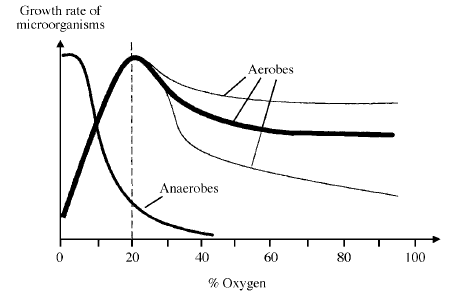
Recently, a new breathable film has been patented, which has a three-layer structure consisting of a two-ply blown co-extrusion approximately 25 μm thickness with an outer layer of K-Resin KR l0 and an inner metallocene polyethylene layer. It is claimed that fresh salads washed in chlorine solution and packaged in this film have a shelf life of 16 days at l-2°C [1]. In dealing with the free respiring products, it is advantageous to have film permeability alteration to match product respiration rate to avoid the respiration condition favored by some pathogen. In practice this can be achieved by linking permeability to temperature change. Whilst the permeation rate of most packaging films are only modestly affected by change in temperature, newer films have been developed with a temperature ‘switch’ point at which film permeation changes rapidly. This technology uses long chain fatty alcohol based polymeric chains. Under a given condition these remain within a crystalline state. Once the temperature increases, the side chain melts reversibly to a gas permeable amorphous state [31]. High O2 MAP: The Campden and Chorleywood Food Research Association (CCFRA) have carried out several experimental trials on prepared iceberg lettuce and tropical fruits using high O2 MAP. The results of these trials confirmed that high O2 MAP could overcome the many disadvantages of low O2 MAP. High O2 MAP was found to be particularly effective at inhibiting enzymatic discolorations, preventing anaerobic fermentation reactions and inhibiting microbial growth. The experimental finding that high O2 MAP is capable of inhibiting aerobic and anaerobic microbial growth can be explained by the growth profiles of aerobes and anaerobes (Figure 6).
It is hypothesized that active oxygen radical species damage vital cellular macromolecules and thereby inhibit microbial growth when oxidative stresses overwhelm cellular protection systems. Also intuitively, high O2 MAP inhibits undesirable anaerobic fermentation reactions. PPO is the enzyme primarily responsible for initiating discoloration on the cut surfaces of prepared produce. PPO catalyses the oxidation of natural phenolic substances to colourless quinones which subsequently polymerise to coloured melanin-type compounds. It is hypothesized that high O2 level may cause substrate inhibition of PPO or alternatively, high levels of colourless quinones subsequently formed (Figure 7) may cause feedback product inhibition of PPO [31].
![Figure 6: Hypothesized inhibition of microbial growth by high O2 MAP [31].](/fulltextimages/3308/fig_6.png)
Figure 7: Hypothesized inhibition of PPO enzymatic discoloration by high O2 MAP [31]. Based on CCFRA experimental trials, the recommended optimal headspace gas levels immediately after fresh prepared produce package sealing are: 80-95% O2/5– 20% N2. After package sealing, headspace O2 levels will decline whereas CO2 levels will increase during chilled storage due to the intrinsic respiratory nature of fresh prepared produce. As previously explained, the levels of O2 and CO2 established within hermetically sealed packs of produce during chilled storage are influenced by numerous variables, i.e. the intrinsic produce respiration rate (which itself is affected by temperature; atmospheric composition; produce type, variety, cultivar and maturity; and severity of preparation); packaging film permeability; pack volume, surface area and fill weight; produce volume/gas volume ratio and degree of illumination. To maximize the benefits of high O2 MAP, it is desirable to maintain headspace levels of O2 > 40% and CO2 in the range of 10–25% during the chilled shelf-life of the product. This can be achieved by lowering the temperature of storage by selecting fresh produce having a lower intrinsic respiration rate, minimizing cut surface tissue damage, reducing the produce volume/ gas volume ratio by either decreasing the pack fill weight or increasing the pack headspace volume, using packaging film which can maintain high levels of O2 whilst selectively allowing excess CO2 to escape, and finally incorporating active packaging sachet that can adsorb excess CO2 and emit an equal volume of O2. In order to maintain levels of O2 > 40% and CO2 in the range 10–25% during the chilled shelf-life, it is desirable to introduce the highest level of O2 (balance, N2) possible just prior to fresh prepared produce package sealing. Generally, it is not necessary to introduce any CO2 in the initial gas mixture since levels of CO2 will build up rapidly within sealed packages during chilled storage. However, for fresh prepared produce items that have low intrinsic respiration rates packaged in a format with a low produce volume/gas volume ratio, are stored at low chilled temperatures, or have an O2 emitter/CO2 absorber sachet incorporated into the sealed package, then the incorporation of 5–10% CO2 into the initial gas mixture may be desirable. Based on the results of controlled atmosphere storage experiments, the most effective high O2 gas mixtures were found to be 80–85% O2/15–20% CO2. This had the most noticeable sensory quality and antimicrobial benefits on a range of fresh prepared produce items [31]. MAP Materials: Based on the results of CCFRA experimental trials, the recommended packaging material for high O2 modified atmosphere retail packs of fresh prepared produce is 30μm orientated polypropylene (OPP) with anti-mist coating. 30 μm OPP film was used for subsequent high O2 MAP experimental trials for the majority of fresh produce items, it was found to have sufficient O2 barrier properties to maintain high in-pack O2 levels (> 40%) and be sufficiently permeable to ensure that in-pack CO2 levels did not rise above 25%, after 7–10 days storage at 5–8ºC. It should be appreciated that other packaging materials, apart from 30 μm OPP, may be suitable for high O2 MAP of fresh prepared produce. For example, laminations or extrusions of OPP with low density polyethylene (LDPE), ethylene-vinyl acetate (EVA) or polyvinyl chloride (PVC) or other medium to very high O2 permeability films, may be more suitable for high O2 MAP of fresh prepared produce items that have a higher respiration rate than iceberg lettuce. For most prepared produce items, under defined storage and packaging conditions, high O2 MAP was found to have beneficial effects on sensory quality in comparison with industry-standard air packing and low O2 MAP. High O2 MAP was found to be effective for extending the achievable shelf lives of prepared iceberg lettuce, sliced mushrooms, broccoli florets, Cos lettuce, baby-leaf spinach, lollo rossa lettuce, flat-leaf parsley, cubed swede, coriander, raspberries, strawberries, grapes and oranges (Table 4).
| Overall achievable shelf- | ||||||||
|---|---|---|---|---|---|---|---|---|
| Prepared fresh | life (days) at 8ºC | |||||||
| produce item | Air/low O 2 | Air/high O 2 | ||||||
| MAP | MAP | |||||||
| Iceberg lettuce | 2–4 | 4–11 | ||||||
| Dipped sliced bananas | 2 | 4 | ||||||
| Broccoli florets | 2 | 9 | ||||||
| Cos lettuce | 3 | 7 | ||||||
| Strawberries | 1–2 | 4 | ||||||
| Baby leaf spinach | 7 | 9 | ||||||
| Lolla Rossa lettuce | 4 | 7 | ||||||
| Flat leaf parsley | 4 | 9 | ||||||
| Coriander | 4 | 7 | ||||||
| Cubed swede | 3 | 10 | ||||||
| Raspberries | 5–7 | 9 | ||||||
| Little Gem lettuce | 4–8 | 6–8 | ||||||
| Dipped potatoes | 2–3 | 3–6 | ||||||
| Baton carrots | 3–4 | 4 | ||||||
| Sliced mushrooms | 2 | 6 |
Table 5: Achievable shelf-life obtained from several fresh prepared fresh produce commodities under different Air/O2 condition [3
Moderate-Vacuum Packaging (MVP)
One interesting MAP method is moderate-vacuum packaging (MVP). In this system, respiring produce is packed in a rigid, airtight container under 40 kPa of atmospheric pressure and stored at refrigeration temperature (4-7°C). The initial gas composition is that of normal air (21% O2, 0.04% CO2 and 78% N2 but at a reduced partial gas pressure. The lower O2 content stabilizes the quality of the produce by slowing down metabolic activity and the growth of spoilage microorganisms. MVP improved the microbial quality of red bell pepper, chicory (endive), sliced apple and sliced tomato; the sensory quality of apricot and cucumber; and both the microbial and sensory quality of mung-bean sprouts and a mixture of cut vegetables. All of the pathogens like L. monocytogenes, Y. enterocolitica, Salmonella typhimurium and Bacillus cereus lost viability quickly during storage of mung-bean sprouts in MVP at 7°C [1]. Authors have applied MVP to flexible 80μm polyethylene bags (evacuated to a pressure of 46 kPa). They found that MVP inhibited enzymatic browning of shredded lettuce during storage for 10 days at 5°C [32].
Active Packaging
Another way of modifying the atmosphere pack is by using Active Packaging (AP). Packaging is termed as “Active” when it performs some desired role other than to provide an inert barrier to the external environment. The goal is to create a more ideal match of the properties of the package to the requirements of the food. AP can be created by using oxygen scavengers, carbon dioxide absorbents, ethanol emitters and ethylene absorbents. Ethylene scavengers are mostly used in packaging of minimally processed fruits and vegetables. The appropriate absorbent material is placed alongside the fresh produce. It modifies the headspace in the package and thereby contributes to the extension of shelf-life of the fresh produce.
Ethylene Scavengers
Ethylene acts as a plant hormone that has different physiological effects on fresh fruit and vegetables. It accelerates respiration, leading to maturity and senescence and also softening and ripening of many kinds of fruit. Furthermore ethylene accumulation can cause yellowing of green vegetables and may be responsible for a number of specific postharvest disorders in fresh fruits and vegetables. To extend shelf life and maintain an acceptable visual and organoleptic quality, accumulation of ethylene in the packaging should be avoided. Most of ethylene-adsorbing substances are supplied as sachet or integrated into films. Potassium permanganate (KMnO4), oxidizes ethylene to acetate and ethanol. In this process, colour changes from purple to brown indicating the remaining ethylene scavenging capacity. Products based on KMnO4 cannot be integrated into food contact materials, but are only supplied in the form of sachets because KMnO4 is toxic and has a purple colour. Typically such products contain from 4% to 6% KMnO4 on an inert substrate with large surface area such as perlite, alumina, silica gel, vermiculite or celite. Rengo Co. (Japan) develops ‘Green pack’, a sachet of KMnO4 embedded in silica. The silica adsorbed the ethylene and the permanganate oxidizes it to acetate and ethanol [33]. Different studies have shown that these sachets effectively remove ethylene from packages of pears, bananas, kiwifruit, diced onions, apples, grapes, mango, tomato and other fruits [34]. Authors have found that MAP of optimally matured (75-80%) banana with low density polyethylene film in combination with ethylene absorbent stored under 13oC
could be extended shelf life up to 42 days without affecting initial fruit quality [35]. Another type of ethylene scavenger is based on the adsorption of ethylene on activated carbon and subsequent breakdown by a metal catalyst. Use of charcoal with palladium chloride prevented the accumulation of ethylene and was effective in reducing the rate of softening in kiwifruits and bananas and chlorophyll loss in spinach leaves, but not in broccoli [36].
Edible Films and Coatings
Another method for extending the post-harvest storage life of lightly processed fruit and vegetable is the use of edible films and coatings, that is thin layers of material that can be eaten by the consumer as part of the whole food product. Edible films/coatings can control migration of gas, moisture, oil and fat, and solutes, as well as retain volatile flavour compounds. They can also improve structural integrity and mechanical handling properties and carry food additives so that they help to maintain the quality of foods during marketing and even after packaging is opened. Polysaccharides (such as cellulose, starch, chitosan, pectin, guar gum, alginate, carrageenan and pullulan), proteins (whey protein, collagen, gelatin, corn zein, wheat gluten, soya protein isolate and casein) and lipids (wax) are the major substances used to form a continuous matrix for edible coating formation. The choice of the substance depends on the specific application, i.e. type of food product and main deterioration mechanisms [37, 38]. Edible films and coating materials for fruits and vegetables and their function are listed in table 5.
| Product | Material | Function | Reference | ||||||||
|---|---|---|---|---|---|---|---|---|---|---|---|
| Apple | Dextrin | Reduced browning | [37] | ||||||||
| Zein | Improve gloss and firmness and reduced weight loss | ||||||||||
| Mango | Chitosan | Retarded water loss and loss in sensory qualities | [39] | ||||||||
| Kiwifruit | Soyabean protein isolate/stearic acid/pullulan | Retarded senescence process | [40] | ||||||||
| Carrot | Casein, casein-monoglyceride | Moisture retention | [41] | ||||||||
| Bell pepper | Xanthan gum | Improved colour | [42] | ||||||||
| Chitin/chitosan | Reduce respiration, colour loss, fungal infection and the rate of ripening | [43] | |||||||||
| Tomato | Zein | Moisture barrier | [37] | ||||||||
| Chitin/chitosan | Retardation of ripening |
Table 6: Edible films and coatings for fresh fruits and vegetables and their function (Adaptation of the author). The additives w
Table 5: Edible films and coatings for fresh fruits and vegetables and their function (Adaptation of the author). The additives which can be incorporated into edible films and coatings can be selected to improve general coating performance such as strength, flexibility and adherence, to enhance product colour, flavour and texture, and to control microbial growth. As an example whey protein films/coatings can incorporate effective amounts of edible antimicrobial agent such as potassium sorbate, ethylenediaminetetra-acetic acid (EDTA), nisin and lysozyme [38].
Hurdle Technology
Hurdle technology is the combination of different preservation techniques as a preservation strategy. The most important hurdles commonly used in food preservation are based on controlling temperature, water activity, acidity, redox potential and the use of preservatives, modified atmosphere and competitive microorganisms (e.g., lactic acid bacteria). By combining hurdles, the intensity of the individual preservation techniques can be kept comparatively low, minimize the loss of quality, while the overall impact on microbial growth may remain high. The selection of hurdles needs to be tailored carefully to the quality attributes of a product [2]. The physiological responses of microorganisms during food preservation such as homeostasis, metabolic exhaustion and stress reaction are the basis for the application of hurdle technology. Therefore, deliberately disturbing several homeostasis mechanisms simultaneously by using multiple hurdles in the preservation of a particular food should be an advantage. Since different hurdles have different spectra of antimicrobial action, the combined hurdles could attack microorganisms in different ways and may increase synergistically the effectiveness of preservation. In practical terms, the use of different preservatives in small amounts may be more effective than only one preservative in a large amount. The reason for the efficacy is that different preservatives might hit different targets within the bacterial cell and thus act synergistically [7]. Authors have found that treating fresh-cut lettuce with low-dose irradiation of about 0.20–0.35 kGy combined with a chlorine (80–100 ppm) wash and MAP, increases the microbiological shelf-life without adversely affecting the visual quality or flavor of the product [44]. It is found that refrigerated cut iceberg lettuce irradiated at 0.2 kGy after chlorine wash and modified atmosphere packaging (MAP) had only 3.2 x 10² cfu/g 8 days after irradiation, at the same time the control had 1.99 x 10⁵ cfu/g. Thus, irradiation in combination with chlorine can significantly reduce microbial levels. A mixture of 1.5% lactic acid and 1.5% H2O2 on apples, oranges and tomatoes reduced counts of Salmonella and E. coli O157:H7 by >5 log per fruit without damage to the sensory quality of the fruit [45]. The combination of acids with other chemical sanitizers provided more hurdles for bacteria to clear, thus increasing the chances of a lethal effect or at least an inhibition of growth. Authors have conducted a study to determine the effectiveness of ozone in combination with chlorine on the microbiological and sensory attributes of lettuce as well as the quality of water used for processing commercial lettuce [46]. In their study, iceberg lettuce was inoculated with 8.0 log cfu/g microorganisms isolated from spoiling lettuce, treated with combinations of chlorine and ozone, and analyzed microbiologically. They reported that chlorine, ozone and chlorine ozone reduced aerobic plate count by 1.4, 1.1 and 2.5 log, respectively. The use of combination of ozone and chlorine resulted in better microbial reduction. The unintentional benefit is that using a reduced chlorine treatment (by adding ozone) may reduce the formation of trihalomethane compounds. The findings demonstrate that combining chlorine and irradiation or lactic acid and hydrogen peroxide had greater reduction than using chlorine alone. Activities and environmental sensitivities of different disinfectants are shown in table 6.
| Disinfectant | pH | Organic Matter | Biocidal Activity | Reference | ||||||||||
|---|---|---|---|---|---|---|---|---|---|---|---|---|---|---|
| Hypochlorite | 6.0-7.5 | Very sensitive | Oxidizer | [7] | ||||||||||
| Chlorine dioxide | 6.0-10.0 | Sensitive | Oxidizer | [47] | ||||||||||
| Ozone | 6.0-8.0 | Somewhat sensitive | Oxidizer | [12] | ||||||||||
| Peroxyacetic acid | 1.0-8.0 | Somewhat sensitive | Oxidizer | [47] | ||||||||||
| UV light | Not affected | Somewhat sensitive | Disrupts DNA | [5] | ||||||||||
| Irradiation | Not affected | - | Disrupts DNA | [27] |
Table 7: Activities and environmental sensitivities of different disinfectants (Adaptation of the author). Authors reported treat
Table 6: Activities and environmental sensitivities of different disinfectants (Adaptation of the author). Authors reported treatments of hot water combined with chemical disinfectants such as chlorine, since the lethality of chlorine is known to increase with temperature. Warm chlorinated water washes offer an attractive alternative to retard the development of spoilage microflora as well as brown discoloration [5]. A newer tendency has been reported by authors that have combined the efficacy of chemical disinfectant with the antimicrobial effect of bacteriocins produced by lactic acid bacteria [48]. They investigated the efficacy of nisin and pediocin treatments in combination with EDTA, citric acid, sodium lactate, potassium sorbate and phytic acid in reducing Listeria monocytogenes on fresh-cut produce. They concluded that pediocin and nisin applications in combination with organic acids caused a significant reduction of native microflora and inoculated populations on fresh produce.
Conclusion
Minimally processed fresh produce market has grown rapidly due to the health benefits associated with these foods. Its growth has heightened awareness about the microbiological and physiological parameters associated with quality in fresh ready-to-eat vegetables due to the relevance for industry and its economic impact. Most of the alternative techniques to chlorine have not yet been adopted by the fresh-cut industry. Chlorine continues being the most commonly used sanitizer due to its cost- effectiveness ratio and simple use. However, new stricter regulations on the use of chlorine urge to find new alternatives for fresh-cut industry. Researcher found that alternatives like chlorine dioxide, ozone, calcium based solutions, electrolyzed water and organic acid are equally or more effective when compared with chlorine. So these alternatives may be need of the future. Low levels of O2 and high levels of CO2 reduce the produce respiration rate, with the benefit of delaying senescence, and extending the storage life of the fresh produce. But excessively low levels of O2 (less than 2%) favor fermentative processes which might cause the formation of acetaldehyde and the appearance of off-flavors compounds. High O2 MAP was found to be particularly effective at inhibiting enzymatic discolorations, preventing anaerobic fermentation reactions and inhibiting microbial growth. Shelf life of fresh produce packed in a high O2 MAP found to be 2-4 days more as compared to shelf life of fresh produce packed in a low O2 MAP. The current published data suggest that none of the available washing and sanitizing methods, including some of the newest sanitizing agents such as chlorine dioxide and ozone, can guarantee the microbiological quality of minimally processed vegetables without compromising their sensorial quality. To overcome this combined treatment of two or more chemical and/or no chemical disinfectant (hurdle technology) in conjunction with sound regulatory policies can be used. Hurdle gives good results without much affecting sensory qualities of minimally processed fruits and vegetables.
References
-
Ahvenainen R (1996) New approaches in improving the shelf life of minimally processed fruits and vegetables. Trends in Food Science and Technology 7(6): 179-187.
-
Rico D, Martin-Diana AB, Barat JM, Barry-Ryan C (2007) Extending and measuring the quality of fresh– cut fruits and vegetables: a review. Trends in Food Science and Technology 18(7): 373-386.
-
Soliva-Fortuny RC, Martin-Belloso O (2003) New advances in extending shelf-life of fresh-cut fruits: a review. Trends in Food Science and Technology 14(9): 341-353.
-
Francis GA, Thomas C, O’Beirne D (1999) The microbiological safety of minimally processed vegetables_._ International Journal of Food Science & Technology 34(1): 1-22.
-
Allende A, Tomas-Barberan FA, Gil MI (2006) Minimal processing for healthy traditional foods. Trends in Food Science and Technology 17(9): 513-519.
-
Garg N, Churey JJ, Splittstoesser DF (1990) Effects of processing conditions on the microflora of fresh-cut vegetables. Journal of Food Protection 53(8): 701- 703.
-
Rivera EV (2005) A review of chemical disinfection methods for minimally processed leafy vegetables. M. S. Thesis, Kansas State University, Manhattan, Kansas, USA.
-
Wei CI, Huang TS, Kim JM, Lin WF, Tamplin ML, et al. (1999) Growth and survival of _Salmonella Montevideo_ on tomatoes and disinfection with chlorinated water. Journal of Food Protection 58(8): 829-836.
-
Beuchat LR, Pettigrew CA, Tremblay ME, Roselle BJ, Scouten AJ (2004) Lethality of chlorine, chlorine dioxide, and a commercial fruit and vegetable sanitizer to vegetative cells and spores of _Bacillus_ _cereus_ and spores of _Bacillus thuringiensis_. Journal of Food Protection 67(8): 1702-1708.
-
Rodgers ST, Cash JN, Siddiq M, Ryser ET (2004) A comparison of different chemical sanitizers for inactivating _Escherichia coli_ O157:H7 and _Listeria_ _monocytogenes_ in solution and on apples, lettuce, strawberries, and cantaloupe. Journal of Food Protection 67(4): 721-731.
-
Khadre MA, Yousef AE, Kim JG (2001) Microbiological aspects of ozone applications in food: a review. Journal of Food Science 66(9): 1242-1252.
-
Smilanick JL, Crisosto C, Mlikota F (1999) Postharvest use of ozone on fresh fruit. Perishables Handling Quarterly Issue 99: 10-14.
-
Kim JG, Yousef AE, Dave S (1999) Applications of ozone for enhancing the microbiological safety and quality of foods: a review. Journal of Food Protection 62(9): 1071-1087.
-
Koseki S, Yoshida K, Isobe S, Itoh K (2001) Decontamination of lettuce using acidic electrolyzed water. Journal of Food Protection 64(5): 652-658.
-
Koseki S, Isobe S (2007) Microbial control of fresh produce using electrolyzed water. JARQ 41(4): 273- 282.
-
Park CM, Hung YC, Doyle MP, Ezeike GOI, Kim C (2001) Pathogen reduction and quality of lettuce treated with electrolyzed oxidizing and acidified chlorinated water. Journal Food Science 66(9): 1368- 1372.
-
Martin-Diana AB, Rico D, Frias JM, Barat JM, Henehan GTM, et al. (2007) Calcium for extending the shelf life of fresh whole and minimally processed fruits and vegetables: a review. Trends in food science and technology 18(4): 210-218.
-
Poli G, Biondi PA, Uberti F, Ponti W, Basari A, et al. (1979) Virucidal activity of organic acid. Food Chemistry 4(4): 251-258.
-
Sapers GM, Miller RL (1995) Heated ascorbic/citric acid solution as browning inhibitor for pre-peeled potatoes. Journal of Food Science 60(4): 762-776.
-
Lozano-de-Gonzales PG, Barrett DM, Wrolstad RE, Durst RW (1993) Enzymatic browning inhibited in fresh and dried apple rings by pineapple juice. Journal of Food Science 58(2): 399-404.
-
Nascimento MS, Silva N, Catanozi MP, Silva KC (2003) Effects of different disinfection treatments on the natural microbial load of lettuce. Journal of Food Protection 66(9): 1697-1700.
-
Akbas MY, Olmez H (2007) Effectiveness of organic acid, ozonated water and chlorine dipping on microbial reducing and storage quality of fresh cut iceberg lettuce. Journal of the Science of Food and Agriculture 87(14): 2689-2616.
-
Arroqui C, Lopez A, Esnoz A, Virseda MP (2003) Mathematical model of heat transfer and enzyme inactivation in an integrated blancher cooler. Journal of Food Engineering 58(3): 215-225.
-
Fleischman GJ, Bator C, Merker R, Keller SE (2001) Hot water immersion to eliminate _Escherichia coli_ O157:H7 on the surface of whole apple: thermal effect and efficacy. Journal of Food Protection 64(4): 451- 455.
-
Howard LR, Griffin LE, Lee Y (1994) Steam treatment of minimally processed carrot sticks to control surface discoloration. Journal of Food Science 59: 356-358.
-
Ohlsson T (1994) Minimal processing-preservation methods of the future: an overview. Trends in Food Science and Technology 5(11): 341-344.
-
Korkmaz M, Polat M (2005) Irradiation of fresh fruit and vegetables. In: Improving the safety of fresh fruit and vegetables, Wim Jongen (Ed.), Woodhead publishing limited, Cambridge (England), pp: 387- 428.
-
Prakash A, Guner AR, Caporaso F, Foley DM (2000) Effects of low-dose gamma irradiation on shelf life and quality characteristics of cut romaine lettuce packaged under modified atmosphere. Journal of Food Science 65(3): 549-553.
-
Bari ML, Nakauma M, Todoriki S, Juneja VK, Isshiki K, et al. (2005) Effectiveness of irradiation treatments in inactivating _Listeria_ _monocytogenes_ on fresh vegetables at refrigeration temperature. Journal of Food Protection 68(2): 318-323.
-
Exama A, Arul J**,** Lencki RW, Lee LZ, Toupin C (1993) Suitability of plastic films for modified atmosphere packaging of fruits and vegetables. Journal of Food Science 58(6): 1365-1370.
-
Day BPF (2002) New modified atmosphere techniques fresh prepared fruit and vegetables. In: Fruit and vegetable processing, Wim Jongen (Ed.), Woodhead publishing limited, Cambridge (England), pp: 310-330.
-
Wilson MD, Stanley RA, Eyles, Ross T (2017) Innovative processes and technologies for modified atmosphere packaging of fresh and fresh-cut fruits and vegetables. Critical Reviews in Food Science and Nutrition 11: 1-12.
-
Matche RS (2001) New trends in fresh produce packaging. Indian food industry 20(6): 58-64.
-
Vermeiren L, Heirlings L, Devlieghere F, Debevere J (2003) Oxygen, ethylene and other scavengers. _In:_ Novel food packaging techniques, Raija Ahvenainen (Ed.), Woodhead publishing limited, Cambridge (England), pp: 41-68.
-
Kudachikar VB, Kulkarni SG, Vasantha MS, Aravinda Prasad B (2007) Effect of modified atmosphere packaging on shelf life and fruit quality of banana stored at low temperature. Journal of Food Science and Technology 44(1): 74-78.
-
Abe K, Watada AE (1991) Ethylene absorbent to maintain quality of lightly processed fruits and vegetables. Journal of Food Science 56(6): 1589-1592.
-
Min S, Krochta JM (2005) Antimicrobial films and coatings for fresh fruit and vegetables. In: Improving the safety of fresh fruit and vegetables. Improving the Safety of Fresh Fruit and Vegetables pp: 454-492.
-
Han JH (2000) Antimicrobial food packaging. Food Technology 54: 56-65.
-
Chien P, Sheu F, Yang F (2007) Effect of chitosan coating on quality and shelf life of slice mango fruit. Journal of Food Engineering 78: 225-229.
-
Xu S, Chen X, Sun DW (2001) Preservation of kiwifruit coated with an edible film at ambient temperature. Journal of Food Engineering 50(4): 211-216.
-
Avena-Bustillos RJ, Krochta JM (1993) Water vapour permeability of caseinate- based edible films as affected by pH, calcium crosslinking and lipid content. Journal of Food Science 58(4): 904-907.
-
Mei Y, Zhao Y, Yang J, Furr HC (2002) Use of edible coating to enhance nutritional and sensory qualities of baby carrots. Journal of Food Science 67(5): 1964- 1968.
-
Lerdthanangkul S, Krochta JM (1996) Edible coating effects on postharvest quality of green bell peppers. Journal of Food Science 61(1): 176-179.
-
Foley D, Euper M, Caporaso F, Prakash A (2004) Irradiation and chlorination effectively reduces Escherichia coli O157:H7 inoculated on cilantro (_Coriandrum sativum_) without negatively affecting quality. Journal of Food Protection 67(10): 2092- 2098.
-
Venkitanarayanana KS, Lin CH, Bailey H, Doyle MP (2002) Inactivation of _Escherichia coli_ O157:H7 and _Listeria monocytogenes_, on apples, oranges, and tomatoes by lactic acid and hydrogen peroxide. Journal of Food Protection 65(1): 100-105.
-
Garcia A, Mount JR, Davidson PM (2003) Ozone and chlorine treatment of minimally processed lettuce. Journal of Food Science 68(9): 2747-2751.
-
Zagory D (1999) Sanitation concerns in the fresh-cut fruit and vegetable industry. Food Processors Sanitation Workshop, University of California, Davis, CA (USA).
-
Bari ML, Ukuku DO, Kawasaki T, Inatsu Y, Isshiki K, et al. (2005) Combined efficacy of nisin and pediocin with sodium lactate, citric acid, phytic acid, and potassium sorbate and EDTA in reducing the _Listeria_ _monocytogenes_ population of inoculated fresh-cut produce. Journal of Food Protection 68(7): 1381- 1387.
- Enhancement of Vegetative Growth and Fruit Yield in Cucumber (Cucumis sativus L.) via Spiritual Blessing (Biofield) Energy Intervention
- Production of Açaí (Euterpe oleracea Mart.) under Different Agroforestry System Management Intensities in Amazonian Floodplain (Varzea) Forests
- Coffee and the Production Region: What is the Secret to the Expression "Quality"?
- Experiential Agripreneurship Training in Sub-Saharan Africa: Integrating a Business Incubator into Postgraduate Livestock Education at the University of Buea
- Advances in Agricultural High-Quality Development
- Linking Compost Residue to ABAGE in Plants - a Short Note