
Pollutants in Food an Improvement in Pathogenesis
Objectives: The objective of this systematic review is to collect the most important information on the effect of pollutants in food to improve the basic knowledge of pathogenetic pathways. Methods: We performed a systematic review of the Cochrane Library and PubMed MESH. Methods’ section explains clearly how the research is set. Results: Concomitant intake of pollutants can be either absorbed or causes illnesses the food itself might help the organism to take over the nefarious presence of the pollutant itself. Conclusion: The survey should sensitise the regulatory framework on pollutants and the way to improve health care and most of all the toxicologic knowledge of these substances
Introduction
Pollution is the main challenge to prevent food quality. Nowadays it is difficult to give certainty to the presence of pollutants even in rain-soaked soils. Pollution stems from problems of non-environmental protection and the way to ensure the impact of many illnesses is prevention from land to food to consumers’ tables. In recent decades, water has also been part of several discussions on this issue. Lately, the literature has emphasized the presence of PFAS (poly- fuorinesucrafant) in irrigation water in redundant and well- known revised. Thus, some pollutants can be the activator of proto-oncogenes in mammals especially. The aim of our research is to determine the connection between food and pollution and pathogenesis. Where PFAS are not the only problem in ensuring food quality and safety by ensuring a reduction in cancer reports. The aim of this research is to evaluate the main pollutant capable of activating its pathogenetic pathways within the human body.
Methods
Systematic Review
- We first carried out a systematic review following the Cochrane collaboration principles by the PRISMA 1 declaration preferred reporting systematic review. We also used PubMed’s advanced PECO methods to support additional data inputs. P - problem/patient/population, E - exposure, C - comparison/control, O – outcome [1].
- P - population subjected to chemical food stress without any racial bias aged 18 to 65 years and without any sexual difference
- E – exposure to polluted food or water
- C – a population not exposed to control with a healthy population
- O- pathogenetic outcome It makes it easy to understand the purpose of the research.
Primary and Secondary Outcome Indicator
We chose pathological roots as a primary outcome indicator and as a secondary outcome, all immunogenic and toxicological factors excreted due to the presence of pollutants in food [2].
Selection Criteria
This formula has been used on PubMed MESH to obtain references (“neoplasms” [MeSH Terms] OR cancer [All fields]) E (polluted [All fields] E (“food”[MeSH Terms] OR food [All Fields])) 2841 references come from the electorate using the keywords cancer AND polluted food and 10 references come from geographic datasets.
Data retrieved from the Cochrane Library Cancer and polluted food results were added in 1 Systematic review with high clinical scientific confidence.
For data synthesis and quality assessment, we included only the highest level of clinical evidence excluded from research to avoid clinical evidence review and biased data. These are the eligibility criteria for which we participate.
Data Collection and Analysis
We performed the final research on June 8, 2023, costing the most relevant articles as explained in the previous section only the unbiased and complete text of at least four independent authors was eligible by the following diagram Figure 1 from the PRISMA guidelines.
Selection Studies
The entire research addressed the eligibility criteria for discarding the article was potentially unclear due to the presence of bias within the test.
Data Extraction and Management
The data were extracted using a standardized form for extraction. Study information was extracted on the genetic characteristics of participants at the sources of bias of the study design, followed by expression of immunogenic factors and the group of participants (type of pollutant in food).
Summary of Data
A cross-sectional investigation of this piece of medical research, the cross-sectional investigation also known in our case prevalence study, is a type of observational study that analyses data from a specific population or condition that is cross-sectional. The risk assessment of bias in the study included. For the assessment of eligibility, the authors seek the Cochrane risk instrument assessment to retrieve biased sources without justification.
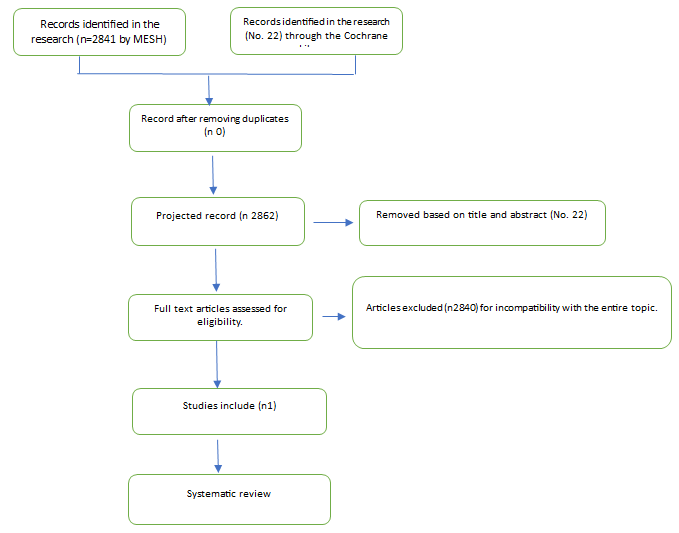
Data synthesis is performed in a result table. The classification of evidence was determined overall by the GRADE system in the way the right to clinical evidence is determined. GRADE assesses the level of clinical evidence that determines the quality of data that chat influences the outcome. Rate the level in four grades: moderately high, low, or very low. For binary variables, the relative risk RR was calculated between 99% and 95% of the confidence interval CI. The median value is also evaluated as a continuous variable such as the mean difference, in the chosen systematic review.
Results
Main Considerations
The chosen systematic review demonstrates how the simultaneous intake of nutrients within our body can be the main route of entry of chemicals such as unwanted contaminants that are present in the diet and split the transport mechanisms simultaneously with the biological maintenance signals in our body thus acquiring avenues that are common to these signals. The toxic modulation of contaminating effects by the nutrient organism has been recognized in toxicological and environmental pollutants as a route of intervention through intestinal absorption tests. On the other hand, the invasive presence of contaminants in foods potentially alters the beneficial effects of nutrient metabolism. The benefit-risk approach to balancing the net effect of nutritional suffixes in the presence of contaminants has been documented in foods such as fish for lead and cadmium and human milk for breastfeeding women. In any case, the complexity between the nutrient and the polluting contaminant is still difficult to understand at the toxicological level and therefore most of the studies conducted are not recommended and do not consider good epidemiological research that seems to be necessary for the drafting of a cross-sectional investigation. The purpose of this study is to focus on chemicals unique to lymphomas by illustrating some potential epidemiological implications of this analysis as shown in Figure 2. However complicated due to this broad purpose of properly focusing on polluting nutrients and their interaction covering multiple bands of our body’s metabolism. We can cover a part many aspects that are the basis of biological and statistical definition techniques of the interaction between nutrients, pollutants, and our body. Only by understanding the biological factors of common activities at the physicochemical level of exposure can we clarify how the exposure to a diet can be pernicious, and two what the common mechanisms of absorption transport conservation and desegregation talking more generally about toxicokinetics. It is of substances that are often present in the literature such as cadmium in foods lead in fish and other heavy metals but not only we talk also speak of substances of organic origin such as PFAS in water. Their exposure and toxic kinetic influence way in their interactions and are illustrated with evidence that it also has a dynamic toxic model of interactions resulting primarily from controlled studies and experimental studies in human epidemiological studies go to support what has been said. Concluding, some tips for future results and considerations regarding this section.
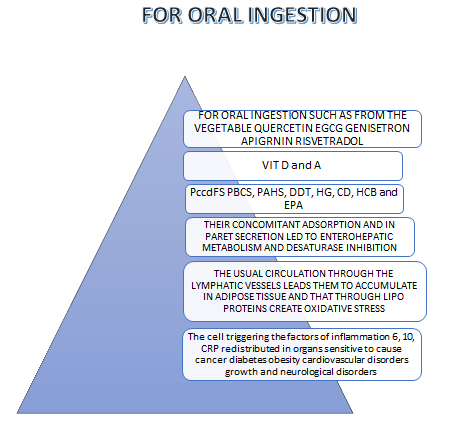
Co-position or Co-existence Factors in Exposure
Lipophilic pollutants are characterized by hydrophobic properties, which means in chemistry that they have a known logarithm greater than four favouring the accumulation itself in adipose tissues near the trophic chains. Among the various groups of chemicals, we want to remember benzodiazepines polychrome, dioxins, and benzo furans but not only in fluorinated chlorinated biphenyls in polychrome ethers or chlorinated organ pesticides such as dichloride phenyl trichloroethane. These substances are known as common agents in their exposure in eastern countries led to a nutritional variable of the nutritional profile rich in materials for polyunsaturated fats and contaminated vitamin D. The modest consumption of fish oil could be useful in reducing the risk of coronary death by up to 36% if instead, you were to have a mortality of 17%. However, its consumption had a strong heterogeneity in the substantial result and in its results that were often medically inconsistent. Moreover, contaminants have been suspected of varying results even in cases where benefits have been found in type two diabetes. It is also to add that there have been some results in a great variability of fish contamination that could be applied to pregnant and breastfeeding women. It has a lot to think about the Mediterranean diet that’s packed with fresh fruits and vegetables. As a result, anyone exposed to the presence of contaminants through fresh fruit fish vegetables could become part of a balance of macronutrients fibres vitamins minerals and polyphenols known as beneficial substances polluted by the above due to a composition with partners polluting in the next model.
Organism toxicogenic
A second level to consider is toxic kinetics affects contamination levels in the body because lipophilic chemicals share a common absorption mechanism with substances that remain in tissue after cell visualization through a main principle of systemic distribution it is an example of this is the vitamin E storage and pathway of vitamin A. Other similar behave fibres whose role predominant is pectin a natural polysaccharide common to fruit to vegetables from phenyl dichloroethylene chlorine. For example, comb- fed animals have defects in their Hey adipose tissue of the brain’s liver and kingdoms that suggest a protective effect at the absorption level. However, there are no scientific mechanisms to support this theory in the same way that you may think of it facilitating the inscription of digoxin from the body. Intestinal modulation is relevant in modulating enterohepatic circulation and the reabsorption of pollutants this recycling and at the base of a lack of absorption due to lipids that do not guarantee their penetration. This increases the excretion of chlorobenzene in vivo. A small group of 11 participants in a randomized trial won giving lower levels of BPCBS Polychlorinated biphenyls in the blood 1. It can modulate the bioavailability, accumulation, and secretion of lipophilic contaminants without being considered an antidote This leaves room for presence and moderation and data on bioavailable macronutrients introduced into the diet.
Dynamic Toxicological interactions
The level of interaction between nutrients and pollutants present in one own belongs to the role that molecular signals divide their functions into cells by competing with a receptor bond that is the same or interfering with a biological response always difficult to understand because of their competitiveness. A large presence of metabolic diseases such as atherosclerosis, diabetes, dyslipidaemias, and even metabolic syndrome. Therefore, we can conclude that the presence of pollutants can be the cause of these diseases and can also be the cause of breast and lung cancer or simple inflammation and infertility. Everywhere cytokines produce energy in this homeostasis and for example a common biological process.
Some Nutrients can Modify Polluting Effects
Other nutrients can, however, increase the toxic effect of pollutants in the body one of these is fat and sucralose, high levels of fats and crucial in the diet and can accelerate carcinogenesis as demonstrated in vivo 3,4. In opposition to the active list of substances that decrease exposure to immune reactions sometimes even devastating some substances can increase carcinogenesis. These are the high amount of fats and the high amount of sucrose which therefore have some distinctive characteristics on the metabolism and therefore perfect greater systematics [3]. In opposition to a list of bioactive nutrients many antioxidant pollutants have suggested that there is a protective role against doses of the same role of antioxidants is therefore able to modulate the processes of regulation and inflammation of the same carcinogenic nature. A list of bioactive nutrients that do not only concern antioxidants and can block pro- inflammatory thrusters among these belong to omega three and omega six acids. There is a biological genetic relevance of processes and diseases that derives from the presence of so-called polluters and their interaction with the agents that modulate their presence within our body that derive from the same foods that contain them. The function of omega three and other protective substances protects cytochrome P 450 metabolism in vivo from vascular dysfunction and the decrease of vasodilator constrictor vessels with affection in polluting derivations. Other active contextual substances with redox action to reduce inflammatory oxidation can reduce the inflammatory pathways deriving from cytokines arising from the presence of pollutants in our body opposing oxidative cardiovascular diseases due to mitochondrial stress and its dysfunction due to oxidative stress. The antioxidant role of polyphenols contributes to counterbalancing the presence of pollutants in our body by activating redox and the mechanisms becoming responsible for the anti-pollution mechanisms of the reloaded documents that modulate the metabolism and secretion of the pollutants themselves. An effect like that they have against pesticides introduced into our body through the diet induces a reduction in stress and oxidative damage.
Pollutants can Reduce the Beneficial and Metabolic Effects of Healthy Nutrients
This is seen in the eicosanoids of growing cancer cells metastasizing for example Hey however the presence of omega six and omega three can generate a dysregulation of this and all the other Hey mechanisms that underlie the lack of beneficial action of nutrients against pollutants as seen above. Examples include reuptake and storage and transport of carotenoids and vitamin A in general as a retinoid system that targets and attacks with chemicals including pesticides and digoxin. It must therefore be said that the rotenoid carotenoids of vitamin A disturb the metabolism of aggressive substances coming from the outside, reducing their immune effects against development and reproduction and therefore in general their adverse effects [4].
Discussion & Conclusion
It is therefore easy to conclude that the metabolism of toxic substances coming from pollution and ingested through the elements present in our body can cause a cascade of cytokines through the transport of lymphopoiesis from which cellular oxidative stress derives and the factors that lead to the main diseases as well as to the accumulation of the same in adipose tissue. However, there are methods or rather foods that can be taken if these are taken in the presence of various pollutants that can block or sometimes favour the and therefore the action of toxic pollutants in our body. Environmental and nutritional epidemiological studies should address and isolate with greater acrimony the responsibility of individual molecules when they are administered during feeding and when they are administered to plants identifying new models of nutritional markets and for this state of feeding pollution in the future. It is necessary to involve the interest of the scientific community and public health to obtain the maximum in improving public health methods for identifying the status of nutrients and pollutants. It is easy to make an important recommendation for an epidemiological study on factors that simultaneously consider a migration between positive and negative factors in the intake or ingestion of vegetables in even polluted foods it is important that there is therefore a specific evaluation. The meditation of this causality can be of benefit to the community and be the basis of the regulatory sciences of the drug that protects plants and who does not feed them only by fertilization pillar as well as it can be the basis of breeding correctly from a chemical and toxicological point of view. It is therefore important so finally that you can calculate a risk assessment balance benefit to the regulatory sciences also this missing piece of their activity not neglecting the beneficial substances and substances that act to block toxic drugs that serve the growth of plants their pollutants definitively as xenobiotic substances and of origin other than natural ones.
References
-
Prisma (2020) Transparent Reporting of Systematic Reviews and Meta-Analyses.
-
Cano-Sancho G, Casas M (2021) Interactions between environmental pollutants and dietary nutrients: current evidence and implications in epidemiological research. Epidemiol Community Health 75(2): 108-113.
-
Naville D, Gaillard G, Julien B, Vega N, Pinteur C, et al. (2019) Chronic exposure to a pollutant mixture at low doses led to tissue-specific metabolic alterations in male mice fed standard and high-fat high-sucrose diet. Chemosphere 220: 1187-1199.
-
Wesselink A1, Warner M, Samuels S, Parigi A, Brambilla P, et al. (2014) Maternal Dioxin Exposure and Pregnancy Outcomes Over 30 Years of Follow-Up in Seveso. Environ Int 63: 143-148.
- Cancer Diagnosis from RNA Sequence of Blood Cells by Using AI
- Field Cancerization in Oral Cavity, Case Report and Review of Literature. Oncologic Program Salud Integral Hospital, Managua, Nicaragua
- Identification of B Lymphocytes in Cancer Patient’s Blood
- A Case Report of a Breast Cancer Patient Developing Pneumonitis as a Result of Abemaciclib Therapy
- Immune Checkpoint Therapeutics for Today’s Fight and Beyond
- The Amalgamated Sophomore-Gonadoblastoma