
Flubendiamide as New Generation Insecticide in Plant Toxicology: A Policy Paper
<p>Flubendiamide activates ryanodine sensitive intracellular calcium release channels (ryanodine receptors, RyR) in insects. It has a novel biochemical action as it affects calcium ion balance irrespective of sodium or potassium ion balance, which causes contraction of insect skeletal muscle. Flubendiamide is stable to hydrolysis under laboratory conditions, but direct aqueous photolysis appears to be a main route of degradation. Flubendiamide degrades to des-iodo flubendiamide under field soil photolysis. It also degrades very slowly in field condition. Volatilization from soil and water surface is not expected to be an important dissipation route. In anaerobic aquatic conditions, flubendiamide transforms mainly to desiodo flubendiamide (DT50 of 137 days in the water/sediment system), with this not undergoing any further degradation. Flubendiamide degrades to des-iodo flubendiamide under laboratory soil photolysis. It has shown longer persistence and is also reported to form toxic metabolites in soil. It has also shown groundwater contamination potential if the soil is porous and sandy.</p>
Introduction
Crop protection plays a significant role for sustainable agriculture. Pesticide application being one of the major inputs for increasing crop yield. Among the largest agricultural societies in the world, India is one of them. Over the past few decades agricultural production in India has recorded remarkable growth. In the present agriculture, agro-inputs namely water, nutrients and plant protection chemicals are essential inputs to realize Policy Article higher yields required to feed the burgeoning human population. These inputs need to be managed judiciously for sustainable agriculture, where misuse of agrochemicals is continuously increasing their toxic levels in food, feed and the environment [1]. More than 50% of the applied pesticides reach to the soil during application for plant protection and from soil they enter into the water bodies by run-off and leaching. The persistence of toxic pesticide residues in soil and water adversely affect the soil health, aquatic life and quality of ground water [2]. Polluted ground water, when used for irrigation, act as a source of contamination of food chain. Therefore, it is necessary to study the persistence and leaching behavior of newly introduced pesticides in soil. When the pesticide is applied in field, may migrate to various components of the environment by natural processes like volatilization, leaching, translocation etc. The magnitude depends upon properties of soil, pesticide and the climatic conditions. Sorption of an organic contaminant in soil matrix is an important process that strongly influences contaminant transport, bioavailability and ultimate fate. Rice is one of the most important cereal crop grown in India. Lepidopteron pests are one of the most important in rice crop [3]. Among all the damage to rice crop maximum loss is due to lepidopteron pests which accounts for about 45- 50% of the total loss. Flubendiamide is a new stomach poison and oral intoxicant, fast acting (rapid cessation of feeding), long lasting (rain fast) insecticide effective for the control of lepidopteron pests. The active ingredient belongs to a new class of chemical group phthalic acid diamide and has a novel biochemical action of affecting calcium ion balance irrespective of sodium or potassium ion balance, which causes contraction of insect skeletal muscle. Flubendiamide is mainly effective for controlling lepidopteron pests including resistant strain in rice, cotton, corn, grapes, other fruits and vegetables [4]. Flubendiamide has larvicidal activity. It is a foliar applied insecticide with lipophilic character.
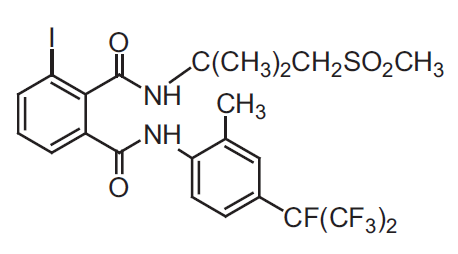
The uniqueness of the structure of flubendiamide results from three parts with novel constituents: a heptafluoroisopropyl group in the anilide moiety, a sulfonylalkyl group in the aliphatic amide moiety and an iodine atom at the 3-position of the phthalic acid moiety. It is mainly effective for controlling lepidopteron pests including resistant pest strain in rice, cotton, corn, grapes, other fruits and vegetables [7]. It has a novel biochemical action as it affects calcium ion balance irrespective of sodium or potassium ion balance, which causes contraction of insect skeletal muscle. Flubendiamide has been used in plant protection as a new agricultural material for productivity improvement, demonstration test and for resistant insect prevention measure test with chemical pest control in Japan [8]. The persistence study of flubendiamide and its metabolite des-iodo flubendiamide; N2-[1,1-dimethyl-2- (methylsulfonyl)ethyl]-3-iodo-N1-[2-methyl-4-[1,2,2,2- tetrafluoro-1-(trifluoromethyl)ethyl] phenyl]-1,2-benzene dicarboxamide, was carried out in soil by Bayer laboratories and they recommended the use of liquid chromatography/mass spectroscopy (LC/MS) for their detection.
Overview about Flubendiamide
Flubendiamide, N2-[1,1-dimethyl-2- (methylsulfonyl)ethyl]-3-iodo-N1-[2-methyl-4-[1,2,2,2- tetrafluoro-1- (trifluoromethyl) ethyl]phenyl]-1,2-benzene dicarboxamide, belongs to phthalic acid diamide group of insecticide. Flubendiamide is mainly effective for controlling lepidopteron pests including resistant strain in rice, cotton, corn, grapes, other fruits and vegetables [5]. It has larvicidal activity as a stomach poison and is an oral intoxicant, fast acting (rapid cessation of feeding), long lasting (rain fast) and has limited plant penetration and systemicity. It is a foliar applied insecticide with lipophilic character. This reviews reports the review of information of flubendiamide in the soil, plant, animal and water system [6].
Reports on Flubendiamide
| Common name | Flubendiamide | ||||
| Chemical name | N2-[1,1-dimethyl-2-(methylsulfonyl)ethyl]-3-iodo-N1-[2-methyl-4-[1,2,2,2- tetrafluoro-1-(trifluoromethyl)ethyl]phenyl]-1,2-benzene dicarboxamide | ||||
| CAS Reg.No. | 272451-65-7 | ||||
| Odour | No characteristic odour | ||||
| Molecular weight | 682.39 | ||||
| Melting point | 217.5 - 220.7 °C | ||||
| Form | White crystalline powder | ||||
| Density (at 20.8 °C) | 1.659 g cm-3 | ||||
| Solubility in water (at 20°C ) | 29.9 × 10⁻⁶ g L-1 |
Das SK, et al. Flubendiamide as New Generation Insecticide in Plant Toxicology: A Policy Paper. Adv Clin Toxicol 2017, 2(2): 000122.
| Vapour pressure | <1× 10⁻¹mPa (25 0C) |
|---|---|
| K log P ow | 4.2 (250C) |
| Trade name | Fame ® 480 SC, Belt® 480 SC |
| Type of formulation | SC |
| Mode of action | Activator of ryanodine-sensitive calcium release channel |
| Use | Control lepidopteron pests |
| Methods of application | Foliar applied insecticide with lipophilic character |
| Mammalian toxicology | Acute oral LD for male and female rats >2000 mg kg-1 50 |
| Commercialization | Reported by T. Nishimatsu et al. Discovered by Nihon Nohyaku Co., Ltd |
| Molecular structure |
Synthesis of Flubendiamide
Flubendiamide is the first example of benzene dicarboxamide or phthalic acid diamide insecticides, discovered by Nihon Nohyaku and developed jointly with Bayer Crop Science [9]. It is also the first example of a practical insecticide which activates ryanodine receptors. In 1993, during a synthetic research program (scheme I) on pyrazine dicarboxamide herbicides1, the benzene dicarboxamide analogue 2 having a nitro group at the 3- position was found to show an insecticidal activity against lepidopteran insects (Scheme 1). Optimization of the substituent X at the phthaloyl moiety of compound 3 led to the result that a compound with a halogen atom substituted at the 3-position showed good activity, with iodine providing the best [10]. The substituent Y at the aniline moiety of compound 4 was investigated next. Compounds having a lipophilic substituent at the 4- position such as 5 were highly active. Compound 6 showed a very high activity and to improve the activity even further the substituent R at the aliphatic amide moiety of compound 7 was investigated. The introduction of some kind of heteroatom or functional group into this moiety increased the activity. Finally, the substituent led to the synthesis of flubendiamide 8 [11].
The chemical structure is characterized by three parts: 1) a phthaloyl moiety, 2) an aromatic amide moiety and 3) an aliphatic amide moiety. Due to having three parts, in its structure, the synthesis of flubendiamide is extremely difficult. One major challenge (scheme II) was the regioselective introduction of the three different substituents into the 1-, 2- and 3-positions of the phthaloyl part. Two other difficulties were to find convenient methods to synthesize thioalkylamine10 and heptafluoroisopropylaniline11. The starting compound, 3- nitrophthalic acid 12, is hydrogenated to yield the corresponding amino derivative, which is transformed into 3-iodophthalic anhydride 13 by a Sandmeyer reaction followed by acid treatment. The reaction (scheme III) of 13 with thioalkylamine10 (n = 0) is per formed regioselectively to give phthalamic acid 14, which is cyclized to isoimide15. The reaction of 15 with heptafluoroisopropylaniline11 followed by the final oxidation leads to flubendiamide 8. Phthalic acid is transformed to the diamide 17 by a similar route to the one described above. The diamide 17 is iodinated with 1,3-diiodo-5,5-dimethylhydantoin by a palladium- catalyzed reaction followed by the oxidation with hydrogen peroxide to give flubendiamide. Quite simple synthetic routes of thio - alkylamine10 (n=0) and heptafluoroisopropylaniline11 were found. Thioalkyl - amine 10 (n=0) is prepared from 2- amino-2- Das SK, et al. Flubendiamide as New Generation Insecticide in Plant Toxicology: A Policy Paper. Adv Clin Toxicol 2017, 2(2): 000122.
methylpropanol by a reaction with sulfuric acid followed by the treatment with methylmercaptan. Heptafluoroisopropyl - aniline 11 is synthesized by the reaction of o-toluidine with heptafluoroisopropyl - iodide under radical reaction conditions [12].
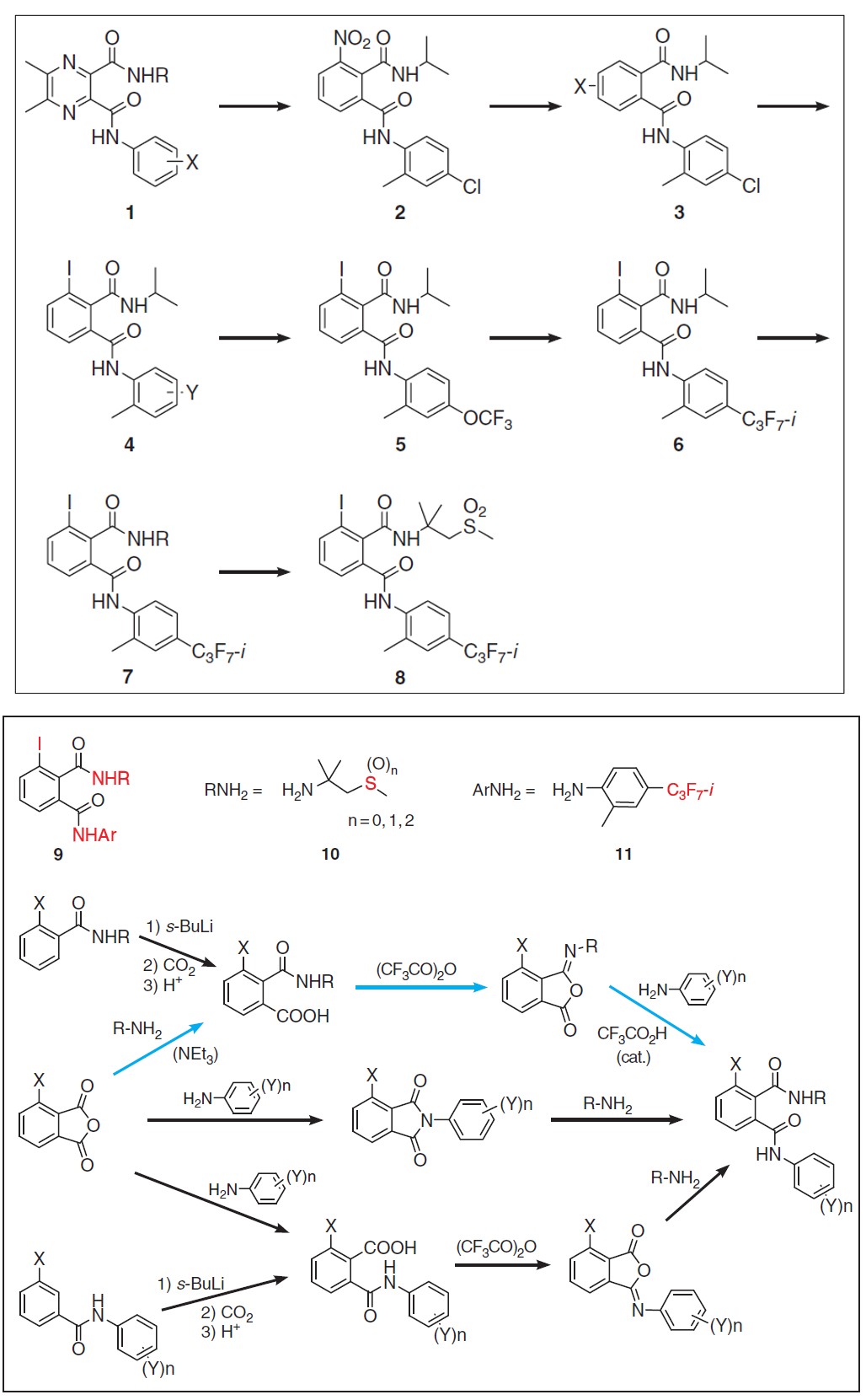
Scheme I: Synthetic research program on pyrazinedicarboxamide herbicides1
Scheme II: Synthesis of benzene dicarboxamide derivatives.
Das SK, et al. Flubendiamide as New Generation Insecticide in Plant Toxicology: A Policy Paper. Adv Clin Toxicol 2017, 2(2): 000122.
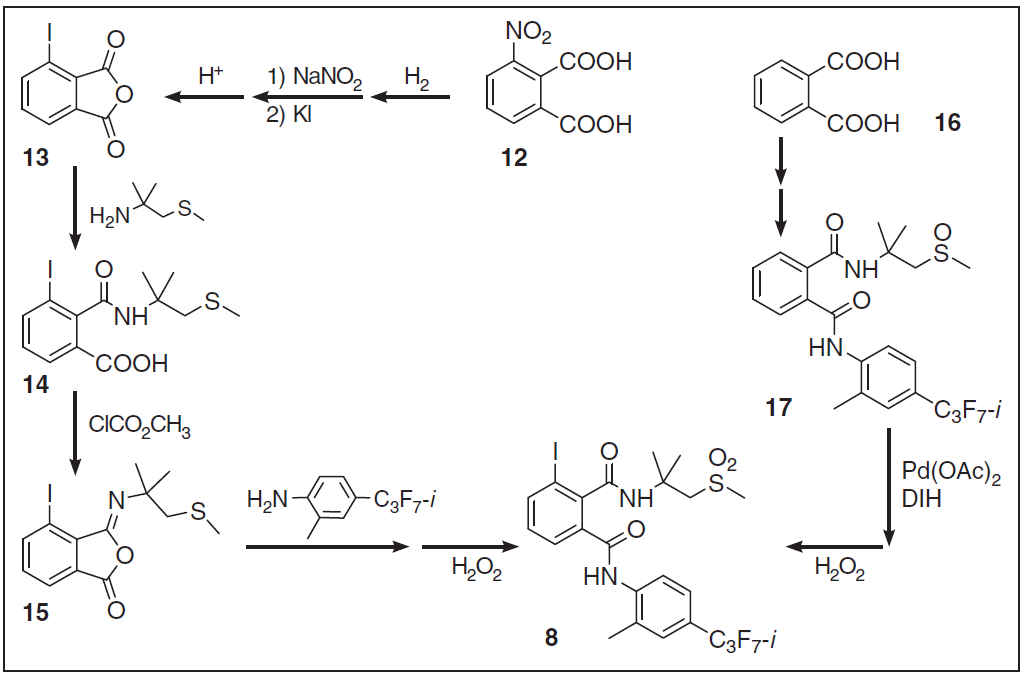
Scheme III: Synthesis of flubendiamide.
Analytical Methods for Estimation of Flubendiamide
An analytical method was standardized by Battu et al. for the estimation of residues of flubendiamide and its metabolite desiodo flubendiamide in various substrates comprising cabbage, tomato, pigeonpea grain, chilli, and soil. The samples were extracted with acetonitrile, and partitioned into chloroform, dried over anhydrous sodium sulfate, and treated with 500 mg of activated charcoal powder [13]. Final clear extracts were concentrated under vacuum and reconstituted into HPLC grade acetonitrile and residues were estimated using HPLC equipped with a UV detector at 230nm and a C18 column. Acetonitrile/water (60:40 v/v) at 1 mL/min was used as mobile phase [14, 15]. Another analytical method developed by Cavoski et al. for determination of flubendiamide on fruits and vegetables by liquid chromatography-electrospray tandem mass spectrometry operated in the positive and negative ionization switching mode. The diamide was extracted with acetonitrile and separated on a Zorbax Column Eclipse XDB C8 (4.6 mm x 150 mm i.d., 3 om) by isocratic elution with a mobile phase consisting of acetonitrile and water with 0.1% formic acid pumped at a flow rate of 0.4 mL/min. The diamide was selectively detected by multiple reaction monitoring for transitions of proton adduct precursor ions simultaneously [16, 17]. Due to the linear behavior of the MS detector response for the analyte, it was concluded that the multiple reaction transitions of molecular ions in the ion-switching mode can be used for analytical purposes [18, 19, 20]. Gopal and Mishra studied residue analysis of flubendiamide in rice (Oryza sativa), which includes improved extraction, cleanup and determination of flubendiamide in rice seeds, husk and straw by using LC with UV detection. Safety evaluation of this insecticide in rice has been carried out after applying its soluble concentrate (SC) formulation at recommended dose [21, 22, 23].
Bioefficacy of Flubendiamide
Javaregowda et al. stated that flubendiamide play a significant role to maintain the food security as well as preserve the environment. The discovery and characterization of the insecticide flubendiamide represented a novel opportunity to develop a portfolio of progressive insect management tools. Flubendiamide Das SK, et al. Flubendiamide as New Generation Insecticide in Plant Toxicology: A Policy Paper. Adv Clin Toxicol 2017, 2(2): 000122.
provides superior plant protection against a broad range of economically important lepidopteron pests [24, 25, 26, 27]. Flubendiamide is mainly effective for controlling lepidopteron pests including resistant strain in rice, cotton, corn, grapes, other fruits and vegetables. It has larvicidal activity as a stomach poison and has limited plant penetration and systemicity. It is a foliar applied insecticide with lipophilic character. Flubendiamide activates ryanodine sensitive intracellular calcium release channels (ryanodine receptors, RyR) in insects. Tatagaret al. conducted a field experiments at the Horticultural Research Station, Devihosur, Haveri test the bioefficacy of a new molecule, flubendiamide 20 WG formulation against chilli fruit borers, Helicoverpa armigera and Spodoptera litura. The results indicated that among the various insecticides tested flubendiamide recorded highest yield with lowest fruit damage followed by emamectin benzoate and spinosad. Latifet et al. conducted a field experiment to evaluate the efficacy of flubendiamide as an IPM component for the management of brinjal shoot and fruit borer [28, 29, 30, 31, 32, 33, 34, 35]. The results of this study suggested that application of flubendiamide at 5% level of fruit infestation in combination with mechanical control + potash @ 100 kg/ha + field sanitation may be used for the management of brinjal shoot and fruit borer [36]. Tohnishi et al. evaluated that flubendiamide was highly effective against all the important lepidopterous pests, with EC50 values 0.004 to 0.58 mg L-1. It was reported that flubendiamide was ineffective against the natural enemies at 100 to 400 mg/L. These results indicated that flubendiamide would be safe for natural enemies and consequently will fit well into integrated pest management programme. Shane et al. reported that the novel biochemical mode of action of flubendiamide exhibits excellent larvicidal activity, as an orally ingested toxicant by targeting and disrupting the Ca2+ balance. This results in rapid cessation of feeding and extended residual control, providing superior crop protection against a broad-range of economically important lepidopteran pests [37, 38, 39, 40, 41, 42].
Moisture and Light on Persistence of Flubendiamide in Soil
Soil is the major sink for pesticide. Because considerable proportion of the foliar applied pesticide reaches soil where it is acted upon by interplay of physical, chemical and biological forces [44]. All these forces play an important role in deciding the fate of pesticides in soil. Fate of xenobiotics plays a major role in defining the quality of our environment. Information on pathways of pesticide degradation and their leaching behavior and factors influencing them is important in predicting the levels of pesticide remaining in soils and allows assessment of potential risk associated with the exposure [45]. According to USEPA (2008) flubendiamide is stable to hydrolysis under laboratory conditions, but direct aqueous photolysis appears to be a main route of degradation. Flubendiamide degrades to des-iodo flubendiamide under field soil photolysis with a half life estimated as 11.56 days. Flubendiamide degrades to des- iodo flubendiamide under laboratory soil photolysis with a half-life estimated as 135.5 days. It also degrades very slowly in field condition [46]. Australian Pesticides and Veterinary Medicines Authority stated that flubendiamide hydrolyses slightly in pH of 4 to 9 and under goes aqueous photolysis by sunlight to form the des-iodo metabolite which is stable to further photolytic degradation [47]. Photolytic breakdown of flubendiamide on a soil surface gave calculated half-lives of 11.4 days. Under aerobic conditions in natural water systems, flubendiamide only extremely slowly degrades in water systems with the majority of the material moving to the sediment where it persists over time [48, 49]. As indicated with the modelled best fit T1/2 (slow degradation phase) values of 200-365 days, flubendiamide is persistent in soils with the degradation being monophasic. Cavoski et al. in his experiment stated that it is not only stable both under aerobic-anaerobic soil conditions and aerobic-aquatic laboratory conditions but also it degrades in field condition very slowly. As soils exhibit a marked affinity for hydrophobic organic compounds, they exert an essential role in controlling the environmental fate of flubendiamide. Sahoo et al. in his experiment calculated the half-life (t1/2) of flubendiamide on chili to be 0.96 and 0.91 days, respectively, at single and double dosages. Desiodo flubendiamide was not detected at 0.01 mg kg-1 level in chili samples collected at different time intervals. Shane et al. conducted an experiment in North America and showed that flubendiamide is hydrolytically stable, relatively immobile in soils, practically non-detectable in key rotated crops, mobile in the xylem following penetration into plant tissue and exhibits strong rain fast characteristics due to the unique chemical properties. Hall reported that flubendiamide poses minimal risk to freshwater or marine organisms (fish, invertebrates, plants). Additionally birds were shown to have low sensitivity to the compound and therefore flubendiamide does not pose a risk to avian species. While some chronic effects were observed for mammals, the concentration level at which the effects were observed was above the potential exposure level that represent a more environmentally realistic scenario, thus indicating no risk Das SK, et al. Flubendiamide as New Generation Insecticide in Plant Toxicology: A Policy Paper. Adv Clin Toxicol 2017, 2(2): 000122.
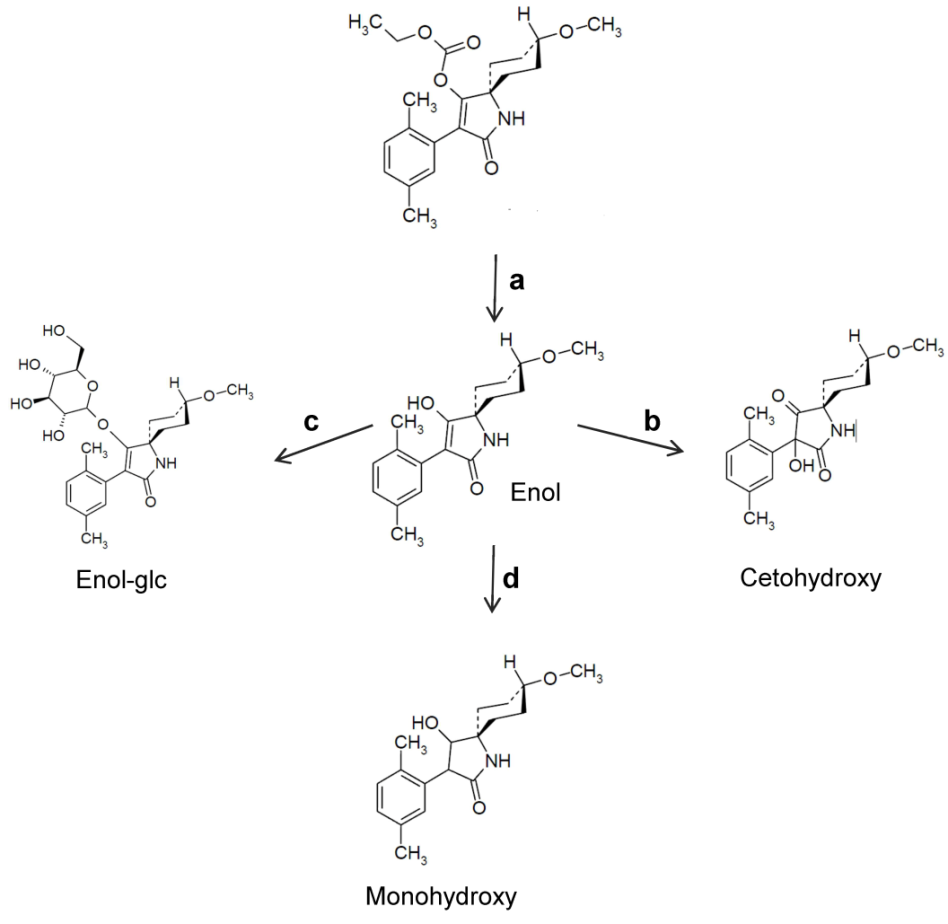
for wild mammals. No acute toxicity to honey bees has been observed and no adverse effect on the adult mortality, flight intensity, behavior and hive condition were observed in the semi-field test. Flubendiamide demonstrates high specificity to the target organisms and therefore the non-target arthropod studies resulted in essentially minimal effects to these organisms. Similarly no effects were observed in the soil litter degradation, soil-microorganism or earthworm acute and chronic studies and minimal effects were observed in the springtail test. Australian Pesticides &Veterinary Medicines Authority reported the metabolic pathway of flubendiamide (Figure 1). The main routes for degradation of the parent compound can be depicted in the following figure-
Downward Movement of Flubendiamide in Soil Column
Leaching is the movement of soluble substances along with water through the soil profile. Recent concern for the environment has provided impetus for studies aimed at quantifying pollution potential of pesticides. Pesticides pollution of ground water is attributed to both point and non-point source contamination. Of these, leaching is considered the main cause of nonpoint source of groundwater contamination by pesticides [49]. The physico-chemical properties of a pesticide responsible for the potential to leach down are the persistence and the mobility. The intrinsic mobility of a pesticide in the soil profile is inversely related to its degree of sorption to (or within) soil surfaces. Of the several pesticidal properties that influence leaching include partition coefficient, water solubility, vapor pressure, hydrophobic hydrophilic character, ionic state and chemical, photochemical and Das SK, et al. Flubendiamide as New Generation Insecticide in Plant Toxicology: A Policy Paper. Adv Clin Toxicol 2017, 2(2): 000122.
biological properties. Lambert et al. considered the movement of herbicides through soil columns to be analogous to chromatography and found that the extent of movement in soil could be predicted from the distribution or adsorption coefficient, the void volume, water content and organic matter content [49]. Helling and Turner developed a soil thin layer chromatographic technique useful for determining the relative mobility of pesticides in soil. Flubendiamide is expected to be slightly too hardly mobile in soil. The main transformation product, des-iodo Flubendiamide, is more mobile than the parent compound. Both of them have the potential to contaminate surface water through runoff due to their persistence in soil and also have the potential for ground water contamination in vulnerable soils with low organic matter content. According to Bayer Crop Science, flubendiamide and it’s degradate des-iodo flubendiamide may also impact surface water quality due to runoff of rain water. This is especially true for poorly draining soils and soils with shallow ground water. These chemicals are classified as having a medium potential for reaching both surface water and aquatic sediment via runoff several months or more after application. A vegetative buffer strip as required under the Directions for Use will reduce the potential for loading of flubendiamide and its degradate des-iodo flubendiamide from runoff water and sediment. Runoff of this product will be reduced by avoiding applications when rainfall is forecasted to occur within 48 hours. Flubendiamide and its degradate des- iodo flubendiamide have properties and characteristics associated with chemicals detected in ground water [49, 50]. This chemical may leach into ground water if used in areas where soils are permeable, particularly where the water table is shallow. Shane conducted an experiment in North America and shown flubendiamide to be hydrolytically stable, relatively immobile in soils, practically non-detectable in key rotated crops, mobile in the xylem following penetration into plant tissue, and exhibits strong rain fast characteristics due to the unique chemical properties. Cavoski et al. showed that flubendiamide is almost insoluble in water. Because soils exhibit a marked affinity for hydrophobic organic compounds, they exert an essential role in controlling the environmental fate of these chemicals [51]. Humic substances play a major role in the sorption of hydrophobic organic compounds in soils. Adsorption of hydrophobic, non-polar organic compounds can be considered as a non-specific, partitioning process between soil water and soil organic phase, such as the mechanism for retention of nonionic, non-polar organic pollutant that weakly interact with water.
References
-
(2008) Australian Pesticides and Veterinary Medicines Authority.
-
Agnihothri NP (1999) Pesticide Safety Evaluation and Monitoring. AICRP Pesticide Residue, Division of Agricultural Chemicals, IARI, New Delhi.
-
Das SK (2014) Chemicals responsible for systemic acquired resistance in plants a critical review. J Atoms and Molecules 4 (3): 45-51.
-
Battu RS, Singh B, Kooner R, Singh B (2008) Simple and efficient method for the estimation of residues of Flubendiamide and its metabolite desi-odo Flubendiamide. J Agric Food Chem 56(7): 2299-2302.
-
Das SK (2014) Role of micronutrient in rice cultivation and management strategy in organic agriculture-A reappraisal. Agricultural Sciences 5(9): 765-769.
-
Bayer Crop Science (2003) Report MR-202/03, Laboratory Project ID: P601030020, Leverkusen.
-
Das SK, Avasthe RK, Gopi R (2014) Vermiwash: Use in Organic Agriculture for Improved Crop Production. Popular Kheti 2(4): 45-46.
-
Barman H, Roy A, Das SK (2015) Evaluation of plant products and antagonistic microbes against grey blight (Pestalotiopsis theae), a devastating pathogen of tea. African Journal of Microbiology Research 9(18): 1263-1267.
-
Mate CJ, Mukherjee I, Das SK (2014) Mobility of spiromesifen in packed soil columns under laboratory conditions. Environ Monit Assess 186(11): 7195- 7202.
-
Das SK, Avasthe RK, Singh M, Sharma K (2015) Biobeds: on-farm biopurification for environmental protection. Current Science 109 (9): 1521-1521.
-
Cavoski I, D’Orazio V, Caboni P, Miano T (2009) A spectroscopic study of possible mechanism of flubendiamide sorption onto humic acids. Geophys Res Lett 11: EGU2009-12819.
-
Ebbinghaus-Kintscher U, Luemmen P, Lobitz N, Schulte T, Funke C, et al. (2006) Phthalic acid diamides activate ryanodine-sensitive Ca2+ release channels in insects. Cell Calcium 39(1): 21-33. Das SK, et al. Flubendiamide as New Generation Insecticide in Plant Toxicology: A Policy Paper. Adv Clin Toxicol 2017, 2(2): 000122.
-
Das SK (2014) Recent developments in clean up techniques of pesticide residue analysis for toxicology study: a critical review. Universal Journal of Agricultural Research 2(6): 199-203.
-
Gopal M, Mishra E (2008) Analytical Method for Estimation of a New Insecticide Flubendiamide and its Safety Evaluation for Usage in Rice Crop. Bull Environ Contam Toxicol 81(4): 360-364.
-
Gupta S, Gajbhiye VT, Gupta RK (2006) Effect of ultraviolet and sunlight on persistence of thiamethoxam in soil. Pestic Res J 18(2): 211-214.
-
Das SK (2013) Mode of action of pesticides and the novel trends- a critical review. International Research Journal of Agricultural Science and Soil Science 3(11): 393-401.
-
Gustafson DI (1995) Ground water ubiquity score: A simple method for assessing pesticide leachability. Environ Toxicol Chem 8(4): 339-357.
-
Hall LM, Ren D, Feng G, Eberl DF, Dubald M, et al. (1995) Calcium channel as a new potential target for insecticides. ACS Symposium Series 591: 162-172.
-
Mukherjee I, Das SK, Kumar A (2012) A Fast Method for Determination of Flubendiamide in Vegetables by Liquid Chromatography. Pesticide Research Journal 24(2): 159-162.
-
Das SK, Avasthe RK, Singh R, Babu S (2014) Biochar as carbon negative in carbon credit under changing climate. Current Science 107(7): 1090-1091.
-
Hall T, Met P (2007) Pflanzenschutz-Nachrichten- Bayer. 60: 167-182.
-
Das SK (2014) Recent development and future of botanical pesticides in India. Popular Kheti 2(2): 93- 99.
-
Hamaguchi H, Hirooka T (2007) Insecticides affecting Calcium Homeostasis – Flu bendiamide Modern Crop Protection Compounds, Eds: Kramer, W, Schirmer, U, Wiley-VCH, Weinheim, Germany 31: 1121-1138.
-
Das SK, Mukherjee I (2011) Effect of light and pH on persistence of flubendiamide. Bull Environ Contam Toxicol 87(3): 292-296.
-
Hirooka T, Masaki T, Yasokawa N, Tohnishi M, Nishimatsu T, et al. (2006) Flubendiamide, a Novel Ca2+ Channel Modulator, Reveals Evidence for Functional Cooperation between Ca2+ Pumps and Ca2+ Release. Mol Pharmacol 69(5): 1733-1739.
-
Roy A, Das SK, Tripathi AK, Singh NU (2015) Biodiversity in North East India and their Conservation. Progressive Agriculture 15(2): 182- 189.
-
Javaregowda, Nalk LK (2005) Bioefficacy of flubendiamide 20 WDG against paddy pests and their natural enemies Pestology 29: 58-60.
-
Das SK, Avasthe RK (2015) Carbon farming and credit for mitigating greenhouse gases. Current Science 109(7): 1223-1224.
-
Kulshrestha G, Singh SB (1992) Influence of soil moisture and microbial activity on pendimethalin degradation. Bull Environ Contam Toxicol 48(2): 269- 274.
-
Latif MA, Rahman MM, Alam MZ, Hossain MM (2009) Evaluation of flubendiamide as an IPM component for the management of brinjal shoot and fruit borer. Leucinodes orbonalis Guenee. Munis Entomology & Zoology 4(1): 257-267.
-
Liu X, Zhu J, Pan C, Song B, Li B (2008) Synthesis and fungicidal activity of novel 3,5-diarylpyrazole derivatives. Front Chem China 3: 418-421.
-
Das SK, Mukherjee I (2012) Effect of moisture and organic manure on persistence of flubendiamide in soil. Bulletin of Environmental Contamination and Toxicology 88(4): 515-520.
-
Masaki T, Yasokawa N, Tohnishi M, Motoba K, Hirooka T, et al. (2006) Flubendiamide, a novel Ca2+ channel modulator, reveals evidence for functional cooperation between Ca2+ pumps and Ca2+ release. Mol Pharmacol 69(5): 1733-1739.
-
Masanori T, Hayami N, Fujioka S, Furuya T, Seo A, et al. (2005) Flubendiamide, a novel insecticide highly active against lepidopteran insect pests. J Pestic Sci 30(4): 354-360.
-
Ngim KK, Crosby DG (2001) Abiotic processes influencing fipronil and desthiofipronil dissipation in california, USA, rice fields. Environ Toxicol Chem 20(5): 972-977. Das SK, et al. Flubendiamide as New Generation Insecticide in Plant Toxicology: A Policy Paper. Adv Clin Toxicol 2017, 2(2): 000122.
-
Nishimatsu T, Kodama H, Kuriyama K, Tohnishi M, Ebbinghaus D (2005) A novel insecticidal agent, flubendiamide, for controlling lepidopterous insect pests. International Conference on Pesticides, Kuala Lumpur, Malaysia, pp: 156-161.
-
Das SK, Mukherjee I, Kumar A (2015) Effect of soil type and organic manure on adsorption–desorption of flubendiamide. Environ Monit Assess 187(7): 403.
-
Masaki T, Yasokawa N, Tohnishi M, Nishimatsu T, Tsubata K, et al. (1993) Atrazine leaching in to groundwater-comparison of five simulation models. Eco Model 70: 239-261.
-
Das SK (2014) Scope and Relevance of using Pesticide Mixtures in Crop Protection: A Critical Review. Int J Environ Sci Toxic Res 2(5): 119-123.
-
Rao PSC, Davidson JM (2008) Estimation of pesticide retention and transformation parameters required in nonpoint source pollution models. Environ Impact Assess Rev 56: 23-67.
-
Sahoo SK, Sharma RK, Battu RS, Singh B (2009) Dissipation Kinetics of Flubendiamide on Chili and Soil. Bull Environ Contam Toxicol 83(3): 384-387.
-
Shane H (2006) Flubendiamide: the next generation in Lepidopteran pest management. Paper presented at the Annual Meeting of the Entomological Society of America (ESA) held at Research Triangle Park, NC, pp: 10-13.
-
Das SK, Mukherjee I (2012) Flubendiamide transport through packed soil columns. Bulletin of Environmental Contamination Toxicology 88(2): 229- 233.
-
Tatagar MH, Mohankumar HD, Shivaprasad M, Mesta RK (2009) Bio-efficacy of flubendiamide 20 WG against chilli fruit borers, Helicoverpa armigera (Hub.) and Spodoptera litura (Fb.). Karnataka J Agric Sci 22(3): 579-581.
-
Tohnishi M, Steffens R, Buckelew L (2005) Flubendiamide: the next generation of chemistry for lepidoptera pest management. In: Lauderdale F (ed) The Larry L Larson symposium: new frontiers in pest management. The 2005 ESA Annual Meeting, 15-18 December. Ento Soc of America, Florida.
-
Das SK, Mukherjee I, Das SK (2012) Dissipation of flubendiamide in/on Okra [Abelmoschus esculenta (L.) Moench] Fruits. Bull Environ Contam Toxicol 88(3): 381-384.
-
Tohnishi M, Tsubata M, Kodama H, Seo A (2007) Chemistry of flubendiamide – discovery, synthesis, and X-ray structure. Pflanzenschutz-Nachrichten Bayer 60(2): 105-116.
-
Das SK, Mukherjee I (2014) Influence of microbial community on degradation of flubendiamide in two Indian soils. Environ Monit Assess 186(5): 3213- 3219.
-
USEPA (2008) Office of Prevention, Pesticides and Toxic Substances, Washington DC 20460, US, pp: 08.
-
Das SK, Mukherjee I, Kumar A (2015) Effect of soil type and organic manure on adsorption–desorption of flubendiamide. Environmental Monitoring & Assessment 187(7): 403.
-
Verdezo TS, Undabeytia T, Nir S, Villaverde J, Maqueda C, et al. (2008) Environmentally friendly formulations of alachlor and atrazine: preparation, characterization, and reduced leaching. J Agric Food Chem 56(21): 10192-10199. Das SK, et al. Flubendiamide as New Generation Insecticide in Plant Toxicology: A Policy Paper. Adv Clin Toxicol 2017, 2(2): 000122.
- Pattern of Gonadal Hormones in Oral Testosterone-Supplimented Male Wistar Rats with Diabetes-Induced Hypogonadism
- Re-Evaluation of the Genotoxicity of Currently Used Food Dyes in Mouse Multiple Organs Via Continuous Administration by Drinking Using the Comet Assay
- Pharmacogenetics of Type 2 Diabetes Mellitus: Linking Genetic Variability to Drug Efficacy and its Cardiovascular Outcomes
- Exploratory Proteomic Profiling of SARS-CoV-2 Infected THP-1 Macrophages Reveals Alterations in Inflammatory Response and Cellular Metabolism
- Study of Genotoxicity of Hepatocarcinogens in Multiple Organs in Mice by Feeding and Drinking Using the Comet Assay
- Spirulina Polypeptides Inhibit the Growth of Human Lung Tumor (H460) Cells