
More on Carboxylic Acid: One Possible Cause of Alzheimer’s
In this paper, we consider the possible pathway from cresol to carbon monoxide- a compound that is known to kill brain cells. Carbon monoxide and cresol may be the cause of dementia and Alzheimer’s
Introduction
In a previous paper, I showed how Cresol may be the culprit in causing Dementia. Second, I postulated that carboxylic acid from oil fired power plants may be a culprit as well, but nothing was conclusive, merely suggestive. Third, the idea that cancer and dementia are mutually exclusive diseases. In this paper, I consider the fundamental chemistry that shows how the equations may run from Cresol; to Carboxylic Acid; to Acetylene; to Carbon Monoxide. Carbon Monoxide is known to kills brain cells, thus dementia and Alzheimer’s. We begin then with the chemical equations of the functional groups.
Opinion
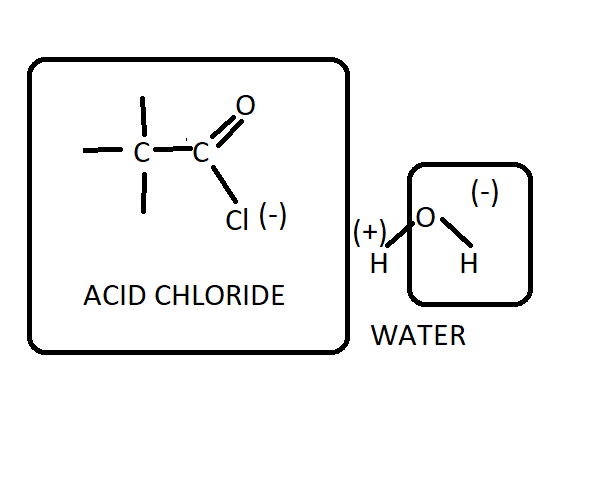
Chlorine is the important agent in Cresol. Many workers were exposed to Cresol on docklands, railyards. Smoked- meat shops, and military uses. Note in Figure 1, that water has a dipolar charge that draws the chlorine away from the acid. In its place is the OH- Hydroxide Ion. Note that the Hydroxide Ion could form hydrogen peroxide which is important in the cause o f cancer. As the chlorine is pulled off of the Acid Chloride, it is replaced with hydroxide. This then gives us carboxylic acid (Figure 2) [1, 2].
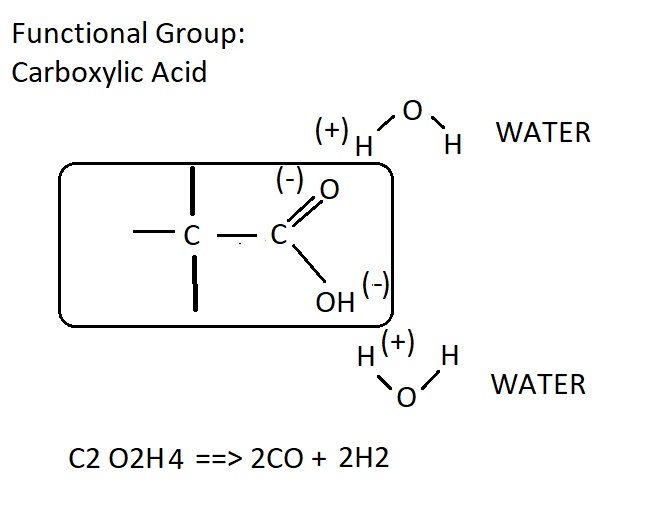
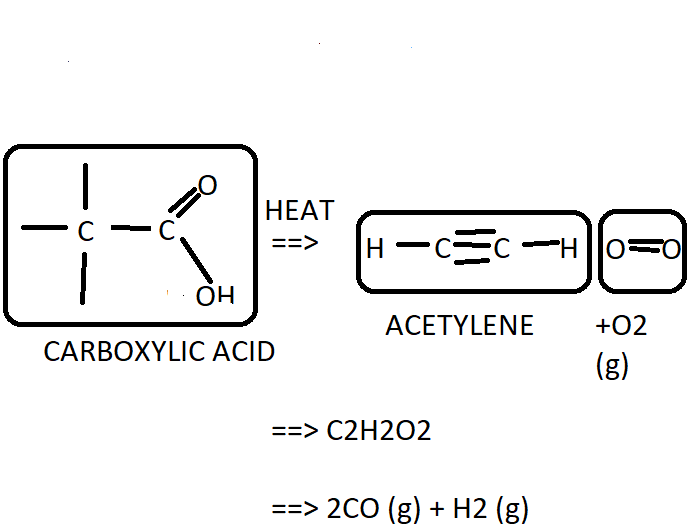
Figure 3 illustrates how the Carboxylic Acid turns to Acetylene and Oxygen. The combustion of acetylene yields Carbon Monoxide which is known to kill human brain cells; thus leading to Dementia [3, 4, 5].
Conclusion
This could well be a pathway for dementia in some cases.
Cresol was widely used and so are oil fired power plants and oil refineries up wind of residential neighbourhoods [6]. Suggest that neighbourhoods such as East Saint John, NB Canada be studied to determine if there is indeed a higher than normal incidence of Alzheimer’s.
References
-
Hathaway BA (2011) E-Z Organic Chemistry, 2nd (Edn.), Barron’s.
-
Mascetta JA, Kernoin MC (2009) E-Z Chemistry, 5th (Edn.), Barron’s.
-
Cusack PTE (2018) Chlorine, Creosote and Dementia. EC Psychology and Psychiatry 7.1: 11-12. 2.
-
Cusack PTE (2018) Cresol, A possible cause of Dementia. EC Psychology and Psychiatry 7.7: 380-381.
-
Cusack PTE (2019) Herpes Simplex Virus: Possible Root Causes of Dementia. Madridge J Intern Emerg 3(1): 99- 100.
-
Cusack PTE (2018) Hydrogen Peroxide and Cancer. Open Acc J Oncol Med 2(2): 1-2.
- Pattern of Gonadal Hormones in Oral Testosterone-Supplimented Male Wistar Rats with Diabetes-Induced Hypogonadism
- Re-Evaluation of the Genotoxicity of Currently Used Food Dyes in Mouse Multiple Organs Via Continuous Administration by Drinking Using the Comet Assay
- Pharmacogenetics of Type 2 Diabetes Mellitus: Linking Genetic Variability to Drug Efficacy and its Cardiovascular Outcomes
- Exploratory Proteomic Profiling of SARS-CoV-2 Infected THP-1 Macrophages Reveals Alterations in Inflammatory Response and Cellular Metabolism
- Study of Genotoxicity of Hepatocarcinogens in Multiple Organs in Mice by Feeding and Drinking Using the Comet Assay
- Spirulina Polypeptides Inhibit the Growth of Human Lung Tumor (H460) Cells